
Welcome Back Tests and Notebooks New Unit The
Welcome Back § § § Tests and Notebooks New Unit- The Roaring 20’s New IB Unit Question: Why do people fear change? How do they react to that fear? § Agenda for this unit: first few days as an overview of the topics. Then, you will be in a small group and will focus on one topic from the 1920’s.
The Roaring 20’s
Where are we? § World War I over § Progressive Era over America is now a winner of a world war, reformed to the point that many reformers were pleased with. What could go wrong?
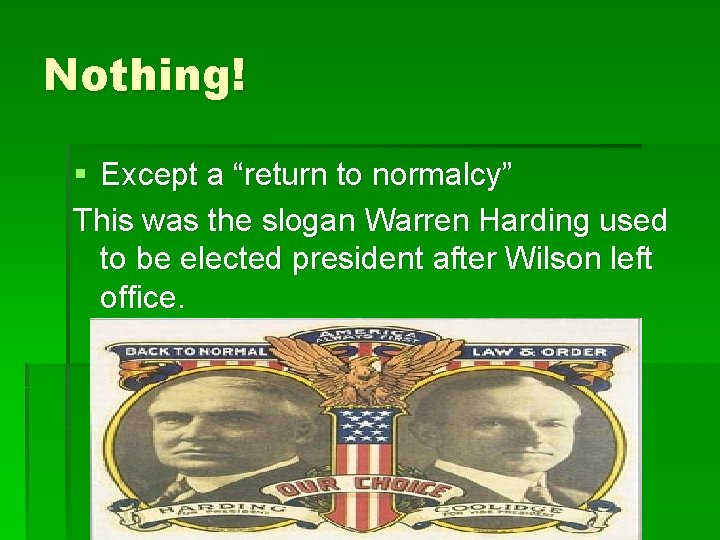
Nothing! § Except a “return to normalcy” This was the slogan Warren Harding used to be elected president after Wilson left office.
NIC of “normalcy” Effects of the “return to normalcy” § Nativism- suspicion of foreign-born people § Isolationism- Pull the US out of global affairs § Conservatism- means many things, in this case, turning away from progressive reforms
Politics of the Roaring 20’s § Revolutionary changes around the world= fear at home § Red Scare- fear of communism-Palmer Raids and fear of radicals § Sacco and Vanzetti convicted and executed in a very questionable trial- Fear of radicals leading to fear of immigrants § Ku Klux Klan reemerges- result of antiimmigrant sentiment.
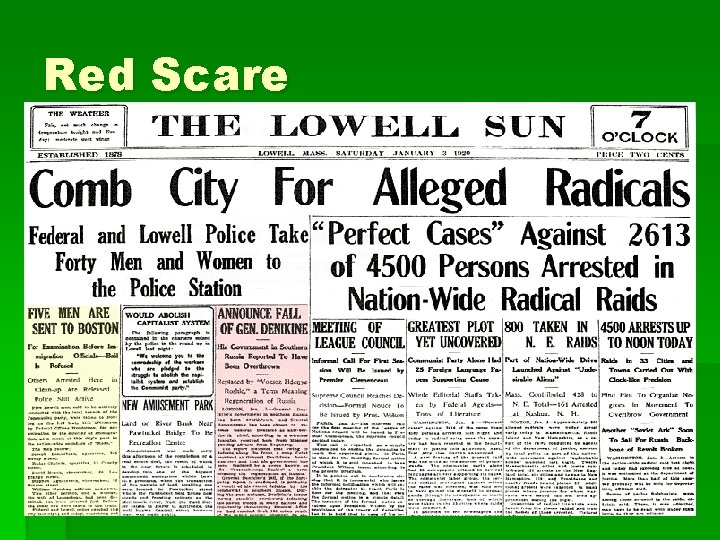
Red Scare
Politics of the Roaring 20’s § Labor Unrest = Loss of appeal to public § Boston Police Strike § Steel Mill Strike § The Coal Miners’ Strike These strike’s mixed results, the difficulty to organize and the exclusion of African Americans led to a downfall in the appeal to the public.
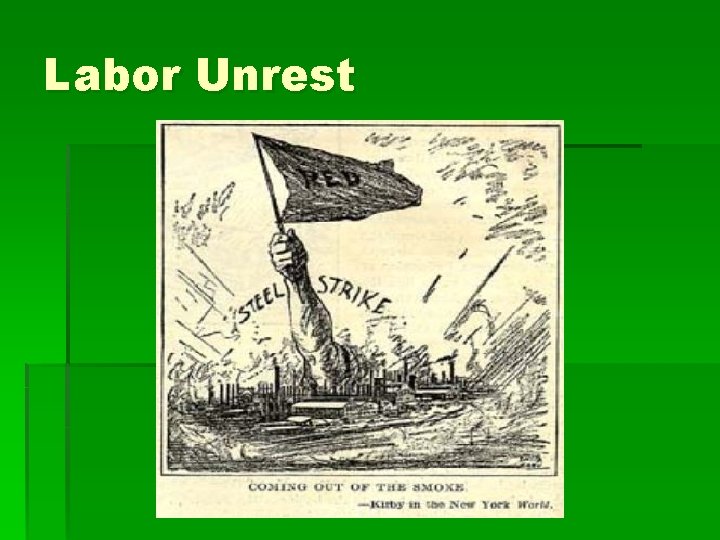
Labor Unrest
Politics of Roaring 20’s § Isolationism = opposition to foreign entanglements § Warren Harding- Return to simpler days before WWI § Kellogg-Brand Pact- pact of all nations in world that renounced war § Isolation= higher tariffs (Fordney-Mc. Cumber Tariff) highest tariff ever § However, Dawes Plan- US helping Germany pay reparations, veered from isolationism

Dawes Plan
Politics of the Roaring 20’s § Immigration limitations § Quota System- Establishes a maximum number of immigrants from each country into America § Political Scandals § Ohio gang- “Return to normalcy”= return of corruption and “good ole boy” system § Teapot Dome scandal- secretly leasing of oil reserves to private oil companies.
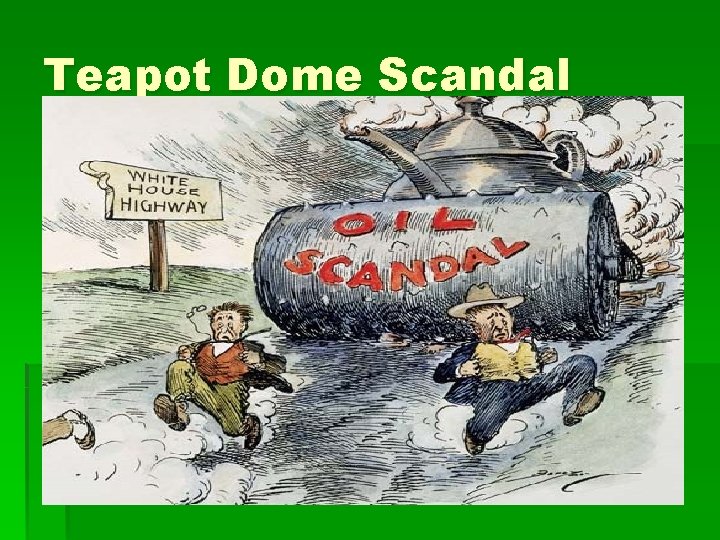
Teapot Dome Scandal
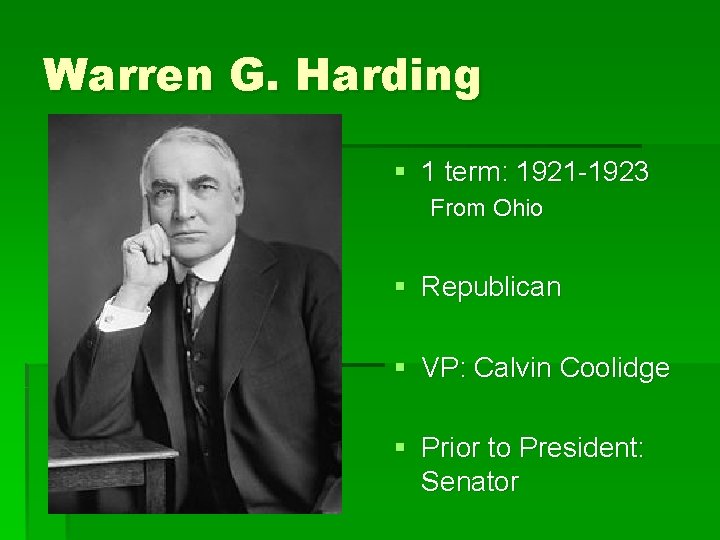
Warren G. Harding § 1 term: 1921 -1923 From Ohio § Republican § VP: Calvin Coolidge § Prior to President: Senator
Harding § “return to normalcy” after struggles of war, battle over League of Nations and so many reforms § Raised tariffs, instituted a isolationist foreign policy. § Began the Republican dominance in the 1920’s, scandal ridden presidency, died two years into presidency.
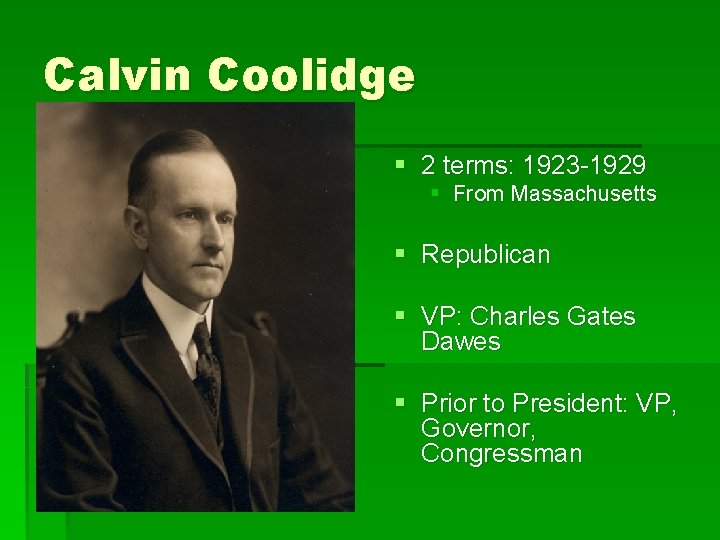
Calvin Coolidge § 2 terms: 1923 -1929 § From Massachusetts § Republican § VP: Charles Gates Dawes § Prior to President: VP, Governor, Congressman
Coolidge § Less government involvement, lower taxes, allow business to grow, and isolationism. § Imposed a strict quota system on immigration, lowered taxes, Kellogg. Brand Pact. § Taking over for the deceased Harding, known as silent Cal for being very reserved and quiet, also known as the father of the conservative movement in th
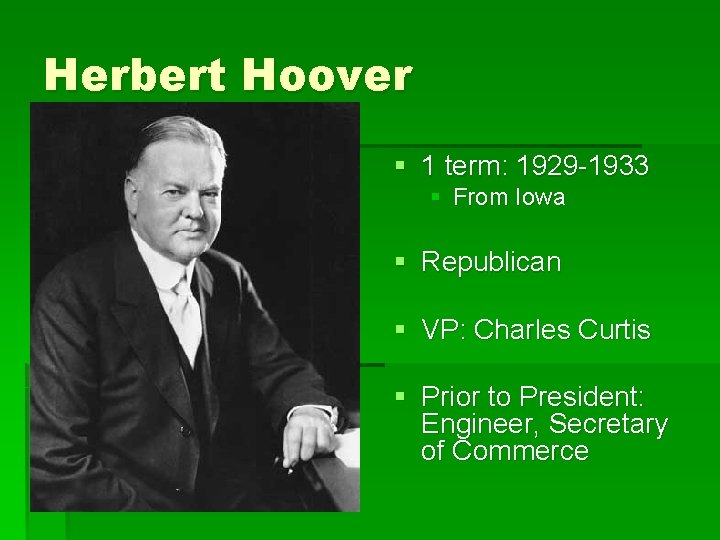
Herbert Hoover § 1 term: 1929 -1933 § From Iowa § Republican § VP: Charles Curtis § Prior to President: Engineer, Secretary of Commerce
Hoover § Ran on Coolidge’s record, reduction in national debt, lower taxes, higher tariffs, enforce prohibition and helping farmers. § Raised tariffs, provided relief for farmers, Black Friday and the beginning of the Depression. Rugged Individualism. § Being President when the Depression began. Often receives blame but it was more about his handling of relief, and Hoovervilles.
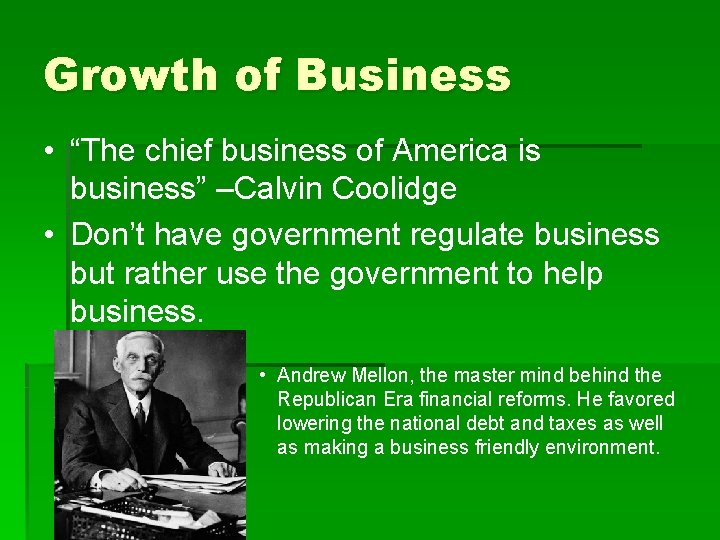
Growth of Business • “The chief business of America is business” –Calvin Coolidge • Don’t have government regulate business but rather use the government to help business. • Andrew Mellon, the master mind behind the Republican Era financial reforms. He favored lowering the national debt and taxes as well as making a business friendly environment.
Growth of Business § New or rapidly growing industries § Automobile § Airplane § Electrical Conveniences § The Automobile and Electrical convenience led to urban sprawl, or the outward spread of cities (suburbs)
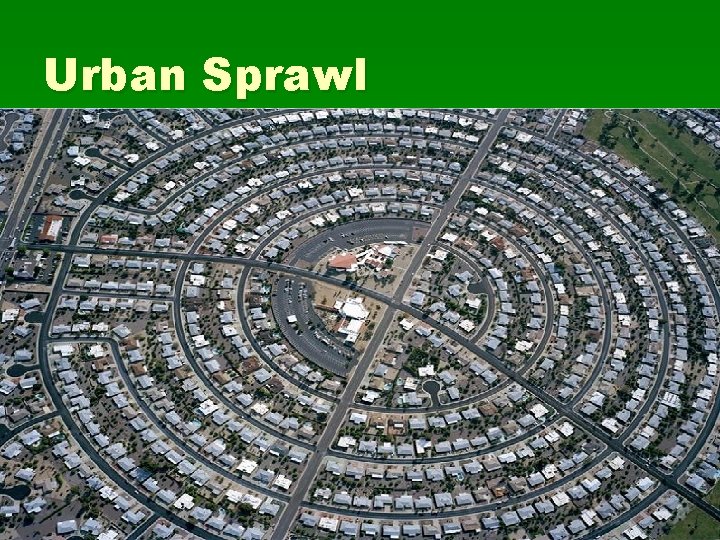
Urban Sprawl
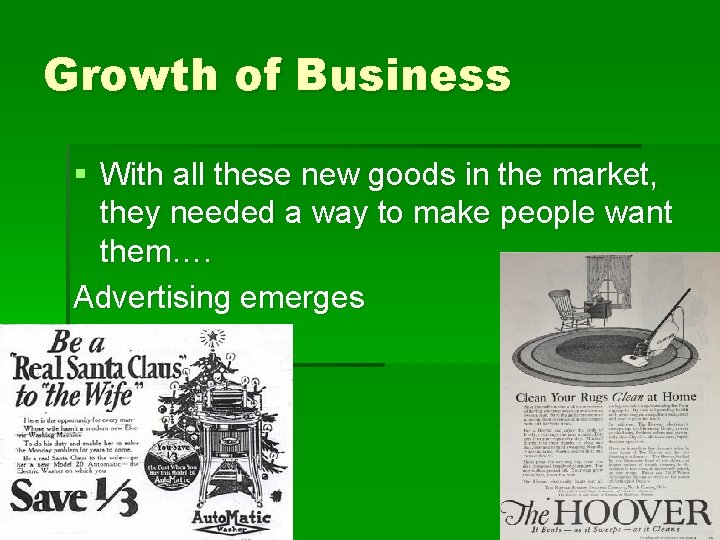
Growth of Business § With all these new goods in the market, they needed a way to make people want them…. Advertising emerges
The boom… § Businesses were growing, and in turn the stock market grew. § More goods were going to market and were available to many more consumers § However, many industries (railroad and iron) were not growing and some (Mining and farming) were suffering. § Another problem was use of credit which people would use to buy goods they could not afford, when it came time to pay up…. they couldn’t.
Life of the Roaring 20’s § § § § Rural v. Urban Prohibition Science v. Religion Women Changing News New Heroes Harlem Renaissance
Rural v. Urban § Urban growing…. rural shrinking § New modern attitudes from urban areas take hold § Urban attitudes were more about results, getting things done, enjoying nightlife. § Small town, rural attitudes were much more traditional
Prohibition § 18 th Amendment passed in 1919 - banned production and sale of alcohol § Not everyone listened. Speakeasies were places where alcohol was still sold after being supplied by bootleggers. § Organized crime grew from bootlegging including the famous Al Capone.
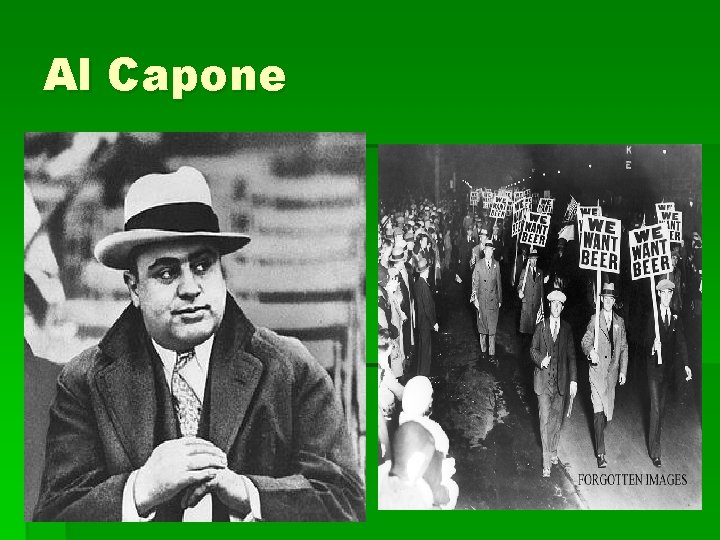
Al Capone
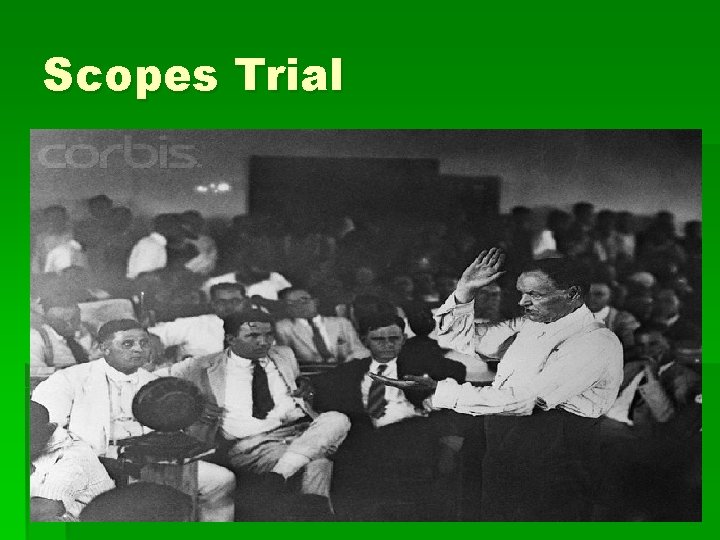
Science v. Religion § Fundamentalism- Protestant movement of literal interpretation of the Bible. § Science clashed with these Fundamentalists. § Scopes Trial- battle over whether theory of evolution can be taught in schools § William Jennings Bryan admitted that the Bible maybe should not be interpreted literally and in that case, those on the side of science won. However, John Scopes was proven guilty anyway
Scopes Trial
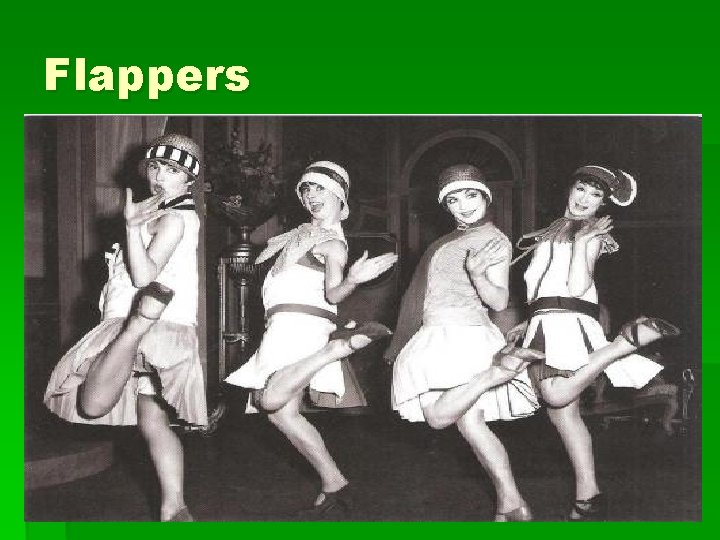
Women § Roles were changing. § 19 th Amendment-Women won the right to vote § Flapper- women who felt freed of traditional roles and adopted new fashions and urban attitudes § Double standard still existed
Flappers
Women cont. § § § Old Roles New Roles In home, only worked § More education, when needed more working Took care of family § Did not rely on and home marriage or family Subservient to the § More equality for man in marriage those who were married
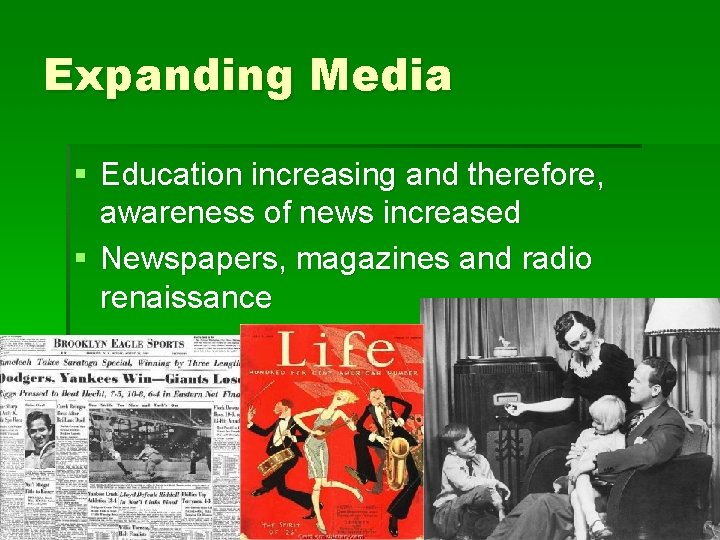
Expanding Media § Education increasing and therefore, awareness of news increased § Newspapers, magazines and radio renaissance
New Heroes § Sports became very big and the sports stars of the time became heroes and idols to many. § Charles Lindbergh did the unthinkable and flew across the Atlantic Ocean § Movie stars like Charlie Chaplin begin emerging § New writing and arts begin to grow.
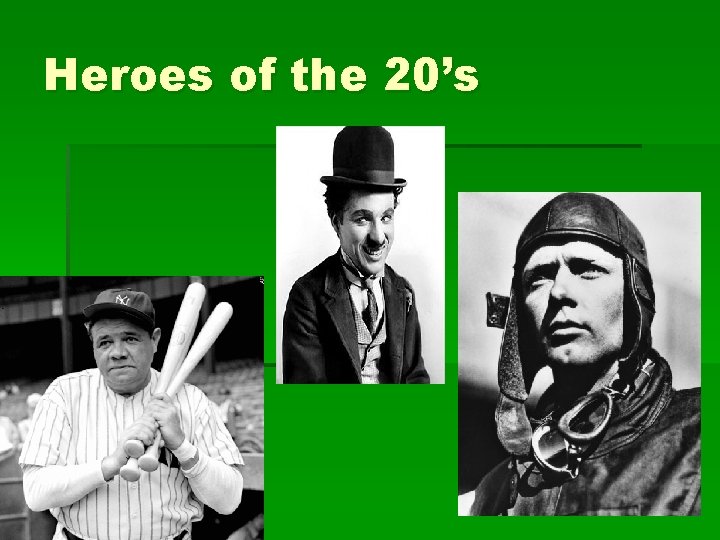
Heroes of the 20’s
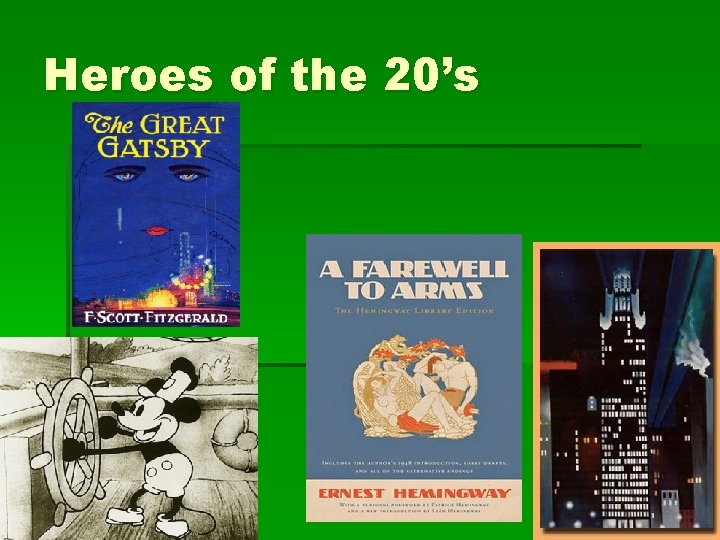
Heroes of the 20’s
African Americans and the Harlem Renaissance § Great Migration brought African Americans to the North for better opportunities. § African Americans began protesting inequality. § Marcus Garvey advocated a “move back to Africa movement” § Harlem arose as an African American cultural center
Harlem Renaissance § Renaissance = rebirth § Harlem Renaissance= rebirth of African American culture § Art, music, and writing changed greatly and emphasized African American culture. § Jazz hit the scene and was a uniquely African American musical style.
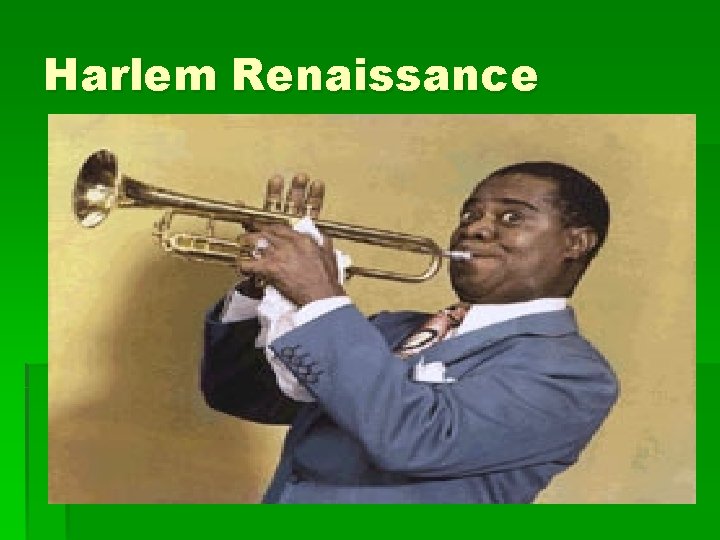
Harlem Renaissance
Summing up the Roaring 20’s § America had been through war and major reform and people wanted “normalcy” § The economy boomed (sorta), cultures clashed (changing roles), and fear rose (red scare) as America entered a decade of growth. § However, all this “normalcy” quickly led to the greatest economic bust of all time.
- Slides: 41