
Welcome and Namaste In Training methods and Interactive


- Slides: 43
Welcome and Namaste In Training methods and Interactive Lecture Method
Reflection On Our understanding
Agenda ü Understanding Training Methods ü Tips on Training Methods & Techniques ü Lecture Method in Training: Rational ü Factors to consider while design Lecture ü Advantage Vs Disadvantage
Same stuff Different Day
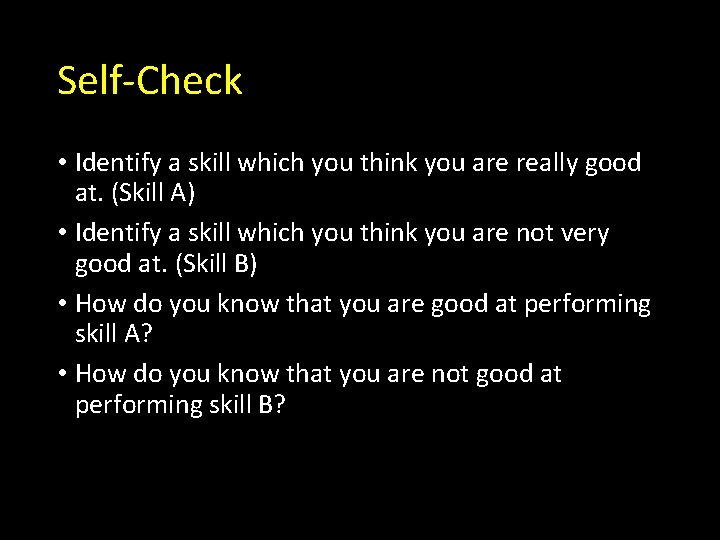
Self-Check • Identify a skill which you think you are really good at. (Skill A) • Identify a skill which you think you are not very good at. (Skill B) • How do you know that you are good at performing skill A? • How do you know that you are not good at performing skill B?
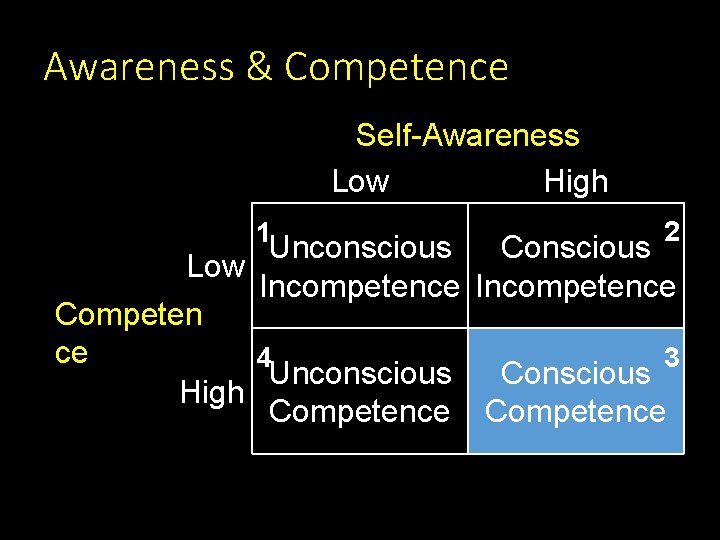
Awareness & Competence Self-Awareness Low High 1 2 Unconscious Conscious Low Incompetence Competen ce 4 3 Unconscious Conscious High Competence
Training Methods
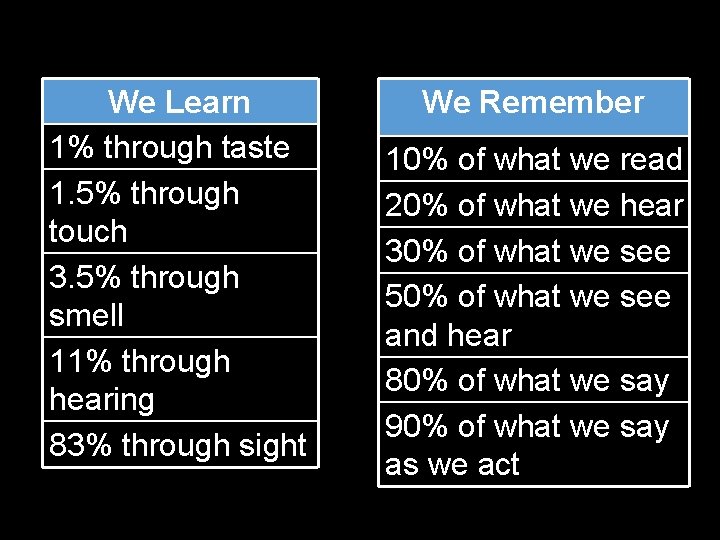
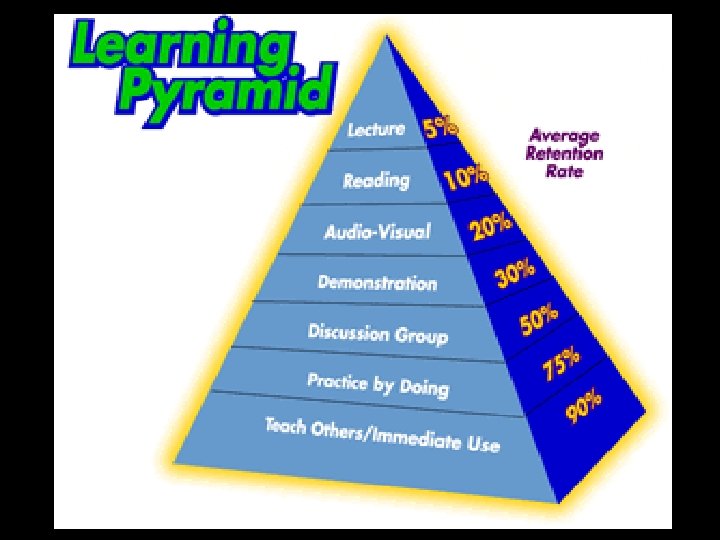
We Learn 1% through taste 1. 5% through touch 3. 5% through smell 11% through hearing 83% through sight We Remember 10% of what we read 20% of what we hear 30% of what we see 50% of what we see and hear 80% of what we say 90% of what we say as we act
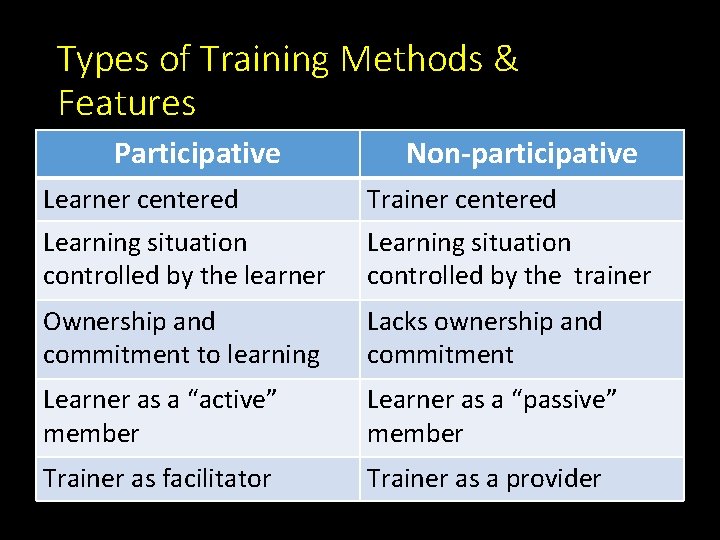
Types of Training Methods & Features Participative Non-participative Learner centered Trainer centered Learning situation controlled by the learner Learning situation controlled by the trainer Ownership and commitment to learning Lacks ownership and commitment Learner as a “active” member Learner as a “passive” member Trainer as facilitator Trainer as a provider
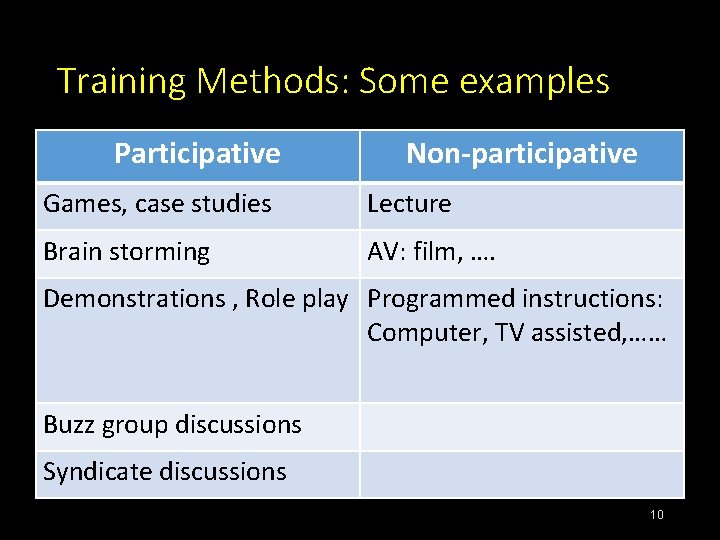
Training Methods: Some examples Participative Non-participative Games, case studies Lecture Brain storming AV: film, …. Demonstrations , Role play Programmed instructions: Computer, TV assisted, …… Buzz group discussions Syndicate discussions 10
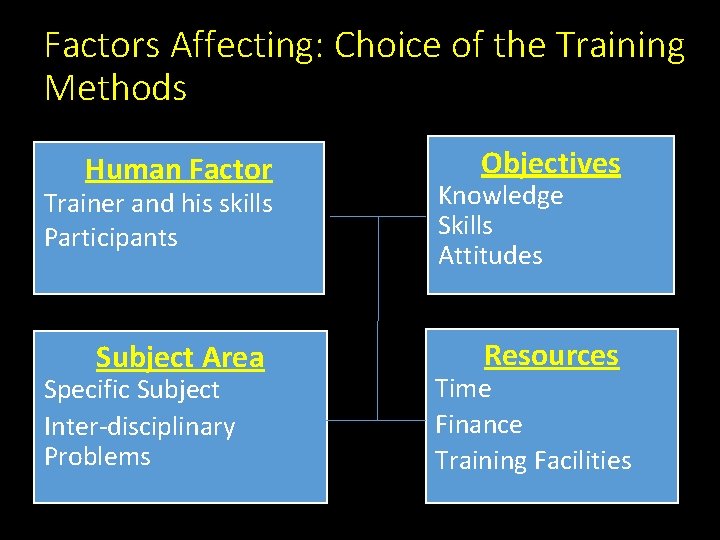
Factors Affecting: Choice of the Training Methods Human Factor Trainer and his skills Participants Subject Area Specific Subject Inter-disciplinary Problems Objectives Knowledge Skills Attitudes Resources Time Finance Training Facilities
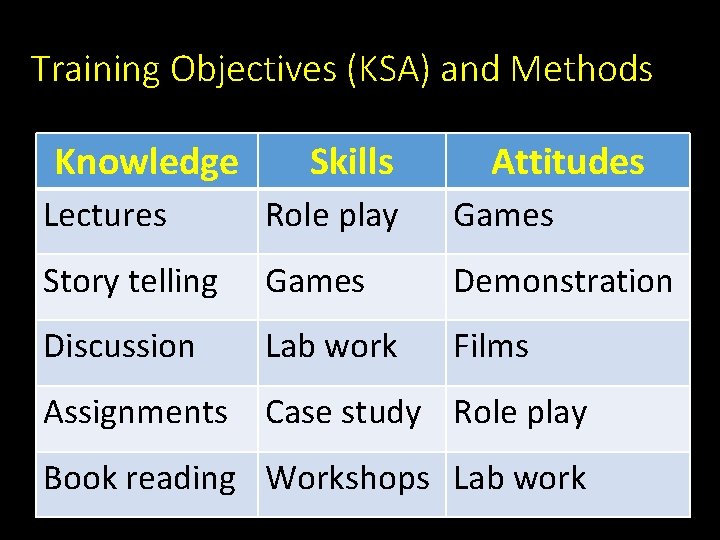
Training Objectives (KSA) and Methods Knowledge Skills Attitudes Lectures Role play Games Story telling Games Demonstration Discussion Lab work Films Assignments Case study Role play Book reading Workshops Lab work
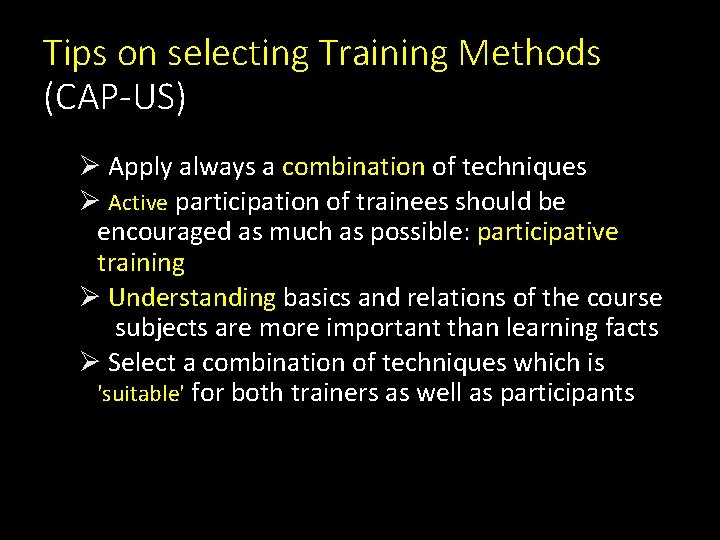
Tips on selecting Training Methods (CAP-US) Ø Apply always a combination of techniques Ø Active participation of trainees should be encouraged as much as possible: participative training Ø Understanding basics and relations of the course subjects are more important than learning facts Ø Select a combination of techniques which is 'suitable' for both trainers as well as participants
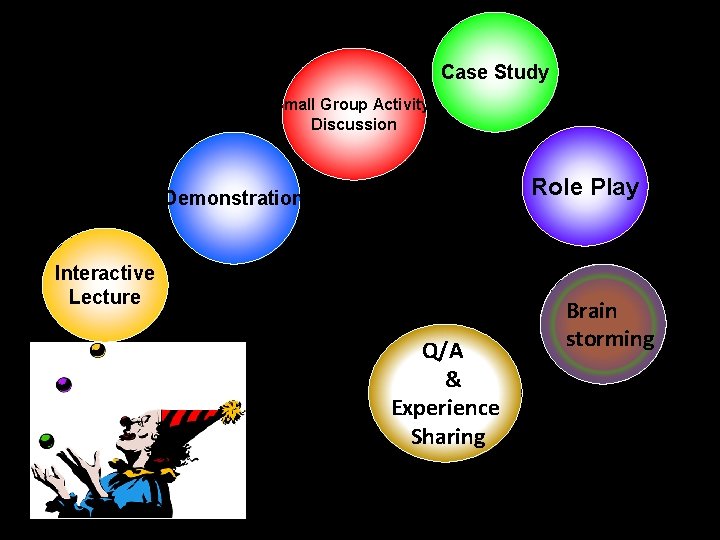
Case Study Small Group Activity/ Discussion Role Play Demonstration Interactive Lecture Q/A & Experience Sharing Brain storming
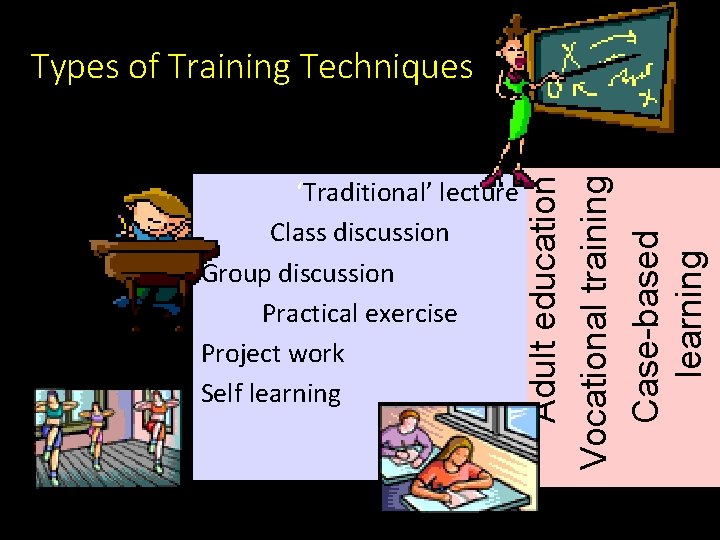
‘Traditional’ lecture Class discussion Group discussion Practical exercise Project work Self learning Adult education Vocational training Case-based learning Types of Training Techniques
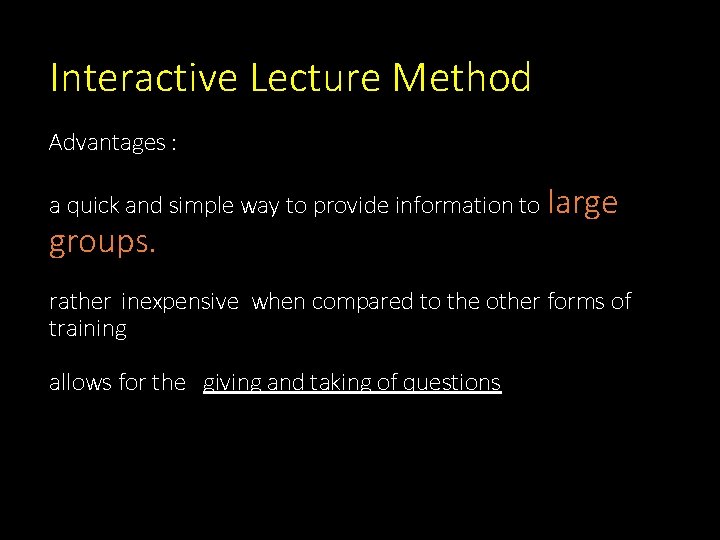
Interactive Lecture Method Advantages : a quick and simple way to provide information to large groups. rather inexpensive when compared to the other forms of training allows for the giving and taking of questions
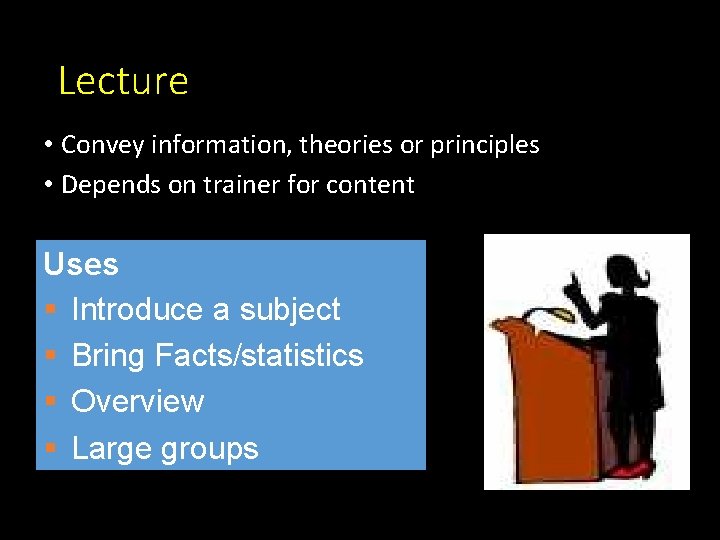
Lecture • Convey information, theories or principles • Depends on trainer for content Uses § Introduce a subject § Bring Facts/statistics § Overview § Large groups
Keep It Simple and Short
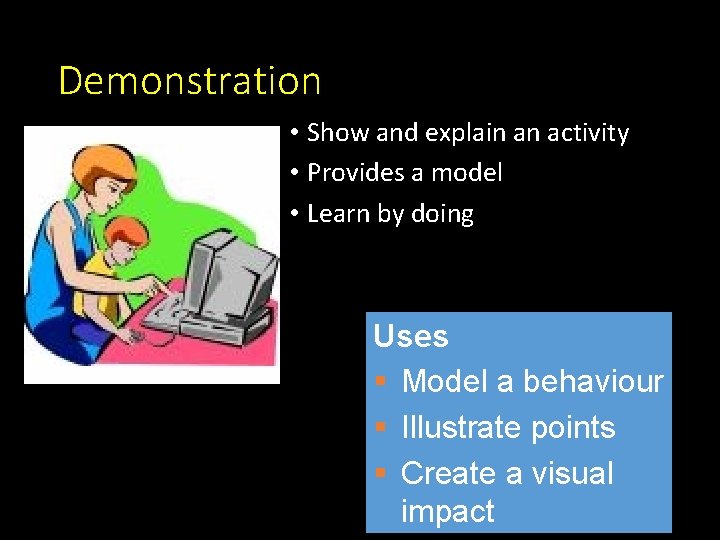
Demonstration • Show and explain an activity • Provides a model • Learn by doing Uses § Model a behaviour § Illustrate points § Create a visual impact
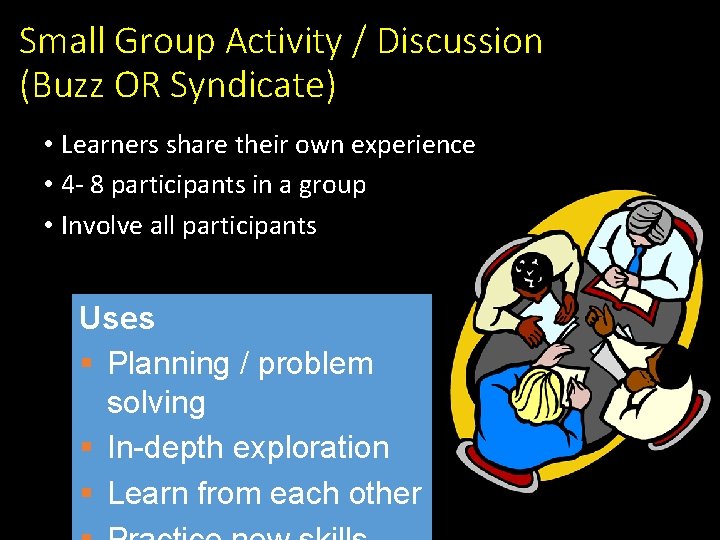
Small Group Activity / Discussion (Buzz OR Syndicate) • Learners share their own experience • 4 - 8 participants in a group • Involve all participants Uses § Planning / problem solving § In-depth exploration § Learn from each other
Case Study • Analysis of a hypothetical but realistic situation • No “right answers” • Participant devises his/her own solution Uses § Discuss typical situations § Recognize multiple approaches
Role-Play • Participants act out a hypothetical situation • Everyone becomes part of the scenario • Participants bring their own experience to role Uses § Skill building § Affects feelings and attitudes § Rehearsal preview § Pushes for new
Brainstorming • For a group or individual creativity technique • Efforts are made to find a conclusion • For a specific problem by gathering a list of ideas • Spontaneously contributed by its member(s). Uses § Relaxed, informal approach to problem solving § Sharing of learning & experiences § Creates new ideas § Motivates and develops teams § Checking the understanding of
Interactive Lecture • Provide knowledge; • General idea of the scope and content of subject; • Stimulate interest in a subject or thought; • Persuade people of their own capacity to understood or enjoy; • Provide an aesthetically stimulating experiences.
Applying Principles of Adult Learning and Retention Recall: Principles of Adult Learning Styles, Communication Styles
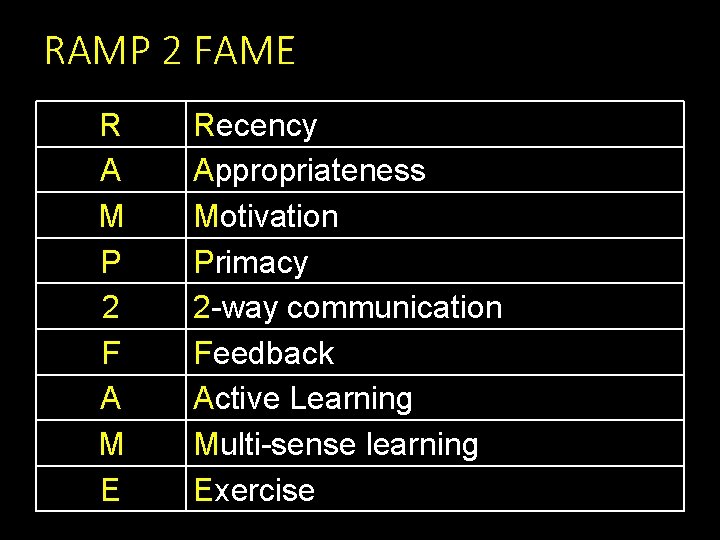
RAMP 2 FAME R A M P 2 F A M E Recency Appropriateness Motivation Primacy 2 -way communication Feedback Active Learning Multi-sense learning Exercise
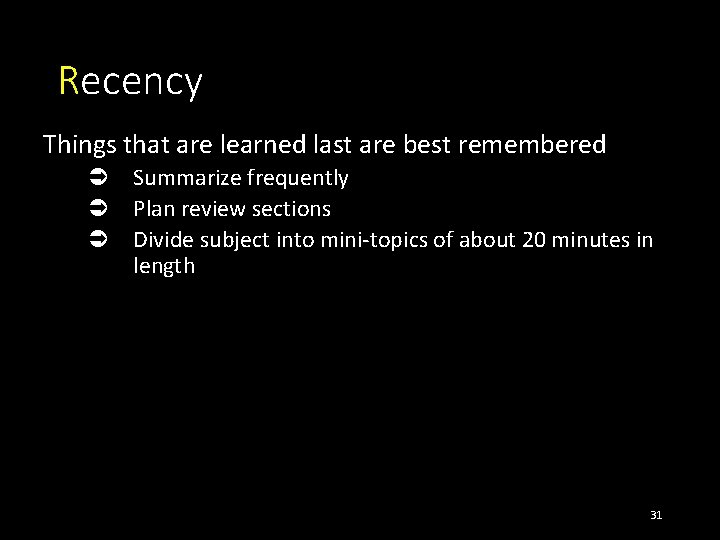
Recency Things that are learned last are best remembered Ü Summarize frequently Ü Plan review sections Ü Divide subject into mini-topics of about 20 minutes in length 31
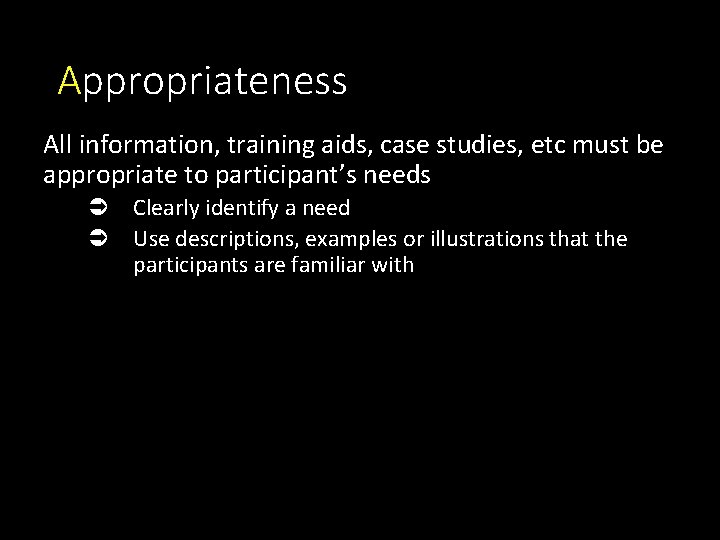
Appropriateness All information, training aids, case studies, etc must be appropriate to participant’s needs Ü Clearly identify a need Ü Use descriptions, examples or illustrations that the participants are familiar with
Motivation Participants must want to learn, must be ready to learn, must have some reason to learn Ü Presenter must also be motivated Ü Identify a need for the participants Ü Move from the known to the unknown
Primacy Things learned first are learnt best Ü Ü Short presentations Interesting beginning Updates on direction and progress of learning Get things right the first time
2 -way communication Communicate with participants Ü Include interactive activities in sessions plan Ü Match body language with verbal message
Feedback Trainer and trainee need information from each other Ü Include feedback activities (e. g. , questions; tests) in sessions plan Ü Give feedback on performance immediately Ü Positive and negative feedback Ü Acknowledge good work (positive reinforcement)
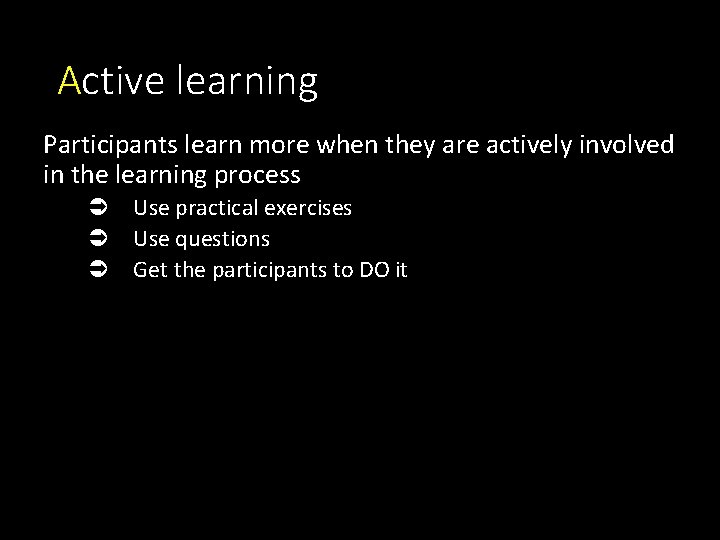
Active learning Participants learn more when they are actively involved in the learning process Ü Use practical exercises Ü Use questions Ü Get the participants to DO it
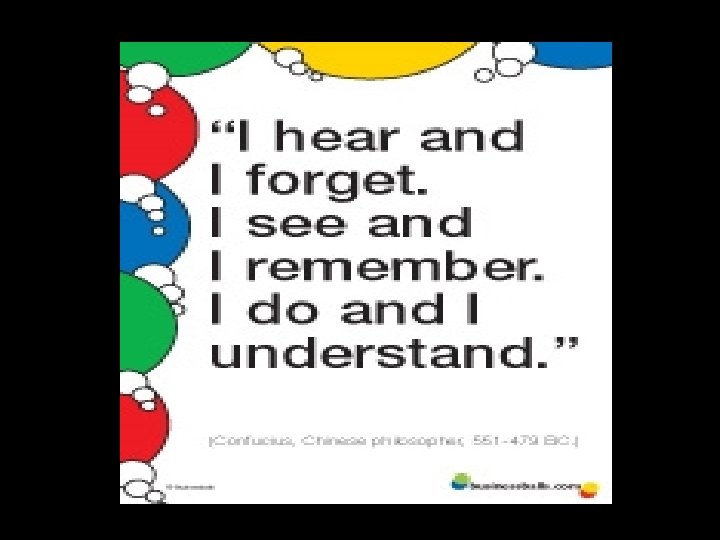
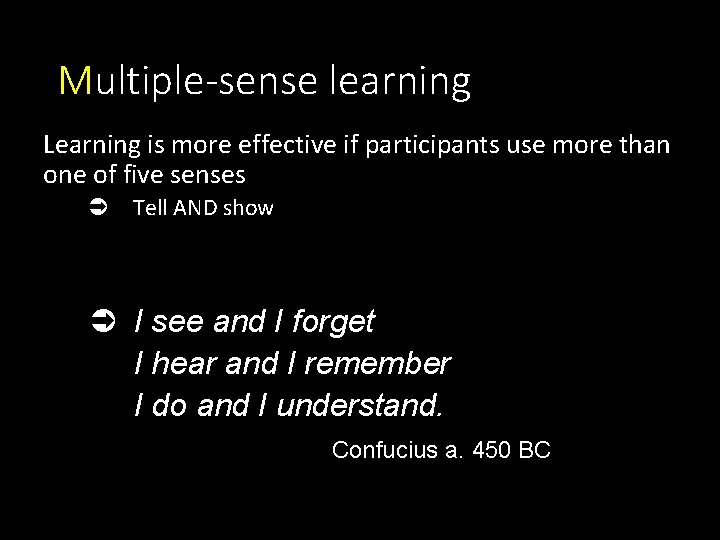
Multiple-sense learning Learning is more effective if participants use more than one of five senses Ü Tell AND show Ü I see and I forget I hear and I remember I do and I understand. Confucius a. 450 BC
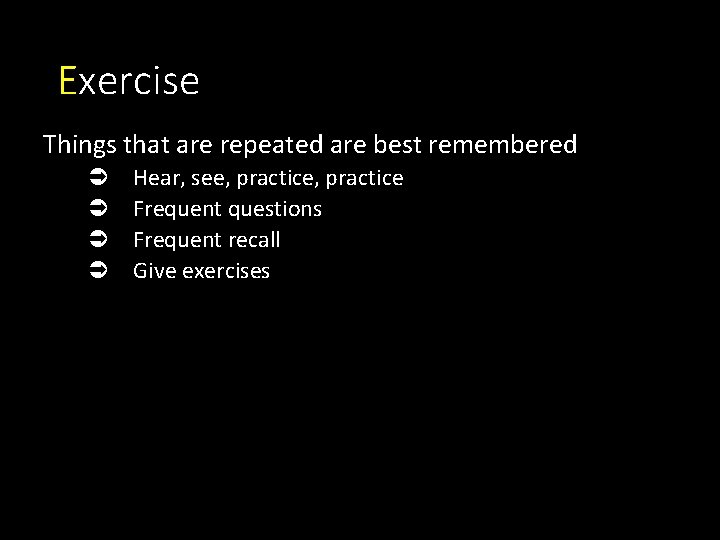
Exercise Things that are repeated are best remembered Ü Ü Hear, see, practice Frequent questions Frequent recall Give exercises
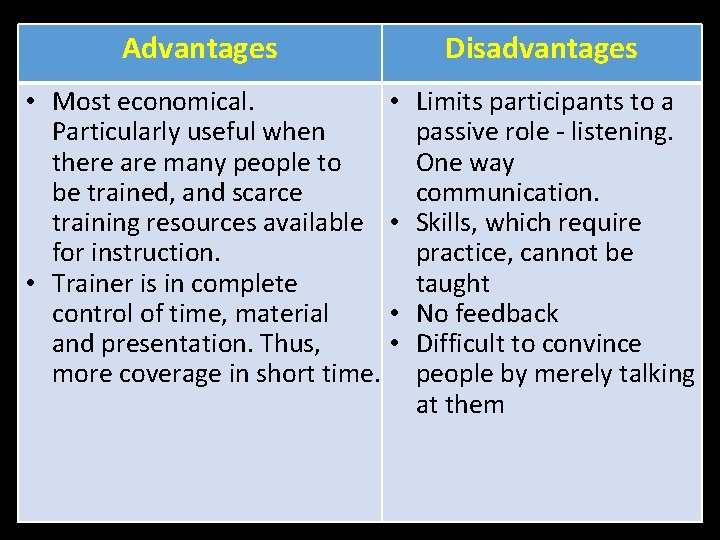
Advantages • Most economical. • Particularly useful when there are many people to be trained, and scarce training resources available • for instruction. • Trainer is in complete control of time, material • and presentation. Thus, • more coverage in short time. Disadvantages Limits participants to a passive role - listening. One way communication. Skills, which require practice, cannot be taught No feedback Difficult to convince people by merely talking at them
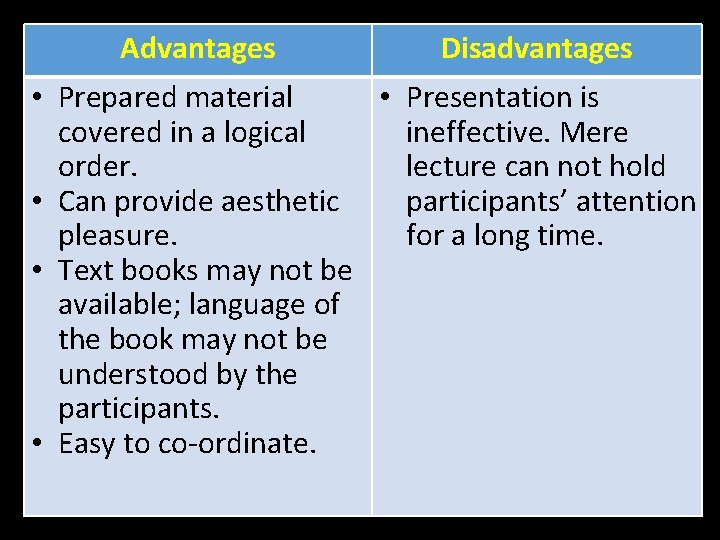
Advantages Disadvantages • Prepared material • Presentation is covered in a logical ineffective. Mere order. lecture can not hold • Can provide aesthetic participants’ attention pleasure. for a long time. • Text books may not be available; language of the book may not be understood by the participants. • Easy to co-ordinate.
Thank You