
Weimar Germany Republic Culture Cabaret and Nightlife Theatre

Weimar Germany Republic Culture Cabaret and Nightlife Theatre
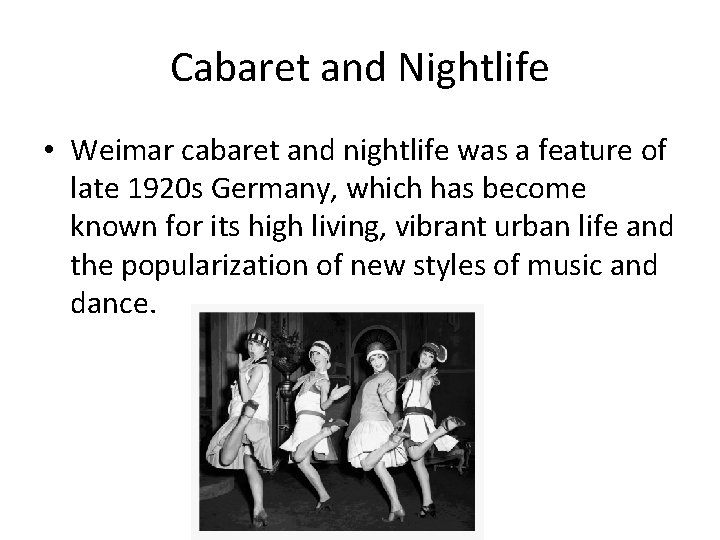
Cabaret and Nightlife • Weimar cabaret and nightlife was a feature of late 1920 s Germany, which has become known for its high living, vibrant urban life and the popularization of new styles of music and dance.
Theatre • Provocative Theatre and cabaret flourished • Many works had a satirical edge • The playwright Erwin Piscator developed the Proletarian Theatre, which produced plays that challenged the values of traditional middle class • Another famous playwright of the time was a Marxist called Bertolt Brecht who voiced his communist opinions in his works.
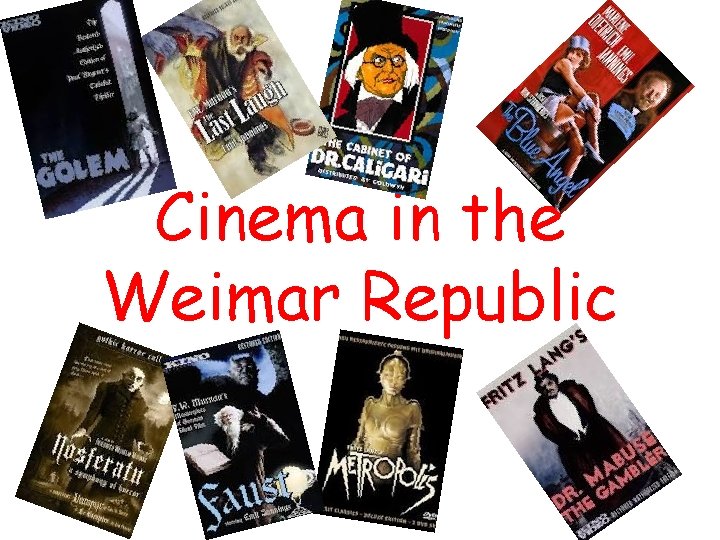
Cinema in the Weimar Republic
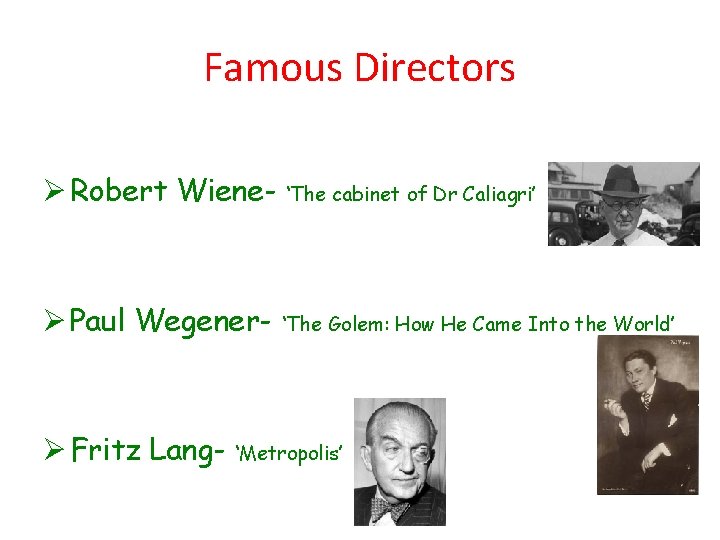
Famous Directors Ø Robert Wiene- ‘The cabinet of Dr Caliagri’ Ø Paul Wegener- ‘The Golem: How He Came Into the World’ Ø Fritz Lang- ‘Metropolis’
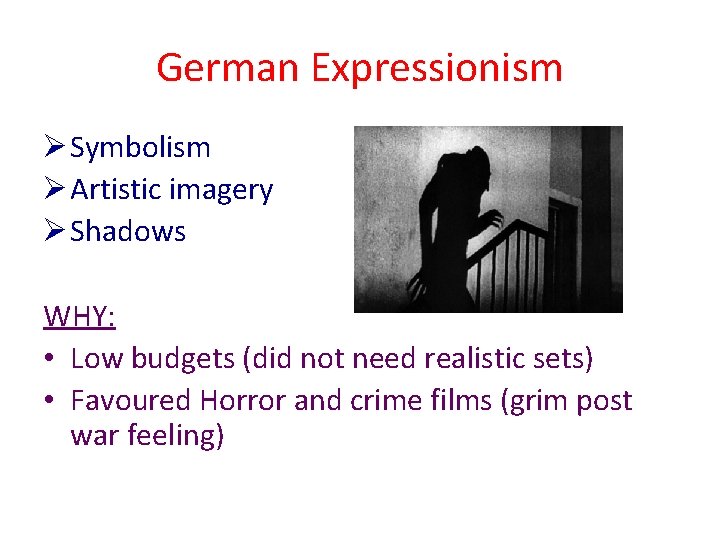
German Expressionism Ø Symbolism Ø Artistic imagery Ø Shadows WHY: • Low budgets (did not need realistic sets) • Favoured Horror and crime films (grim post war feeling)
Right Wing Against Cinema Ø Proof of decadent and degenerate nature of Republic. Ø Undermining Traditional German Values

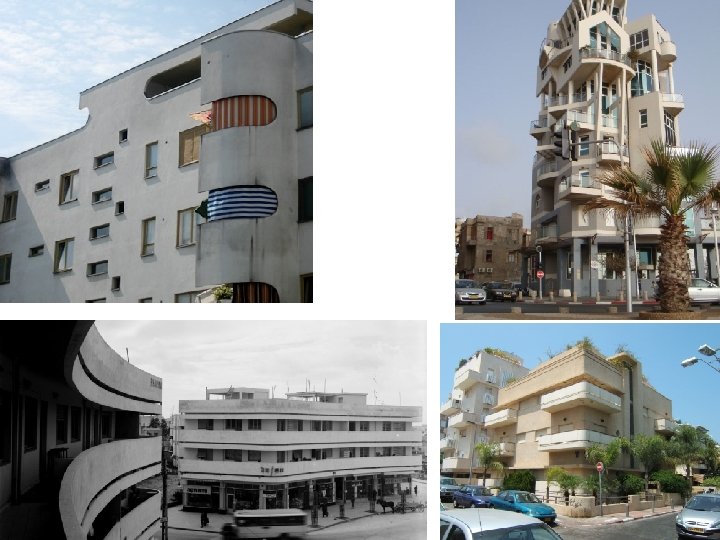
Architecture • The Bauhaus • Saved time, money, material and space • People against because it was very different to pre war architecture • Very plain

Painting during the Weimar Period
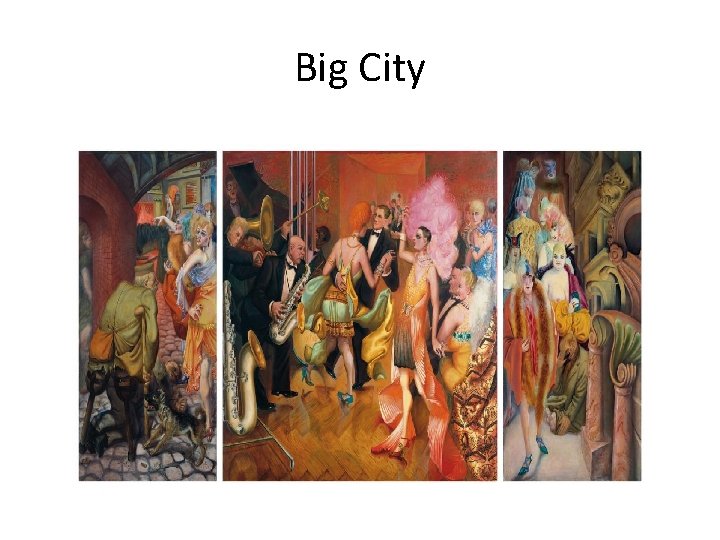
What was “New objectivity” or “Neue Sachlichkeit”? • Artists start depicting everyday life in an attempt to be understood by wider audience • Given the name “new objectivity” because it portrays the ordinary in new, objective ways. • Famous painters include George Grosz and Otto Dix • Otto Dix artist behind Big City
Big City
Effects • Many Germans strongly against new styles and ideas coming about • Afraid of losing what made their country “German” • When the Nazis under Adolf Hitler seized power in 1933, the New Objectivity movement came to an abrupt close • Nazis considered it “degenerate art” • Many works destroyed
- Slides: 13