
Week 6 Perfusion Learning Objectives 1 Describe and
Week 6 Perfusion
Learning Objectives 1. Describe and list factors that affect oxygenation and tissue perfusion. 2. Explain common physical assessment procedures used to evaluate respiratory health of patients across the lifespan. 3. Identify priority respiratory assessment findings. 4. Differentiate normal respiratory assessment from abnormal findings.
Learning Objectives (cont’d. ) 5. Describe the integral relationship between perfusion and oxygenation. 6. Explain the role and limitations associated with pulse oximetry assessment. 7. Explain and utilize vital signs and peripheral vascular assessment techniques and findings to assess perfusion.
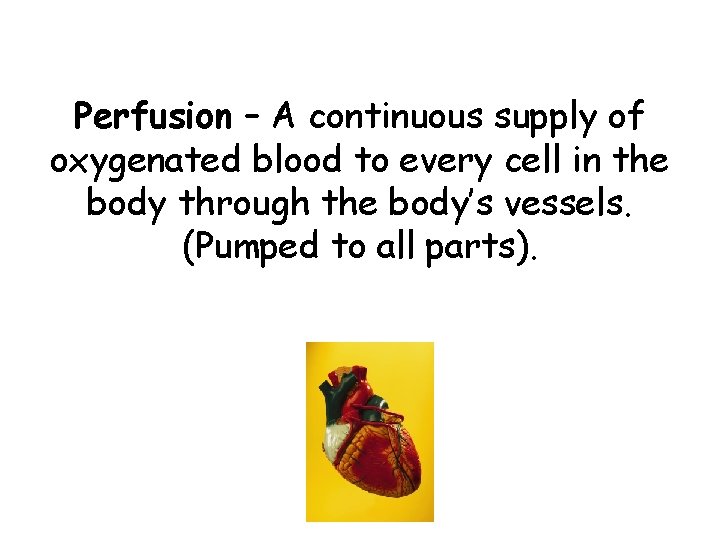
Perfusion – A continuous supply of oxygenated blood to every cell in the body through the body’s vessels. (Pumped to all parts).
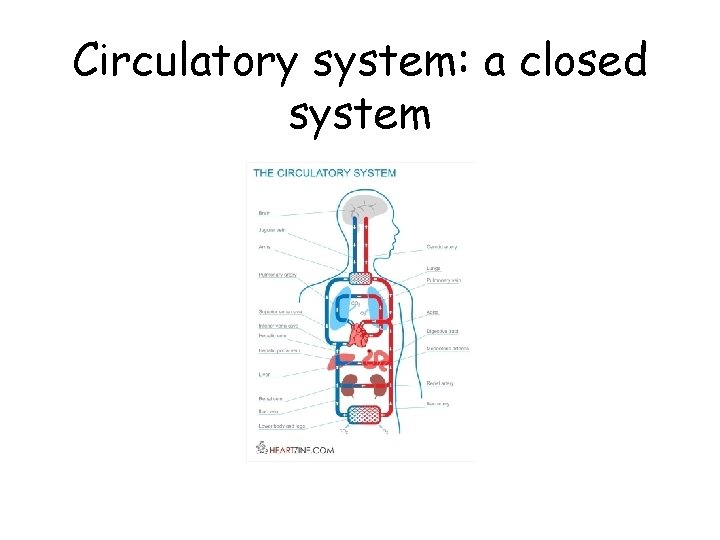
Circulatory system: a closed system
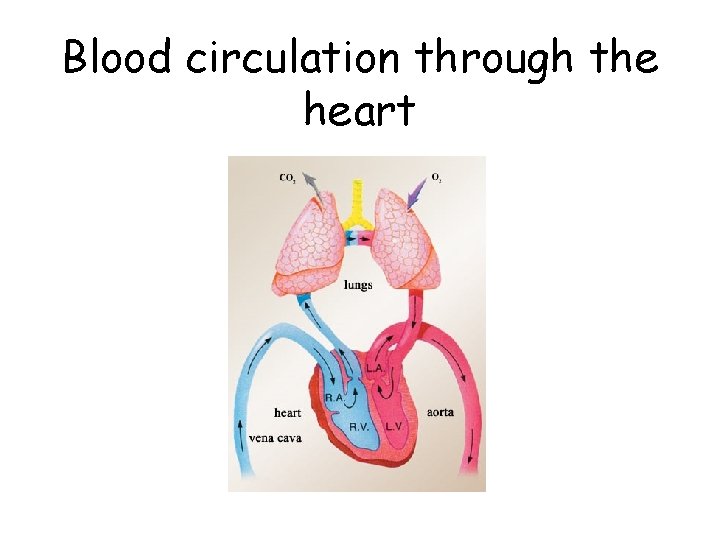
Blood circulation through the heart
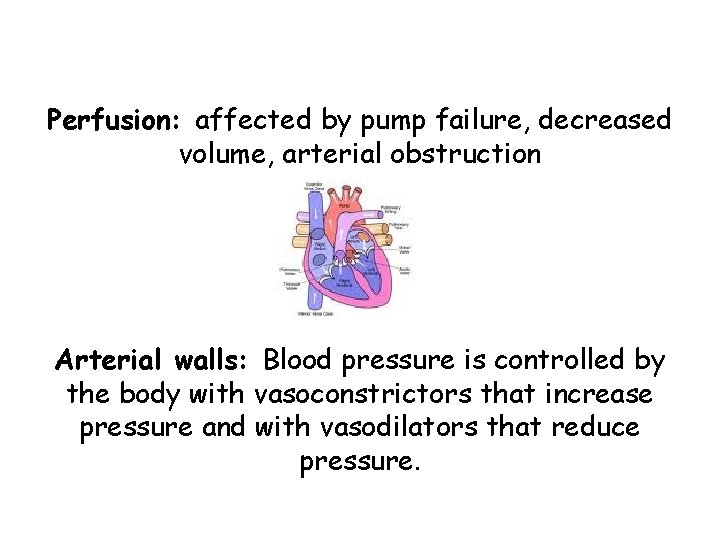
Perfusion: affected by pump failure, decreased volume, arterial obstruction Arterial walls: Blood pressure is controlled by the body with vasoconstrictors that increase pressure and with vasodilators that reduce pressure.
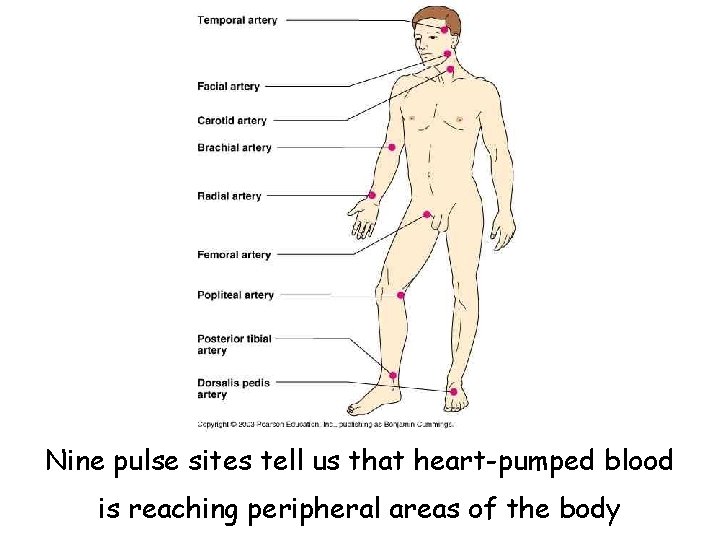
Nine pulse sites tell us that heart-pumped blood is reaching peripheral areas of the body
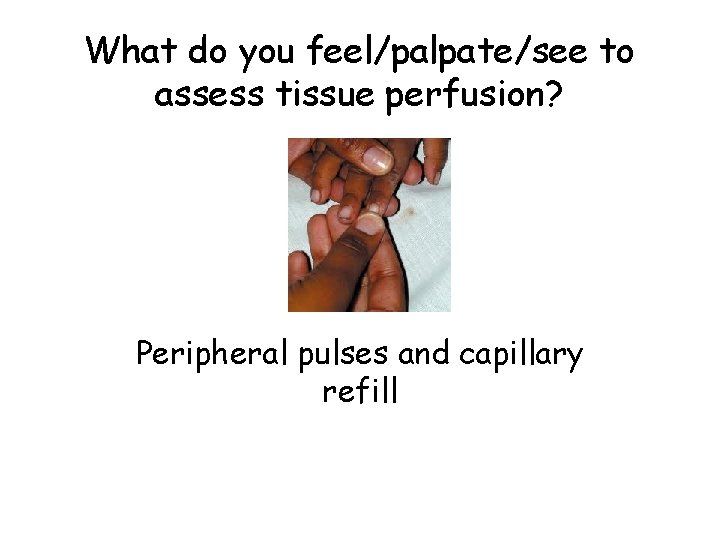
What do you feel/palpate/see to assess tissue perfusion? Peripheral pulses and capillary refill

Do you know your stuff?
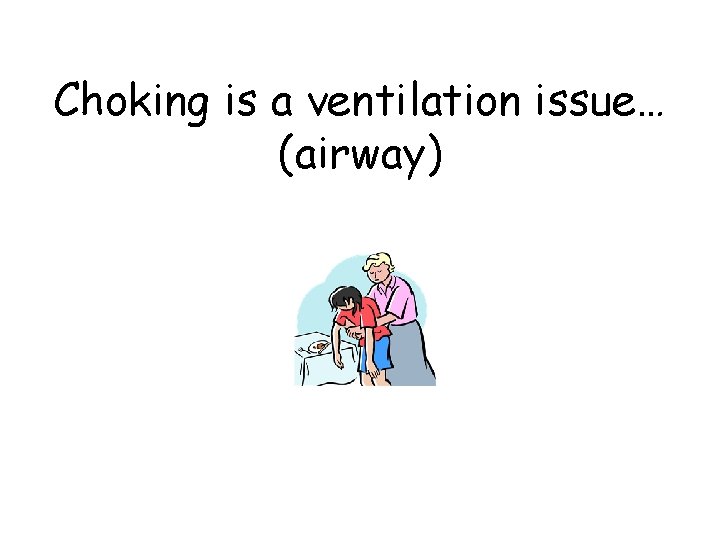
Choking is a ventilation issue… (airway)
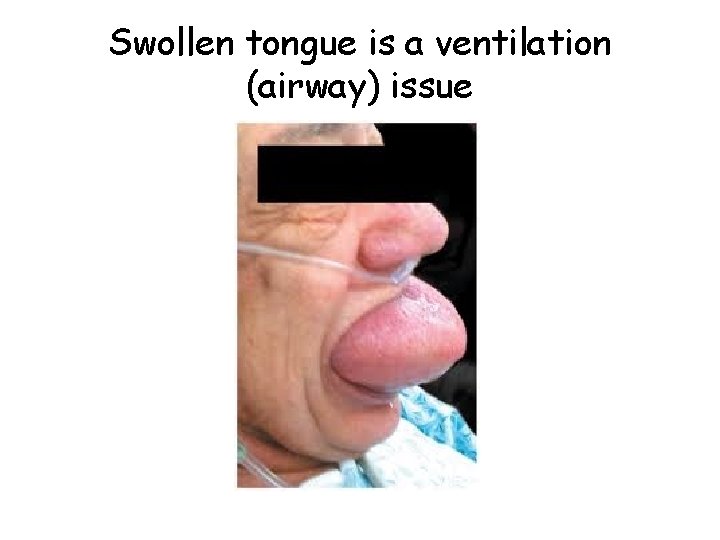
Swollen tongue is a ventilation (airway) issue
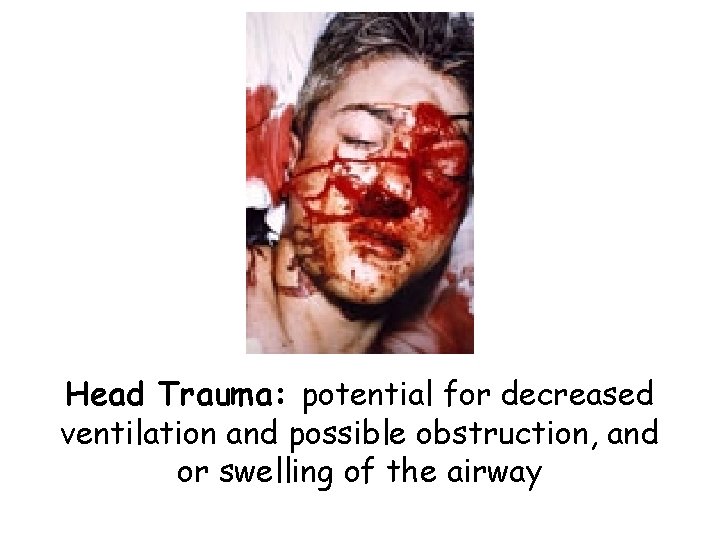
Head Trauma: potential for decreased ventilation and possible obstruction, and or swelling of the airway
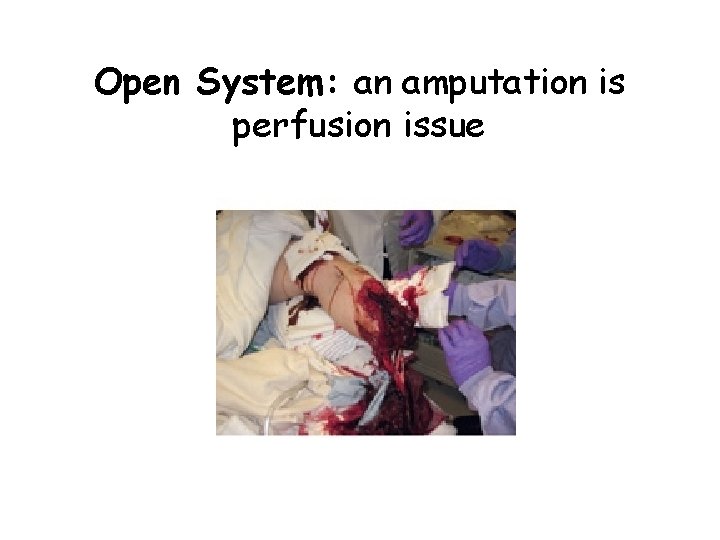
Open System: an amputation is perfusion issue
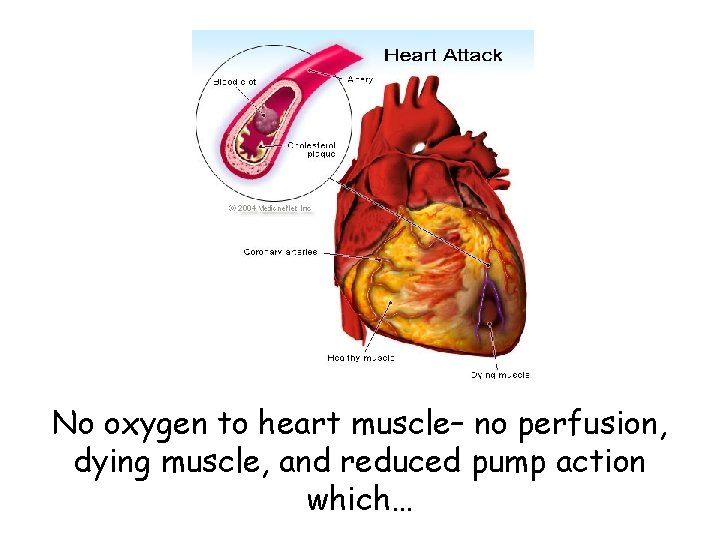
No oxygen to heart muscle– no perfusion, dying muscle, and reduced pump action which…
results in decreased perfusion to the rest of the body
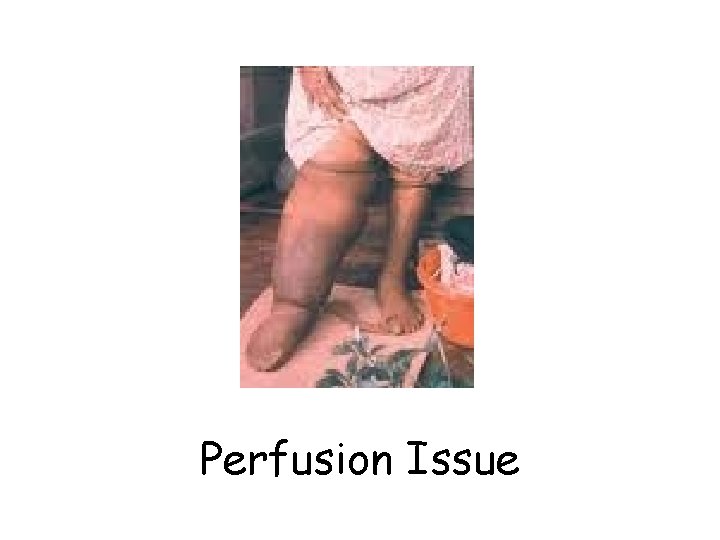
Perfusion Issue
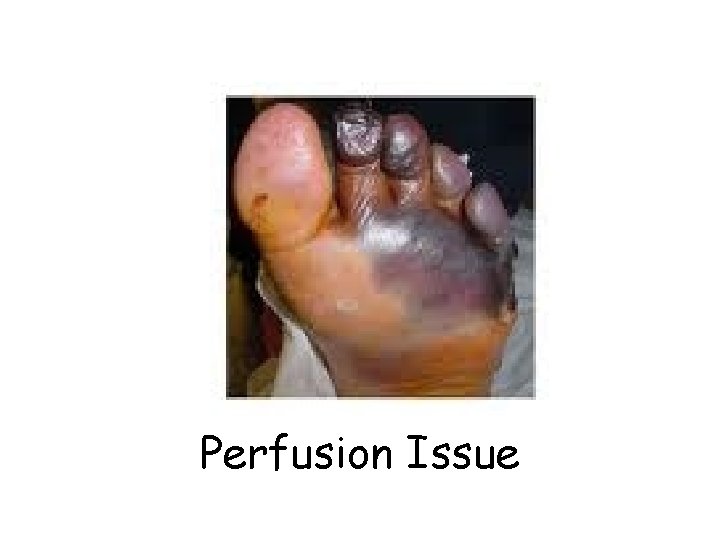
Perfusion Issue
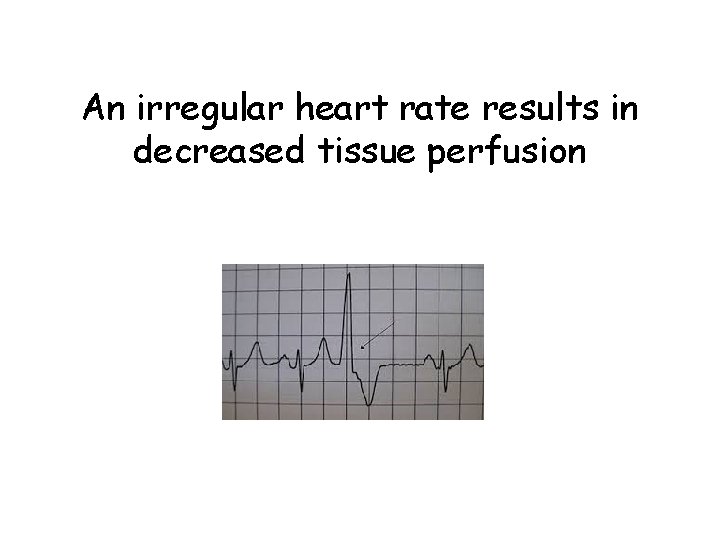
An irregular heart rate results in decreased tissue perfusion
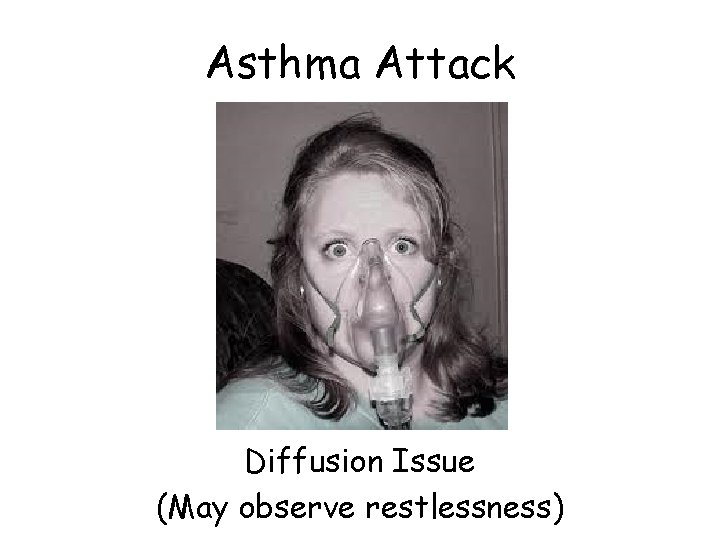
Asthma Attack Diffusion Issue (May observe restlessness)
Respiratory infections, such as pneumonia, may decrease diffusion
Q. Our body’s compensatory mechanisms, which react in the presence of infection, include which of the following in a patient with a bilateral lung infection? a. Decreased blood pressure b. Increased blood pressure c. Increased respiratory and heart rate d. Decreased respiratory and heart rate
c. Increased respiratory and heart rate
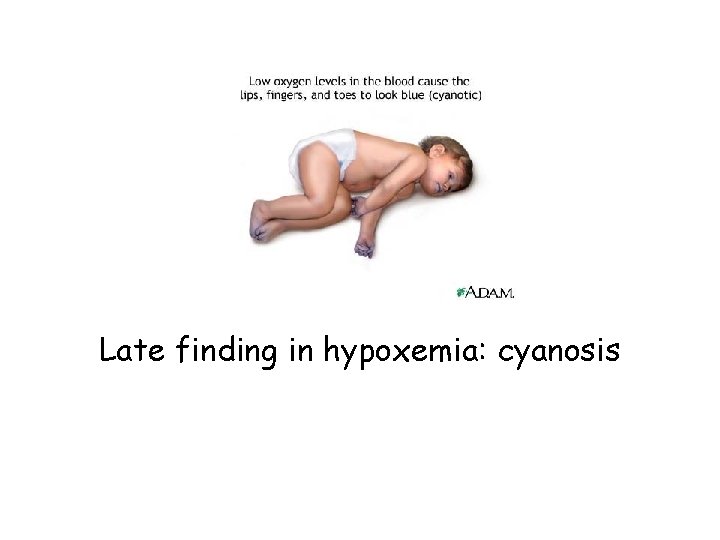
Late finding in hypoxemia: cyanosis
Q. An early sign of hypoxemia is: a. Depression b. Euphoria c. Fist pumping d. Restlessness
d. Restlessness
Q. What is the first thing you do when someone has difficulty breathing? a. Have them raise their feet b. Sit them up in a high upright position c. Give them water to drink d. Take their blood pressure

b. Sit them up in a high upright position
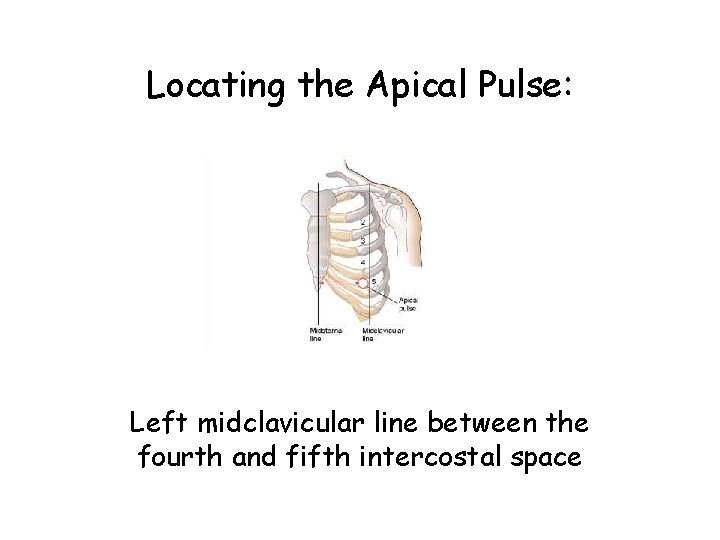
Locating the Apical Pulse: Left midclavicular line between the fourth and fifth intercostal space
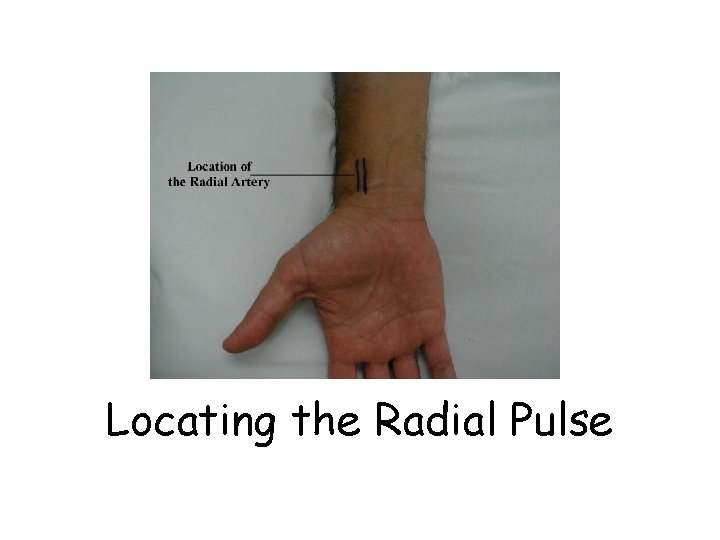
Locating the Radial Pulse
Become familiar with Table 22 -28 on page 1422, Classification of Blood Pressure for Adults, in Nursing: A Concept-Based Approach to Learning (Volume One)
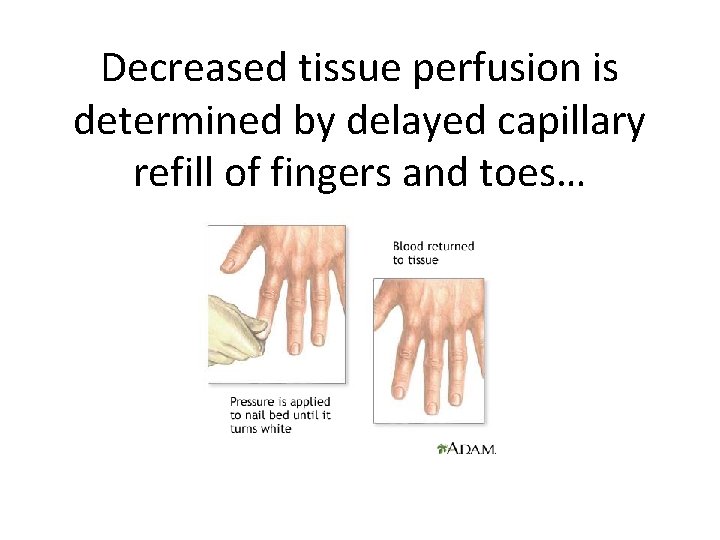
Decreased tissue perfusion is determined by delayed capillary refill of fingers and toes…
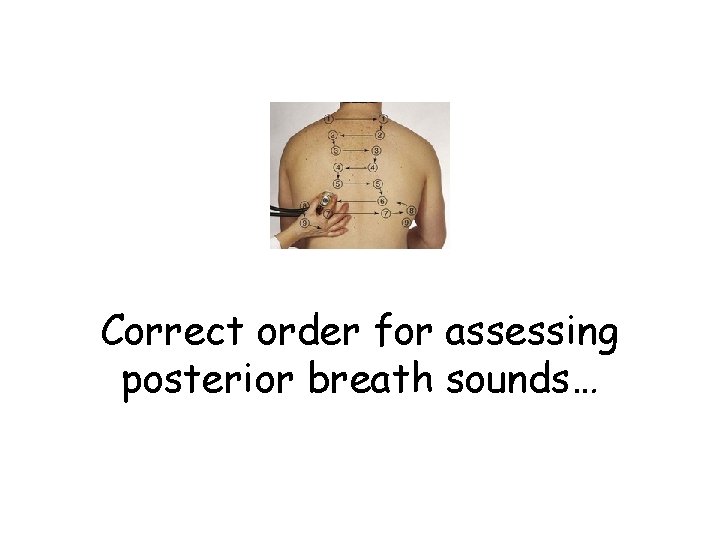
Correct order for assessing posterior breath sounds…
Have the patient take slow deep breaths through their mouth when auscultating the lungs
Exam #2 next week: Will include information covered in sessions (weeks) 1, 2, 3, 4, 5, and 6

End of Week 6
- Slides: 36