
WEEK 1 JOURNAL 1 Pick up a JOURNAL





- Slides: 70
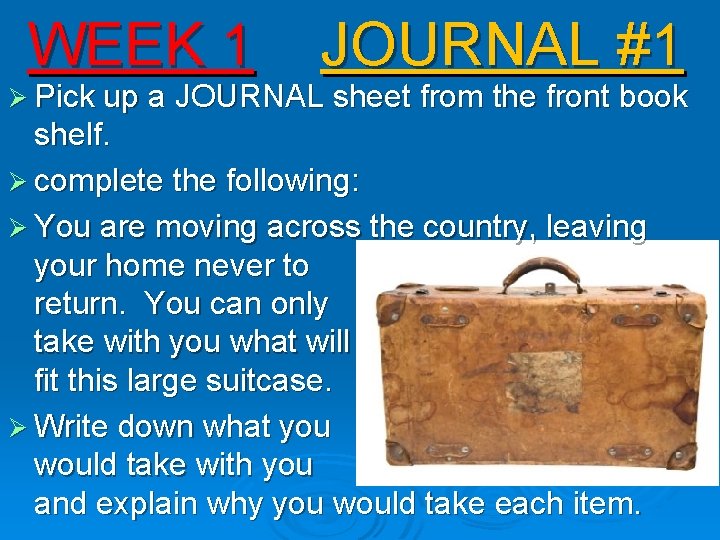
WEEK 1 JOURNAL #1 Ø Pick up a JOURNAL sheet from the front book shelf. Ø complete the following: Ø You are moving across the country, leaving your home never to return. You can only take with you what will fit this large suitcase. Ø Write down what you would take with you and explain why you would take each item.
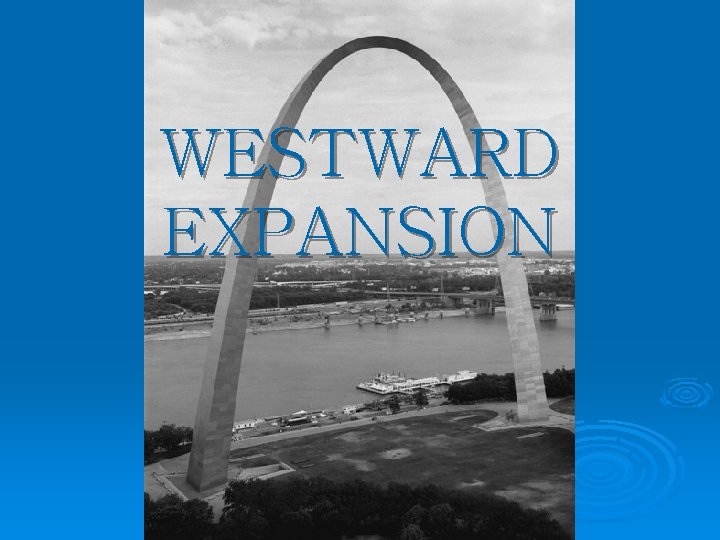
WESTWARD EXPANSION
What time period are we talking about? 1800 s Nineteenth Century
Who is moving? q. Exodusters q Former Slaves q. Others Civil War Vets q Convicts q Railroad Workers q Unemployed q
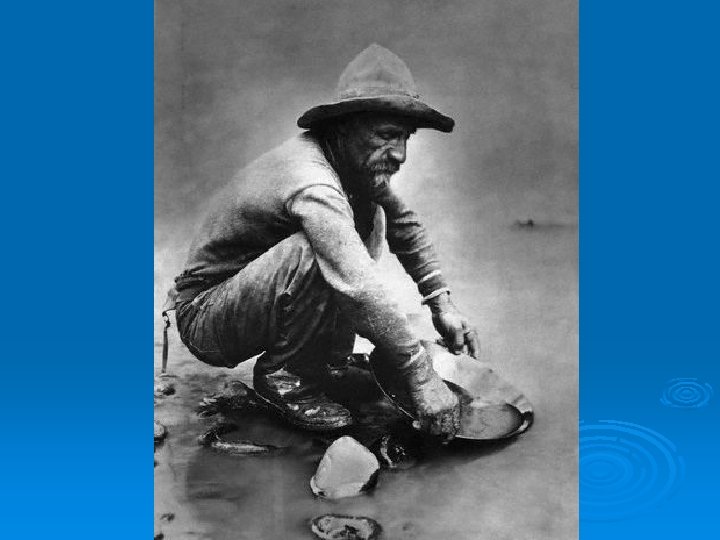
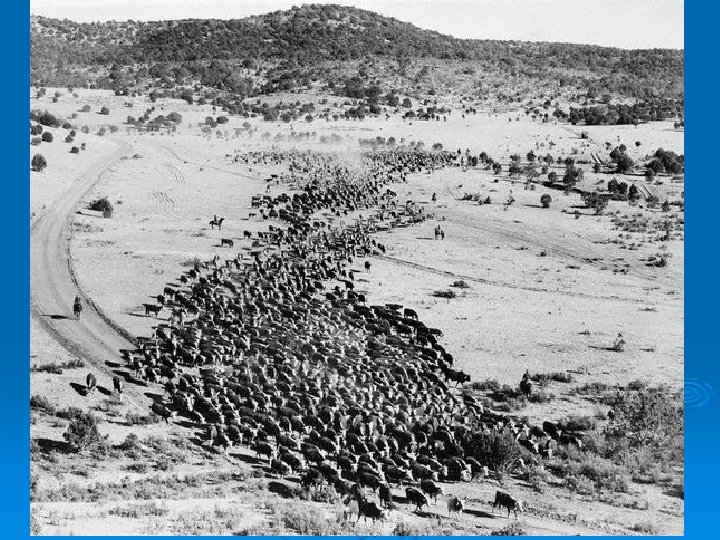
Why are they moving? Ø Jobs in the West Mining l Farming/Ranching l Open Range l Ø Federal Land Grants Homestead Act l Morrill Land Grant l Ø Other reasons
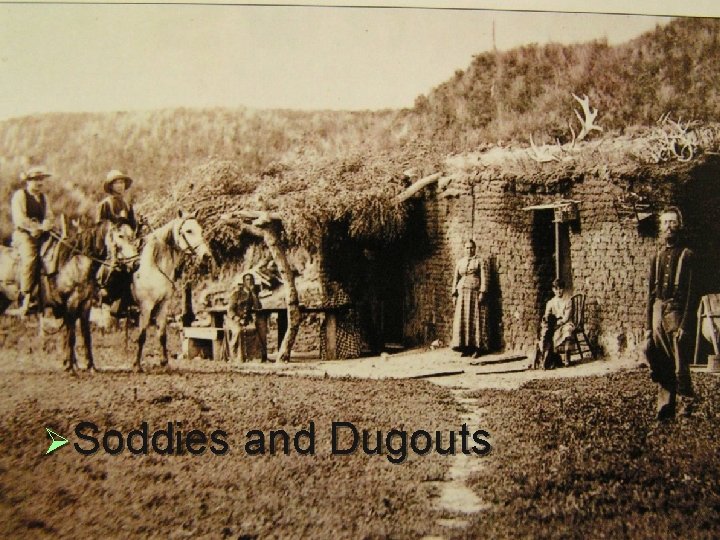
ØSoddies and Dugouts
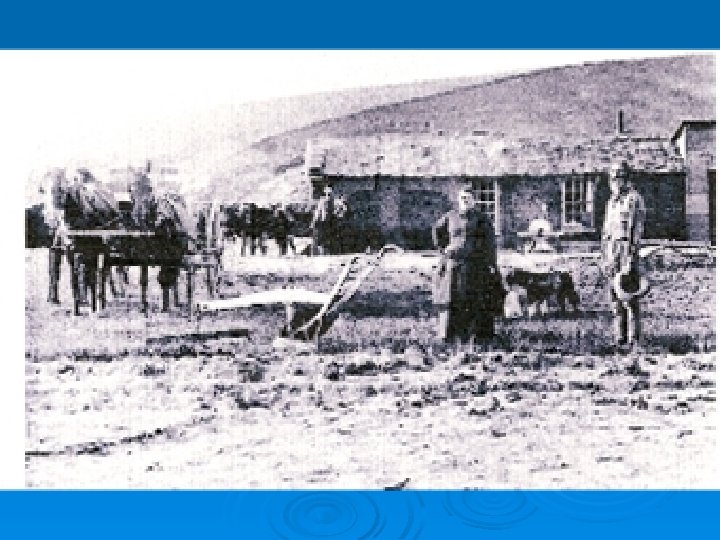
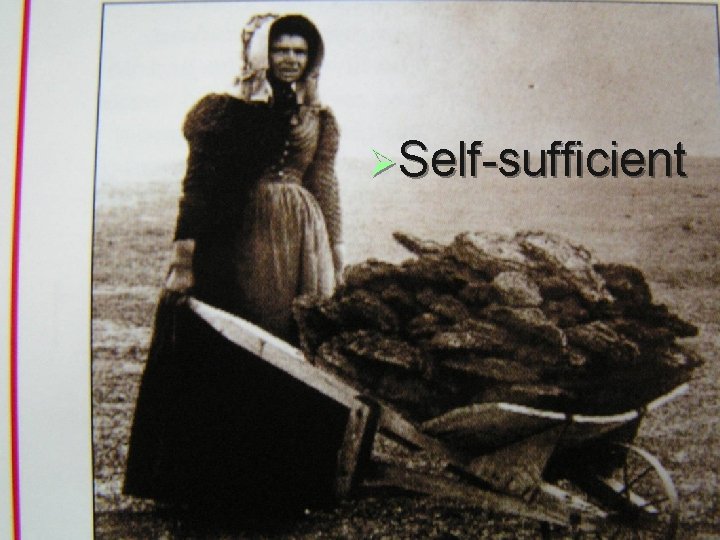
ØSelf-sufficient
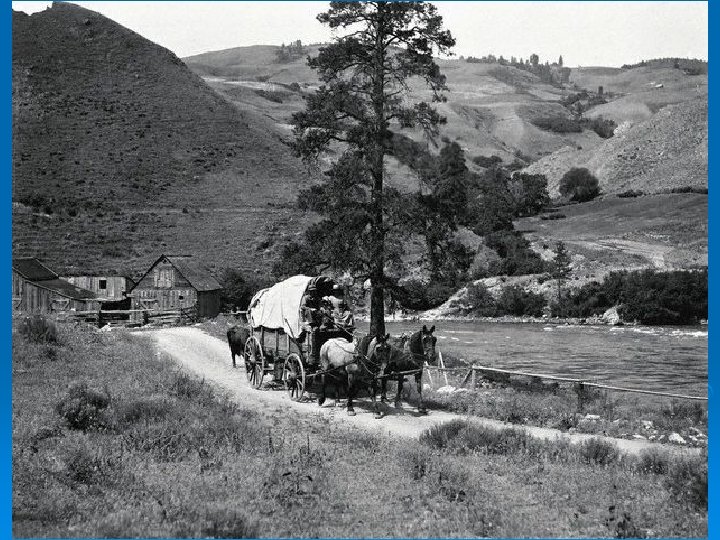
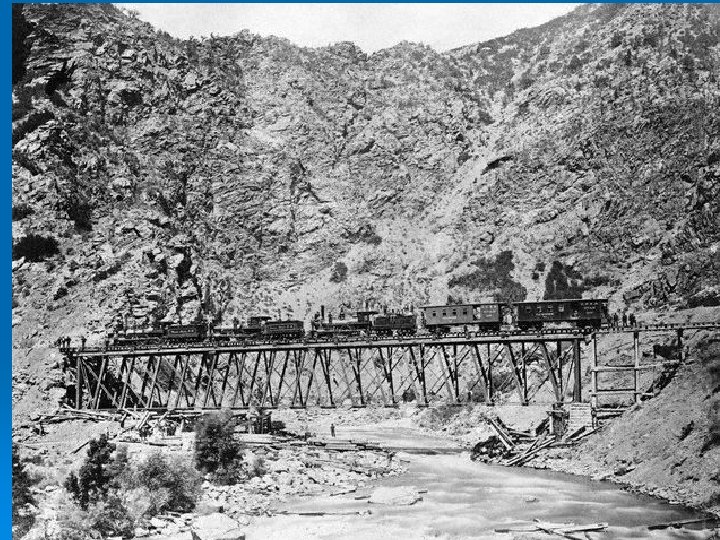
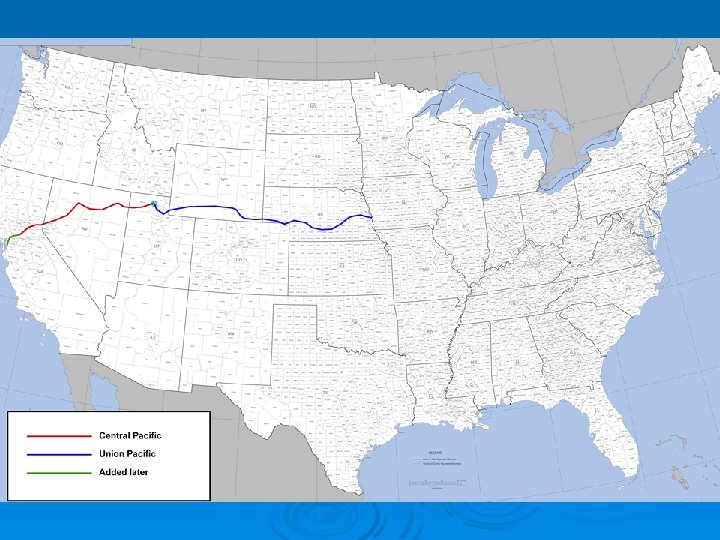
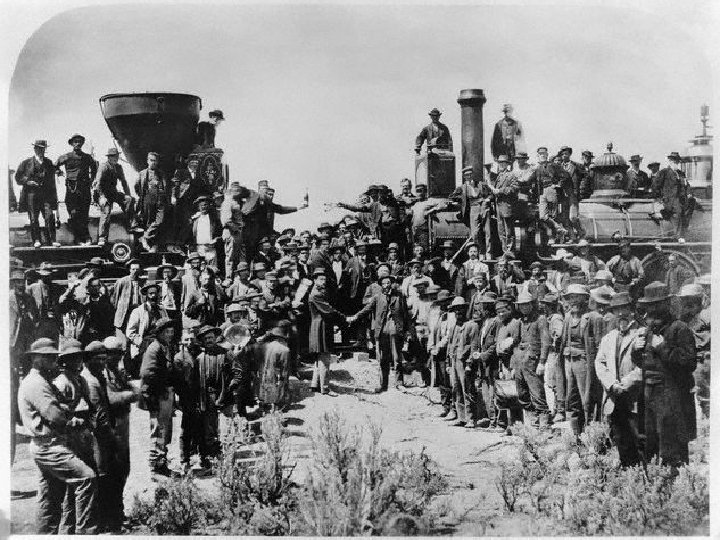
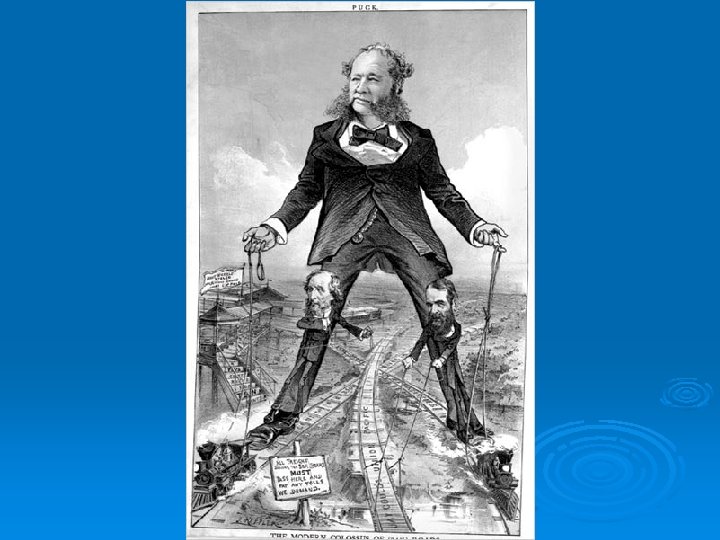
How are they moving? Ø Covered Wagon Ø Railroads l l l Pacific Railway Act (Lincoln) Transcontinental Railroad Union Pacific / Central Pacific Ø Monopolies / What are they? l l l Stanford and the Big Four Vanderbilt James J. Hill
WEEK 1 JOURNAL #2 Explain what the Homestead Act, Exodusters and the Transcontinental Railroad are and discuss the connections between them. When you finish be reading over your notes from yesterday!
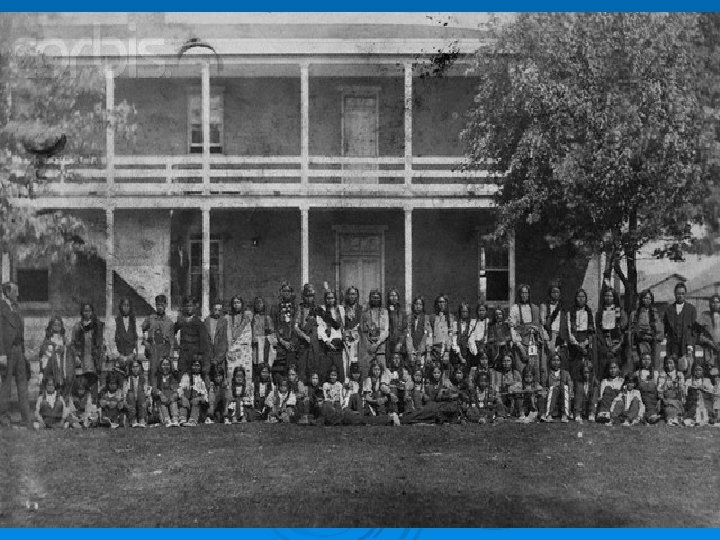
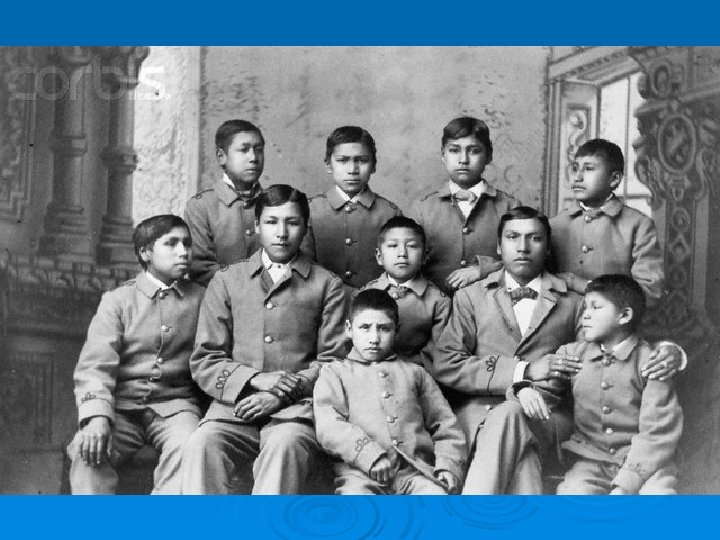
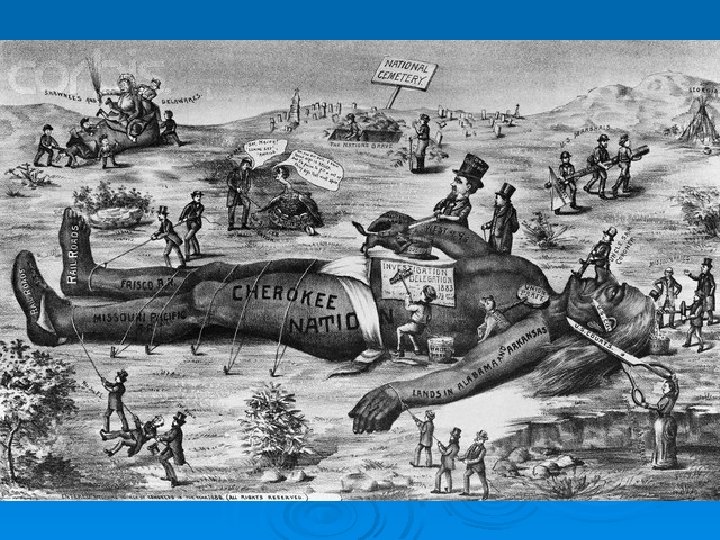
How did movement affect the makeup of the United States? Ø Geography Boom/Ghost Towns l Barbed Wire l Great Plains l • Buffalo Ø Native Americans l US policies Treaty of Fort Laramie l Massacre at Wounded Knee l • Wovaka – Ghost Dance l Dawes Act / Assimilation
African Americans Ø 13 th Amendment Ø 14 th Amendment Ø 15 th Amendment Ø Sharecropping
CLOSING THE FRONTIER Ø Oklahoma Land Rush Ø General Washburn
INDUSTRIALIZATION
What is Industrialization? Ø What makes it possible? l Materials • Natural resources like. . . l People • Entrepreneurs • Workers • Consumers Ø Where was the main US industrialization? Ø Tariffs – l Effects of high and low tariffs
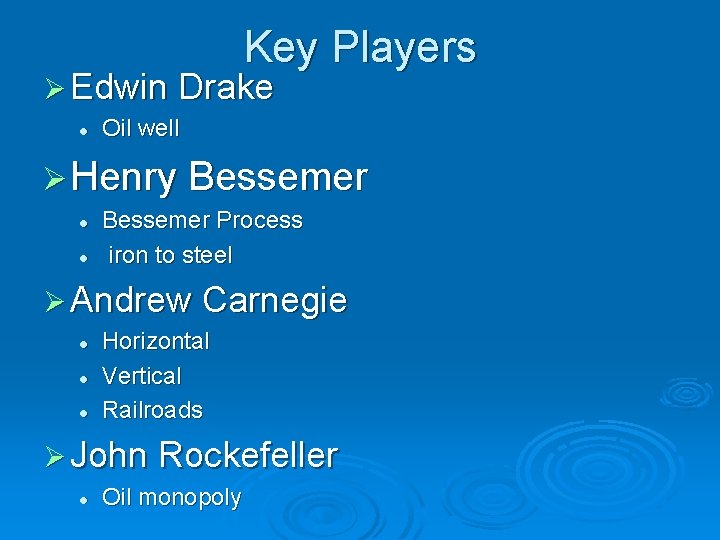
Key Players Ø Edwin Drake l Oil well Ø Henry Bessemer l l Bessemer Process iron to steel Ø Andrew Carnegie l l l Horizontal Vertical Railroads Ø John Rockefeller l Oil monopoly
Economic Philosophies Laissez Faire Capitalism Social Darwinism Gospel of Wealth Reform Darwinism
Laissez-Faire Ø “Hands Off” Ø No government influence in economies – businesses Ø Government does not make laws for businesses Ø Leads to Monopolies Ø Free Enterprise
Capitalism Ø Private Ownership of Business Ø YOU decide Ø Entrepreneurs Ø Some government regulations Ø Keep things competitive
Socialism Ø Total government control of the economy Ø No free enterprise Ø The government owns and controls all businesses and workers
Gospel of Wealth Ø Andrew Carnegie Ø Work hard- accumulate wealth Ø Give back to society Ø Philanthropist
Social Darwinism Ø What is “Darwinism”? Ø Relate this idea to society? Ø Survival of the Fittest!!!!
Reform Darwinism Ø Darwinism – just different Ø Cooperation not Competition Ø You succeed by cooperating together not working against each other
TARIFF Ø A tax on an imported good Ø Why do we need them Ø High Tariffs Ø Low Tariffs
WEEK 1 JOURNAL #3 What do the following all have in common? - Increased coal mining - Increased petroleum refining - Development of the Bessemer process - Development of the incandescent light bulb EXPLAIN your answer. Study your map for the state test!
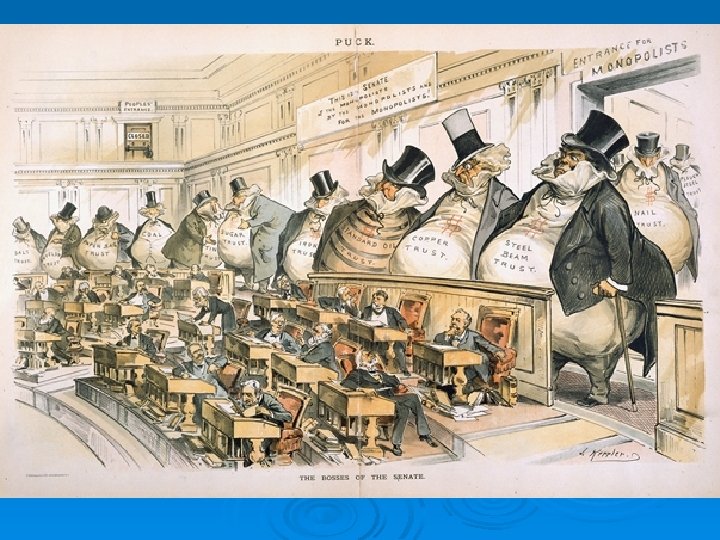
Led to: Ø Monopolies l Consolidation of Railroads Ø Trusts Ø Robber Barons Ø Corruption l Credit Mobilier Ø Interstate Commerce Commission Ø Sherman Anti Trust Act Ø Panic of 1893
How did these philosophies affect society? Ø Population shift l Rural to Urban Ø Isolation and ideas Ø Inventions l l Telephone Light Bulb Ice Machine Standard Sizes Ø Leisure Time
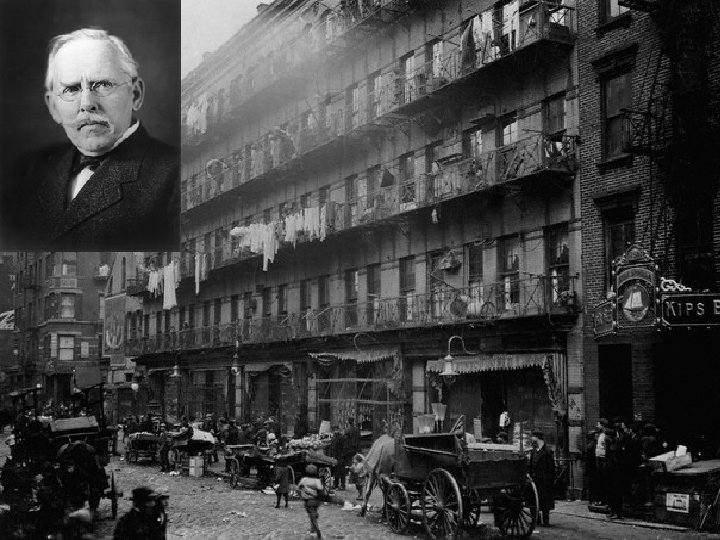
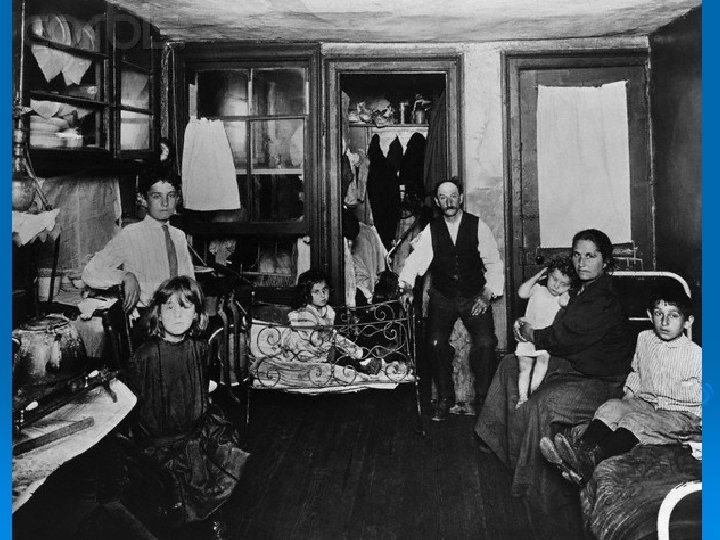
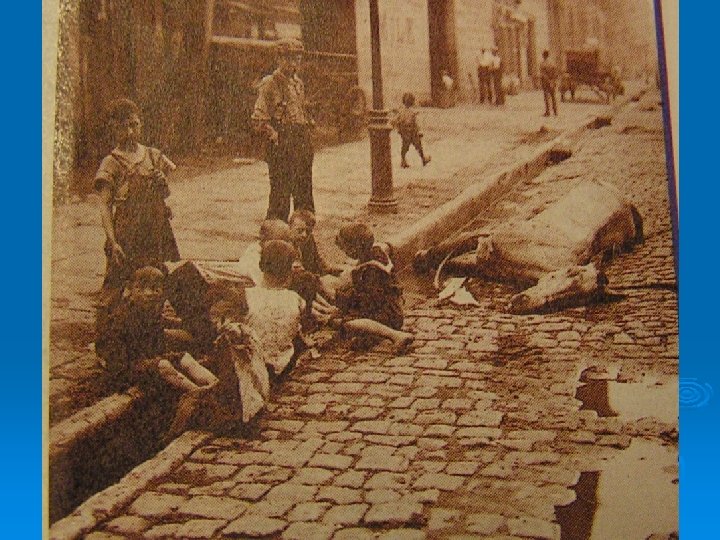
Week 1 JOURNAL 4 Jacob Riis learned about living conditions of the slums of New York while working as a newspaper reporter during the late 1800 s. His photographs and writings about living conditions among the poor helped to bring about social reform. In your own words summarize what Jacob Riis is known for.
Labor Unions Ø Need for Unions l l Working conditions Salaries • • . 27 – 14 hour day – child $267 a year – woman $498 a year – man $23 million Ø Local Unions
Ø National Labor Union Ø Knights of Labor Ø Arbitration
Two types of Unions Ø Trade Unions – Craft Unions l l American Federation of Labor Samuel Gompers Ø Industrial Unions l l Industrial Workers of the World Eugene V. Debs
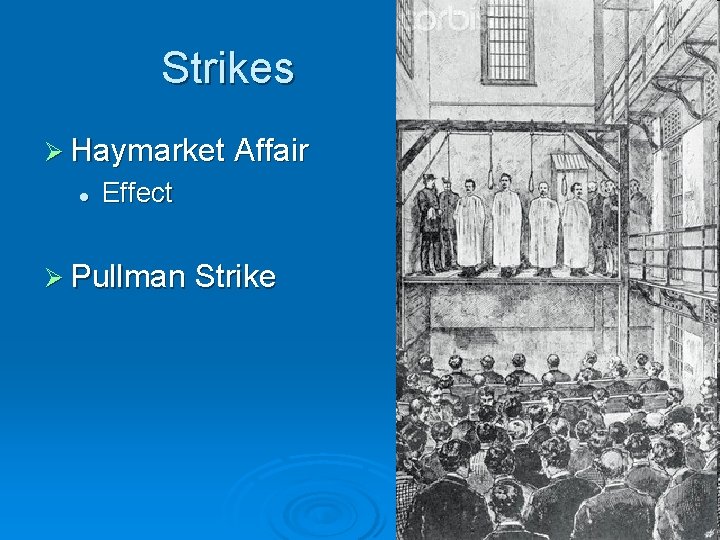
Strikes Ø Haymarket Affair l Effect Ø Pullman Strike
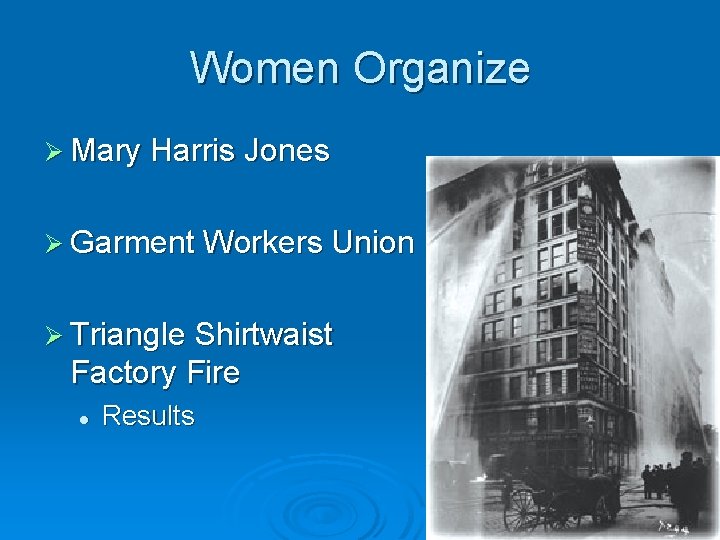
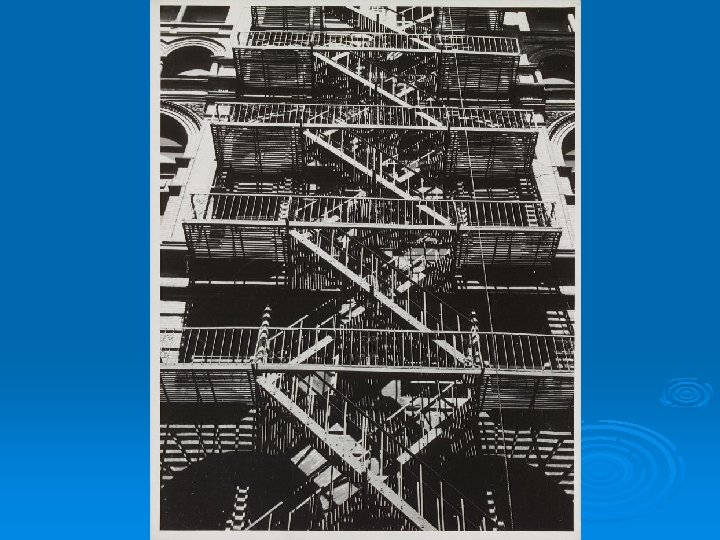
Women Organize Ø Mary Harris Jones Ø Garment Workers Union Ø Triangle Shirtwaist Factory Fire l Results
IMMIGRATION Ø Old immigration Ø New immigration
Immigrants come to America From Ø Europe Ø Across the Ø Atlantic Ocean Ø In about Ø A week Ø Arrived at Ø Ellis Island Ø In compare Ø New York Ø From Ø Asia Ø Across the Ø Pacific Ocean Ø In about Ø 3 weeks Ø Arrived at Ø Angel Island Ø In Ø San Francisco Ø Push and Pull Factors
Once in the US Immigrants would… Ø Live in Ø Work in Ø Congregate l l Little Italy China Town
Americans respond to influx by Ø Nativism
The Government responds by Ø Chinese Exclusion Act Ø Gentlemen’s Agreement
WEEK 1 JOURNAL 5 Ø Give a title to each of the following groups Ø Write the number and title in your journal. 1. 2. 3. 4. 5. arbitration, strikes, conditions and pay Nativism, ethnic neighborhoods, pull factors Social Darwinism, Laissez-Faire, Capitalism Bessemer Process, telephone, power plant Transcontinental Railroad, Reservations, Dawes Act
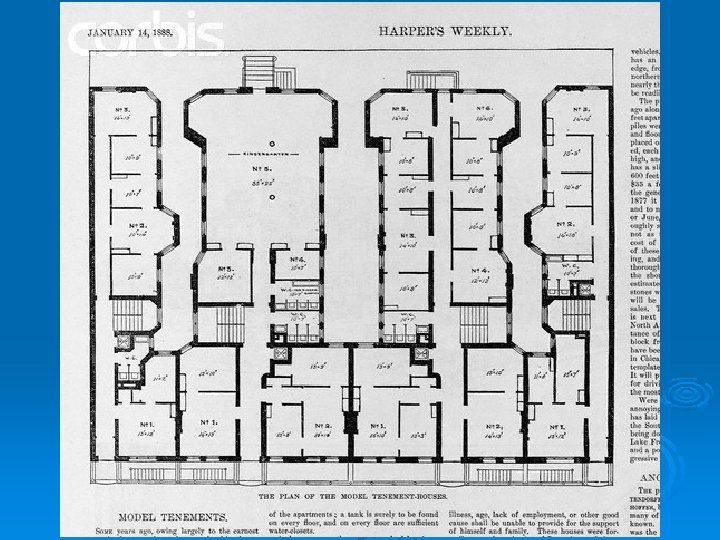
URBANIZATION Ø Opportunities Ø Population Ø Problems l l l Housing - Tenements Transportation Water Sanitation Crime Fire
Addressing the problems Ø Jacob Riis Ø Social Gospel Movement Ø Settlement House Movement
GILDED AGE Ø What does that mean?
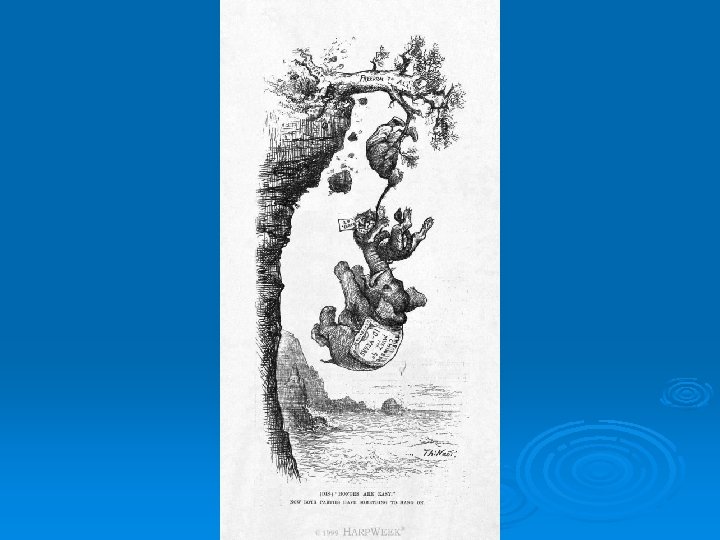
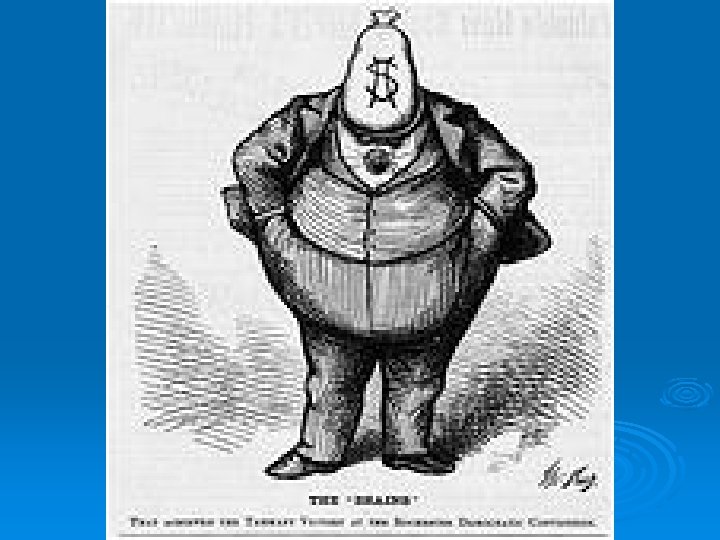
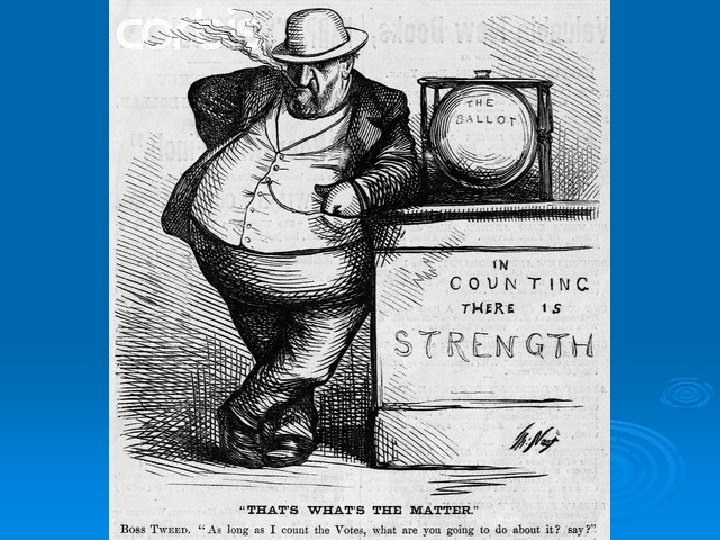
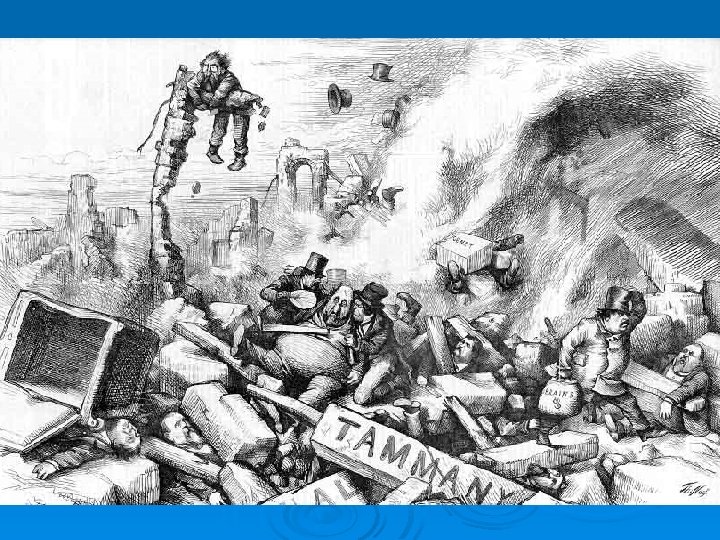
Political Machines Ø What are they? Ø Immigrants Ø Fraud and Graft Ø Boss Tweed Ø Thomas Nast
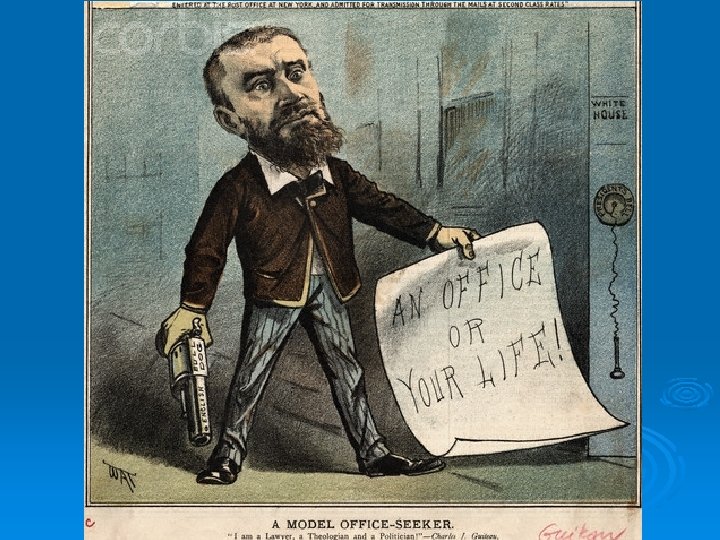
Patronage and its results Spoils System Ø Presidents try to reform Ø Mugwumps Ø Stalwarts Ø Garfield, Guiteau and Arthur Ø Pendleton Act
Big Business and Government Ø Mc. Kinley Tariff Ø Wilson Gorman Tariff l Grover Cleveland
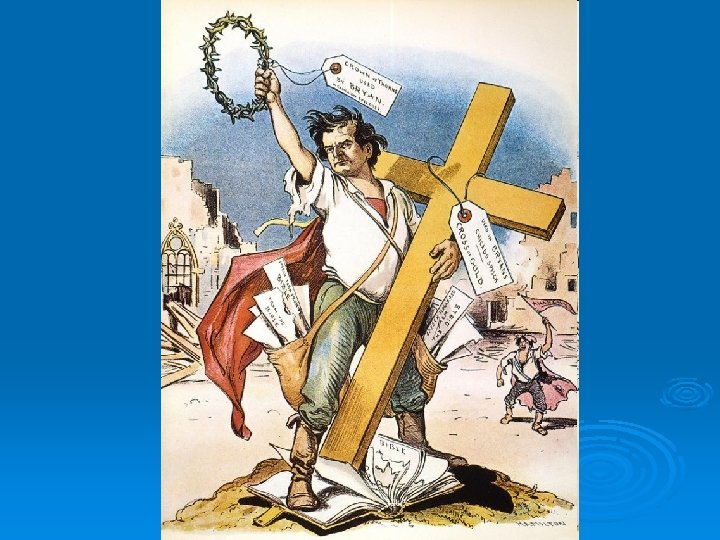
Populism Ø Platform Ø Bimetallism Ø William Jennings Bryan Ø The Wizard of Oz