
WEBQUEST FORM 1 Physics TOPIC Forces SUBTOPIC types
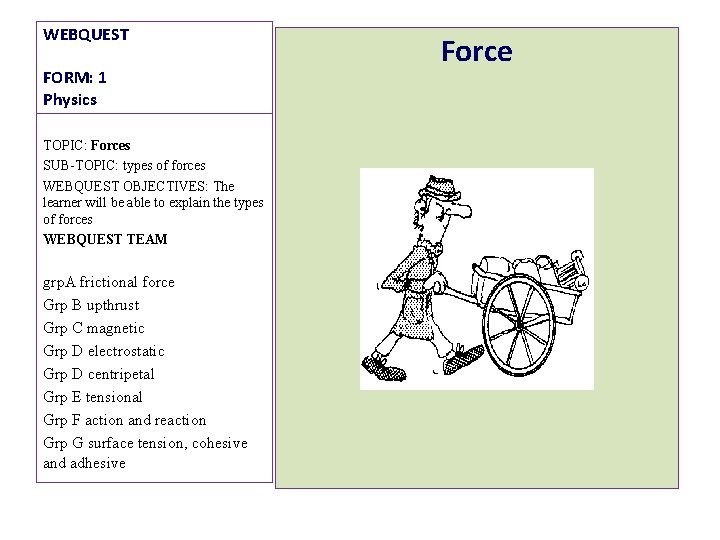
WEBQUEST FORM: 1 Physics TOPIC: Forces SUB-TOPIC: types of forces WEBQUEST OBJECTIVES: The learner will be able to explain the types of forces WEBQUEST TEAM grp. A frictional force Grp B upthrust Grp C magnetic Grp D electrostatic Grp D centripetal Grp E tensional Grp F action and reaction Grp G surface tension, cohesive and adhesive Force
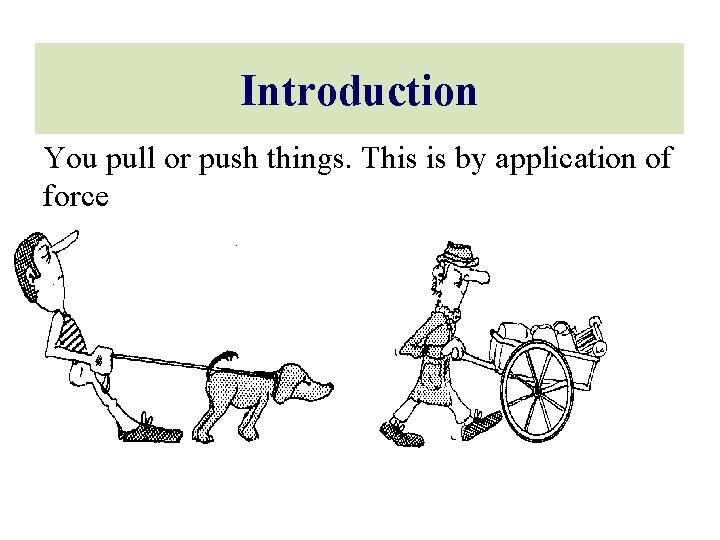
Introduction You pull or push things. This is by application of force

Intro: Identify the forces bellow
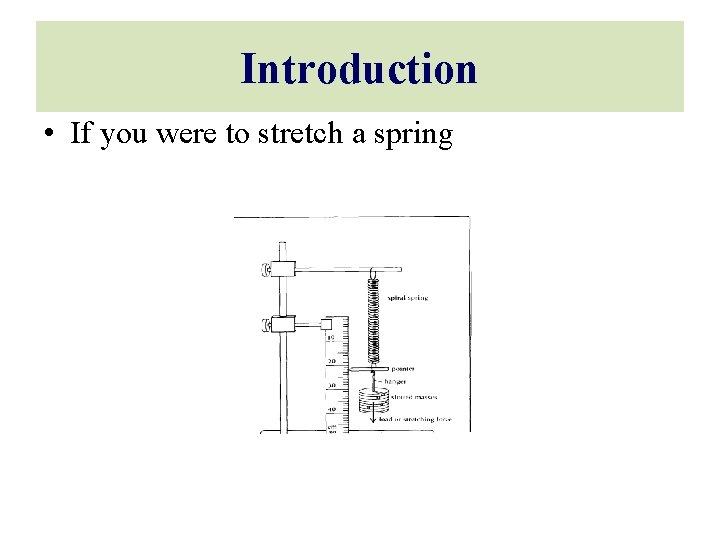
Introduction • If you were to stretch a spring
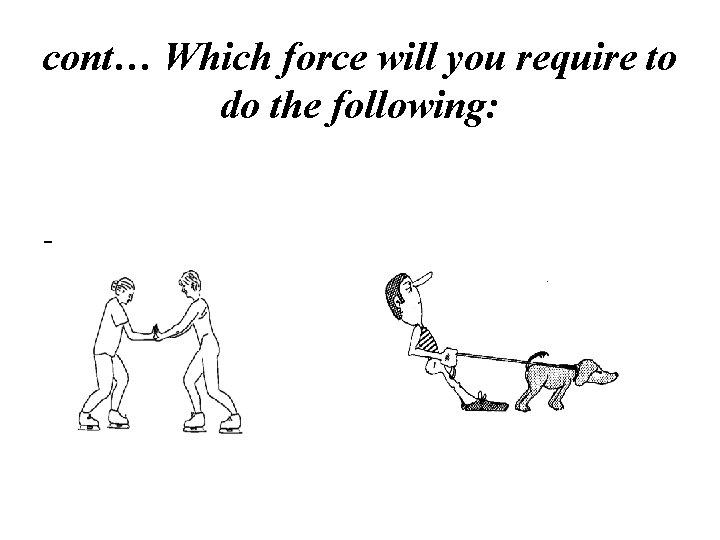
cont… Which force will you require to do the following: -
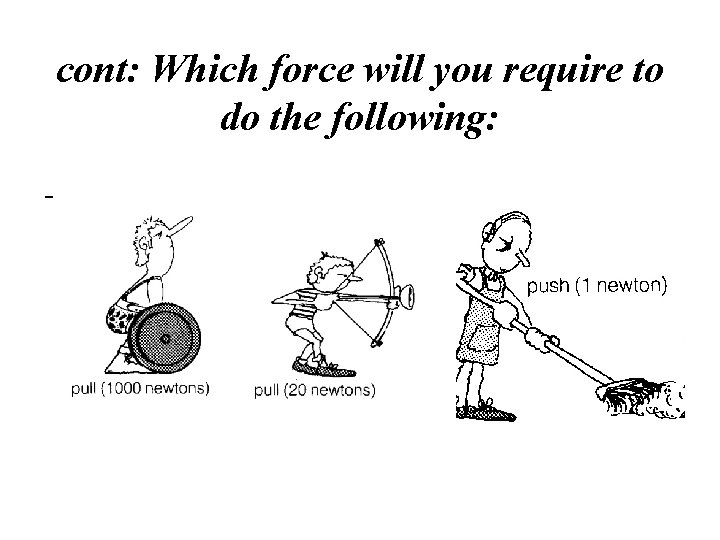
cont: Which force will you require to do the following: -
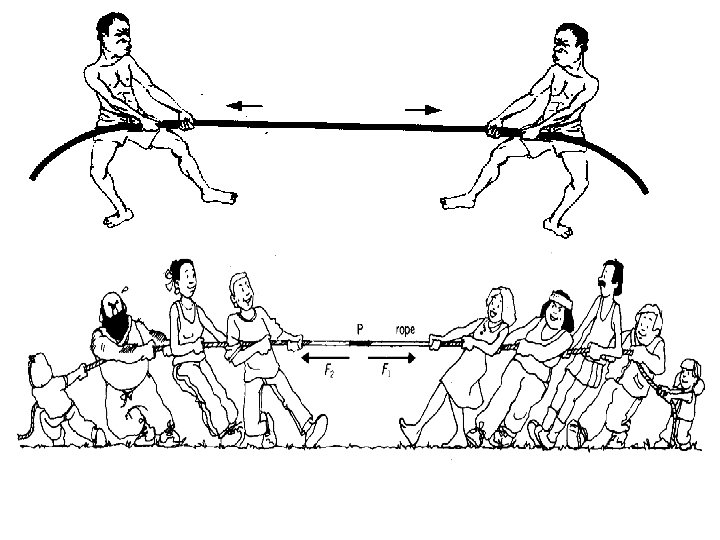
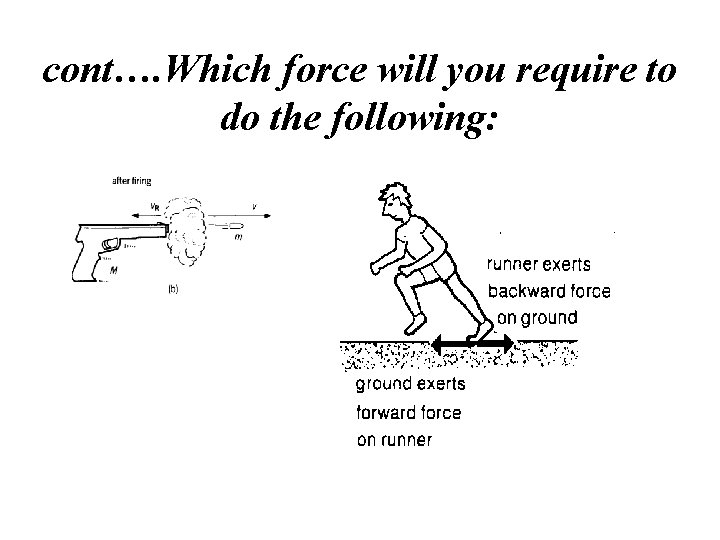
cont…. Which force will you require to do the following:
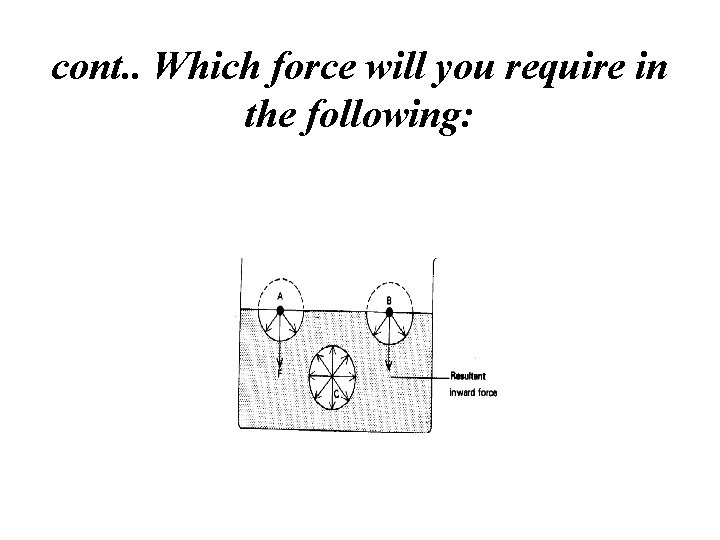
cont. . Which force will you require in the following:
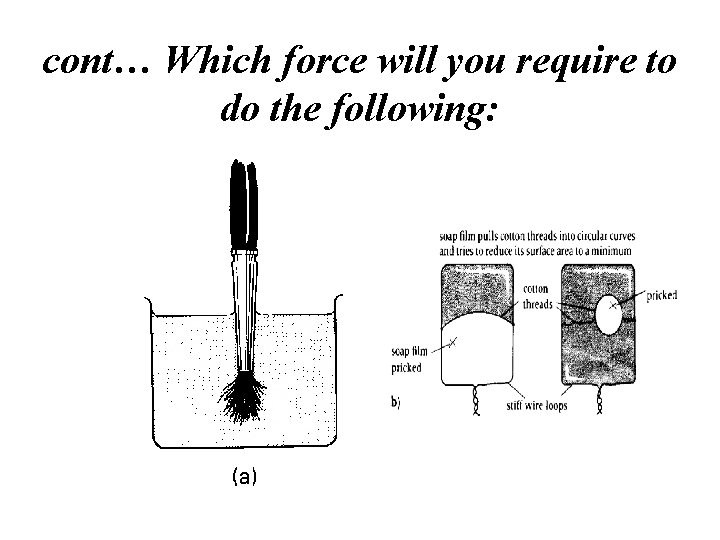
cont… Which force will you require to do the following:
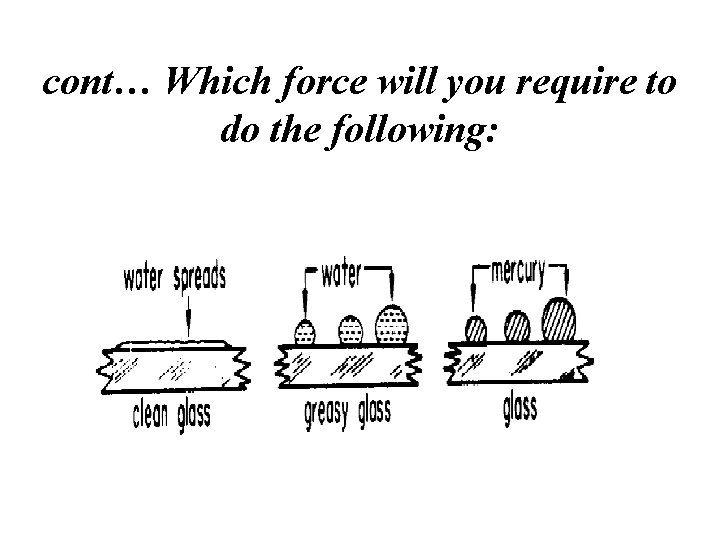
cont… Which force will you require to do the following:
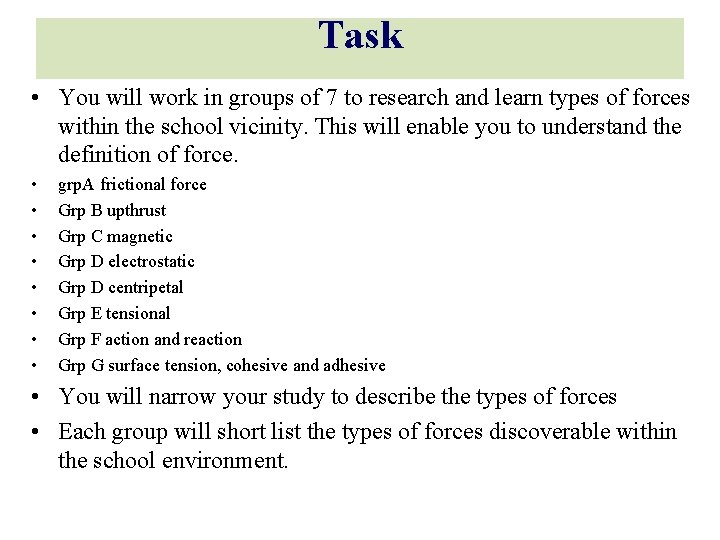
Task • You will work in groups of 7 to research and learn types of forces within the school vicinity. This will enable you to understand the definition of force. • • grp. A frictional force Grp B upthrust Grp C magnetic Grp D electrostatic Grp D centripetal Grp E tensional Grp F action and reaction Grp G surface tension, cohesive and adhesive • You will narrow your study to describe the types of forces • Each group will short list the types of forces discoverable within the school environment.
Resources • Refer to the links below: • https: //study. com/academy/lesson/what-is-friction-definitionformula-forces. html • www. zephyrus. co. uk/upthrust. html • https: //www. khanacademy. org/. . . /magnetic-forces. . . magneticfields/magnets-magnetic/. . . • hyperphysics. phy-astr. gsu. edu/hbase/cf. html • https: //en. wikipedia. org/wiki/Electrostatics • https: //byjus. com/physics/tension-force/ • https: //chemed. chem. purdue. edu/demosheets/14. 8. html • www. physicsclassroom. com/class/newtlaws/Lesson-4/Newton-s. Third-Law
Resources- ICT • • The following resources will be useful Internet – • • • follow the following links; https: //study. com/academy/lesson/what-is-friction-definition-formula-forces. html www. zephyrus. co. uk/upthrust. html https: //www. khanacademy. org/. . . /magnetic-forces. . . magnetic-fields/magnetsmagnetic/. . . hyperphysics. phy-astr. gsu. edu/hbase/cf. html https: //en. wikipedia. org/wiki/Electrostatics https: //byjus. com/physics/tension-force/ https: //chemed. chem. purdue. edu/demosheets/14. 8. html www. physicsclassroom. com/class/newtlaws/Lesson-4/Newton-s-Third-Law Videos of types of forces
Resources – Non-ICT • Course books on forces– – Ordinary Level Physics by AF Abbot – KLB Bk 1

Process • In your groups do the following; 1) Browse the internet www. physicsclassroom. com/class/newtlaws/Lesson-2/Types-of -Forces to learn about a) b) c) d) e) f) g) h) the force that is applied when walking The force that is pushing objects upwards in water The force that acts on a stretched spring The force that acts between mercury molecules and water molecules The force that acts on the surface of water The force that acts between magnets poles The force that acts on a body that is being swirled The force that acts on the gun when the bullet is short.
Process • Questions you need to answer 1) Differentiate between cohesive and adhesive forces 2) Describe action and reaction forces
Process 3) What forces are experiences during a car accident 4) How are forces important in the daily activities 5) What are some of the negative effects of force
Process 5) Gather the necessary information from the internet about apparatus and other materials needed to do an experiment on magnetic force, surface tension, tensional and friction force
Process 7) Using a word processing software, prepare and submit a written report of the experiment you performed as a group; write a) b) c) d) The materials you used The procedure you followed The observations and/or results The conclusion 8) Use a presentation software to prepare slides (as a group) and present your experimental work to the class – share the work among yourselves so that each person presents a section
Guidance • Each group should complete the tasks and post the results in the work sheet • Answer all questions very well • Organize your presentation neatly so that it communicates very clearly • Make sure you organize, analyze and synthesis information from all sources • Ensure you interact, collaborate and work together to complete your project
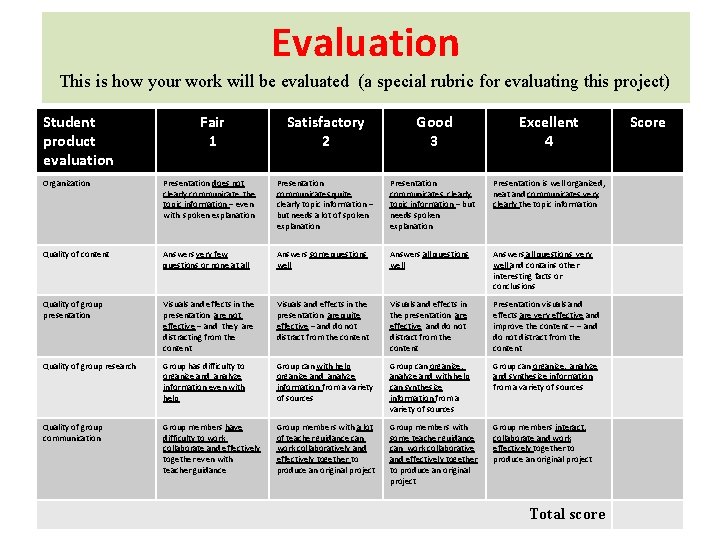
Evaluation This is how your work will be evaluated (a special rubric for evaluating this project) Student product evaluation Fair 1 Satisfactory 2 Good 3 Excellent 4 Organization Presentation does not clearly communicate the topic information – even with spoken explanation Presentation communicates quite clearly topic information – but needs a lot of spoken explanation Presentation communicates clearly topic information – but needs spoken explanation Presentation is well organized, neat and communicates very clearly the topic information Quality of content Answers very few questions or none at all Answers some questions well Answers all questions very well and contains other interesting facts or conclusions Quality of group presentation Visuals and effects in the presentation are not effective – and they are distracting from the content Visuals and effects in the presentation are quite effective – and do not distract from the content Visuals and effects in the presentation are effective and do not distract from the content Presentation visuals and effects are very effective and improve the content – – and do not distract from the content Quality of group research Group has difficulty to organize and analyze information even with help Group can with help organize and analyze information from a variety of sources Group can organize, analyze and with help can synthesize information from a variety of sources Group can organize, analyze and synthesize information from a variety of sources Quality of group communication Group members have difficulty to work collaborate and effectively together even with teacher guidance Group members with a lot of teacher guidance can work collaboratively and effectively together to produce an original project Group members with some teacher guidance can work collaborative and effectively together to produce an original project Group members interact, collaborate and work effectively together to produce an original project Total score Score

Conclusion • You have learned the types of forces • The difference between cohesive and adhesive force • Action and reaction forces • The force that acts on a stretched spring etc • The uses of forces • Disadvantages of forces
- Slides: 23