
Weathering THE VARIOUS MECHANICAL AND CHEMICAL PROCESSES THAT


- Slides: 39
Weathering THE VARIOUS MECHANICAL AND CHEMICAL PROCESSES THAT CAUSE EXPOSED ROCK TO DECOMPOSE. OR. . MAKING BIG ROCKS INTO LITTLE ROCKS
Two basic types Chemical Physical
Chemical Weathering Oxidation Hydrolosis Carbonation Higher temperatures and higher moisture content accelerate these processes. Involves a change in the chemistry of the rock, going from one mineral to another.
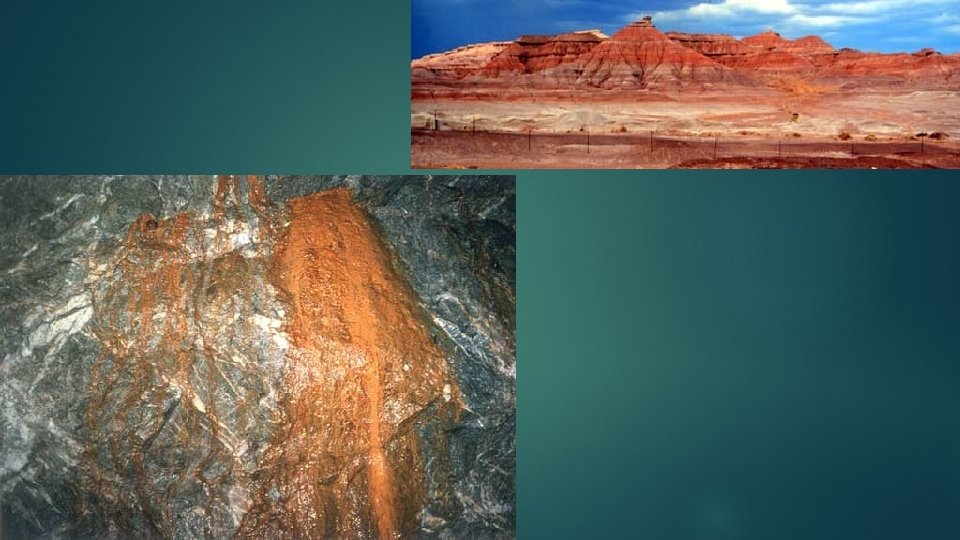
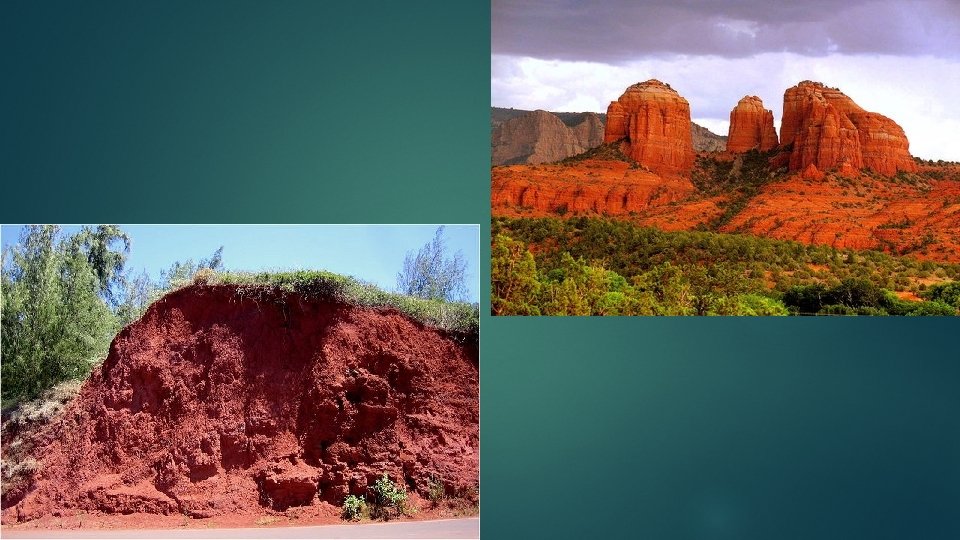
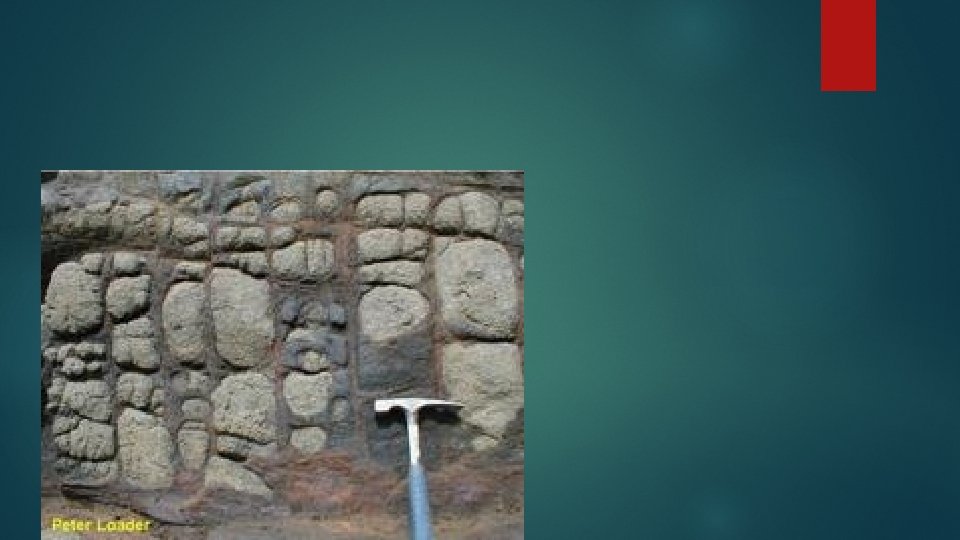
Oxidation Primary a change in iron minerals – decomposing to iron oxide. Commonly known as rust.
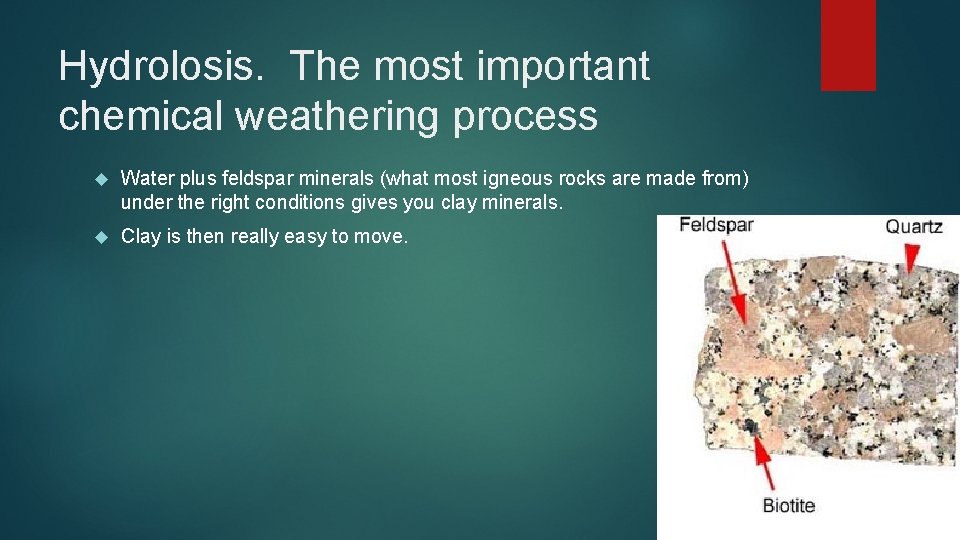
Hydrolosis. The most important chemical weathering process Water plus feldspar minerals (what most igneous rocks are made from) under the right conditions gives you clay minerals. Clay is then really easy to move.
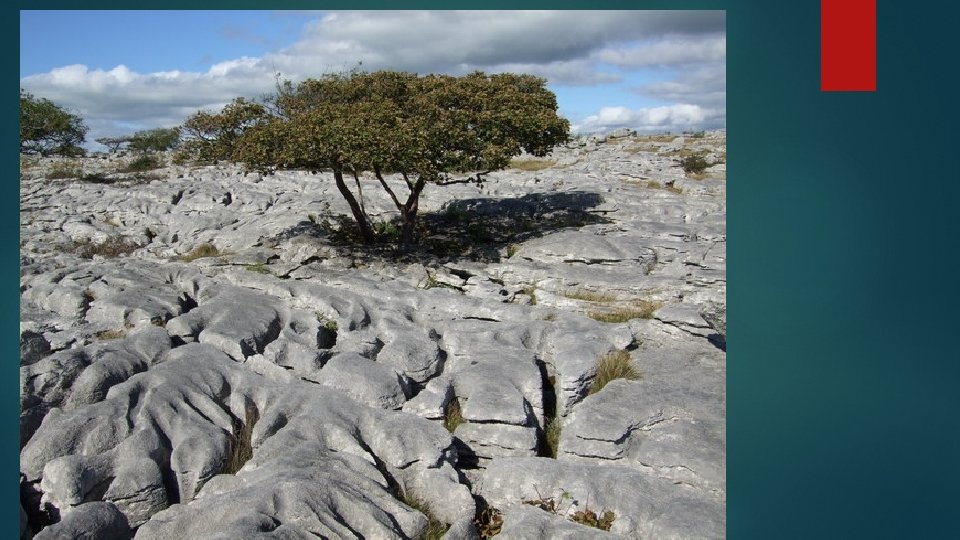
Carbonation The natural form of acid rain. Only carbonic acid CO 2 + H 2 O ------- H 2 CO 3 Relatively slow process Attacks primarily limestone and marble. Dissolves it! Seeps in and along cracks in rock. Forms Karst topography (more next week)
Physical Weathering Frost wedging Salt wedging Heating/cooling (heat weathering) Plants/animals Exfoliation Those pesky humans
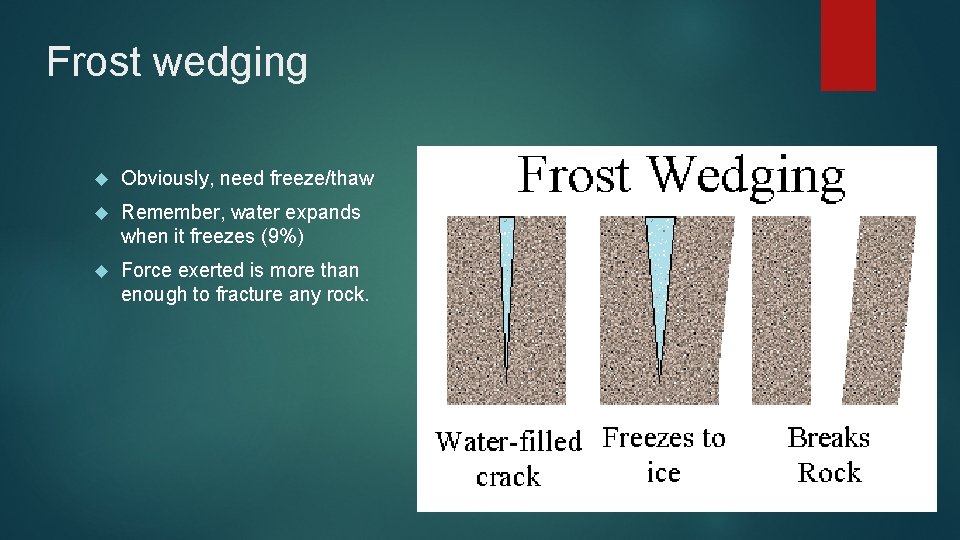
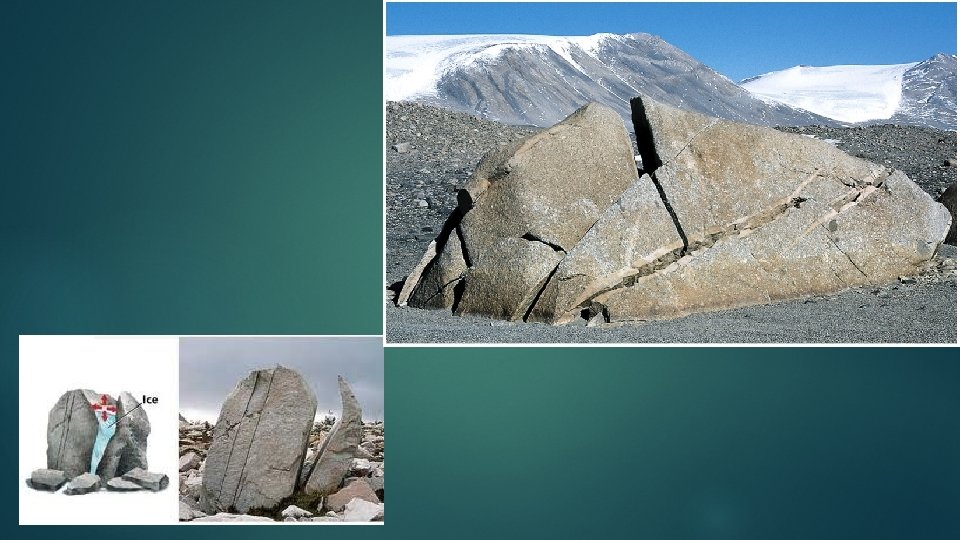
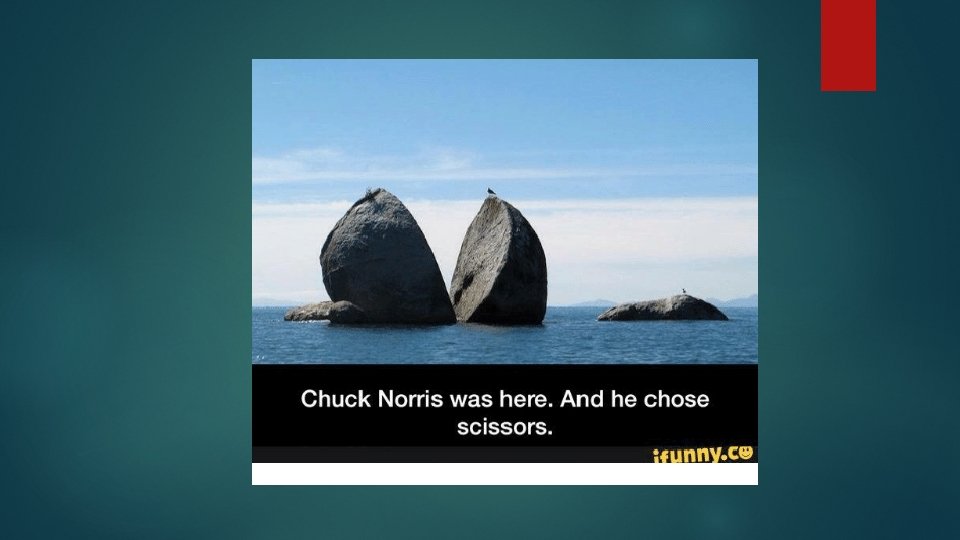
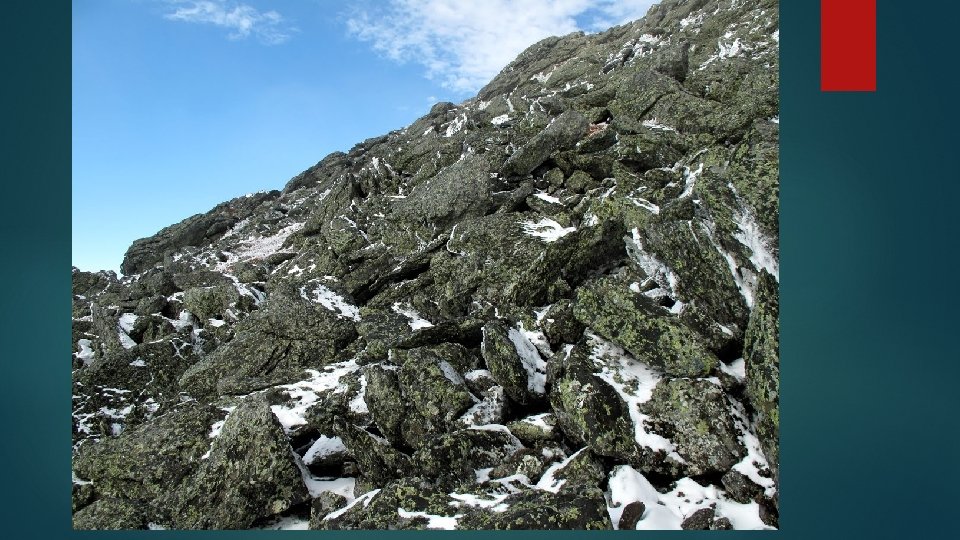
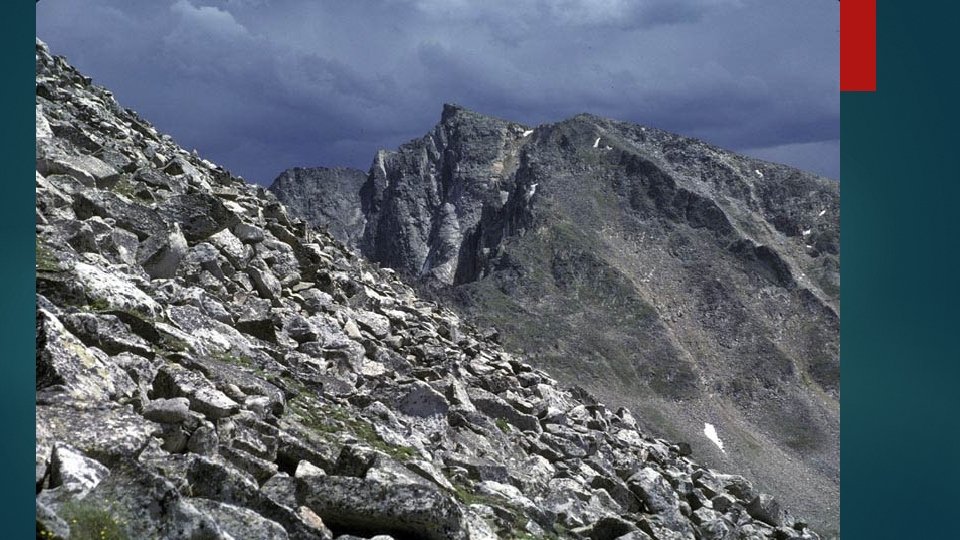
Frost wedging Obviously, need freeze/thaw Remember, water expands when it freezes (9%) Force exerted is more than enough to fracture any rock.
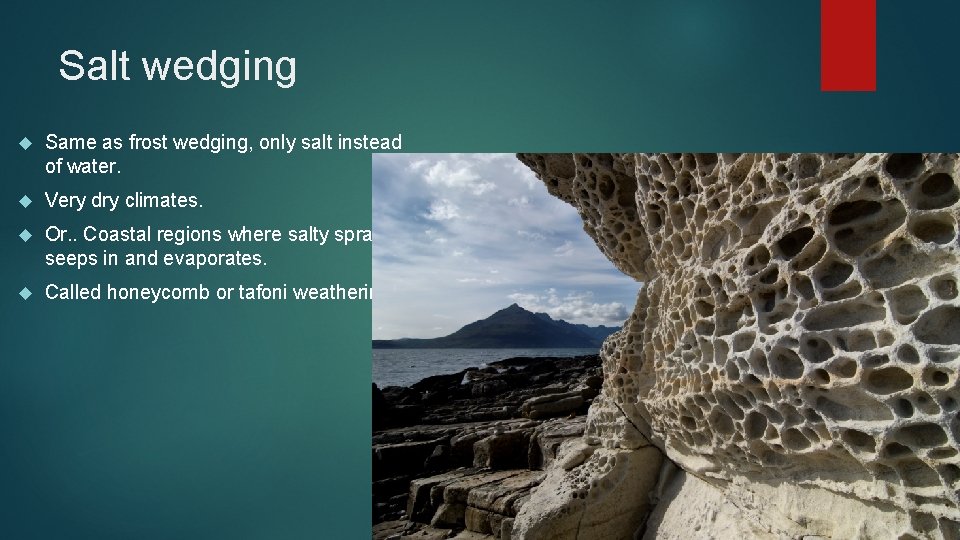
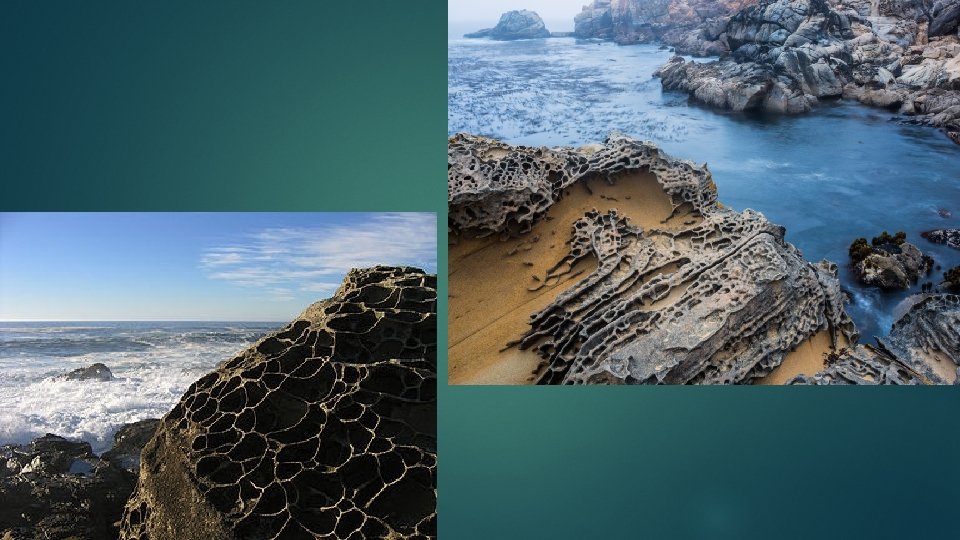
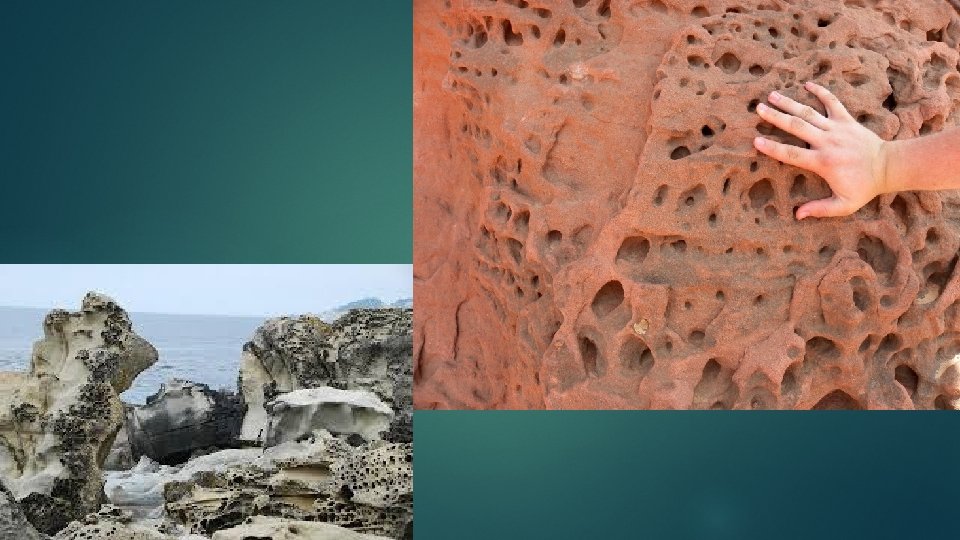
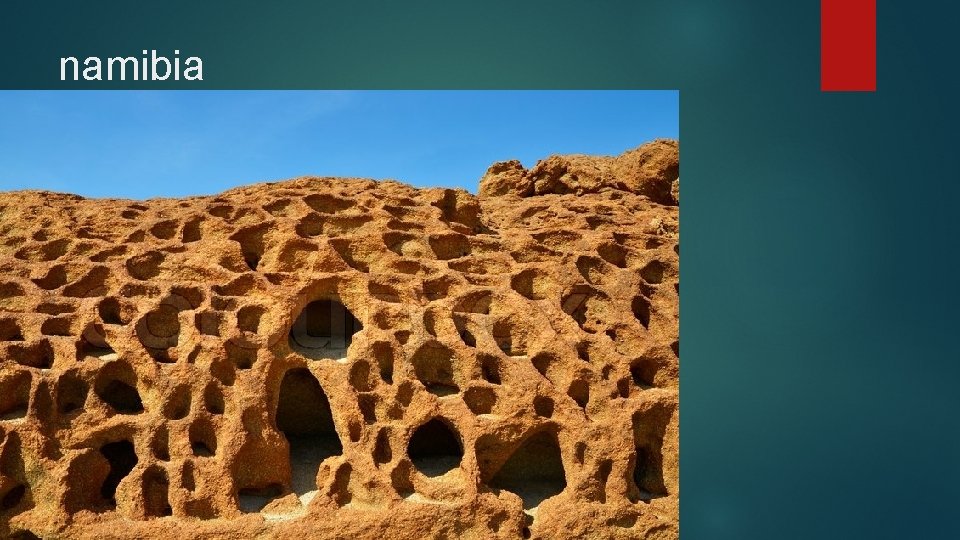
Salt wedging Same as frost wedging, only salt instead of water. Very dry climates. Or. . Coastal regions where salty spray seeps in and evaporates. Called honeycomb or tafoni weathering.
namibia
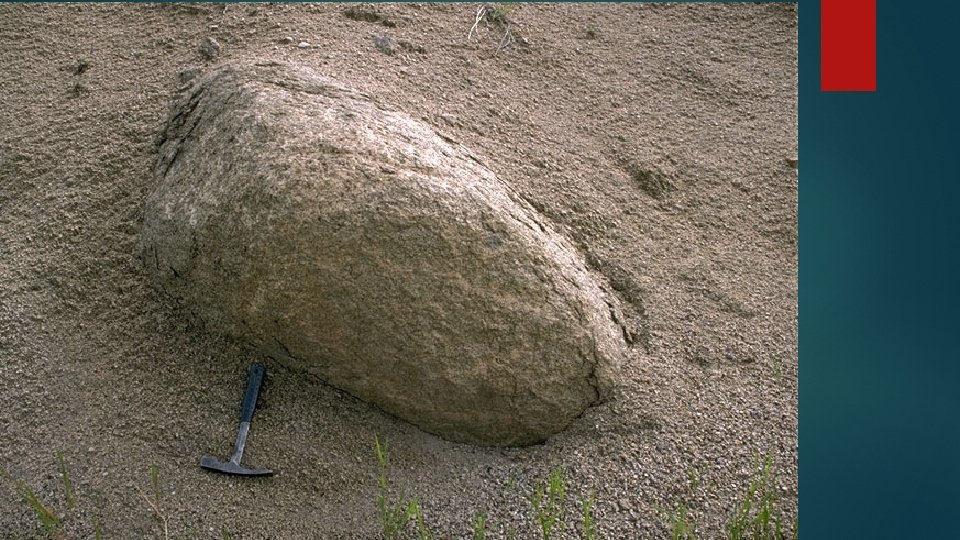
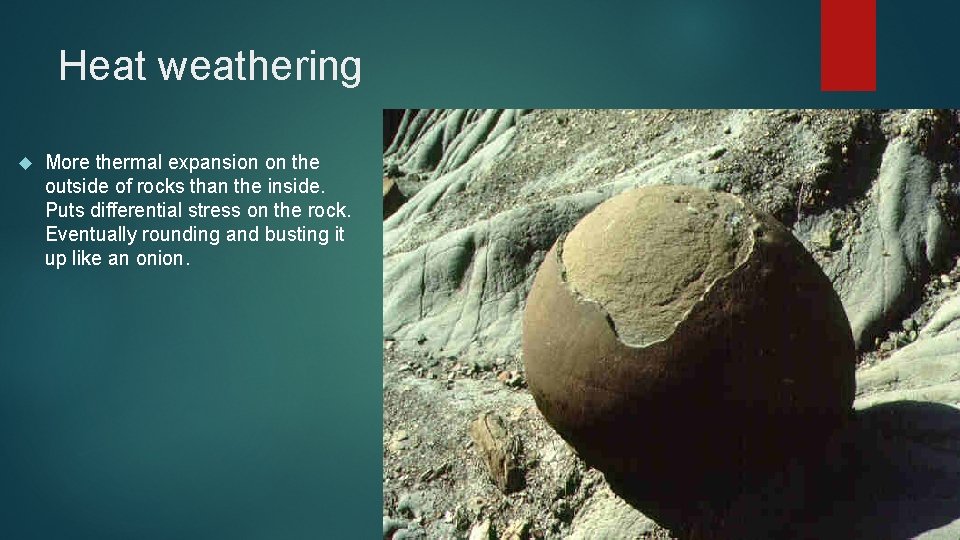
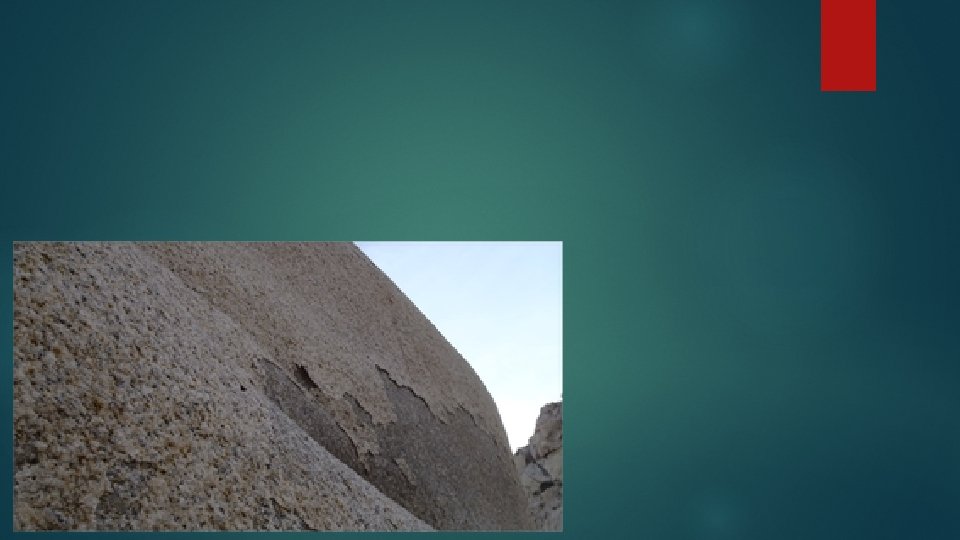
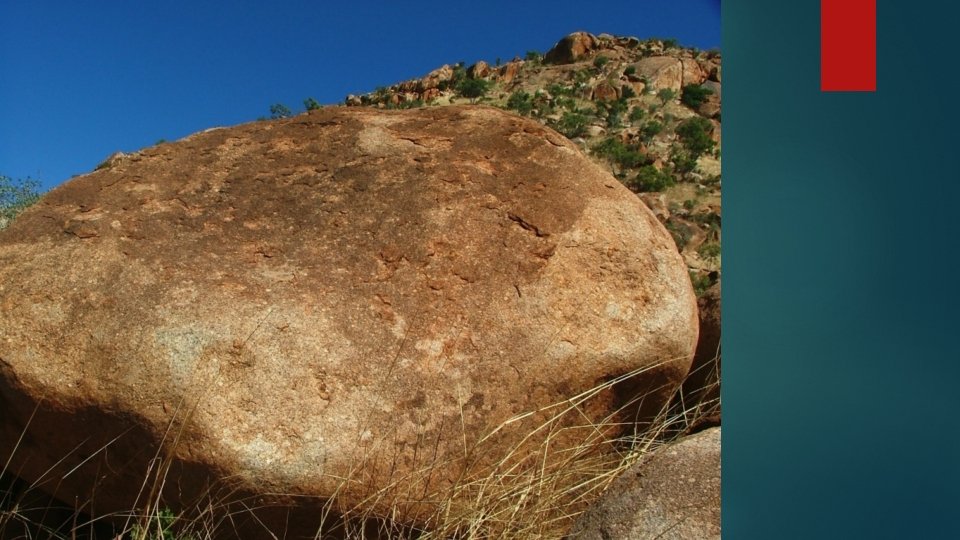
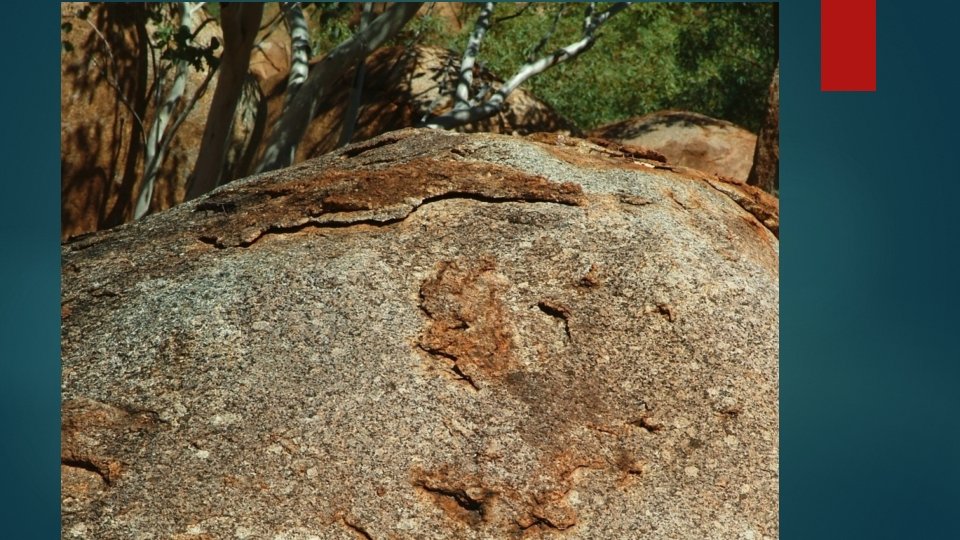
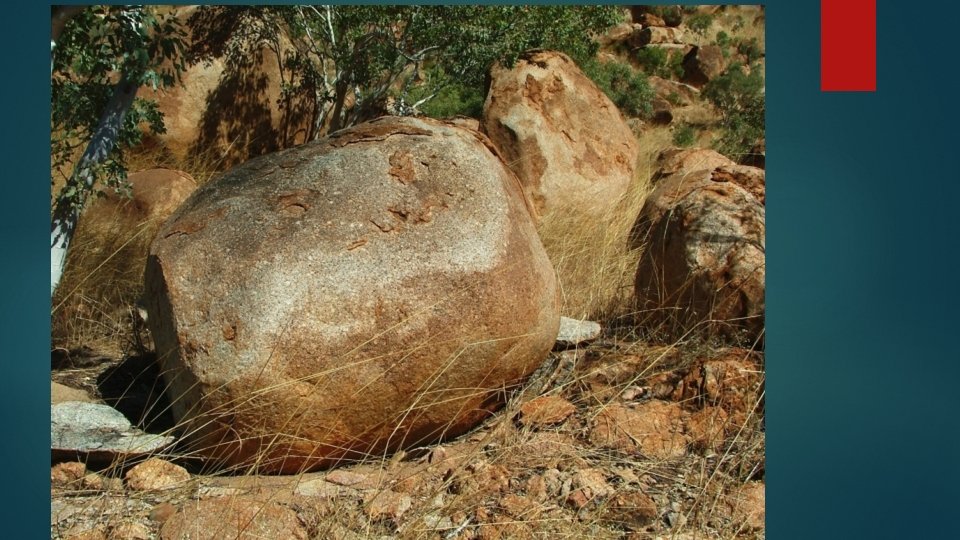
Heat weathering More thermal expansion on the outside of rocks than the inside. Puts differential stress on the rock. Eventually rounding and busting it up like an onion.
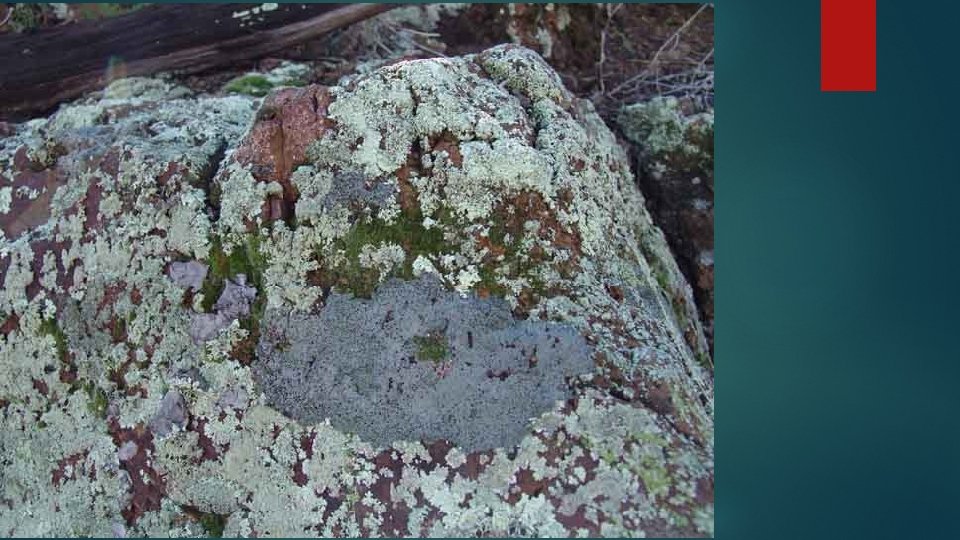
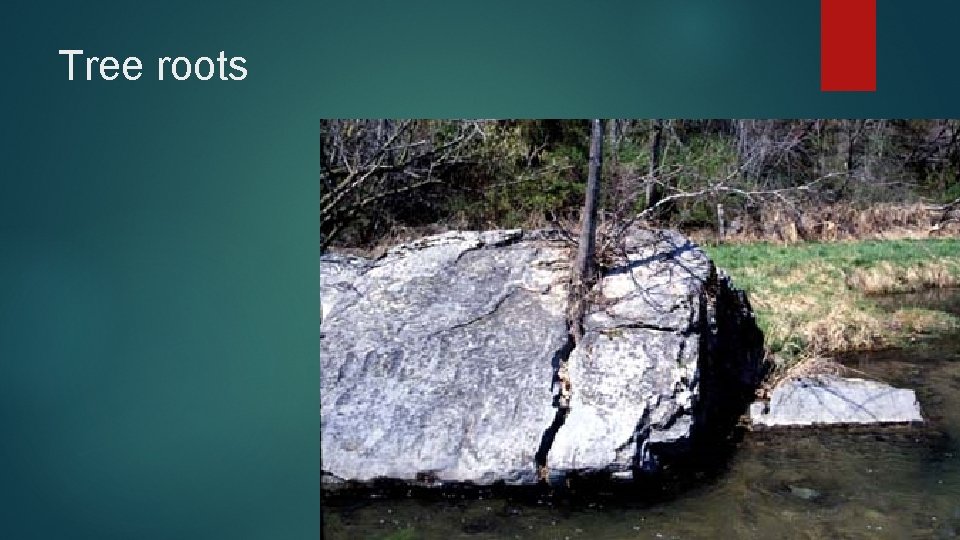
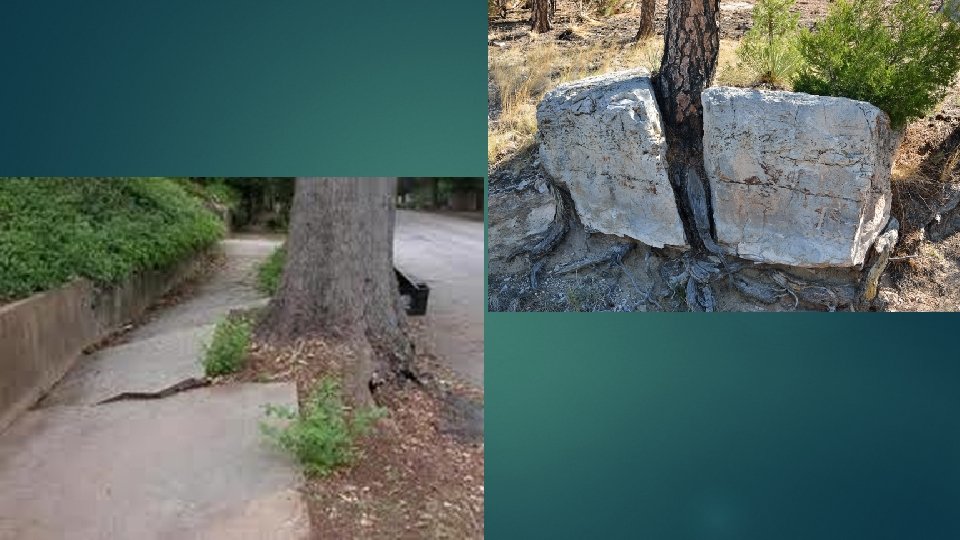
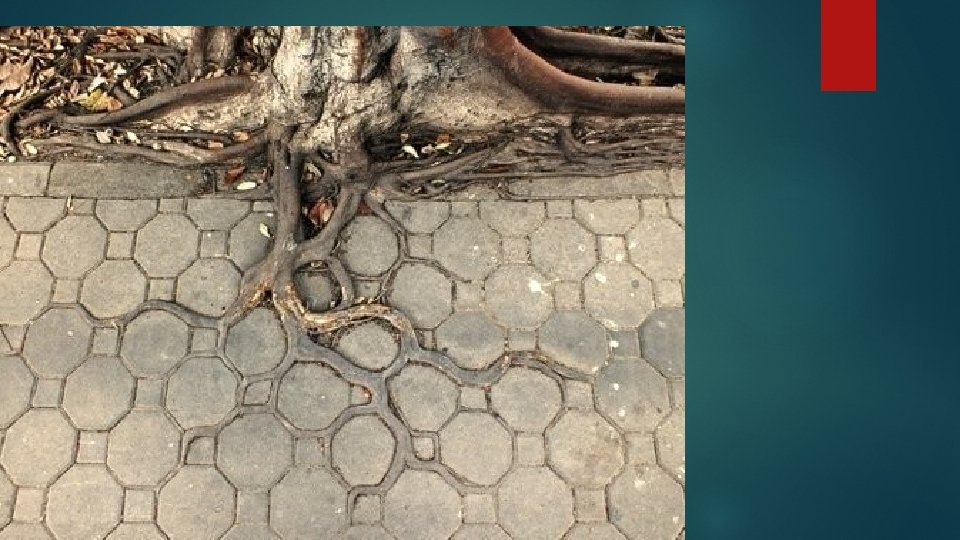
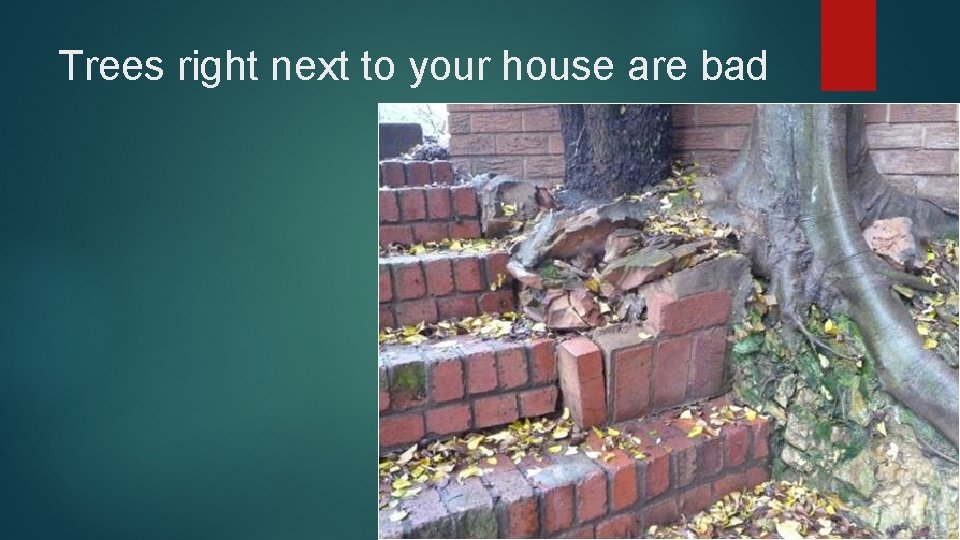
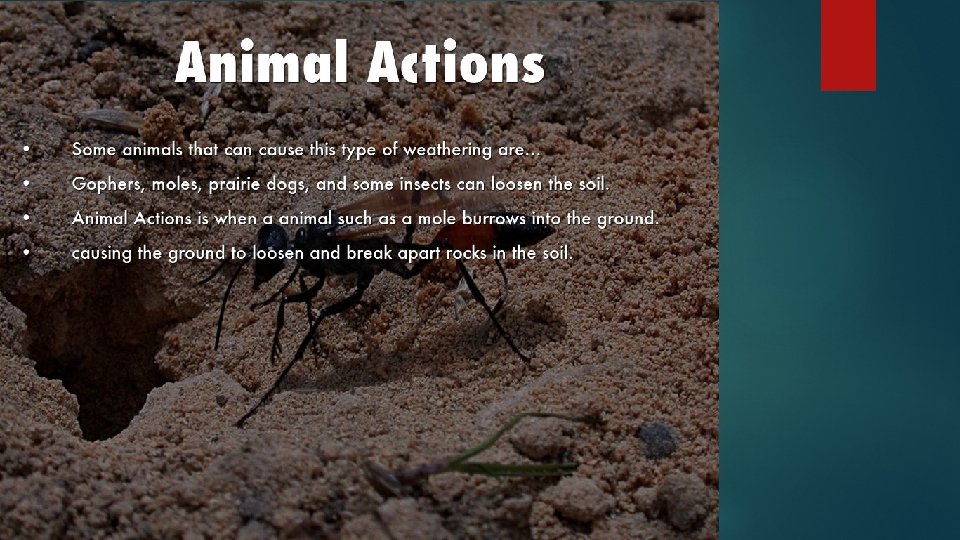
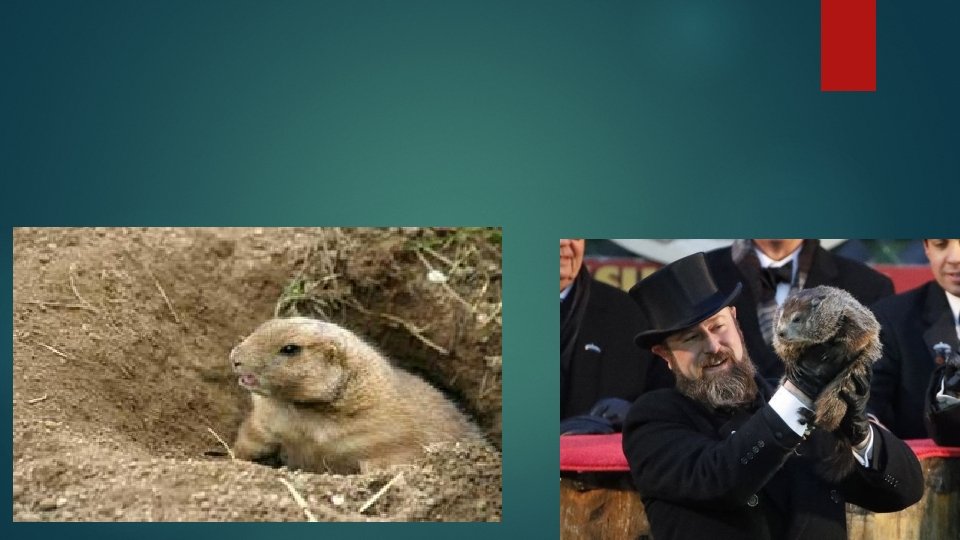
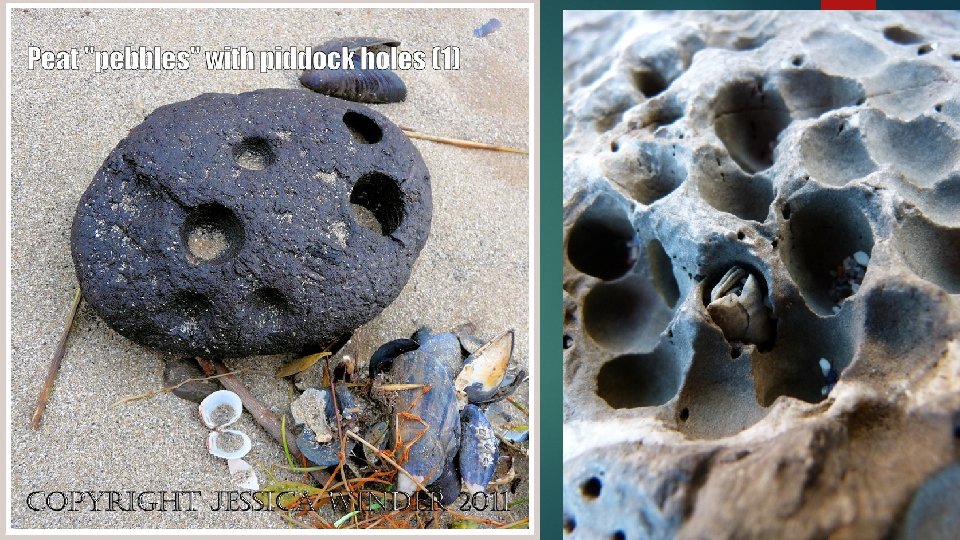
Plants and animals Directly attacking/dissolving the rocks. Lichen (technically, this is chemical weathering) Tree roots Burrowing animals Moving stuff around, or directly boring into rocks
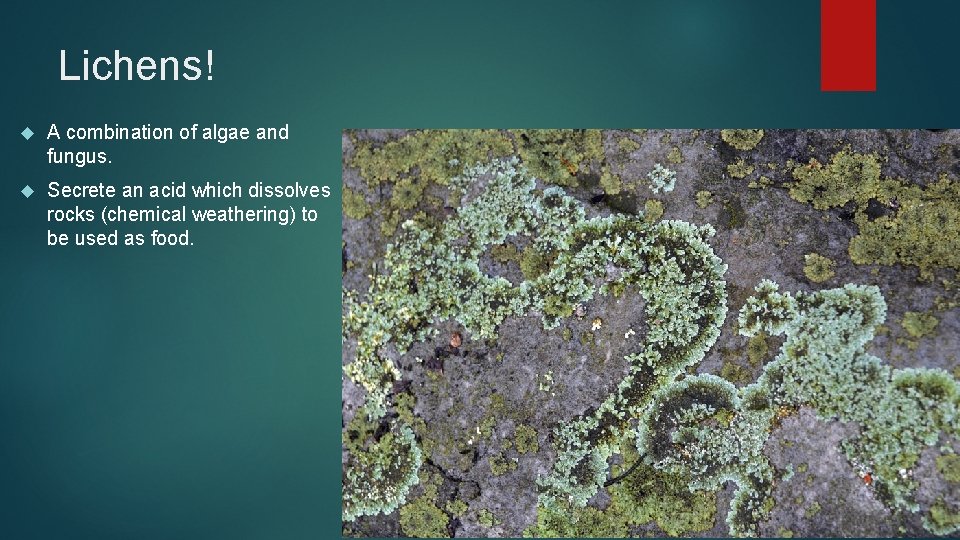
Lichens! A combination of algae and fungus. Secrete an acid which dissolves rocks (chemical weathering) to be used as food.
Tree roots
Trees right next to your house are bad
https: //the-hazel-tree. com/2013/08/21/piddocks-anything-but-boring/
What about human action? Talk about some things humans do to increase weathering, both chemical and physical.