
Weathering The Earths Changing Surface Weathering the process
- Slides: 22
Weathering The Earth’s Changing Surface
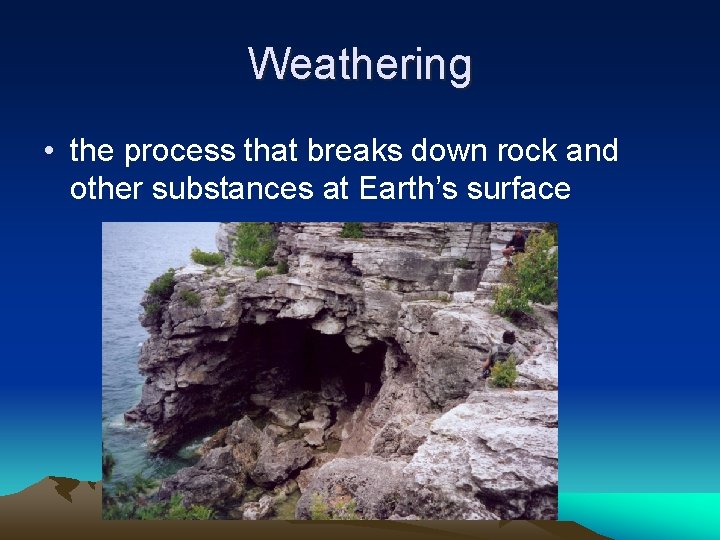
Weathering • the process that breaks down rock and other substances at Earth’s surface
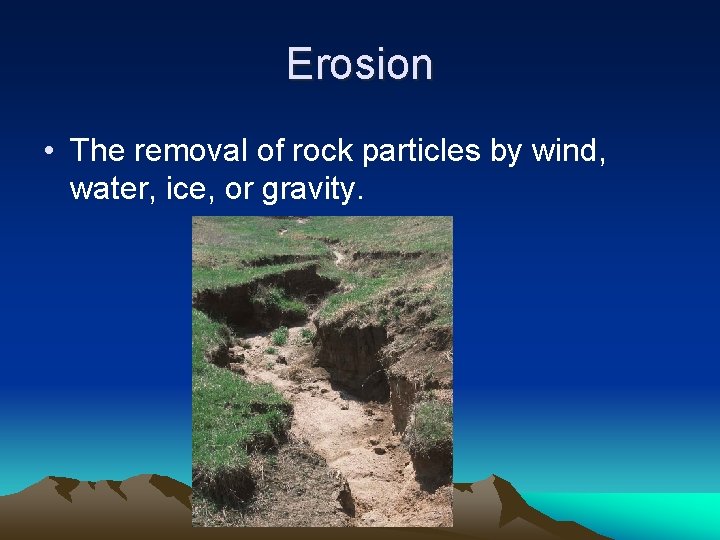
Erosion • The removal of rock particles by wind, water, ice, or gravity.
How fast can it fizz? • Place a “rock” into the first beaker • Crush a second “rock” and place it into the second beaker • Add the water to the beaker with the full rock. Time how long it takes for the “rock” to dissolve. • Add the water to the beaker with the crushed “rock. ” Time how long it takes to dissolve.
How fast can it fizz? • Which dissolved faster, the whole “rock” or the crushed “rock? ” • What variable affected how long it took each of them to dissolve?
Two Types of Weathering Mechanical Chemical
Mechanical Weathering • Rock is physically broken into smaller pieces. – These rocks have the same composition as the rocks they came from.
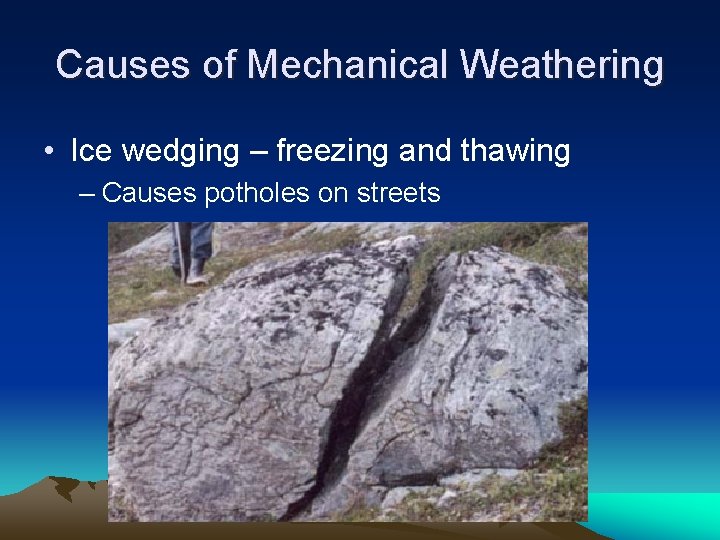
Causes of Mechanical Weathering • Ice wedging – freezing and thawing – Causes potholes on streets
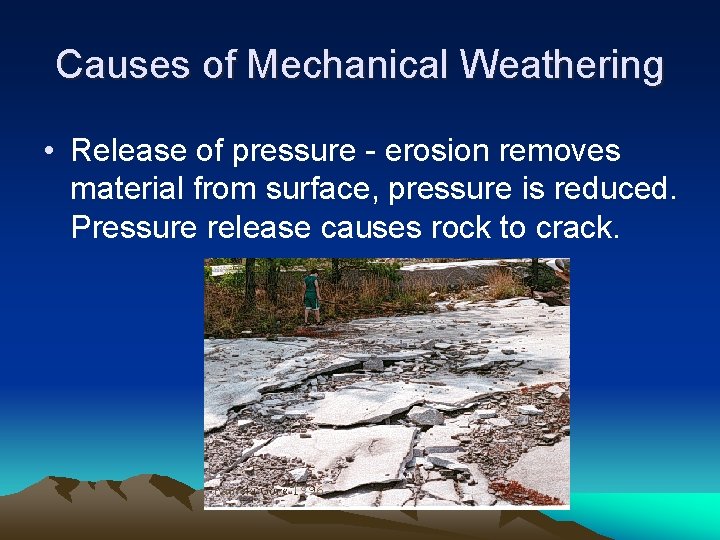
Causes of Mechanical Weathering • Release of pressure - erosion removes material from surface, pressure is reduced. Pressure release causes rock to crack.
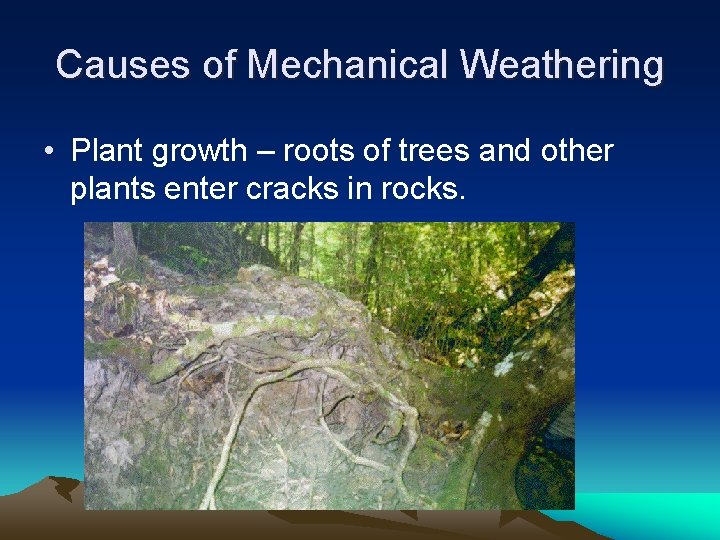
Causes of Mechanical Weathering • Plant growth – roots of trees and other plants enter cracks in rocks.
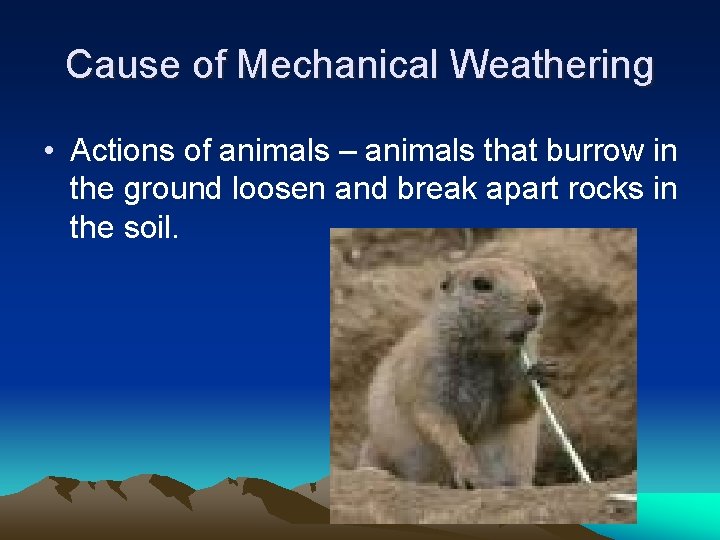
Cause of Mechanical Weathering • Actions of animals – animals that burrow in the ground loosen and break apart rocks in the soil.
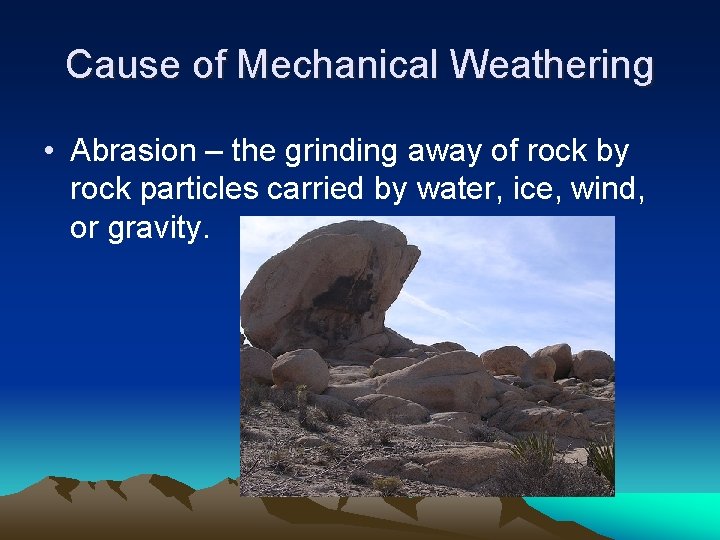
Cause of Mechanical Weathering • Abrasion – the grinding away of rock by rock particles carried by water, ice, wind, or gravity.
Chemical Weathering • The process that breaks down rock through chemical changes. – Produces new minerals.
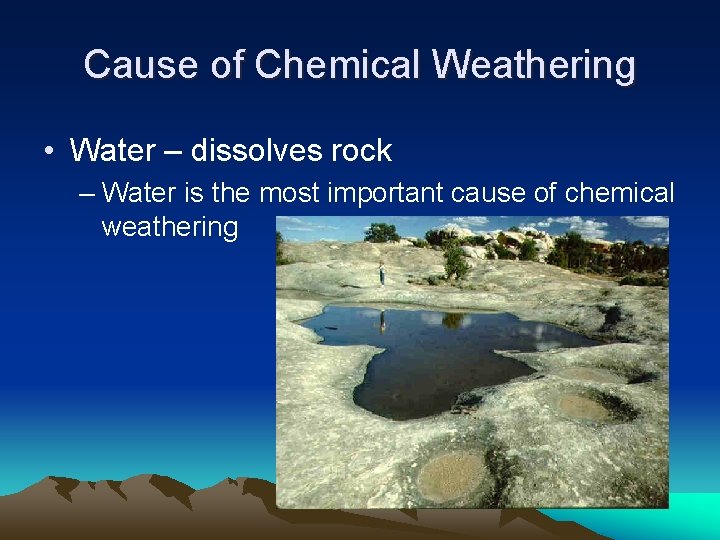
Cause of Chemical Weathering • Water – dissolves rock – Water is the most important cause of chemical weathering
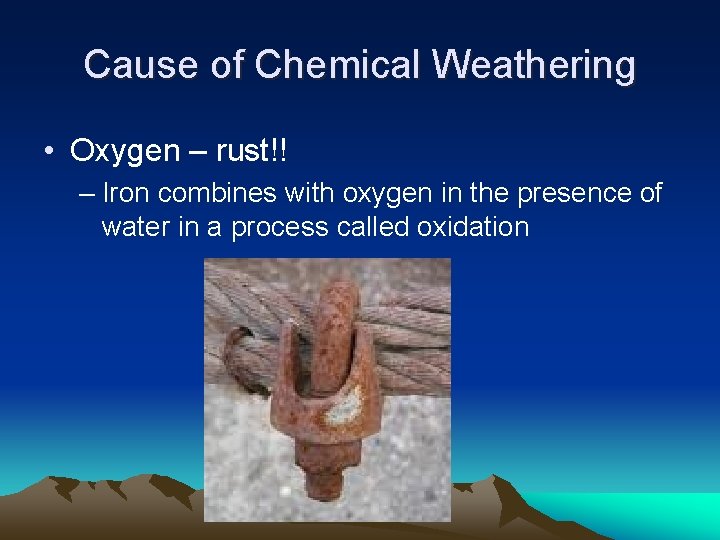
Cause of Chemical Weathering • Oxygen – rust!! – Iron combines with oxygen in the presence of water in a process called oxidation
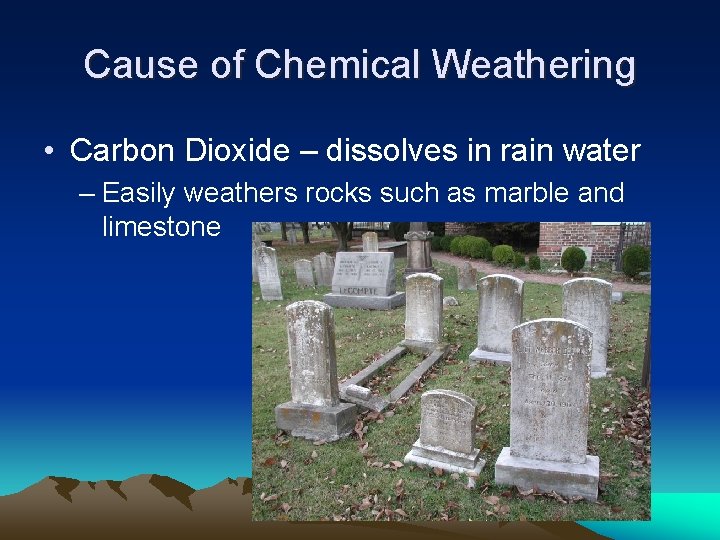
Cause of Chemical Weathering • Carbon Dioxide – dissolves in rain water – Easily weathers rocks such as marble and limestone
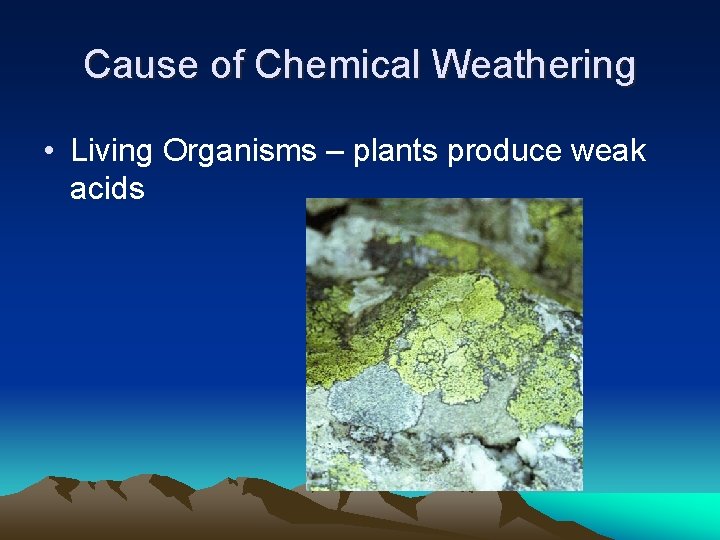
Cause of Chemical Weathering • Living Organisms – plants produce weak acids
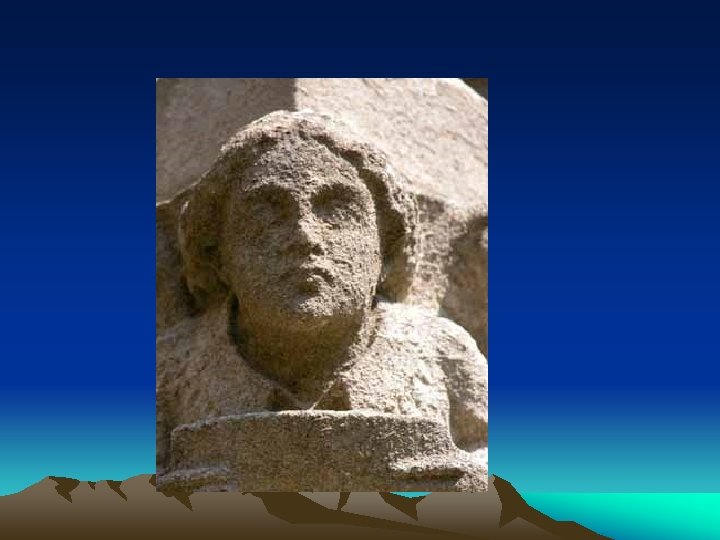
Cause of Chemical Weathering • Acid Rain – how is it formed? – Coal, oil, and gas is burned for energy – These fuels pollute the air with sulfur, carbon, and nitrogen – These compounds react with rainwater, forming acid rain.
Walk!! • Re-visit the stops on our previous walk
Rate of Weathering • Type of Rock – The minerals that make up rock determine how fast it weathers. • Marble vs. granite • Climate – Faster in wet climates – Chemical reactions occur faster at higher temperatures