
Weathering The breakdown of rocks into small particles
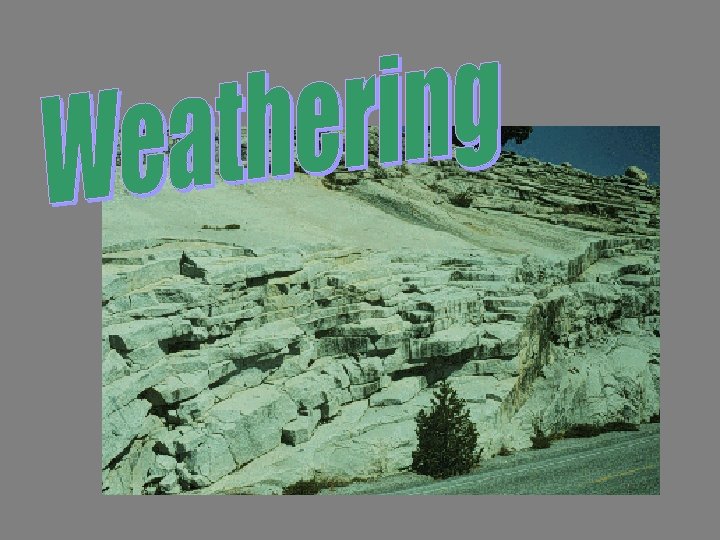

Weathering The breakdown of rocks into small particles at the Earth’s surface.
Physical (mechanical) vs. Chemical • PHYSICAL WEATHERING= the mechanical breakdown of material • (smaller pieces, same composition) • CHEMICAL WEATHERING= the breakdown of material resulting from a change in chemical composition. • (new materials, “separated” from whole)

Physical or Mechanical Weathering ABRASION Rocks rub and scrape against each other.

Physical or Mechanical Weathering FROST ACTION (Ice Wedging)
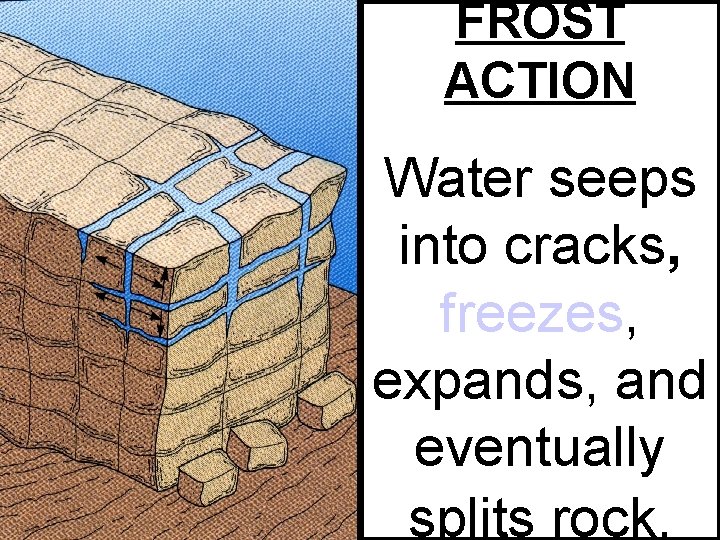
FROST ACTION Water seeps into cracks, freezes, expands, and eventually splits rock.
FROST ACTION occurs in COLD and WET climates

Many small particles weather faster than 1 big piece, because of greater surface area.
RATES OF WEATHERING… • LOCATION, LOCATION • SURFACE AREA: VOLUME

Exfoliation • EXFOLIATION: repeated heating/cooling of the rock due to sun, creates cracks.


Organic Activity: Root Pry

Physical or Mechanical Weathering ROOT ACTION Plant’s roots grow into cracks and break apart


Root Pry • The tree is growing in the rock and soon the rock will break apart because of the tree roots.


Chemical Weathering
Chemical Weathering Rock is broken down by chemical action resulting in a change in the composition of the rock.

Chemical Weathering OXIDATION Oxygen chemically unites with iron and water to form iron oxide
Chemical Weathering ORGANIC ACIDS When plants and animals decay, they release acids which can
Chemical Weathering CARBONATION CO 2 chemically combines with minerals and water to make carbonic acid which dissolves certain rocks.
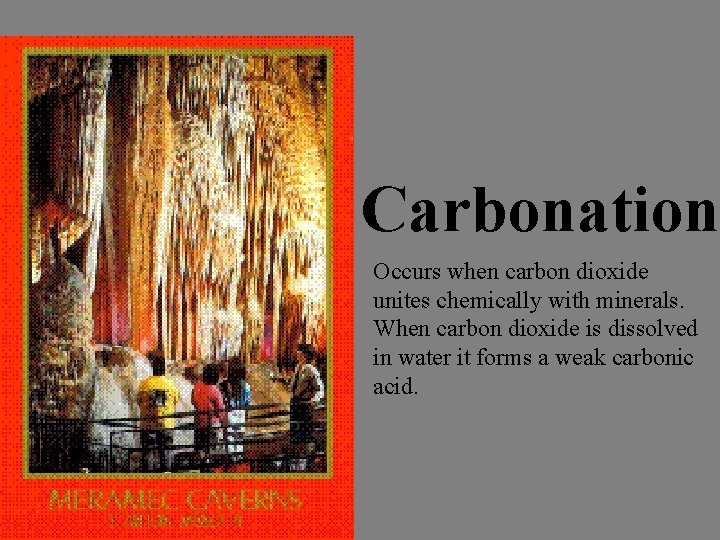
Carbonation Occurs when carbon dioxide unites chemically with minerals. When carbon dioxide is dissolved in water it forms a weak carbonic acid.


Chemical weathering is most abundant in hot humid areas.
Chemical weathering is greatest in WARM and WET climates!

Harder rocks and minerals are more resistant to weathering.

Angular particles have more edges that are easier to break off and weather faster than rounder particles.
Animals and plants can cause indirect biological weathering in two main ways: 1. Rotting vegetation releases chemicals which are leached down to rocks underground. The chemicals attack the rock. 2. Animal urine is washed away by rainwater the acids in this cause chemical weathering with the rocks it comes into contact with.

Animals and plants can cause direct biological weathering by the following methods: 1. Plant roots invading cracks in rocks. As the plant grows, its roots expand, putting pressure on the rock. This causes pieces to break off. 2. Animals burrowing.
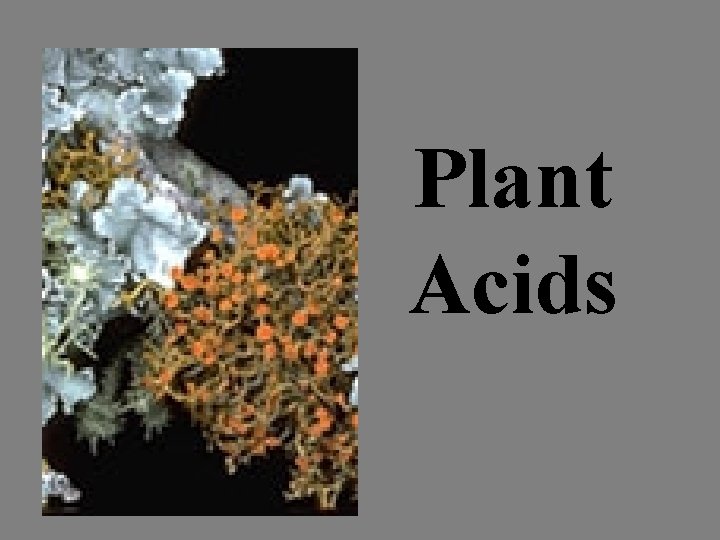
Plant Acids
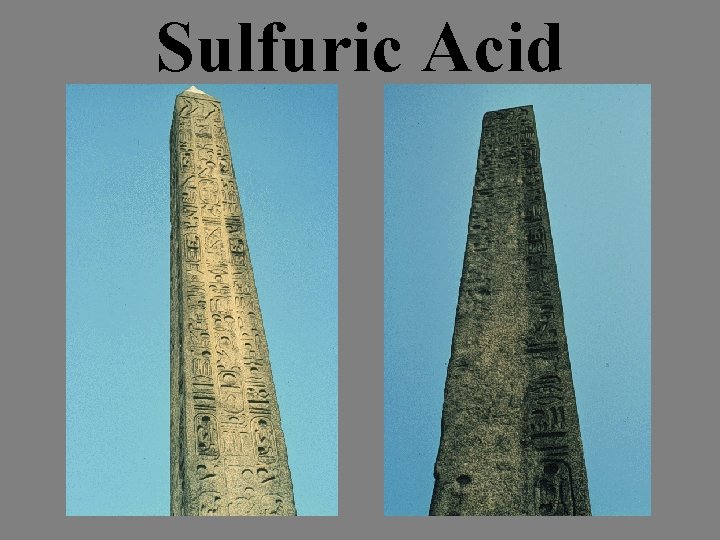
Sulfuric Acid


Add a soil slide
Weathering • Weathering affects a lot of things in our world but there are some things that we can do to help prevent damage caused by weathering. • What are some of these actions?

The End
- Slides: 42