
Weathering Erosion Deposition Doodle Notes Weathering is The
- Slides: 14
Weathering, Erosion, Deposition Doodle Notes
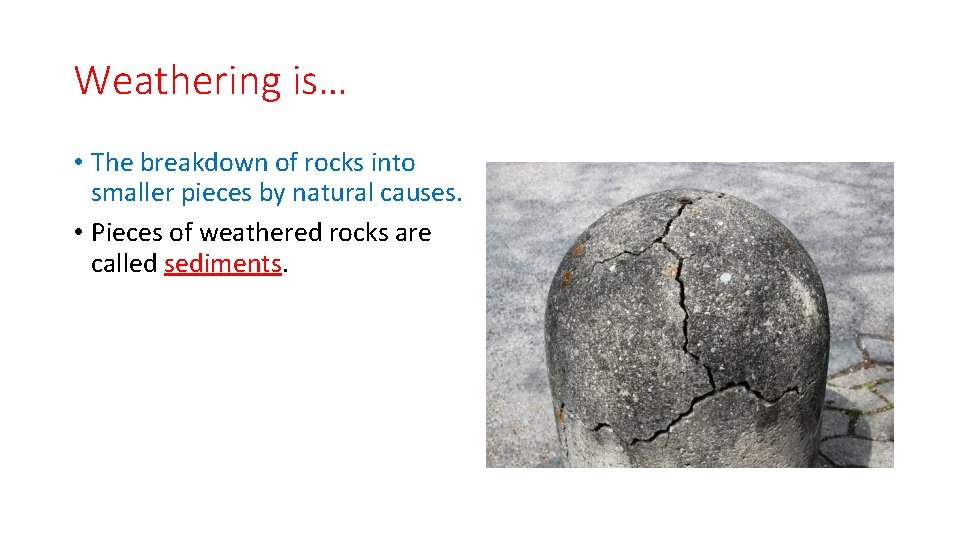
Weathering is… • The breakdown of rocks into smaller pieces by natural causes. • Pieces of weathered rocks are called sediments.
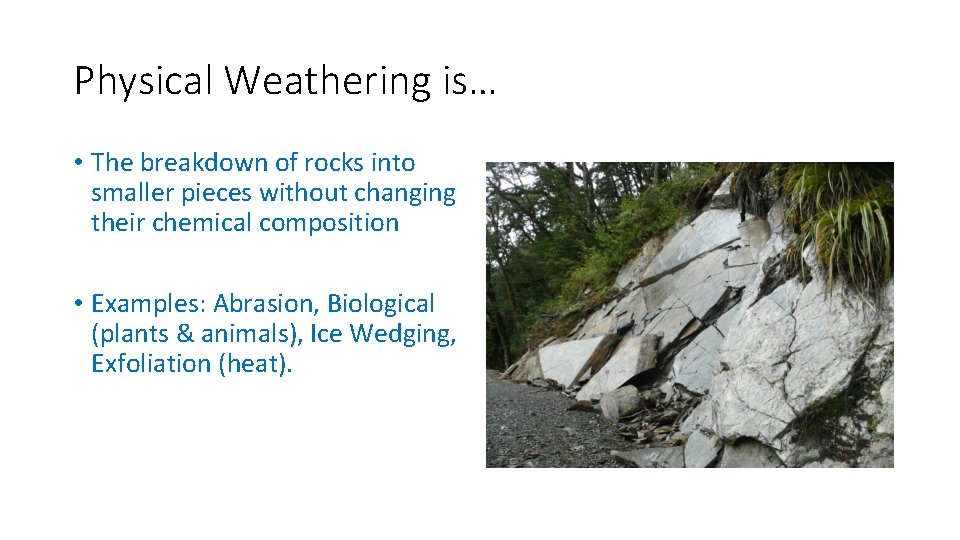
Physical Weathering is… • The breakdown of rocks into smaller pieces without changing their chemical composition • Examples: Abrasion, Biological (plants & animals), Ice Wedging, Exfoliation (heat).
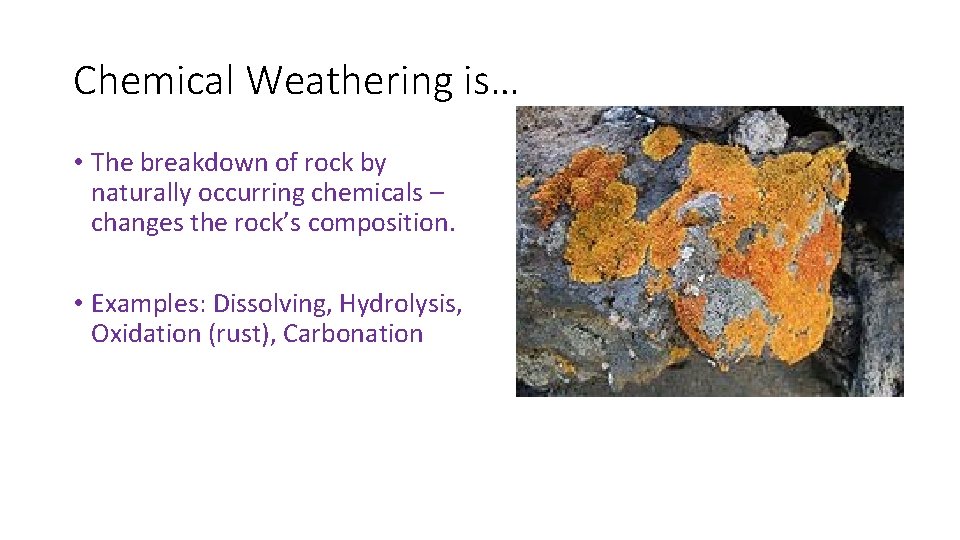
Chemical Weathering is… • The breakdown of rock by naturally occurring chemicals – changes the rock’s composition. • Examples: Dissolving, Hydrolysis, Oxidation (rust), Carbonation
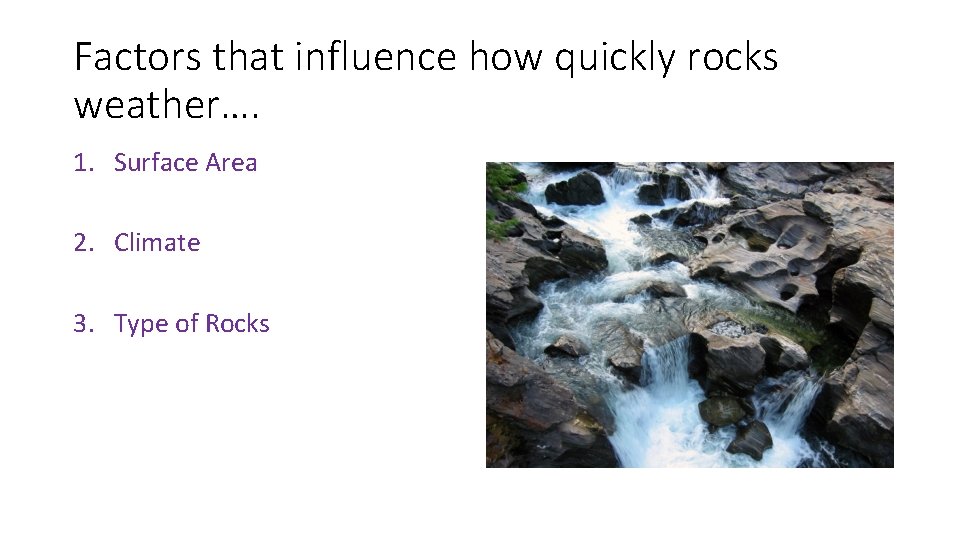
Factors that influence how quickly rocks weather…. 1. Surface Area 2. Climate 3. Type of Rocks
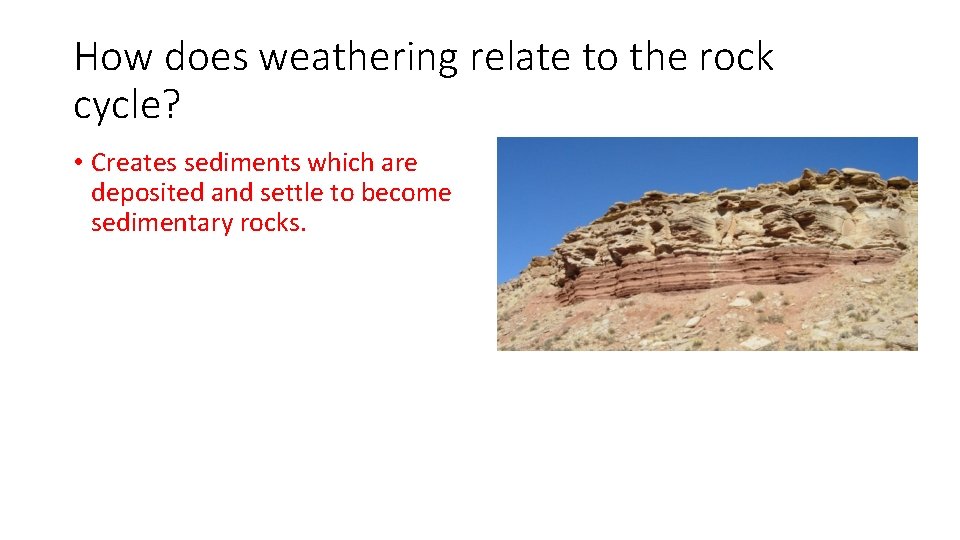
How does weathering relate to the rock cycle? • Creates sediments which are deposited and settle to become sedimentary rocks.
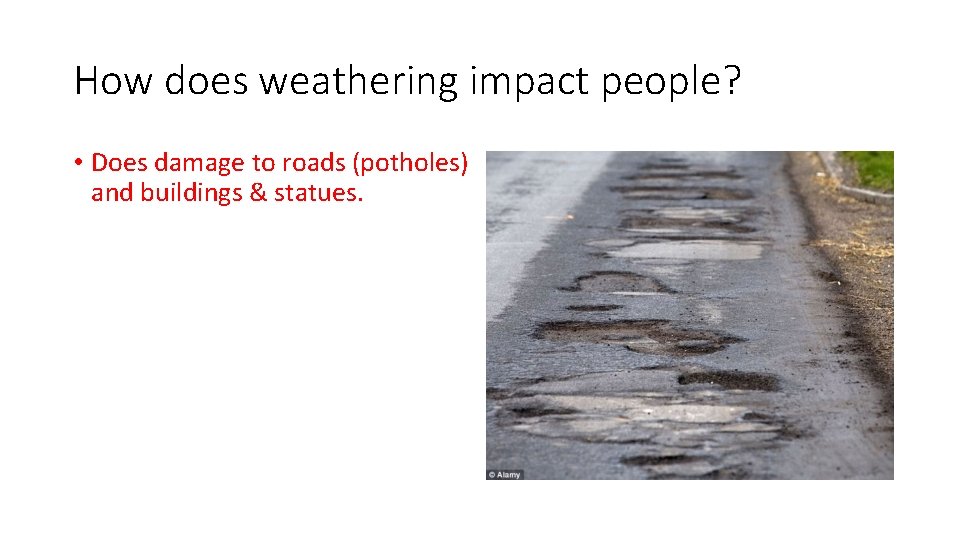
How does weathering impact people? • Does damage to roads (potholes) and buildings & statues.
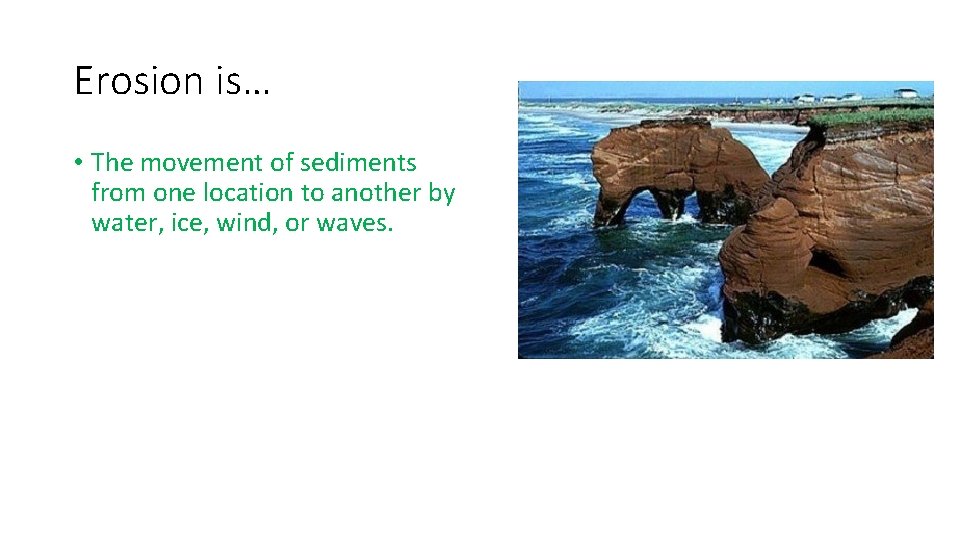
Erosion is… • The movement of sediments from one location to another by water, ice, wind, or waves.
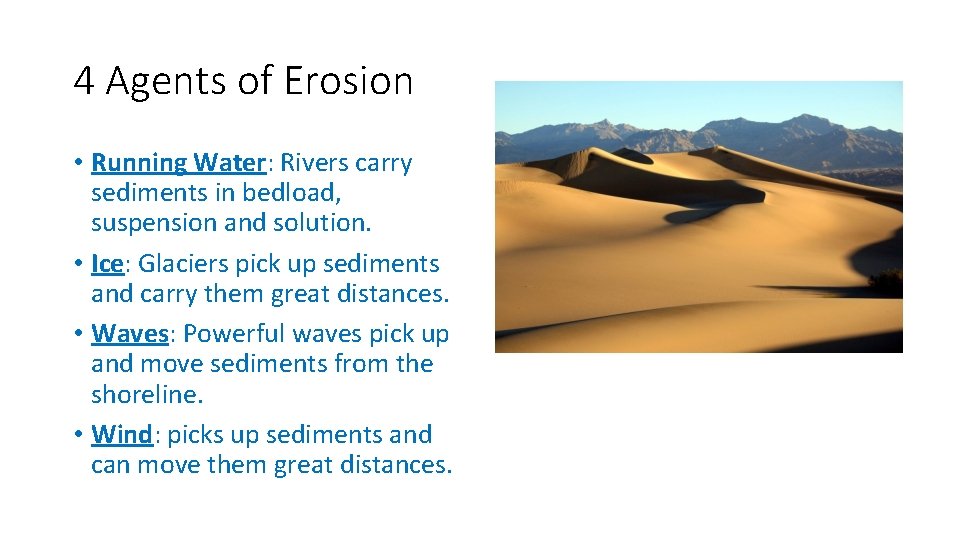
4 Agents of Erosion • Running Water: Rivers carry sediments in bedload, suspension and solution. • Ice: Glaciers pick up sediments and carry them great distances. • Waves: Powerful waves pick up and move sediments from the shoreline. • Wind: picks up sediments and can move them great distances.
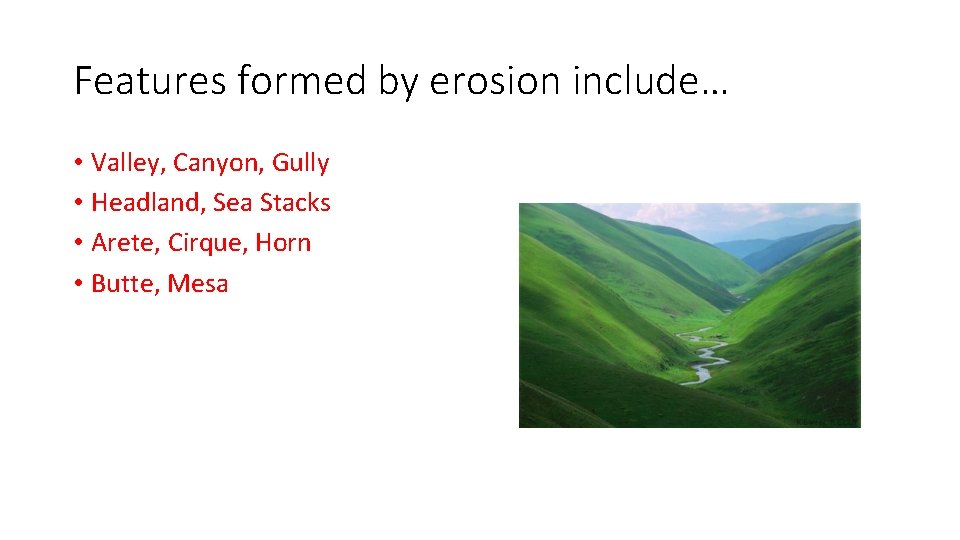
Features formed by erosion include… • Valley, Canyon, Gully • Headland, Sea Stacks • Arete, Cirque, Horn • Butte, Mesa
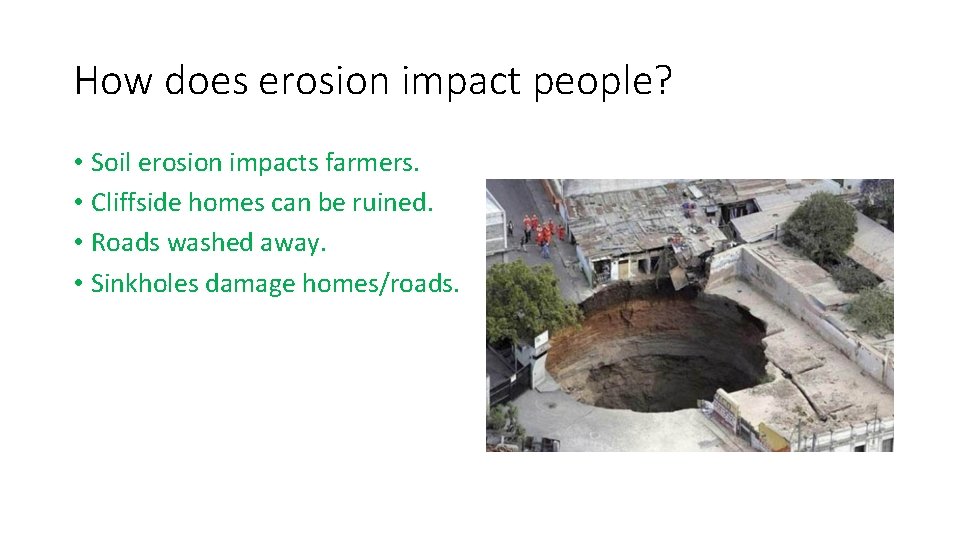
How does erosion impact people? • Soil erosion impacts farmers. • Cliffside homes can be ruined. • Roads washed away. • Sinkholes damage homes/roads.
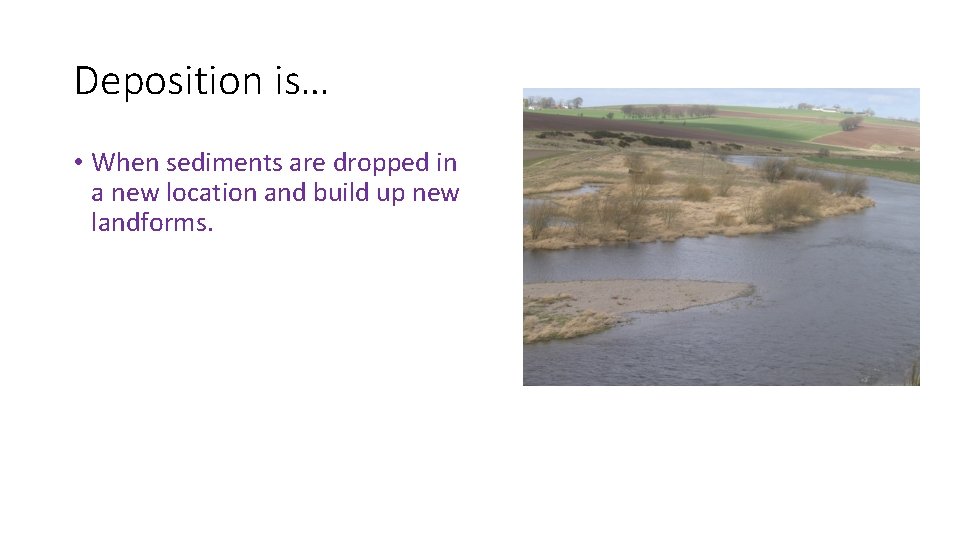
Deposition is… • When sediments are dropped in a new location and build up new landforms.
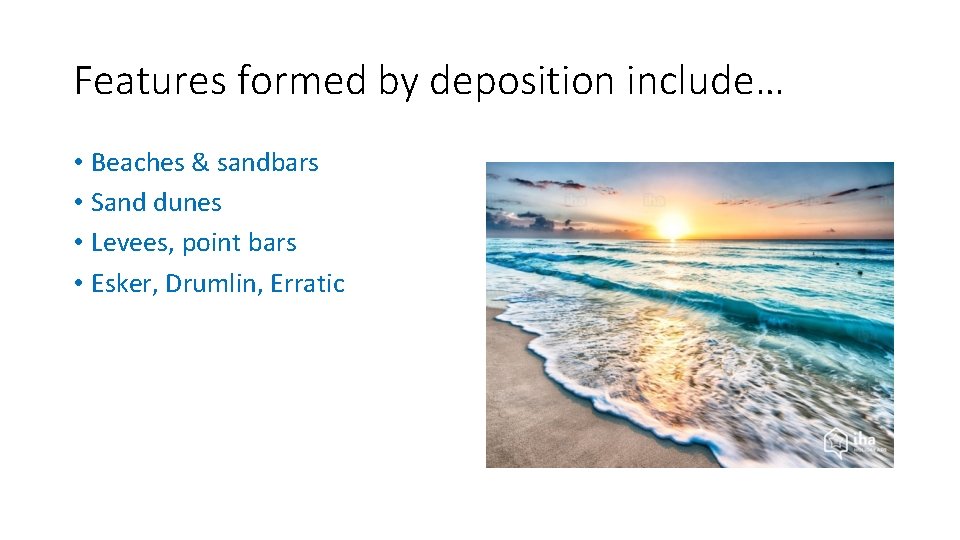
Features formed by deposition include… • Beaches & sandbars • Sand dunes • Levees, point bars • Esker, Drumlin, Erratic
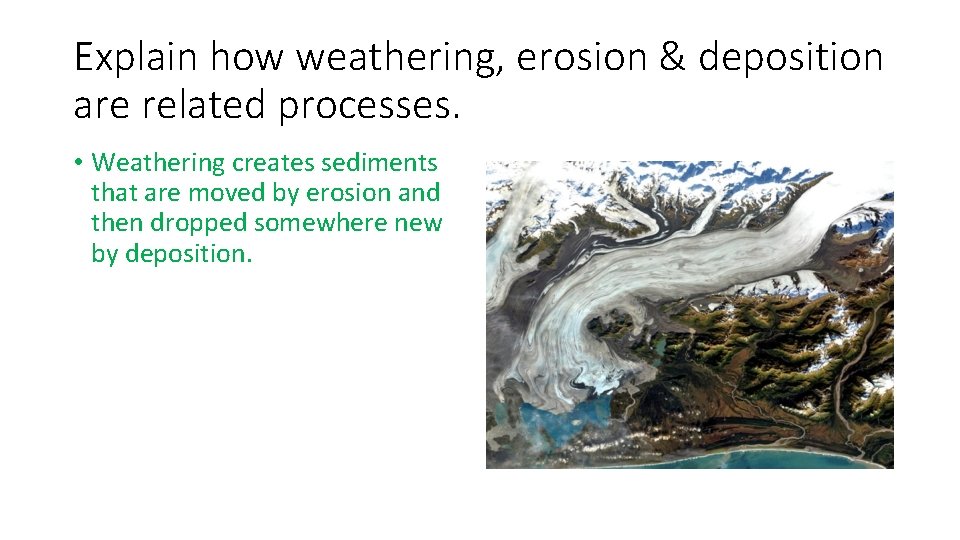
Explain how weathering, erosion & deposition are related processes. • Weathering creates sediments that are moved by erosion and then dropped somewhere new by deposition.