
Wealth Addiction Really BismarckMandan UU Karen Van Fossan
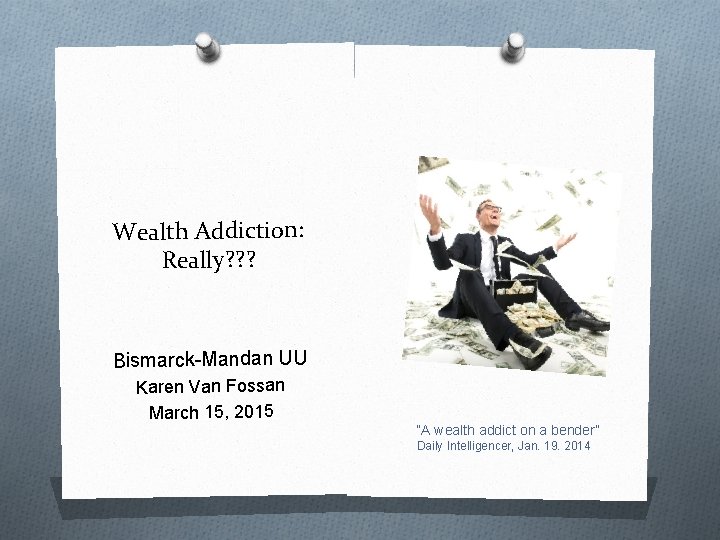
Wealth Addiction: Really? ? ? Bismarck-Mandan UU Karen Van Fossan March 15, 2015 “A wealth addict on a bender” Daily Intelligencer, Jan. 19. 2014

“‘Wolf of Wall Street’ Arrives on Wall Street” slate. com/blogs/business_insider/2014/09/12/the_real_wolf_of_wall_street_trial_error_event_at_92 nd_str eet_y_featuring. html
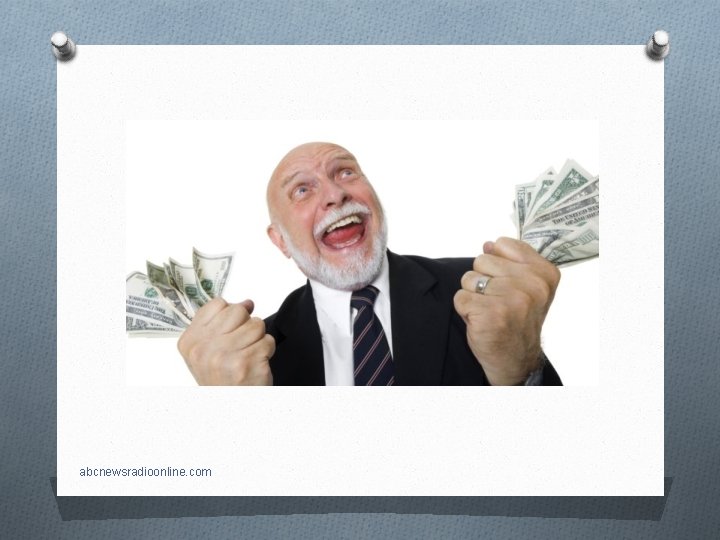
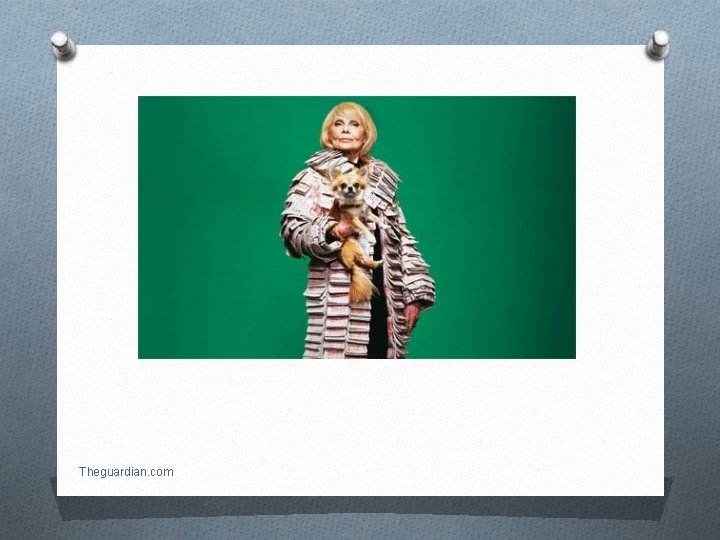
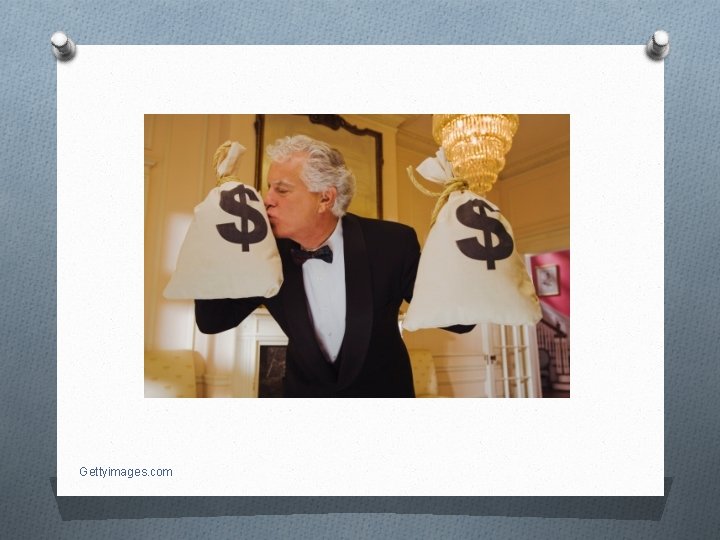
What does money look like?
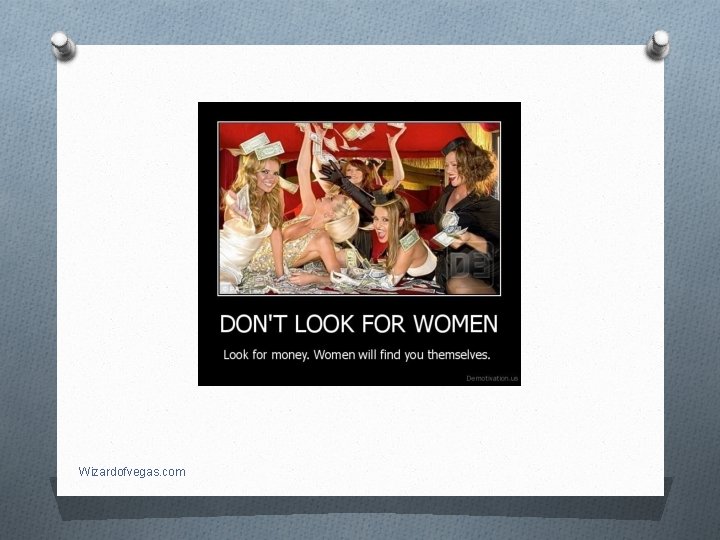
Wizardofvegas. com
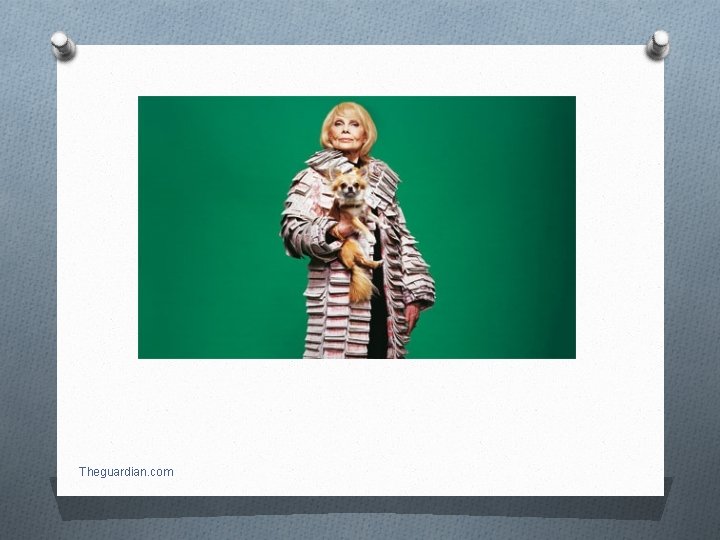
Theguardian. com

sciencenordic. com
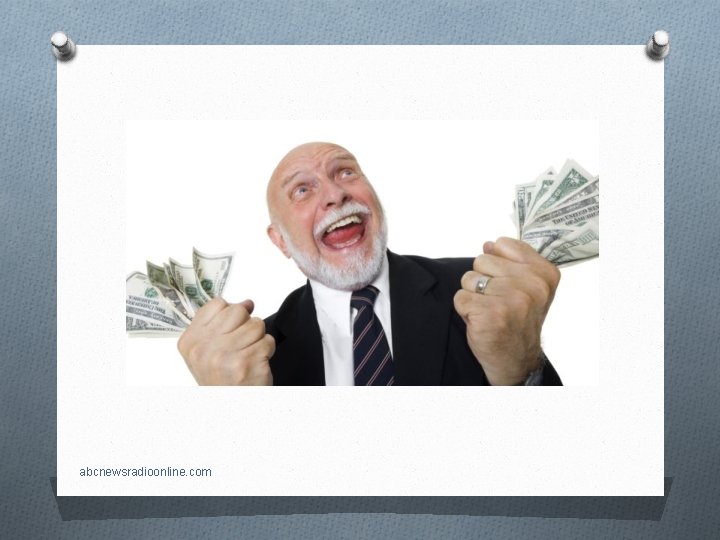
abcnewsradioonline. com
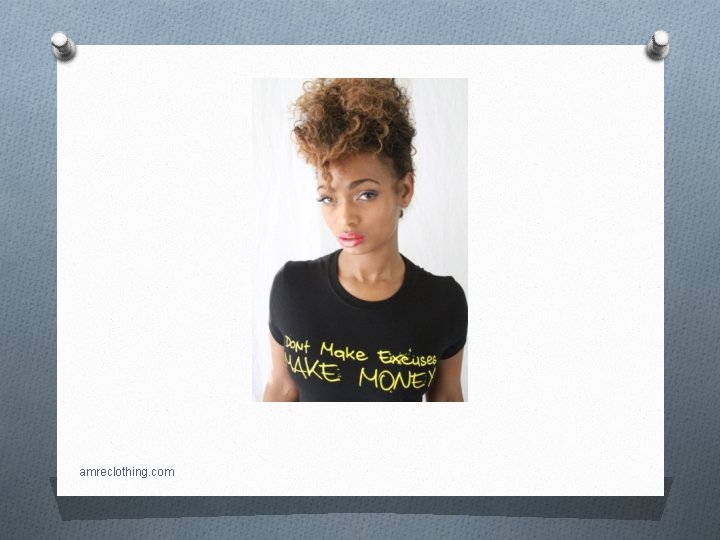
amreclothing. com
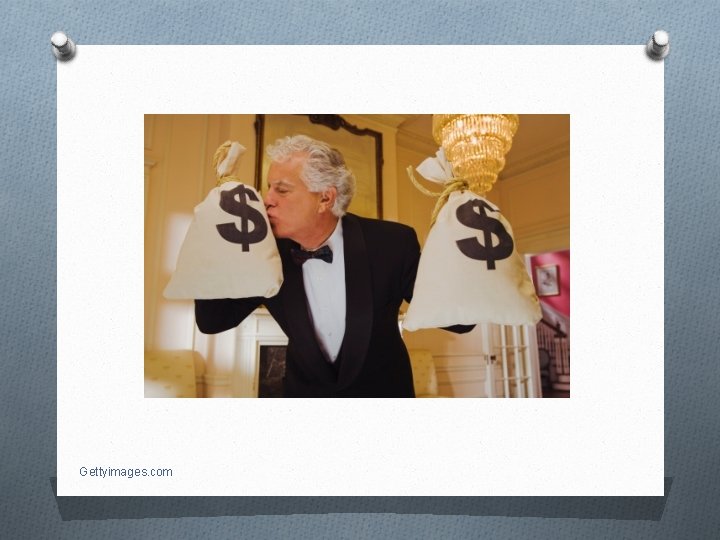
Gettyimages. com

knoworthy. com, “Change Your Perspective: How Rich People Think”
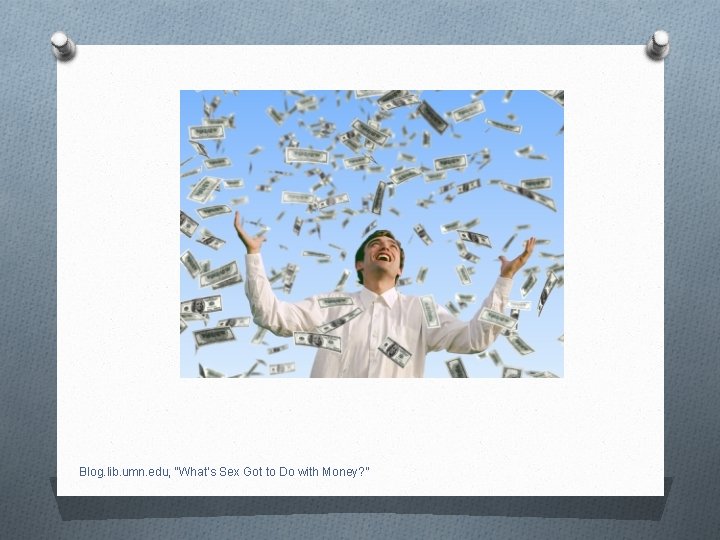
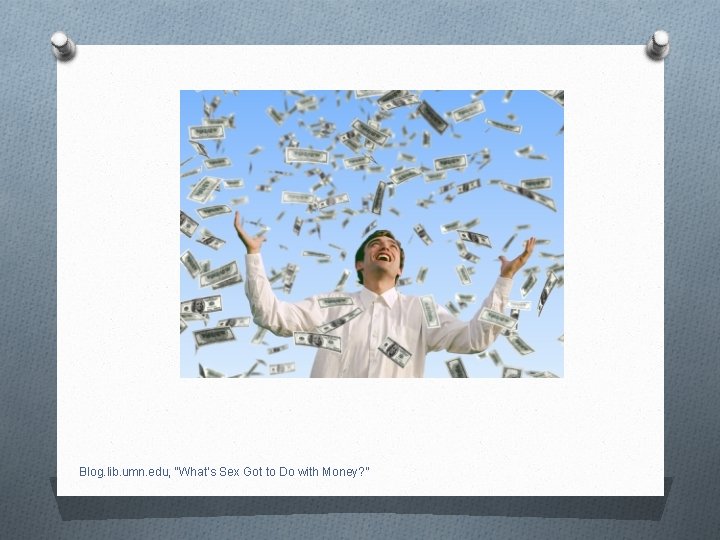
Blog. lib. umn. edu, “What’s Sex Got to Do with Money? ”
What does addiction look like?
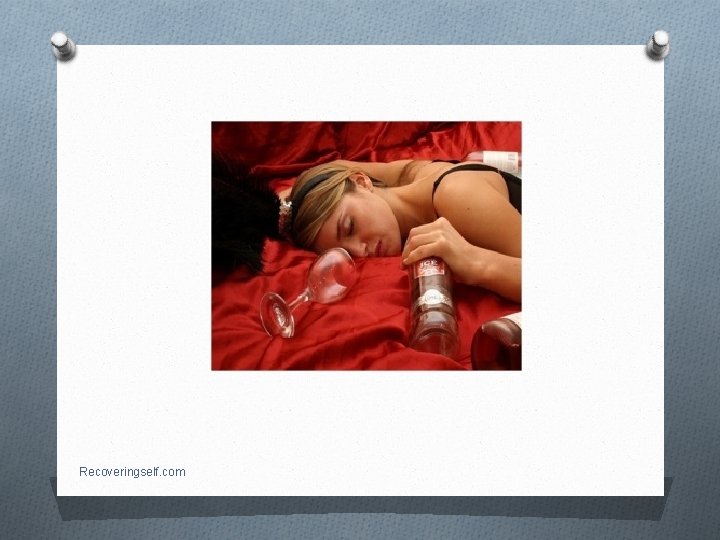
Recoveringself. com
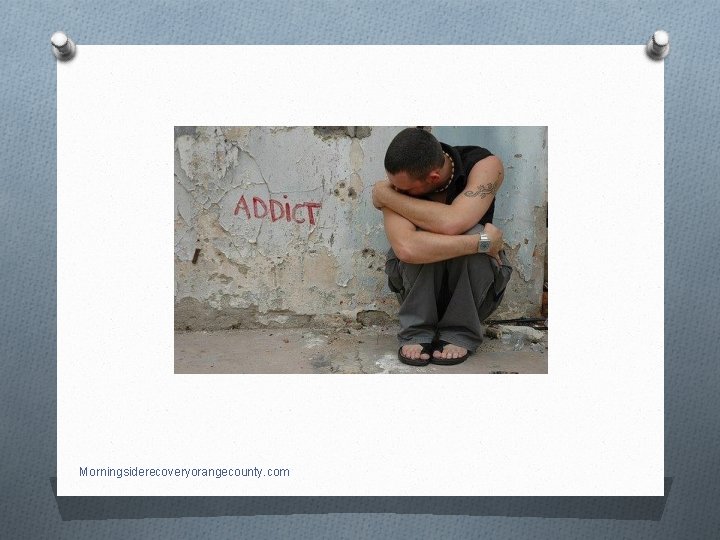
Morningsiderecoveryorangecounty. com
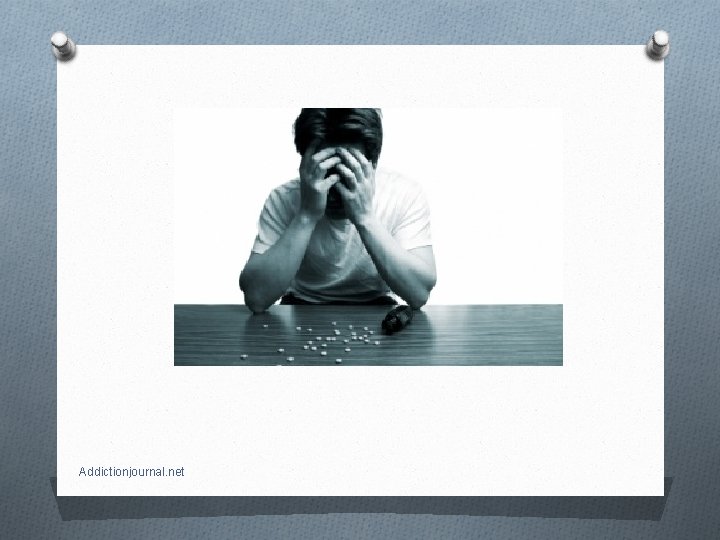
Addictionjournal. net
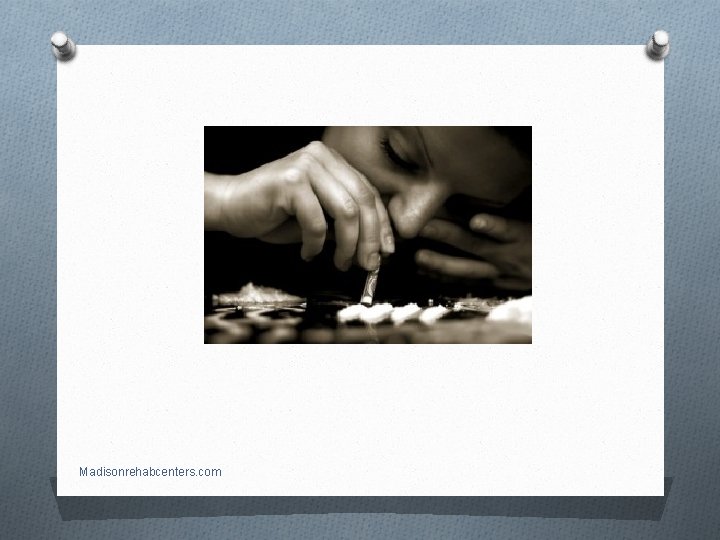
Madisonrehabcenters. com

What’s the connection?
Tolerance
Sam Polk, self-proclaimed wealth addict: “In my last year on Wall Street my bonus was $3. 6 million — and I was angry because it wasn’t big enough. I wanted more money for exactly the same reason an alcoholic needs another drink: I was addicted… Ever see what a drug addict is like when he’s used up his junk? He’ll do anything — walk 20 miles in the snow, rob a grandma — to get a fix. Wall Street was like that. ” Excerpted from http: //www. nytimes. com/2014/01/19/opinion/sunday/for-the-love -of-money. html? _r=0

Withdrawal
Sam Polk: “Despite my realizations, it was incredibly difficult to leave. What made it harder was that people thought I was crazy for thinking about leaving. The first year was really hard. I went through what I can only describe as withdrawal — waking up at nights panicked about running out of money, scouring the headlines to see which of my old coworkers had gotten promoted. Over time it got easier — I started to realize that I had enough money, and if I needed to make more, I could. But my wealth addiction still hasn’t gone completely away. ”

Denial
Sam Polk: “As time passes, the distortion lessens. I see Wall Street’s mantra — ‘We’re smarter and work harder than everyone else, so we deserve all this money’ — for what it is: the rationalization of addicts. From a distance I can see what I couldn’t see then — that Wall Street is a toxic culture that encourages the grandiosity of people who are desperately trying to feel powerful. ”
Bio-Chemical Properties of…Money
Dr. Tian Dayton, psychologist: “These days, the idea of process addictions is widely accepted. Process addictions involve a compulsive or out-of-control relationship with certain behaviors such as gambling, sex, eating, and yes, even money. There is a change in brain chemistry that's similar to the mood altering effects of alcohol or drugs. Process addictions can kick-start the release of brain/body chemicals, like dopamine, that actually produce a ‘high’ that's similar to the chemical high of a drug. The person who is addicted to some form of behavior has learned, albeit unconsciously, to manipulate his or her own brain chemistry. ” Adapted from http: //www. huffingtonpost. com/2014/01/06/psychology-ofwealth_n_4531905. html

Socio-Cultural Challenges of…Wealth
Carolyn Gregoire, journalist, on empathy: “More money, less empathy? Several studies have shown that wealth may be at odds with empathy and compassion. Recent research found that people of lower economic status were better at reading others’ facial expressions – an important marker of empathy – than wealthier people. Many studies show that a lack of resources fosters greater emotional intelligence. ” Adapted from http: //www. huffingtonpost. com/2014/01/06/psychology-ofwealth_n_4531905. html
Carolyn Gregoire, on moral judgment: “Wealth can cloud moral judgment. Merely thinking about money can lead to unethical behavior. Recent research found that participants were more likely to lie or behave immorally after being exposed to money-related words. ”
Carolyn Gregoire, on substance abuse: “Affluent children are more vulnerable to substance abuse, potentially because of high pressure to achieve and isolation from parents. Research has found high instances of binge-drinking and marijuana use among the children of high-income, two-parent, white families. Even in adulthood, the rich outdrink the poor by 27%. ”
Carolyn Gregoire, on emotional distress: “Wealthier children tend to be more distressed than lower-income kids, and are at high risk for anxiety, depression, substance abuse, eating disorders, cheating, and stealing. Kids who come from wealthy parents aren't exempt from adjustment problems – in fact, on several measures of maladjustment, those with high socioeconomic status received higher scores than inner-city students. ”

OK, but…
Are the wealthy the victims of wealth?
Remember what money looks like…
abcnewsradioonline. com
Theguardian. com
Gettyimages. com
Blog. lib. umn. edu, “What’s Sex Got to Do with Money? ”
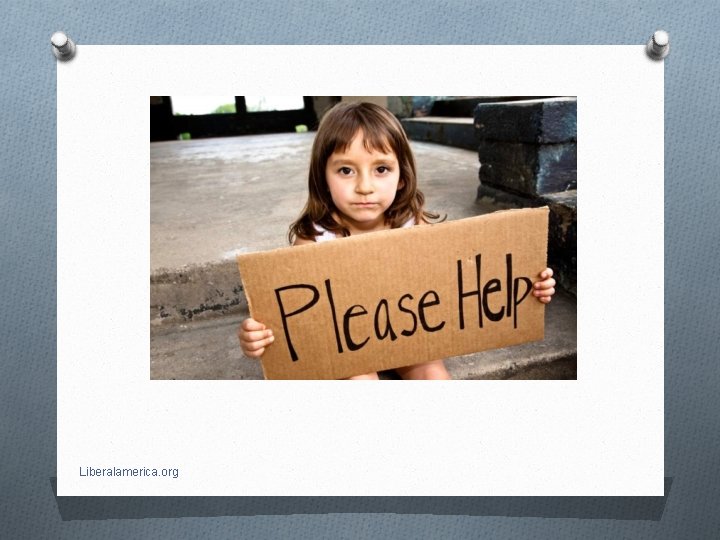
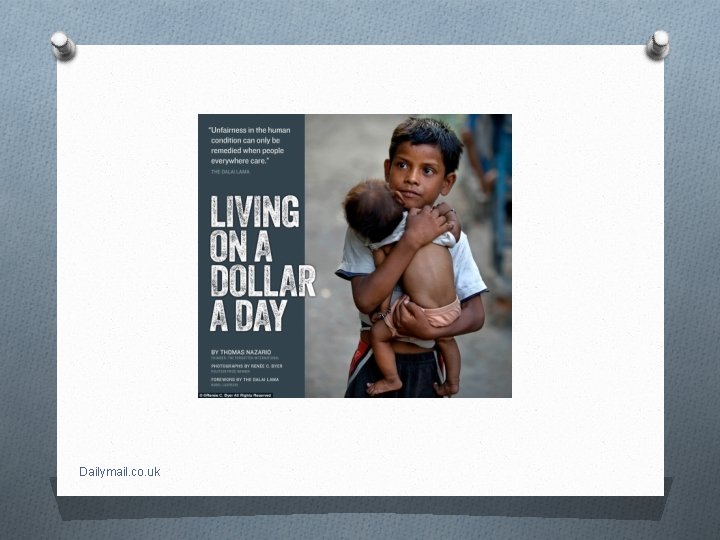
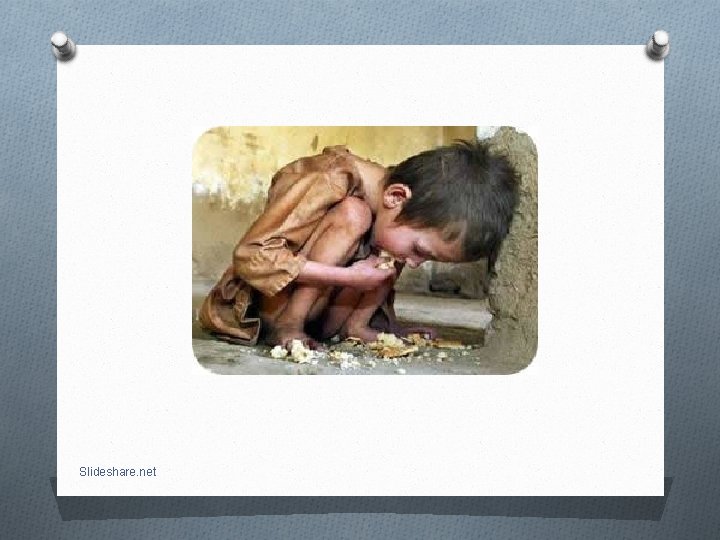
And remember what poverty looks like…
Liberalamerica. org
Dailymail. co. uk
Slideshare. net
Povertyfree. org
Enter: Skeptics of wealth addiction…
Caroline Bankoff, journalist, on injustice: “Unlike sufferers of pretty much every other documented form of addiction, ‘wealth addicts’ behavior threatens the rest of the world while benefiting those who engage in it. Assuming they don't get caught doing anything illegal, the worst thing that can happen to wealth addicts is a crisis of conscience — a condition that can be put to good use in the form of a New York Times essay and even a lucrative book deal. ” Adapted from http: //nymag. com/daily/intelligencer/2014/01/ex-hedge-funder-shares-wealth-addictionstory. html
Case in point?

Texas teen's probation for killing 4 while driving drunk stirs anger By MICHAEL MUSKAL LA Times December 1, 2013 Ft Worth, TX -- A defense psychologist called it “affluenza, ” a syndrome that keeps someone from a wealthy background from learning that bad behavior has consequences. That explanation helped a North Texas teenager get a sentence of probation after he drove while drunk and killed four pedestrians…
Les Leopold, journalist, on injustice: “You could run every Wall Street hustler through a 12 -step wealth addiction program run by the Pope, and it would do nothing to close the gap, rebuild the middle-class, or provide income for the poor. What Sam Polk misses entirely is why it is possible in the first place to become a wealth addict on Wall Street. Where does all that money come from? You can’t become a wealth addict on Wall Street unless you have access to wealth. And you can’t have access to wealth unless it’s accumulated in vast amounts within hedge funds, banks, private equity firms, and money funds. How did it get there? While it’s great to read uplifting stories about personal redemption, what we really need is story after story about our economic system—about the structures that rip us off each and every day. It’s a systemic problem with real causes in the real world, not just inside our heads. ” Adapted from http: //www. salon. com/2014/01/22/the_latest_bogus_nytimes_trend_wealth_addiction_partner/

What if…?
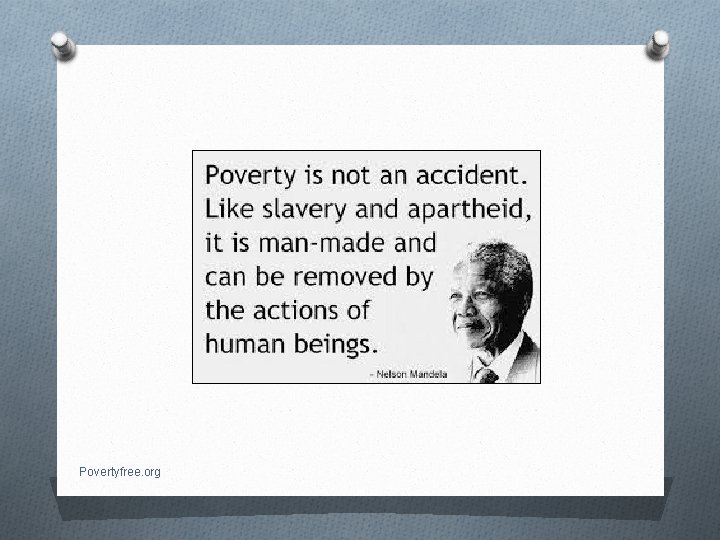
Treatment for “wealth addiction” looks something like economic justice.
Jeffrey Pfeffer, researcher on money’s effects: “What does my research tells us about how to get outsized CEO pay under control? Tax it at a higher rate, just like any other addictive substance. While it's a comment I once made off the cuff, I’m not joking. What we've typically done with addictive substances like nicotine and gambling is tax them. Maybe this will fix some of the Adaptedproblem. ” from an article by Jena Mc. Gregor at http: //www. washingtonpost. com/blogs/onleadership/wp/2014/01/10/the-addictive-power-of-money/
Back to Sam Polk, wealth addict: “Dozens of different types of 12 -step support groups — including Clutterers Anonymous and On-Line Gamers Anonymous — exist to help addicts of various types, yet there is no Wealth Addicts Anonymous. ”

What if there was?
Step Four: Made a searching and fearless moral inventory of ourselves.
Step Five: Admitted to our Higher Power, to ourselves, and to another human being the exact nature of our wrongs.

Steps Eight and Nine: Made a list of all persons we had harmed, and became willing to make amends to them all. Made direct amends to such people wherever possible, except when to do so would injure them or others.
Step Twelve: Having had a spiritual awakening as the result of these Steps, we tried to carry this message to other addicts, and to practice these principles in all our affairs.
What if Steps 8 and 9 looked like this?
Making amends…
Back to Les Leopold, journalist and skeptic: “There’s only one long-term realistic solution. Eliminate the big banks. Turn them into public utilities. Cap their incomes by law – which is the same as taking away their heroin. Free higher education. Raise the minimum wage to $20 an hour. All this and more is needed to close the income gap and bring a modicum of fairness and justice to our economy. By all means, wealth addicts of the world, unite! Seek treatment and do good works. But the only good deed that will halt runaway inequality is to end Wall Street as we know it. ”
What if Step 12 looked like this?
Carrying this message to other addicts…
Back to Sam Polk, wealth addict: “Only a wealth addict would feel justified in receiving $14 million in compensation — including an $8. 5 million bonus — as the Mc. Donald’s C. E. O. , Don Thompson, did in 2012, while his company then published a brochure for its work force on how to survive on their low wages. ”
What are the implications for…

the rest of us?
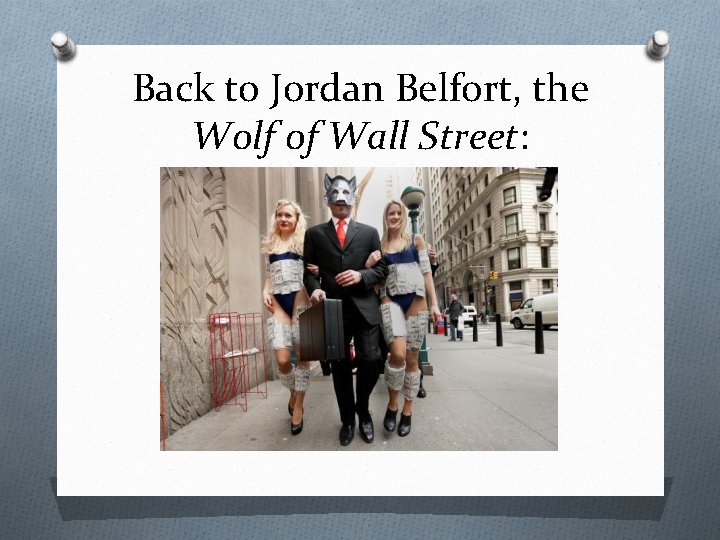
Back to Jordan Belfort, the Wolf of Wall Street:
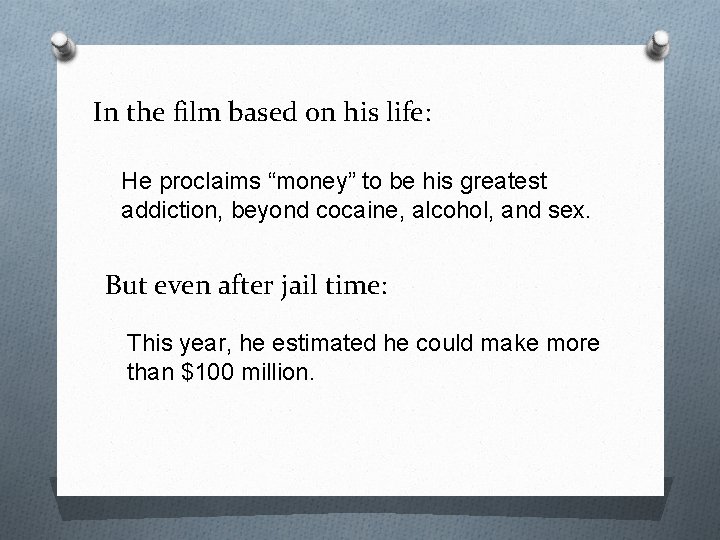
In the film based on his life: He proclaims “money” to be his greatest addiction, beyond cocaine, alcohol, and sex. But even after jail time: This year, he estimated he could make more than $100 million.

How?

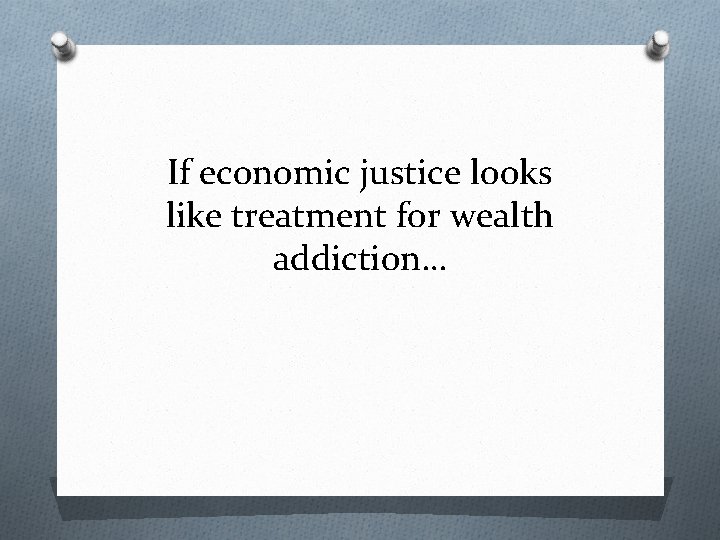
If economic justice looks like treatment for wealth addiction…
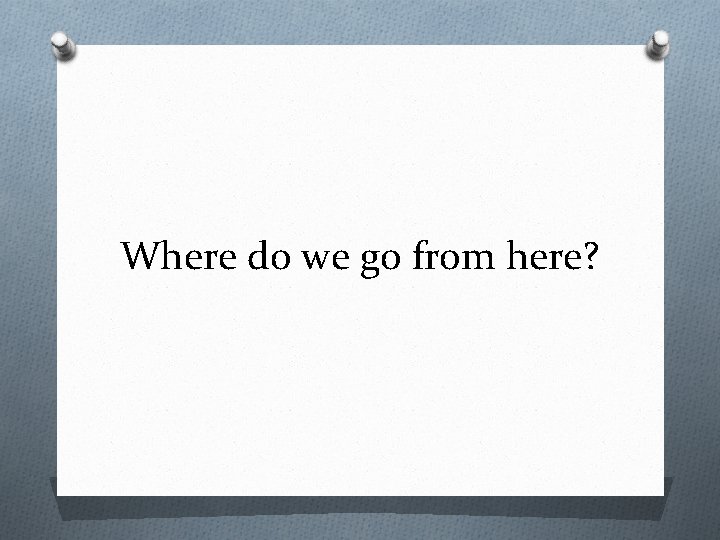
Where do we go from here?
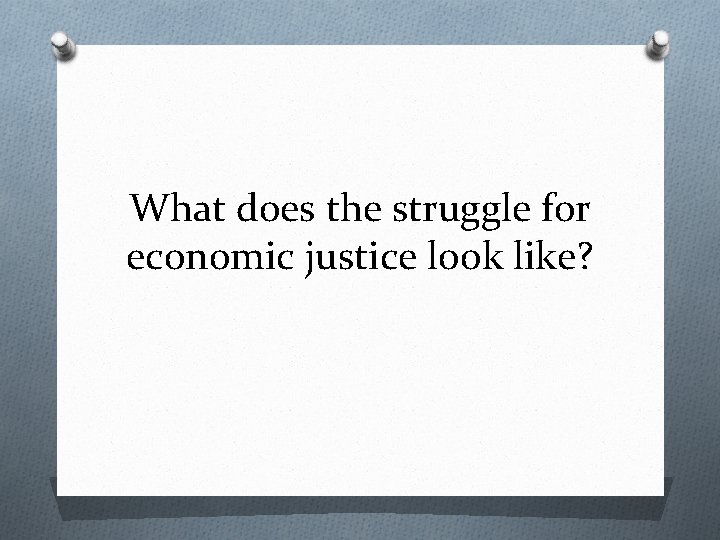
What does the struggle for economic justice look like?
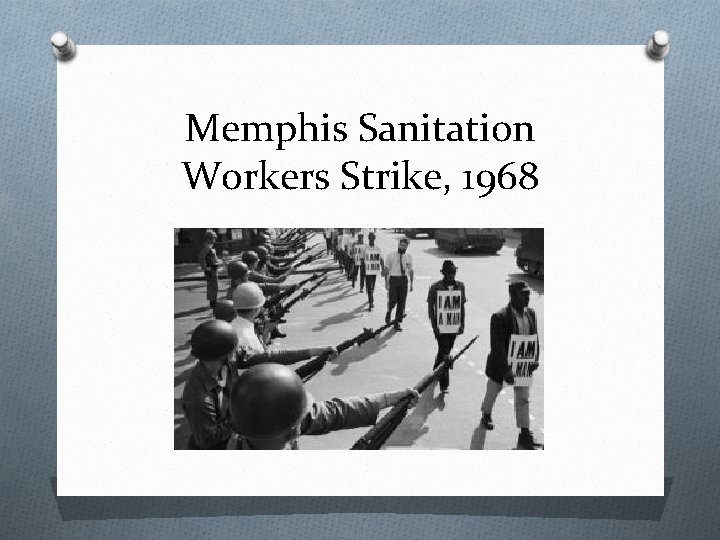
Memphis Sanitation Workers Strike, 1968
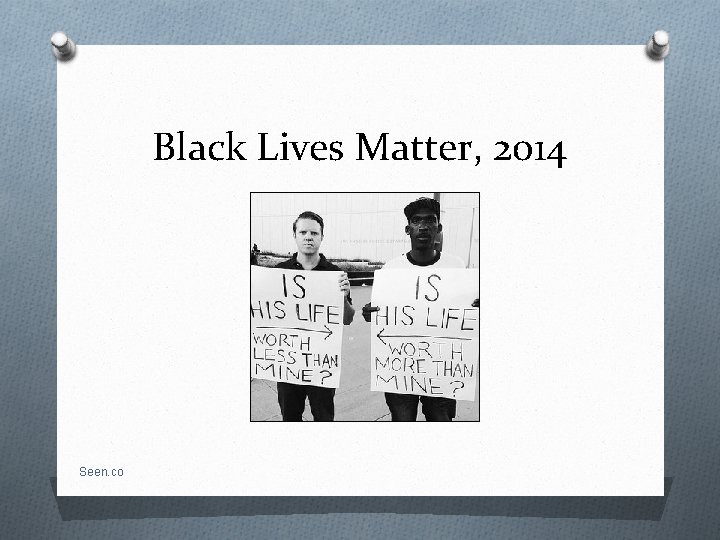
Black Lives Matter, 2014 Seen. co

March for America, Washington D. C.

Urban Garden, Detroit

Capitol Building, Bismarck Nd. gov

Where are we in all of this?

Fmuu. areavoices. com
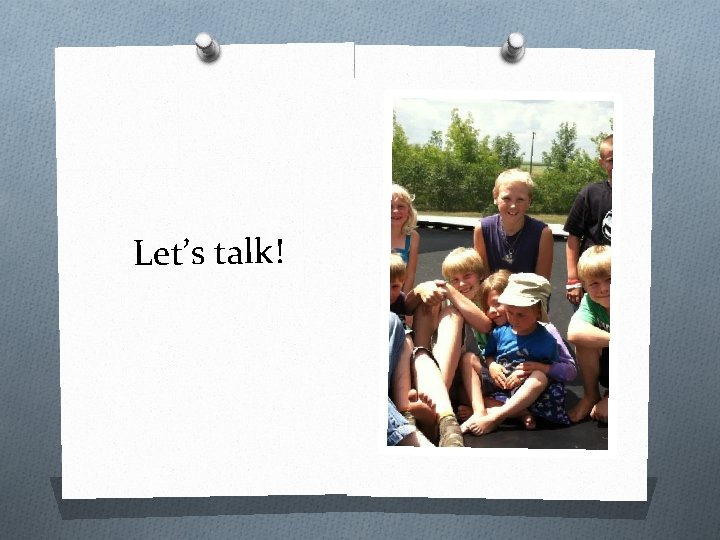
Let’s talk!
- Slides: 79