
We are in trouble Global carbon emissions reached
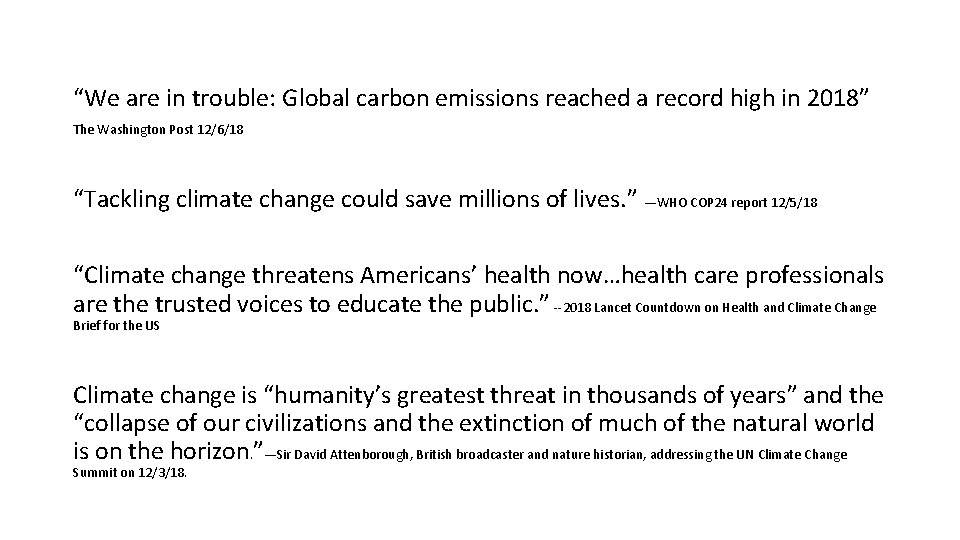
“We are in trouble: Global carbon emissions reached a record high in 2018” The Washington Post 12/6/18 “Tackling climate change could save millions of lives. ” —WHO COP 24 report 12/5/18 “Climate change threatens Americans’ health now…health care professionals are the trusted voices to educate the public. ” --2018 Lancet Countdown on Health and Climate Change Brief for the US Climate change is “humanity’s greatest threat in thousands of years” and the “collapse of our civilizations and the extinction of much of the natural world is on the horizon. ”—Sir David Attenborough, British broadcaster and nature historian, addressing the UN Climate Change Summit on 12/3/18.
Plant 1. 2 Trillion Trees Tom Crowther, Ph. D, climate change ecologist, University ETH Zurich; chief scientific advisor to the UN’s Trillion Tree Campaign
Molly Herr, MD Pediatric Anesthesiology Consultant Mayo Clinic ASA Environmental Task Force Mayo Clinic Enterprise Green Committee Mayo Clinic Rochester Green Subcommittee Mayo Clinic Rochester Blue Wrap Committee

It's Easy Being Green: How Small Anesthetic Changes Can Make Big Environmental and Financial Impacts Molly Herr, MD Pediatric Anesthesiology Consultant Mayo Clinic

Objectives • Briefly review the background on climate change • Highlight healthcare and anesthetic impacts on climate change • Examine a large academic institution’s anesthesia impact on the environment • Review a survey of anesthesia providers’ knowledge of anesthetic environmental impact and sustainability • Identify changes you can make to decrease anesthesia environmental impact while saving money
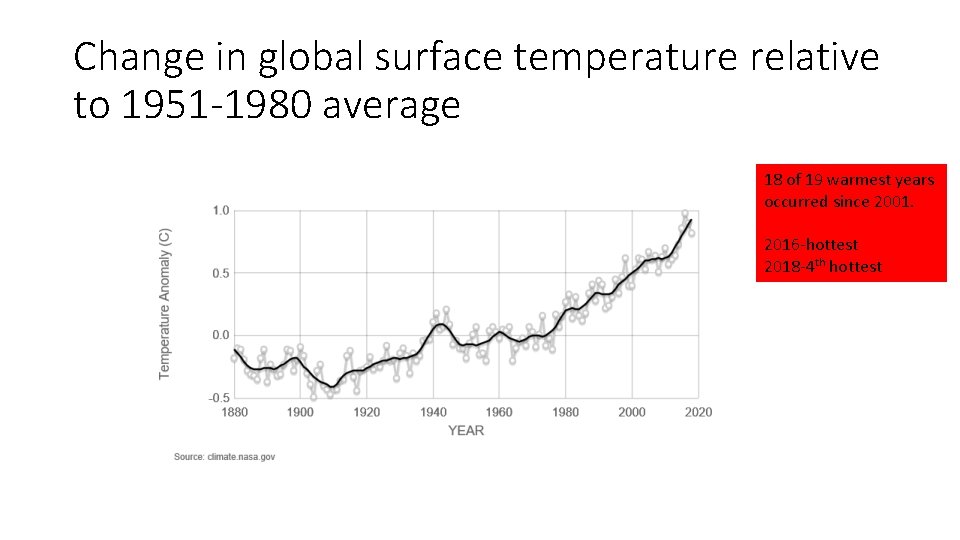
Change in global surface temperature relative to 1951 -1980 average 18 of 19 warmest years occurred since 2001. 2016 -hottest 2018 -4 th hottest
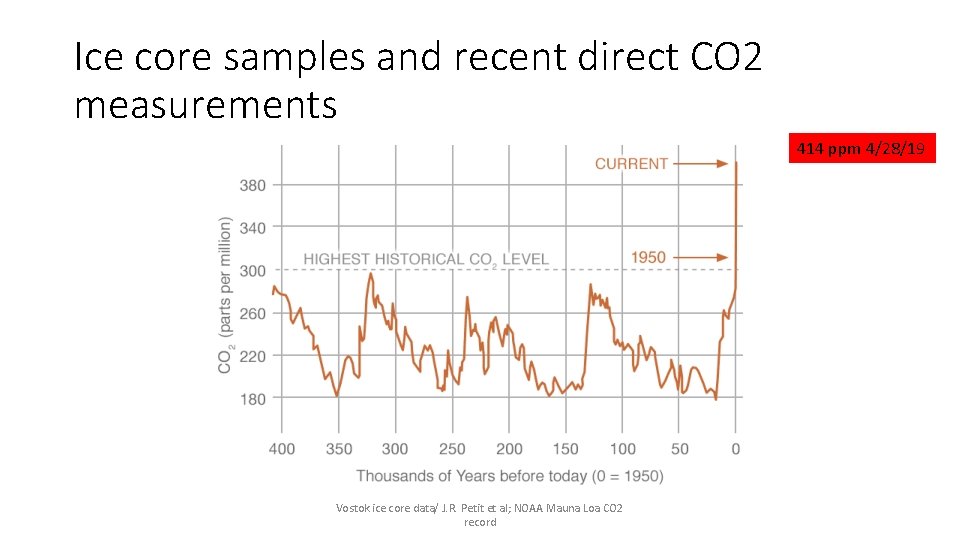
Ice core samples and recent direct CO 2 measurements 414 ppm 4/28/19 Vostok ice core data/ J. R. Petit et al; NOAA Mauna Loa CO 2 record
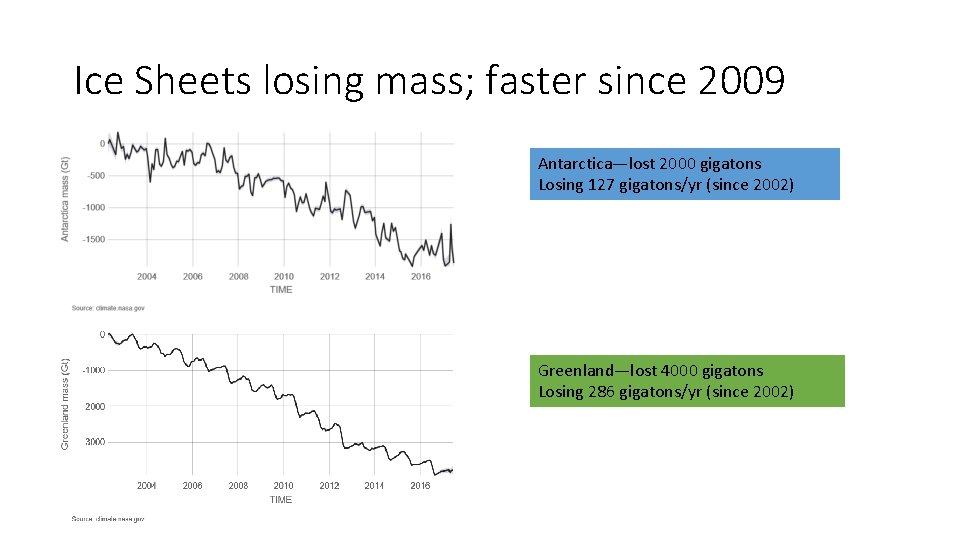
Ice Sheets losing mass; faster since 2009 Antarctica—lost 2000 gigatons Losing 127 gigatons/yr (since 2002) Greenland—lost 4000 gigatons Losing 286 gigatons/yr (since 2002)
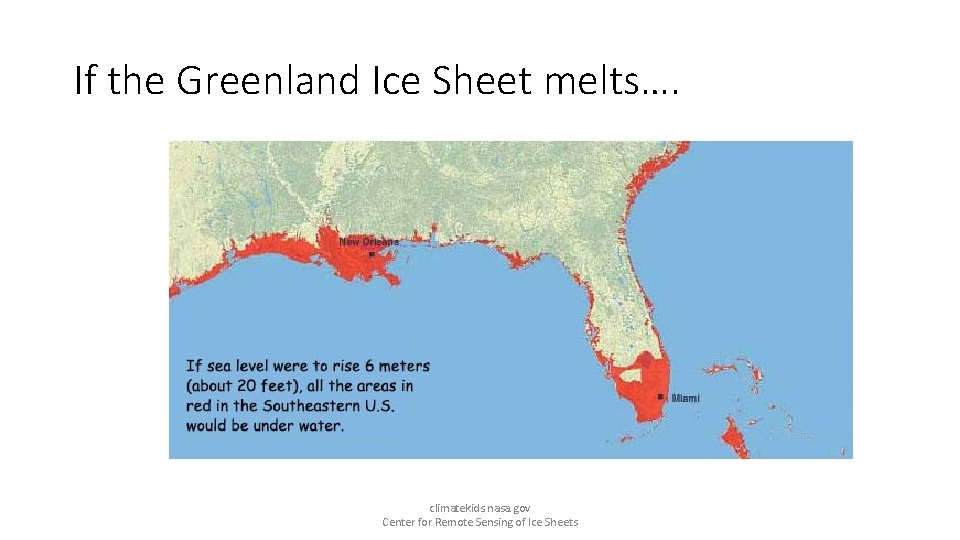
If the Greenland Ice Sheet melts…. climatekids. nasa. gov Center for Remote Sensing of Ice Sheets
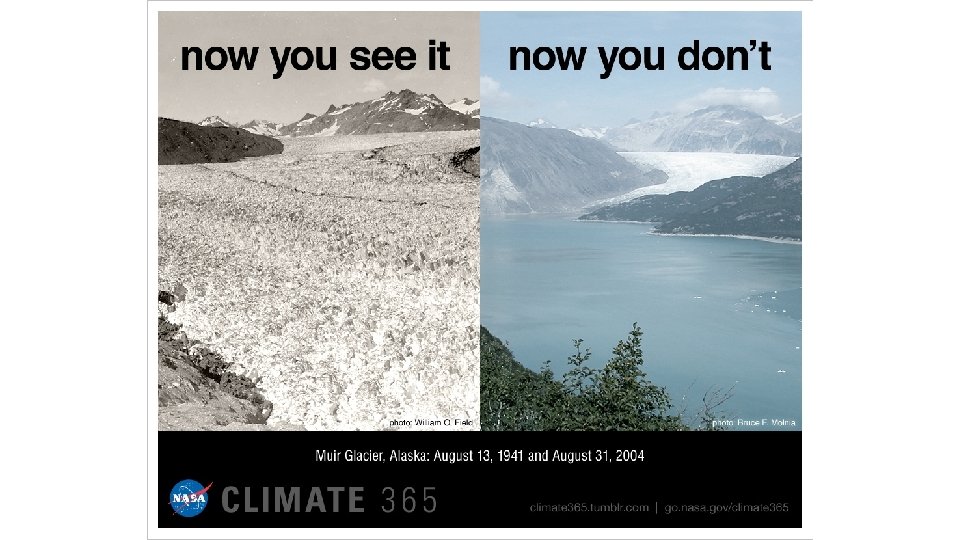
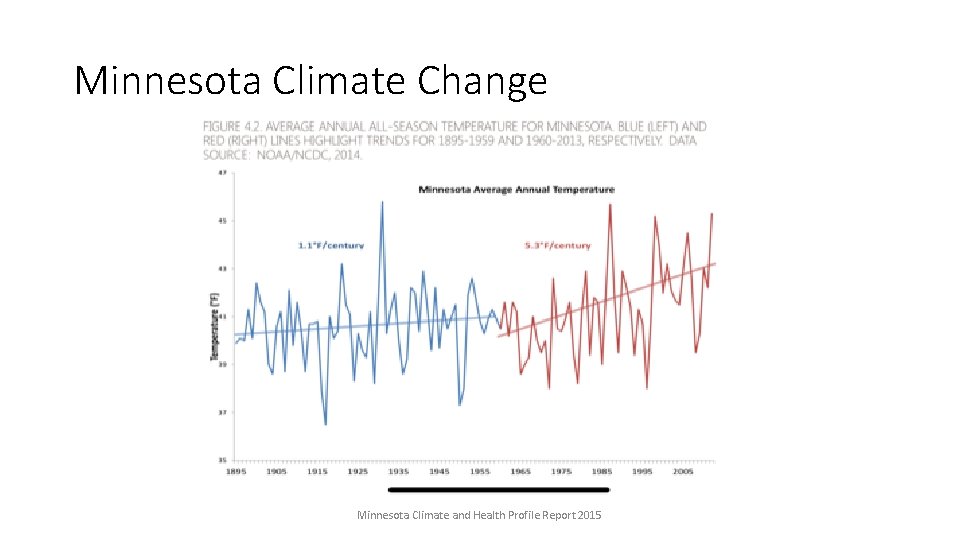
Minnesota Climate Change Minnesota Climate and Health Profile Report 2015
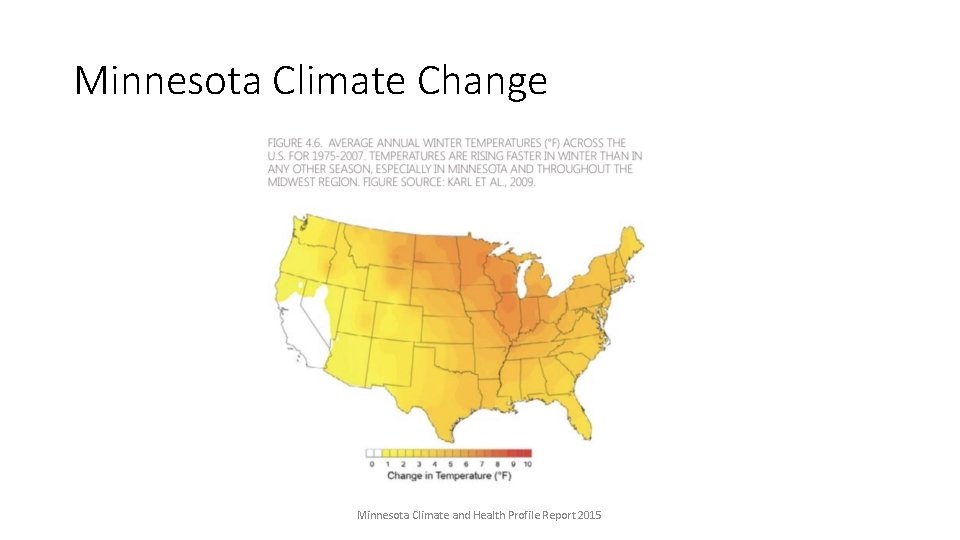
Minnesota Climate Change Minnesota Climate and Health Profile Report 2015
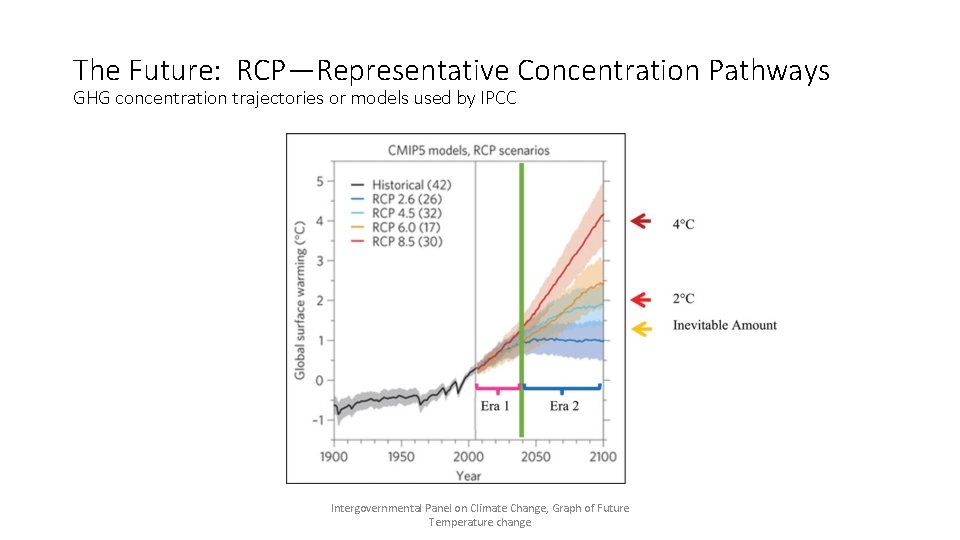
The Future: RCP—Representative Concentration Pathways GHG concentration trajectories or models used by IPCC Intergovernmental Panel on Climate Change, Graph of Future Temperature change

Lag times
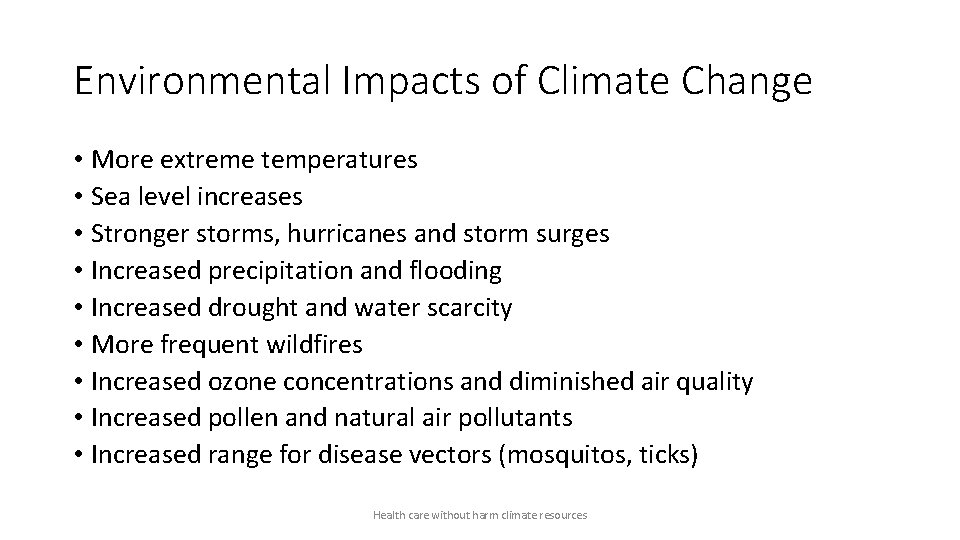
Environmental Impacts of Climate Change • More extreme temperatures • Sea level increases • Stronger storms, hurricanes and storm surges • Increased precipitation and flooding • Increased drought and water scarcity • More frequent wildfires • Increased ozone concentrations and diminished air quality • Increased pollen and natural air pollutants • Increased range for disease vectors (mosquitos, ticks) Health care without harm climate resources
Health Impacts of Climate Change • Heat related illnesses, injury and mortality • Aggravation of existing conditions • Infectious diseases (Lyme, Zika, West Nile) • Water and food borne illnesses (cholera) • Mental health • Population displacement • Food insecurity, instability, and conflict Health care without Harm; www. noharm. org
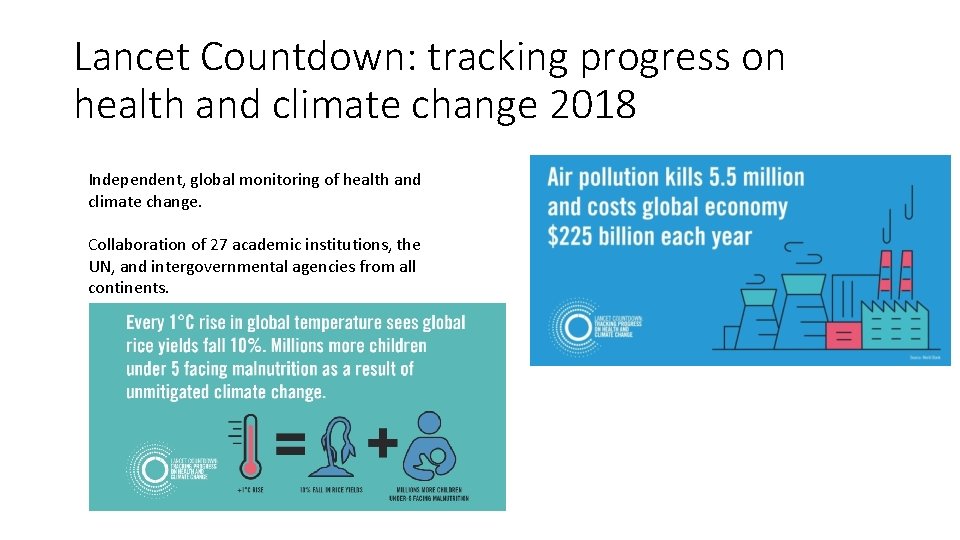
Lancet Countdown: tracking progress on health and climate change 2018 Independent, global monitoring of health and climate change. Collaboration of 27 academic institutions, the UN, and intergovernmental agencies from all continents.
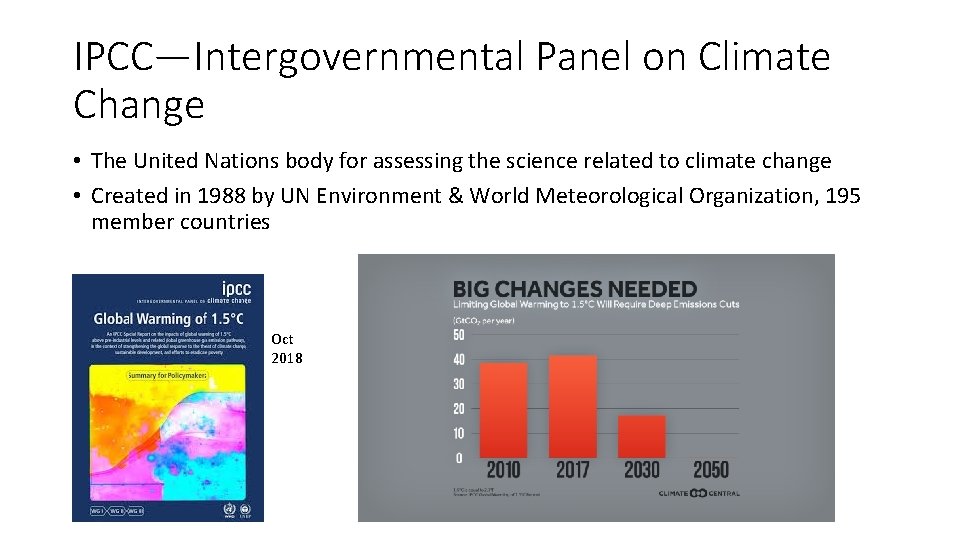
IPCC—Intergovernmental Panel on Climate Change • The United Nations body for assessing the science related to climate change • Created in 1988 by UN Environment & World Meteorological Organization, 195 member countries Oct 2018

Healthcare and Anesthesia Impacts
Healthcare and Surgical Impacts on Climate Change • US Healthcare is responsible for 10% of US’s GHG emissions (1) • If the US healthcare sector was a country, it would rank 13 th in the world (2) • ORs produce 25 -30% of total hospital waste (3) • One routine surgery produces as much garbage as a family of 4 in one week (4) 1. Eckelman MJ and Sherman J. PLOS 2/9/16 2. WRI CAIT 2. 0 http: //catit 2. wri. org 3. ASA Greening the Operating Room and Perioperative Arena Guidelines 4. Esaki RK e and Macario A. Medscape Anesthesiology 10/21/09
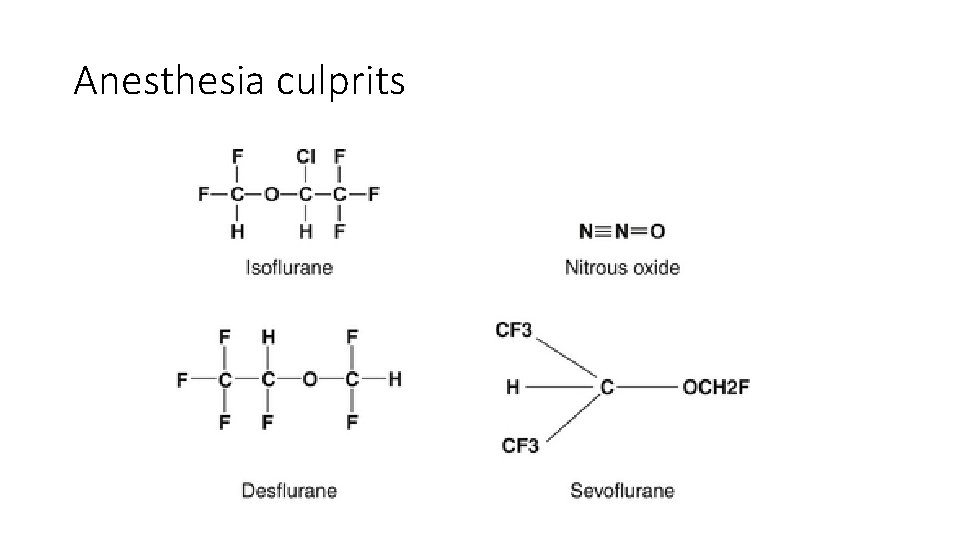
Anesthesia culprits
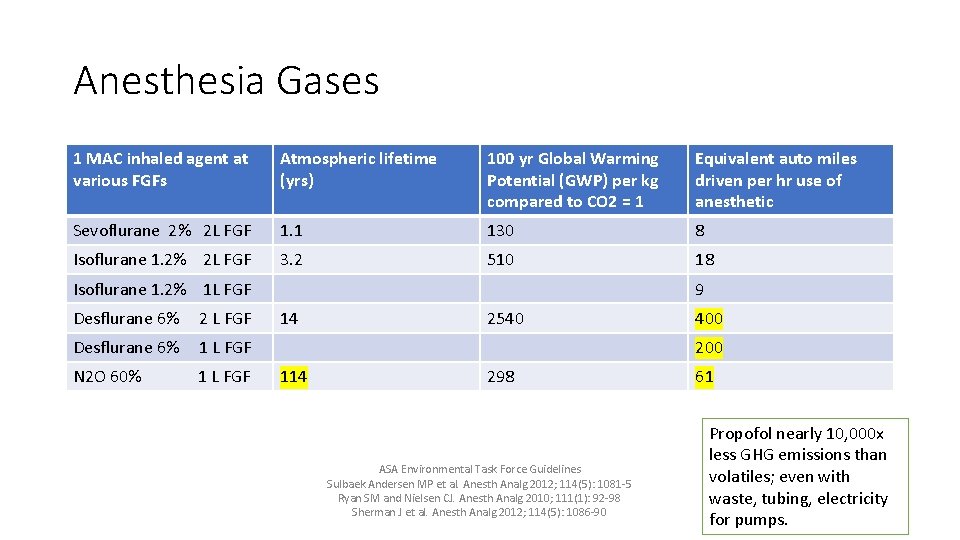
Anesthesia Gases 1 MAC inhaled agent at various FGFs Atmospheric lifetime (yrs) 100 yr Global Warming Potential (GWP) per kg compared to CO 2 = 1 Equivalent auto miles driven per hr use of anesthetic Sevoflurane 2% 2 L FGF 1. 1 130 8 Isoflurane 1. 2% 2 L FGF 3. 2 510 18 Isoflurane 1. 2% 1 L FGF Desflurane 6% 2 L FGF Desflurane 6% 1 L FGF N 2 O 60% 1 L FGF 9 14 2540 400 200 114 298 ASA Environmental Task Force Guidelines Sulbaek Andersen MP et al. Anesth Analg 2012; 114(5): 1081 -5 Ryan SM and Nielsen CJ. Anesth Analg 2010; 111(1): 92 -98 Sherman J et al. Anesth Analg 2012; 114(5): 1086 -90 61 Propofol nearly 10, 000 x less GHG emissions than volatiles; even with waste, tubing, electricity for pumps.
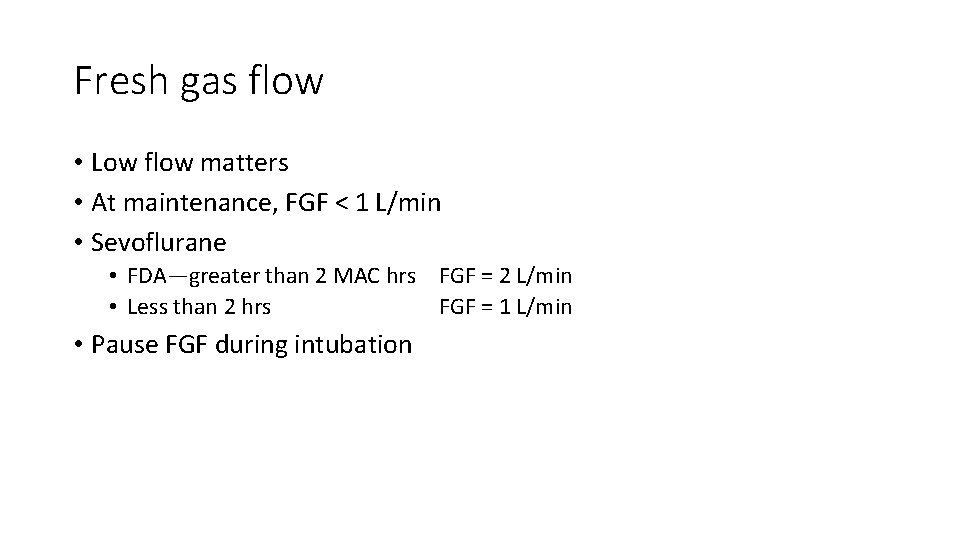
Fresh gas flow • Low flow matters • At maintenance, FGF < 1 L/min • Sevoflurane • FDA—greater than 2 MAC hrs FGF = 2 L/min • Less than 2 hrs FGF = 1 L/min • Pause FGF during intubation
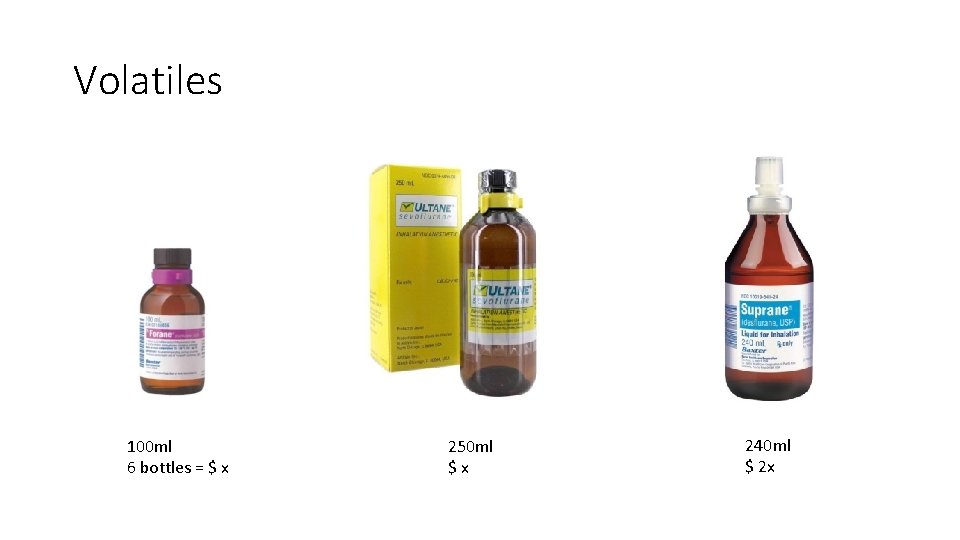
Volatiles 100 ml 6 bottles = $ x 250 ml $x 240 ml $ 2 x
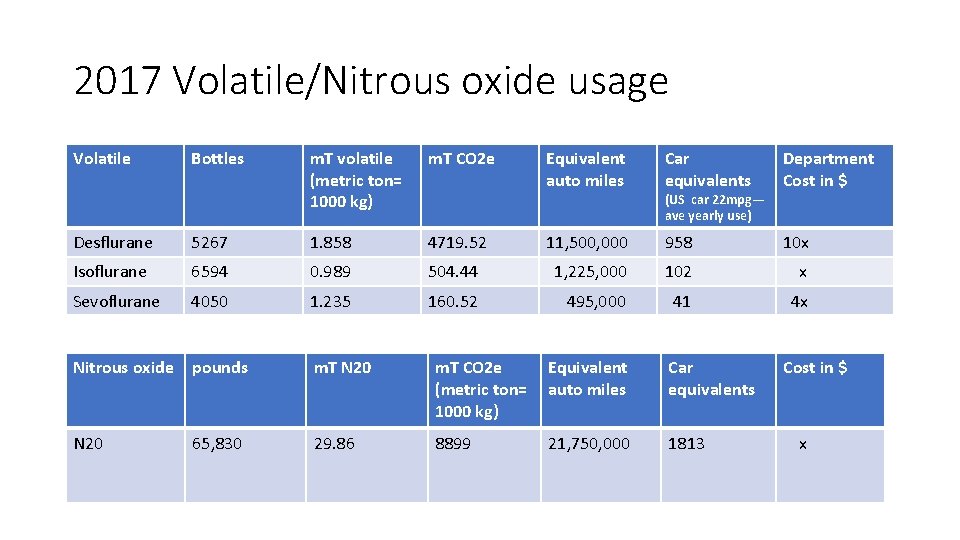
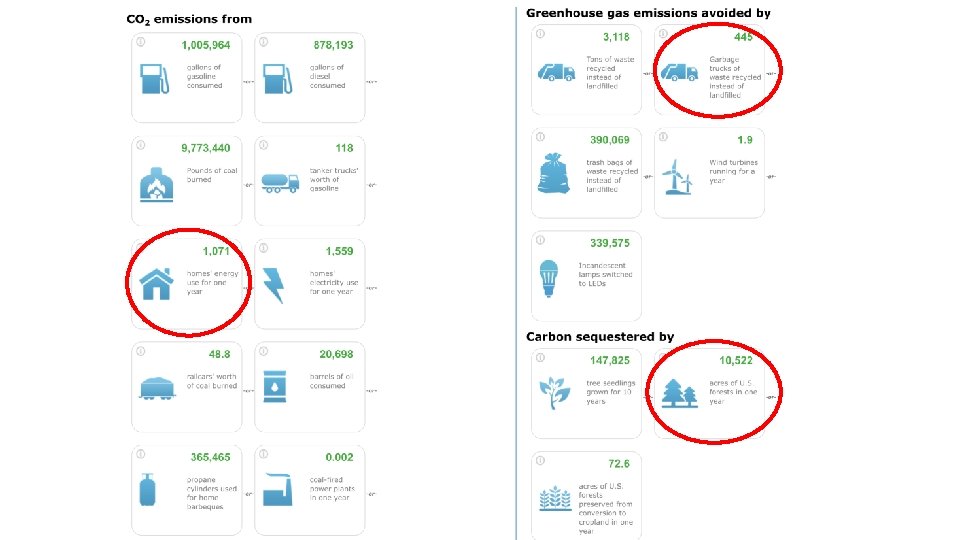
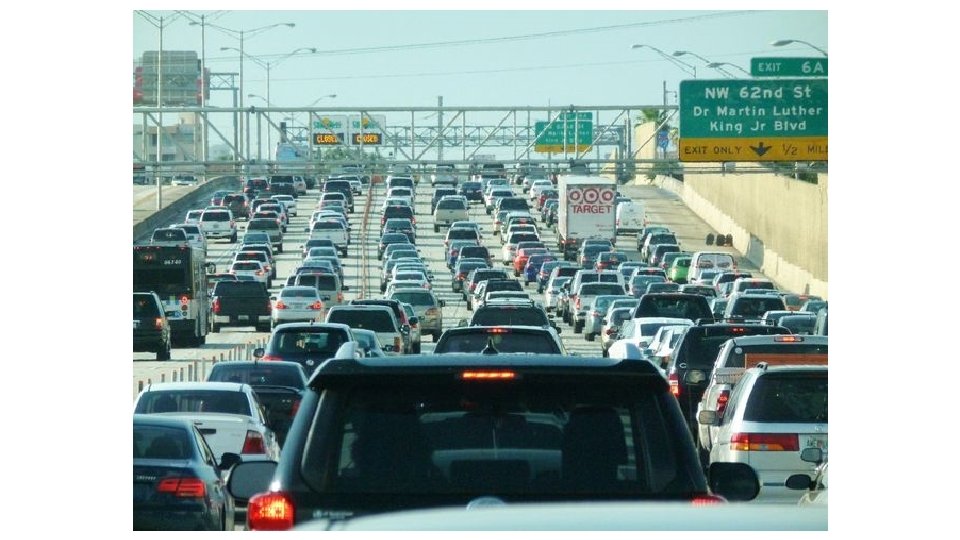
2017 Volatile/Nitrous oxide usage Volatile Bottles m. T volatile (metric ton= 1000 kg) m. T CO 2 e Equivalent auto miles Car equivalents Department Cost in $ (US car 22 mpg— ave yearly use) Desflurane 5267 1. 858 4719. 52 11, 500, 000 958 10 x Isoflurane 6594 0. 989 504. 44 1, 225, 000 102 x Sevoflurane 4050 1. 235 160. 52 495, 000 41 4 x Nitrous oxide pounds m. T N 20 m. T CO 2 e (metric ton= 1000 kg) Equivalent auto miles Car equivalents N 20 65, 830 29. 86 8899 21, 750, 000 1813 Cost in $ x
What do experts know about this? Mayo Anesthesia Provider Survey • Focused on anesthesia environmental impact and sustainability • Baseline knowledge assessment • Attitudes • Residents, fellows, SRNAs, CRNAs and consultants in the Department of Anesthesiology • 412 of 647 responded • 63. 7% response rate
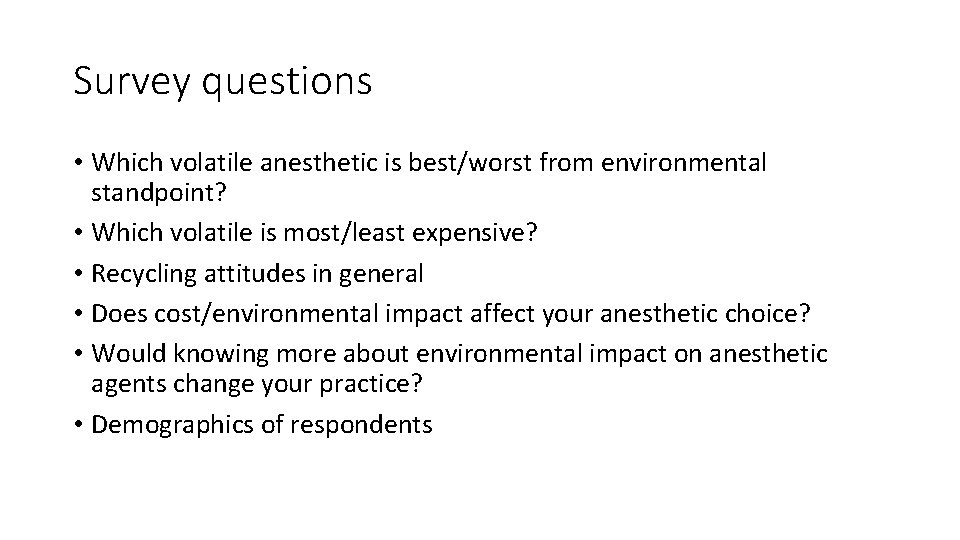
Survey questions • Which volatile anesthetic is best/worst from environmental standpoint? • Which volatile is most/least expensive? • Recycling attitudes in general • Does cost/environmental impact affect your anesthetic choice? • Would knowing more about environmental impact on anesthetic agents change your practice? • Demographics of respondents
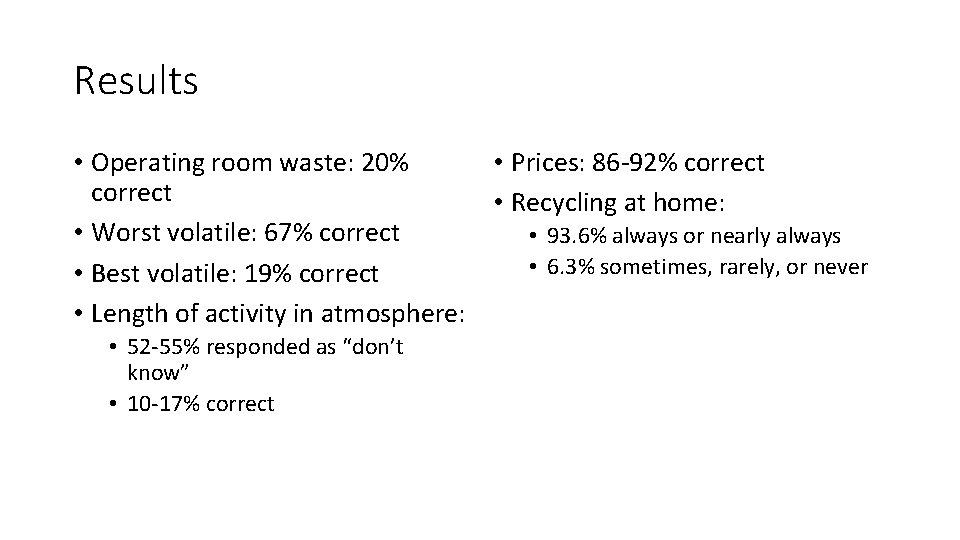
Results • Operating room waste: 20% • Prices: 86 -92% correct • Recycling at home: • Worst volatile: 67% correct • 93. 6% always or nearly always • 6. 3% sometimes, rarely, or never • Best volatile: 19% correct • Length of activity in atmosphere: • 52 -55% responded as “don’t know” • 10 -17% correct
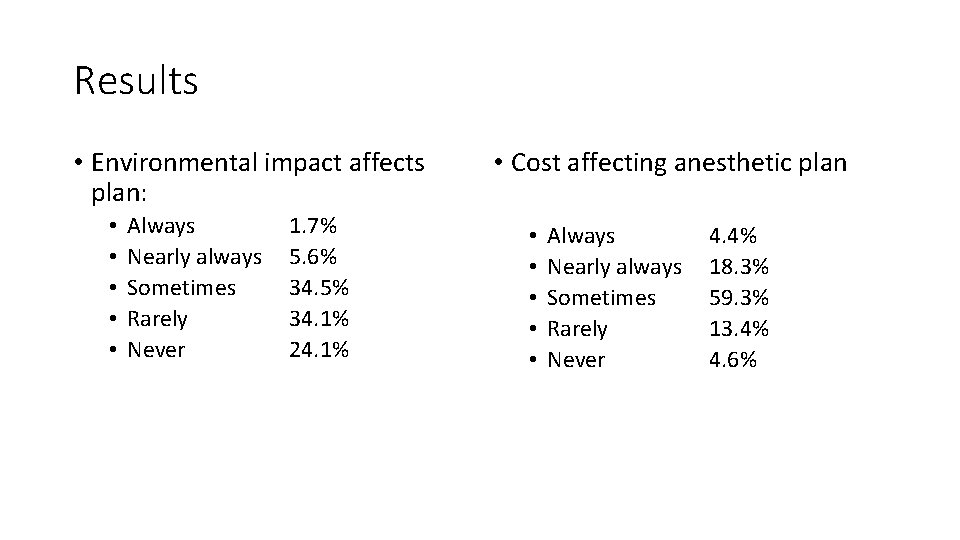
Results • Environmental impact affects plan: • • • Always Nearly always Sometimes Rarely Never 1. 7% 5. 6% 34. 5% 34. 1% 24. 1% • Cost affecting anesthetic plan • • • Always Nearly always Sometimes Rarely Never 4. 4% 18. 3% 59. 3% 13. 4% 4. 6%
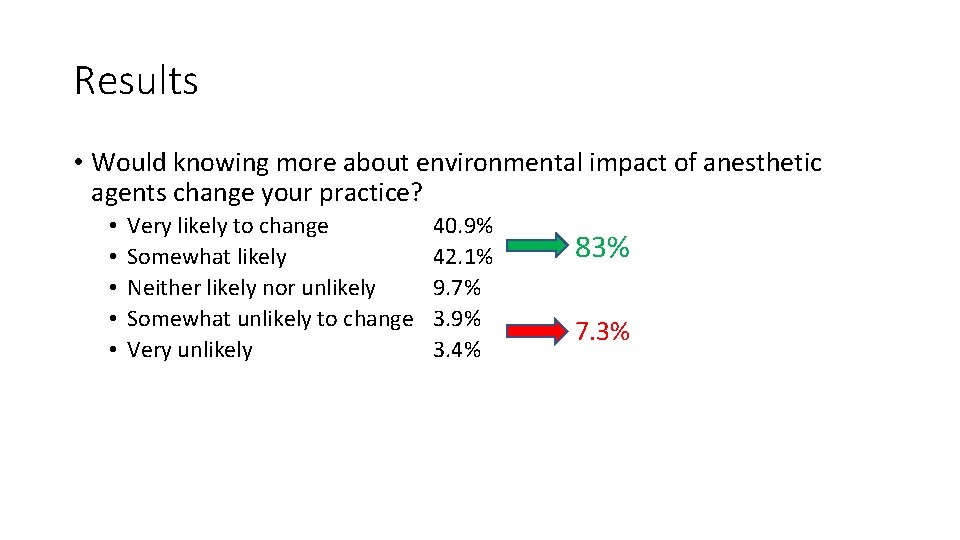
Results • Would knowing more about environmental impact of anesthetic agents change your practice? • • • Very likely to change Somewhat likely Neither likely nor unlikely Somewhat unlikely to change Very unlikely 40. 9% 42. 1% 9. 7% 3. 9% 3. 4% 83% 7. 3%
Conclusions • Knowledge gaps exist regarding volatile anesthetic environmental impact • Large majority recycle at home • Environmental impact plays a small factor in anesthetic choice • Knowing more about environmental impact of anesthetics would be very or somewhat likely to change anesthetic choices
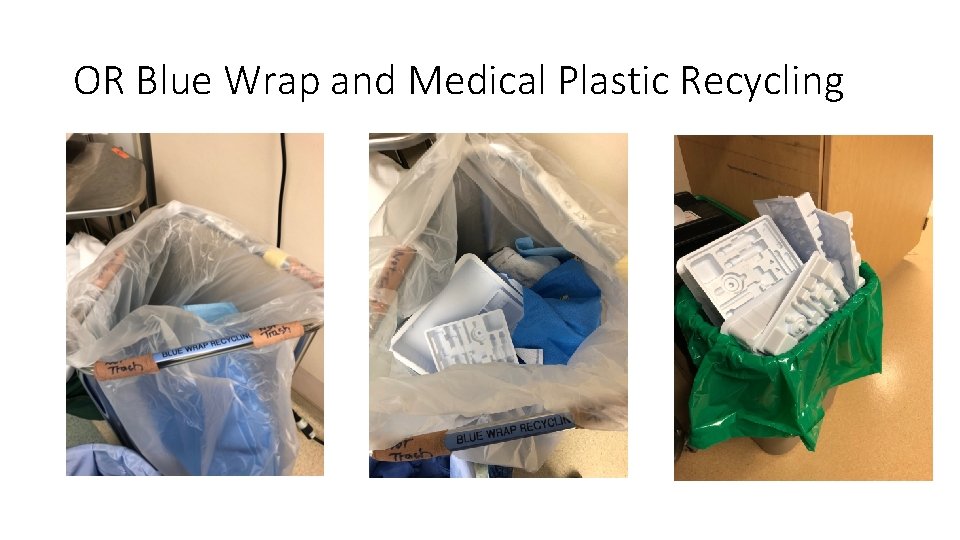
OR Blue Wrap and Medical Plastic Recycling
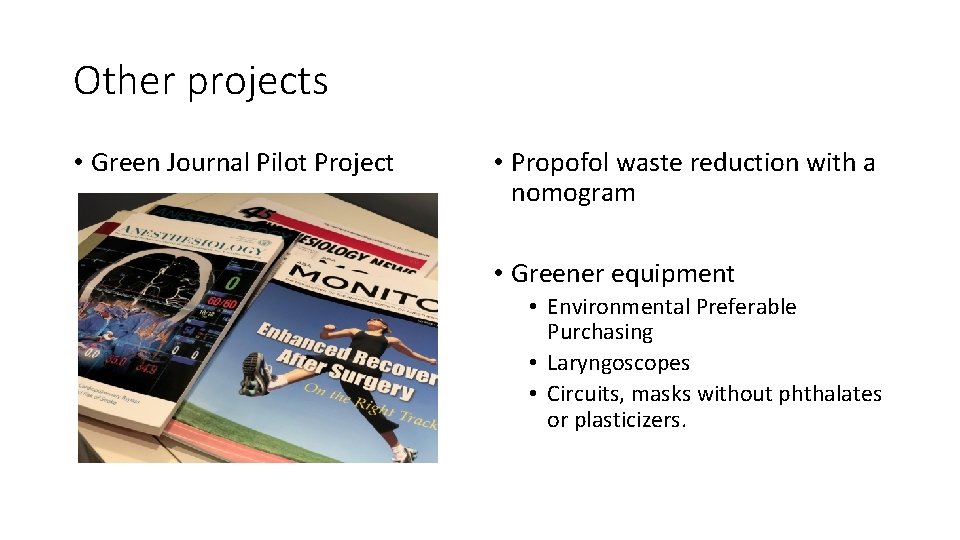
Other projects • Green Journal Pilot Project • Propofol waste reduction with a nomogram • Greener equipment • Environmental Preferable Purchasing • Laryngoscopes • Circuits, masks without phthalates or plasticizers.
What you can do… • Avoid desflurane and nitrous oxide • Low FGF during maintenance • Stop gas flow while intubating • Consider propofol supplementation/TIVA • Consider regional techniques • Don’t open equipment until it’s needed
What you can do… • Investigate more environmentally friendly equipment • Limit medication waste (propofol, opioids) • Recycle pulse ox probes • Recycle blue wrap in the ORs • Recycle medical plastics • Get involved in a Green Committee • Form a Green Committee
Resources • Practice Green. Health • Clean. Med conference • Health Care Without Harm • The Medical Society Consortium on Climate and Health • MN Health Professionals for a Healthy Climate • Minnesota Department of Health • Mn Climate and Health Program
Resources • www. CO 2. earth • Minnesota Pollution Control Agency • CDC Environmental Public Health Tracking Network • Yale School of Public Health’s Climate Change and Health Certificate Program • Ed. X--The Health Effects on Climate Change by Harvard

Thank You herr. molly@mayo. edu
- Slides: 40