
Wave Erosion and Marine Geology Wave Motions Particles
- Slides: 33
Wave Erosion and Marine Geology
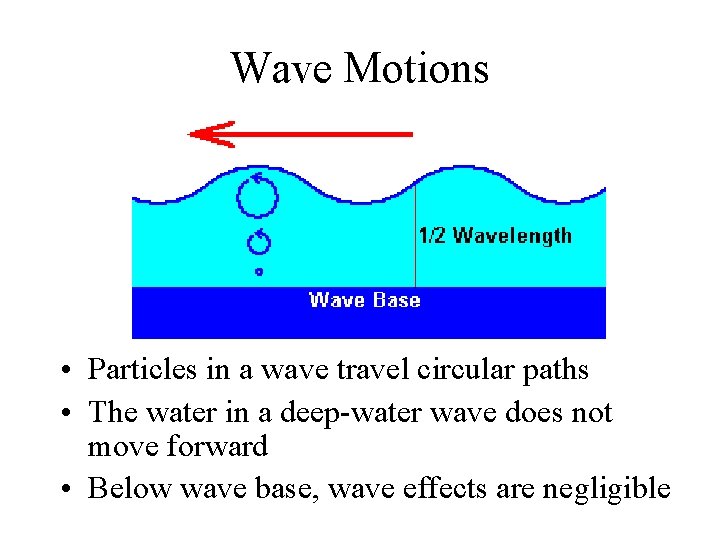
Wave Motions • Particles in a wave travel circular paths • The water in a deep-water wave does not move forward • Below wave base, wave effects are negligible
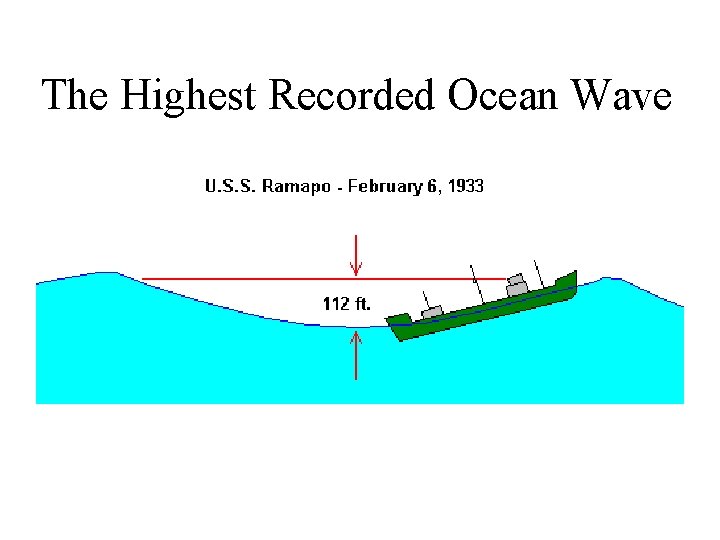
The Highest Recorded Ocean Wave
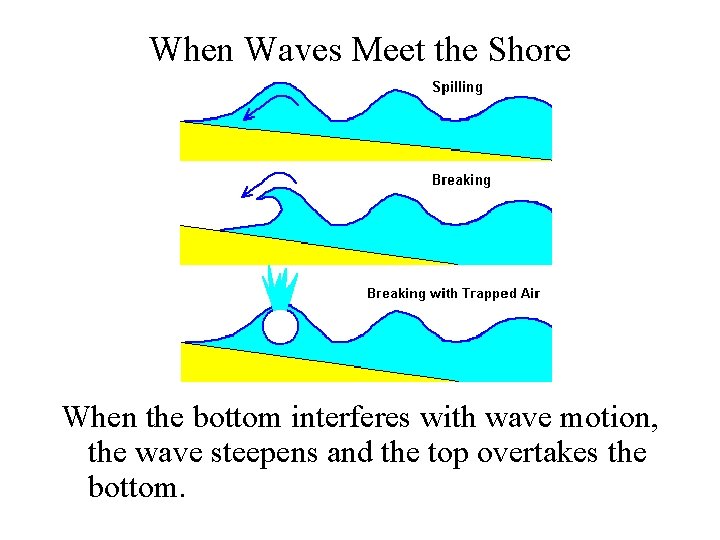
When Waves Meet the Shore When the bottom interferes with wave motion, the wave steepens and the top overtakes the bottom.
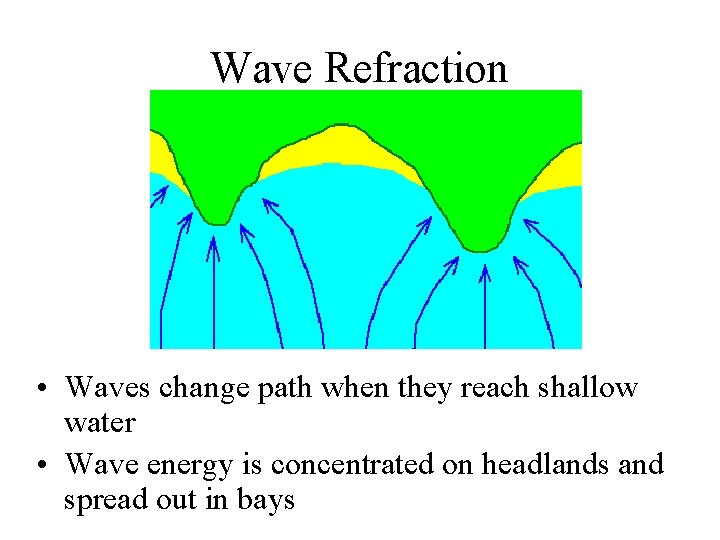
Wave Refraction • Waves change path when they reach shallow water • Wave energy is concentrated on headlands and spread out in bays
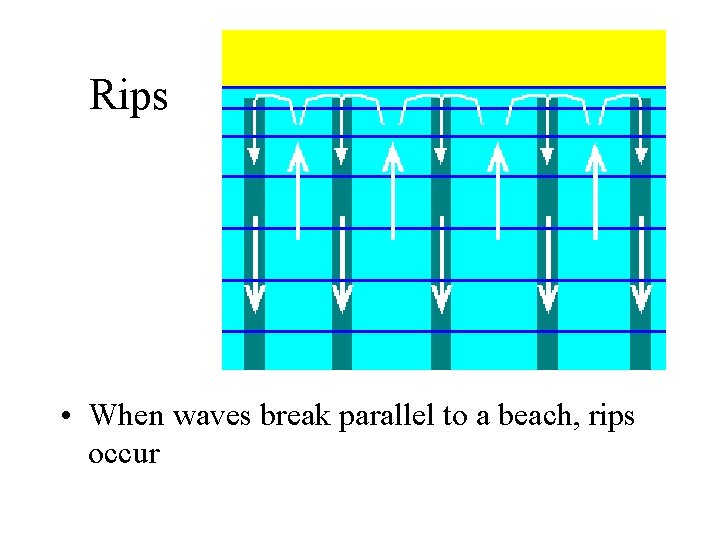
Rips • When waves break parallel to a beach, rips occur
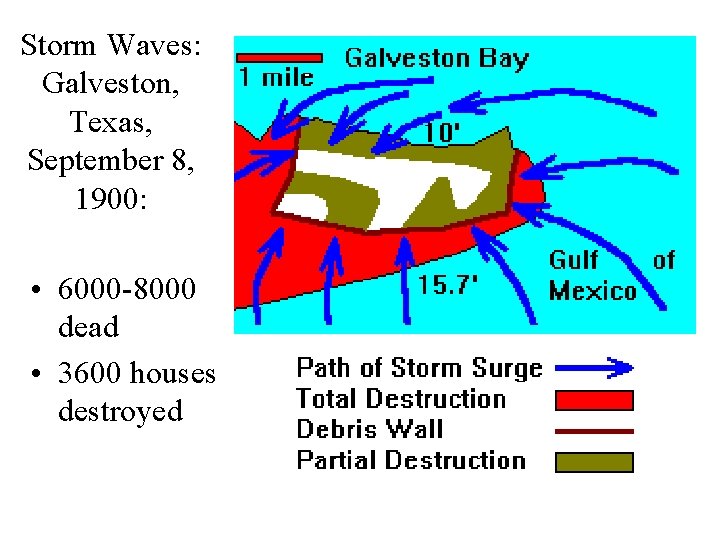
Storm Waves: Galveston, Texas, September 8, 1900: • 6000 -8000 dead • 3600 houses destroyed
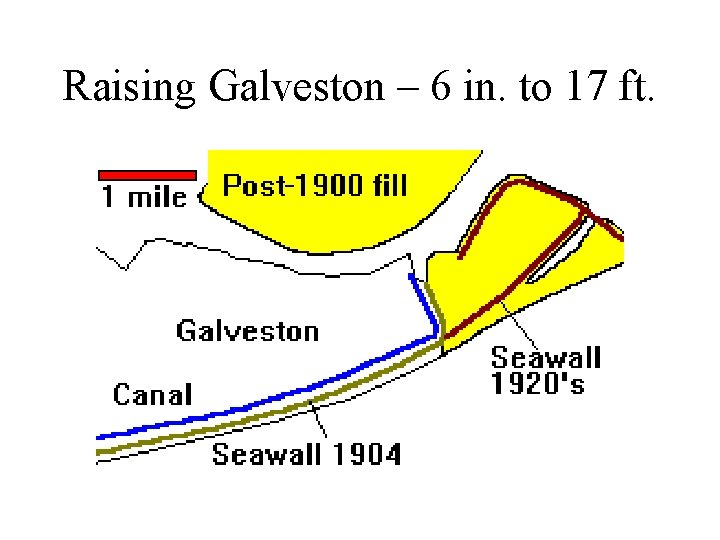
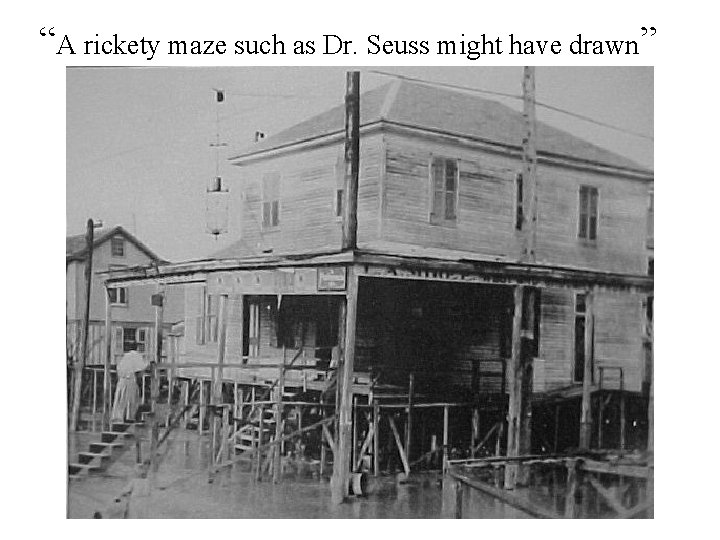
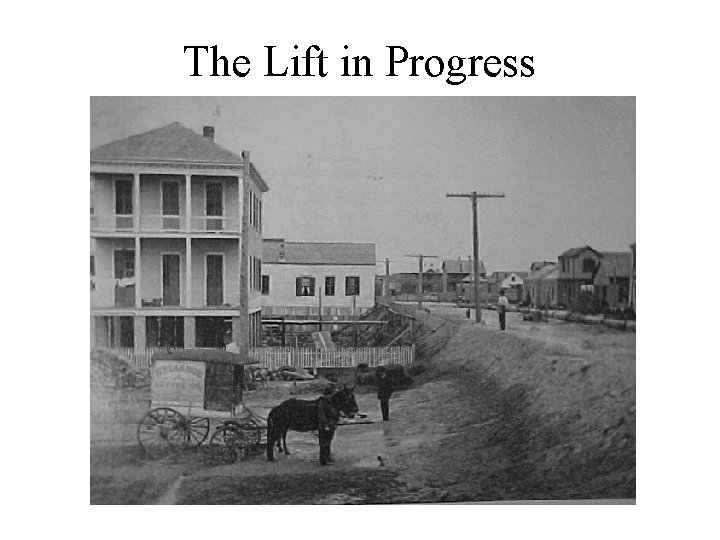
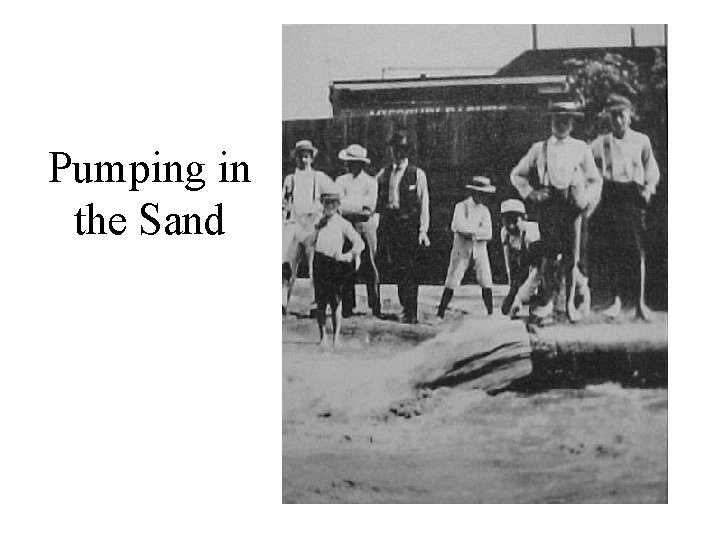
Raising Galveston – 6 in. to 17 ft.
“A rickety maze such as Dr. Seuss might have drawn”
The Lift in Progress
Pumping in the Sand
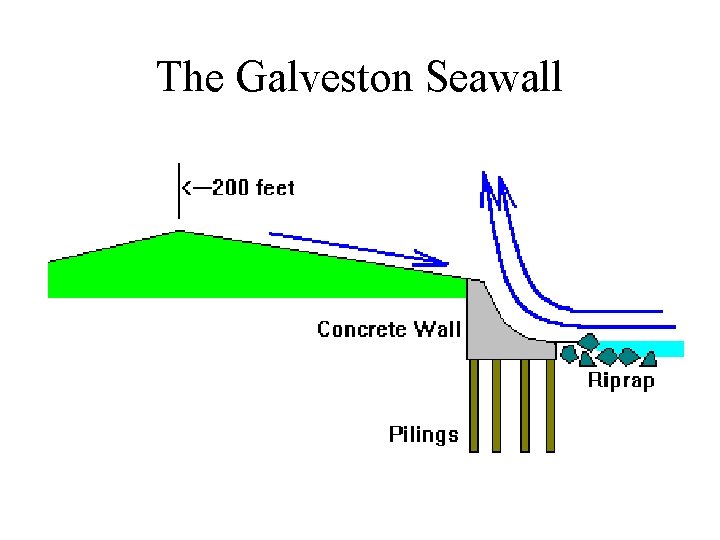
The Galveston Seawall
In the long run, nothing is as futile as trying to resist shoreline change. Change can be resisted for a while, but when the water wants something badly enough, it will come in and take it.
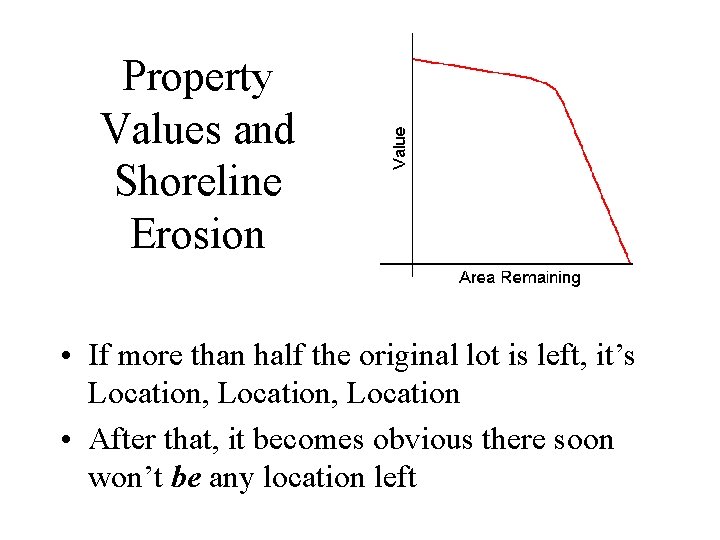
Property Values and Shoreline Erosion • If more than half the original lot is left, it’s Location, Location • After that, it becomes obvious there soon won’t be any location left
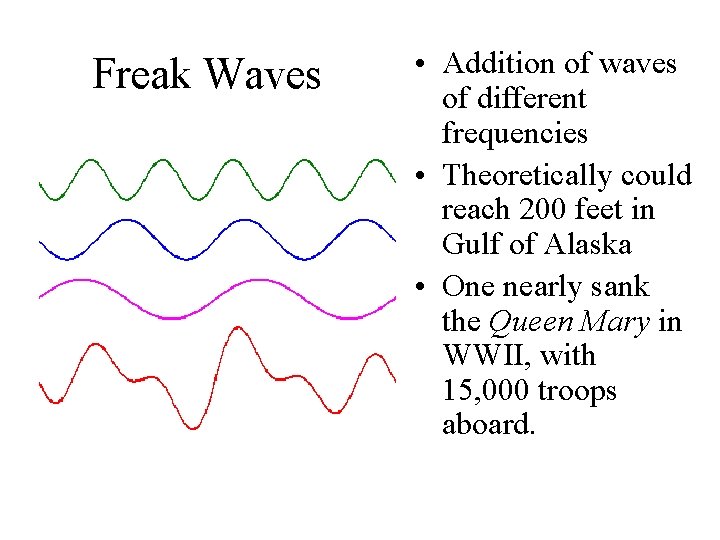
Freak Waves • Addition of waves of different frequencies • Theoretically could reach 200 feet in Gulf of Alaska • One nearly sank the Queen Mary in WWII, with 15, 000 troops aboard.
Marine Erosion • • • Chemical Attack Abrasion Wave Impact Compressed Air Backwash
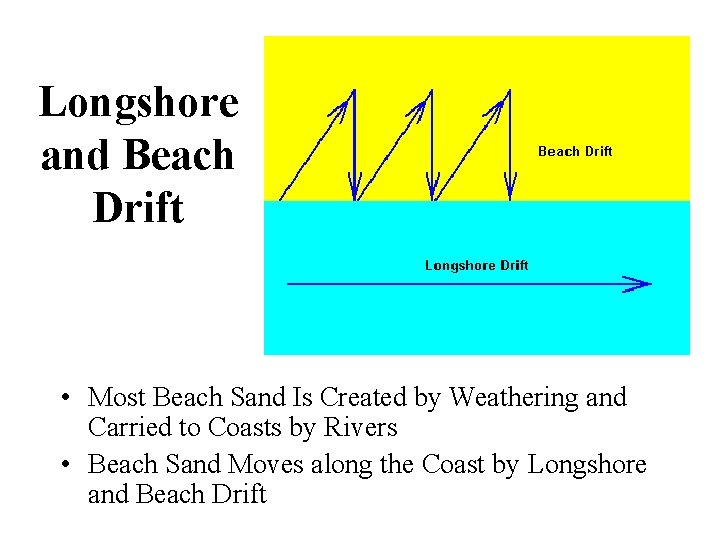
Longshore and Beach Drift • Most Beach Sand Is Created by Weathering and Carried to Coasts by Rivers • Beach Sand Moves along the Coast by Longshore and Beach Drift
Types of Coast Degree of Modification • Primary - Not Modified Much by Wave Action • Secondary - Highly Modified by Wave Action History • Emergent - Land Rises or Water Level Falls • Submergent - Land Sinks or Water Level Rises Dominant Process • Erosional • Depositional
Effects of the Pleistocene • Sea level has risen at least 100 meters in the last 18, 000 years • Most coastlines globally are submergent • Primary coastlines are very common
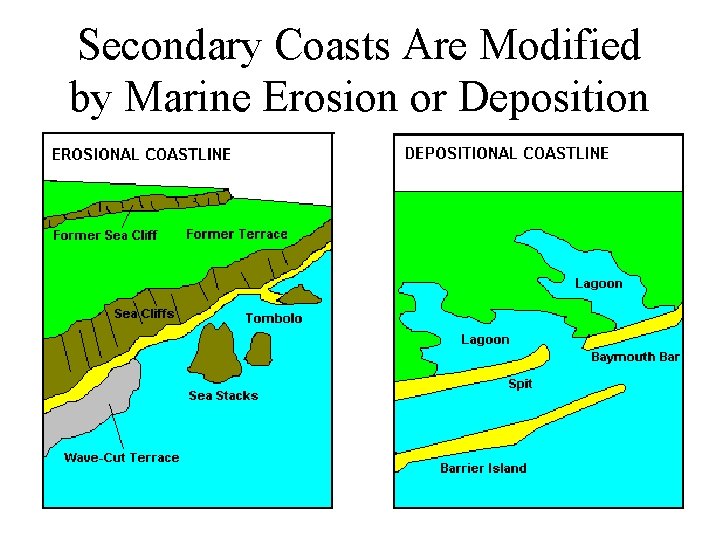
Secondary Coasts Are Modified by Marine Erosion or Deposition
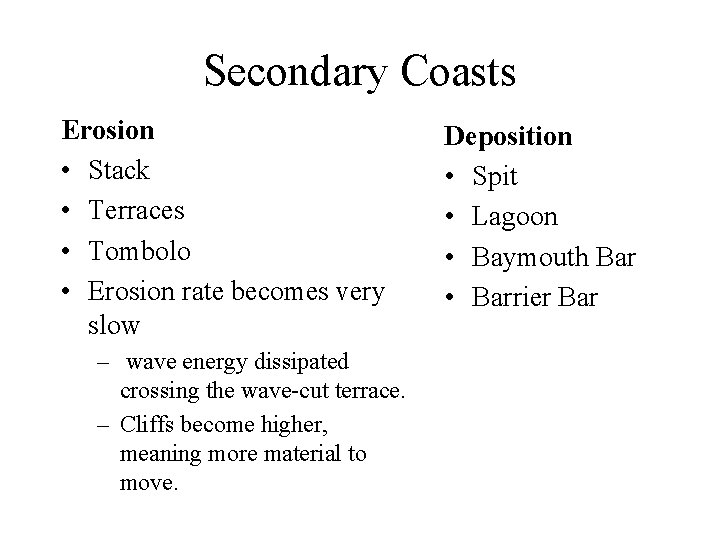
Secondary Coasts Erosion • Stack • Terraces • Tombolo • Erosion rate becomes very slow – wave energy dissipated crossing the wave-cut terrace. – Cliffs become higher, meaning more material to move. Deposition • Spit • Lagoon • Baymouth Bar • Barrier Bar
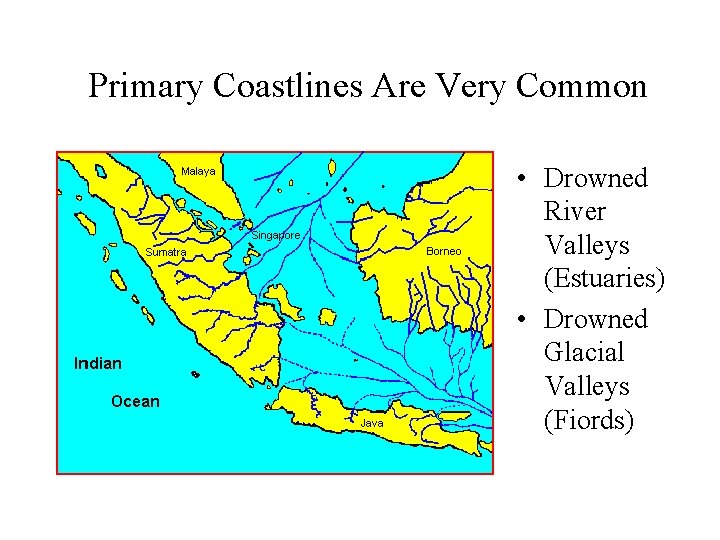
Primary Coastlines Are Very Common • Drowned River Valleys (Estuaries) • Drowned Glacial Valleys (Fiords)
Other Ways Primary Coasts Can Form • Deltas • Volcanic Activity • Uplift
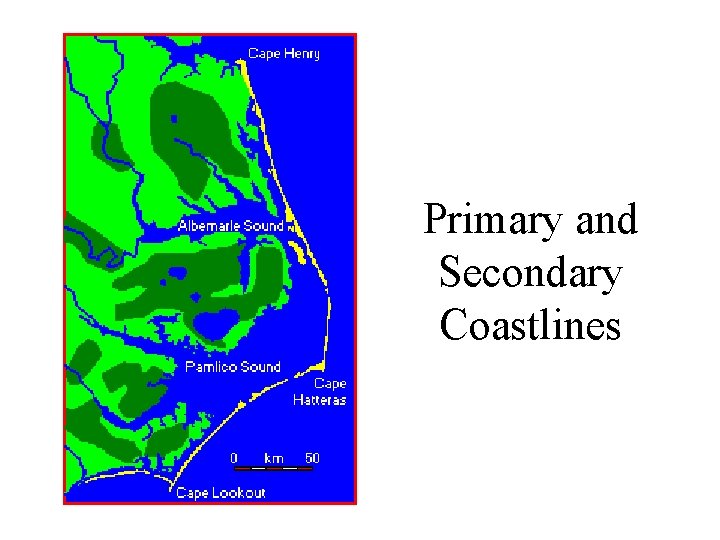
Primary and Secondary Coastlines
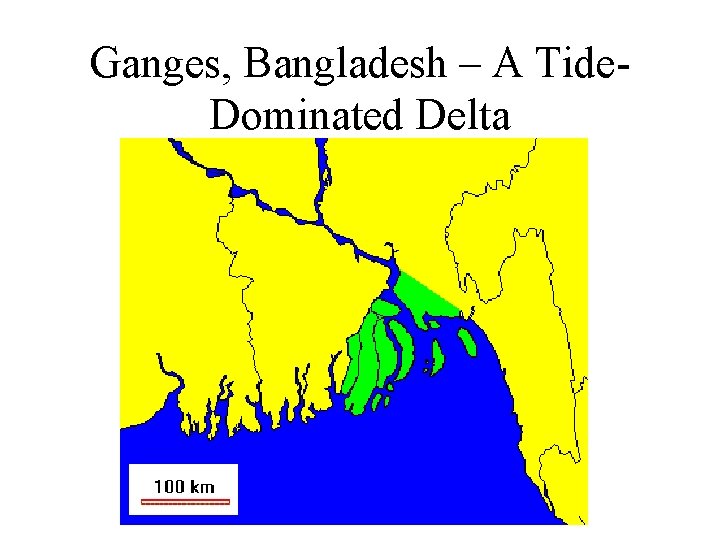
Delta Coasts • Deposition-Dominated • Wave Dominated • Tide-Dominated
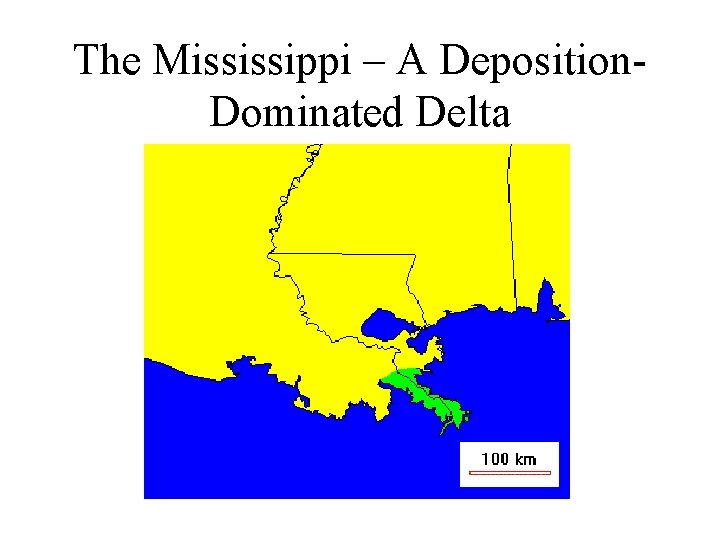
The Mississippi – A Deposition. Dominated Delta
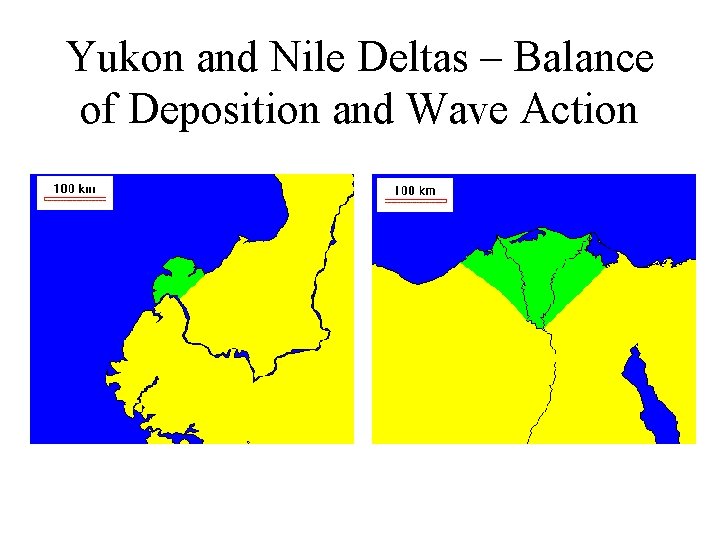
Yukon and Nile Deltas – Balance of Deposition and Wave Action
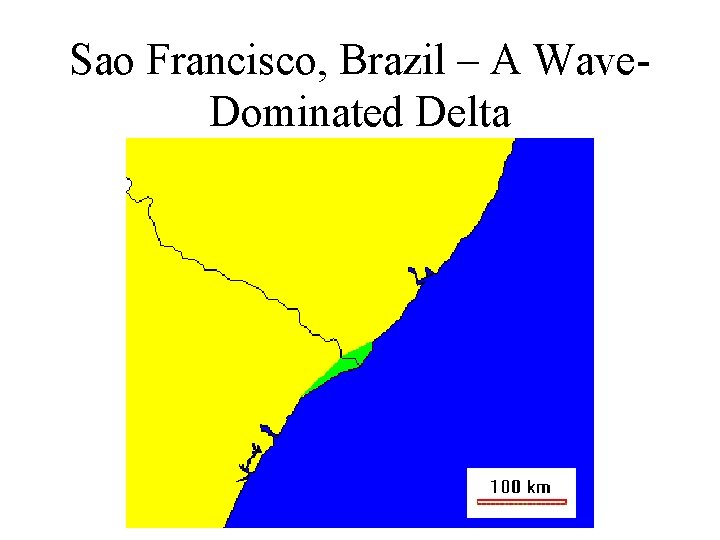
Sao Francisco, Brazil – A Wave. Dominated Delta
Ganges, Bangladesh – A Tide. Dominated Delta
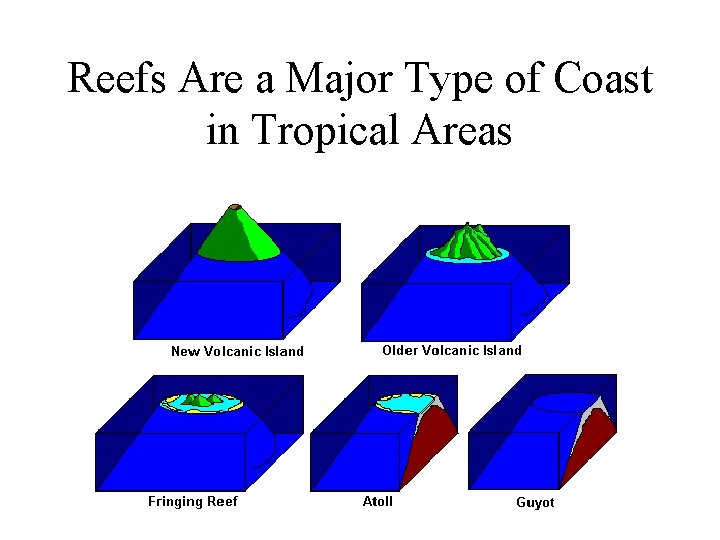
Reefs Are a Major Type of Coast in Tropical Areas
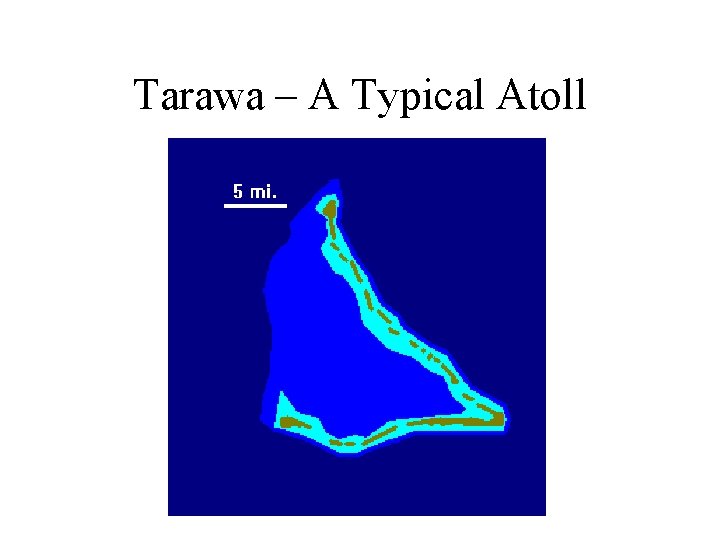
Tarawa – A Typical Atoll
Reefs Also Form along the Edges of Large Islands and Continents These Are Barrier Reefs • Australia • Yucatan • Belize • West Florida
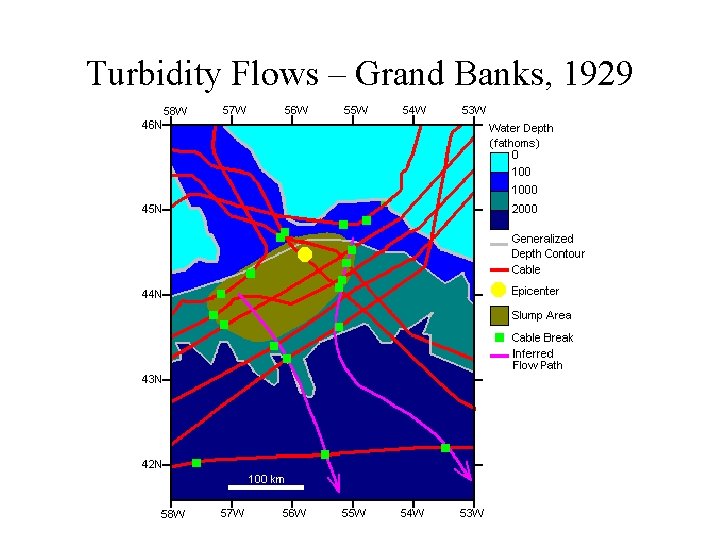
Turbidity Flows – Grand Banks, 1929