
WATER SOLUBLE VITAMINS VITAMIN B COMPLEX VITAMIN C
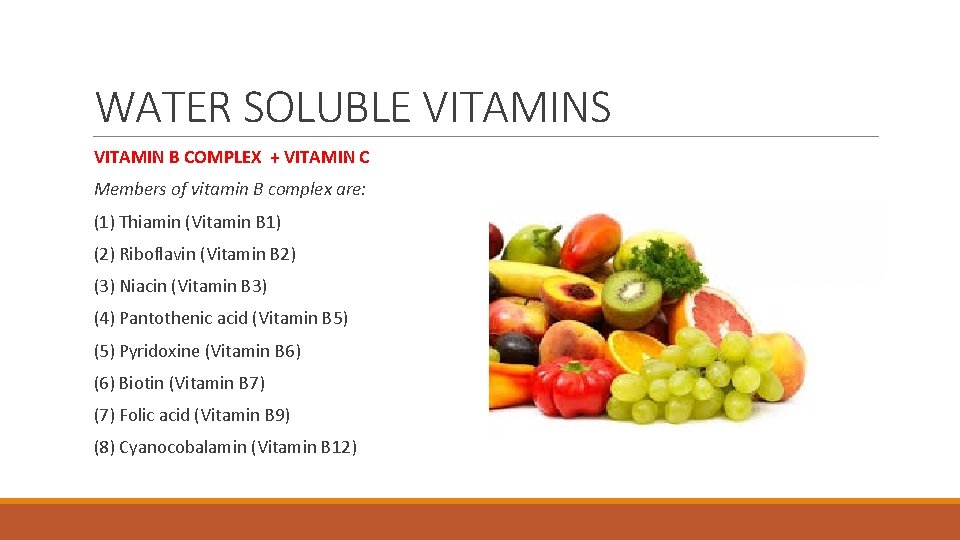
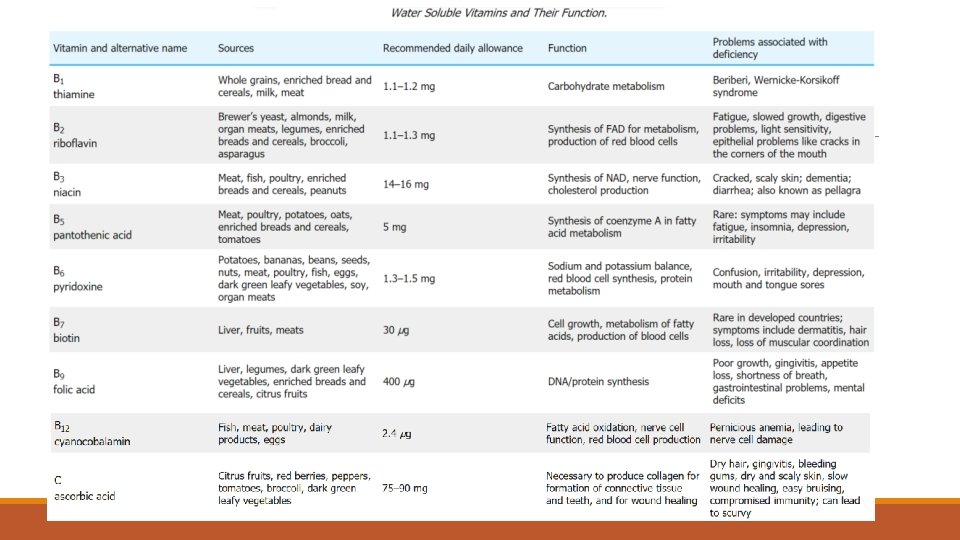
WATER SOLUBLE VITAMINS VITAMIN B COMPLEX + VITAMIN C Members of vitamin B complex are: (1) Thiamin (Vitamin B 1) (2) Riboflavin (Vitamin B 2) (3) Niacin (Vitamin B 3) (4) Pantothenic acid (Vitamin B 5) (5) Pyridoxine (Vitamin B 6) (6) Biotin (Vitamin B 7) (7) Folic acid (Vitamin B 9) (8) Cyanocobalamin (Vitamin B 12)
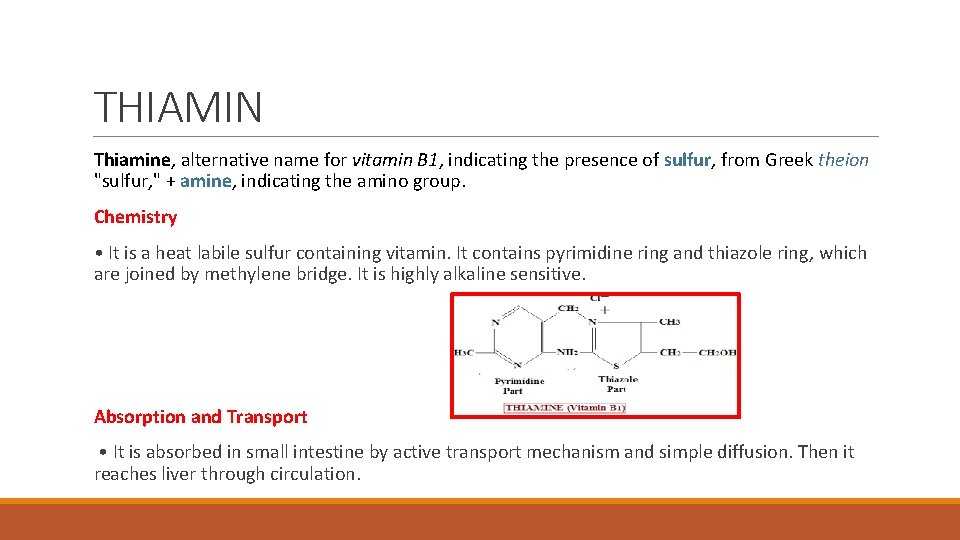
THIAMIN Thiamine, alternative name for vitamin B 1, indicating the presence of sulfur, from Greek theion "sulfur, " + amine, indicating the amino group. Chemistry • It is a heat labile sulfur containing vitamin. It contains pyrimidine ring and thiazole ring, which are joined by methylene bridge. It is highly alkaline sensitive. Absorption and Transport • It is absorbed in small intestine by active transport mechanism and simple diffusion. Then it reaches liver through circulation.
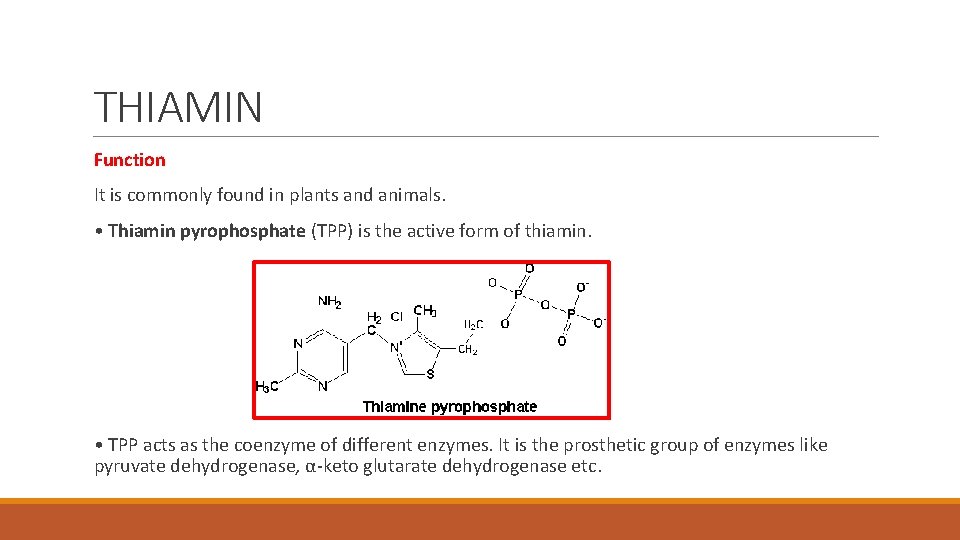
THIAMIN Function It is commonly found in plants and animals. • Thiamin pyrophosphate (TPP) is the active form of thiamin. • TPP acts as the coenzyme of different enzymes. It is the prosthetic group of enzymes like pyruvate dehydrogenase, α-keto glutarate dehydrogenase etc.
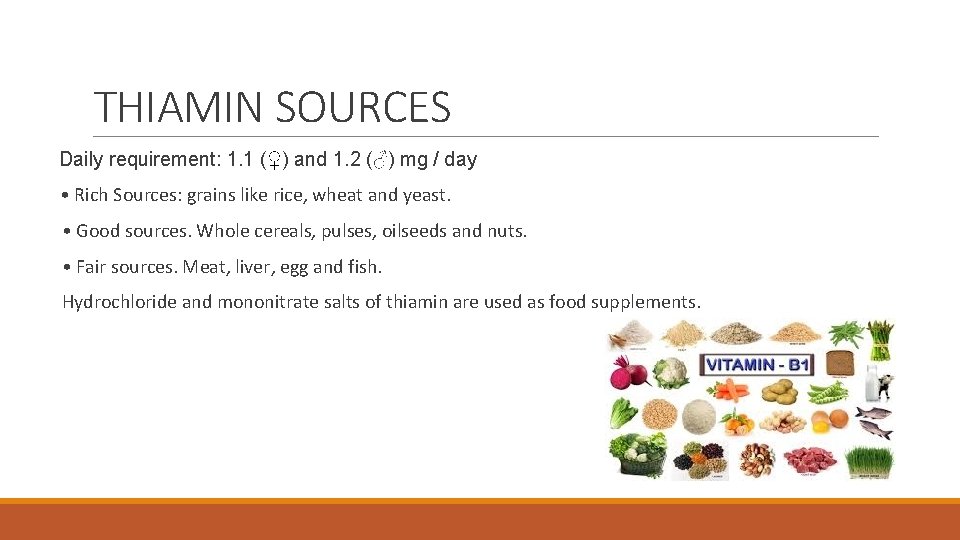
THIAMIN SOURCES Daily requirement: 1. 1 (♀) and 1. 2 (♂) mg / day • Rich Sources: grains like rice, wheat and yeast. • Good sources. Whole cereals, pulses, oilseeds and nuts. • Fair sources. Meat, liver, egg and fish. Hydrochloride and mononitrate salts of thiamin are used as food supplements.
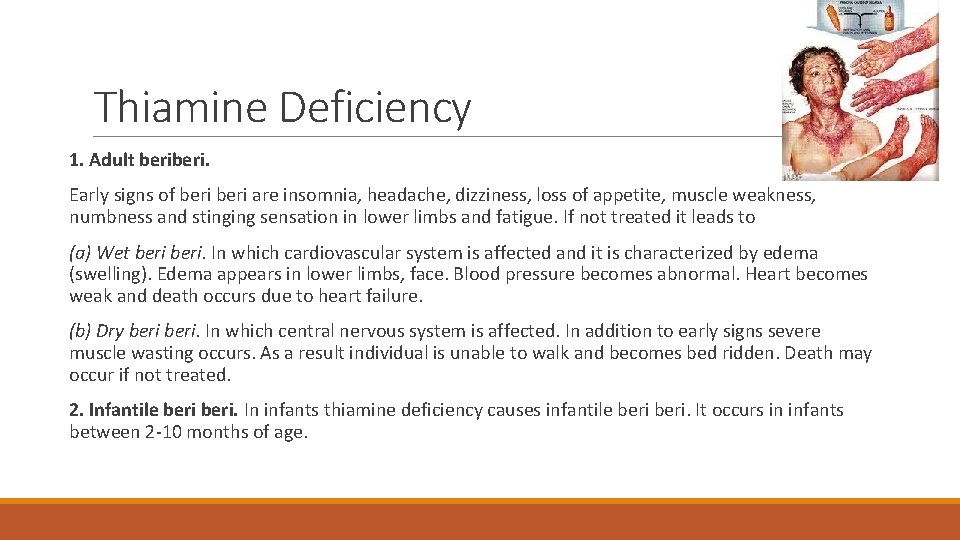
Thiamine Deficiency 1. Adult beri. Early signs of beri are insomnia, headache, dizziness, loss of appetite, muscle weakness, numbness and stinging sensation in lower limbs and fatigue. If not treated it leads to (a) Wet beri. In which cardiovascular system is affected and it is characterized by edema (swelling). Edema appears in lower limbs, face. Blood pressure becomes abnormal. Heart becomes weak and death occurs due to heart failure. (b) Dry beri. In which central nervous system is affected. In addition to early signs severe muscle wasting occurs. As a result individual is unable to walk and becomes bed ridden. Death may occur if not treated. 2. Infantile beri. In infants thiamine deficiency causes infantile beri. It occurs in infants between 2 -10 months of age.
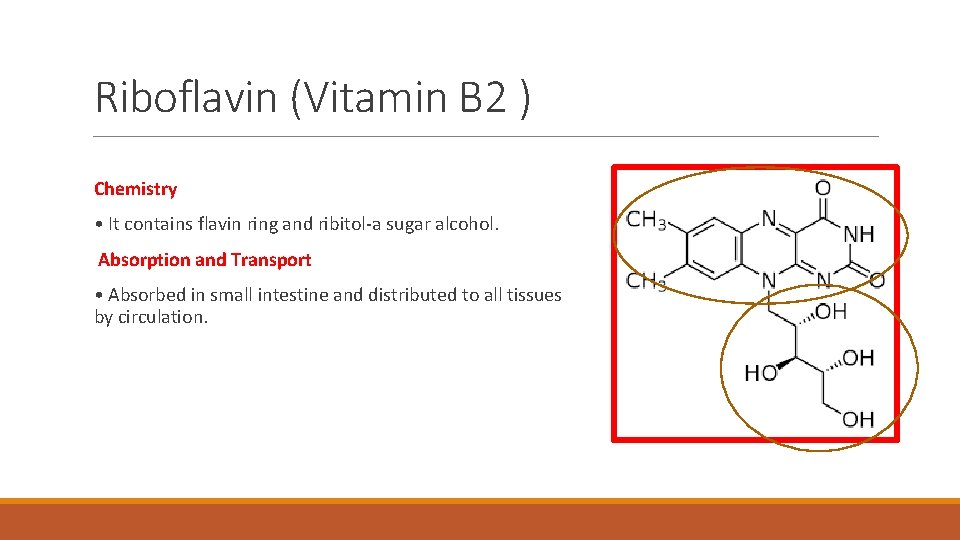
Riboflavin (Vitamin B 2 ) Chemistry • It contains flavin ring and ribitol-a sugar alcohol. Absorption and Transport • Absorbed in small intestine and distributed to all tissues by circulation.
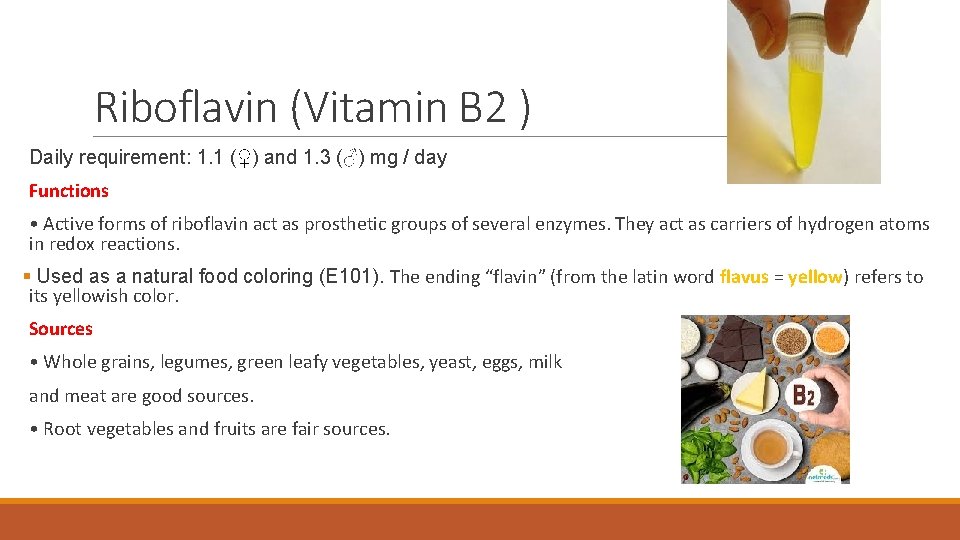
Riboflavin (Vitamin B 2 ) Daily requirement: 1. 1 (♀) and 1. 3 (♂) mg / day Functions • Active forms of riboflavin act as prosthetic groups of several enzymes. They act as carriers of hydrogen atoms in redox reactions. § Used as a natural food coloring (E 101). The ending “flavin” (from the latin word flavus = yellow) refers to its yellowish color. Sources • Whole grains, legumes, green leafy vegetables, yeast, eggs, milk and meat are good sources. • Root vegetables and fruits are fair sources.
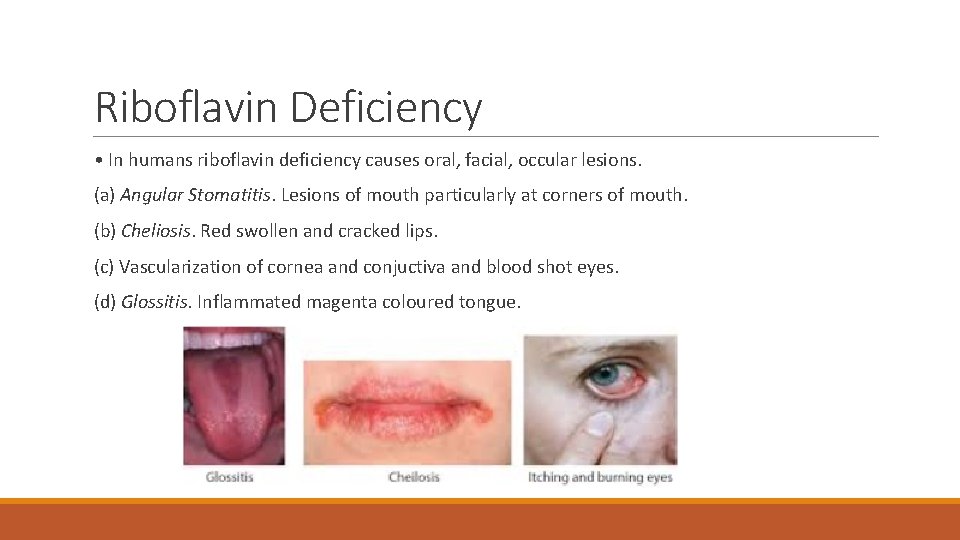
Riboflavin Deficiency • In humans riboflavin deficiency causes oral, facial, occular lesions. (a) Angular Stomatitis. Lesions of mouth particularly at corners of mouth. (b) Cheliosis. Red swollen and cracked lips. (c) Vascularization of cornea and conjuctiva and blood shot eyes. (d) Glossitis. Inflammated magenta coloured tongue.
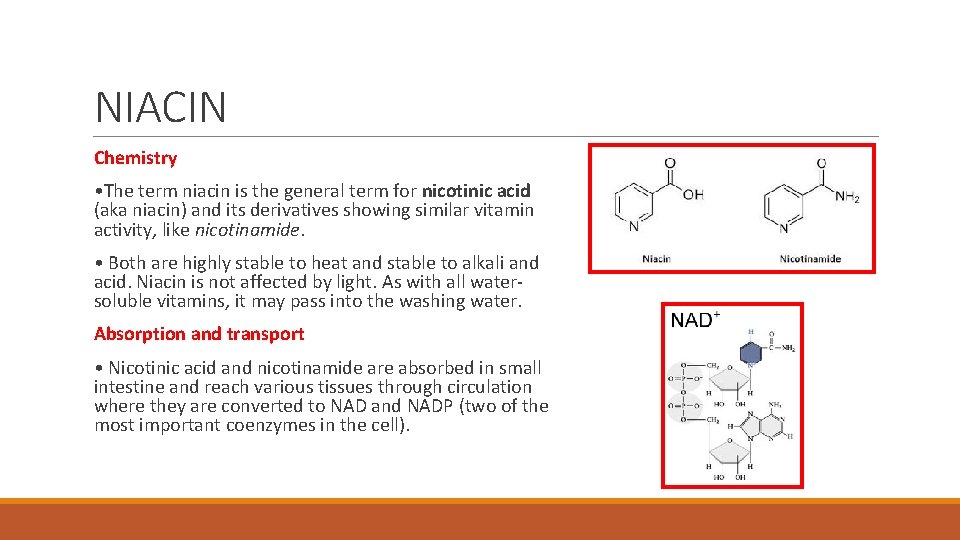
NIACIN Chemistry • The term niacin is the general term for nicotinic acid (aka niacin) and its derivatives showing similar vitamin activity, like nicotinamide. • Both are highly stable to heat and stable to alkali and acid. Niacin is not affected by light. As with all watersoluble vitamins, it may pass into the washing water. Absorption and transport • Nicotinic acid and nicotinamide are absorbed in small intestine and reach various tissues through circulation where they are converted to NAD and NADP (two of the most important coenzymes in the cell).
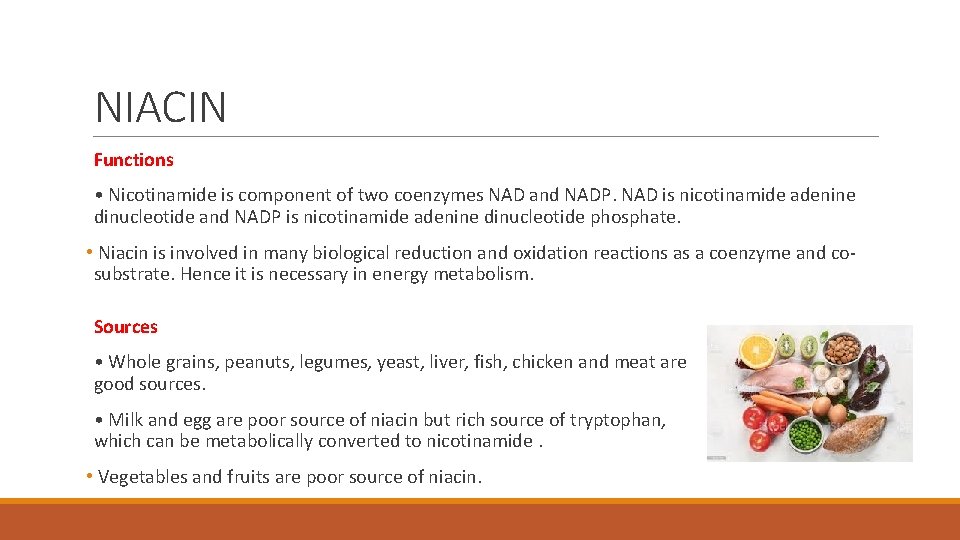
NIACIN Functions • Nicotinamide is component of two coenzymes NAD and NADP. NAD is nicotinamide adenine dinucleotide and NADP is nicotinamide adenine dinucleotide phosphate. • Niacin is involved in many biological reduction and oxidation reactions as a coenzyme and cosubstrate. Hence it is necessary in energy metabolism. Sources • Whole grains, peanuts, legumes, yeast, liver, fish, chicken and meat are good sources. • Milk and egg are poor source of niacin but rich source of tryptophan, which can be metabolically converted to nicotinamide. • Vegetables and fruits are poor source of niacin.
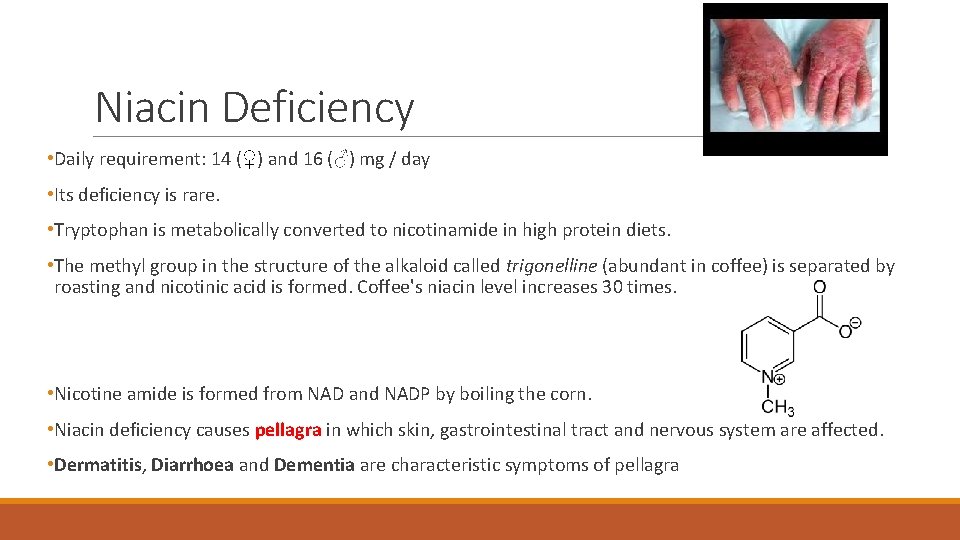
Niacin Deficiency • Daily requirement: 14 (♀) and 16 (♂) mg / day • Its deficiency is rare. • Tryptophan is metabolically converted to nicotinamide in high protein diets. • The methyl group in the structure of the alkaloid called trigonelline (abundant in coffee) is separated by roasting and nicotinic acid is formed. Coffee's niacin level increases 30 times. • Nicotine amide is formed from NAD and NADP by boiling the corn. • Niacin deficiency causes pellagra in which skin, gastrointestinal tract and nervous system are affected. • Dermatitis, Diarrhoea and Dementia are characteristic symptoms of pellagra
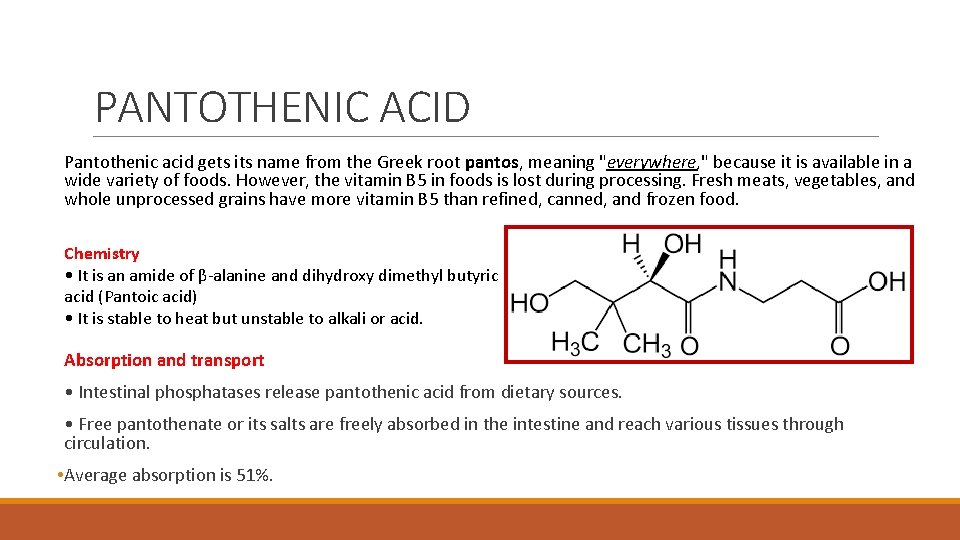
PANTOTHENIC ACID Pantothenic acid gets its name from the Greek root pantos, meaning "everywhere, " because it is available in a wide variety of foods. However, the vitamin B 5 in foods is lost during processing. Fresh meats, vegetables, and whole unprocessed grains have more vitamin B 5 than refined, canned, and frozen food. Chemistry • It is an amide of β-alanine and dihydroxy dimethyl butyric acid (Pantoic acid) • It is stable to heat but unstable to alkali or acid. Absorption and transport • Intestinal phosphatases release pantothenic acid from dietary sources. • Free pantothenate or its salts are freely absorbed in the intestine and reach various tissues through circulation. • Average absorption is 51%.
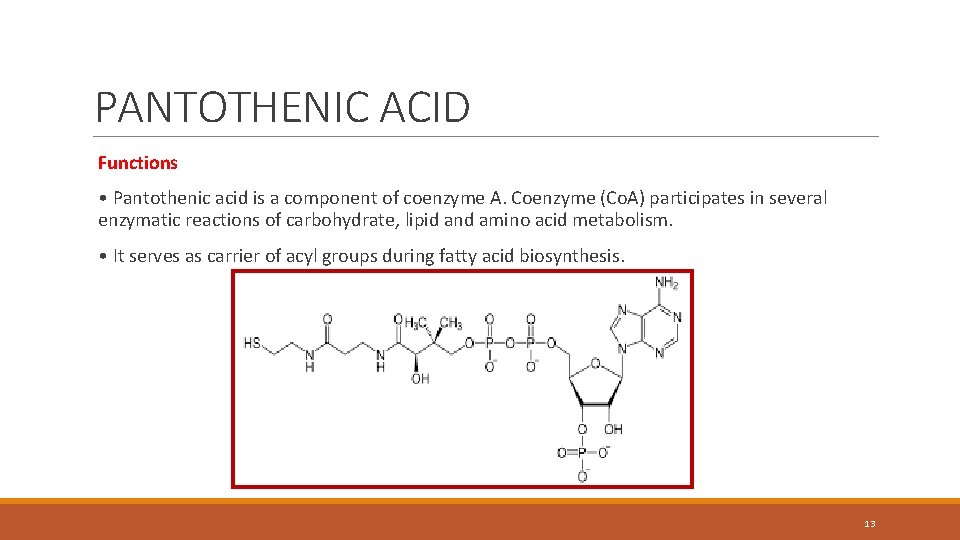
PANTOTHENIC ACID Functions • Pantothenic acid is a component of coenzyme A. Coenzyme (Co. A) participates in several enzymatic reactions of carbohydrate, lipid and amino acid metabolism. • It serves as carrier of acyl groups during fatty acid biosynthesis. 13
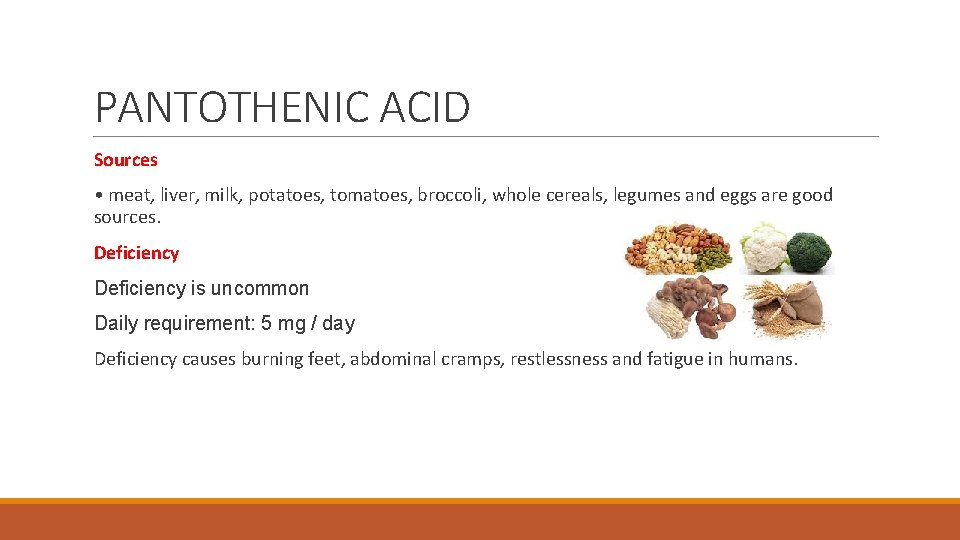
PANTOTHENIC ACID Sources • meat, liver, milk, potatoes, tomatoes, broccoli, whole cereals, legumes and eggs are good sources. Deficiency is uncommon Daily requirement: 5 mg / day Deficiency causes burning feet, abdominal cramps, restlessness and fatigue in humans.
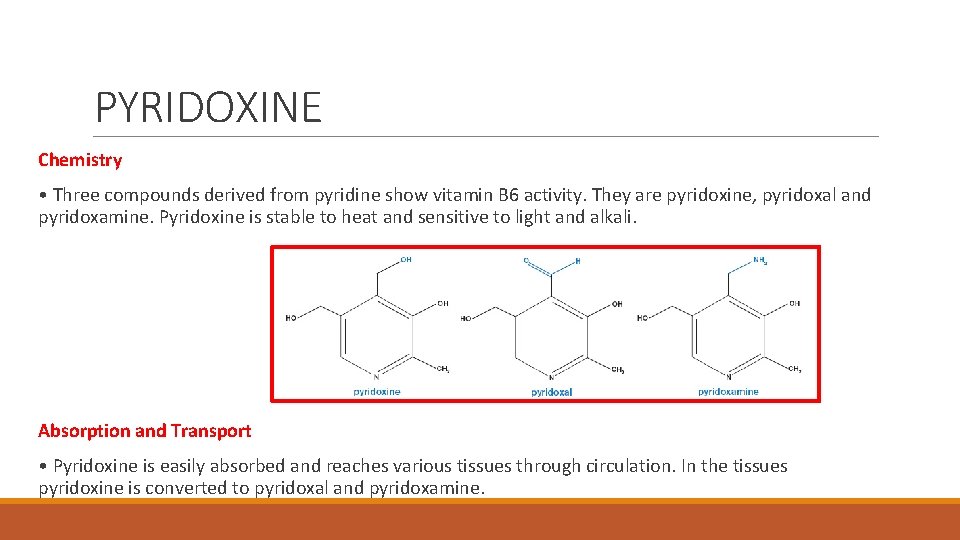
PYRIDOXINE Chemistry • Three compounds derived from pyridine show vitamin B 6 activity. They are pyridoxine, pyridoxal and pyridoxamine. Pyridoxine is stable to heat and sensitive to light and alkali. Absorption and Transport • Pyridoxine is easily absorbed and reaches various tissues through circulation. In the tissues pyridoxine is converted to pyridoxal and pyridoxamine.
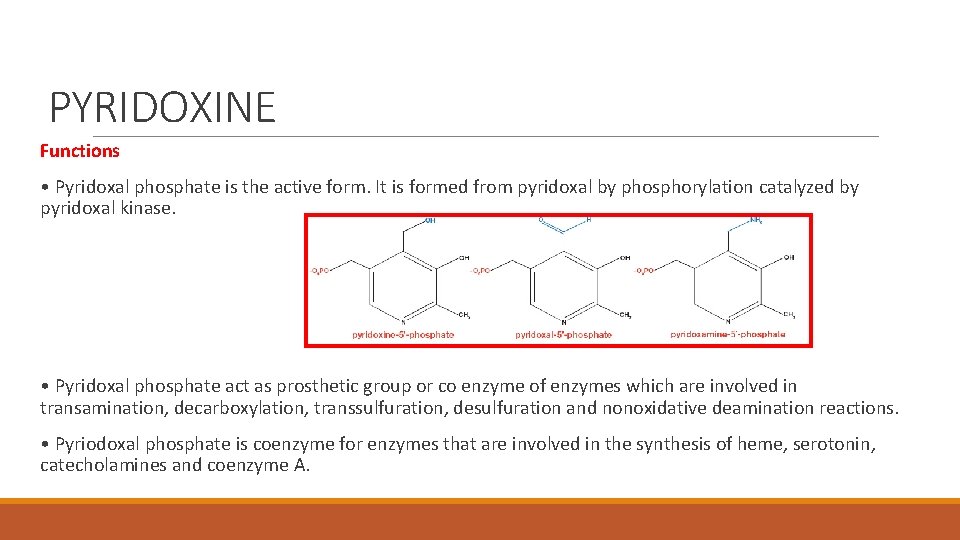
PYRIDOXINE Functions • Pyridoxal phosphate is the active form. It is formed from pyridoxal by phosphorylation catalyzed by pyridoxal kinase. • Pyridoxal phosphate act as prosthetic group or co enzyme of enzymes which are involved in transamination, decarboxylation, transsulfuration, desulfuration and nonoxidative deamination reactions. • Pyriodoxal phosphate is coenzyme for enzymes that are involved in the synthesis of heme, serotonin, catecholamines and coenzyme A.
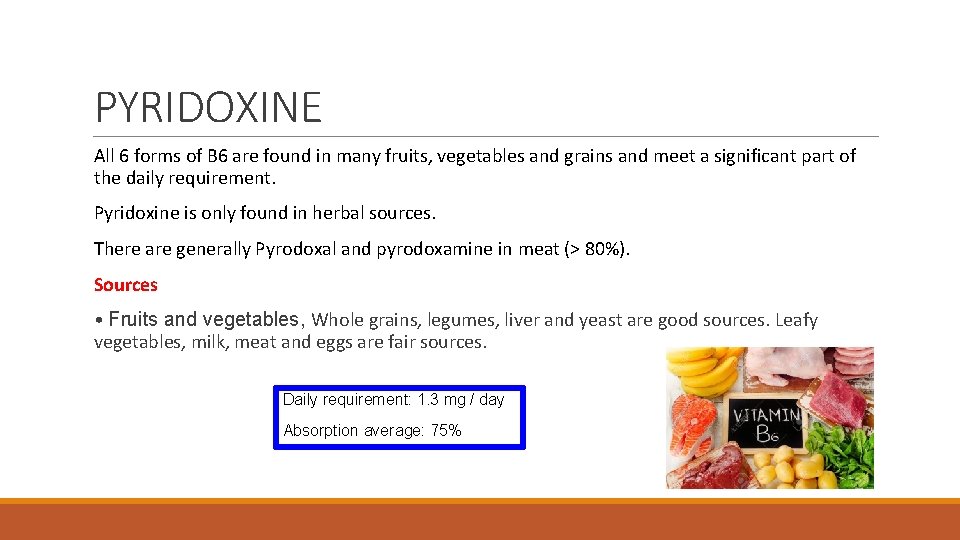
PYRIDOXINE All 6 forms of B 6 are found in many fruits, vegetables and grains and meet a significant part of the daily requirement. Pyridoxine is only found in herbal sources. There are generally Pyrodoxal and pyrodoxamine in meat (> 80%). Sources • Fruits and vegetables, Whole grains, legumes, liver and yeast are good sources. Leafy vegetables, milk, meat and eggs are fair sources. Daily requirement: 1. 3 mg / day Absorption average: 75%
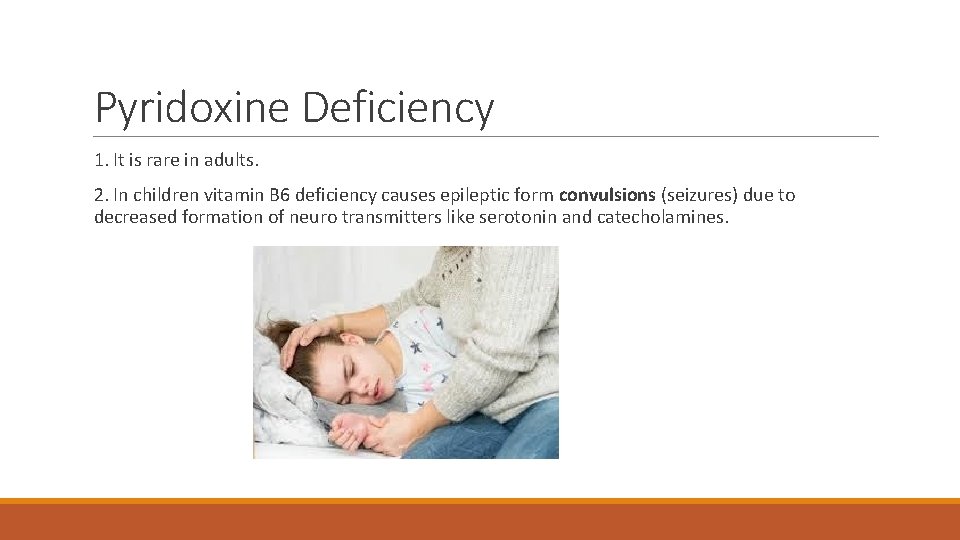
Pyridoxine Deficiency 1. It is rare in adults. 2. In children vitamin B 6 deficiency causes epileptic form convulsions (seizures) due to decreased formation of neuro transmitters like serotonin and catecholamines.
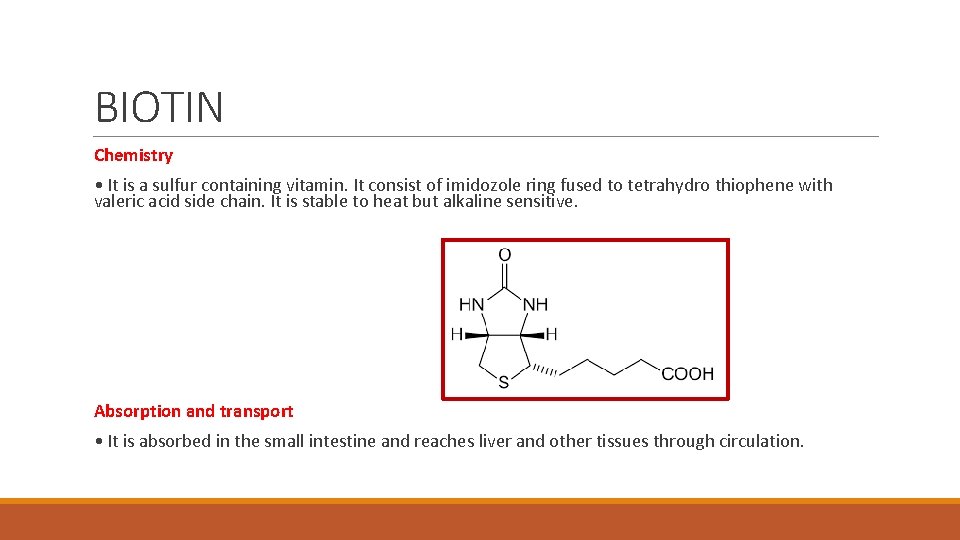
BIOTIN Chemistry • It is a sulfur containing vitamin. It consist of imidozole ring fused to tetrahydro thiophene with valeric acid side chain. It is stable to heat but alkaline sensitive. Absorption and transport • It is absorbed in the small intestine and reaches liver and other tissues through circulation.
BIOTIN Function The name biotin derives from the Greek word “bios” (to live). • It plays a role in carboxylation and transcarboxylation reactions. Biotin is prosthetic groups of several carboxylases like pyruvate carboxylase, acetyl-Co. A carboxylase, etc. • It acts as a coenzyme in the synthesis of fat, glucogen and amino acids. • In carboxylation reaction it acts as a carrier of CO 2 Stability: Biotin is very common in nature and its deficiency is very rare. Stable to heat, light and oxygen. Extremely high and low p. Hs cause deterioration.
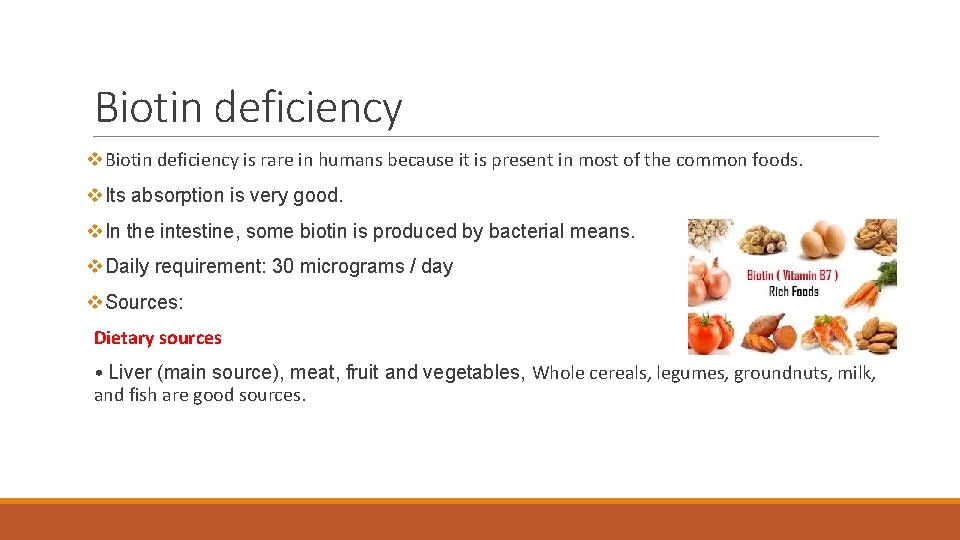
Biotin deficiency v. Biotin deficiency is rare in humans because it is present in most of the common foods. v. Its absorption is very good. v. In the intestine, some biotin is produced by bacterial means. v. Daily requirement: 30 micrograms / day v. Sources: Dietary sources • Liver (main source), meat, fruit and vegetables, Whole cereals, legumes, groundnuts, milk, and fish are good sources.
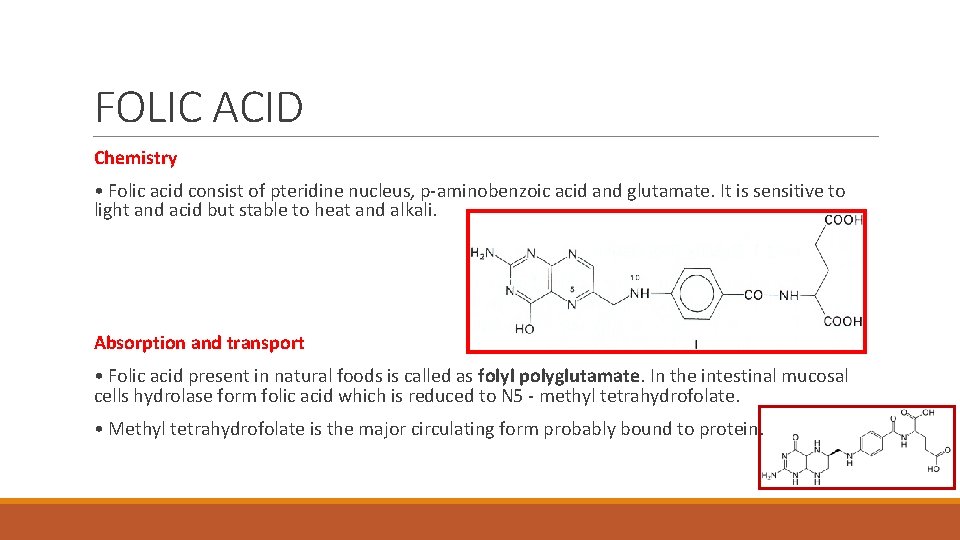
FOLIC ACID Chemistry • Folic acid consist of pteridine nucleus, p-aminobenzoic acid and glutamate. It is sensitive to light and acid but stable to heat and alkali. Absorption and transport • Folic acid present in natural foods is called as folyl polyglutamate. In the intestinal mucosal cells hydrolase form folic acid which is reduced to N 5 - methyl tetrahydrofolate. • Methyl tetrahydrofolate is the major circulating form probably bound to protein.
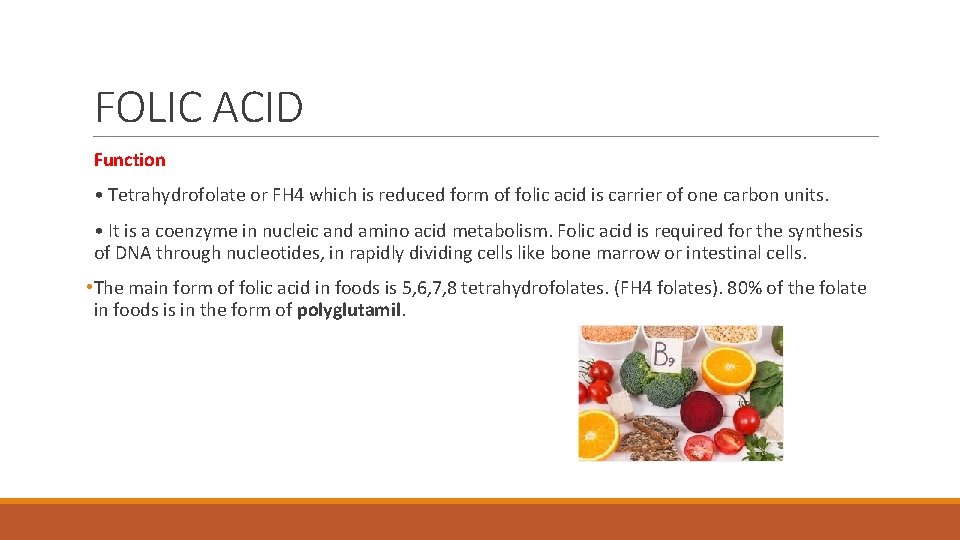
FOLIC ACID Function • Tetrahydrofolate or FH 4 which is reduced form of folic acid is carrier of one carbon units. • It is a coenzyme in nucleic and amino acid metabolism. Folic acid is required for the synthesis of DNA through nucleotides, in rapidly dividing cells like bone marrow or intestinal cells. • The main form of folic acid in foods is 5, 6, 7, 8 tetrahydrofolates. (FH 4 folates). 80% of the folate in foods is in the form of polyglutamil.
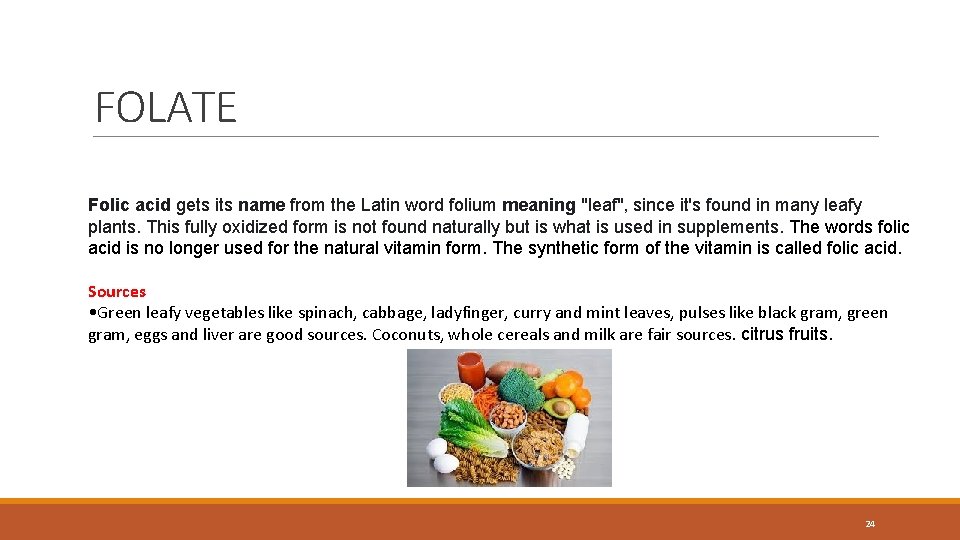
FOLATE Folic acid gets its name from the Latin word folium meaning "leaf", since it's found in many leafy plants. This fully oxidized form is not found naturally but is what is used in supplements. The words folic acid is no longer used for the natural vitamin form. The synthetic form of the vitamin is called folic acid. Sources • Green leafy vegetables like spinach, cabbage, ladyfinger, curry and mint leaves, pulses like black gram, green gram, eggs and liver are good sources. Coconuts, whole cereals and milk are fair sources. citrus fruits. 24
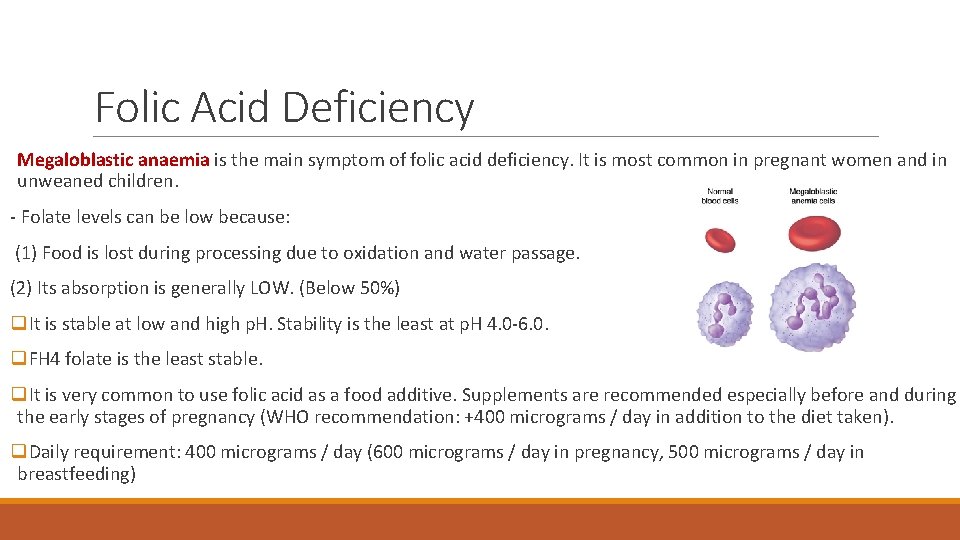
Folic Acid Deficiency Megaloblastic anaemia is the main symptom of folic acid deficiency. It is most common in pregnant women and in unweaned children. - Folate levels can be low because: (1) Food is lost during processing due to oxidation and water passage. (2) Its absorption is generally LOW. (Below 50%) q. It is stable at low and high p. H. Stability is the least at p. H 4. 0 -6. 0. q. FH 4 folate is the least stable. q. It is very common to use folic acid as a food additive. Supplements are recommended especially before and during the early stages of pregnancy (WHO recommendation: +400 micrograms / day in addition to the diet taken). q. Daily requirement: 400 micrograms / day (600 micrograms / day in pregnancy, 500 micrograms / day in breastfeeding)
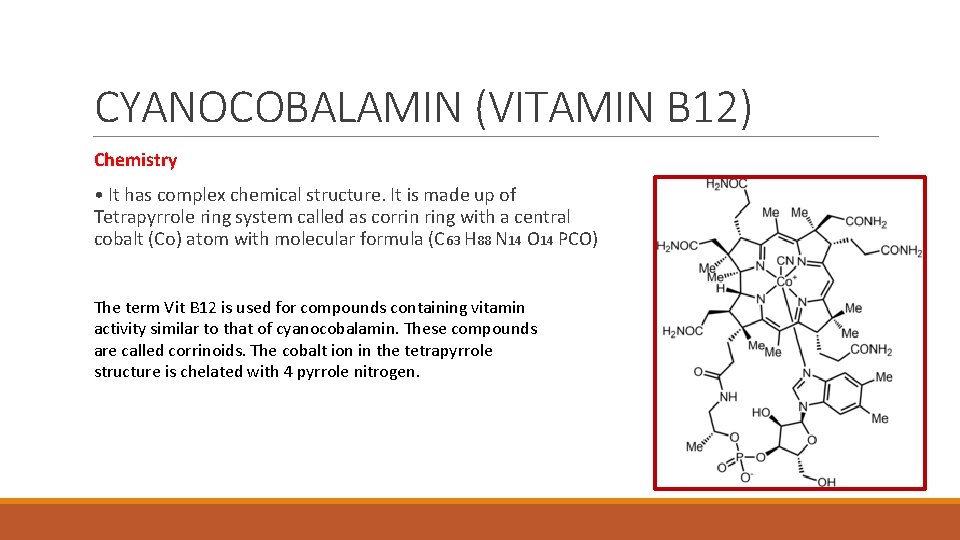
CYANOCOBALAMIN (VITAMIN B 12) Chemistry • It has complex chemical structure. It is made up of Tetrapyrrole ring system called as corrin ring with a central cobalt (Co) atom with molecular formula (C 63 H 88 N 14 O 14 PCO) The term Vit B 12 is used for compounds containing vitamin activity similar to that of cyanocobalamin. These compounds are called corrinoids. The cobalt ion in the tetrapyrrole structure is chelated with 4 pyrrole nitrogen.
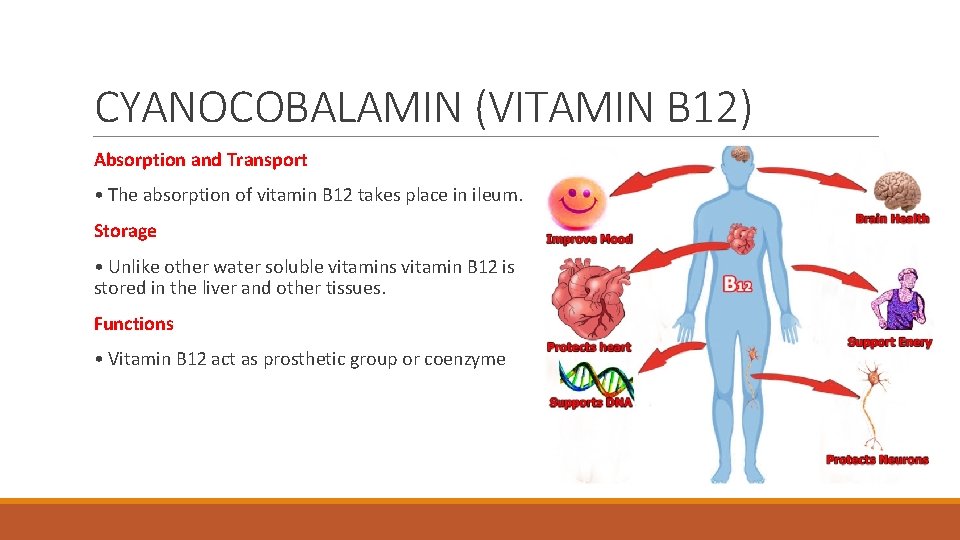
CYANOCOBALAMIN (VITAMIN B 12) Absorption and Transport • The absorption of vitamin B 12 takes place in ileum. Storage • Unlike other water soluble vitamins vitamin B 12 is stored in the liver and other tissues. Functions • Vitamin B 12 act as prosthetic group or coenzyme
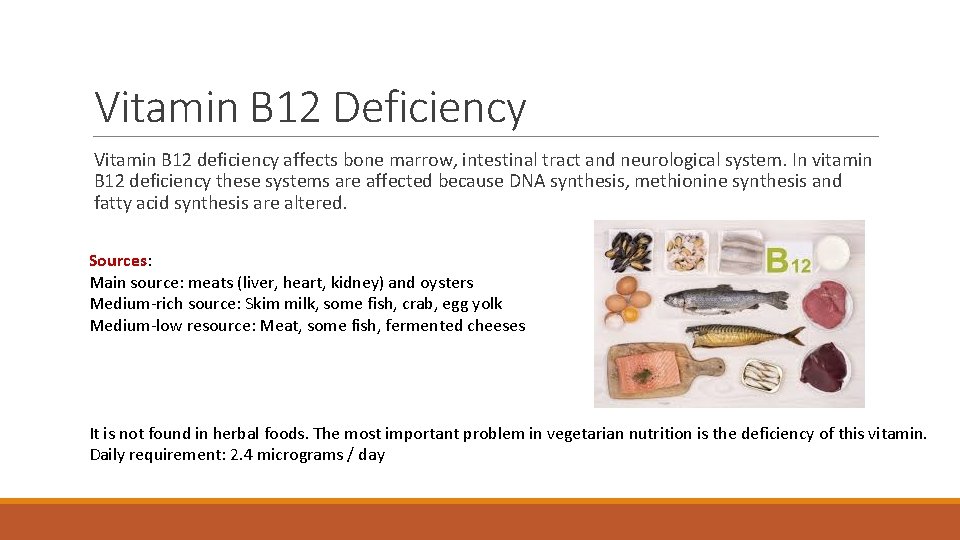
Vitamin B 12 Deficiency Vitamin B 12 deficiency affects bone marrow, intestinal tract and neurological system. In vitamin B 12 deficiency these systems are affected because DNA synthesis, methionine synthesis and fatty acid synthesis are altered. Sources: Main source: meats (liver, heart, kidney) and oysters Medium-rich source: Skim milk, some fish, crab, egg yolk Medium-low resource: Meat, some fish, fermented cheeses It is not found in herbal foods. The most important problem in vegetarian nutrition is the deficiency of this vitamin. Daily requirement: 2. 4 micrograms / day
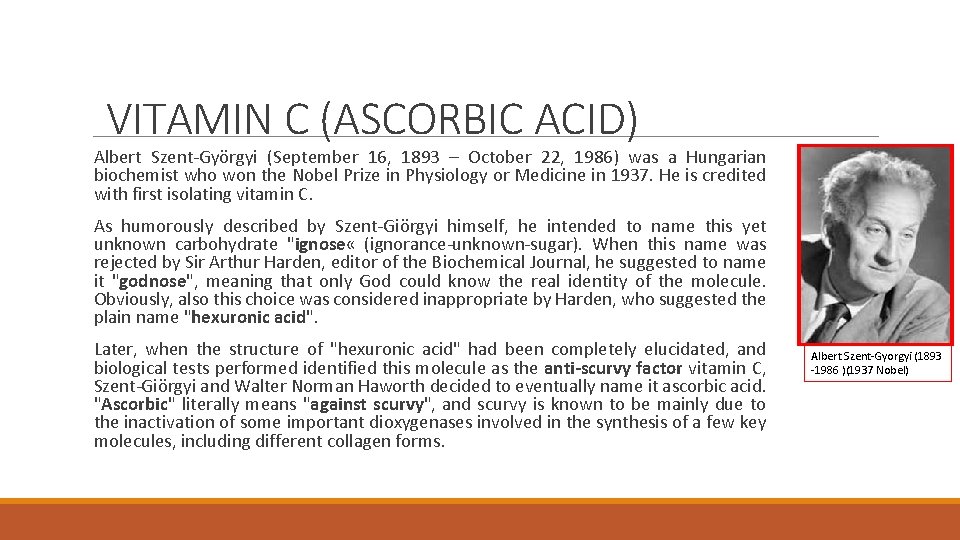
VITAMIN C (ASCORBIC ACID) Albert Szent-Györgyi (September 16, 1893 – October 22, 1986) was a Hungarian biochemist who won the Nobel Prize in Physiology or Medicine in 1937. He is credited with first isolating vitamin C. As humorously described by Szent-Giörgyi himself, he intended to name this yet unknown carbohydrate "ignose « (ignorance-unknown-sugar). When this name was rejected by Sir Arthur Harden, editor of the Biochemical Journal, he suggested to name it "godnose", meaning that only God could know the real identity of the molecule. Obviously, also this choice was considered inappropriate by Harden, who suggested the plain name "hexuronic acid". Later, when the structure of "hexuronic acid" had been completely elucidated, and biological tests performed identified this molecule as the anti-scurvy factor vitamin C, Szent-Giörgyi and Walter Norman Haworth decided to eventually name it ascorbic acid. "Ascorbic" literally means "against scurvy", and scurvy is known to be mainly due to the inactivation of some important dioxygenases involved in the synthesis of a few key molecules, including different collagen forms. Albert Szent-Gyorgyi (1893 -1986 )(1937 Nobel)
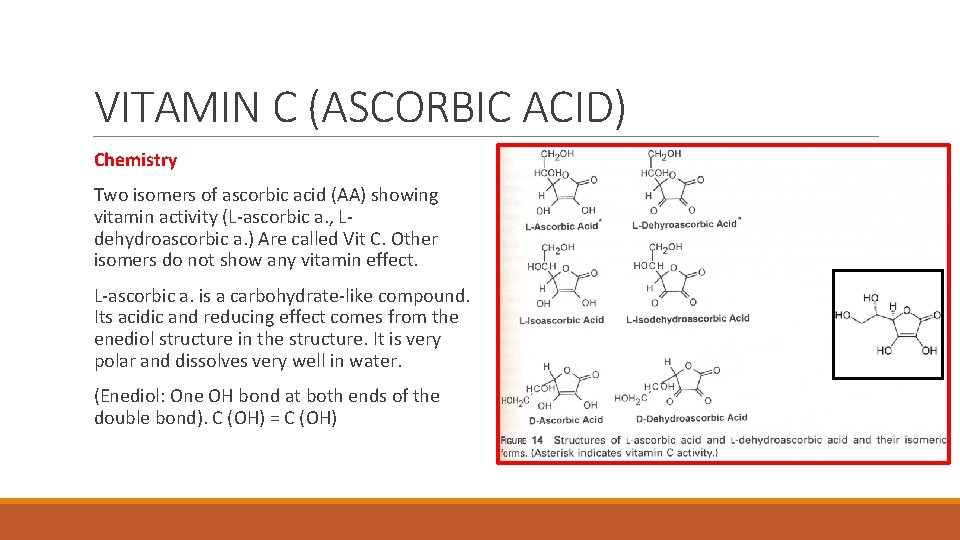
VITAMIN C (ASCORBIC ACID) Chemistry Two isomers of ascorbic acid (AA) showing vitamin activity (L-ascorbic a. , Ldehydroascorbic a. ) Are called Vit C. Other isomers do not show any vitamin effect. L-ascorbic a. is a carbohydrate-like compound. Its acidic and reducing effect comes from the enediol structure in the structure. It is very polar and dissolves very well in water. (Enediol: One OH bond at both ends of the double bond). C (OH) = C (OH)
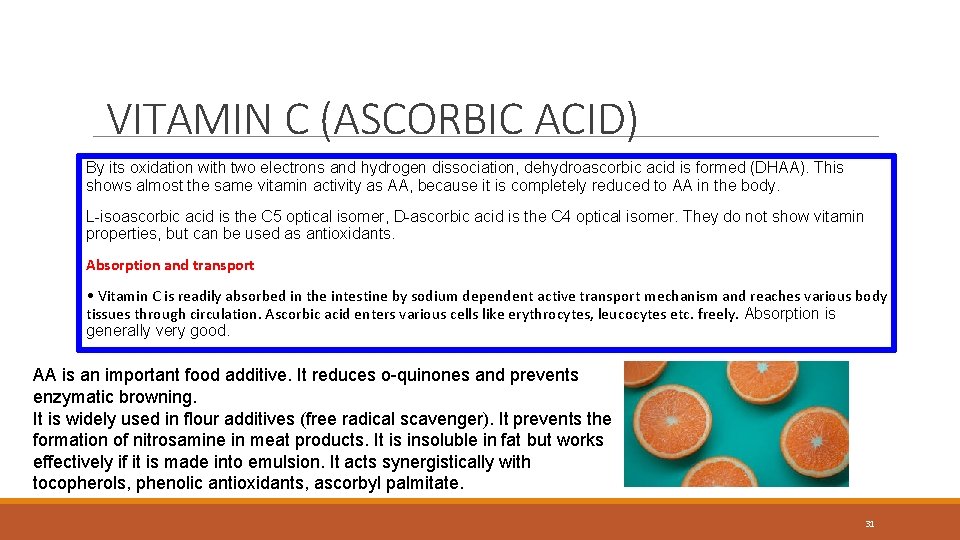
VITAMIN C (ASCORBIC ACID) By its oxidation with two electrons and hydrogen dissociation, dehydroascorbic acid is formed (DHAA). This shows almost the same vitamin activity as AA, because it is completely reduced to AA in the body. L-isoascorbic acid is the C 5 optical isomer, D-ascorbic acid is the C 4 optical isomer. They do not show vitamin properties, but can be used as antioxidants. Absorption and transport • Vitamin C is readily absorbed in the intestine by sodium dependent active transport mechanism and reaches various body tissues through circulation. Ascorbic acid enters various cells like erythrocytes, leucocytes etc. freely. Absorption is generally very good. AA is an important food additive. It reduces o-quinones and prevents enzymatic browning. It is widely used in flour additives (free radical scavenger). It prevents the formation of nitrosamine in meat products. It is insoluble in fat but works effectively if it is made into emulsion. It acts synergistically with tocopherols, phenolic antioxidants, ascorbyl palmitate. 31
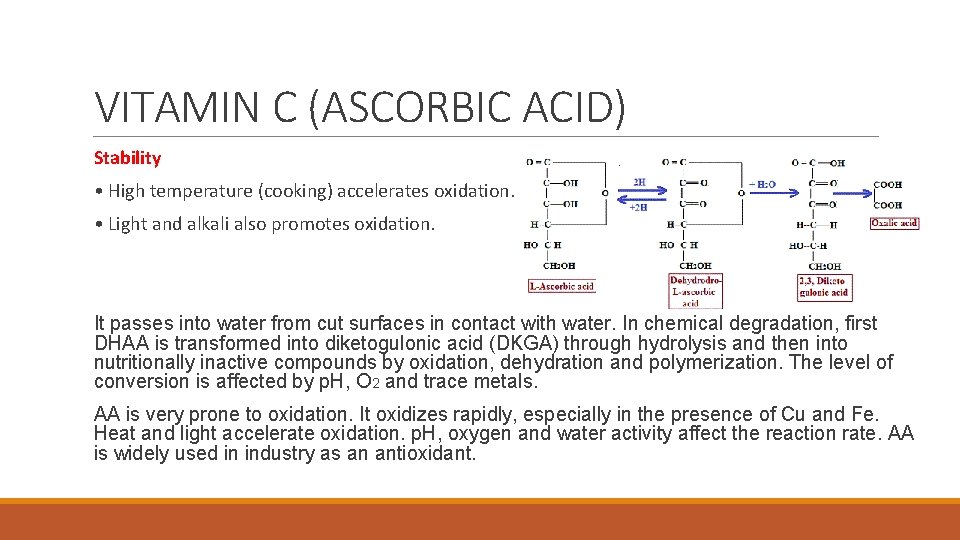
VITAMIN C (ASCORBIC ACID) Stability • High temperature (cooking) accelerates oxidation. • Light and alkali also promotes oxidation. It passes into water from cut surfaces in contact with water. In chemical degradation, first DHAA is transformed into diketogulonic acid (DKGA) through hydrolysis and then into nutritionally inactive compounds by oxidation, dehydration and polymerization. The level of conversion is affected by p. H, O 2 and trace metals. AA is very prone to oxidation. It oxidizes rapidly, especially in the presence of Cu and Fe. Heat and light accelerate oxidation. p. H, oxygen and water activity affect the reaction rate. AA is widely used in industry as an antioxidant.
VITAMIN C (ASCORBIC ACID) Functions 1. Ascorbic acid act as antioxidant. It is free radical scavenger. Since it is a strong reducing agent it protects carotenes, vitamin E and other B vitamins of dietary origin from oxidation. 2. It is required for the hydroxylation of proline and lysine residues of collagen. Since collagen is component of ground substance of capillaries, bone and teeth, vitamin C is required for proper bone and teeth formation also. 3. It participates in hydroxylation reactions of steroid biosynthesis. 4. In the liver bile acid synthesis requires ascorbic acid
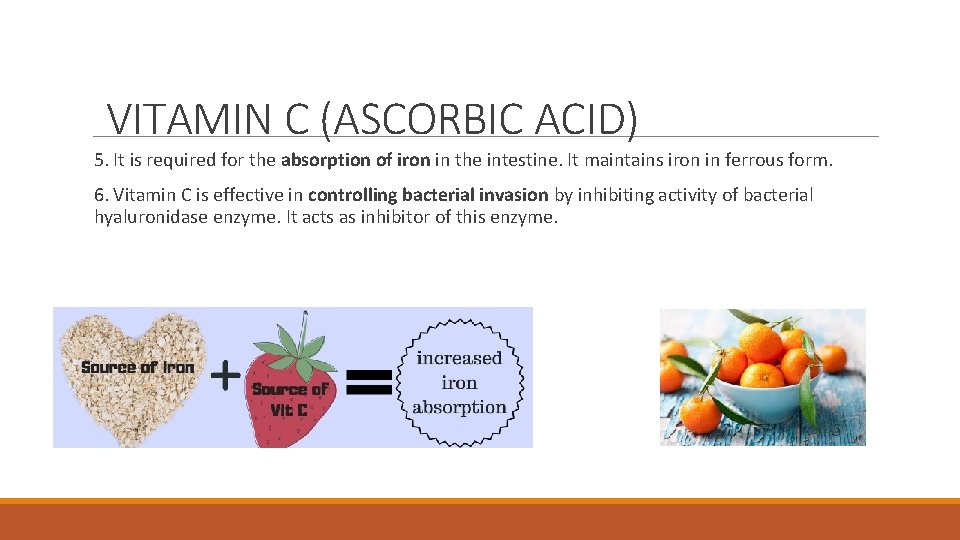
VITAMIN C (ASCORBIC ACID) 5. It is required for the absorption of iron in the intestine. It maintains iron in ferrous form. 6. Vitamin C is effective in controlling bacterial invasion by inhibiting activity of bacterial hyaluronidase enzyme. It acts as inhibitor of this enzyme.
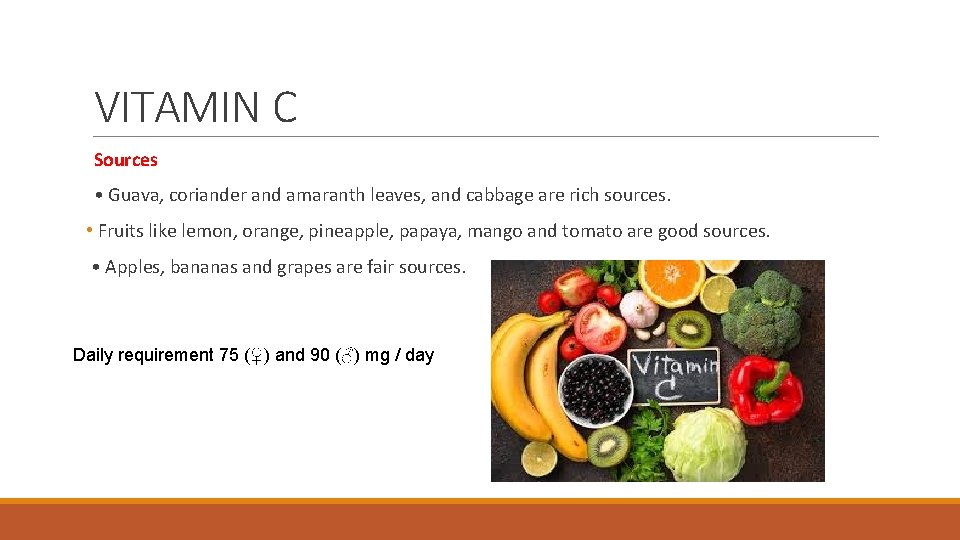
VITAMIN C Sources • Guava, coriander and amaranth leaves, and cabbage are rich sources. • Fruits like lemon, orange, pineapple, papaya, mango and tomato are good sources. • Apples, bananas and grapes are fair sources. Daily requirement 75 (♀) and 90 (♂) mg / day
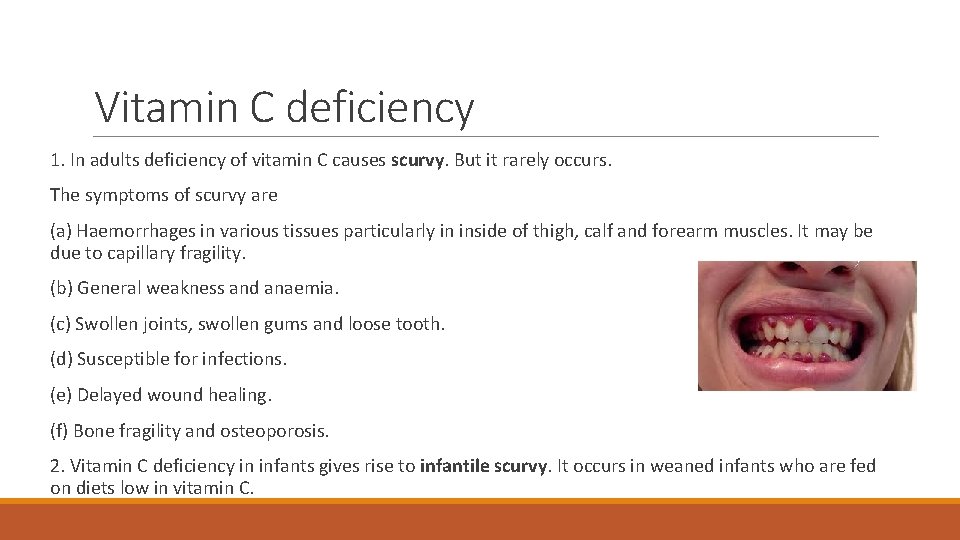
Vitamin C deficiency 1. In adults deficiency of vitamin C causes scurvy. But it rarely occurs. The symptoms of scurvy are (a) Haemorrhages in various tissues particularly in inside of thigh, calf and forearm muscles. It may be due to capillary fragility. (b) General weakness and anaemia. (c) Swollen joints, swollen gums and loose tooth. (d) Susceptible for infections. (e) Delayed wound healing. (f) Bone fragility and osteoporosis. 2. Vitamin C deficiency in infants gives rise to infantile scurvy. It occurs in weaned infants who are fed on diets low in vitamin C.
- Slides: 37