
Water Proofing Col Retd Harry Sidhu FIE B
Water Proofing
Col (Retd) Harry Sidhu, FIE B. Sc Engg (Civil), M Tech (Structures) LM ICI, LM ISWE, LM ISCMS, LM ISET Chartered Engineer
• Ex Additional Chief Engineer, Chandigarh Zone • Ex Technical Advisor to ‘MC Bauchemie (I) Pvt Ltd’ & ‘Mc. Coy Silicones’ • Visiting Faculty to ‘National Technical Teachers Training & Research Institute’, Chandigarh for PG Students
• Column Expert on Waterproofing: HT Estates, Hindustan Times, Delhi & Chandigarh • Ex Consultant to Chandigarh Administration on Waterproofing • Ex Consultant to CE Chandigarh Zone (MES) on Waterproofing • Ex Consultant to CE Bhatinda Zone (MES) on Waterproofing

• External Examiner for M. Tech/ ME Students IIT Mumbai, Punjab University & TIET Patiala (Deemed to be University) • Consultant for Structural Design, Rehabilitation and Waterproofing • Consultant for Soil & Civil Material Testing
What is Damp Proofing? DAMP PROOFING IS ACTUALLY THE MANAGEMENT OF WATER: THE ART OF MAKING FLOW OF WATER EASIER, KEEPING INSIDE WATER IN & OUTSIDE WATER OUT
Waterproofing/Damp proofing!! Treatment of a Surface or Structure to prevent passage of water in the: Presence of Hydrostatic Pressure - Waterproofing Absence of Hydrostatic Pressure - Damp Proofing As per ACI Committee 515
Sources of Leakage/Dampness Roofs & Terraces Parapet & Roof Junction Crumple Joints Sunken Floors
Sources of Leakage/Dampness Defective DPC Porous Masonry, RWP’s, Chajjas, Window Cills etc Leaking Water meters, Service Tanks, pipes etc
Roofs
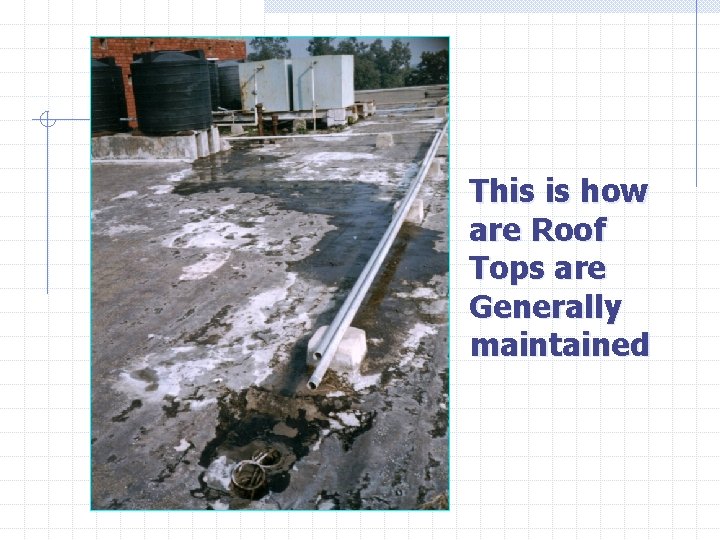
This is how are Roof Tops are Generally maintained
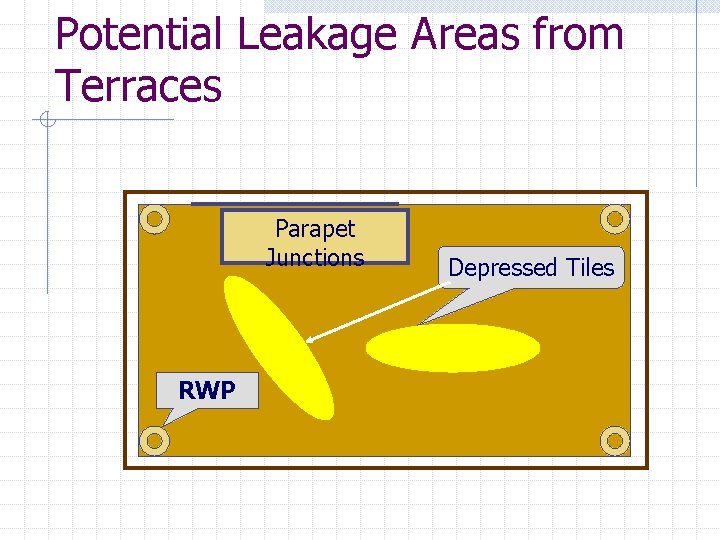
Potential Leakage Areas from Terraces Parapet Junctions RWP Depressed Tiles
Crumple Joints
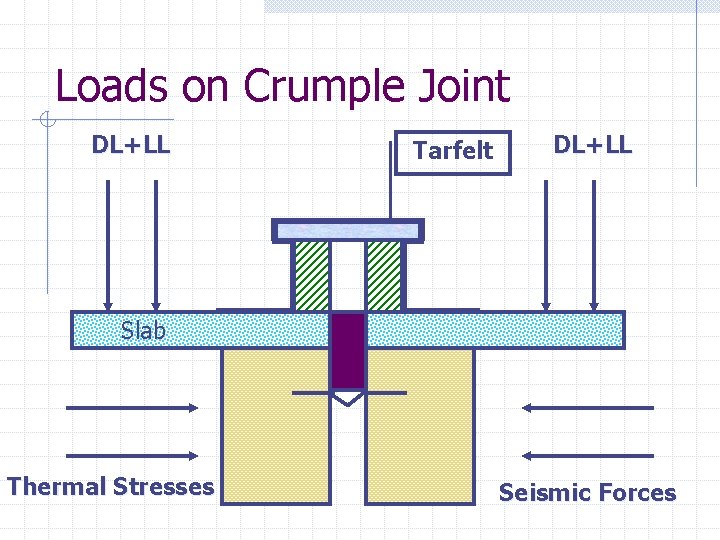
Loads on Crumple Joint DL+LL Tarfelt DL+LL Slab Thermal Stresses Seismic Forces
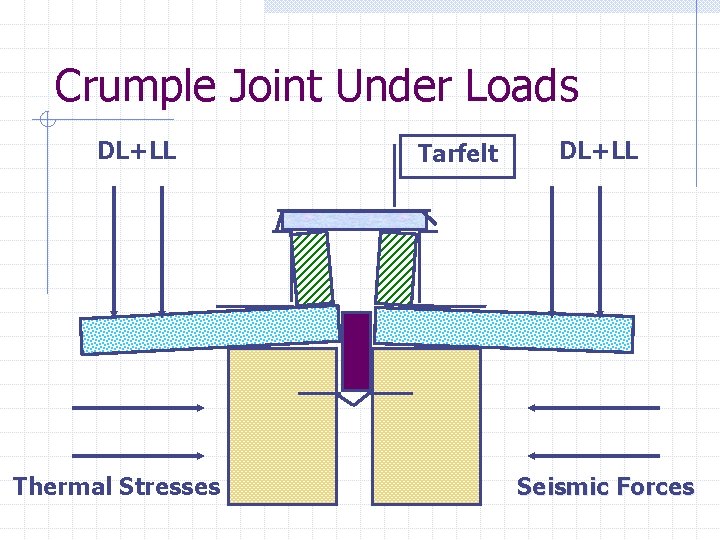
Crumple Joint Under Loads DL+LL Tarfelt DL+LL Slab Thermal Stresses Seismic Forces
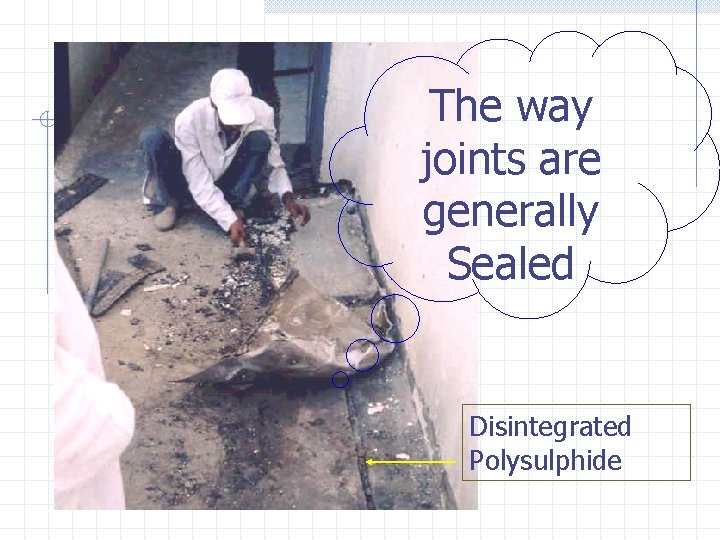
The way joints are generally Sealed Disintegrated Polysulphide
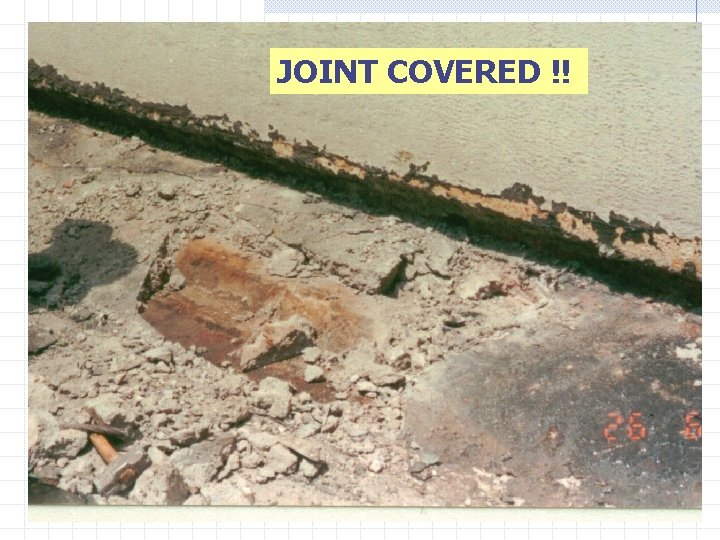
JOINT COVERED !!
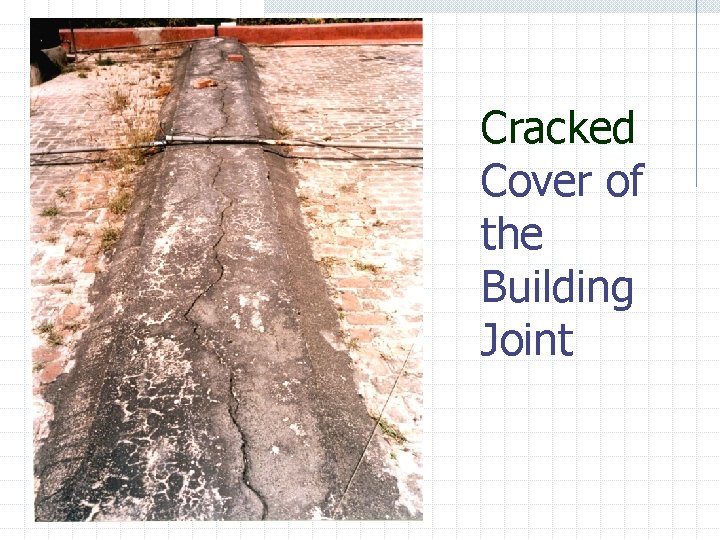
Cracked Cover of the Building Joint
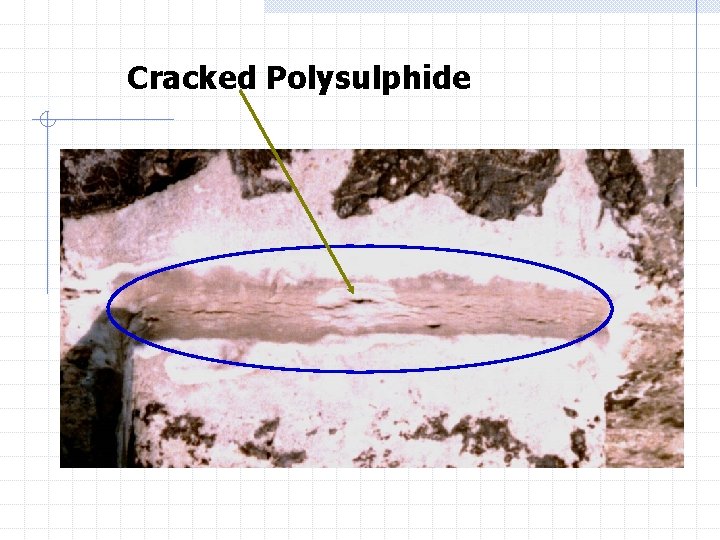
Cracked Polysulphide
Wet Areas
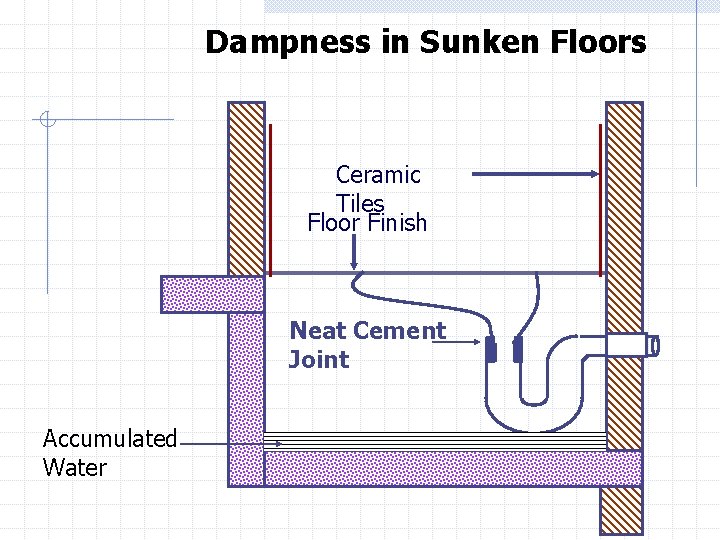
Dampness in Sunken Floors Ceramic Tiles Floor Finish Neat Cement Joint Accumulated Water
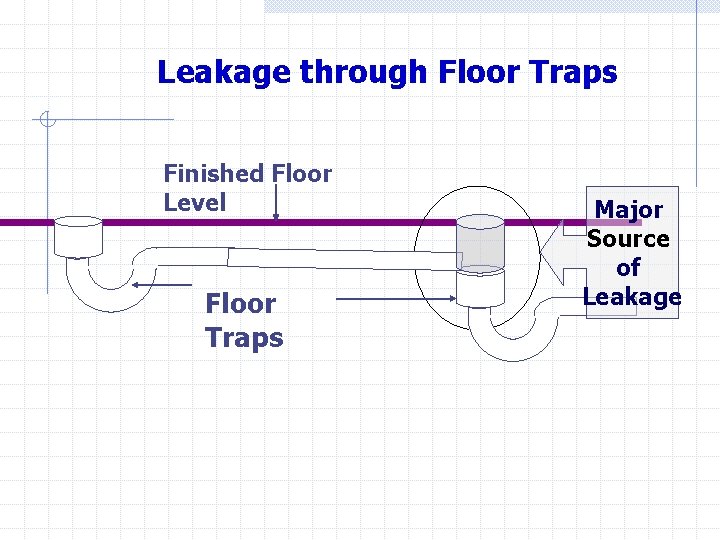
Leakage through Floor Traps Finished Floor Level Floor Traps Major Source of Leakage
RISING DAMPNESS IN WALLS
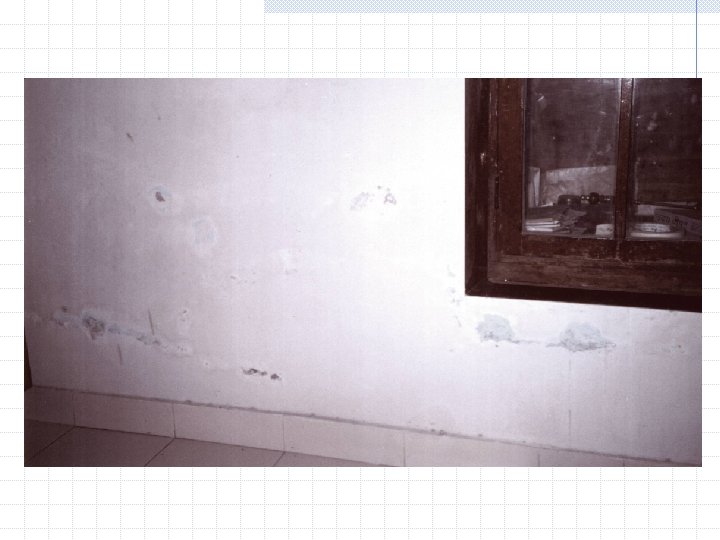
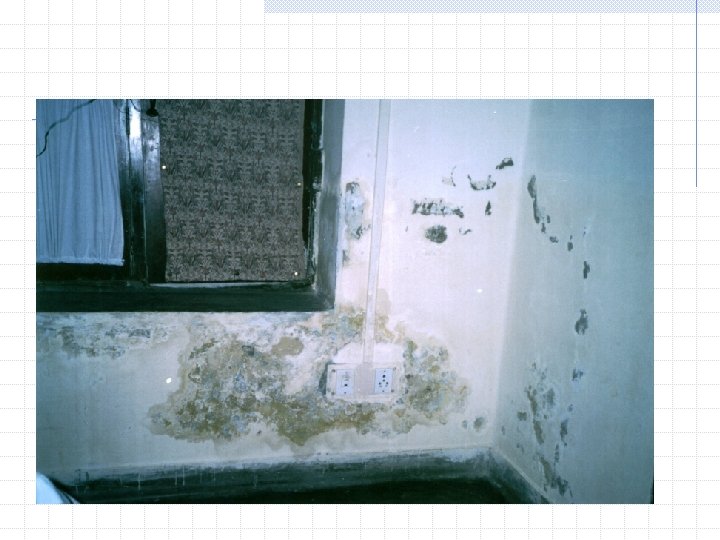
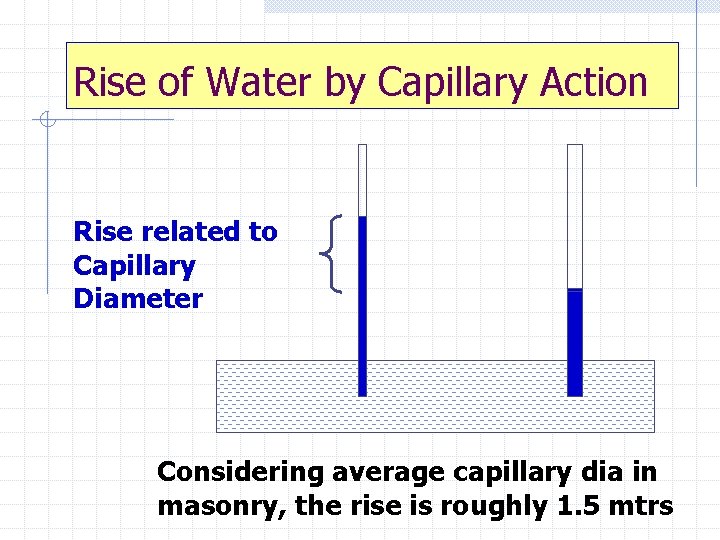
Rise of Water by Capillary Action Rise related to Capillary Diameter Considering average capillary dia in masonry, the rise is roughly 1. 5 mtrs
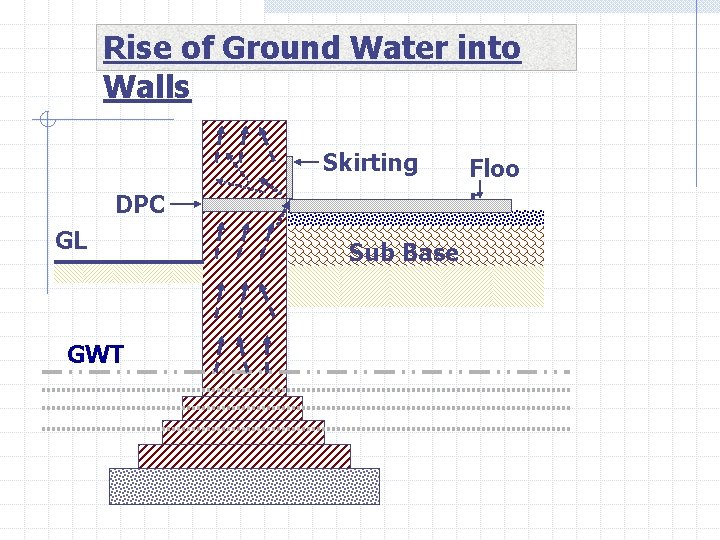
Rise of Ground Water into Walls Skirting DPC GL GWT Sub Base Floo r
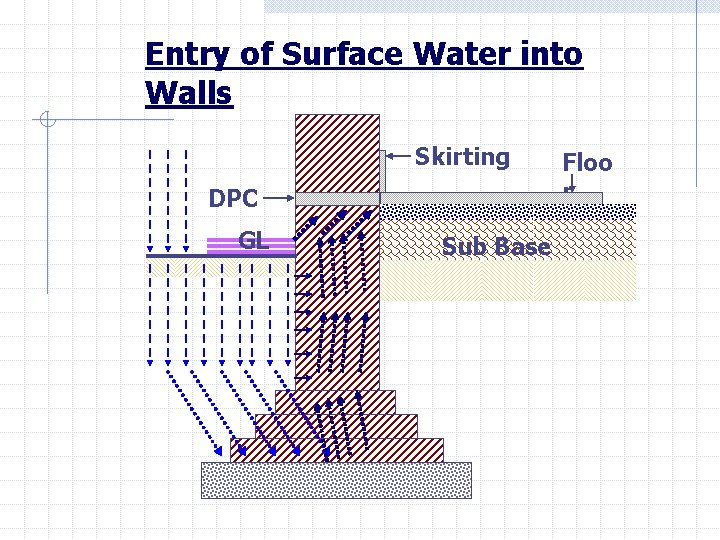
Entry of Surface Water into Walls Skirting DPC GL Sub Base Floo r
Water Proof Water Repellent
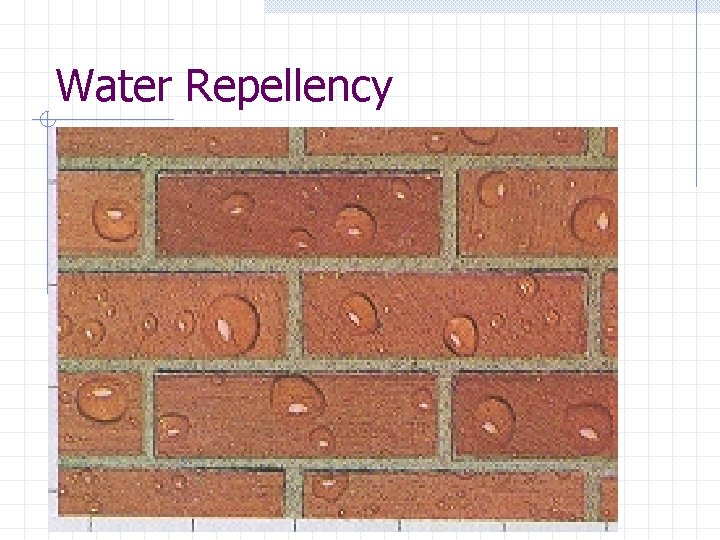
Water Repellency
Major Cause of Porosity Uncontrolled Water Cement Ratio
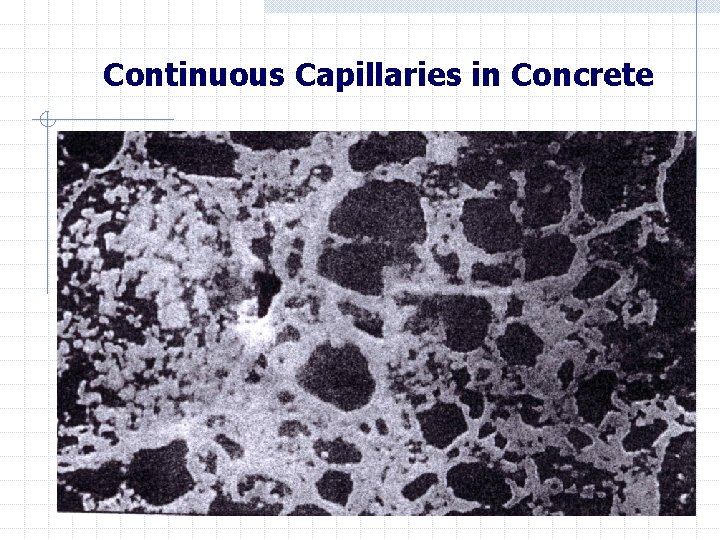
Continuous Capillaries in Concrete
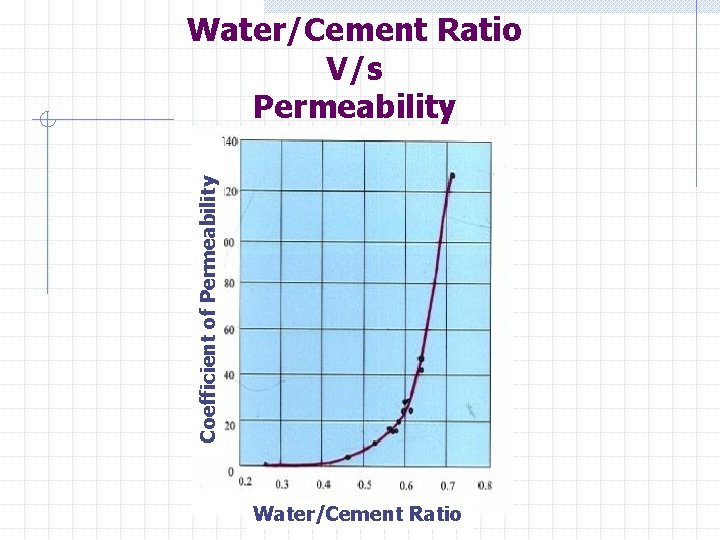
Coefficient of Permeability Water/Cement Ratio V/s Permeability Water/Cement Ratio
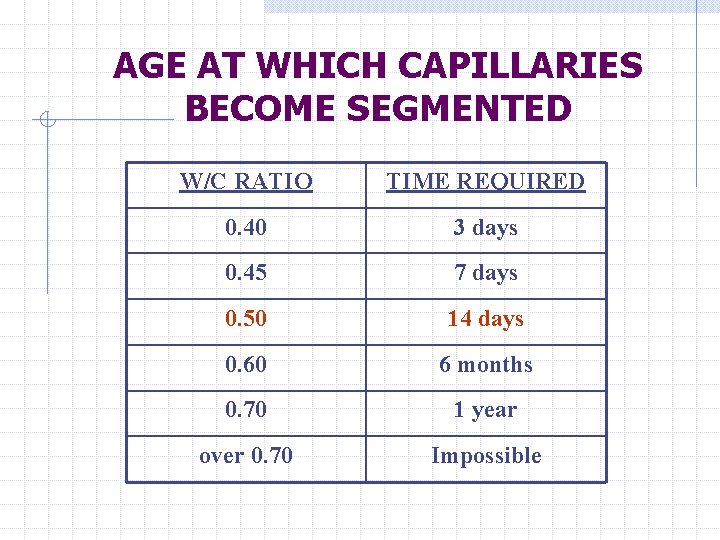
AGE AT WHICH CAPILLARIES BECOME SEGMENTED W/C RATIO TIME REQUIRED 0. 40 3 days 0. 45 7 days 0. 50 14 days 0. 60 6 months 0. 70 1 year over 0. 70 Impossible
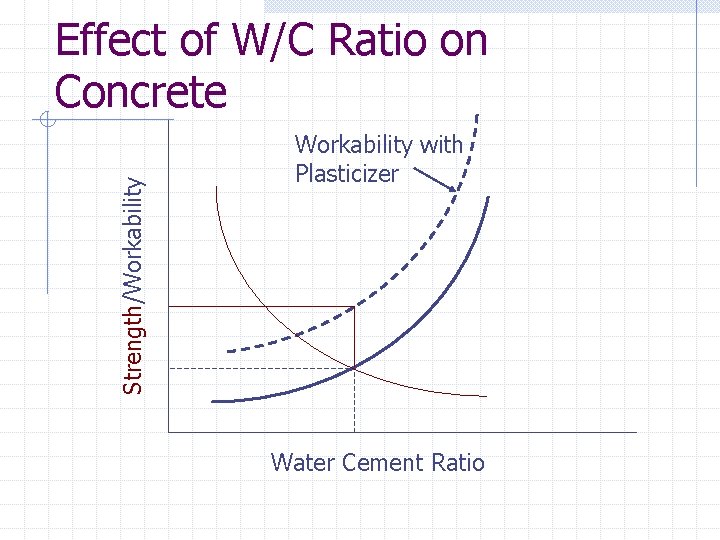
Strength/Workability Effect of W/C Ratio on Concrete Workability with Plasticizer Water Cement Ratio
Water Cement Ratio !! All Said & Done ‘The Man’ with the “Dibba” at the Mixer Continues to control this vital factor at most sites. What are we doing about it?
How to Reduce W/C Ratio? Use Plasticisers
Plasticisers/ Super Plasticizers These are workability enhancers/water reducers Can be used as accelerators or retarders Air Entraining Agents Must comply with IS 9103

Review of use of Bituminous Products for Waterproofing Not Compatible to most building materials Not Breathable Not Resistant to UV Rays
Review of use of Bituminous products for Waterproofing Uniform Application difficult due to viscosity Generally grade 80/100 used instead of 80/20 or 85/25. Over coating by tarfelt/polythene sheets prone to wrinkles & folds
Review of use of Bituminous products for Waterproofing Subsequent application by different materials not possible. Coatings have to be chipped off Prone to Blistering & Pealing Not Eco Friendly
Prerequisites of Waterproofing Systems Breathability Compatibility Ease of Application Flexibility against thermal movement
Prerequisites of Waterproofing Systems Wear Resistance Bonding with substrate Eco Friendly Cost effectiveness
Selection of Materials Load carrying capacity of basic substrate Criteria for abrasion/chemical resistance & color Geometry of surface
Selection of Materials…. Slope and inclination of Roof Climatic conditions viz thermal & rainfall Level of GWT & presence of chemicals
Selection of Materials…. Accessibility during repair & service conditions Crack Bridging Capability Maintenance requirements & criteria
Stages involved in Waterproofing Investigation & Diagnosis Selection of materials & systems Design & specifications for the system
Stages involved in Waterproofing Application & Supervision Maintenance
CONVENTIONAL SYSTEMS Mud Phuska & Tiles over Bitumen Brick Bat Coba/ Lime Terracing Ferro Cement Topping Tar Felt Treatment
MODERN SYSTEMS Grouting Modified Bituminous Systems Single Ply Membranes
MODERN SYSTEMS Liquid Membranes Cementitious Slurries Joint Sealants
Cementitious Slurries Non Elastic Semi Elastic Crystallisation Systems
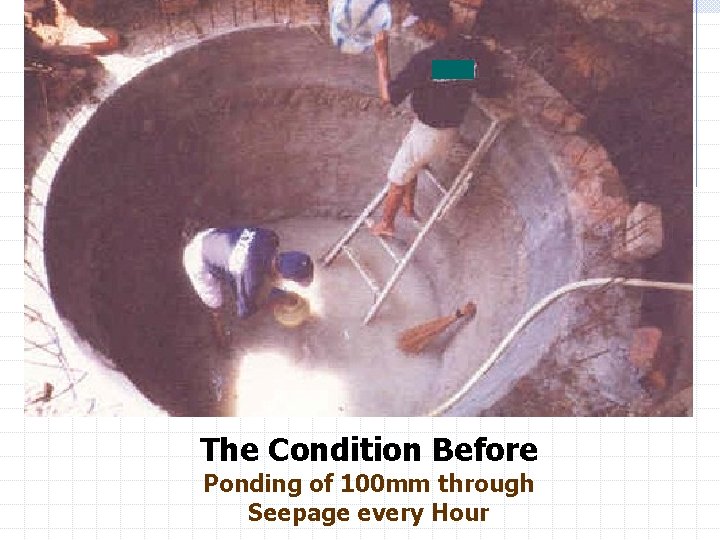
The Condition Before Ponding of 100 mm through Seepage every Hour
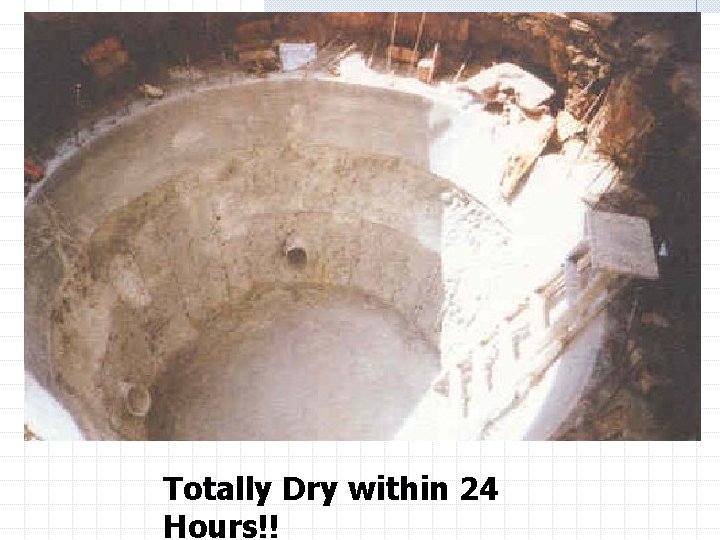
Totally Dry within 24 Hours!!
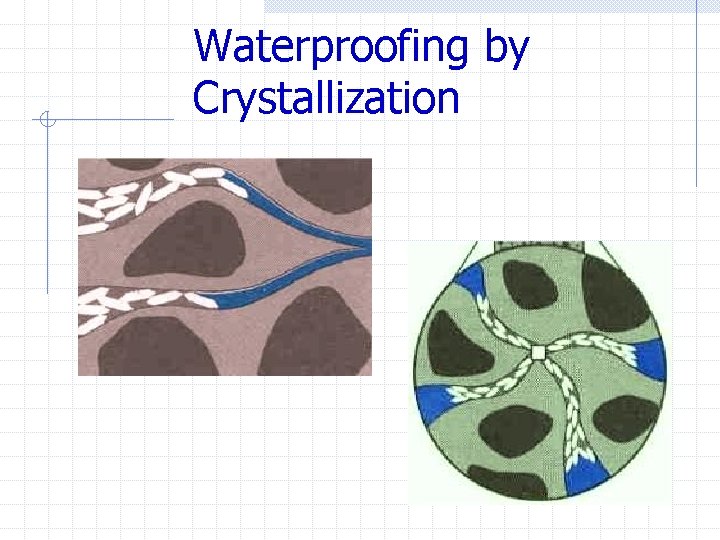
Waterproofing by Crystallization
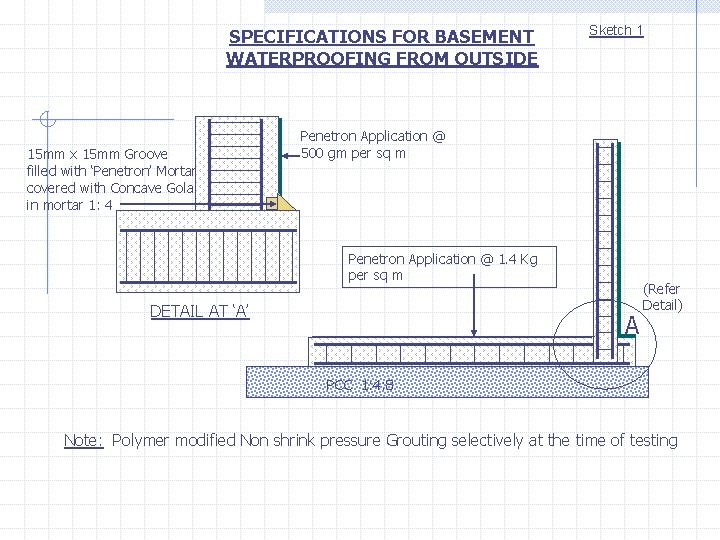
SPECIFICATIONS FOR BASEMENT WATERPROOFING FROM OUTSIDE 15 mm x 15 mm Groove filled with ‘Penetron’ Mortar covered with Concave Gola in mortar 1: 4 Sketch 1 Penetron Application @ 500 gm per sq m Penetron Application @ 1. 4 Kg per sq m DETAIL AT ‘A’ A (Refer Detail) PCC 1: 4: 8 Note: Polymer modified Non shrink pressure Grouting selectively at the time of testing
Is use of Integral WPC Enough?
The Cost Factor Cheapest is not the best Specifications have to be cost effective but do not compare with something that is ineffective
The Cost Factor For anything good one has to pay the price Do not cling to the past for ever. Time for change has come & it is now. We have to pay the price.
Performance of Products One Man’s Experience when Products Fail!! Embarrassment Dangerous Correction of Specifications Essential Material Supplier Responsible Correct Application Critical No Problem
Why do we Fail? MENTAL BLOCK & LACK OF ACCOUNTABILITY

Col (Retd) Harry Sidhu hsidhu_chd@yahoo. com
- Slides: 62