
Water Pollution Anthropogenic man made causes Std IXX


- Slides: 33
Water Pollution Anthropogenic ( man made) causes Std IX-X
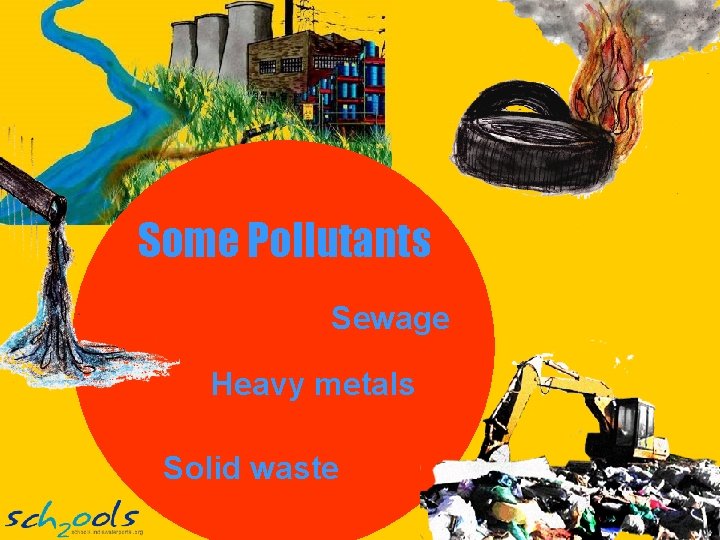
Some Pollutants Sewage Heavy metals Solid waste
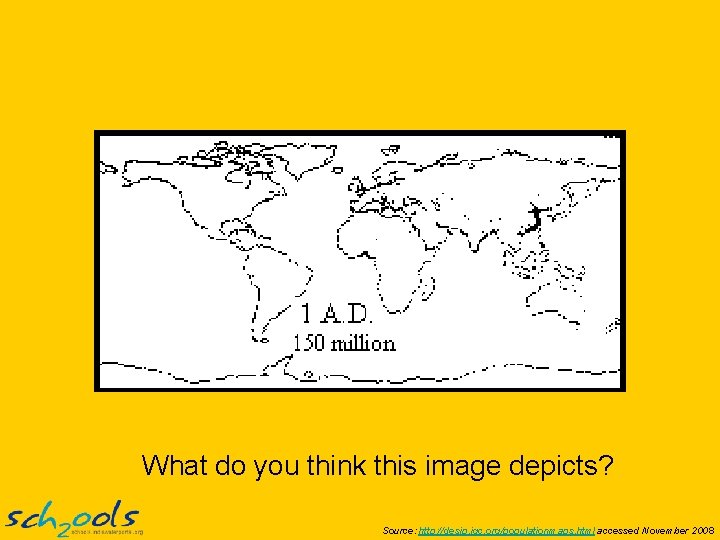
What do you think this image depicts? Source: http: //desip. igc. org/populationmaps. html accessed November 2008
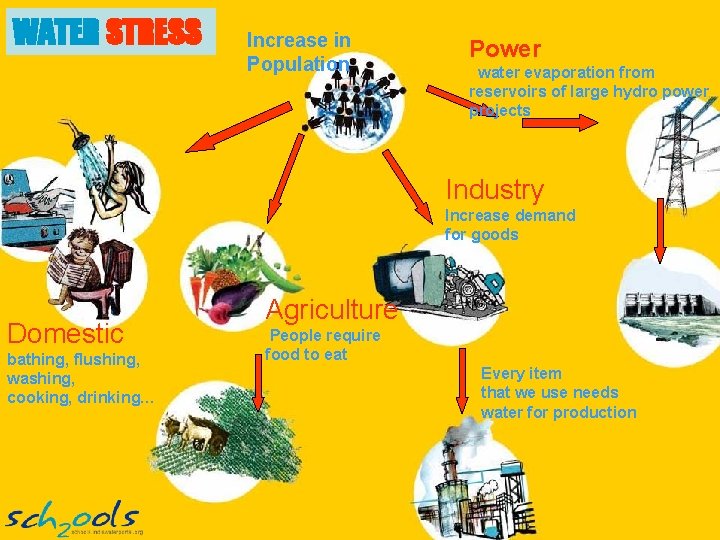
WATER STRESS Increase in Population Power water evaporation from reservoirs of large hydro power projects Industry Increase demand for goods Domestic bathing, flushing, washing, cooking, drinking… Agriculture People require food to eat Every item that we use needs water for production
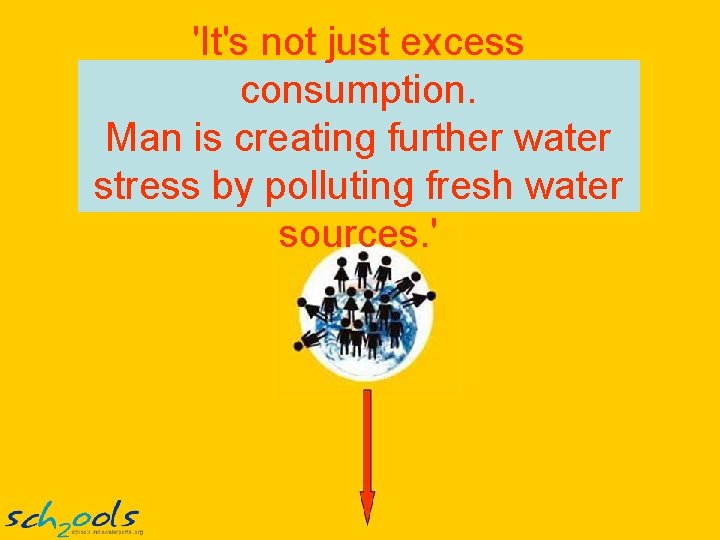
'It's not just excess consumption. Man is creating further water stress by polluting fresh water sources. '
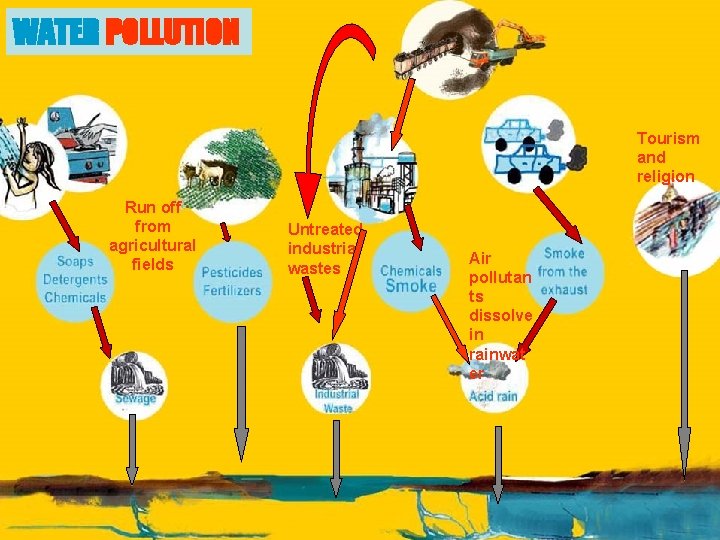
WATER POLLUTION Tourism and religion Run off from agricultural fields Untreated industrial wastes Air pollutan ts dissolve in rainwat er
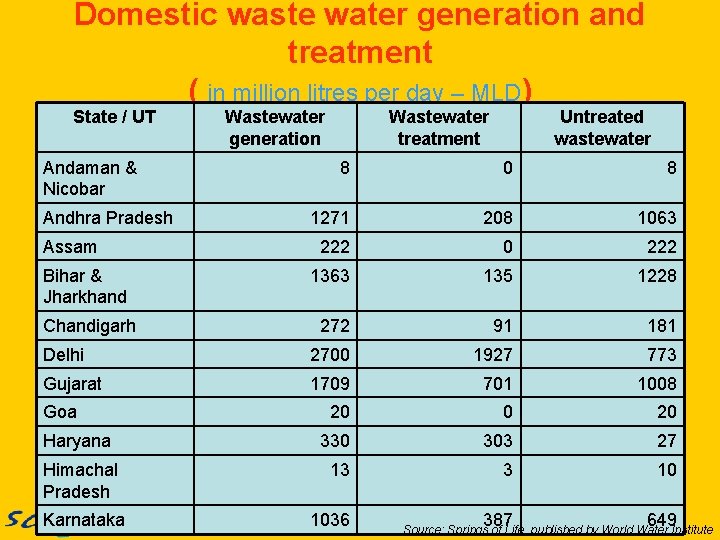
Domestic waste water generation and treatment ( in million litres per day – MLD) State / UT Andaman & Nicobar Wastewater generation Wastewater treatment Untreated wastewater 8 0 8 1271 208 1063 222 0 222 Bihar & Jharkhand 1363 135 1228 Chandigarh 272 91 181 Delhi 2700 1927 773 Gujarat 1709 701 1008 20 0 20 Haryana 330 303 27 Himachal Pradesh 13 3 10 387 649 Andhra Pradesh Assam Goa Karnataka 1036 Source: Springs of Life, published by World Water Institute
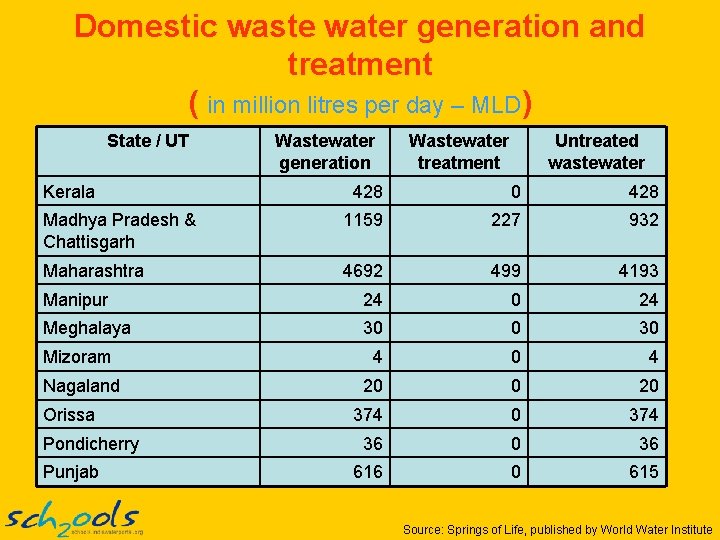
Domestic waste water generation and treatment ( in million litres per day – MLD) State / UT Kerala Wastewater generation Wastewater treatment Untreated wastewater 428 0 428 Madhya Pradesh & Chattisgarh 1159 227 932 Maharashtra 4692 499 4193 Manipur 24 0 24 Meghalaya 30 0 30 Mizoram 4 0 4 Nagaland 20 0 20 374 36 0 36 616 0 615 Orissa Pondicherry Punjab Source: Springs of Life, published by World Water Institute
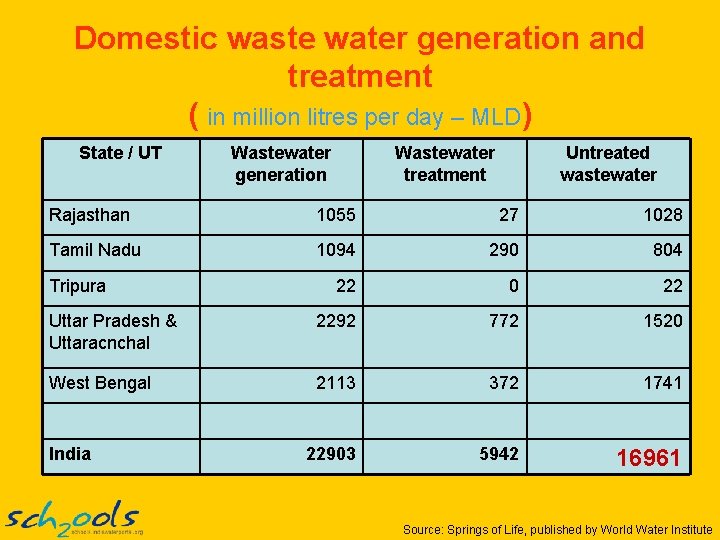
Domestic waste water generation and treatment ( in million litres per day – MLD) State / UT Wastewater generation Wastewater treatment Untreated wastewater Rajasthan 1055 27 1028 Tamil Nadu 1094 290 804 22 0 22 Uttar Pradesh & Uttaracnchal 2292 772 1520 West Bengal 2113 372 1741 22903 5942 16961 Tripura India Source: Springs of Life, published by World Water Institute
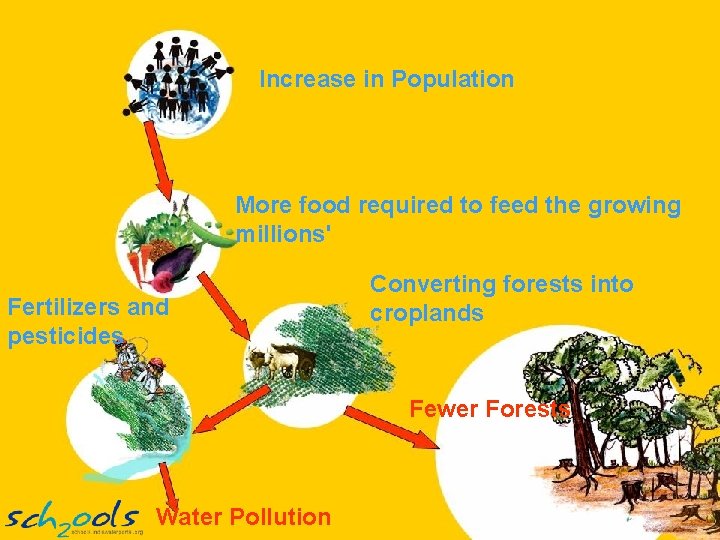
Increase in Population More food required to feed the growing millions' Fertilizers and pesticides Converting forests into croplands Fewer Forests Water Pollution
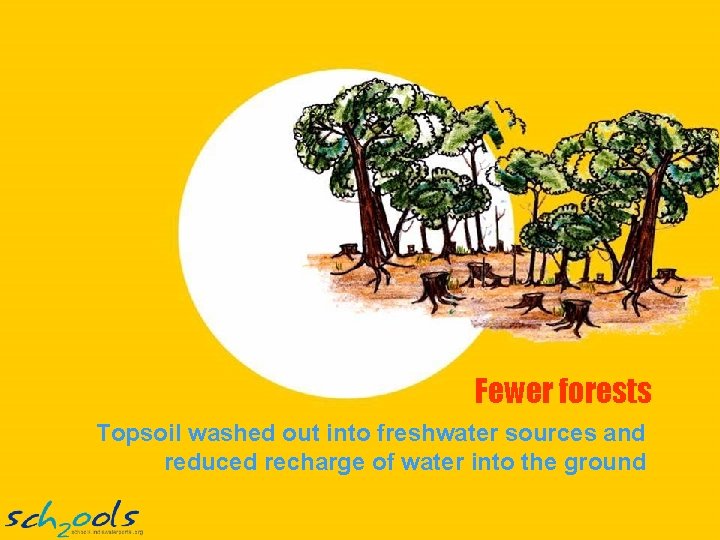
Fewer forests Topsoil washed out into freshwater sources and reduced recharge of water into the ground
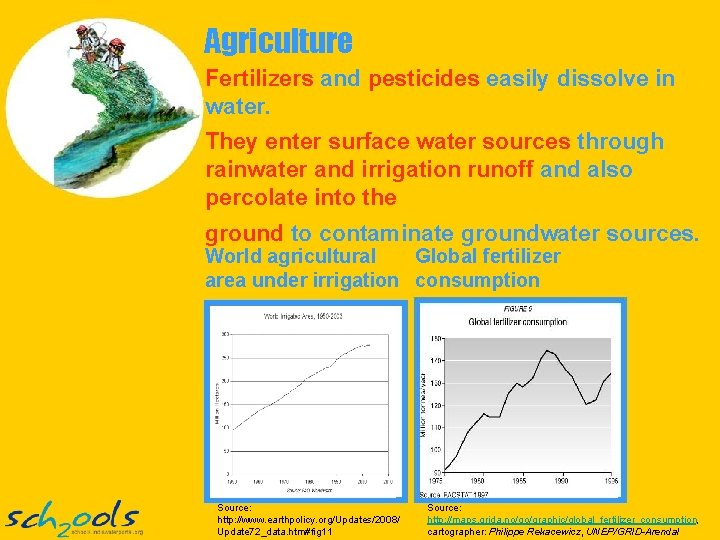
Agriculture Fertilizers and pesticides easily dissolve in water. They enter surface water sources through rainwater and irrigation runoff and also percolate into the ground to contaminate groundwater sources. World agricultural Global fertilizer area under irrigation consumption Source: http: //www. earthpolicy. org/Updates/2008/ Update 72_data. htm#fig 11 Source: http: //maps. grida. no/go/graphic/global_fertilizer_consumption, cartographer: Philippe Rekacewicz, UNEP/GRID-Arendal
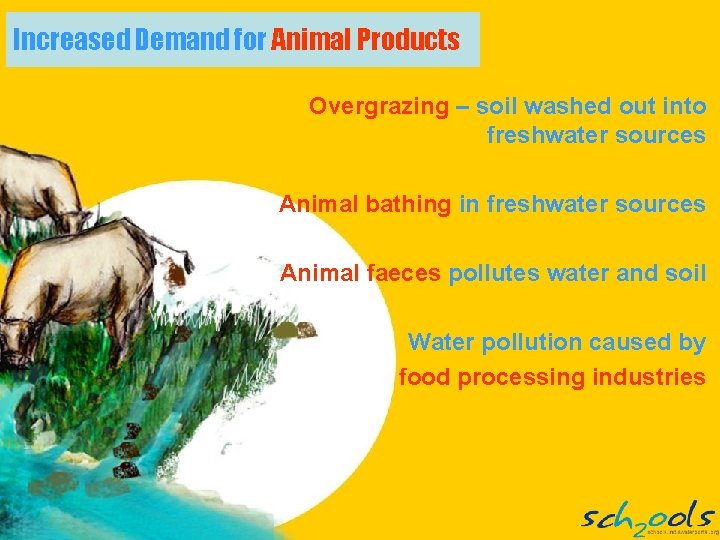
Increased Demand for Animal Products Overgrazing – soil washed out into freshwater sources Animal bathing in freshwater sources Animal faeces pollutes water and soil Water pollution caused by food processing industries
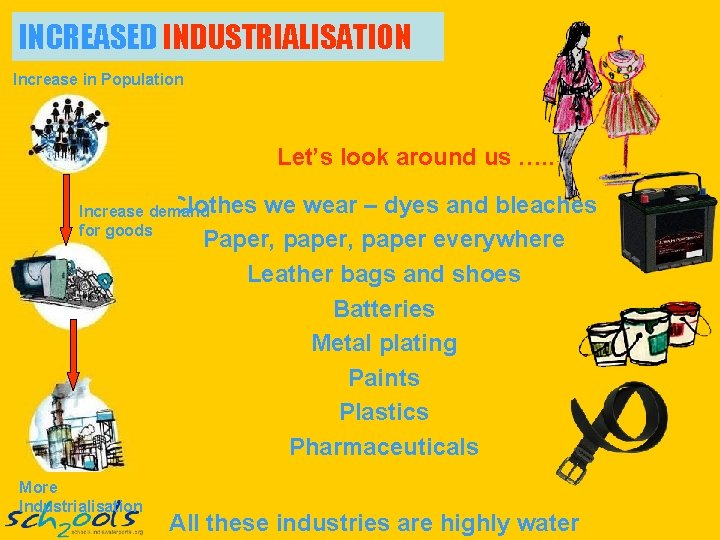
INCREASED INDUSTRIALISATION Increase in Population Let’s look around us …. . Clothes Increase demand for goods we wear – dyes and bleaches Paper, paper everywhere Leather bags and shoes Batteries Metal plating Paints Plastics Pharmaceuticals More Industrialisation All these industries are highly water
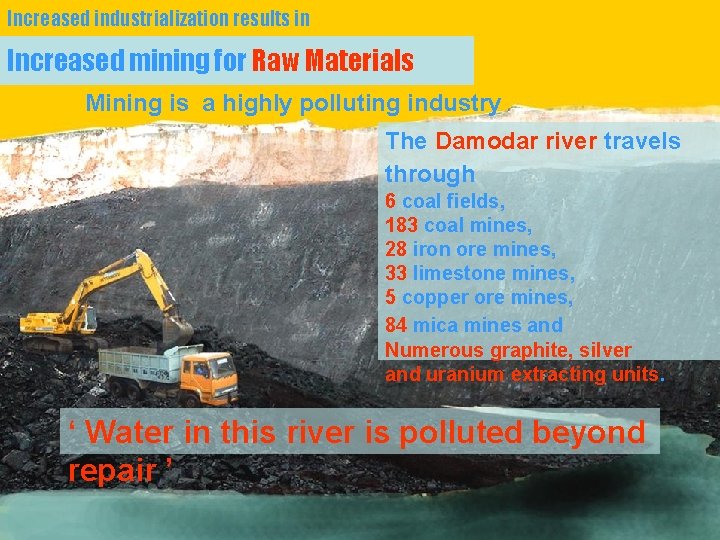
Increased industrialization results in Increased mining for Raw Materials Mining is a highly polluting industry The Damodar river travels through 6 coal fields, 183 coal mines, 28 iron ore mines, 33 limestone mines, 5 copper ore mines, 84 mica mines and Numerous graphite, silver and uranium extracting units. ‘ Water in this river is polluted beyond repair ’
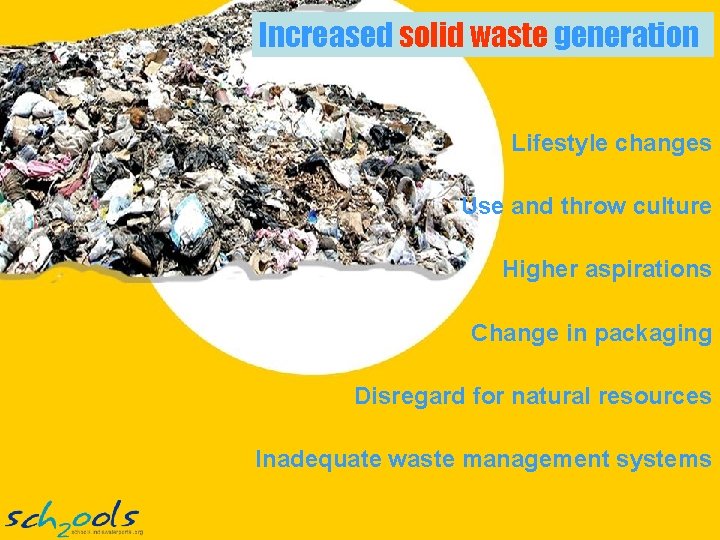
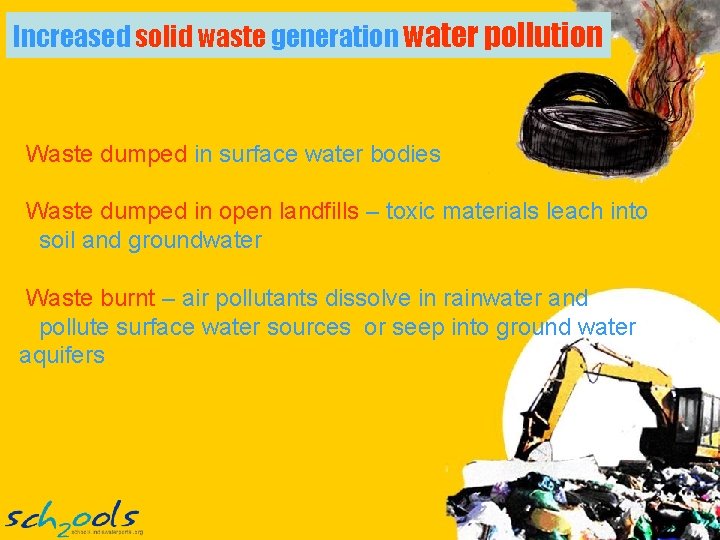
Increased solid waste generation Lifestyle changes Use and throw culture Higher aspirations Change in packaging Disregard for natural resources Inadequate waste management systems
Increased solid waste generation water pollution Waste dumped in surface water bodies Waste dumped in open landfills – toxic materials leach into soil and groundwater Waste burnt – air pollutants dissolve in rainwater and pollute surface water sources or seep into ground water aquifers
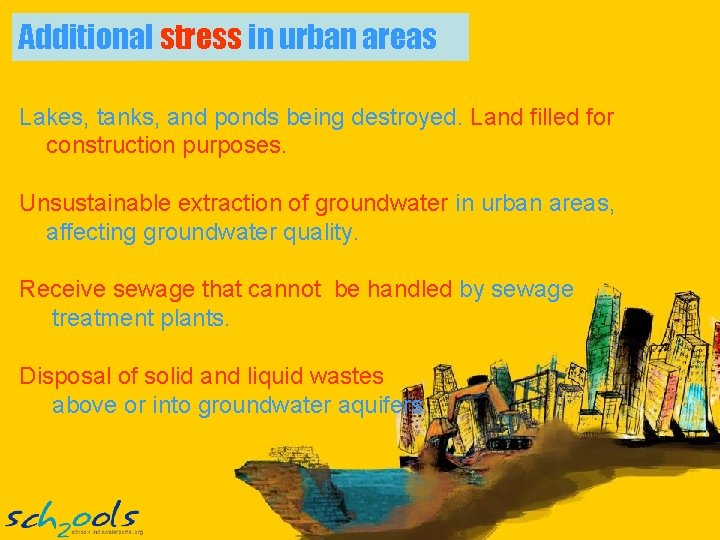
Additional stress in urban areas Lakes, tanks, and ponds being destroyed. Land filled for construction purposes. Unsustainable extraction of groundwater in urban areas, affecting groundwater quality. Receive sewage that cannot be handled by sewage treatment plants. Disposal of solid and liquid wastes above or into groundwater aquifers.
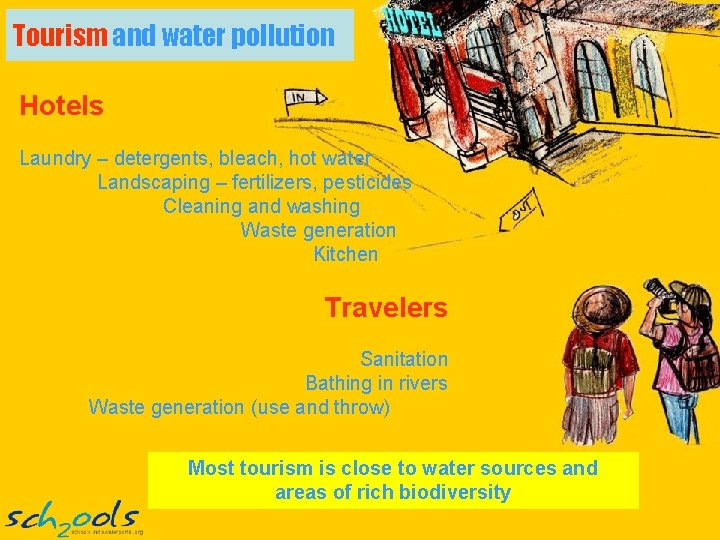
Tourism and water pollution Hotels Laundry – detergents, bleach, hot water Landscaping – fertilizers, pesticides Cleaning and washing Waste generation Kitchen Travelers Sanitation Bathing in rivers Waste generation (use and throw) Most tourism is close to water sources and areas of rich biodiversity
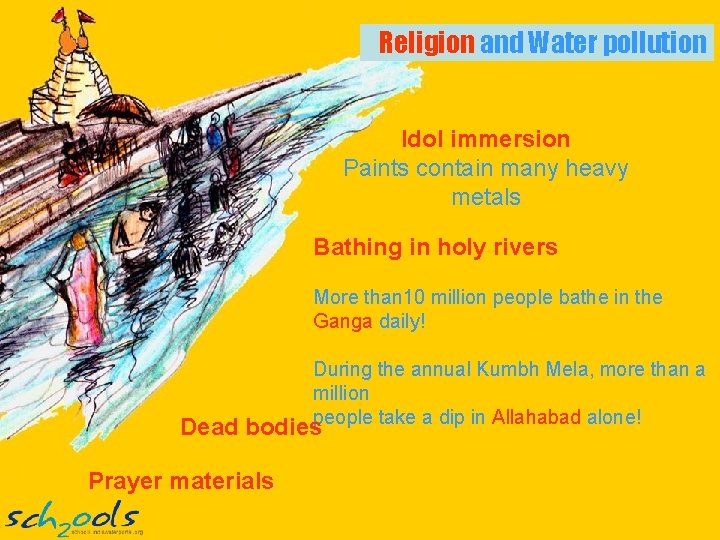
Religion and Water pollution Idol immersion Paints contain many heavy metals Bathing in holy rivers More than 10 million people bathe in the Ganga daily! During the annual Kumbh Mela, more than a million people take a dip in Allahabad alone! Dead bodies Prayer materials
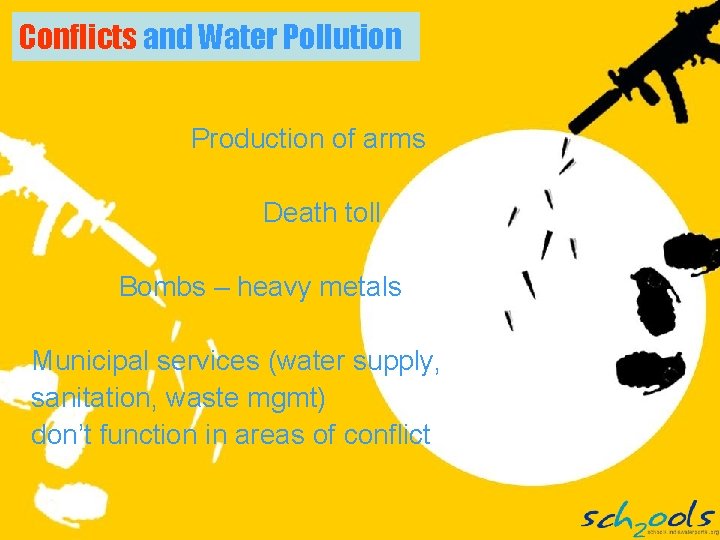
Conflicts and Water Pollution Production of arms Death toll Bombs – heavy metals Municipal services (water supply, sanitation, waste mgmt) don’t function in areas of conflict
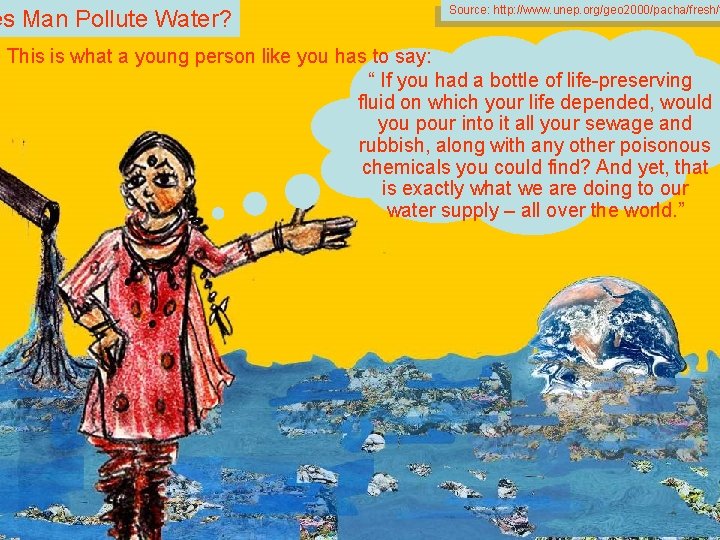
es Man Pollute Water? Source: http: //www. unep. org/geo 2000/pacha/fresh/f This is what a young person like you has to say: “ If you had a bottle of life-preserving fluid on which your life depended, would you pour into it all your sewage and rubbish, along with any other poisonous chemicals you could find? And yet, that is exactly what we are doing to our water supply – all over the world. ”
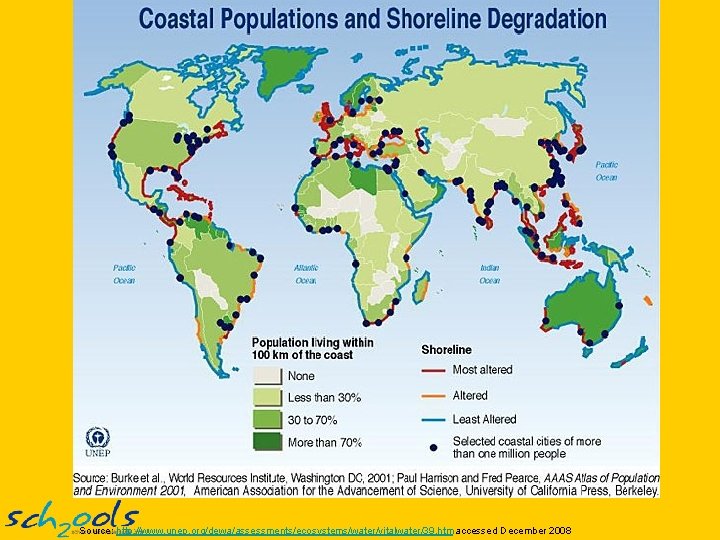
just Fresh Water, We are polluting our Oceans too
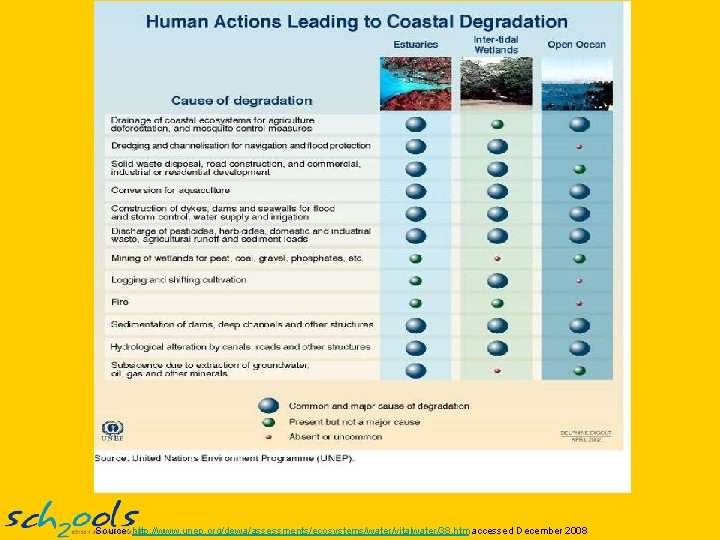
Source: http: //www. unep. org/dewa/assessments/ecosystems/water/vitalwater/38. htm accessed December 2008
Source: http: //www. unep. org/dewa/assessments/ecosystems/water/vitalwater/39. htm accessed December 2008
Play LINK TO THE GAME A game to check how much you have learnt
Play Divide the class into 5 teams. Team A selects 2 people who will guess the answer. These 2 people turn their face to the wall or go out of the room, so that they can’t see the clue.
The other members of Team A (and the rest of the class) see the clue Team A has to act out the clue for the 2 guessers. Either all members of Team A can act it out (very boisterous, but all children are involved) or a representative is selected to do the acting.
If the guessers got the right answer in 30 secs, they get 5 points If the guessers get the right answer in 60 secs, they get 3 points Otherwise The chance then goes to Team B and so on. Rules: No mouthing of words
Round 1 Team A – Agriculture Team B – Domestic use Team C – Reservoir Team D – Population Team E – Industrial production
Round 2 Team A – Energy Demand Team B – Over exploitation Team C – Urbanization Team D – Lifestyle Team E – Lake destruction
Team A – Fertilizer runoff Team B – Sewage disposal Team C – Industrial waste water Team D – Pesticides Team E – Domestic waste water Round 3
Round 4 Team A – Idol immersion Team B – Tourism Team C – mining Team D – Conflicts Team E – Animal products