
Water Cycle Basics What is a Watershed An
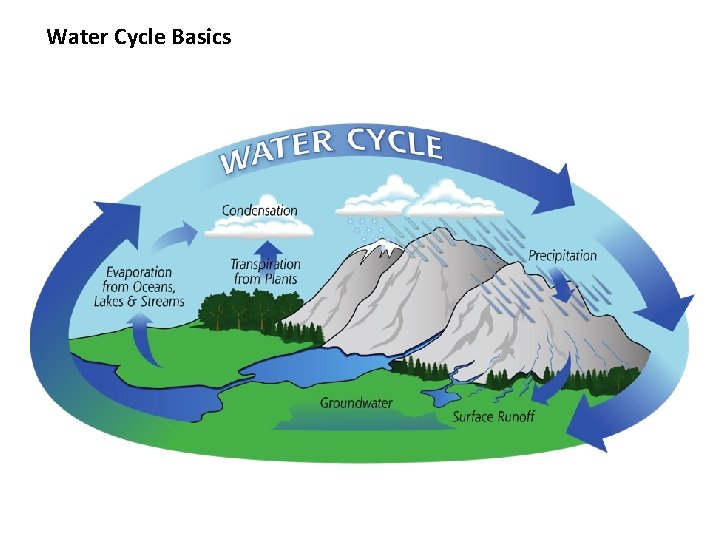
Water Cycle Basics
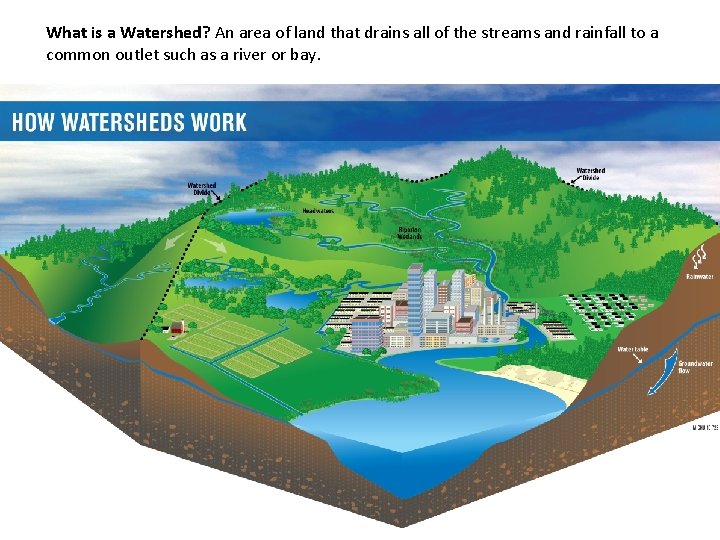
What is a Watershed? An area of land that drains all of the streams and rainfall to a common outlet such as a river or bay.
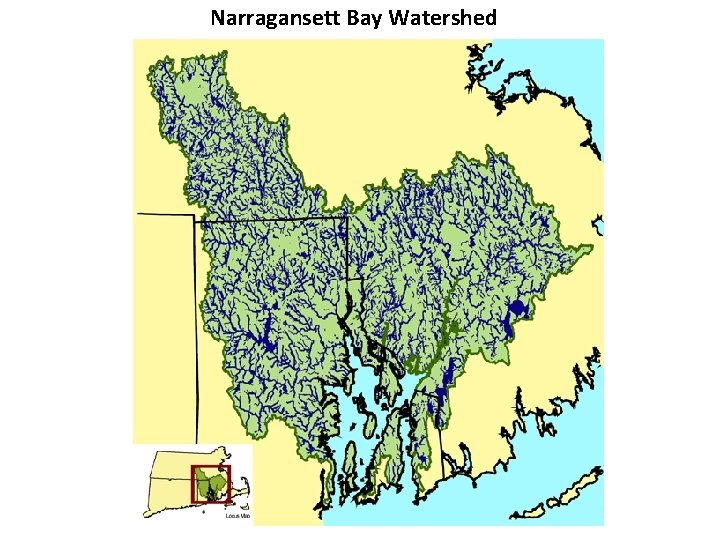
Narragansett Bay Watershed
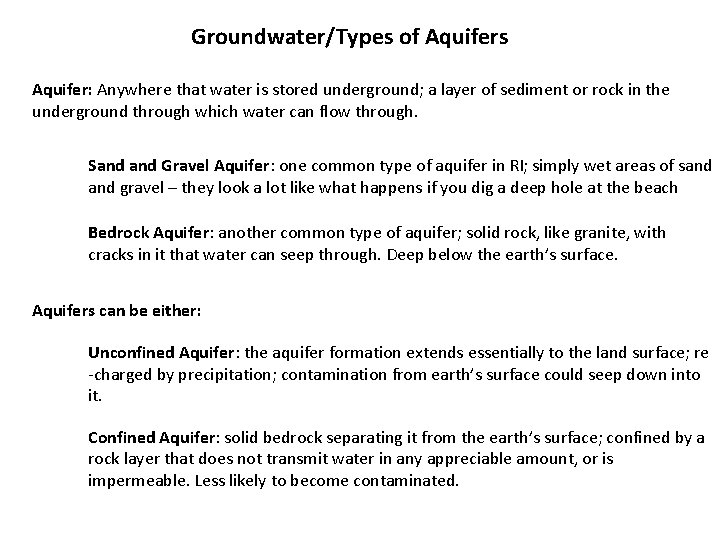
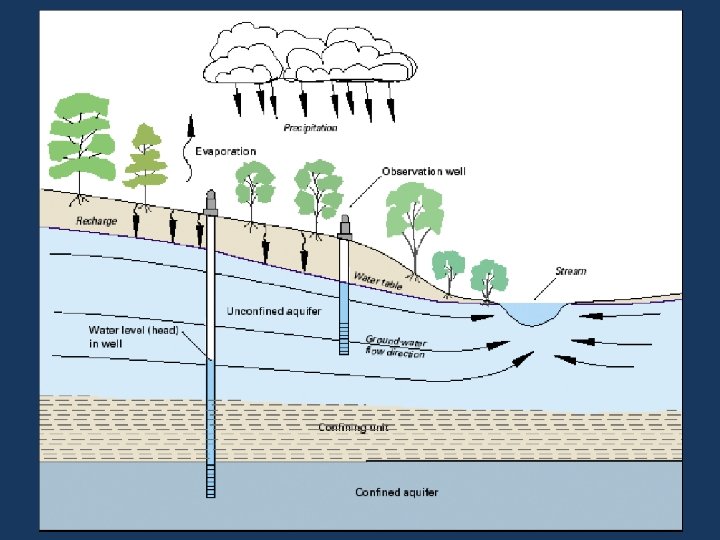
Groundwater/Types of Aquifers Aquifer: Anywhere that water is stored underground; a layer of sediment or rock in the underground through which water can flow through. Sand Gravel Aquifer: one common type of aquifer in RI; simply wet areas of sand gravel – they look a lot like what happens if you dig a deep hole at the beach Bedrock Aquifer: another common type of aquifer; solid rock, like granite, with cracks in it that water can seep through. Deep below the earth’s surface. Aquifers can be either: Unconfined Aquifer: the aquifer formation extends essentially to the land surface; re -charged by precipitation; contamination from earth’s surface could seep down into it. Confined Aquifer: solid bedrock separating it from the earth’s surface; confined by a rock layer that does not transmit water in any appreciable amount, or is impermeable. Less likely to become contaminated.
What can affect water quality? • Type of Precipitation (rain, snow) • Rainfall intensity • Rainfall duration • Rainfall amount • Land use • Vegetation • Soil type • Elevation • Topography, especially slope of the land • Dissolved oxygen • p. H • Temperature • Pesticides, fertilizers • Chemicals, oils and grease • Detergents • Litter/rubbish
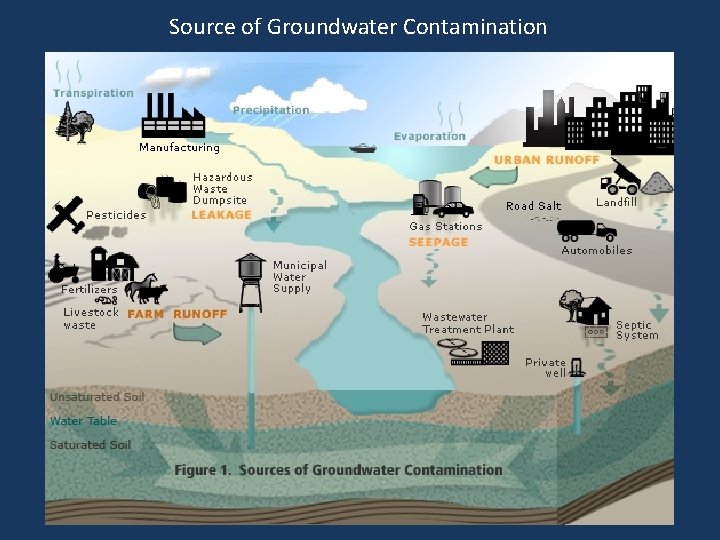
Source of Groundwater Contamination
What is a wetland? Areas where water covers the soil, or is present either at or near the surface of the soil all year or for varying periods of time during the year. Water saturation (hydrology) largely determines how the soil develops and the types of plant and animal communities living in and on the soil. May support both terrestrial and aquatic species. Nature’s way of cleaning the water! Prolonged presence of water creates conditions that favor the growth of specially adapted plants (hydrophytes) and promote the development of characteristic wetlands (hydric) soils. Types of Wetlands: • Swamp • Freshwater marsh • Vernal pond • Tidal/salt marsh • Many others! (bog, fen, mangrove swamp)
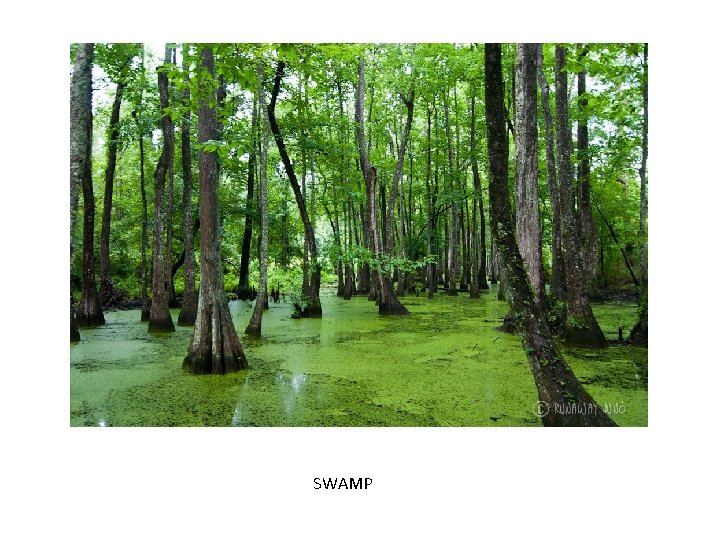
SWAMP
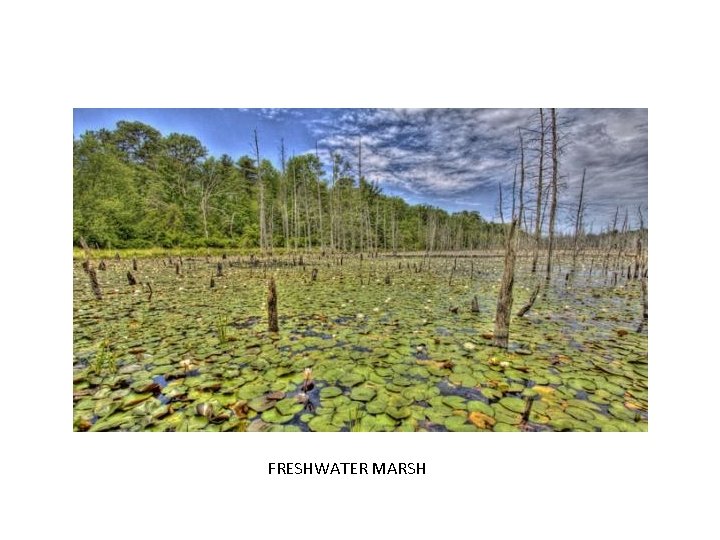
FRESHWATER MARSH
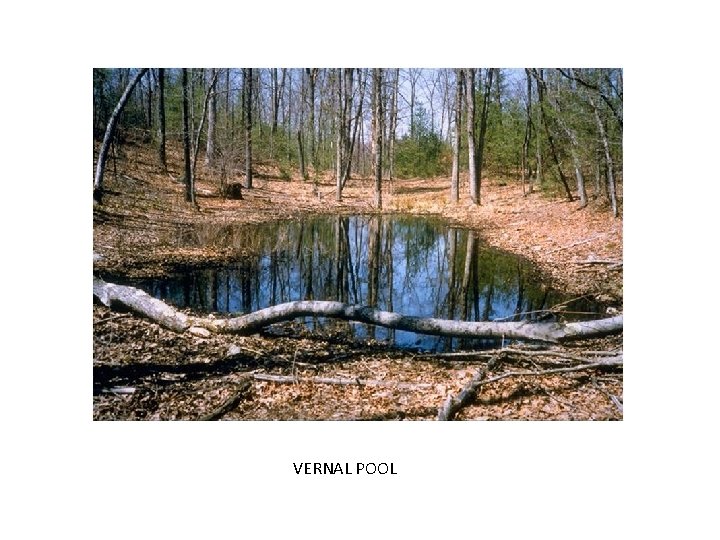
VERNAL POOL
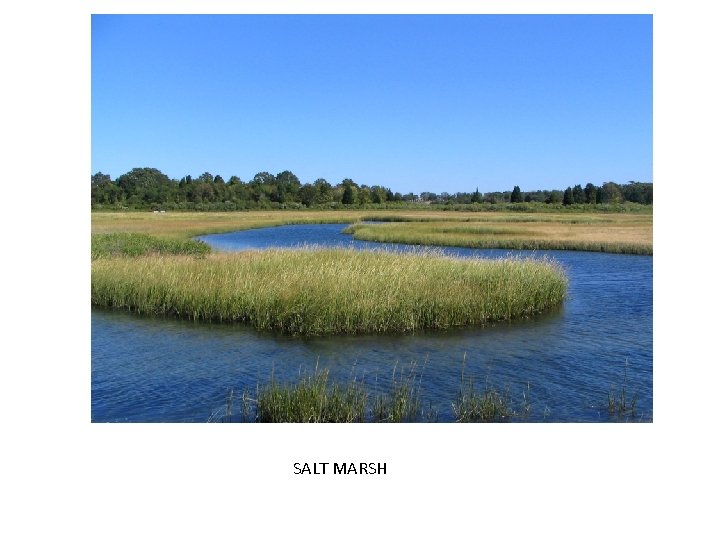
SALT MARSH
- Slides: 12