
Watch Your Step Fall Prevention for People with
- Slides: 20
“Watch Your Step: Fall Prevention for People with Disabilities” Lee Jenkins Executive Director Brain Injury Association of MS
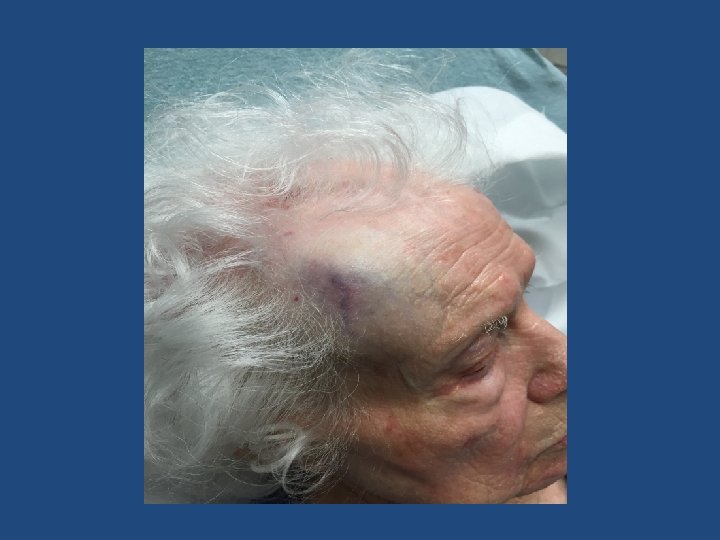
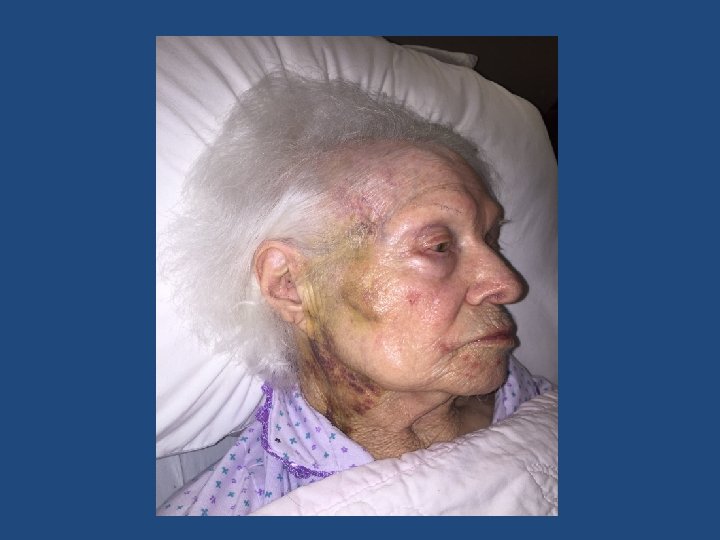
Important Facts About Falls • Falls are the leading cause of brain injury. • Falling once doubles your chances of falling again. • One out of five falls causes a serious injury such as broken bones and/or TBI. • Each year, 2. 5 million older people are treated in emergency rooms for falls. • Direct medical costs for falls are $34 billion annually.
Who is at greater risk for a fall? • In adults age 75 and older, 1 in 3 of them living in the community will fall each year. • People with intellectual and developmental disabilities have a higher risk of falls than people without disabilities. • Men are more likely to have a fall than women. • Women are more likely to have nonfatal fall injuries such as broken bones and TBIs.
Consequences of Falls • Death • Injuries • Loss of mobility • Hospitalization • Traumatic Brain Injury
What is a TBI? • A traumatic brain injury (TBI) is defined as a blow or jolt to the head or a penetrating head injury that disrupts the normal function of the brain. • TBI is the leading cause of death and disability in children, young adults and older adults. • Mississippi is #3 in the country in the number of traumatic brain injuries each year. • In 2010, 5, 086 TBIs were reported in MS. • In 2011, 5, 436 TBIs were reported in MS. • In 2012, 5, 100 TBIs were reported in MS. • In 2013, over 6, 000 TBIs were reported in MS.
Falls in Those with Developmental Disabilities • Individuals with moderate and profound intellectual disability (ID) have a higher rate of injury than those with mild or severe ID. • In some people with developmental disabilities, degenerative changes can occur as early as age 35.
Common Risk Factors for People with Disabilities • • Seizures Behavioral issues Medications History of Falls Muscle Weakness Gait and Balance Deficit Use of an Assistive Device Visual Problems
When you fall, you should… • Go to the Emergency Room! • If a TBI is diagnosed, the person may be admitted to the hospital. • If needed, they will go to rehab after being discharged from the hospital. • After rehab, the person will either go home or could end up in a nursing home.
Fall Prevention for People with Disabilities and Senior Adults • Make changes to the home and/or office • Check and/or change in medications • Check vision and hearing • Changes in daily activities
EXERCISE!!! • The National Center on Physical Activity and Disability recommends exercise to reduce the incidence of falls among people with disabilities. • Types of Exercise: – Balance – Strength – Flexibility
What is the BIA of MS? The Brain Injury Association of Mississippi, an affiliate of the Brain Injury Association of America, began in 1987 and is a private, non-profit corporation serving survivors of brain injury and spinal cord injury, their families and the community. We are funded through grants, donations, membership dues and special events. Mission Statement “The mission of the Brain Injury Association of Mississippi is to enhance the quality of life for survivors of brain and spinal cord injuries and their families and to develop support programs that prevent brain injury. ”
Services Provided by BIA of MS v. Support Groups v 800 Helpline. v. Resource Library v. Conferences/Workshops v. Community Education/Prevention v. Recreational Opportunities for Survivors
Supporting Injury Prevention Laws v. Instrumental in passing the MS Seat Belt Law v. Instrumental in passing the Graduated Drivers License Law v. Instrumental in passing the ATV Safety Law v. Instrumental in passing the Youth Sports Concussion Law
Brain Injuries in the Military v The number of US troops who have sustained or will sustain a brain injury is estimated to be as high as 360, 000 or 20% of our troops. v In Mississippi, we have already seen thousands of TBIs in our returning servicemen. v The BIA of MS is working with the VA hospitals in Jackson and Biloxi, Camp Shelby, Vet Centers and Joint Force Headquarters to assist these soldiers and their families when they return.
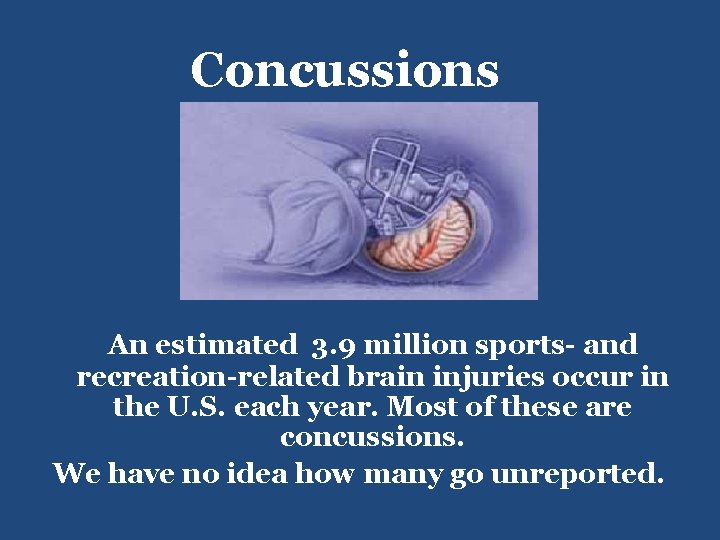
Concussions An estimated 3. 9 million sports- and recreation-related brain injuries occur in the U. S. each year. Most of these are concussions. We have no idea how many go unreported.
How much is your BRAIN worth?
Brain Injury Association of MS For more information, please contact: Brain Injury Association of MS Post Office Box 55912 Jackson, MS 39296 601 -981 -1021 (office) 601 -981 -1039 (fax) www. msbraininjury. org