
WASTES TRANSFER AND TRANSPORT What is a transfer









- Slides: 42
WASTES TRANSFER AND TRANSPORT
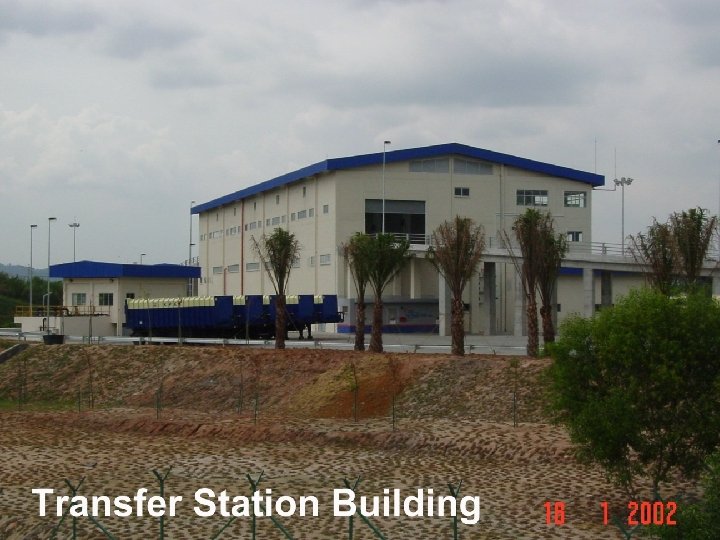
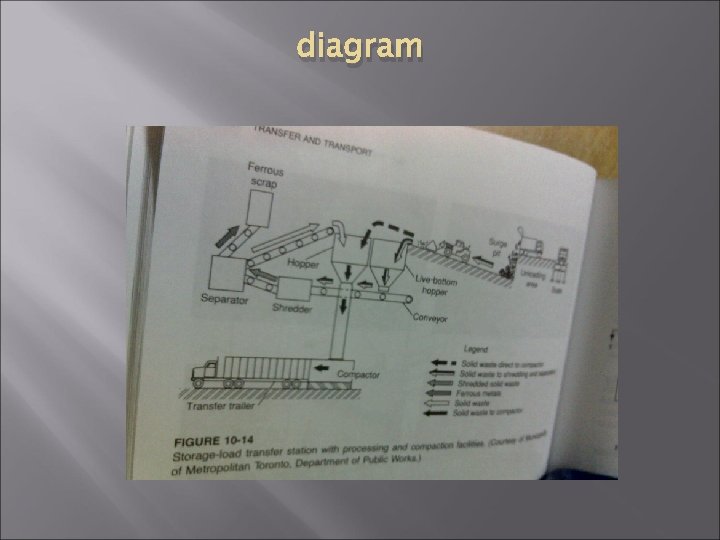
What is a transfer station? Facilities and appurtenances used to effect the transfer of waste from the one location to other, usually more distance, location.
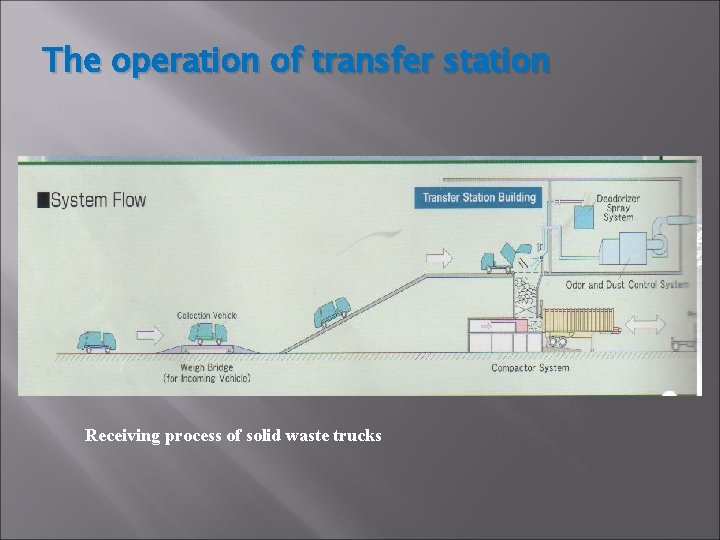
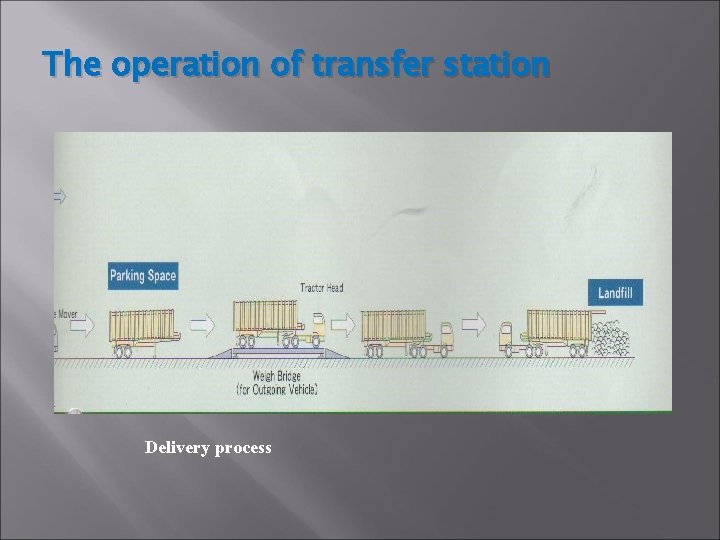
A waste transfer station is a light industrial-type facility where trash collection trucks discharge their loads so trash can be compacted and then reloaded into larger vehicles for shipment to a final disposal site, typically a landfill or waste-to -energy facility.
Transfer Station Ø The transfer of wastes from one location to another – more distant location Ø Contents small collection vehicles are transferred to large vehicles to transport the waste over extended distances Ø Transfer and transport operation also used in conjunction with MRFs to transport recover material to markets/residue material and waste-to-energy facilities.
The need for transfer operation Ø Transfer and transport operations become necessity when haul distance to available disposal sites increase. Ø Also become necessity when disposal sites cannot be reach directly by highway (sites in remote control). Ø Transfer station is integral part of all types of MRFs and MR/TFs Ø The time require for transportation is the key factor especially in the traffic congested city.
Ø Located between the disposal site & the centre of the city Ø The functions are volume reduction & sorting of waste for recycling Ø Additional factor that tend to make the use of transfer station includes: Ø The occurrence of illegal dumping due to excessive haul distances
Ø The use of small-capacity collection vehicles Ø The existence of low-density residential service area
What Are the Benefits? Reduces overall community truck traffic by Offers more flexibility in waste handling and disposal options. Reduces air pollution, fuel consumption, and road wear Allows for screening of waste Reduces traffic at the disposal facility. Offers citizens facilities for convenient dropoff of waste and recyclables.
Types of transfer station Ø Classified into three type ØDirect load ØStorage load Øcombined direct load and storage load
Direct load Ø Small capacity ØWastes discharge directly into the opentop trailer to be use to transport to compaction facilities. Ø large capacity ØThe wastes in collection emptied directly into transport vehicle, or ØThe wastes in the collection vehicles are emptied temporarily onto unloading platform
ØThe wastes are then push into the transport trailers. ØThe new technology of direct-load transfer station, replace the use of opentop transfer vehicle with the compaction facilities. ØThe compaction facilities can be use to compact wastes into the transfer trailers.
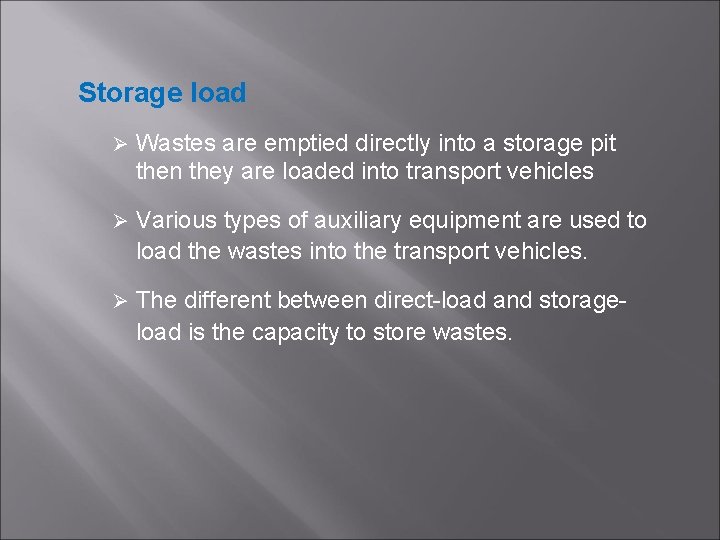
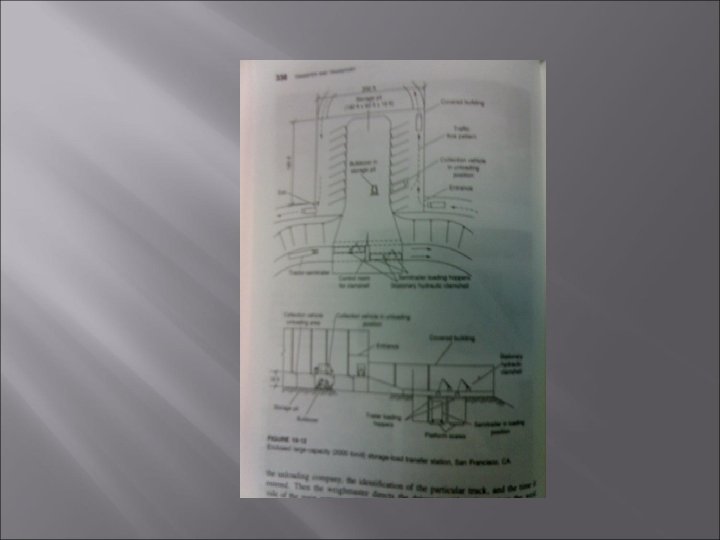
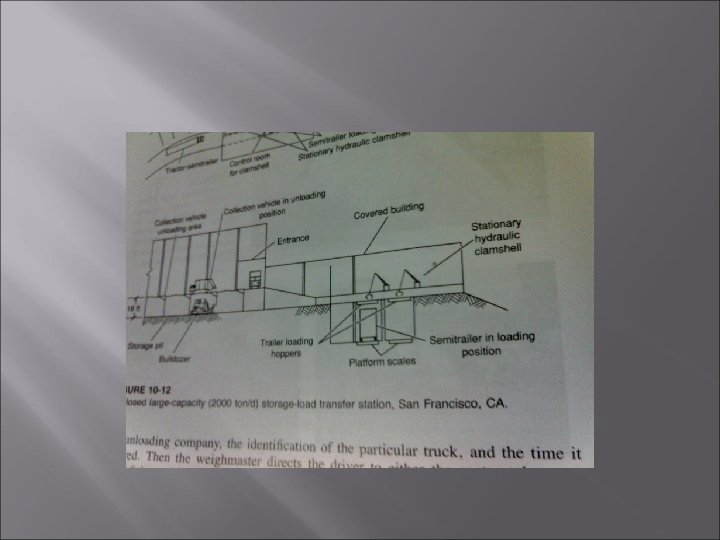
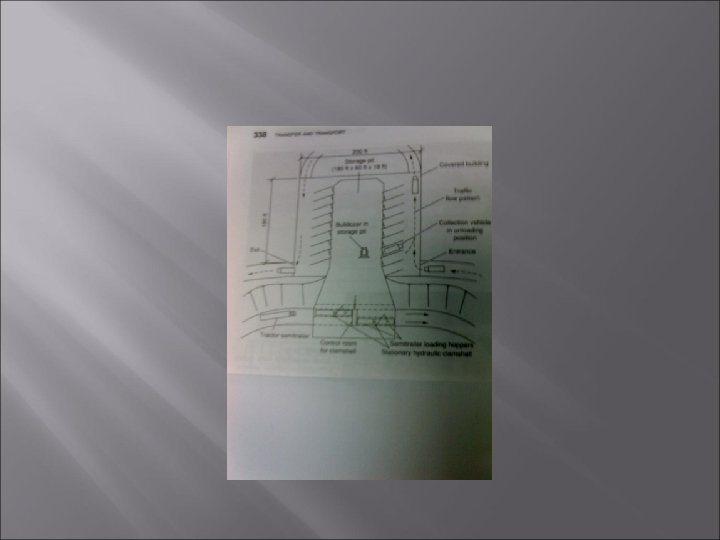
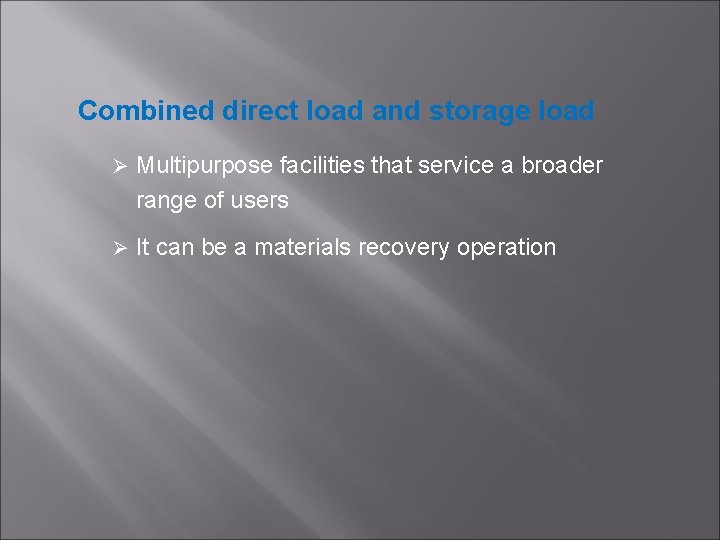
Storage load Ø Wastes are emptied directly into a storage pit then they are loaded into transport vehicles Ø Various types of auxiliary equipment are used to load the wastes into the transport vehicles. Ø The different between direct-load and storageload is the capacity to store wastes.
Combined direct load and storage load Ø Multipurpose facilities that service a broader range of users Ø It can be a materials recovery operation
diagram
The operation of transfer station Receiving process of solid waste trucks
The operation of transfer station Delivery process
The operation of transfer station
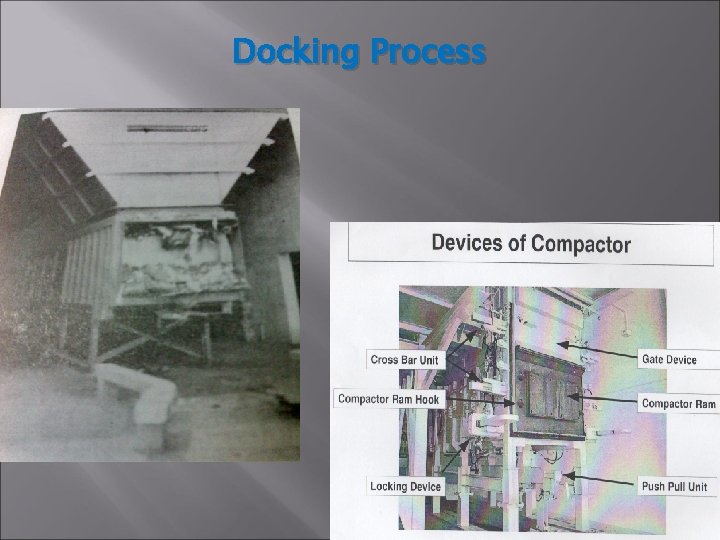
Docking Process
Docking Process
Waste Compaction Process
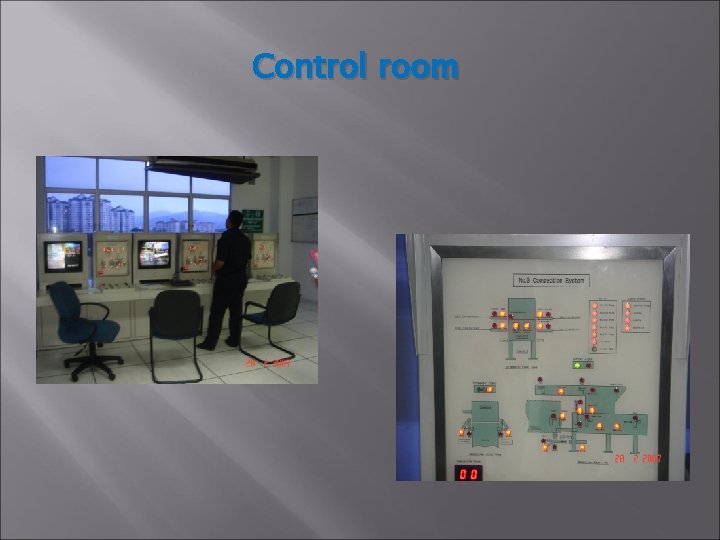
Control room
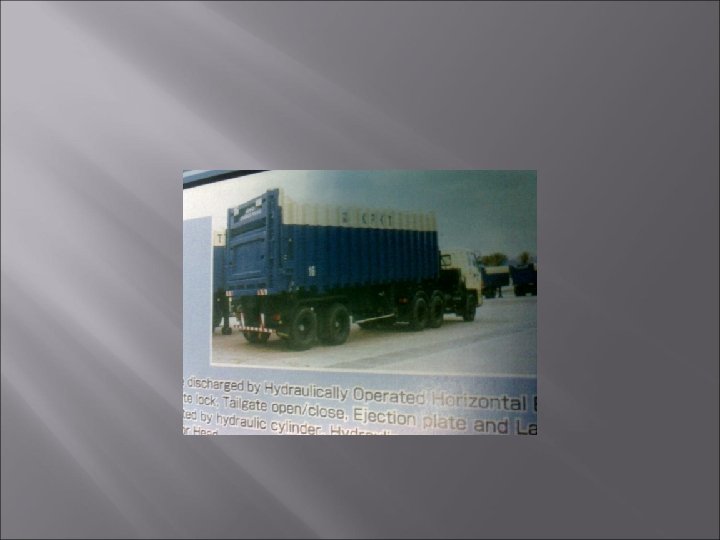
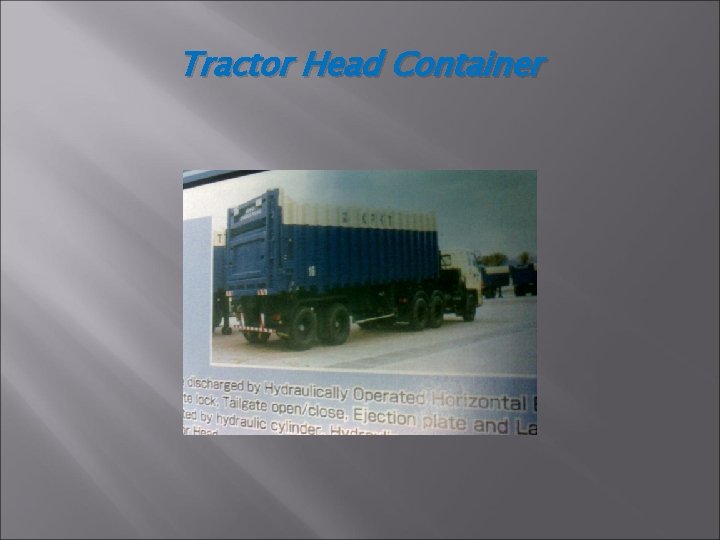
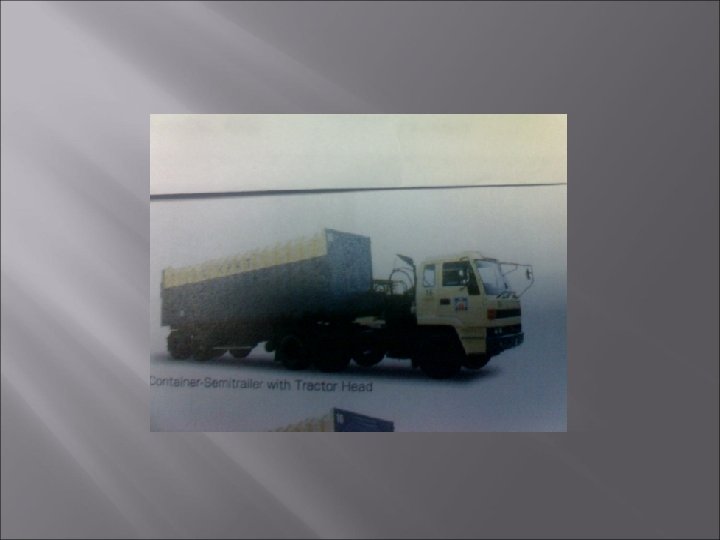
Tractor Head Container
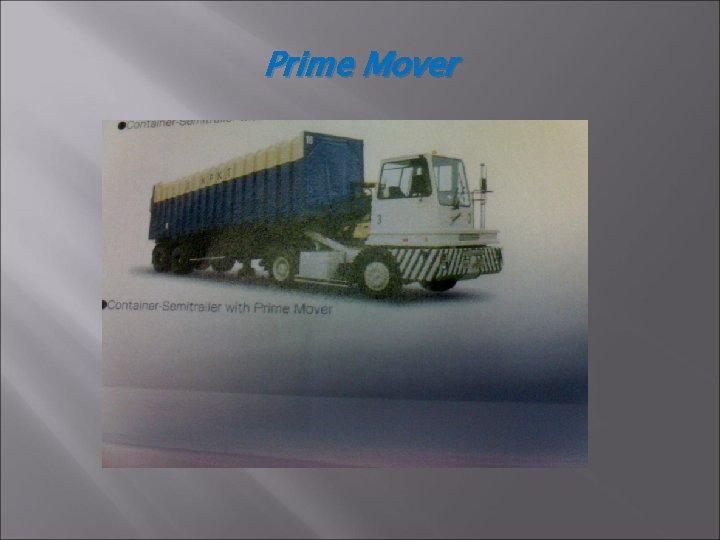
Prime Mover
Factors to be consider for location of transfer station. Ø Ø Ø Ø As near as possible to the collection area. easy access to highway minimal public and environmental risk/objection economical aspects capacity of collection vehicle storage space require time require to unload the collection trucks
Ø Ø number of trucks that will use facilities transfer trailer capacity operation hours type of waste processes
Site Selection Site suitability depends on numerous : Technical Environmental Economic Social , and Political Large enough …….
Natural buffer zone Public concern … particularly from people living surrounding Environmental justice consideration
Motor Vehicle transport Ø Collection Ø Compactors Øcommonly use for door to door collection Ø Equipped with compacter facilities Øcapacity 12 m 3 ØUse for the compactable waste
Ø Roll on roll off (RORO) ØTop-open truck used for commercial and residential areas ØFor bulky and uncompactable wastes Ø Side loader ØWithout compactor ØManually door to door collection
Ø Open trucks ØUsed for transporting bulky & uncompactable wastes. ØUsed for door to door collection ØNot recommended for garbage and refuse Ø Hand carts Ø Commonly use by the street sweepers
Health and Safety Concerns? Traffic, noise, dust and odor may exist around waste transfer stations. Other problems that can result from an improperly designed or operated facility, include: Rodents and birds. Litter. Air emissions.
Environmental issue: Traffic Litter Safety issue
THANK YOU