
Warmup Wednesday October 31 2012 Terminal velocity explained
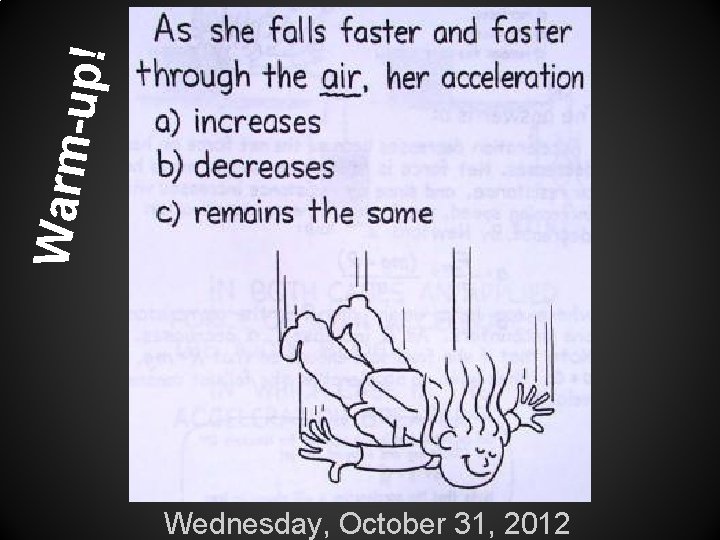
Warmup! Wednesday, October 31, 2012
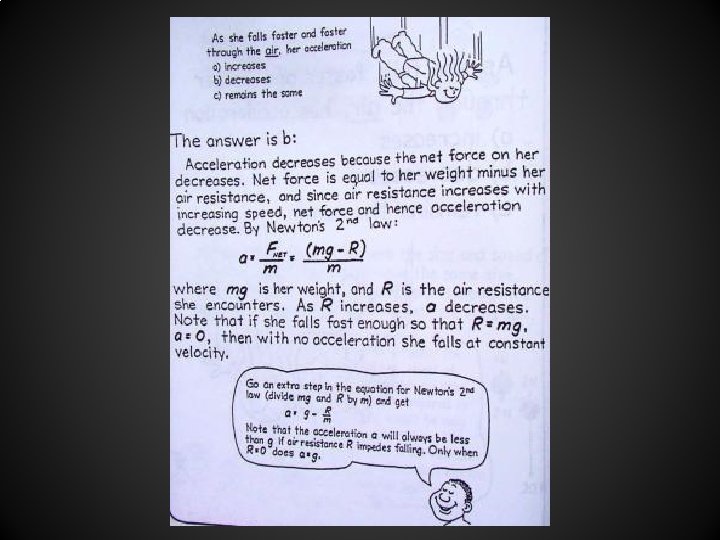
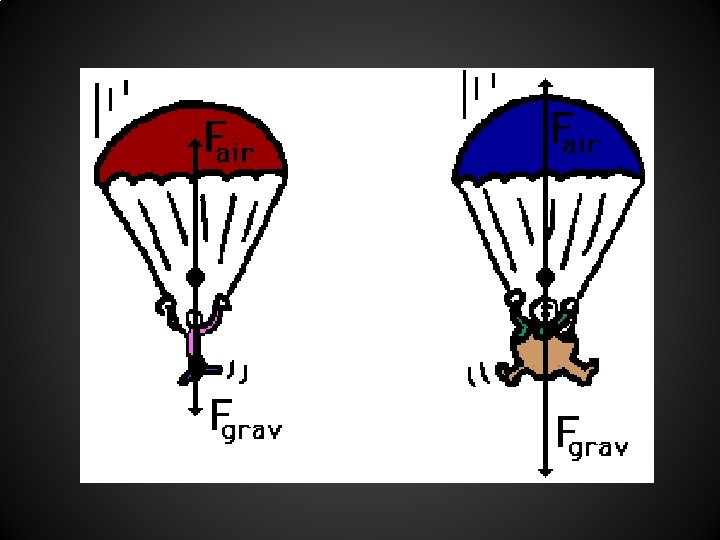
Terminal velocity explained http: //www. youtube. com/watch? feature=player_ embedded&v=4 qe. Ccvq 2_io

Today's Agenda: • Turn in any papers that were due. After this moment, they will be too late. • • Pass back Test reviews for Chapters 4 & 5 Discuss reviews, be sure you have the correct information. • • • Test tomorrow! (It will NOT be open book) Notebook check tomorrow! Portfolio check on FRIDAY!
Test Review for Ch. 4 • • • 3 points possible. Graded on completeness and effort. I did not correct the papers for you, that is what you must do now. • This was assigned Tuesday and due the same day. If you do not turn them in at this moment they are too late.
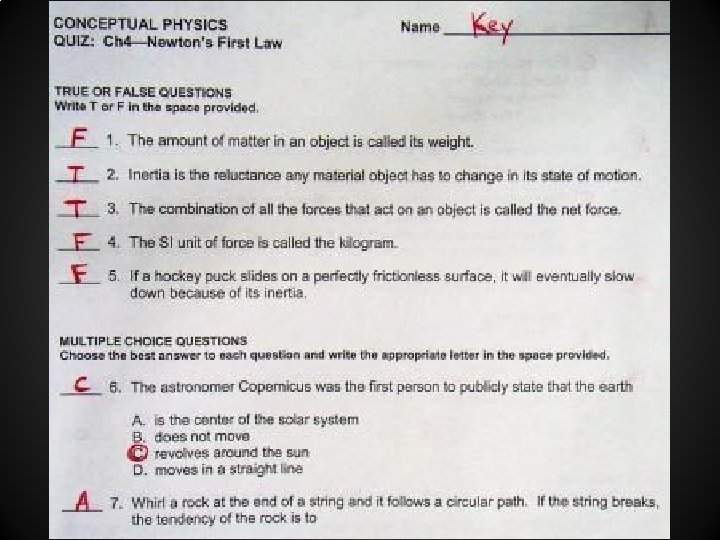
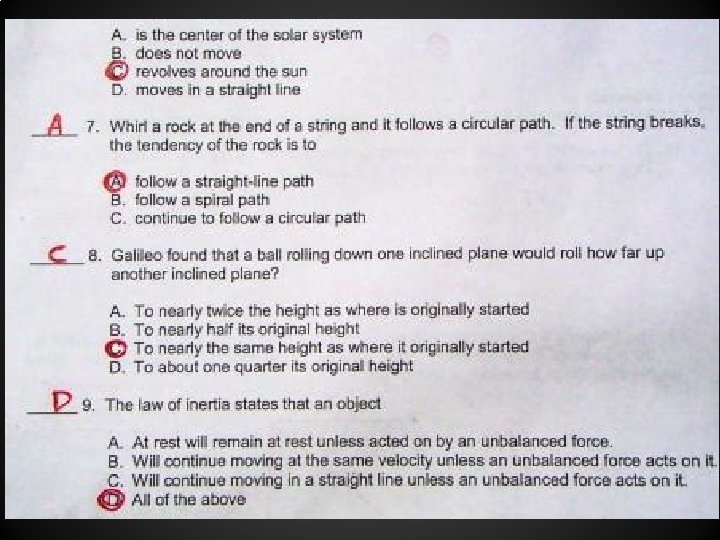
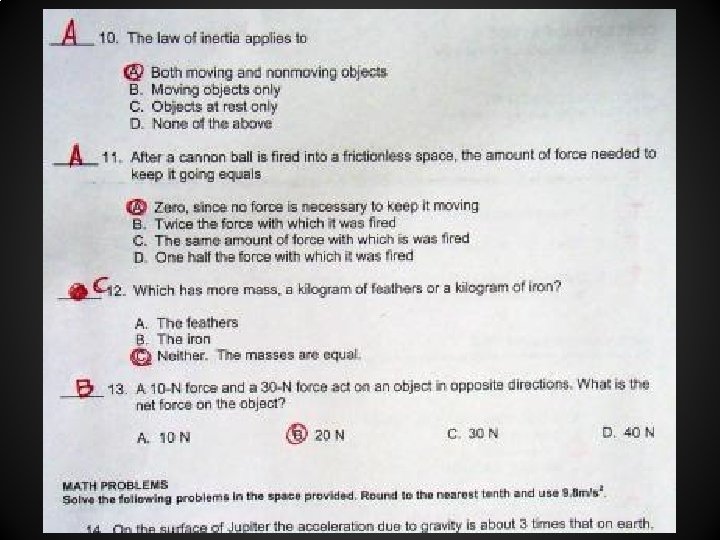
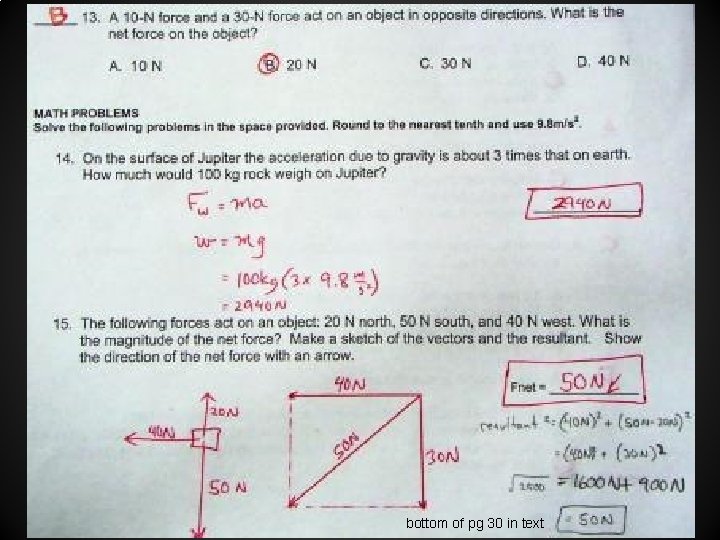
bottom of pg 30 in text
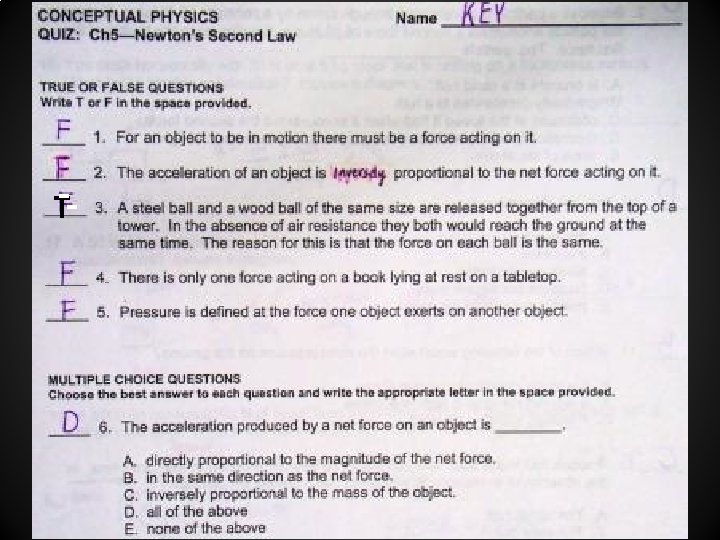
Test review for Ch. 5 • • • 5 points possible. Graded on completeness and effort. I did not correct the papers for you, that is what you must do now. • This was assigned Monday and due the same day. If you haven't turned them in by now, they are too late.
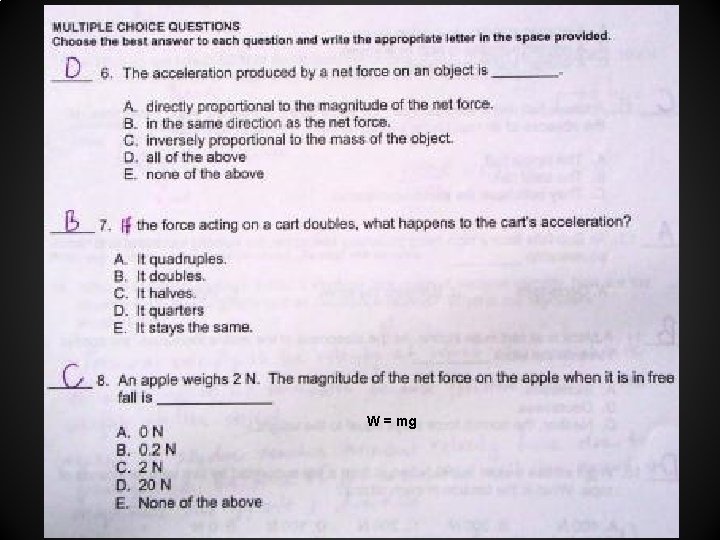
W = mg
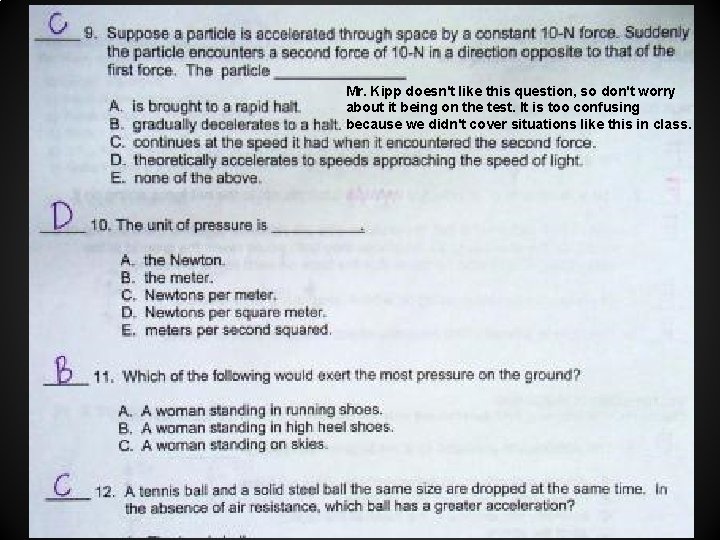
Mr. Kipp doesn't like this question, so don't worry about it being on the test. It is too confusing because we didn't cover situations like this in class.
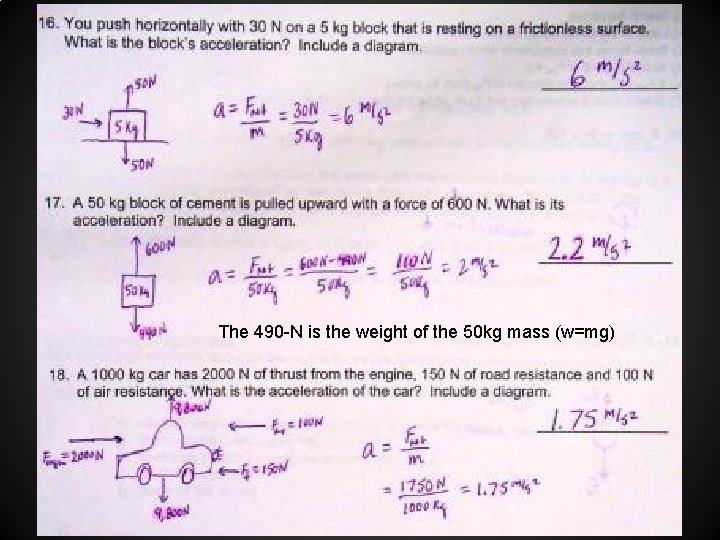
The 490 -N is the weight of the 50 kg mass (w=mg)
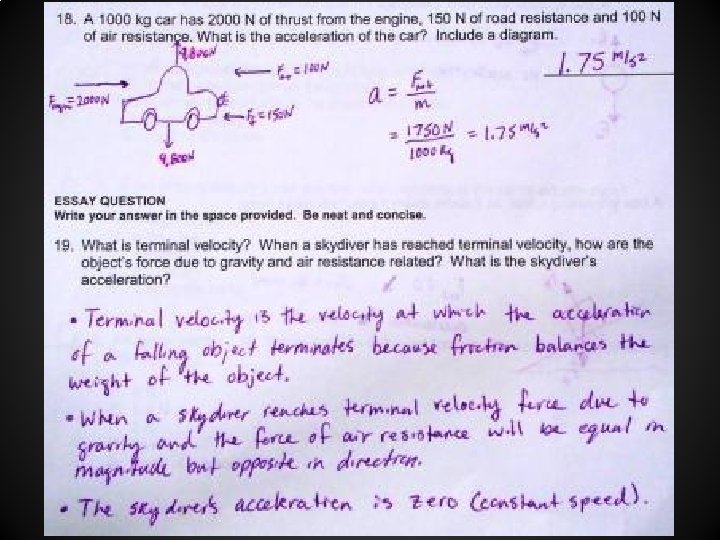
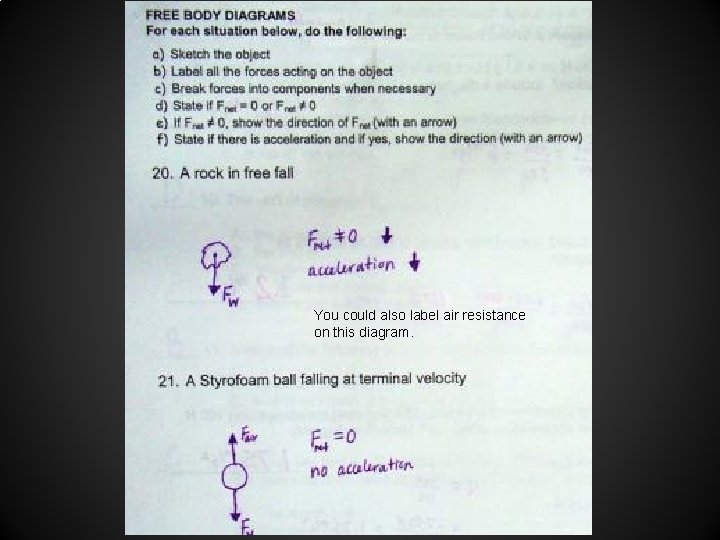
You could also label air resistance on this diagram.
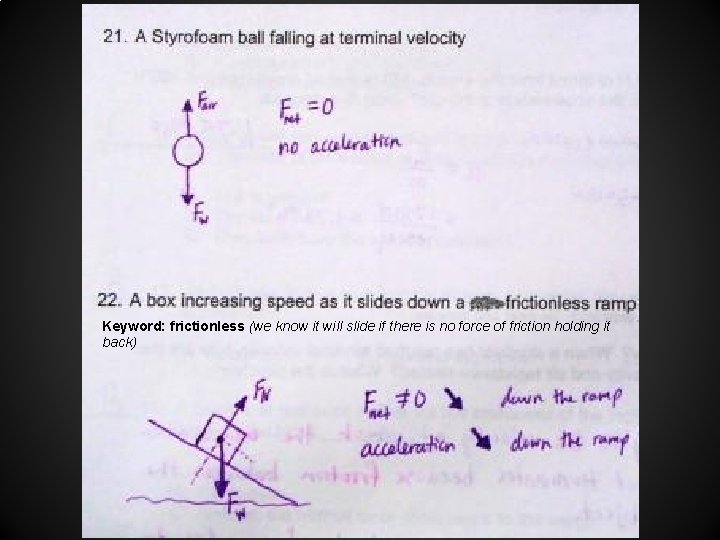
Keyword: frictionless (we know it will slide if there is no force of friction holding it back)
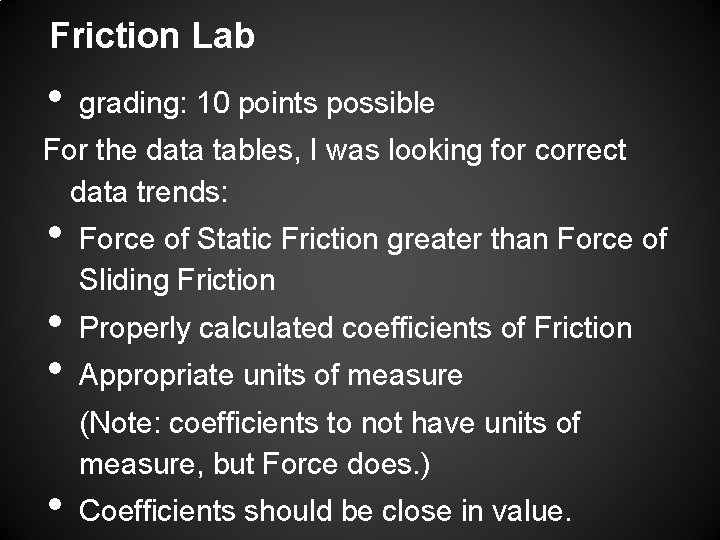
Friction Lab • grading: 10 points possible For the data tables, I was looking for correct data trends: • • Force of Static Friction greater than Force of Sliding Friction Properly calculated coefficients of Friction Appropriate units of measure (Note: coefficients to not have units of measure, but Force does. ) Coefficients should be close in value.
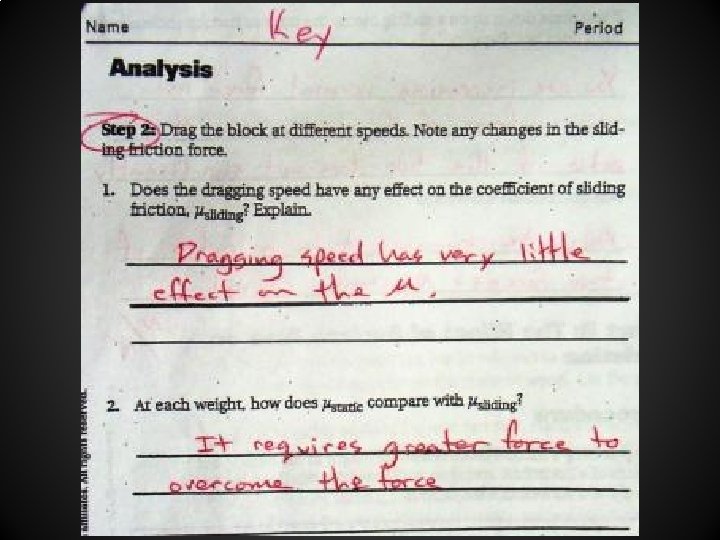
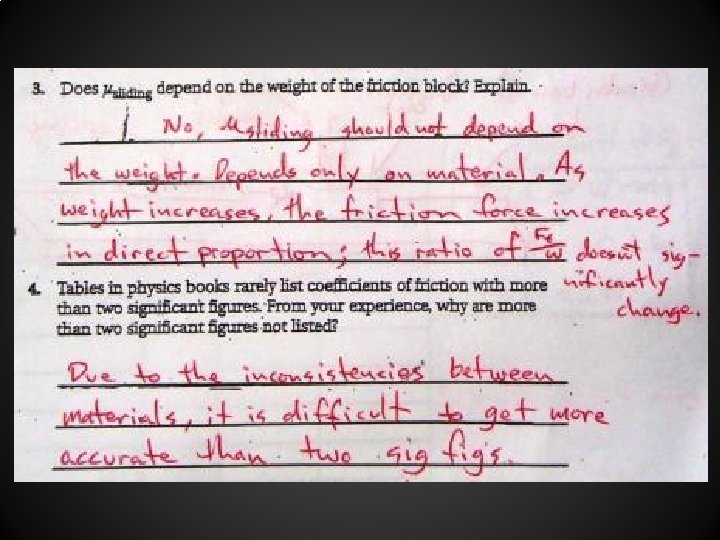
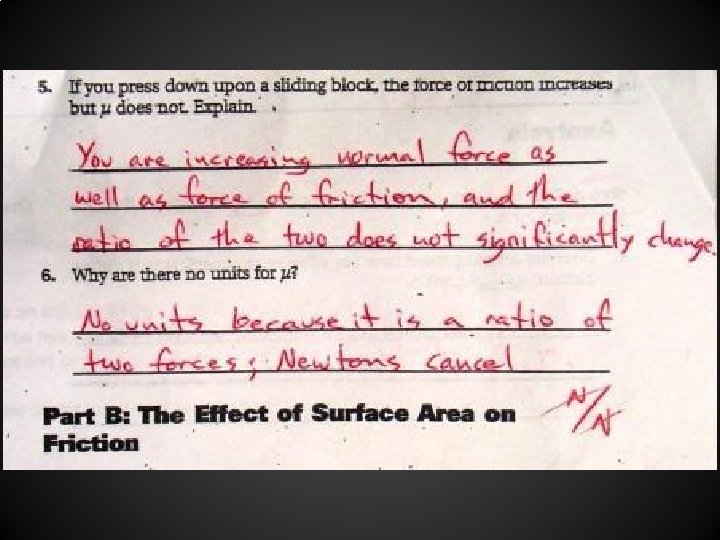
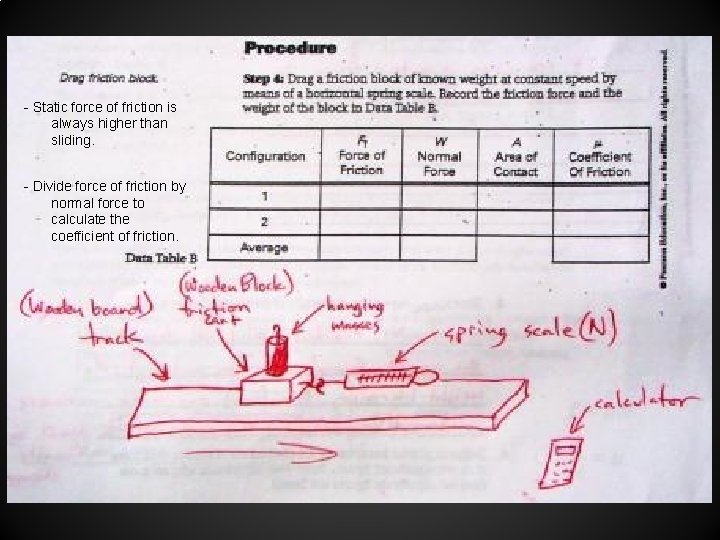
- Static force of friction is always higher than sliding. - Divide force of friction by normal force to calculate the coefficient of friction.
- Slides: 24