
Volcanoes Learning Targets Describe how plate tectonics influences
Volcanoes
Learning Targets: • Describe how plate tectonics influences the formation of volcanoes • Locate major zones of volcanism • Identify the parts of a volcano • Differentiate between volcanic landforms
Volcanism • All the processes associated with the discharge of magma, hot fluids, and gases. • In any given year, 60 volcanic eruptions will occur.
Volcanism • The majority of volcanoes are found at plate boundaries. • Most are found at convergent boundaries or divergent boundaries.
Convergent Volcanism • Most volcanoes on land occur because oceanic plates subduct under continental plates. • As the oceanic plate descends, magma forms. • Eventually the magma moves up because it is less dense. • These volcanoes have explosive eruptions.
Convergent Volcanism • Most convergent volcanoes are found in two major geographic belts: – Pacific Ring of Fire (Circum-Pacific) – Mediterranean Belt
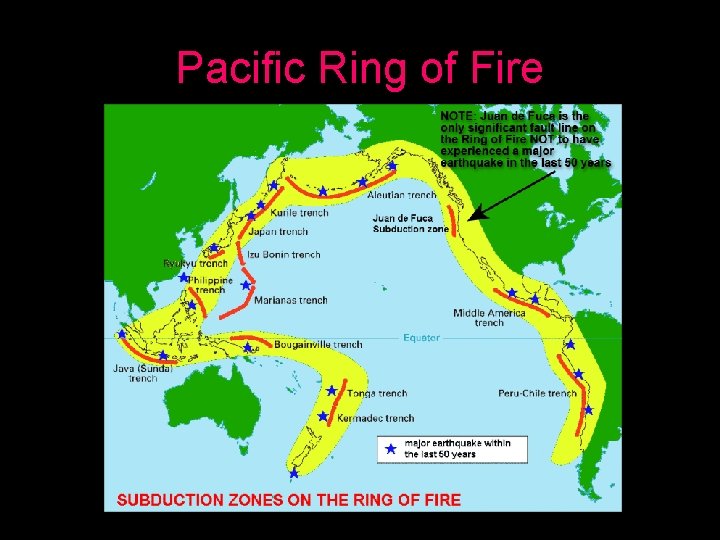
Pacific Ring of Fire
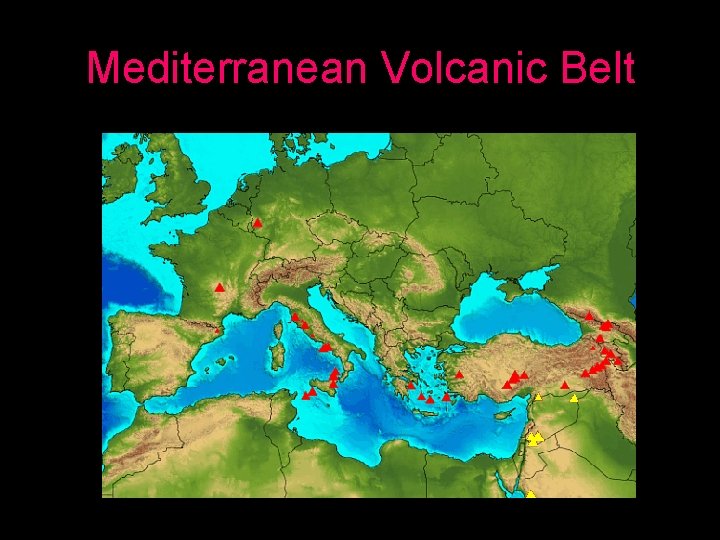
Mediterranean Volcanic Belt
Divergent Volcanism • At divergent boundaries in the ocean, new ocean floor is produced as magma fills up the new gaps. • These volcanoes are rarely explosive.
Hot Spots • Some volcanoes form far away from plate boundaries. • These are called “hot spot” volcanoes. • It is theorized that hot spots form in unusually hot regions of Earth’s mantle • Most are formed under the ocean and form islands (Hawaii).
Learning Target • Describe how plate tectonics influences the formation of volcanoes. • Where are the major zones of volcanism? What is significant about their locations?

Anatomy Of A Volcano
Anatomy of a Volcano • Conduit: tube structure through which lava travels to reach the surface • Vent: an opening in the conduit to allow lava to leave the conduit • Crater: a bowl shaped depression formed around the vent • Caldera: a larger depression that can form later
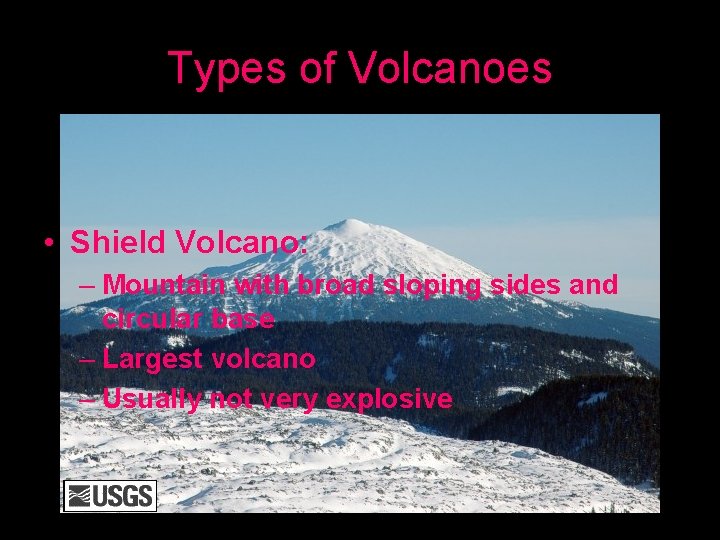
Types of Volcanoes • Shield Volcano: – Mountain with broad sloping sides and circular base – Largest volcano – Usually not very explosive
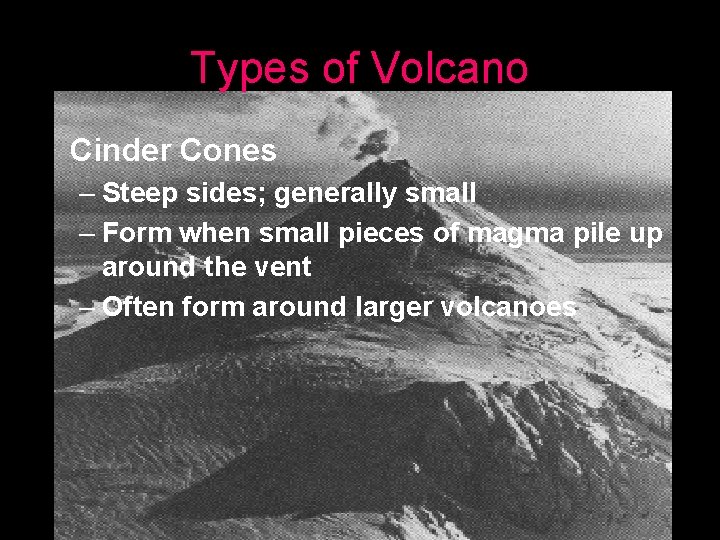
Types of Volcano Cinder Cones – Steep sides; generally small – Form when small pieces of magma pile up around the vent – Often form around larger volcanoes
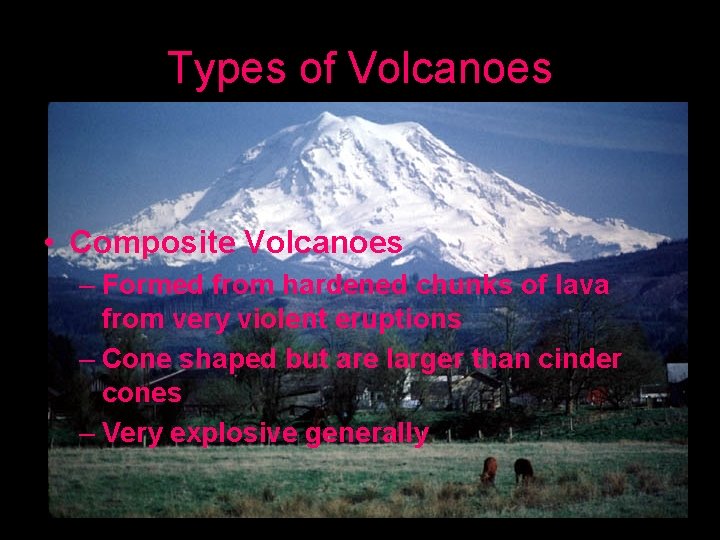
Types of Volcanoes • Composite Volcanoes – Formed from hardened chunks of lava from very violent eruptions – Cone shaped but are larger than cinder cones – Very explosive generally
Learning Targets • List the parts of a volcano and then define each. • Differentiate between volcanic landforms.
Magma Formation • Magma can be formed by: – Melting the crust – Melting in the mantle • Four main factors are involved: – Temperature – Pressure – Water Content – Mineral content of crust
Magma Formation • Temperature increases with depth in Earth’s crust • Pressure also increases with depth; due to weight of overlying rocks • Water content; rocks often have water in them which changes melting point of rocks; as water content increases, melting point decreases
Magma Formation • Mineral Content – Different minerals have different melting points • Basalt has a high melting point • Granite is lower • Generally rocks with high iron and magnesium melt at higher temperatures
Magma Formation • Viscosity – The physical property that describes a material’s resistance to flow • Cooler magma has a higher viscosity (it’s thicker); it resists flowing
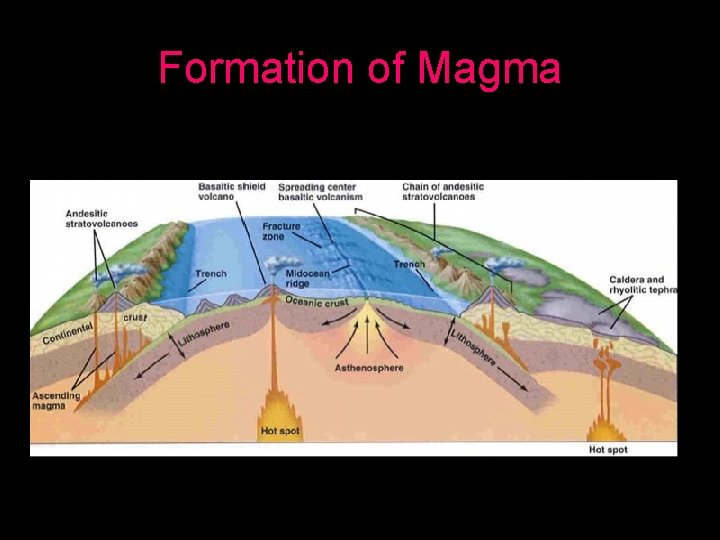
Formation of Magma
Types of Magma • Balsaltic magma – Forms when rocks in upper mantle melt – Less than 50% silica – Low viscosity – Found in quiet eruptions – Kilauea in Hawaii
Types of Magma • Andesitic magma – 50 -60% silica – Found along oceanic-continental subduction zones – Intermediate viscosity – Intermediate explosivity
Types of Magma • Rhyolitic magma – More than 60% silica – High viscosity – Very explosive
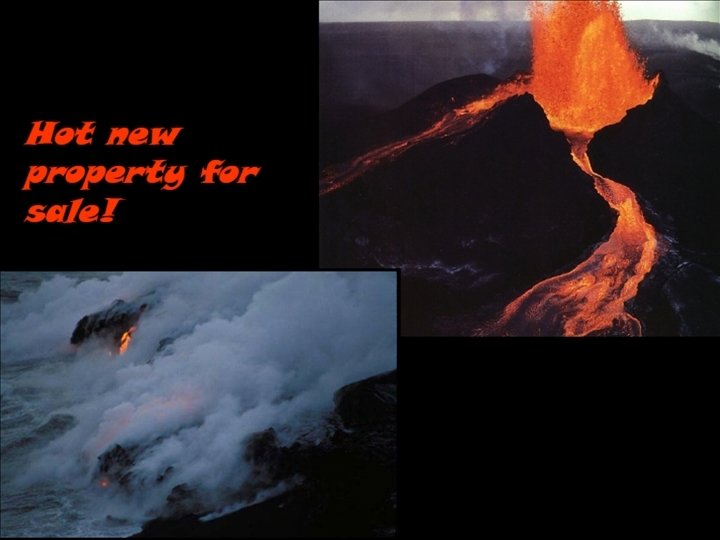
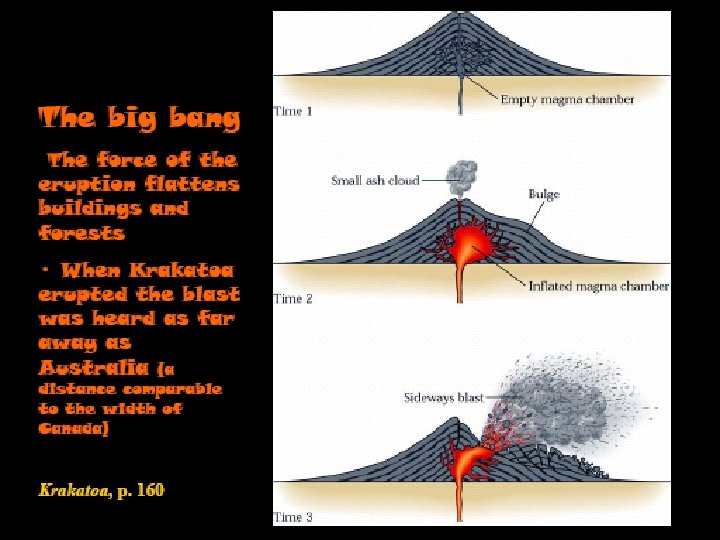
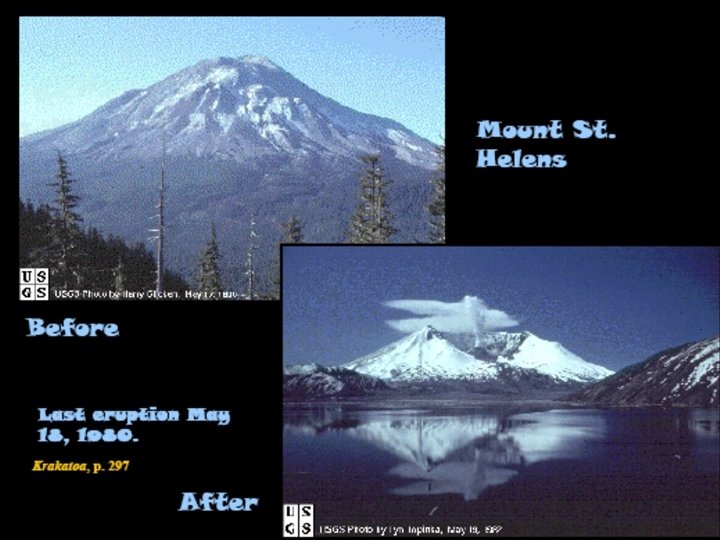
Explosive Eruptions • When lava is too viscous to flow freely, pressure builds up until the volcano explodes. This throws lava and rock into the air. • Tephra is the pieces of lava or pieces of crust thrown into the air
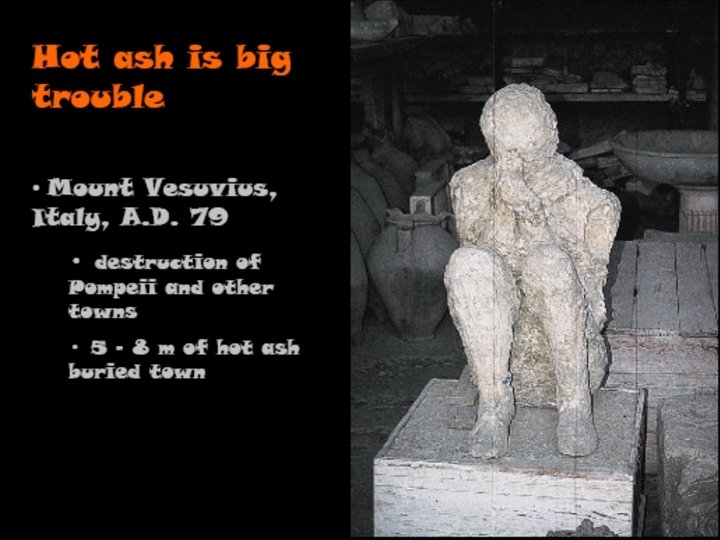
Explosive Eruptions • Pyroclastic flows – Tephra that is rapidly moving mixed with hot (over 700 o. C) suffocating gases – Mt. Pelee in the Carbbean Sea killed 29, 000. – Death caused by suffocation or burned to death
Learning Targets • Explain how magma type influences volcanic activity. • Discuss the role of temperature, pressure and dissolved gases in eruptions. • Recognize classifications of material ejected by eruptions.
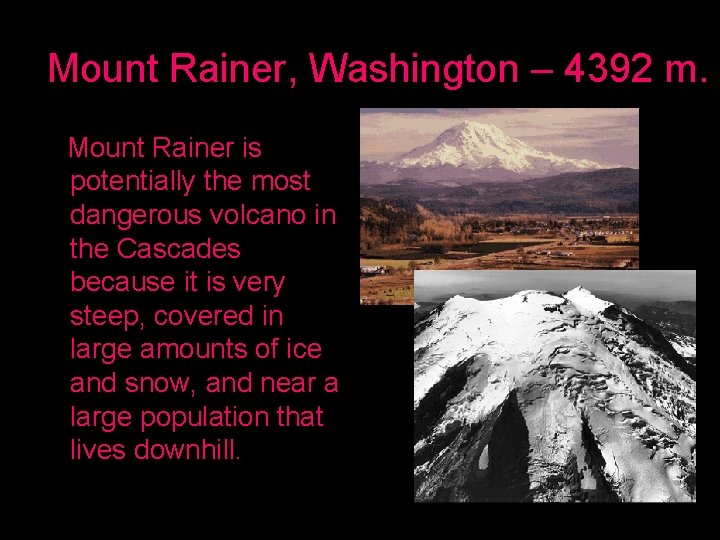
Mount Rainer, Washington – 4392 m. Mount Rainer is potentially the most dangerous volcano in the Cascades because it is very steep, covered in large amounts of ice and snow, and near a large population that lives downhill.
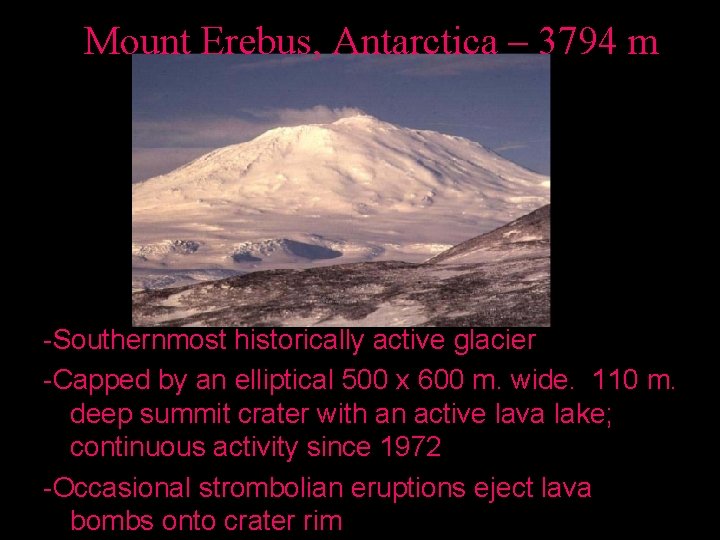
Mount Erebus, Antarctica – 3794 m -Southernmost historically active glacier -Capped by an elliptical 500 x 600 m. wide. 110 m. deep summit crater with an active lava lake; continuous activity since 1972 -Occasional strombolian eruptions eject lava bombs onto crater rim
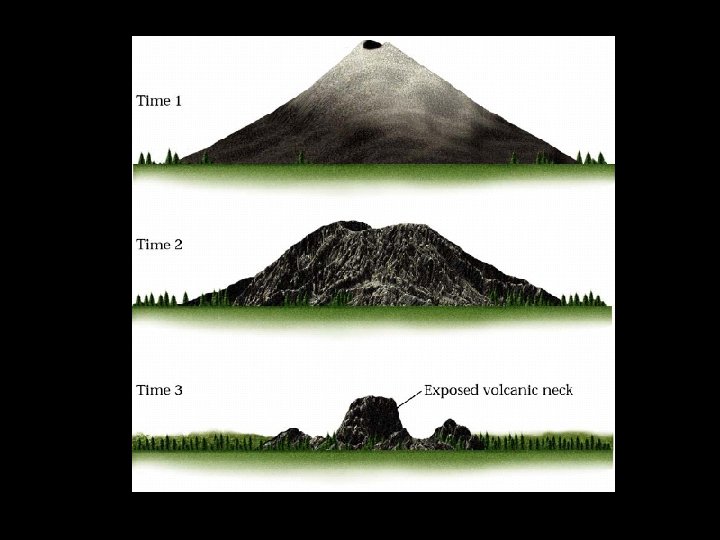
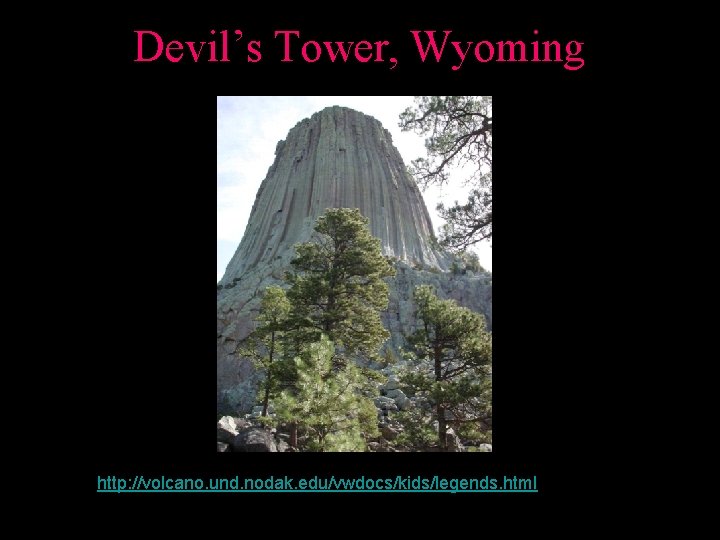
Devil’s Tower, Wyoming http: //volcano. und. nodak. edu/vwdocs/kids/legends. html
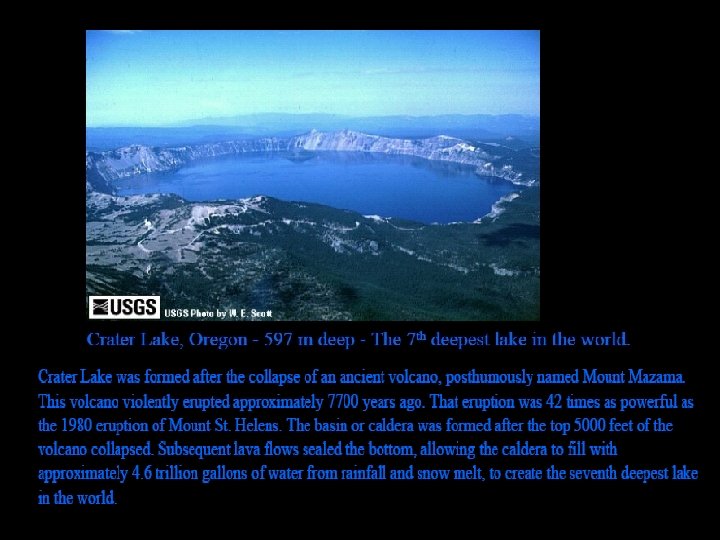
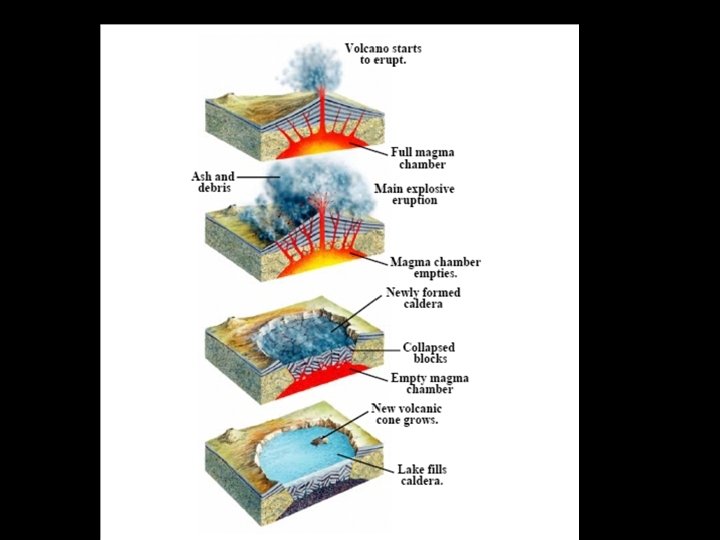
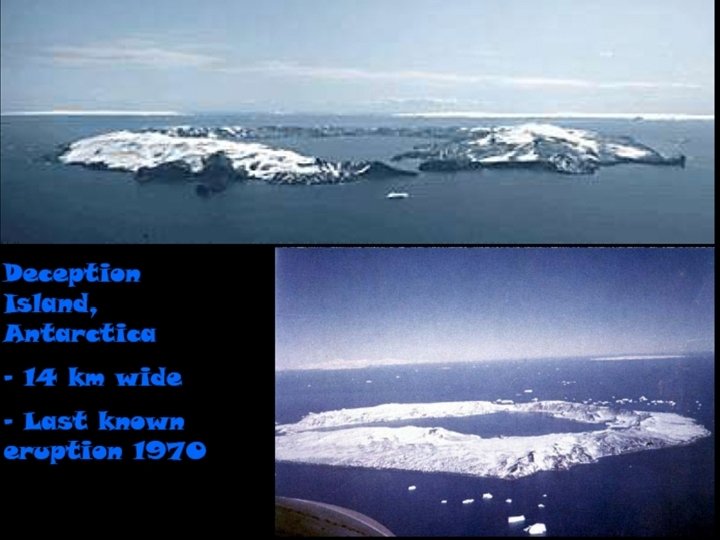
Caldera • A large depression created by the collapse of a volcano • Magma chamber drains • Loss of structural support • Collapse of overlying material
Volcanoes are good! • Produced our atmosphere • Volcanic soil very fertile • Beautiful scenery • Mineral resources -Diamonds, copper, gold, lead, zinc, etc. -Pumice, BBQ rocks, Aquarium stones • Geothermal heat • Geologic time markers • Eruptions make for a good story line!
- Slides: 46