
Volcanoes BOOM Volcanoes Methods of Classifying Volcanoes 1
Volcanoes • BOOM
Volcanoes • Methods of Classifying Volcanoes 1. Types 2. Molten Material 3. Forms 4. Stages
Volcanoes • Types 1. Composite Cone 2. Cinder Cone 3. Shield Cone
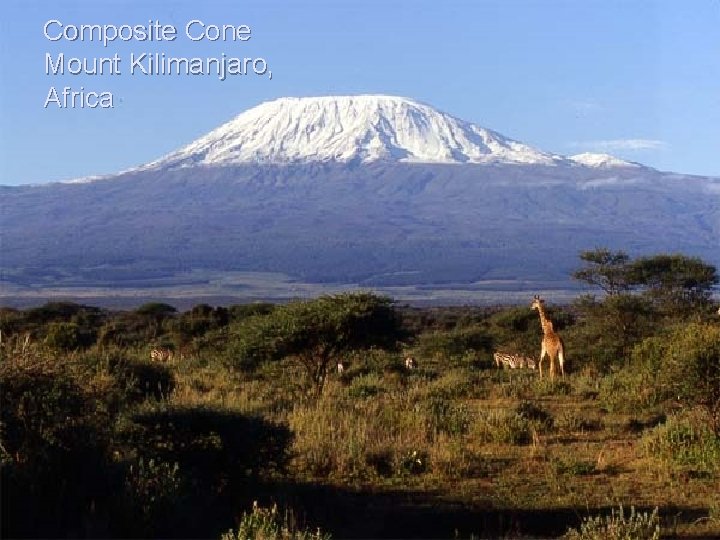
Composite Cone Mount Kilimanjaro, Africa
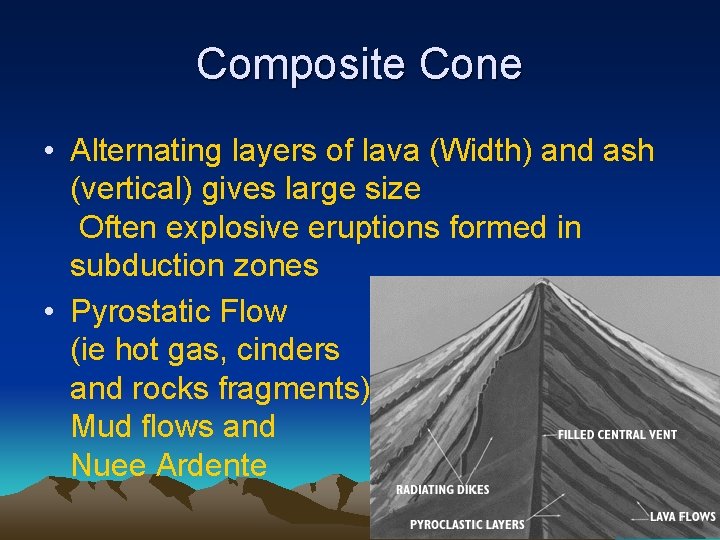
Composite Cone • Alternating layers of lava (Width) and ash (vertical) gives large size Often explosive eruptions formed in subduction zones • Pyrostatic Flow (ie hot gas, cinders and rocks fragments) Mud flows and Nuee Ardente
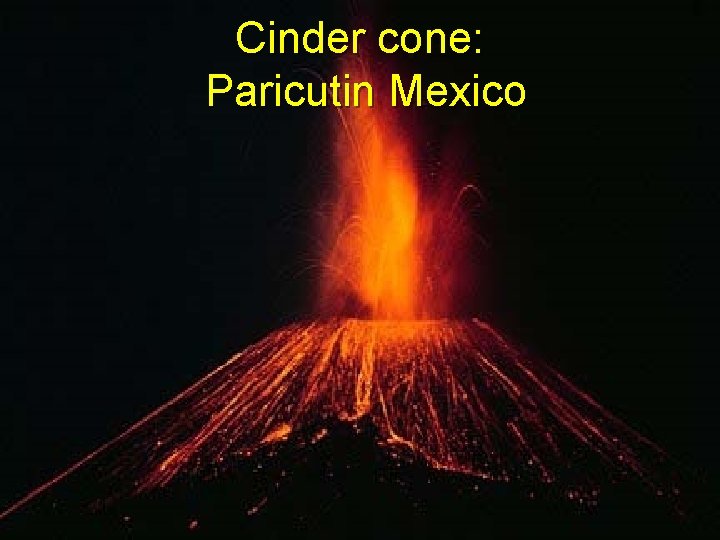
Cinder cone: Paricutin Mexico

Cinder Cone • basaltic magma ejected under high pressure from a narrow neck cools to form cinder and ash which falls back down to build the sides of the cone • if the narrow neck of the cone becomes plugged the volcano can explode violently
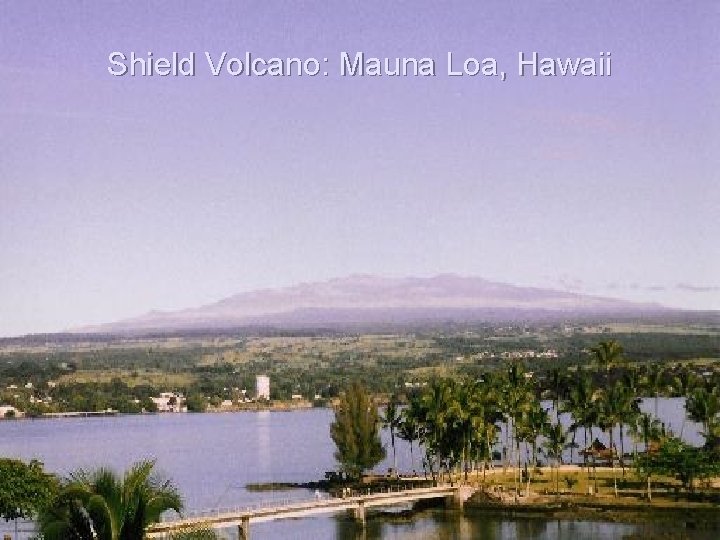
Shield Volcano: Mauna Loa, Hawaii
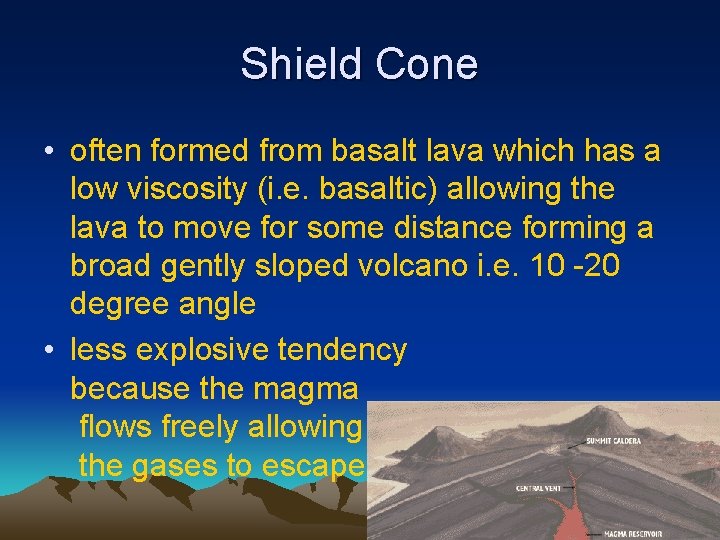
Shield Cone • often formed from basalt lava which has a low viscosity (i. e. basaltic) allowing the lava to move for some distance forming a broad gently sloped volcano i. e. 10 -20 degree angle • less explosive tendency because the magma flows freely allowing the gases to escape
Molten Material • Magma • Lava – Basaltic – Andestic
Magma
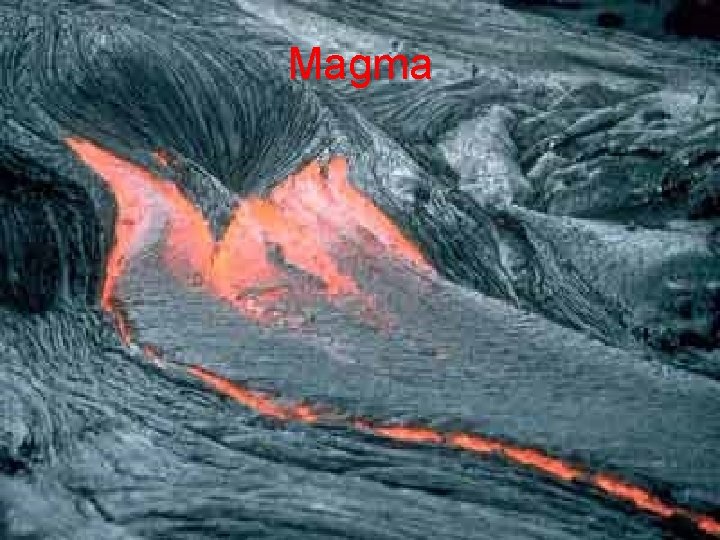
Magma • Molten material within the earth
Lava • Molten Material on the earth surface • 2 types – Basaltic – Andesitic
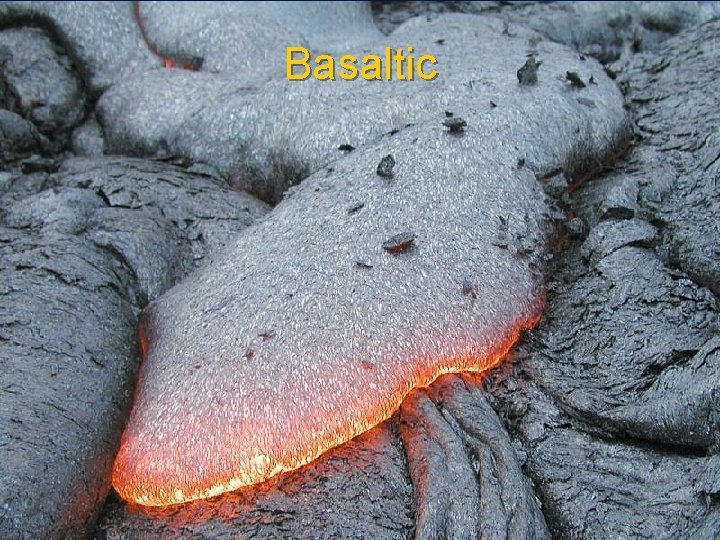
Basaltic
Lava • Basaltic • low viscosity, more fluid and fast flowing, maganesium-rich, less risk of a violent eruption as gases can more easily escape.
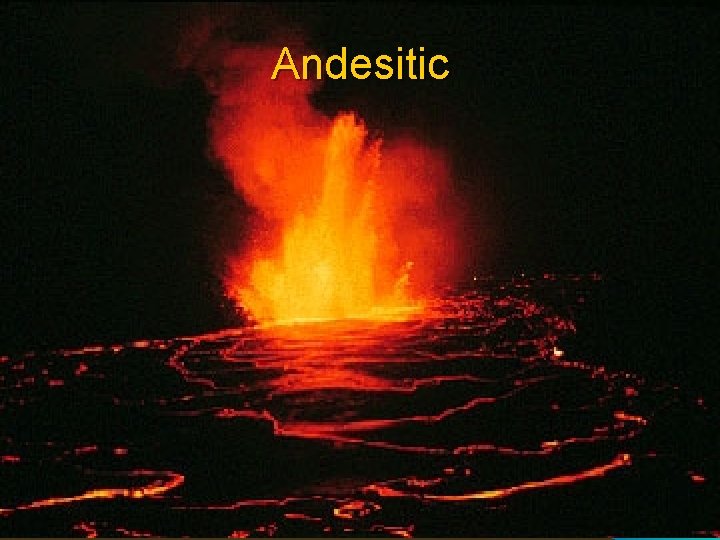
Andesitic
Lava • Andesitic • high viscosity, thick and slow moving, silica rich, greater risk of a violent eruption as gases are trapped by its thickness so pressure builds.
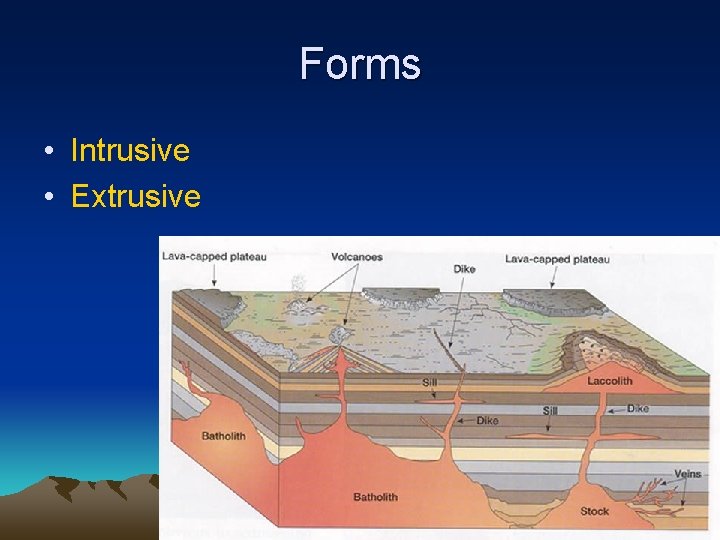
Forms • Intrusive • Extrusive
Intrusive • • • wall or dike Sill Laccolith batholith volcanic neck or plug
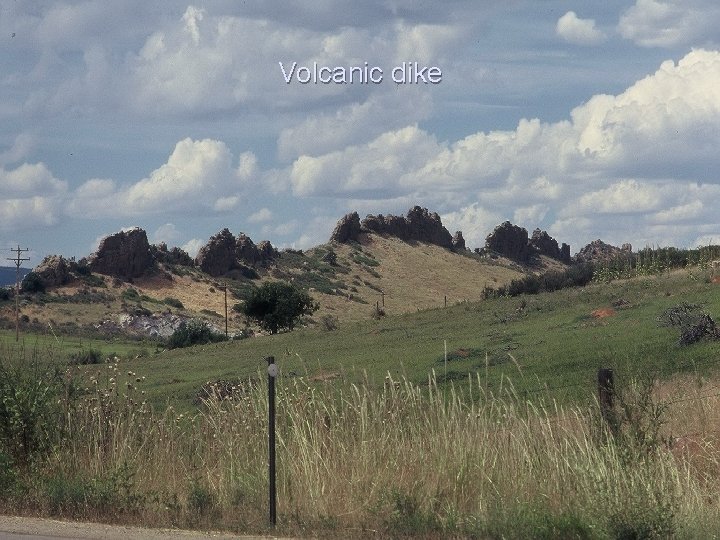
Volcanic dike
Intrusive • wall or dike: magma that cools in a vertical crack
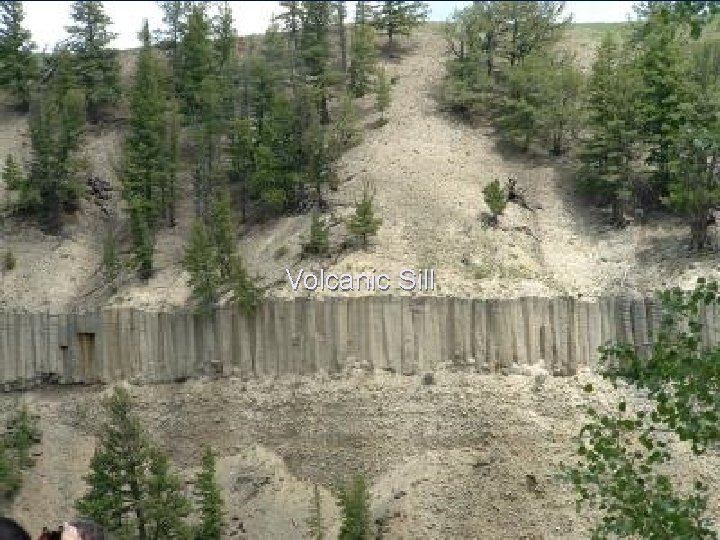
Volcanic Sill
Intrusive • sill: magma that flows between strata of sedimentary rock forming a thin but extensive sheet
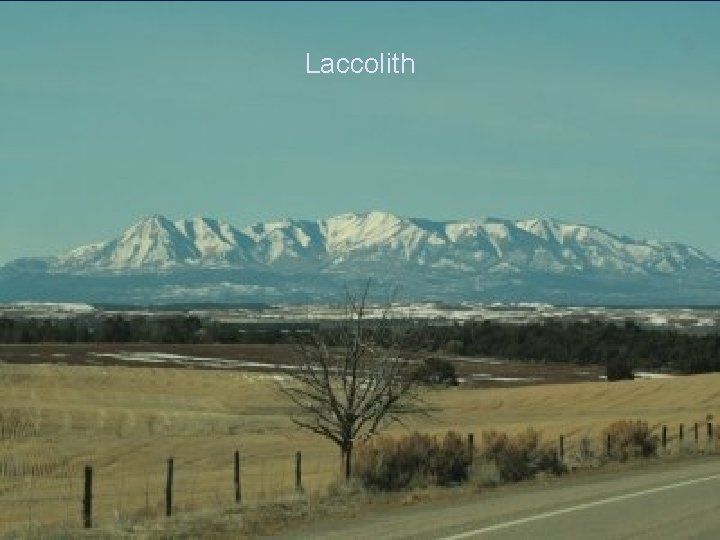
Laccolith
Intrusive • laccolith: dome of igneous rock formed from a large enough volume of magma to raise up the overlying strata
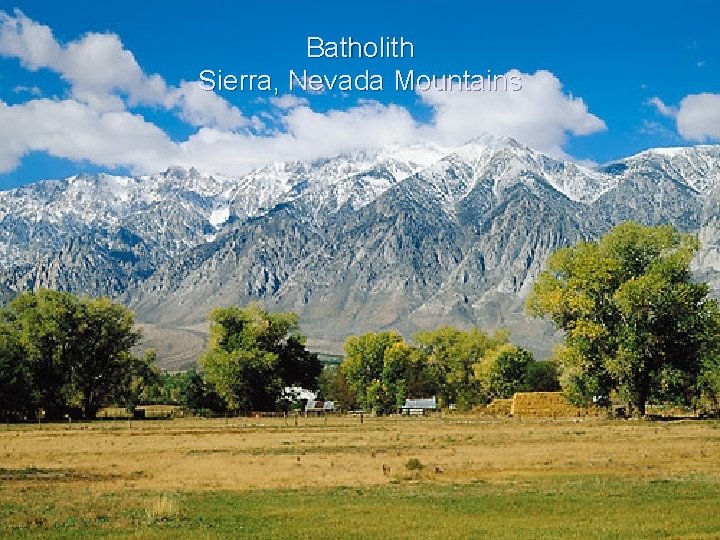
Batholith Sierra, Nevada Mountains
Intrusive • batholith: a huge storage basin of magma several kilometres thick.
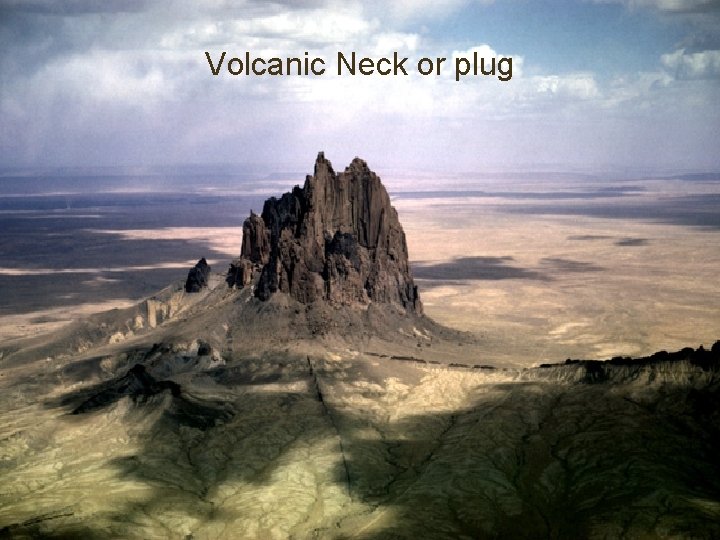
Volcanic Neck or plug
Intrusive • volcanic neck or plug: volcanoes, of course, are extrusive igneous features -but part of a volcano cools underground and is considered an intrusive igneous feature.
Extrusive • plateau • crater • caldera
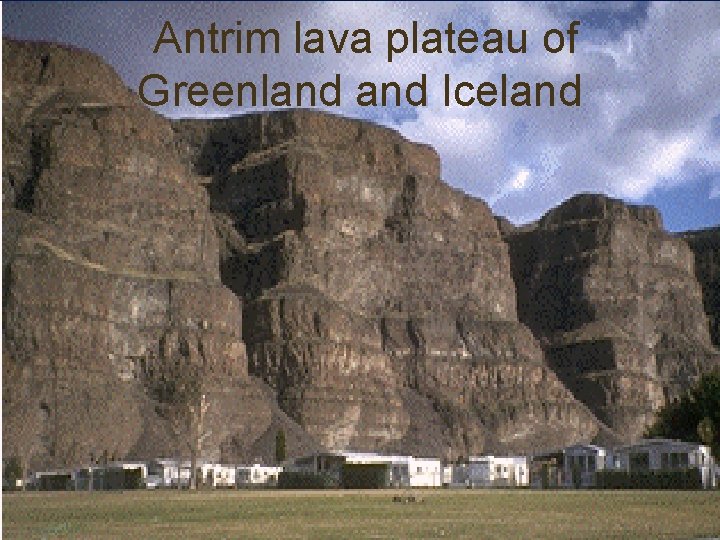
Antrim lava plateau of Greenland Iceland
Extrusive • Plateau large volumes of lava cover existing landforms eg Columbia Lava Plateau in nothwestern USA covers over 500 000 sq. km with lava up to 0. 8 km in depth
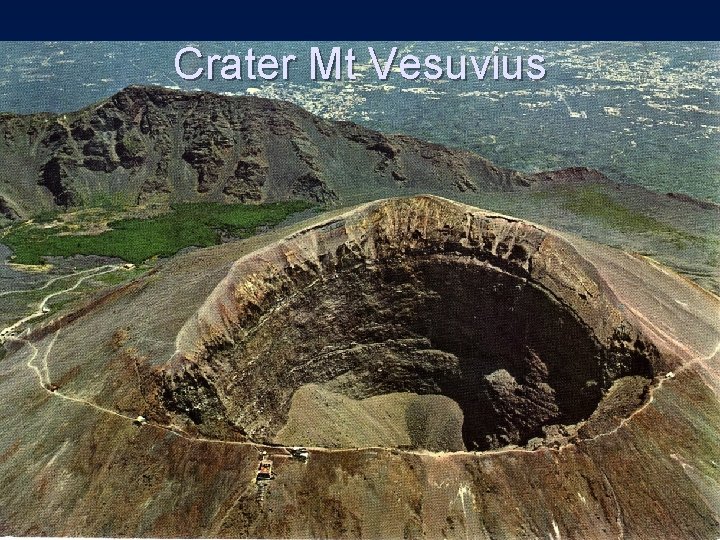
Crater Mt Vesuvius
Extrusive • Crater the funnel-shaped opening at the top of the cone
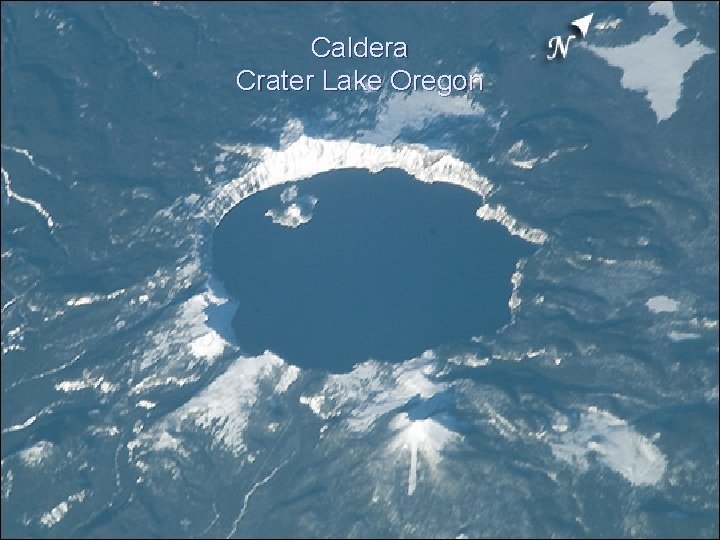
Caldera Crater Lake Oregon
Extrusive • Caldera if a composite cone volcano erupts so violently that much of the magma from the cone is ejected, it is left with little support, resulting in an inward collapse of the cone leaving behind a depression.
Extrusive • BTW technically volcanoes are also extrusive as they are build ups on the surface of the earth

Stages • 1) active • 2) dormant • 3) extinct
Stages • 1) active: includes the cones that are erupting or show some signs of internal unrest.

Stages • 2) dormant: currently inactive volcanoes that have erupted in historic times and could possibly erupt in the future.
Stages • 3) extinct: no future activity appears possible.

Questions • Turn the page over…. .
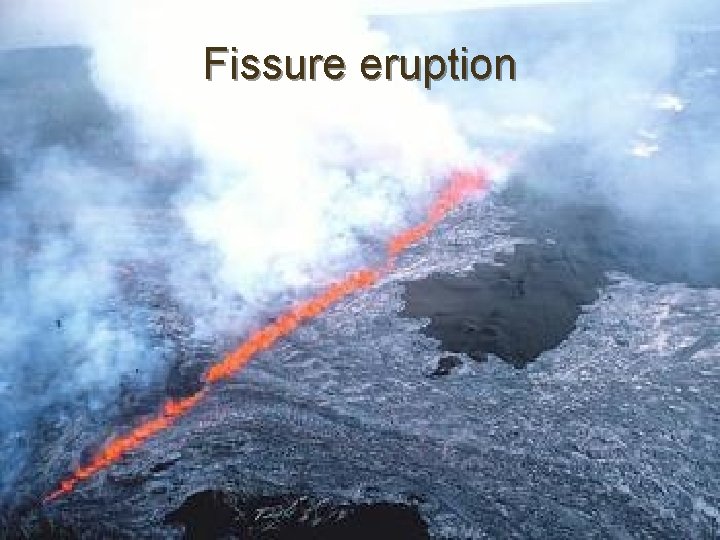
Fissure eruption
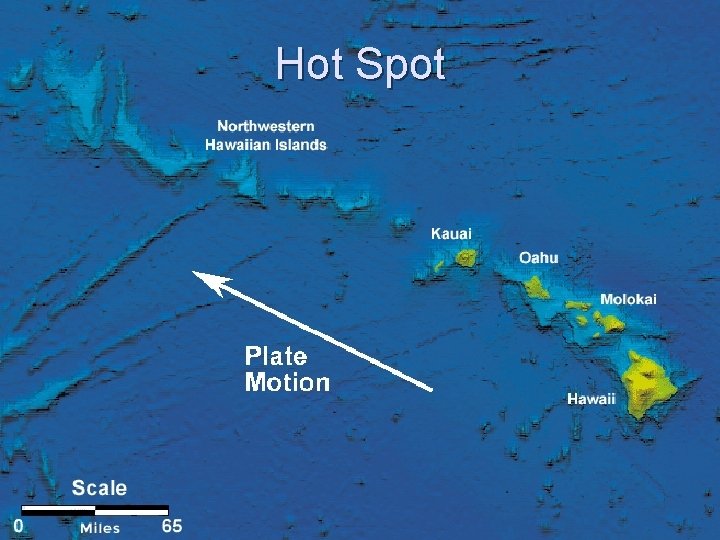
Hot Spot
DESTRUCTIVE INFLUENCES OF VOLCANOES • Aside from the obvious destruction from Lava the 3 of the greatest threats from volcanoes are: – nuée ardente – lahar – pyroclastic flow
DESTRUCTIVE INFLUENCES OF VOLCANOES • Volcanoes can also contribute to climate change by expelling large amounts of greenhouse gases into the atmosphere
CONSTRUCTIVE INFLUENCES OF VOLCANOES • some lava outpourings have weathered to give fertile soils eg in Java, the northwestern-part of the Deccan Plateau, and the plains around Etna. These regions are of important agricultural value.
CONSTRUCTIVE INFLUENCES OF VOLCANOES • volcanic activity sometimes results in the formation of precious stones and minerals. These occur in some igneous and metamorphic rocks. eg copper deposits of Butte, USA, nickel deposits of Sudbury, Ontario.
CONSTRUCTIVE INFLUENCES OF VOLCANOES • some hot springs are utilized for heating and supplying hot water to buildings in New Zealand Iceland.
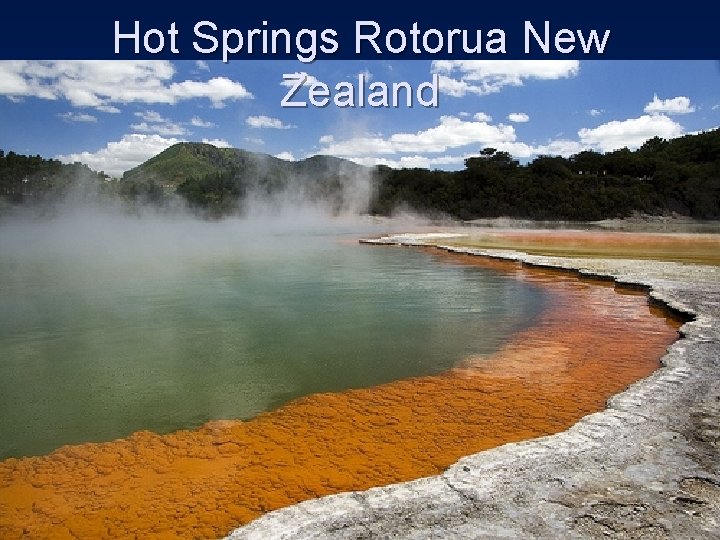
Hot Springs Rotorua New Zealand
CONSTRUCTIVE INFLUENCES OF VOLCANOES • HOT SPRINGS • superheated water which flows quickly to the surface after being heated by volcanic rocks forms hot springs
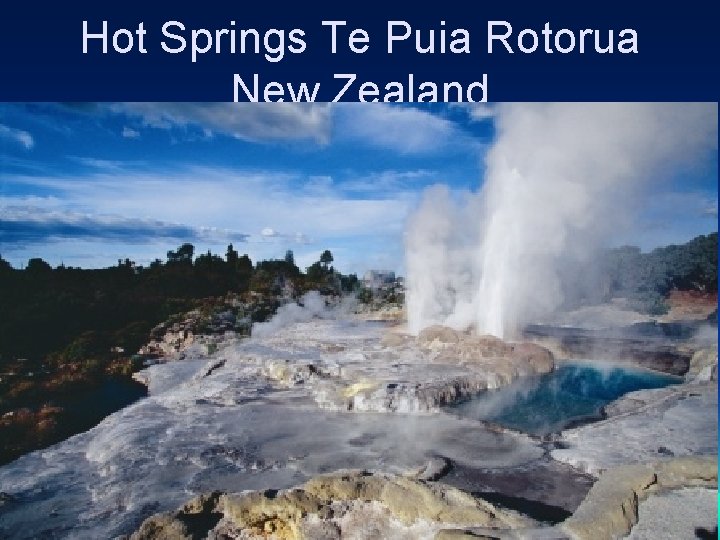
Hot Springs Te Puia Rotorua New Zealand
CONSTRUCTIVE INFLUENCES OF VOLCANOES • GEYSERS • superheated water which is thrown out with great force and accompanied by steam is a geyser
Volcanoes • In paragraphs which is the greatest threat and the greatest benefit from humans from volcanoes? Defend your position.
- Slides: 54