
Volcano Rocks Landforms What are the types of


- Slides: 44
Volcano Rocks & Landforms
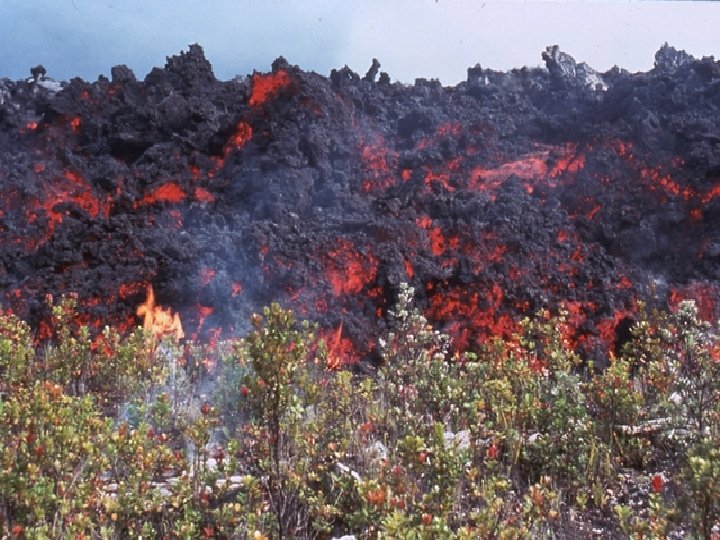
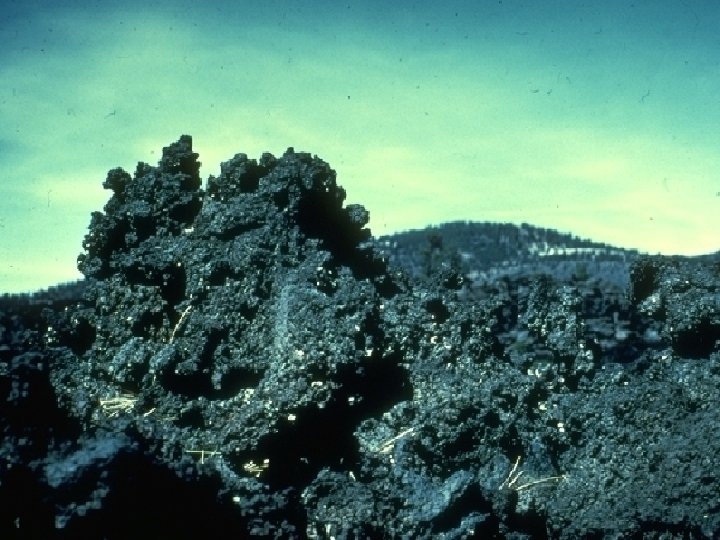
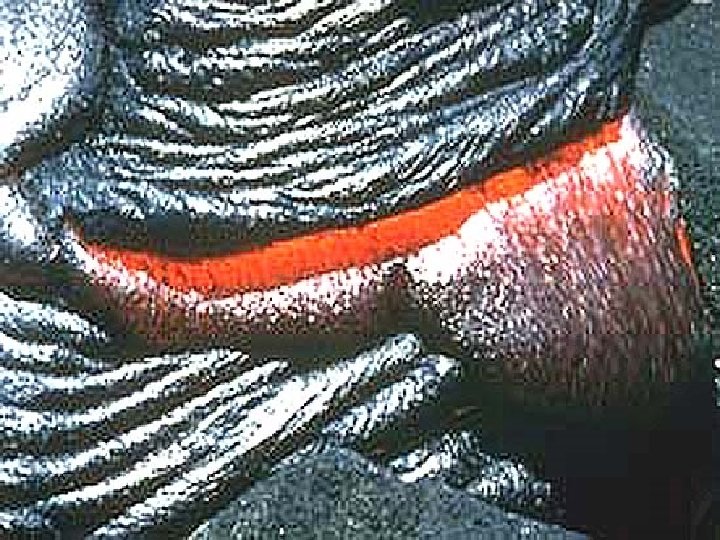
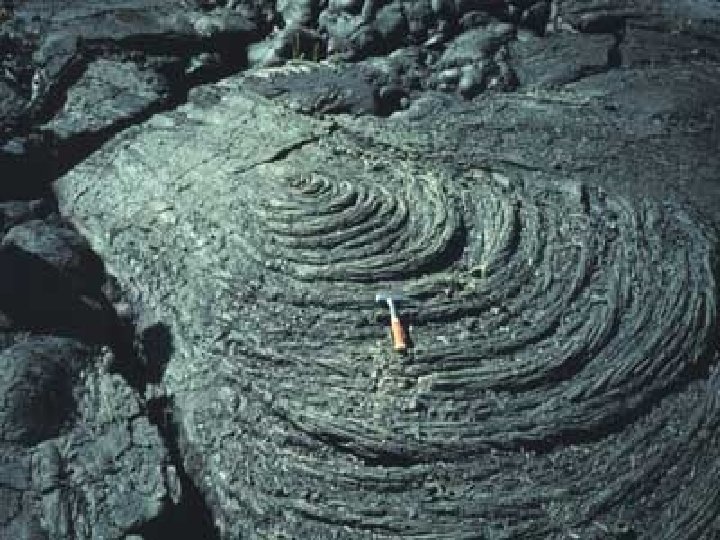
What are the types of lava rocks? Both are produced by quiet eruptions Aa Is a sharp, jagged surface. n Forms from lava flows that are cooler and slower moving. n Pahoehoe n n smooth, “ropey” surface Forms during fast moving, hot lava flows
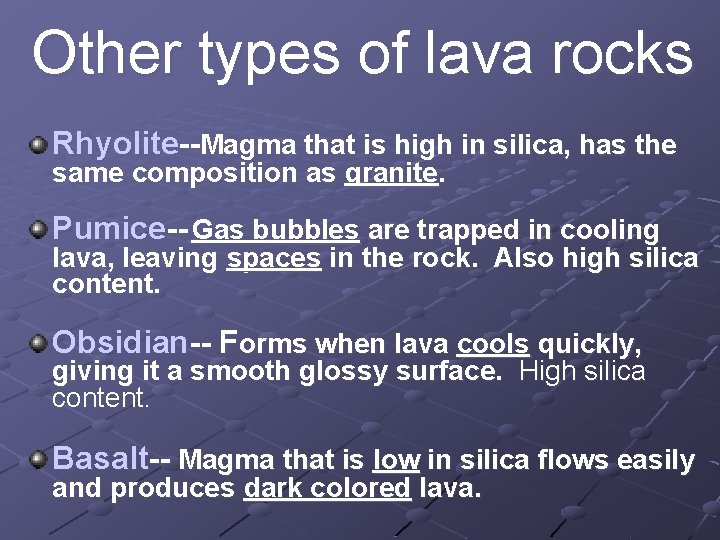
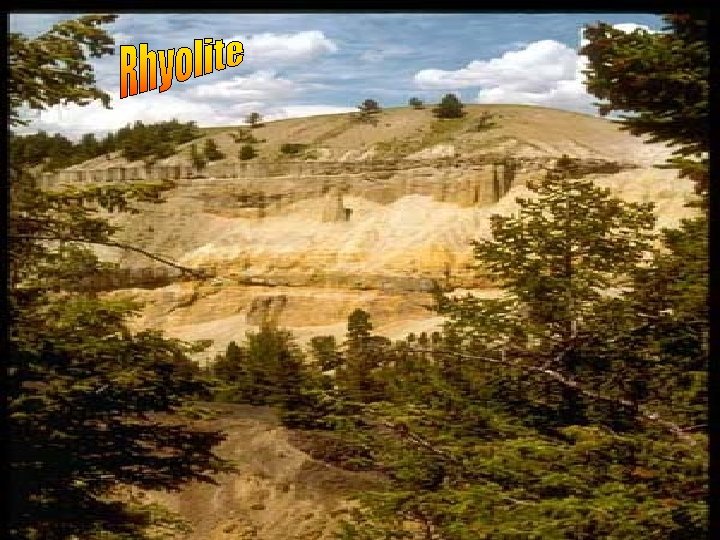
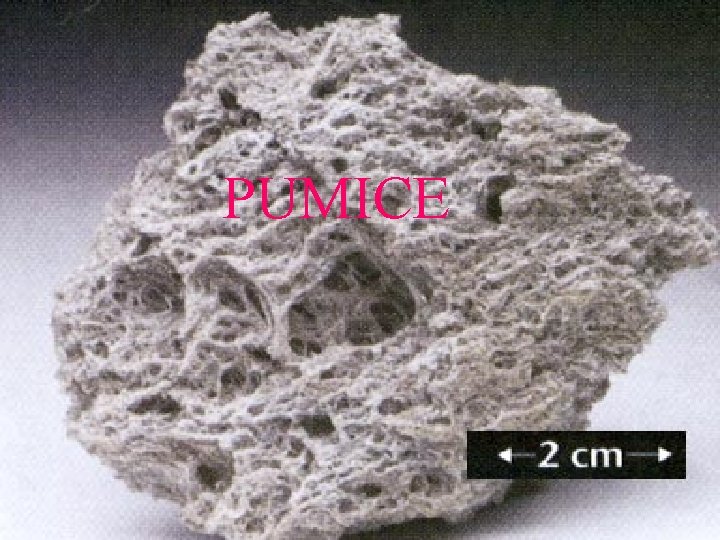
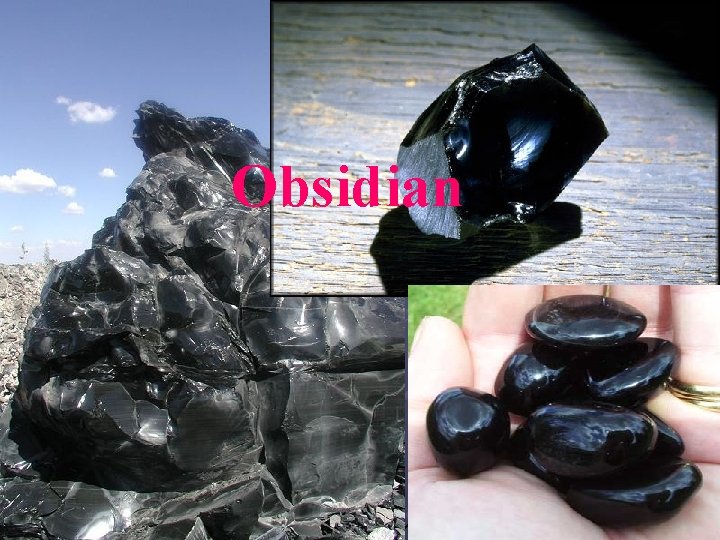
Other types of lava rocks Rhyolite--Magma that is high in silica, has the same composition as granite. Pumice-- Gas bubbles are trapped in cooling lava, leaving spaces in the rock. Also high silica content. Obsidian-- Forms when lava cools quickly, giving it a smooth glossy surface. High silica content. Basalt-- Magma that is low in silica flows easily and produces dark colored lava.
PUMICE
Obsidian
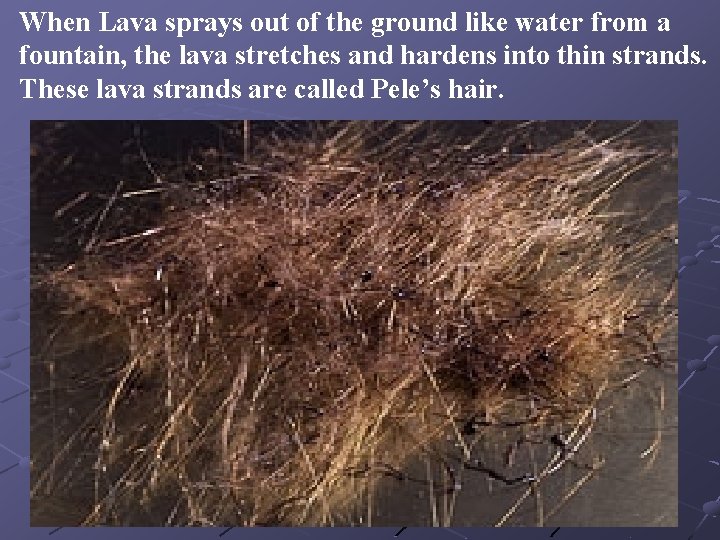
When Lava sprays out of the ground like water from a fountain, the lava stretches and hardens into thin strands. These lava strands are called Pele’s hair.
LAVA Landforms
Calderas Large depressions in volcanoes formed by collapse Nearly circular Size exceeds 100 km in diameter
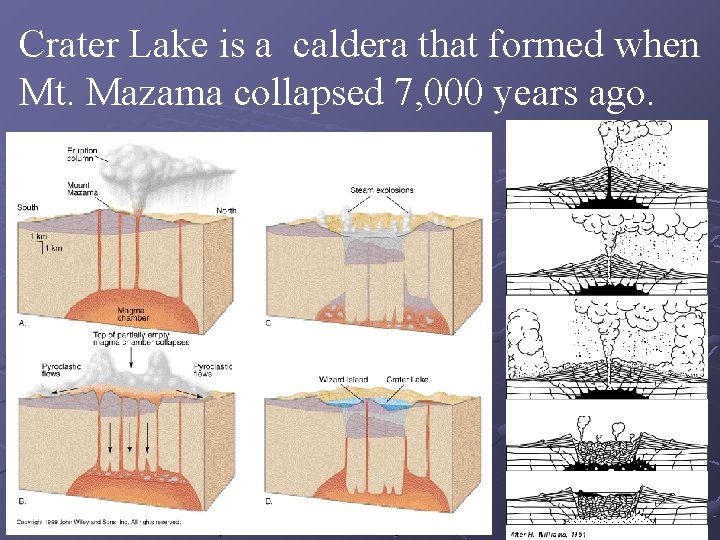
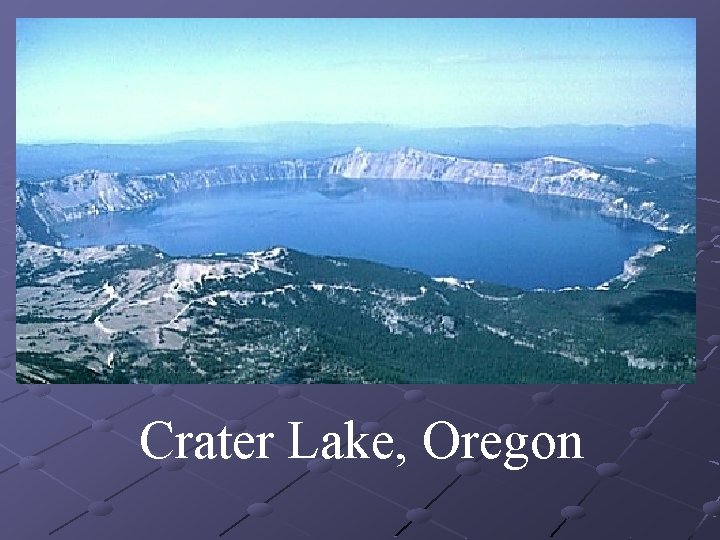
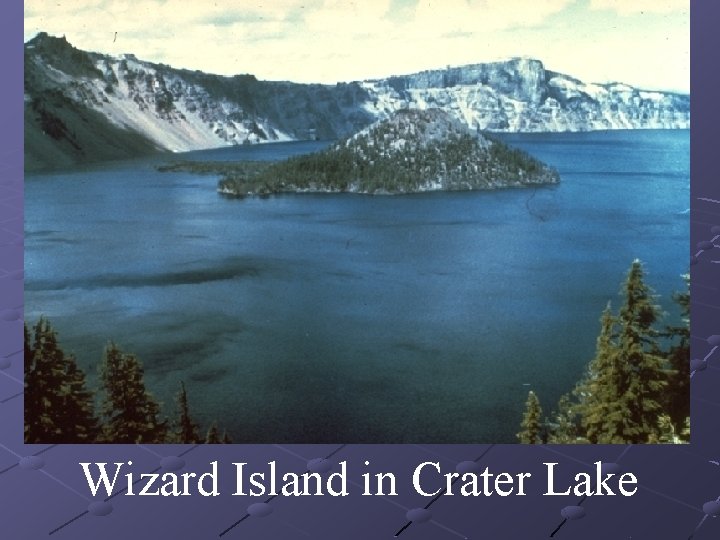
Crater Lake is a caldera that formed when Mt. Mazama collapsed 7, 000 years ago.
Crater Lake, Oregon
Wizard island is a small cinder cone that formed after the collapse of Mt. Mazama.
Wizard Island in Crater Lake
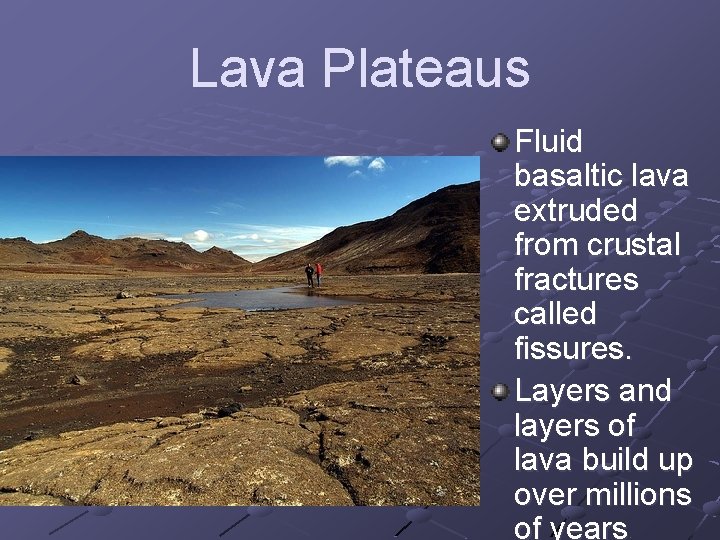
Lava Plateaus Fluid basaltic lava extruded from crustal fractures called fissures. Layers and layers of lava build up over millions of years
Rocks & Landforms Made from MAGMA
10. 2 Intrusive Igneous Rocks & Landforms Igneous rocks & landforms - MAGMA. u Plutons are intrusive igneous structures that result from the cooling and hardening of magma beneath the surface of Earth. • classified by their shape, size, and relationship to the surrounding rock layers. • this include necks, dikes, sills and batholiths
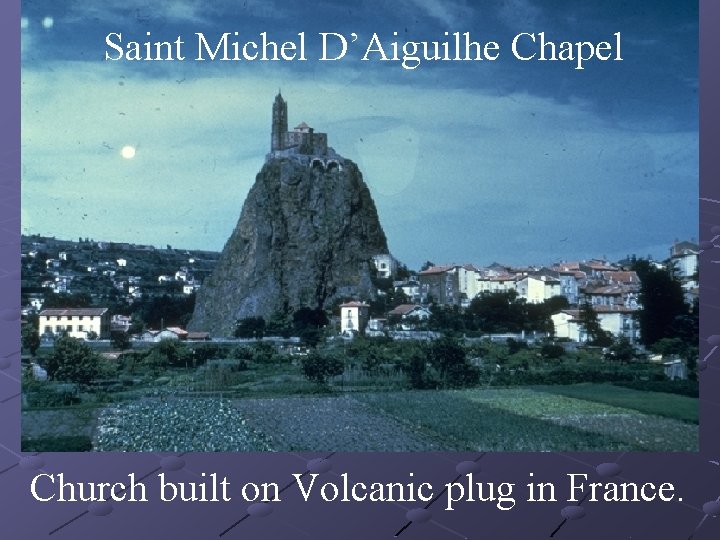
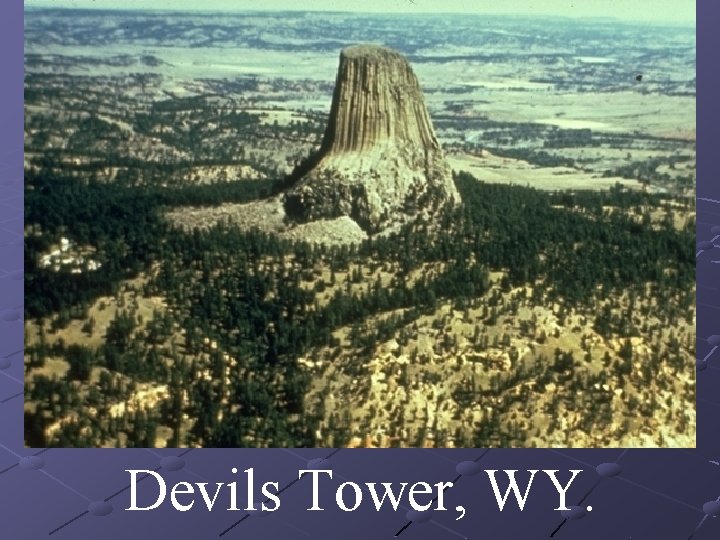
Volcanic Necks Forms when magma hardens in a volcano’s pipe. The volcanic neck is exposed when the softer rock wears away.
Saint Michel D’Aiguilhe Chapel Church built on Volcanic plug in France.
Devils Tower, WY.
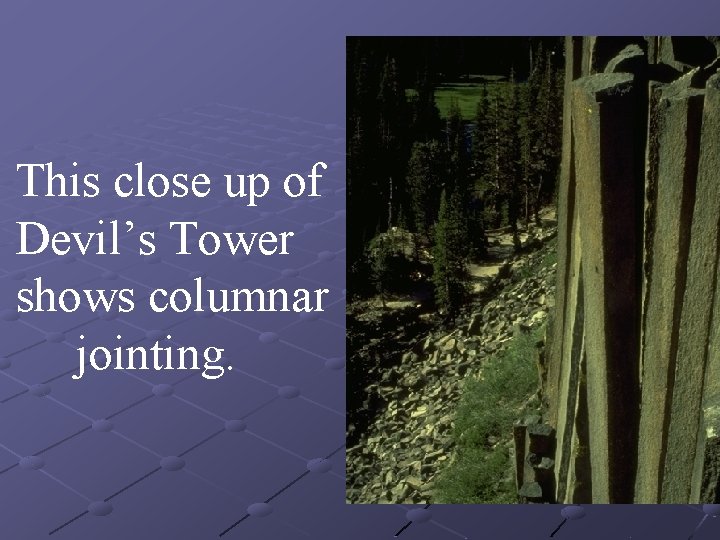
This close up of Devil’s Tower shows columnar jointing.
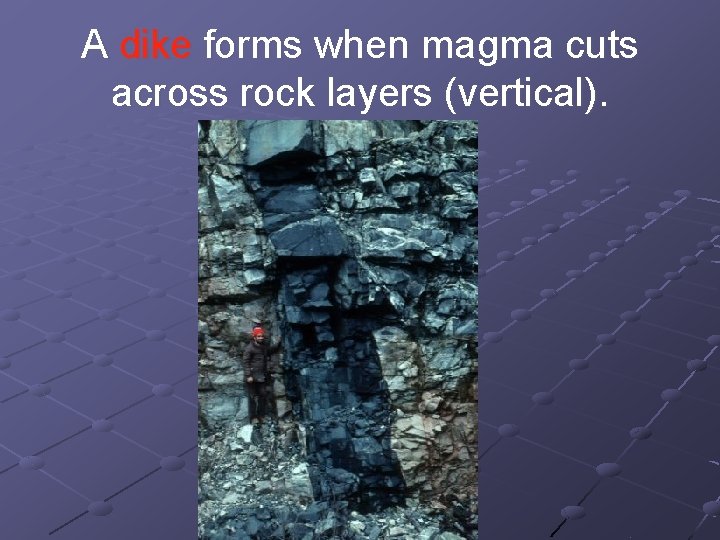
A dike forms when magma cuts across rock layers (vertical).
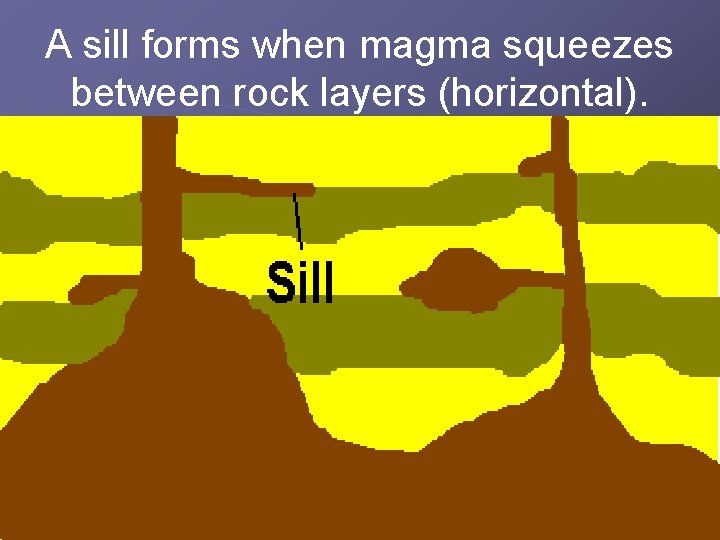
A sill forms when magma squeezes between rock layers (horizontal).
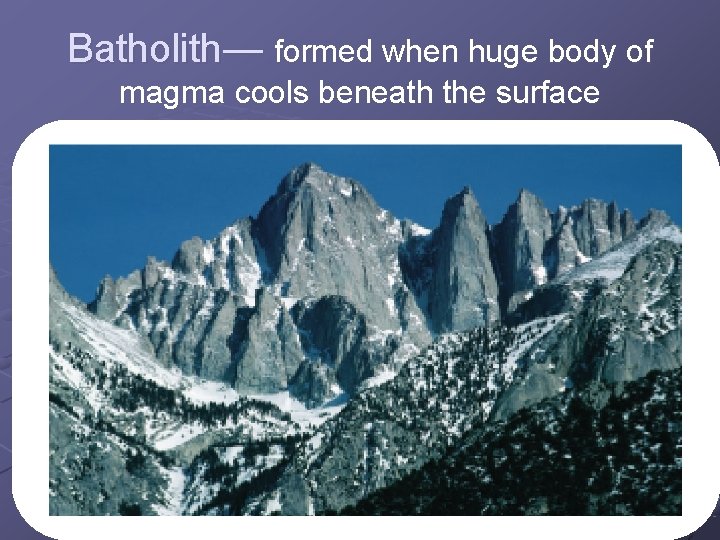
Batholith— formed when huge body of magma cools beneath the surface
Monitoring Volcanoes Geologists have been somewhat more successful in predicting volcanic eruptions than in predicting earthquakes. Geologists use tiltmeters, laser-ranging devices, and other instruments to detect slight surface changes in the elevation and tilt caused by magma moving underground.
…MORE They also measure water levels in a crater’s lake, escaping gases from a volcano & underground water temperatures. Geologists monitor the many small earthquakes that occur in the area around a volcano before an eruption. The movement of magma in the magma chamber and through the volcano’s pipe triggers small quakes.
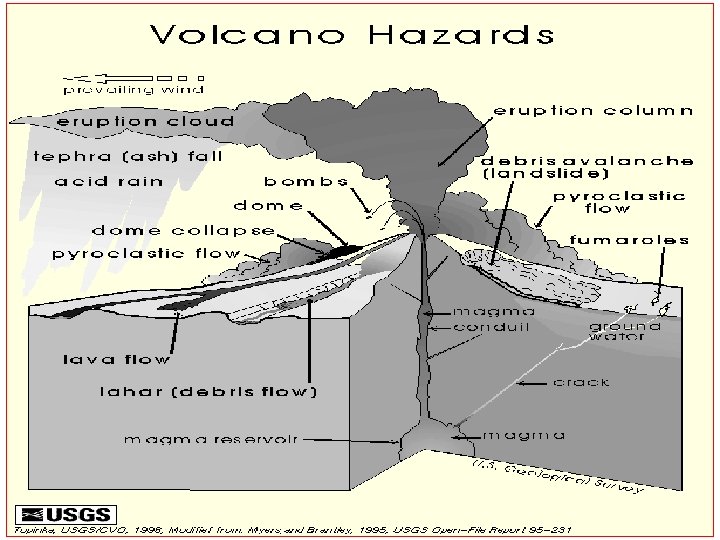
Volcanic Hazards Quiet and explosive eruptions can cause damage far from a crater’s rim. During quiet eruptions, lava flows set fire and bury everything in their path. Explosive eruptions can create hot burning clouds of volcanic gases as well as pyroclastic flows.
Ash Hazards ash can bury entire towns, damage crops, collapse roofs, and destroy engines. Eruptions can also cause landslides and avalanches of mud and melted snow.
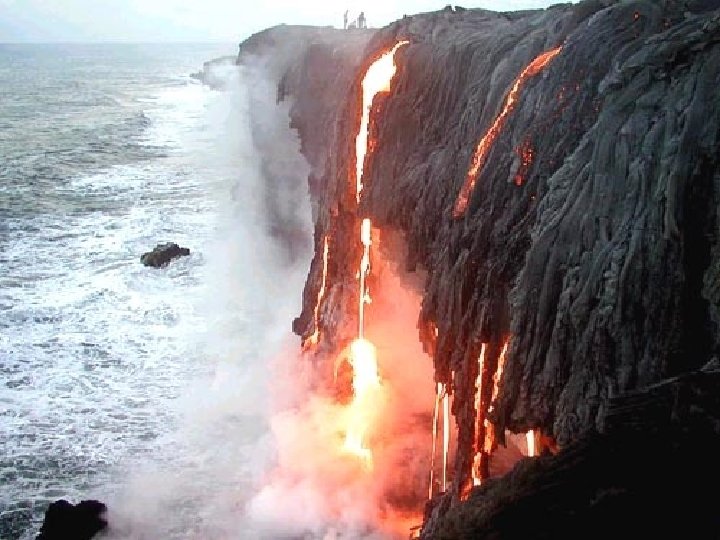
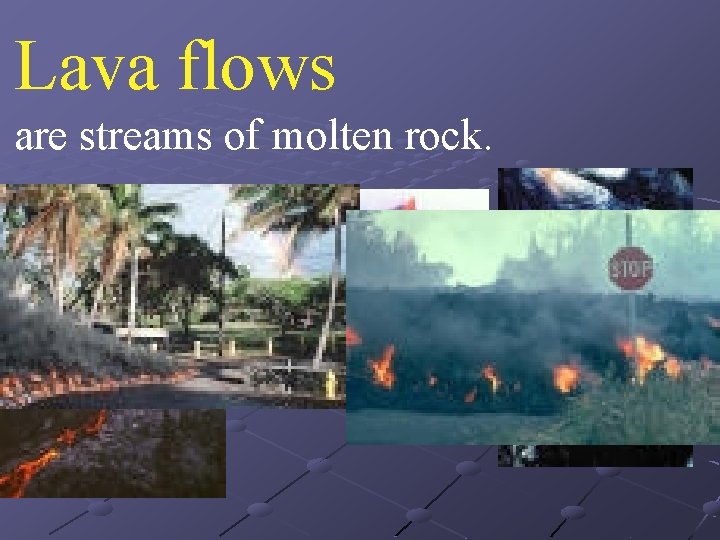
Lava flows are streams of molten rock.
How do you think these eruptions affected people? Destroyed lives Destroyed buildings Destroyed crops BUT, fertilized the soil with phosphate and potassium. This makes the soil excellent for farming.
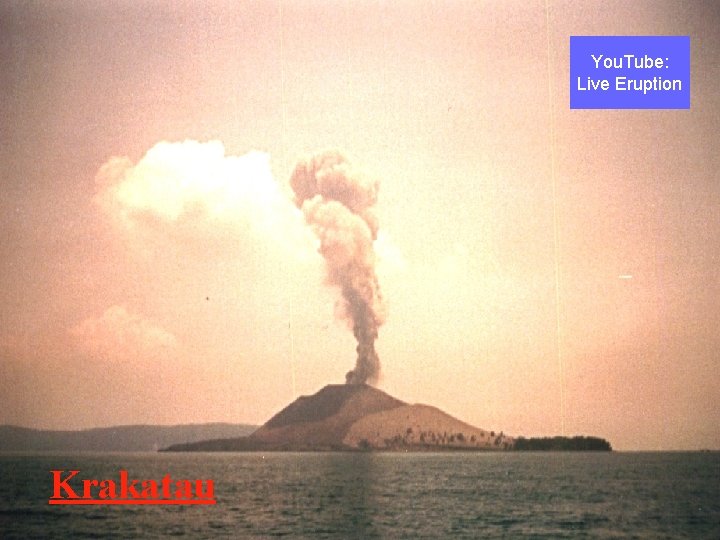
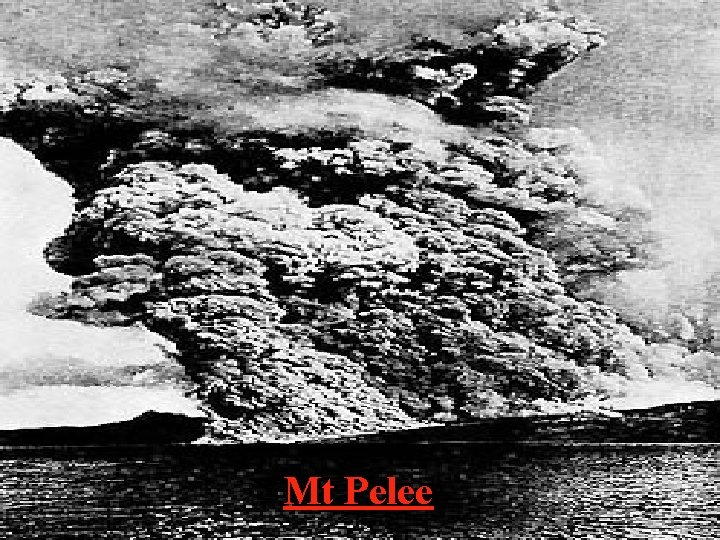
Volcanoes of the Past In history, there have been explosive volcanic eruptions. The following are two of the worst in history. In 1883, Krakatau erupted violently throwing 18 cubic kilometers of ash into the sky. The blast was heard 5, 000 miles away. In 1902, Mt Pelee erupted releasing a cloud of gas which killed 29, 000 people in TWO minutes. Only two people survived.
You. Tube: Live Eruption Krakatau
Mt Pelee
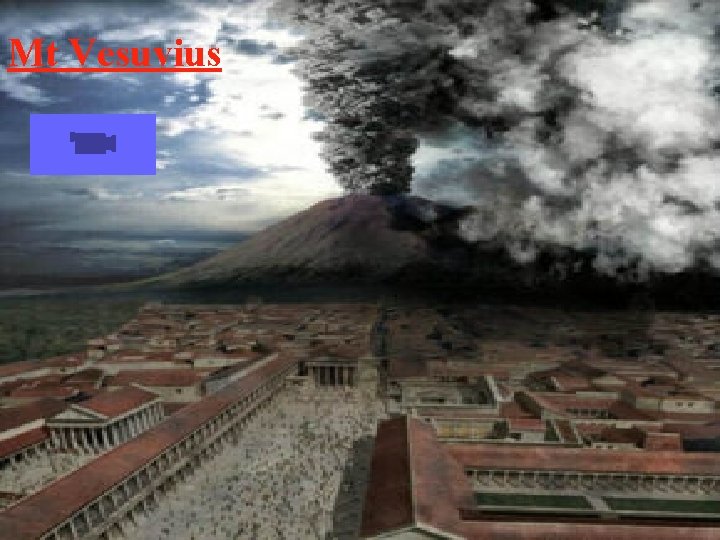
Mt Vesuvius
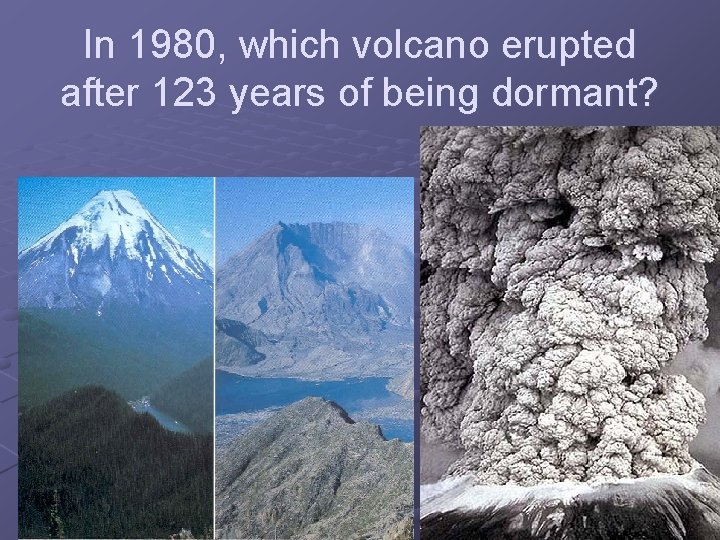
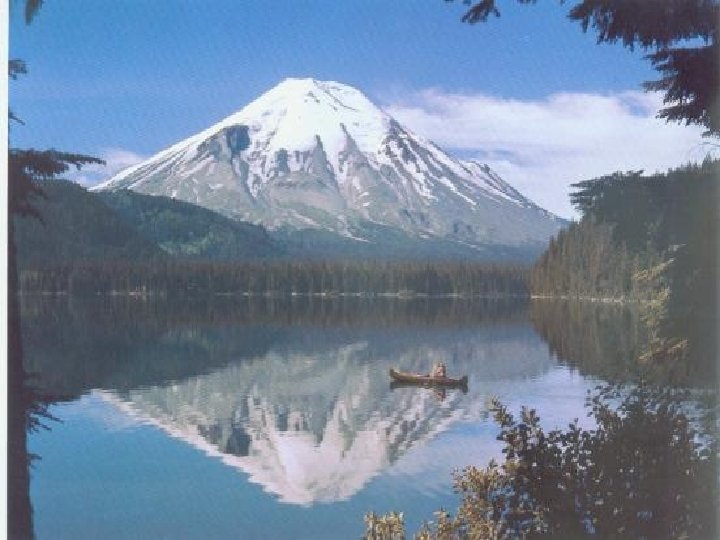
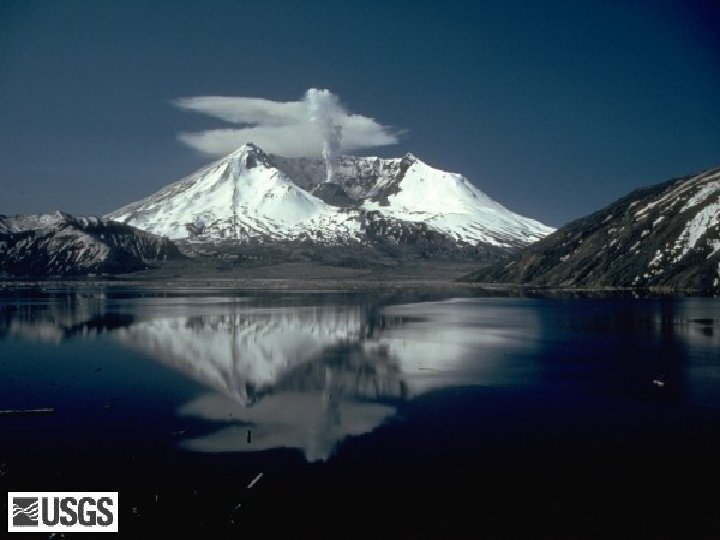
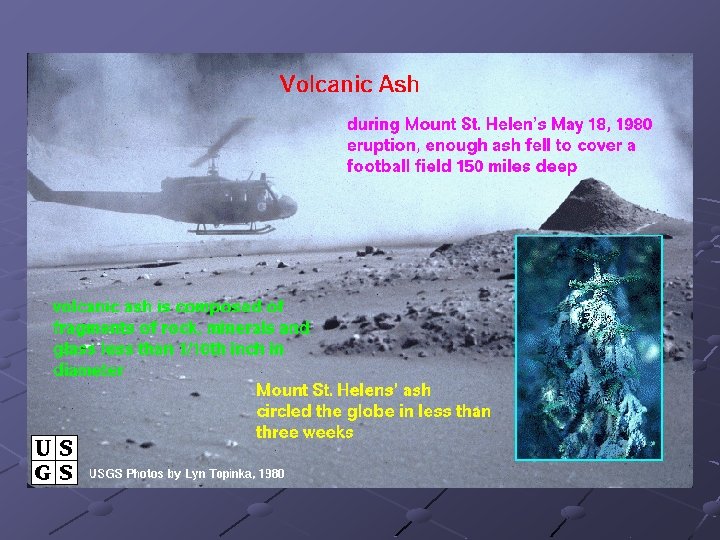
In 1980, which volcano erupted after 123 years of being dormant? Mt. St. Helens!
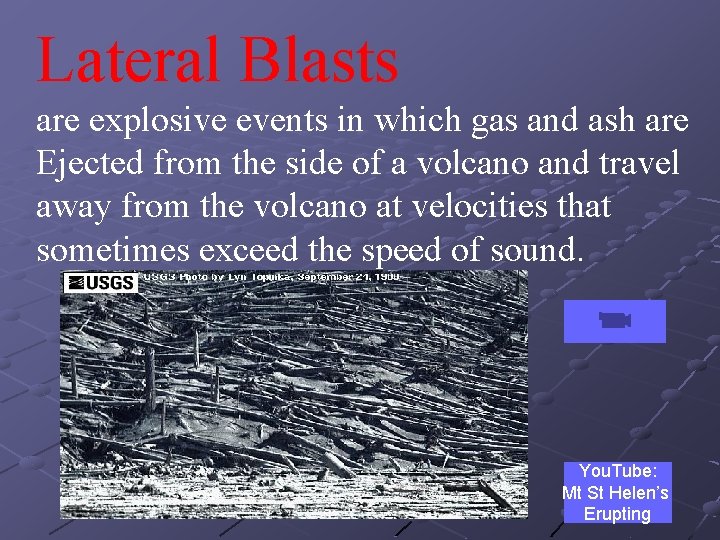
Lateral Blasts are explosive events in which gas and ash are Ejected from the side of a volcano and travel away from the volcano at velocities that sometimes exceed the speed of sound. You. Tube: Mt St Helen’s Erupting