
Volcanism Extrusive Igneous Activity expulsion of molten rock



- Slides: 41
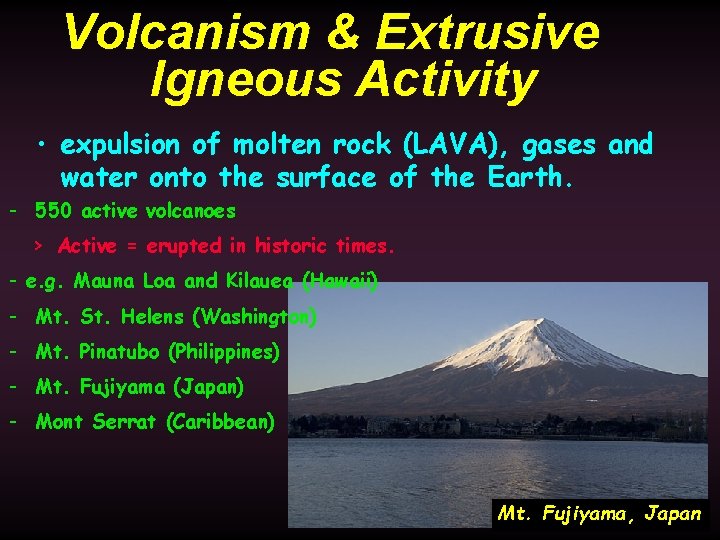
Volcanism & Extrusive Igneous Activity • expulsion of molten rock (LAVA), gases and water onto the surface of the Earth. - 550 active volcanoes > Active = erupted in historic times. - e. g. Mauna Loa and Kilauea (Hawaii) - Mt. St. Helens (Washington) - Mt. Pinatubo (Philippines) - Mt. Fujiyama (Japan) - Mont Serrat (Caribbean) Mt. Fujiyama, Japan
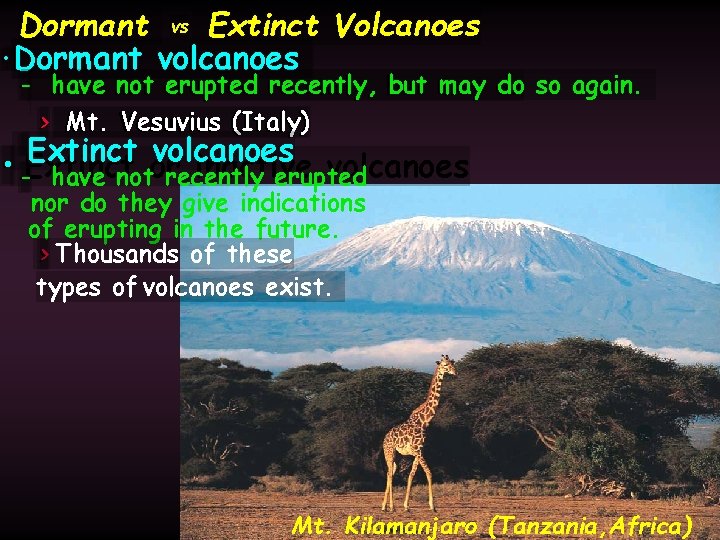
Dormant vs Extinct Volcanoes • • Dormant volcanoes - have not erupted recently, but may do so again. > Mt. Vesuvius (Italy) Extinct or volcanoes • -Extinct inactive volcanoes have not recently erupted nor do they give indications of erupting in the future. > Thousands of these types of volcanoes exist. Mt. Kilamanjaro (Tanzania, Africa)
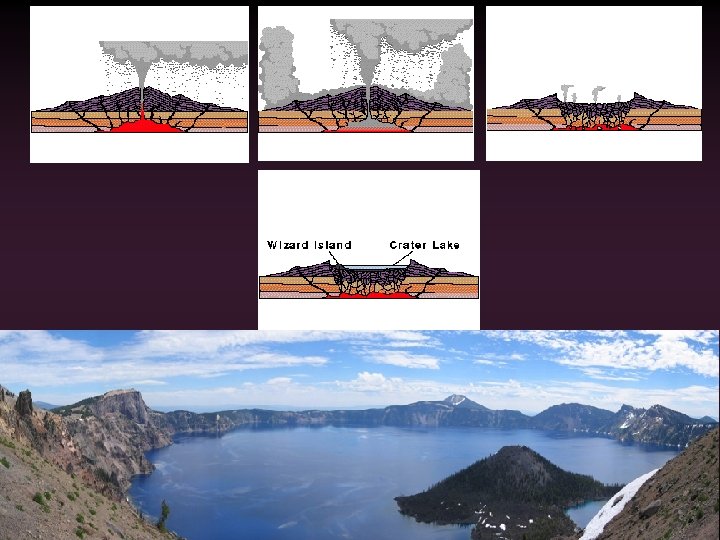
Volcanoes, Craters, Domes, Calderas • Conical mountains - central vent where lava, gases, and pyroclastic materials are erupted. - Craters - circular opening at summit - generally less than 1 km in diameter - Dome - a large mound of viscous, felsic lava - commonly plugs the central vent • Calderas - a collapsed volcanic summit - greater in diameter - have steep sides.
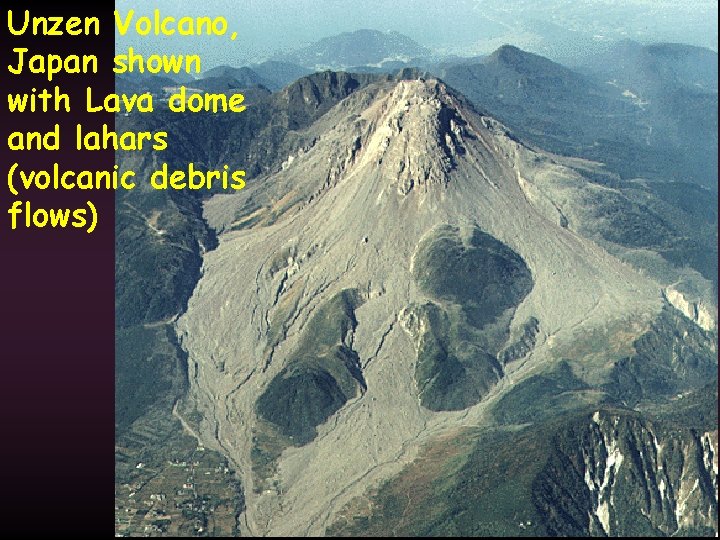
Unzen Volcano, Japan shown with Lava dome and lahars (volcanic debris flows)
Caldera
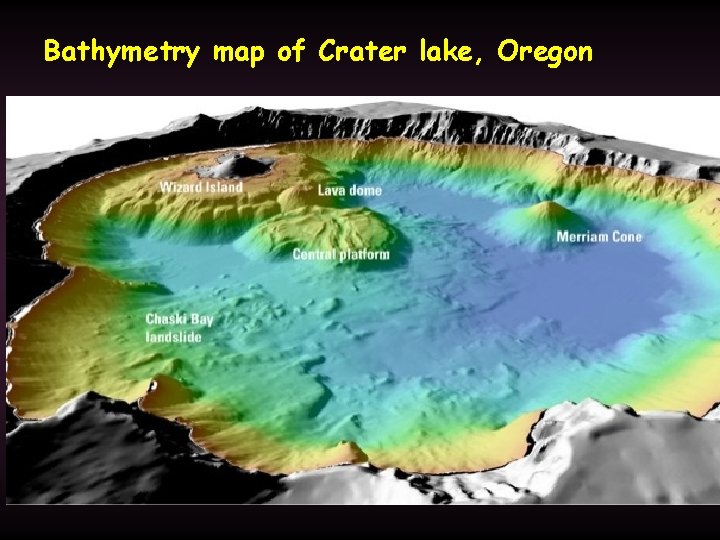
Bathymetry map of Crater lake, Oregon
Summit of Kilauea-inner crater
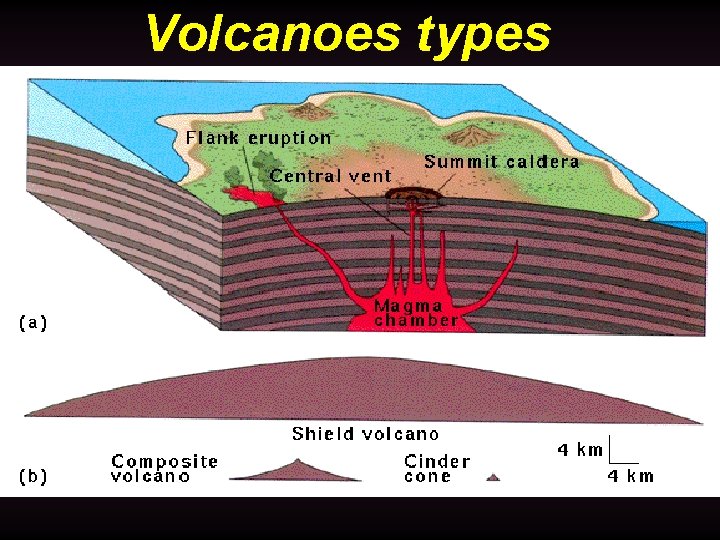
Volcanoes types
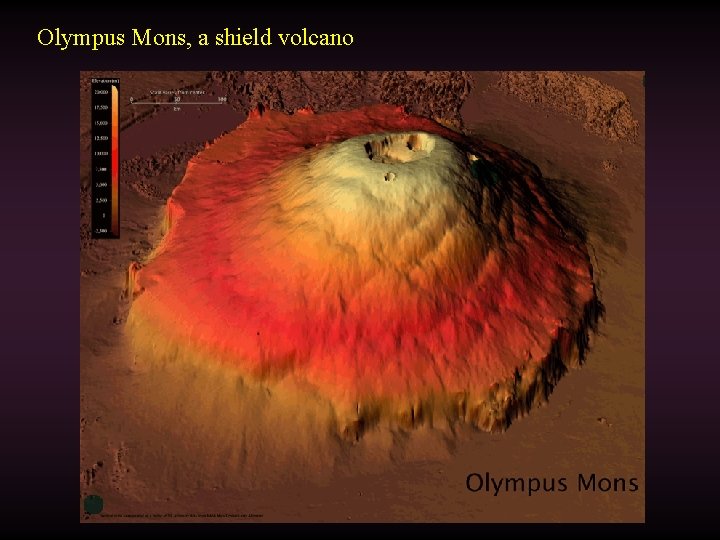
Olympus Mons, a shield volcano
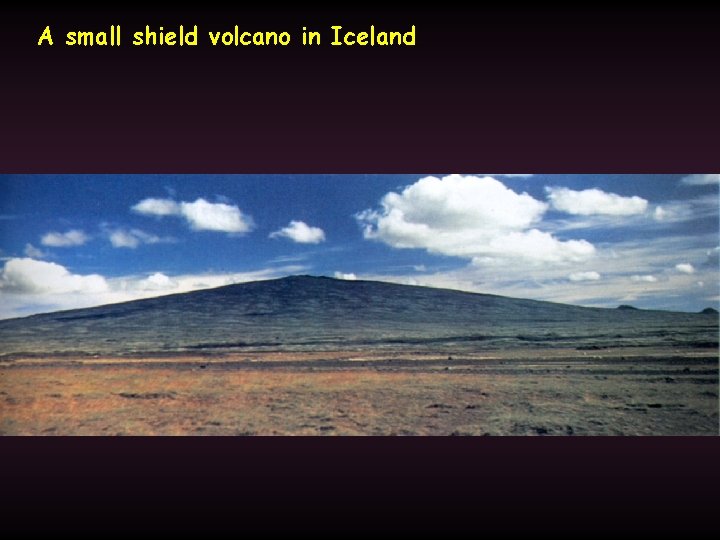
A small shield volcano in Iceland
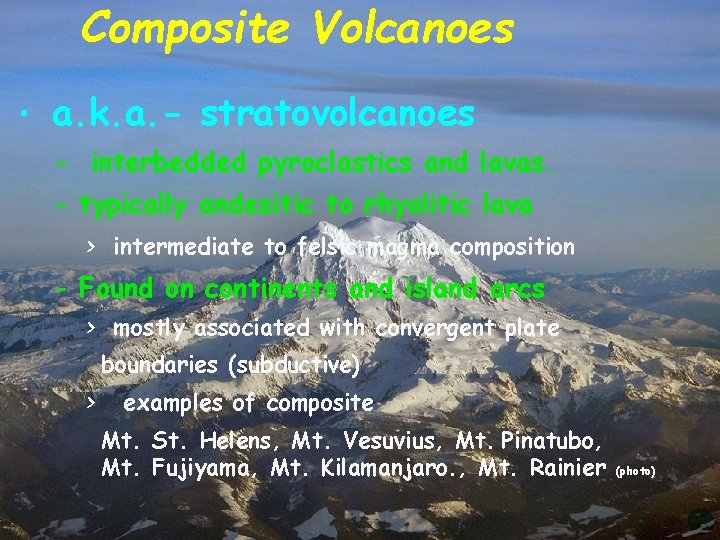
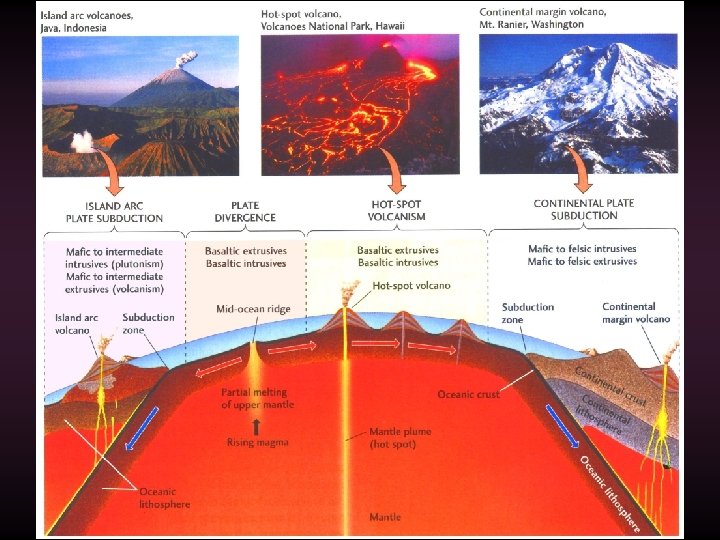
Composite Volcanoes • a. k. a. - stratovolcanoes - interbedded pyroclastics and lavas. - typically andesitic to rhyolitic lava > intermediate to felsic magma composition - Found on continents and island arcs > mostly associated with convergent plate boundaries (subductive) > examples of composite Mt. St. Helens, Mt. Vesuvius, Mt. Pinatubo, Mt. Fujiyama, Mt. Kilamanjaro. , Mt. Rainier (photo)
Stratovolcano formation
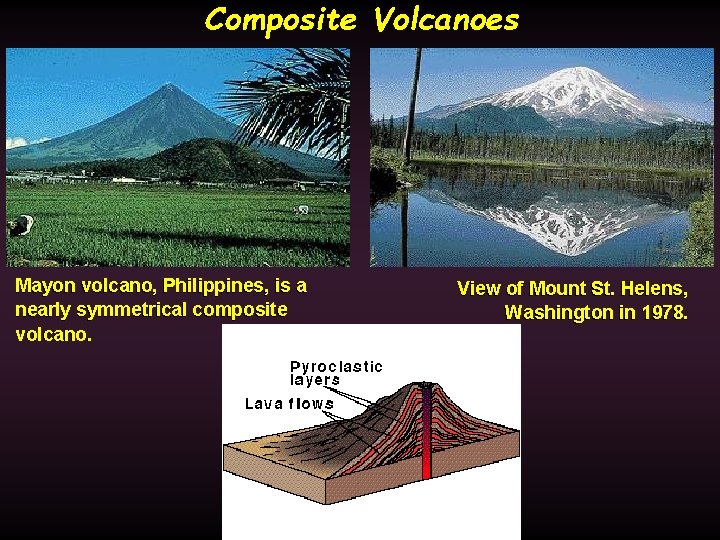
Composite Volcanoes Mayon volcano, Philippines, is a nearly symmetrical composite volcano. View of Mount St. Helens, Washington in 1978.
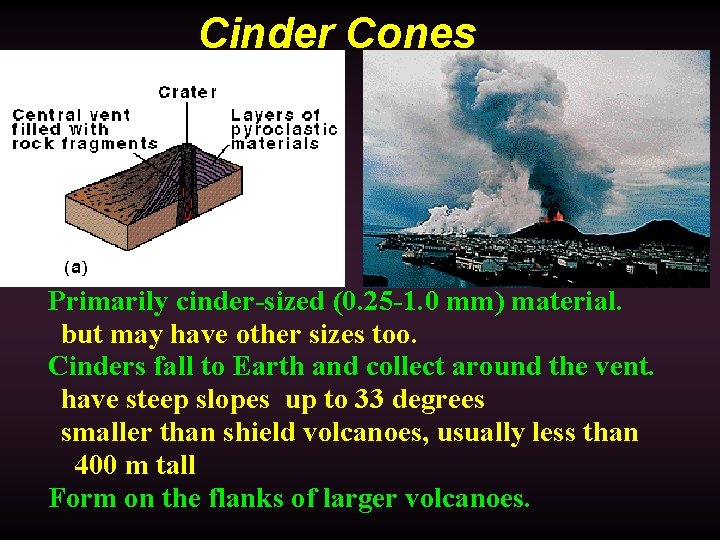
Cinder Cones Primarily cinder-sized (0. 25 -1. 0 mm) material. but may have other sizes too. Cinders fall to Earth and collect around the vent. have steep slopes up to 33 degrees smaller than shield volcanoes, usually less than 400 m tall Form on the flanks of larger volcanoes.
Cinders and volcanic ash
Development of of Cinder Cone Development Cinder Cone
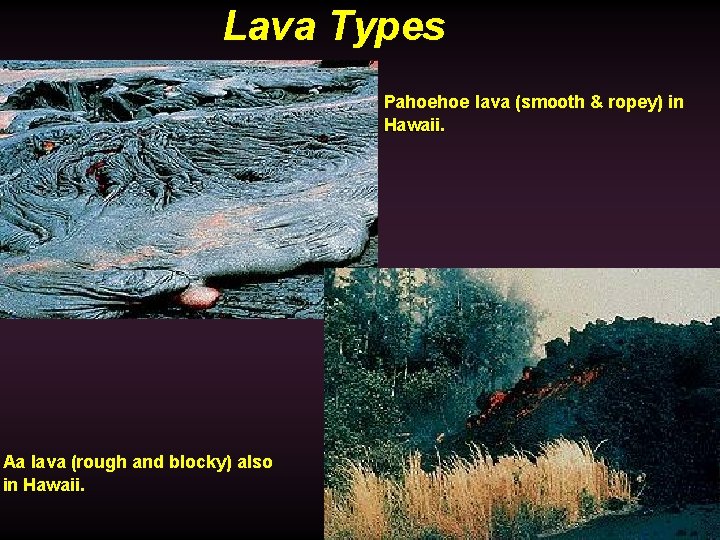
Lava Types Pahoehoe lava (smooth & ropey) in Hawaii. Aa lava (rough and blocky) also in Hawaii.
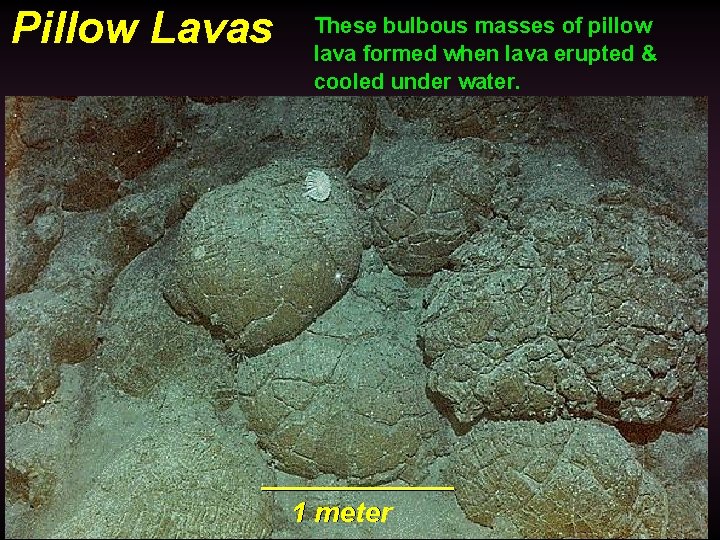
Pillow Lavas These bulbous masses of pillow lava formed when lava erupted & cooled under water. 1 meter
Lava Fountain
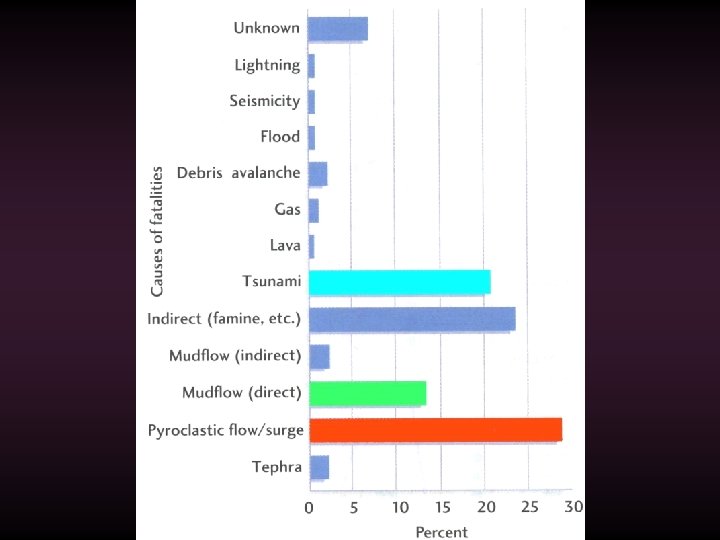
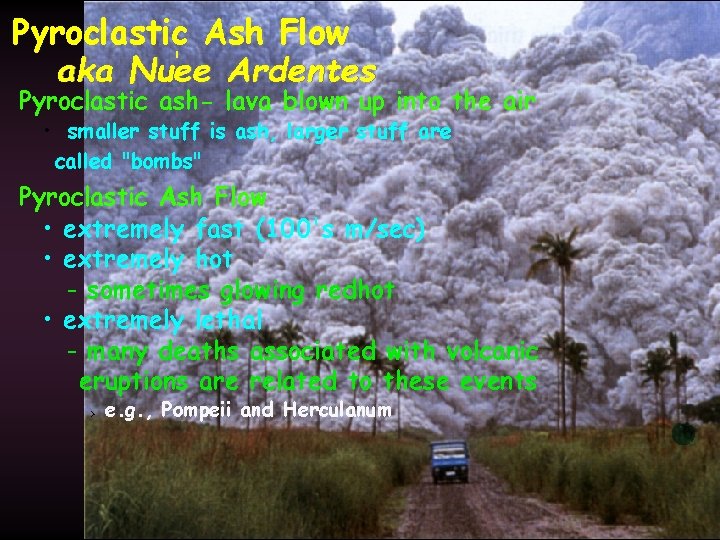
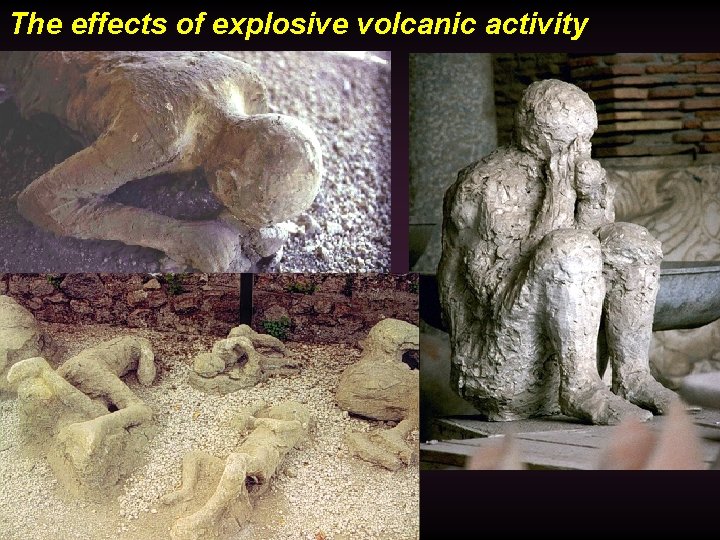
Pyroclastic Ash Flow ' aka Nuee Ardentes Pyroclastic ash- lava blown up into the air • smaller stuff is ash, larger stuff are called "bombs" Pyroclastic Ash Flow • extremely fast (100's m/sec) • extremely hot - sometimes glowing redhot • extremely lethal - many deaths associated with volcanic eruptions are related to these events > e. g. , Pompeii and Herculanum
Glowing Ash clouds. Nuee Ardentes
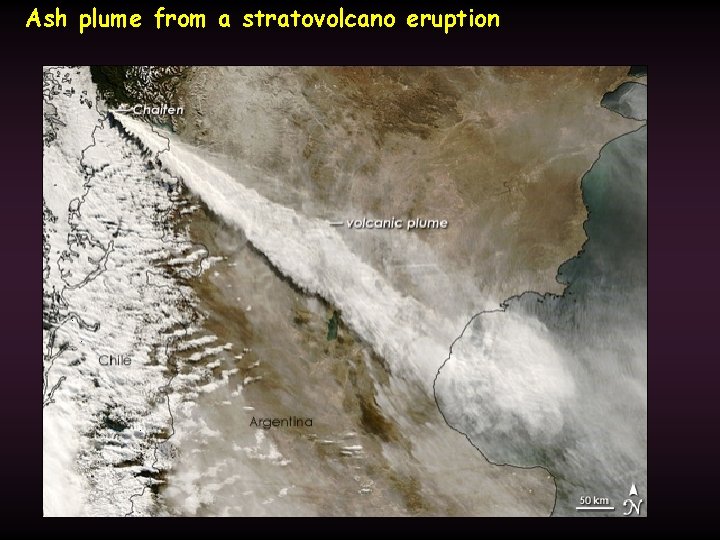
Ash plume from a stratovolcano eruption
Pyroclastic flow , Nuee Ardente
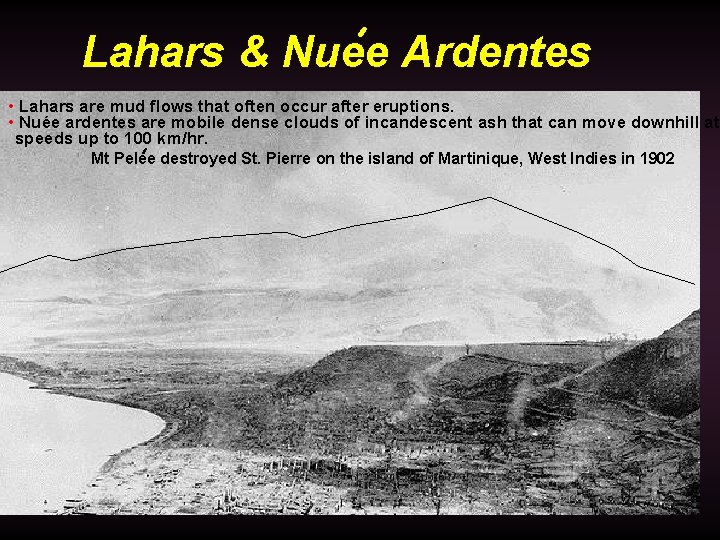
, Lahars & Nuee Ardentes • Lahars are mud flows that often occur after eruptions. • Nuée ardentes are mobile dense clouds of incandescent ash that can move downhill at speeds up to 100 , km/hr. Mt Pelee destroyed St. Pierre on the island of Martinique, West Indies in 1902
The effects of explosive volcanic activity
Gases and Magma • Volcanic gases - water vapor - nitrogen - hydrogen sulfide - carbon dioxide - sulfur oxides - chlorine • Felsic magmas - highly viscous : Si-rich inhibits the expansion of gases pressure builds up explosive eruptions, like Mt. St. Helens. • Mafic magmas - lower viscosity - lower gas pressure - erupt rather quietly, like Hawaiian Volcanoes.
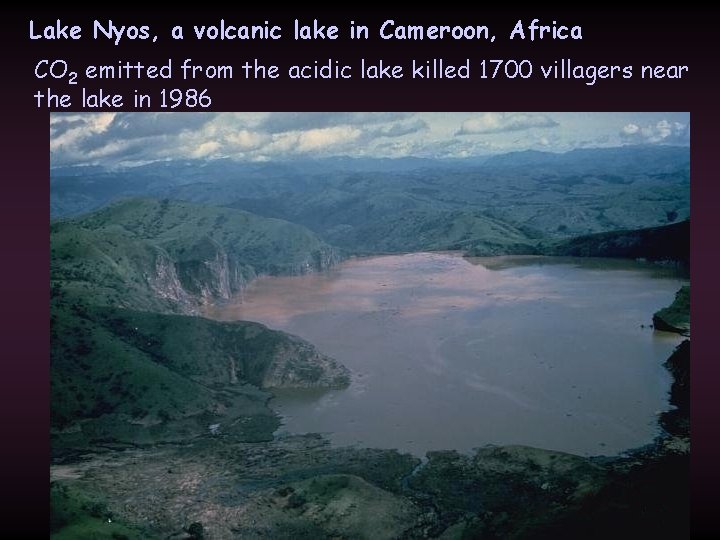
Lake Nyos, a volcanic lake in Cameroon, Africa CO 2 emitted from the acidic lake killed 1700 villagers near the lake in 1986
Mt. St. Helens
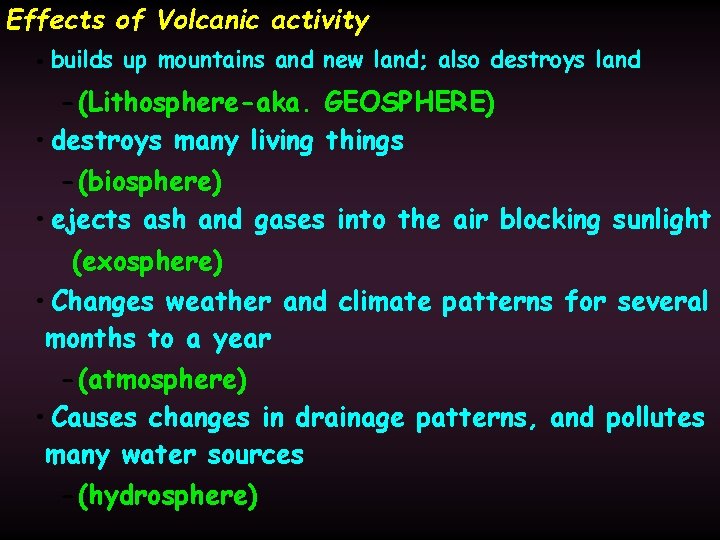
Effects of Volcanic activity • builds up mountains and new land; also destroys land - (Lithosphere-aka. GEOSPHERE) • destroys many living things - (biosphere) • ejects ash and gases into the air blocking sunlight (exosphere) • Changes weather and climate patterns for several months to a year - (atmosphere) • Causes changes in drainage patterns, and pollutes many water sources - (hydrosphere)
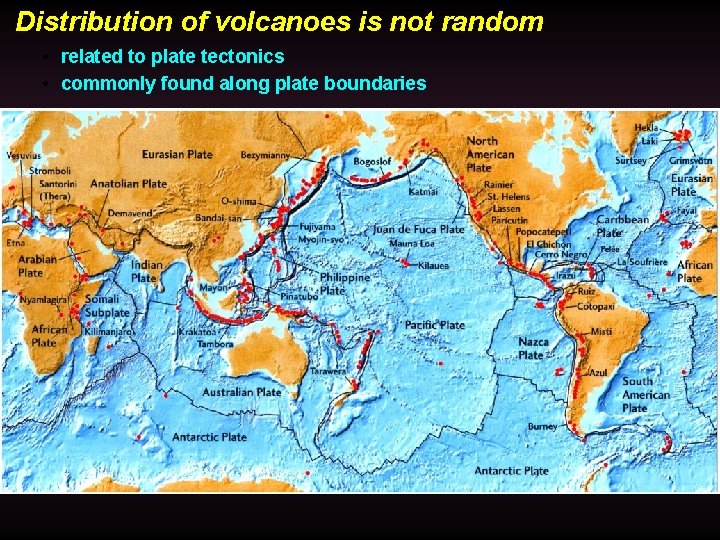
Distribution of volcanoes is not random • related to plate tectonics • commonly found along plate boundaries
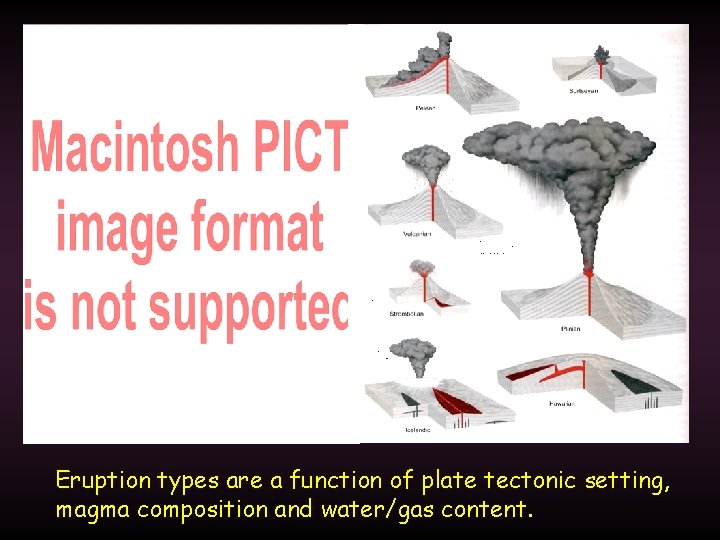
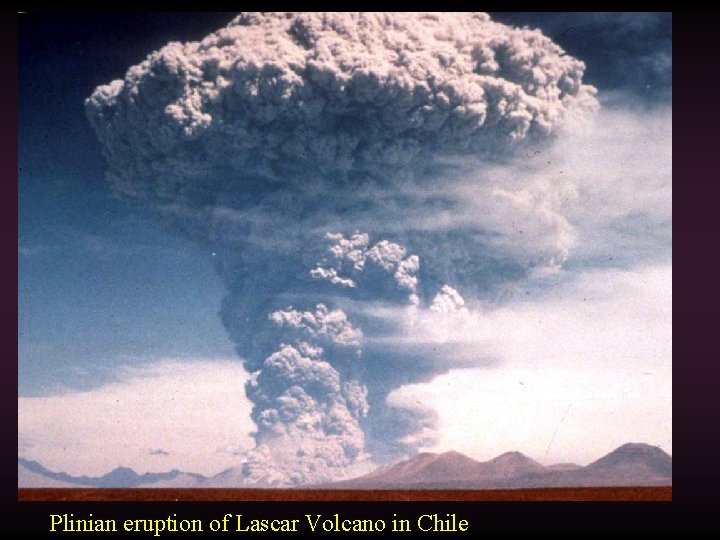
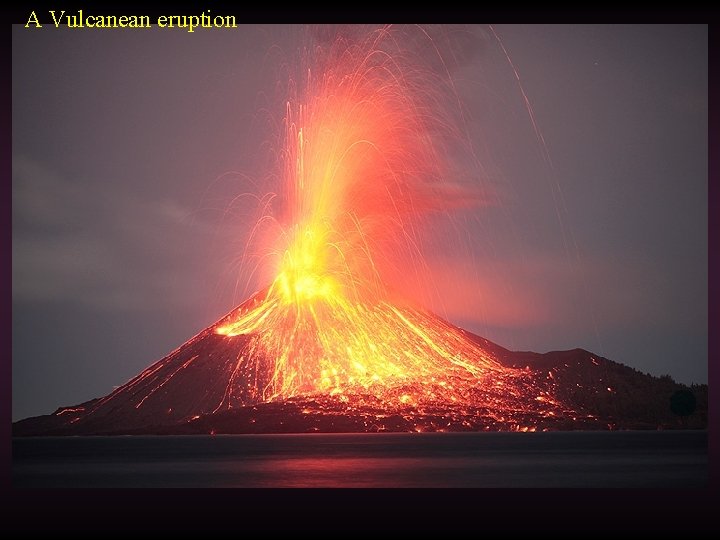
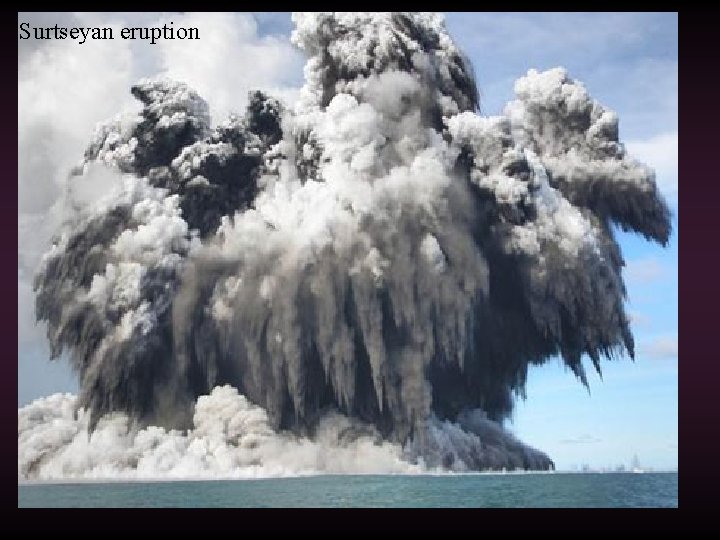
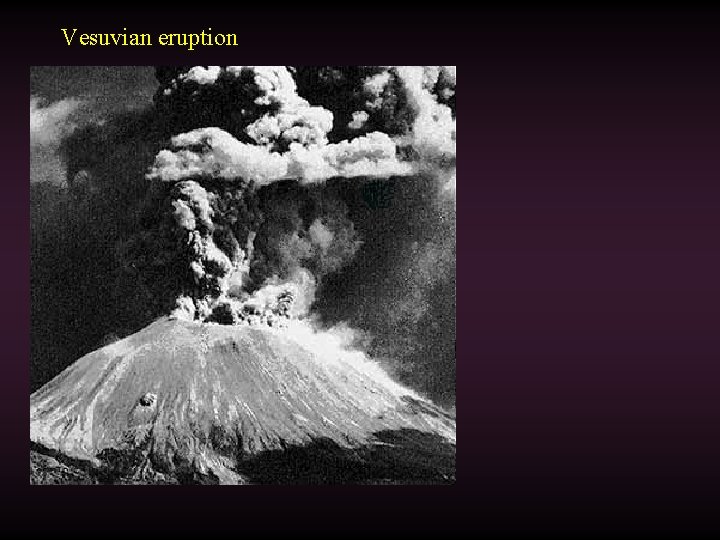
Eruption types are a function of plate tectonic setting, magma composition and water/gas content.
Plinian eruption of Lascar Volcano in Chile
A Vulcanean eruption
Surtseyan eruption
Vesuvian eruption
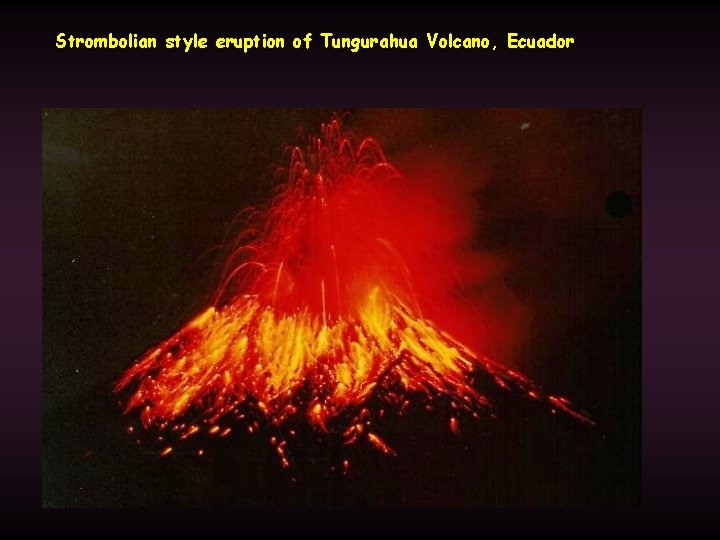
Strombolian style eruption of Tungurahua Volcano, Ecuador
Eruption styles and their relative explosiveness * VEI stands for Volcanic Explosivity Index