
volcanism any activity that includes the movement of

- Slides: 36
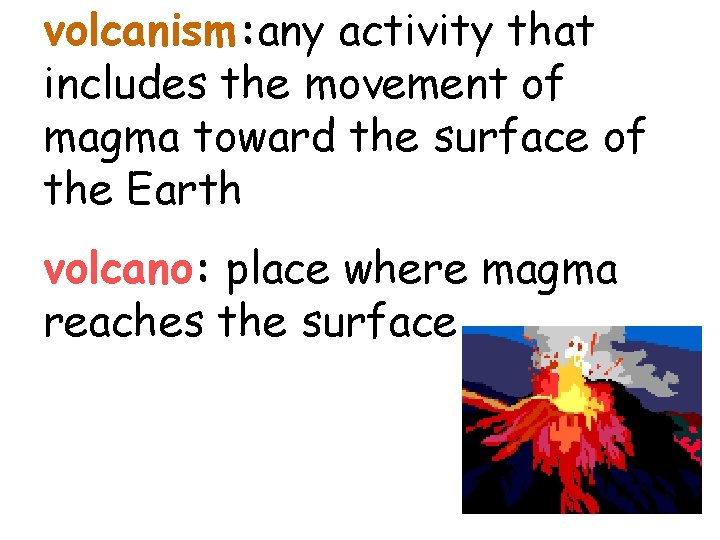
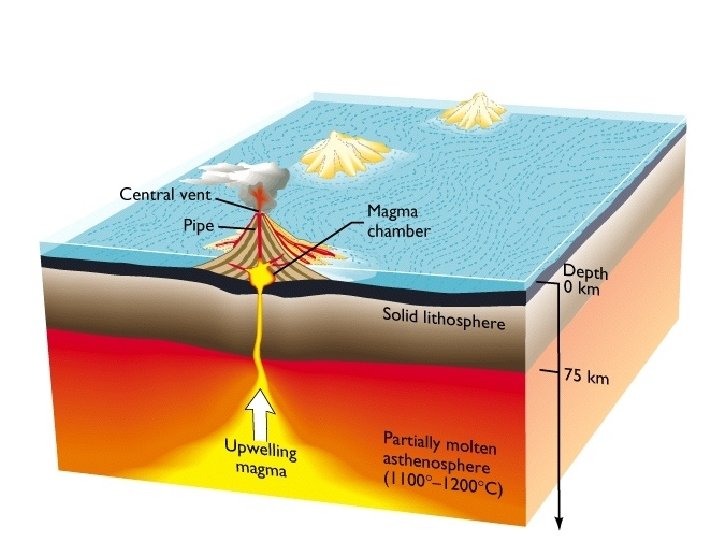
volcanism: any activity that includes the movement of magma toward the surface of the Earth volcano: place where magma reaches the surface
magma: liquid, molten rock underground lava: magma that reaches the surface • lost gas, gained rock
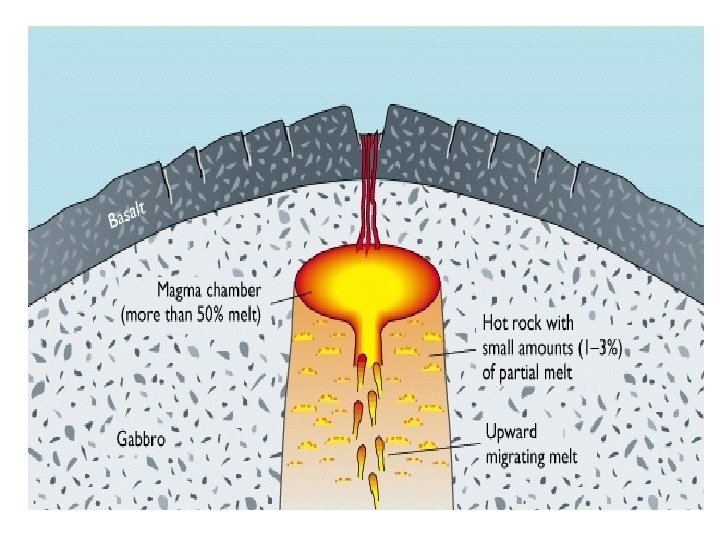
MID-OCEAN RIDGE: occurs where plates are moving apart • lava flows out smoothly and fluidly from cracks
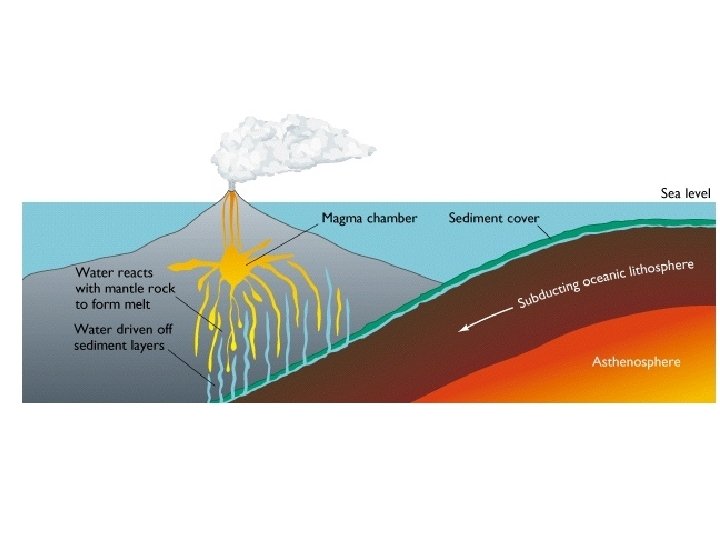
SUBDUCTION ZONE: occurs at subduction boundaries • usually explosive and erupted material is mostly lava
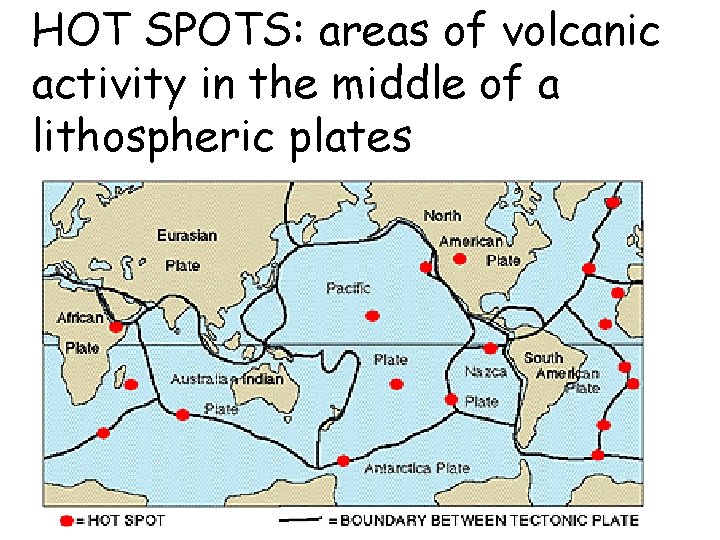
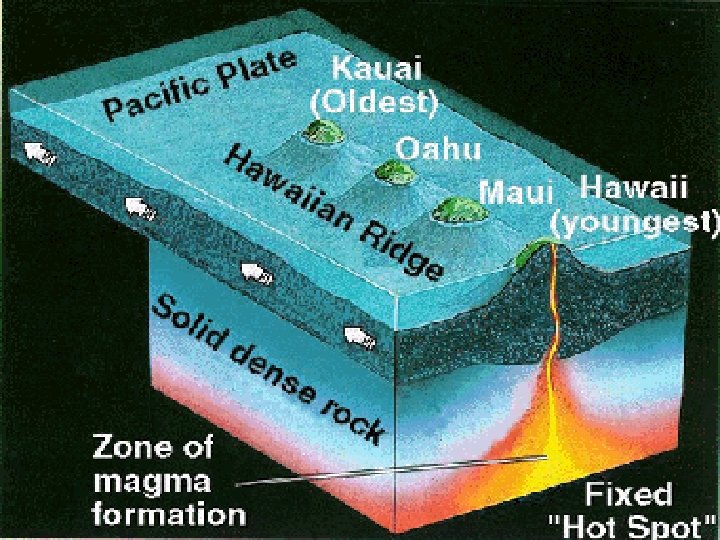
HOT SPOTS: areas of volcanic activity in the middle of a lithospheric plates
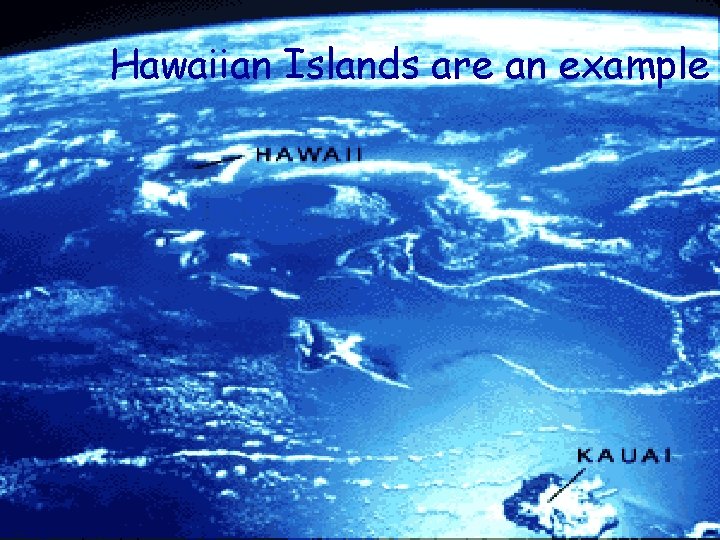
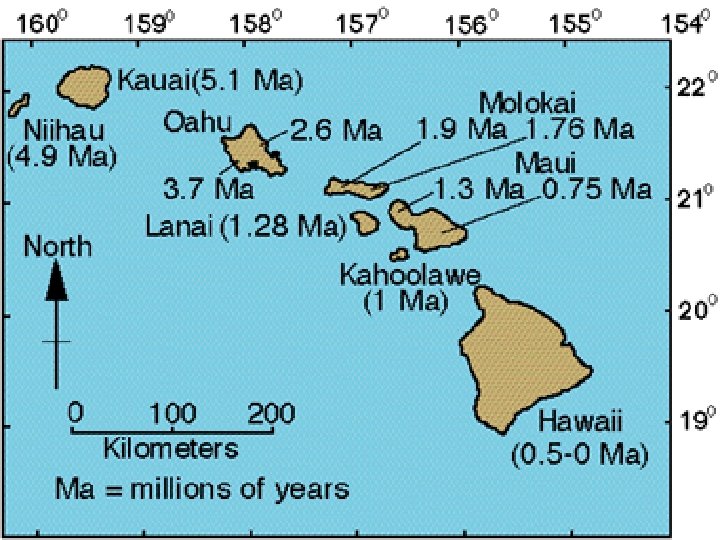
Hawaiian Islands are an example
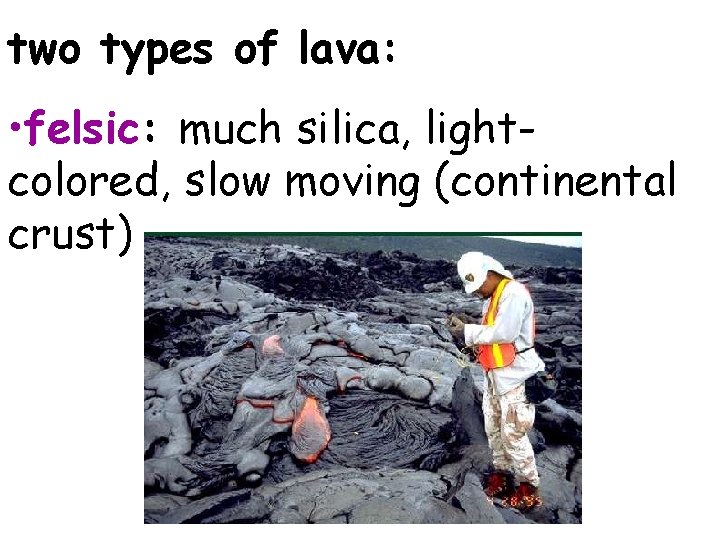
two types of lava: • felsic: much silica, lightcolored, slow moving (continental crust)
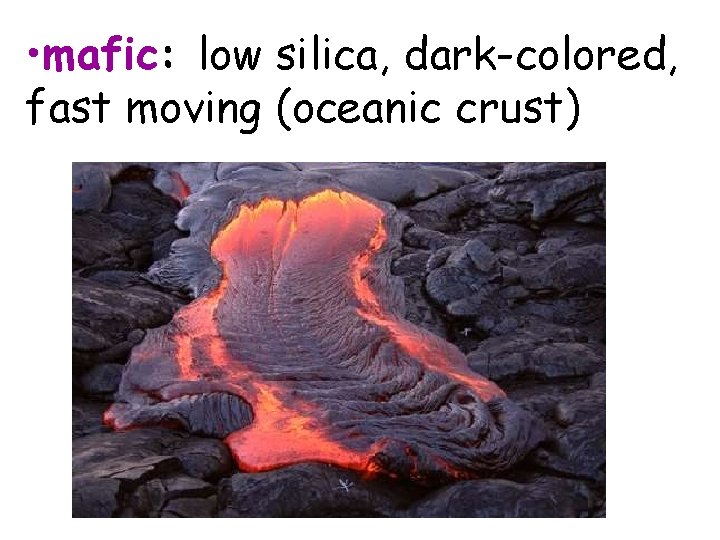
• mafic: low silica, dark-colored, fast moving (oceanic crust)
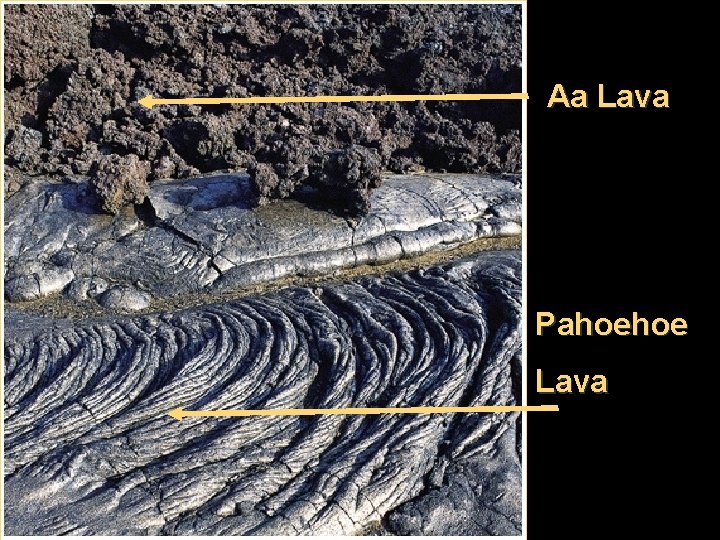
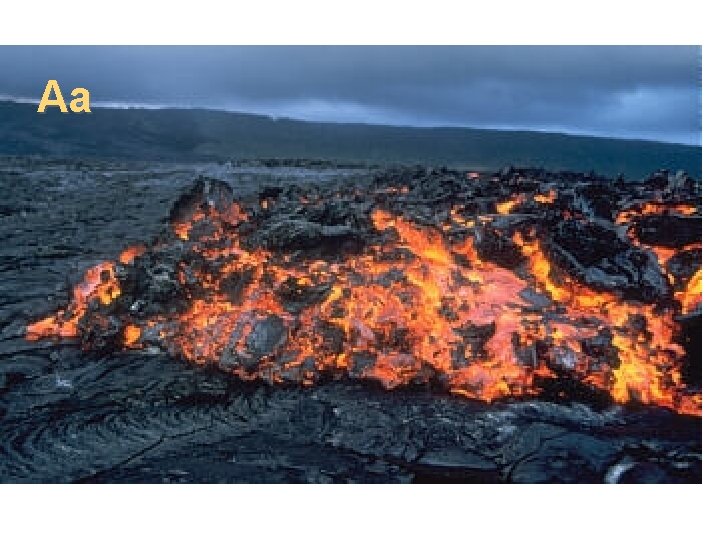
Aa Lava Pahoehoe Lava
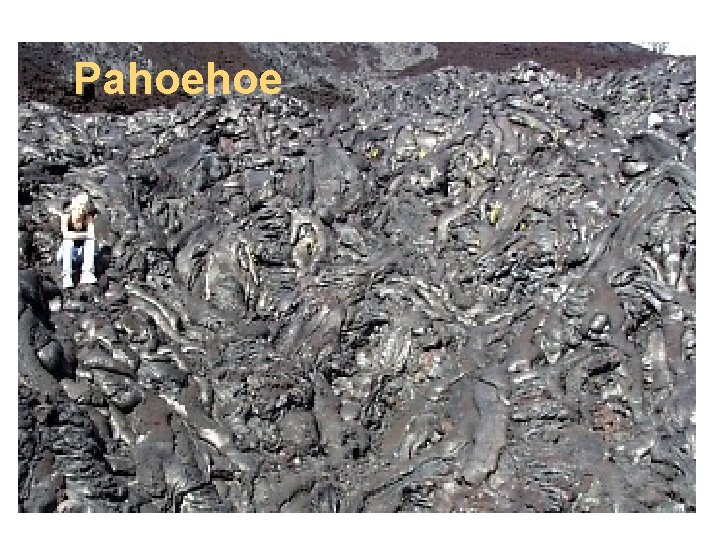
Pahoehoe
Aa
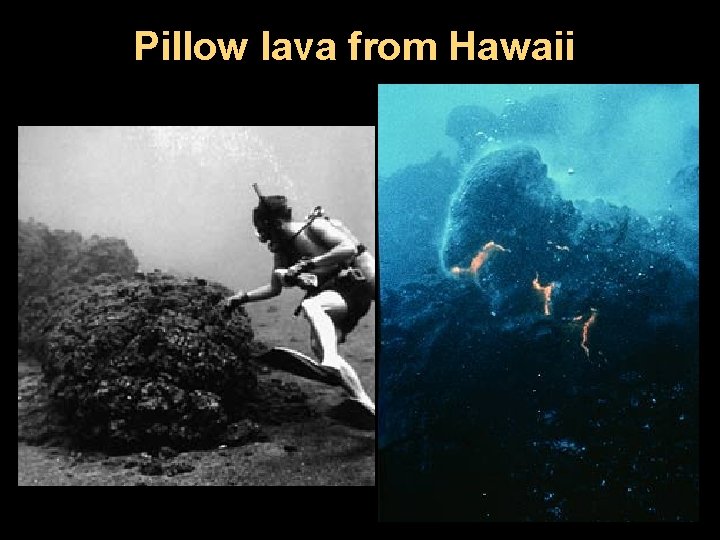
Pillow lava from Hawaii
Examine video clips of erupted materials.
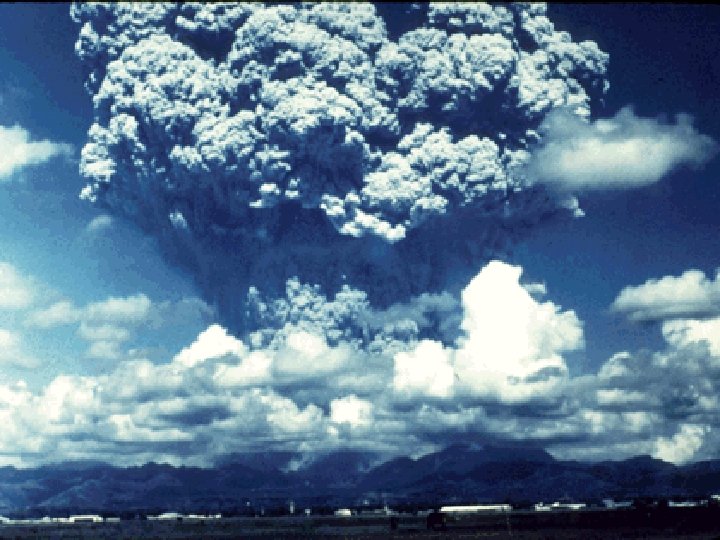
• many magmas contain dissolved gases that are given off • water vapor, carbon dioxide (CO 2), sulfur (S) • magmas with more gases have more explosive eruptions
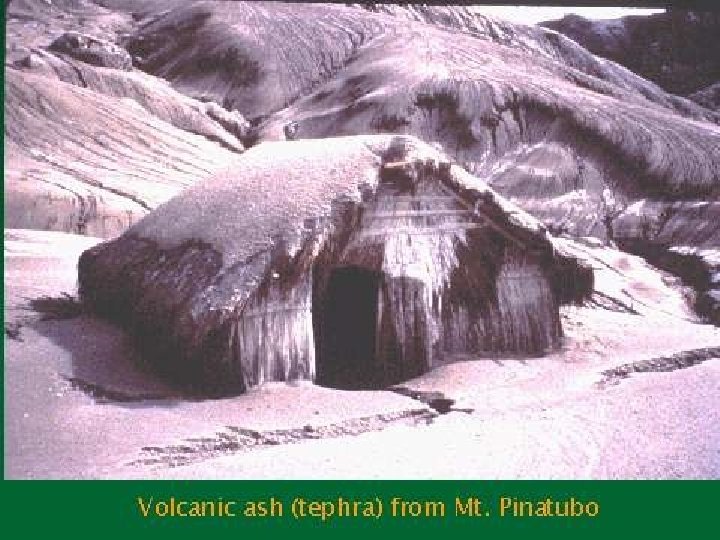
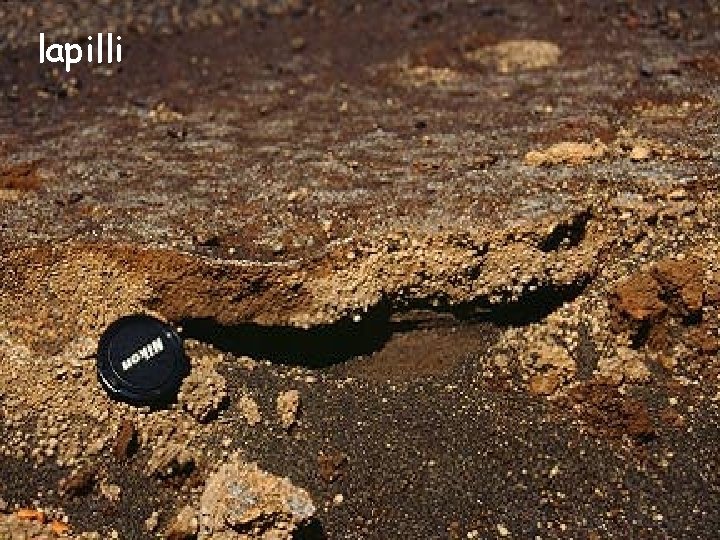
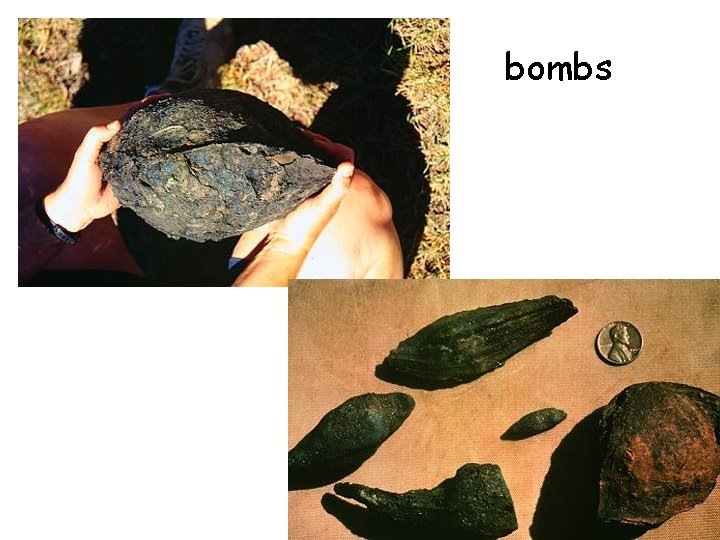
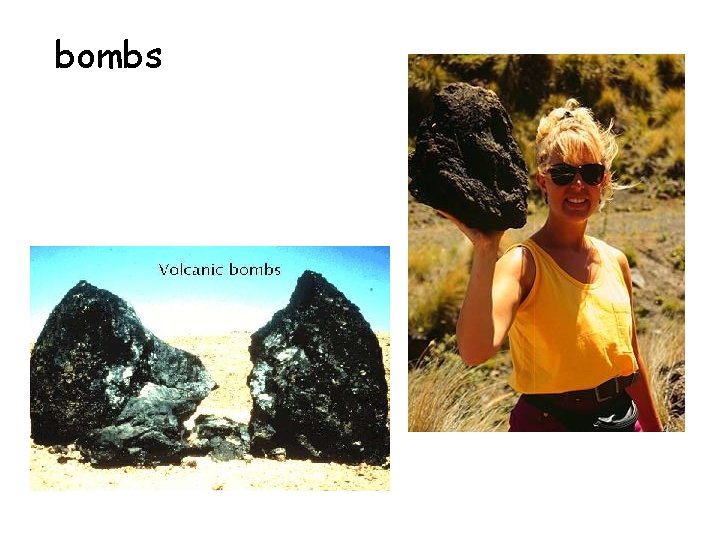
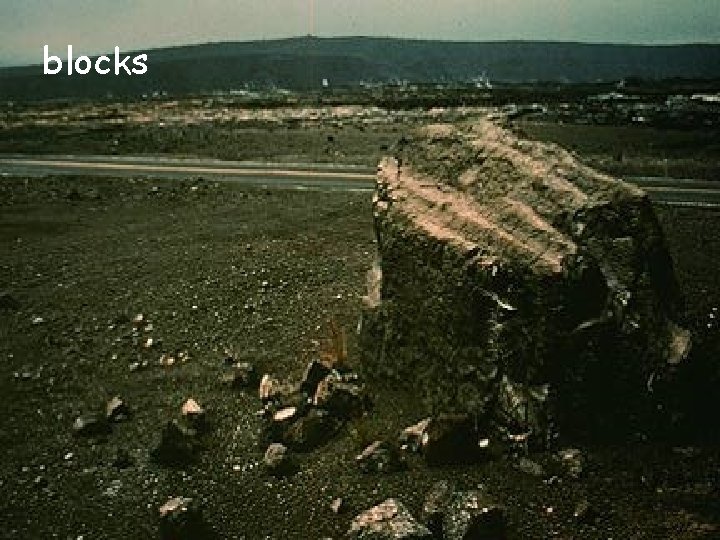
tephra: solid fragments ejected from a volcano ash (<2 mm) bombs lapilli (<64 mm) blocks Sometimes called pyroclastic material
lapilli
bombs
bombs
blocks
• Vent: opening from which lava flows • Crater: funnel-shaped pit or depression at top of volcano • Caldera: craters whose walls have collapsed
• composed of quiet lava flows • form gently sloping, domeshaped mountain • basaltic (mafic) magma
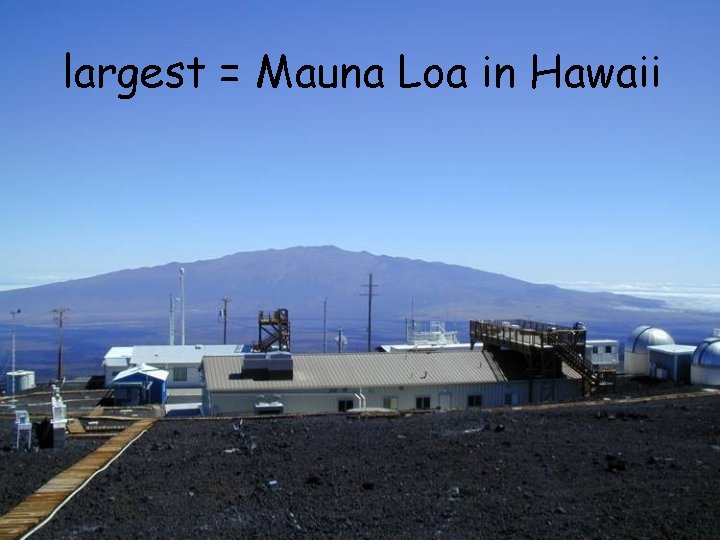
largest = Mauna Loa in Hawaii
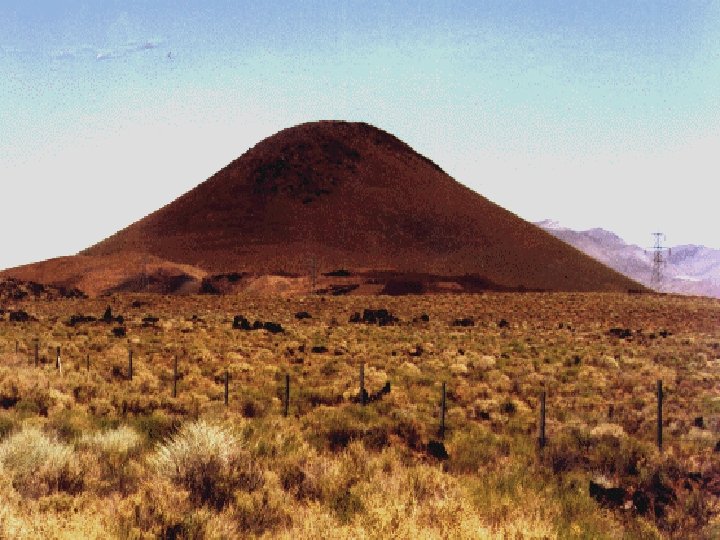
• Made mostly of tephra and other rock particle • Formed from explosive eruptions • Not very high, narrow base, steep sides • Grantic (felsic) magma
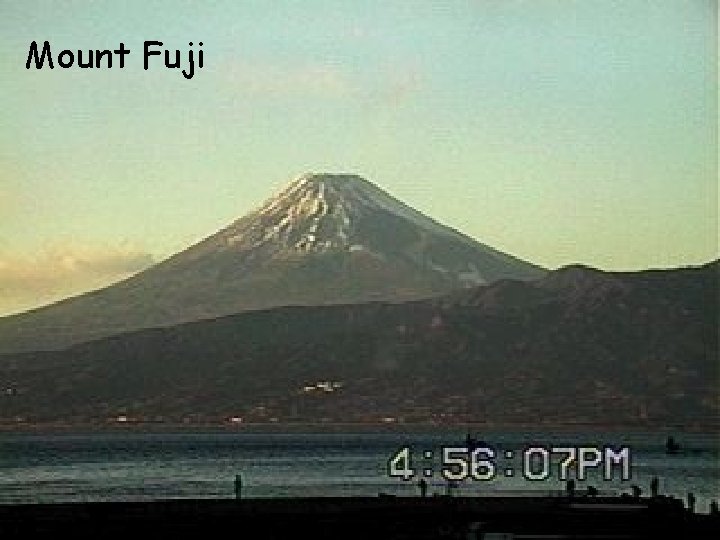
• built up of alternating layers of rock and lava • explosive eruptions at first with tephra, then quiet with lava • forms large, cone-shaped mountains • made of grantic and basaltic magma
Mount Fuji