
Vocal Anatomy If ones posture is upright one
- Slides: 25
Vocal Anatomy If one’s posture is upright, one has no need to fear a crooked shadow. Chinese Proverb
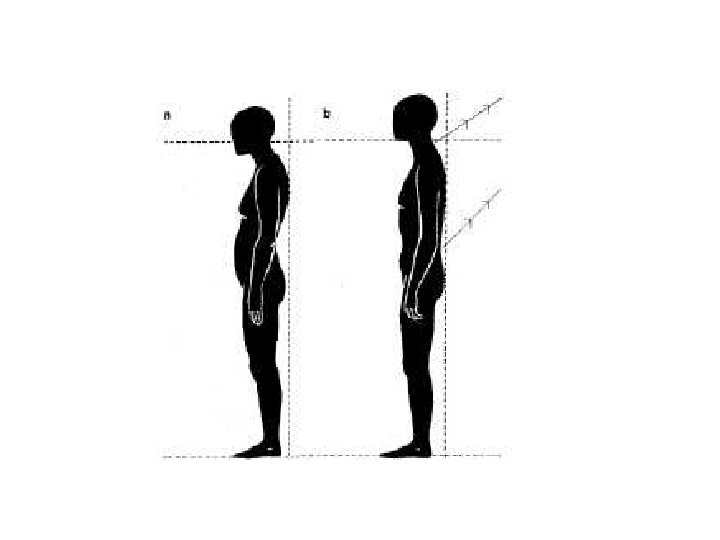
How you stand so you will breathe and how you breathe so will you stand
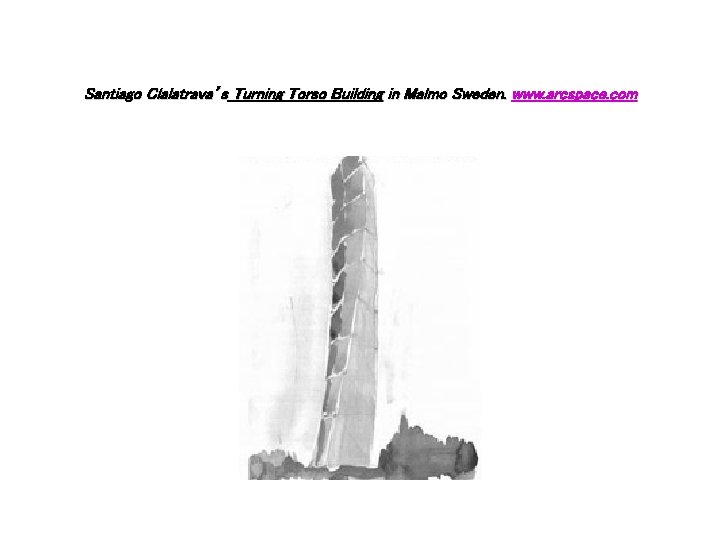
Santiago Clalatrava’s Turning Torso Building in Malmo Sweden. www. arcspace. com
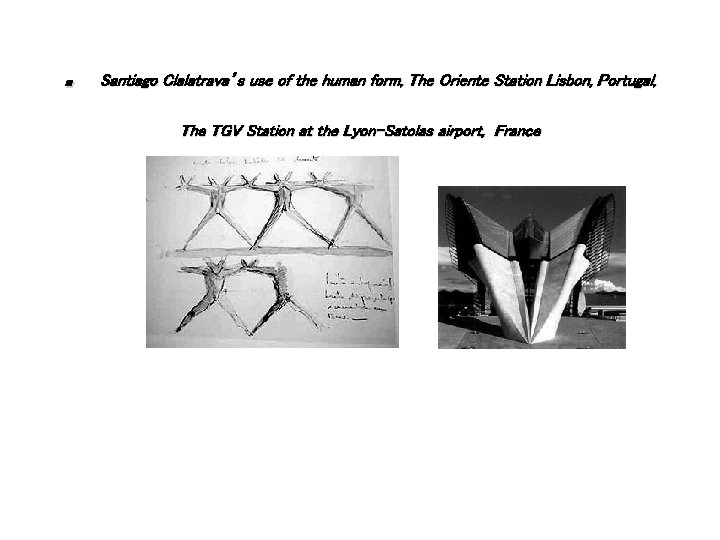
. Santiago Clalatrava’s use of the human form, The Oriente Station Lisbon, Portugal, The TGV Station at the Lyon-Satolas airport, France
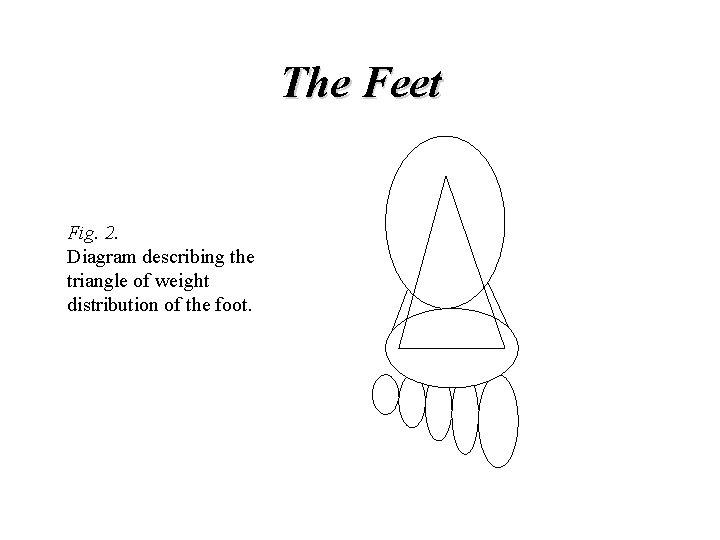
The Feet Fig. 2. Diagram describing the triangle of weight distribution of the foot.
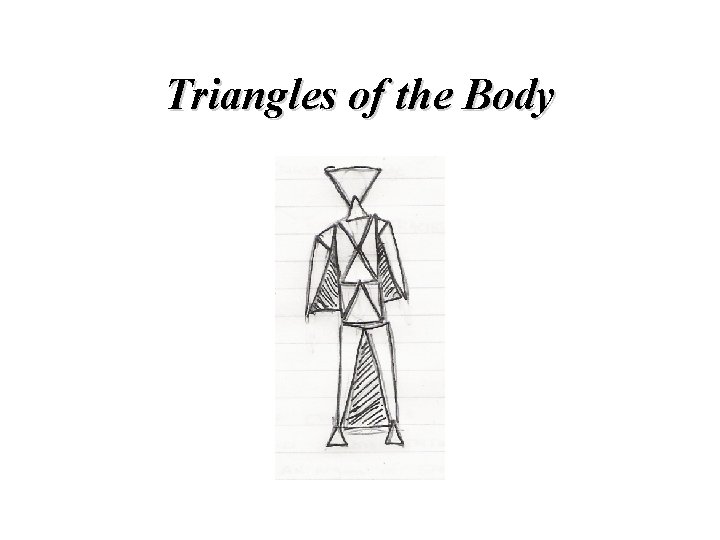
Triangles of the Body
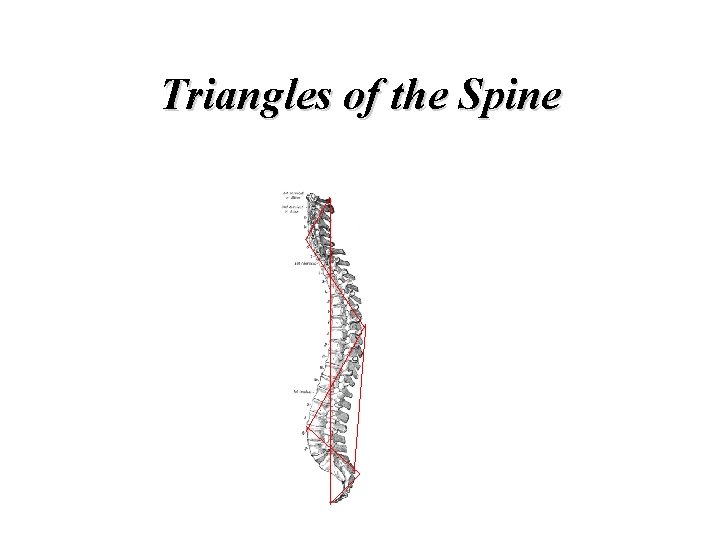
Triangles of the Spine
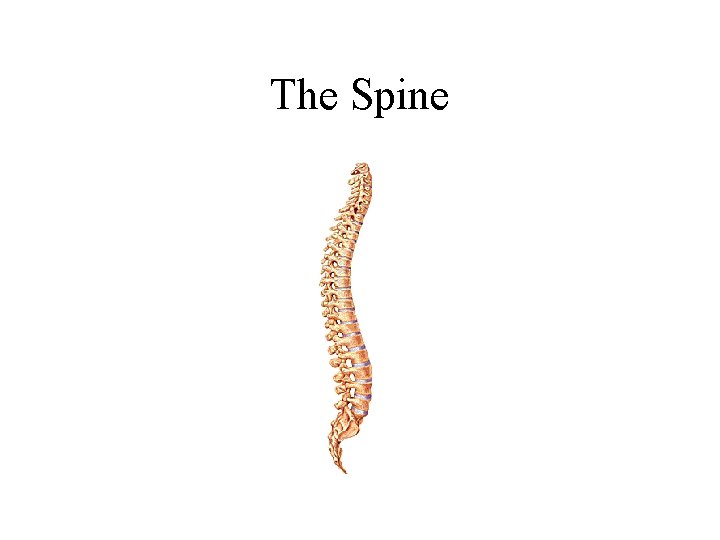
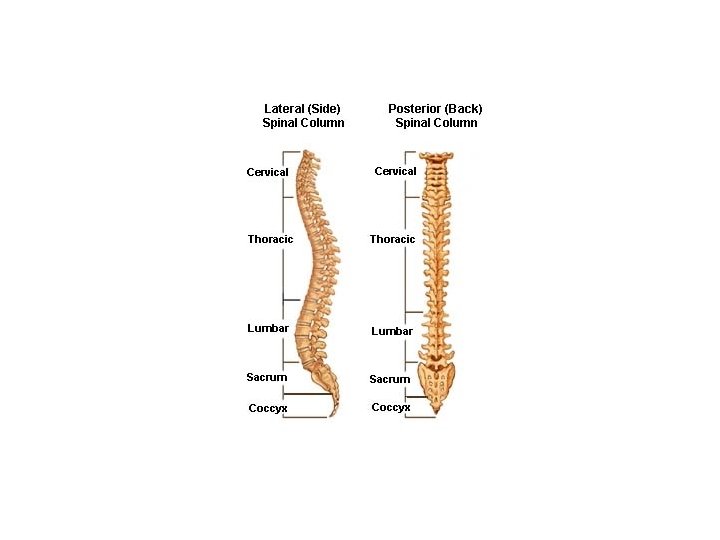
The Spine
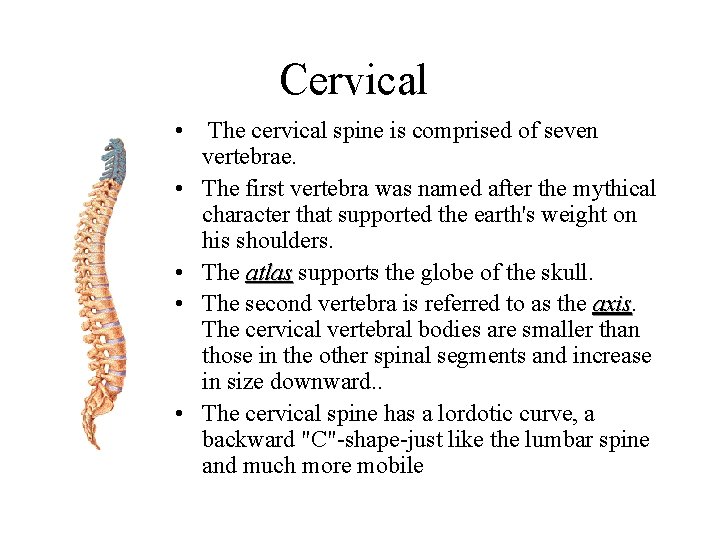
Cervical • The cervical spine is comprised of seven vertebrae. • The first vertebra was named after the mythical character that supported the earth's weight on his shoulders. • The atlas supports the globe of the skull. • The second vertebra is referred to as the axis The cervical vertebral bodies are smaller than those in the other spinal segments and increase in size downward. . • The cervical spine has a lordotic curve, a backward "C"-shape-just like the lumbar spine and much more mobile
Atlas & Axis • differ from the other vertebrae because they are designed specifically for rotation. These two vertebrae are what allow your neck to rotate in so many directions, including looking to the side. • The axis has a bony peg called the odontoid process, which sticks up through the hole in the atlas. It is this special arrangement that allows the head to turn from side to side as far as it can. Special ligaments between the atlas and the axis allow for a great deal of rotation.
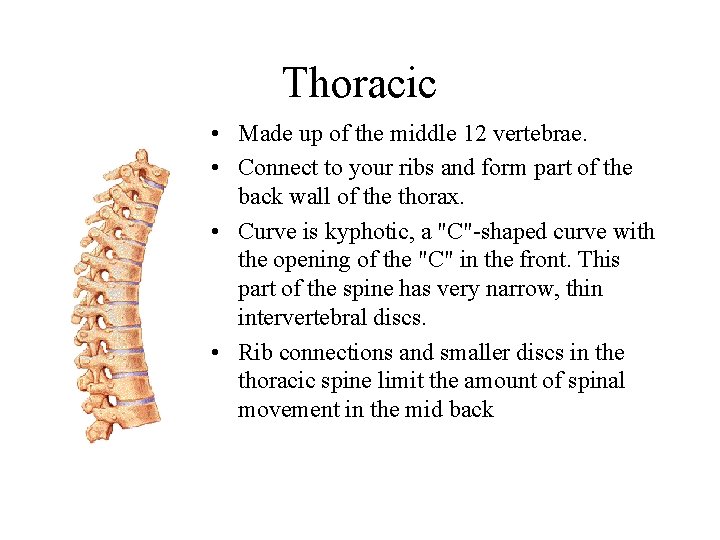
Thoracic • Made up of the middle 12 vertebrae. • Connect to your ribs and form part of the back wall of the thorax. • Curve is kyphotic, a "C"-shaped curve with the opening of the "C" in the front. This part of the spine has very narrow, thin intervertebral discs. • Rib connections and smaller discs in the thoracic spine limit the amount of spinal movement in the mid back
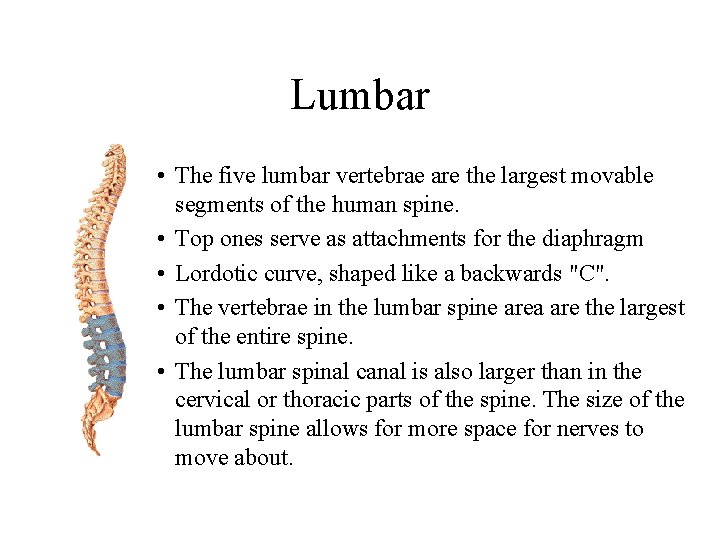
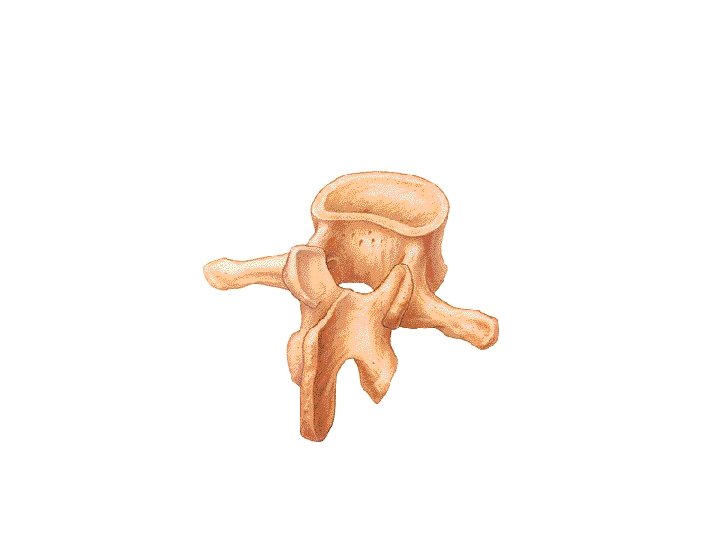
Lumbar • The five lumbar vertebrae are the largest movable segments of the human spine. • Top ones serve as attachments for the diaphragm • Lordotic curve, shaped like a backwards "C". • The vertebrae in the lumbar spine area are the largest of the entire spine. • The lumbar spinal canal is also larger than in the cervical or thoracic parts of the spine. The size of the lumbar spine allows for more space for nerves to move about.
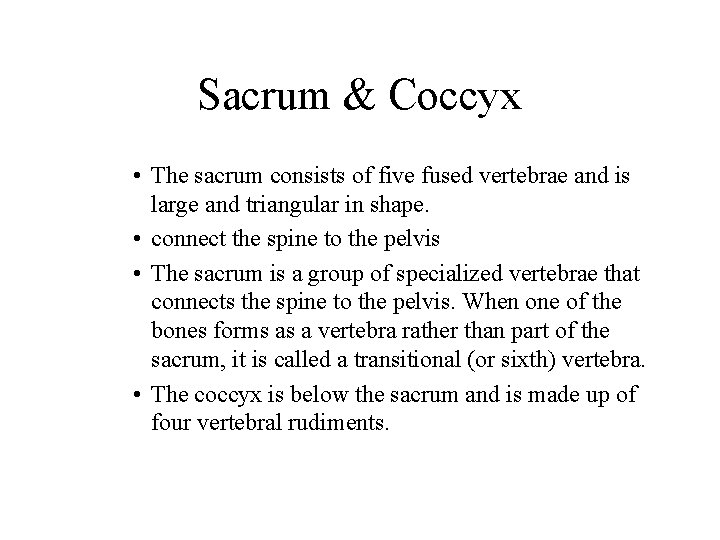
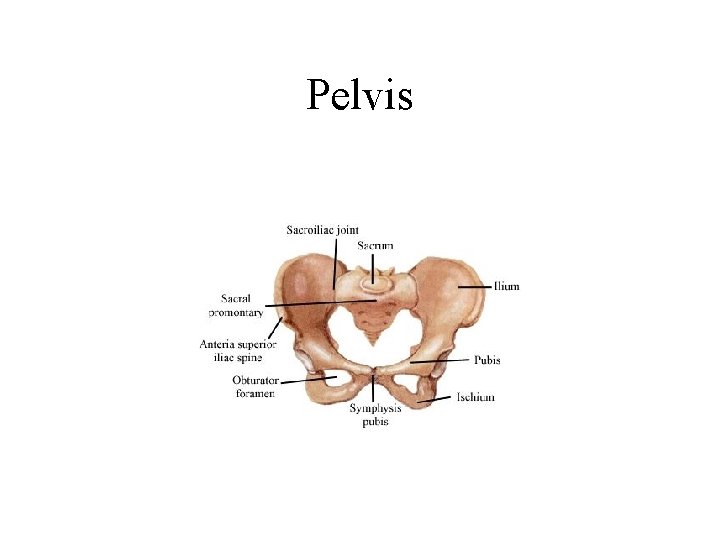
Sacrum & Coccyx • The sacrum consists of five fused vertebrae and is large and triangular in shape. • connect the spine to the pelvis • The sacrum is a group of specialized vertebrae that connects the spine to the pelvis. When one of the bones forms as a vertebra rather than part of the sacrum, it is called a transitional (or sixth) vertebra. • The coccyx is below the sacrum and is made up of four vertebral rudiments.
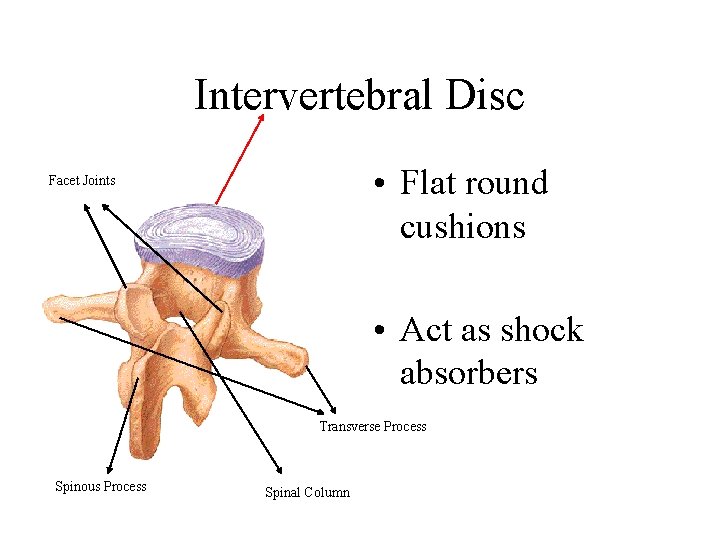
Intervertebral Disc • Flat round cushions Facet Joints • Act as shock absorbers Transverse Process Spinous Process Spinal Column
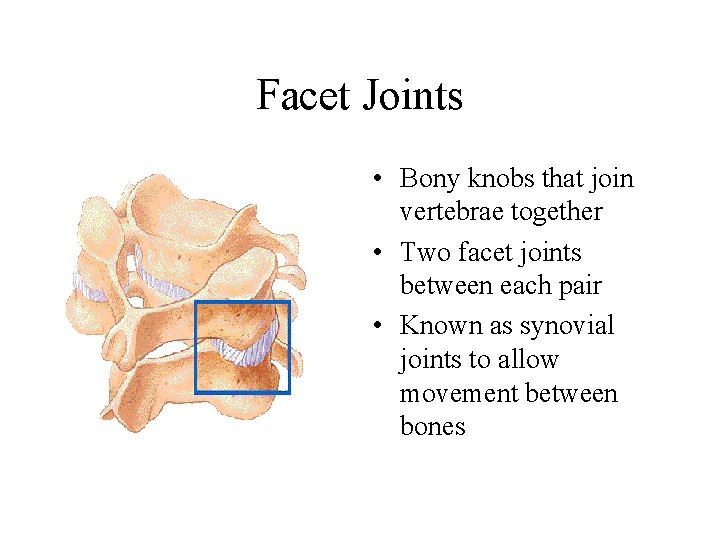
Facet Joints • Bony knobs that join vertebrae together • Two facet joints between each pair • Known as synovial joints to allow movement between bones
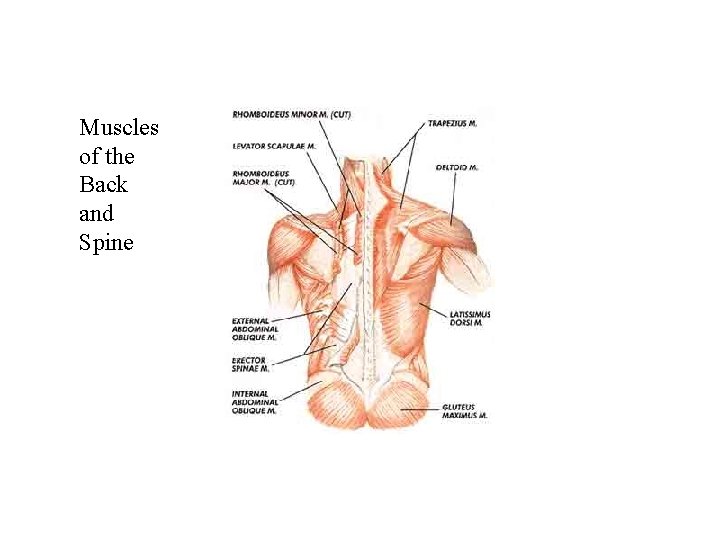
Muscles of the Back and Spine
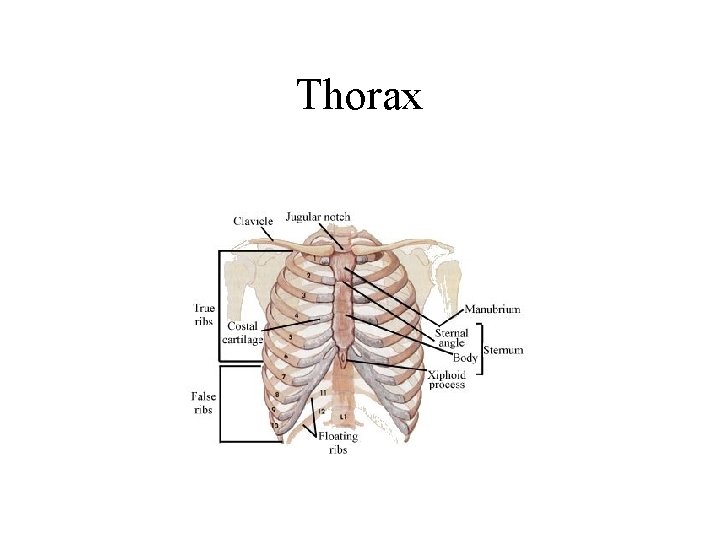
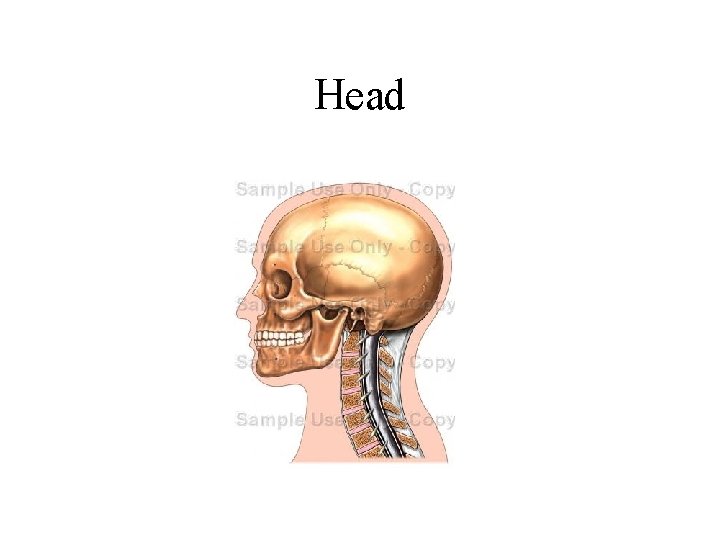
Extensions of the Spine • PELVIS • THORAX • HEAD
Pelvis
Thorax
Head
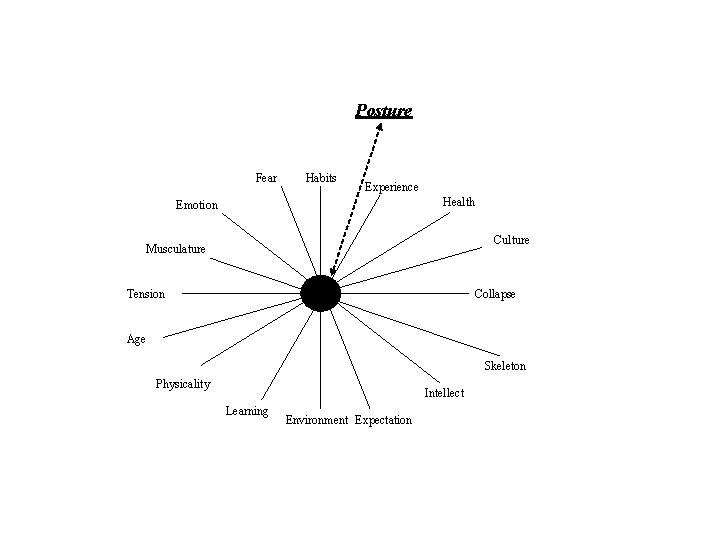
Posture Fear Habits Experience Health Emotion Culture Musculature Tension Collapse Age Skeleton Physicality Intellect Learning . Environment Expectation
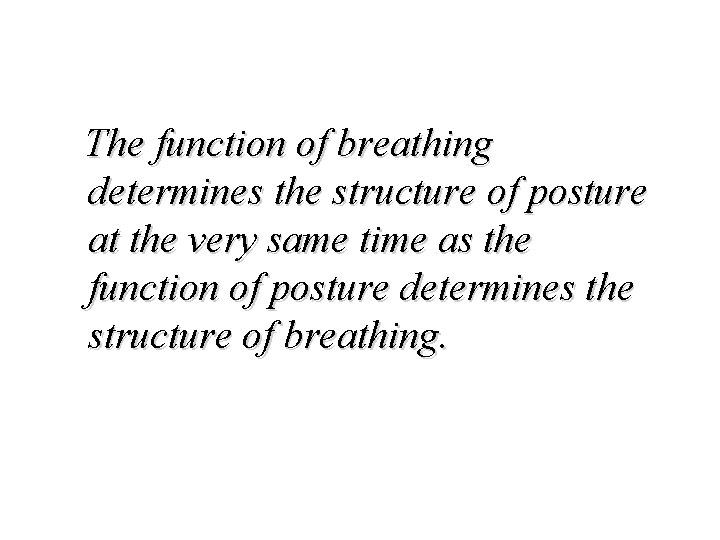
The function of breathing determines the structure of posture at the very same time as the function of posture determines the structure of breathing.