
VOCABULARY 8 TH U S HISTORY PRESIDENTIAL PRECEDENTS

VOCABULARY 8 TH U. S. HISTORY
PRESIDENTIAL PRECEDENTS • • • Precedent Foreign Policy Domestic Policy Political Party Executive Cabinet
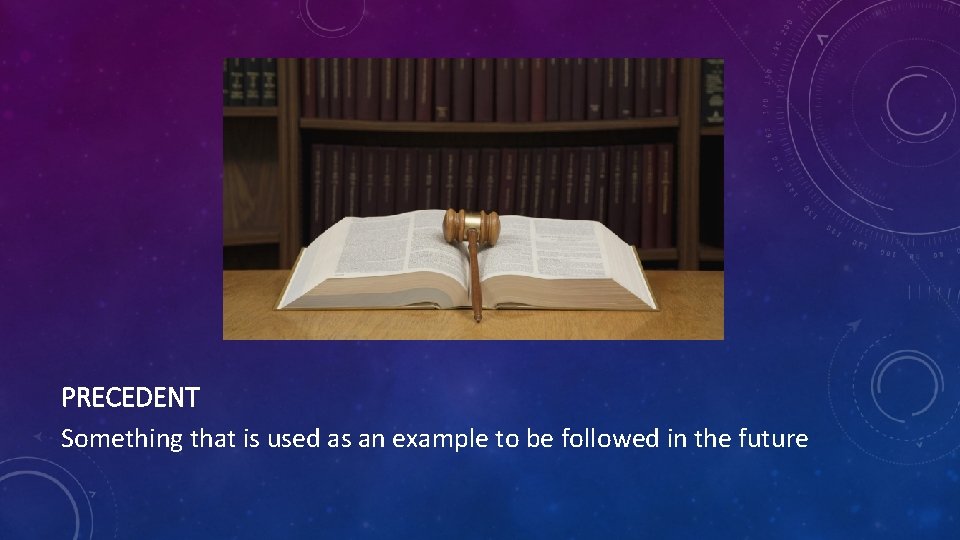
PRECEDENT Something that is used as an example to be followed in the future
PRECEDENT Forms: • Precedents • Precedence • Precedential Example: • The new American Constitution followed many English precedents in its construction. Question to Ponder: • Can a procedure or a rule set a “precedent? ”
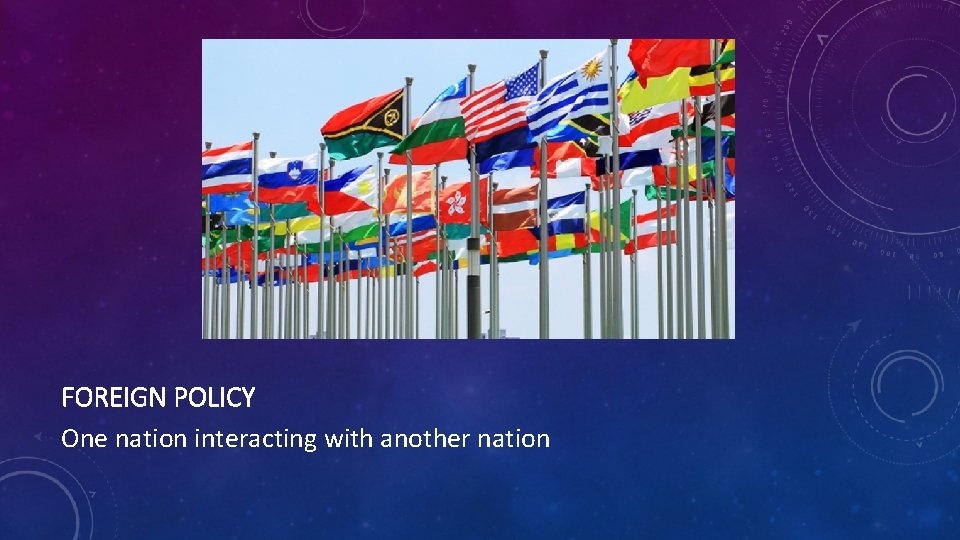
FOREIGN POLICY One nation interacting with another nation
FOREIGN POLICY Forms: • Foreign policies Example: • The U. S. Secretary of State’s job is to follow the president’s foreign policy when speaking to other countries. Question to Ponder: • Would the Treaty of Paris of 1783 fall under the description of “foreign policy? ”
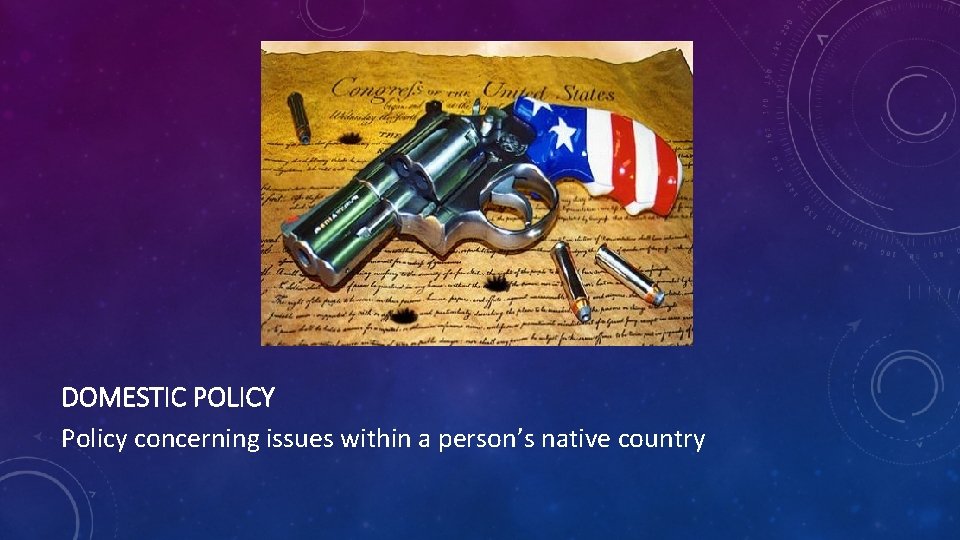
DOMESTIC POLICY Policy concerning issues within a person’s native country
DOMESTIC POLICY Forms: • Domestic policies Example: • Shay’s Rebellion forced the delegates at the Constitutional Convention to examine their domestic policies. Question to Ponder: • Would the presidential election be considered part of a country’s “domestic policy? ”
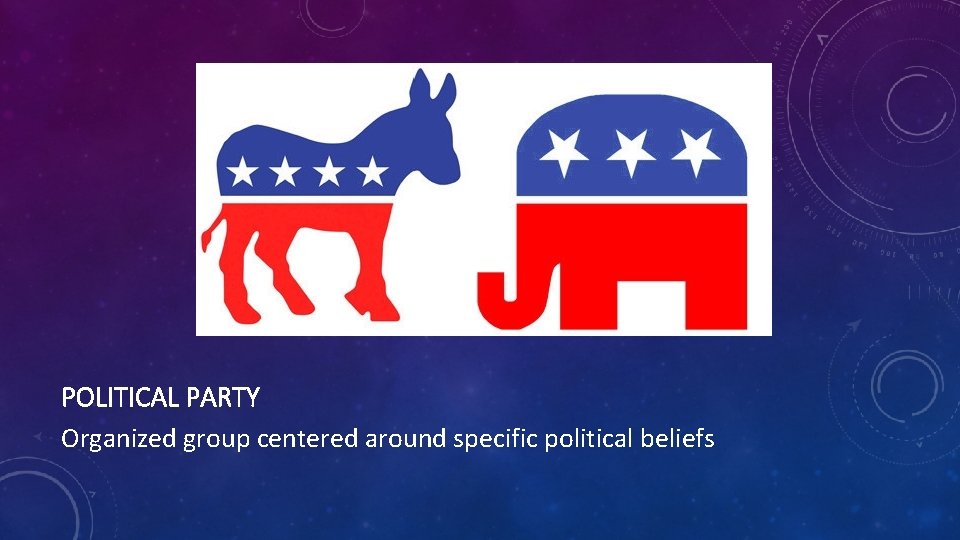
POLITICAL PARTY Organized group centered around specific political beliefs
POLITICAL PARTY Forms: • Political parties Example: • Hamilton and Jefferson’s disagreements led to the establishment of political parties. Question to Ponder: • Would a person join a “political party” with people who espoused different beliefs?
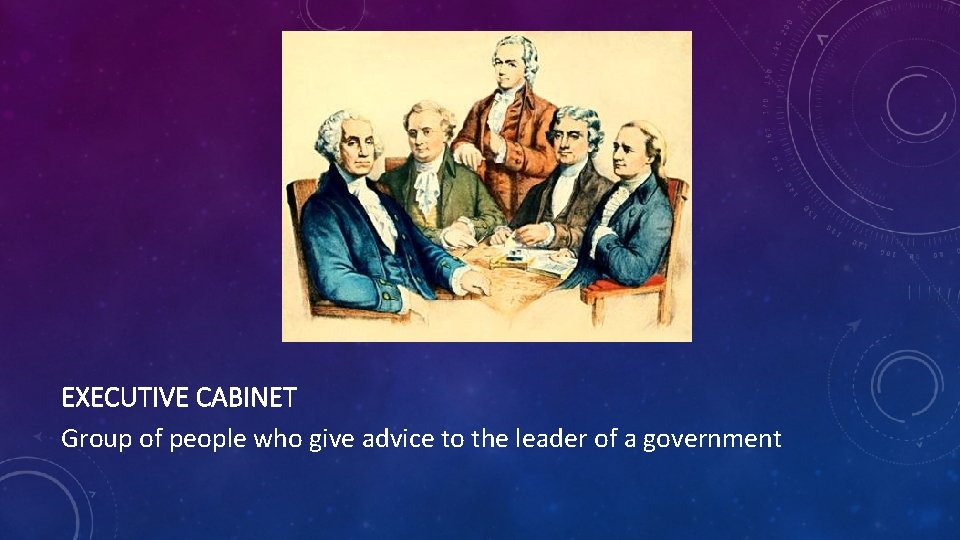
EXECUTIVE CABINET Group of people who give advice to the leader of a government
EXECUTIVE CABINET Forms: • Executive cabinets Example: • The President of the United States relies on advice from his Executive Cabinet to make informed decisions. Question to Ponder: • Would a group of friends who give someone advice be considered an “executive cabinet? ”
ADAMS’S PRESIDENCY • • • Alien Point of View Characteristic Compare Contrast
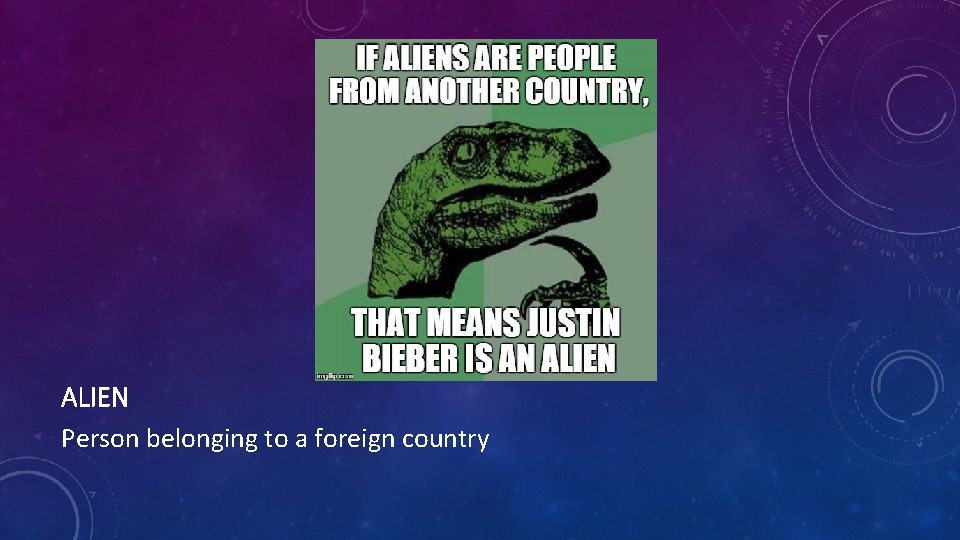
ALIEN Person belonging to a foreign country
ALIEN Forms: • Aliens Example: • People who emigrate to a new country are considered aliens. Question to Ponder: • Would a citizen who left their home country as a child and returned as an adult be considered an “alien? ”
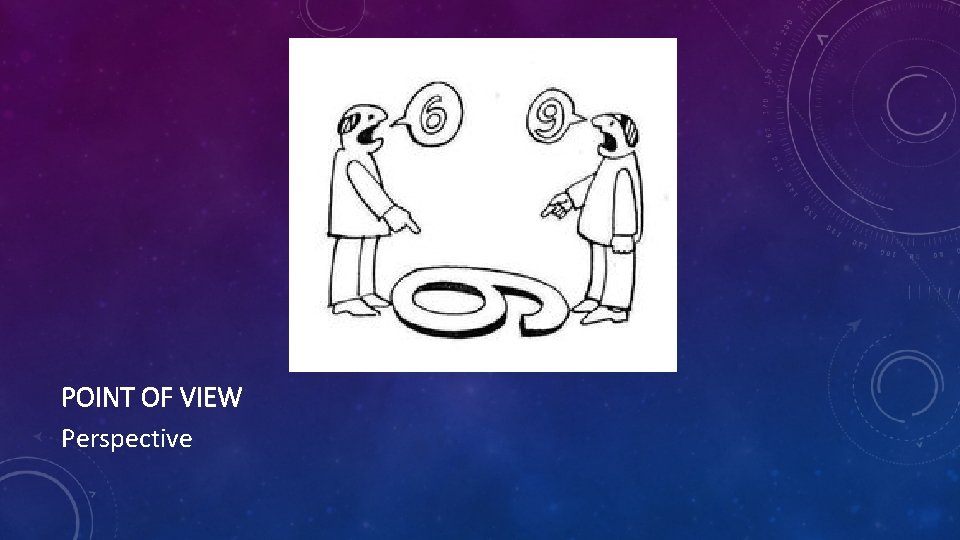
POINT OF VIEW Perspective
POINT OF VIEW Forms: • Points of view Example: • Hamilton and Jefferson had different points of view concerning political ideologies. Question to Ponder: • If I listened to only one perspective in a debate, have I considered all of the “points of view? ”
CHARACTERISTIC Trait or special quality
CHARACTERISTIC Forms: • Characteristics Example: • Washington’s leadership characteristics helped him set precedents to run the nation. Question to Ponder: • Would the details of an object still be considered “characteristics? ”
COMPARE Describing similarities
COMPARE Forms: • Comparison • Compares • Compared • Comparing Example: • Voters compared their beliefs with those of the presidential candidates in order to determine who to vote for. Question to Ponder: • Can a “comparison” also make connections between two or more things?
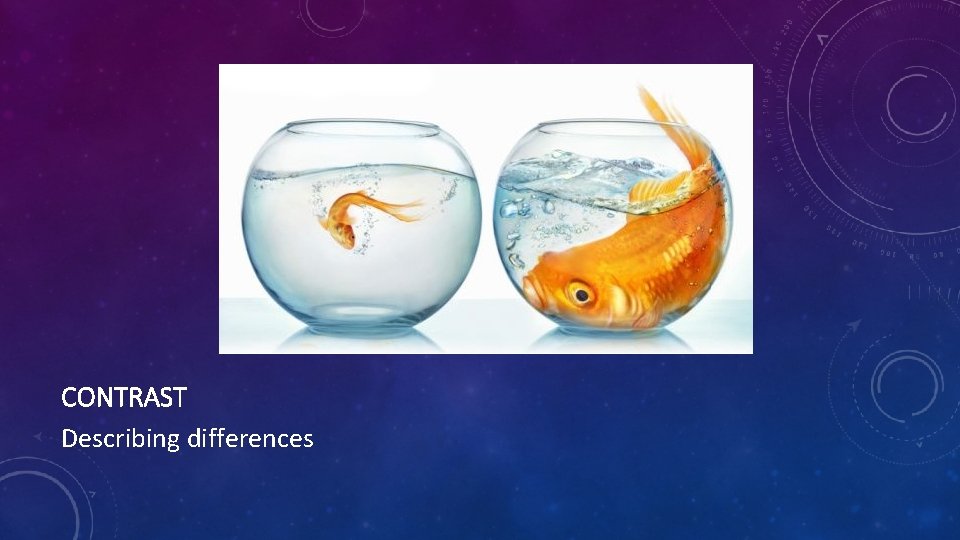
CONTRAST Describing differences
CONTRAST Forms: • Contrasts • Contrasted • Contrasting Example: • Federalists and Democratic. Republicans had contrasting political beliefs. Question to Ponder: • Would making a pro-con list help a person make sense of “contrasting” ideas?
JEFFERSON’S PRESIDENCY • • • Judicial Review Jurisdiction Embargo Export Import
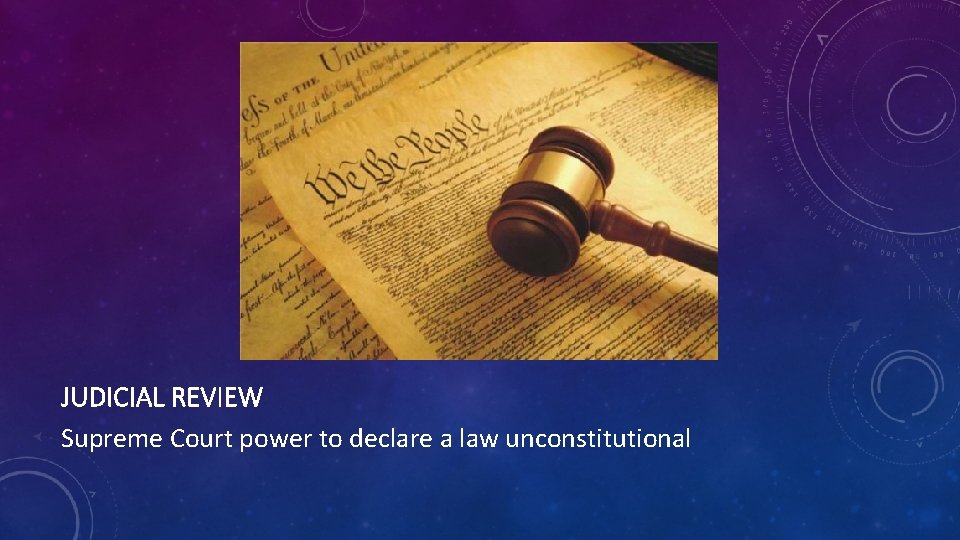
JUDICIAL REVIEW Supreme Court power to declare a law unconstitutional
JUDICIAL REVIEW Forms: N/A Example: • Using the power of judicial review, the Supreme Court declared the Alien and Sedition Acts unconstitutional. Question to Ponder: • If the president thought a Congressional law was unjustified, does he have the power of “judicial review? ”
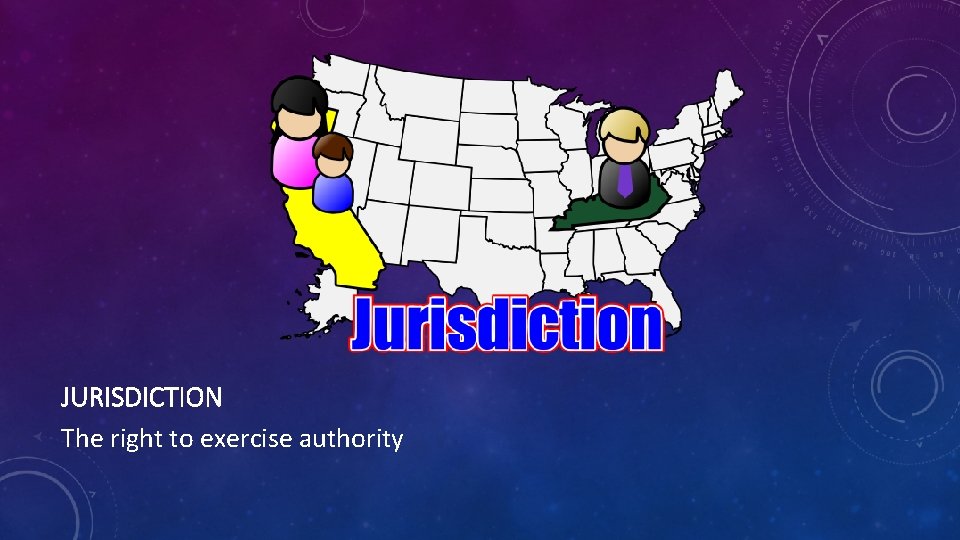
JURISDICTION The right to exercise authority
JURISDICTION Forms: • Jurisdictionally Example: • Making new laws falls under Congress’s jurisdiction. Question to Ponder: • Would a teacher have “jurisdiction” in another teacher’s classroom?
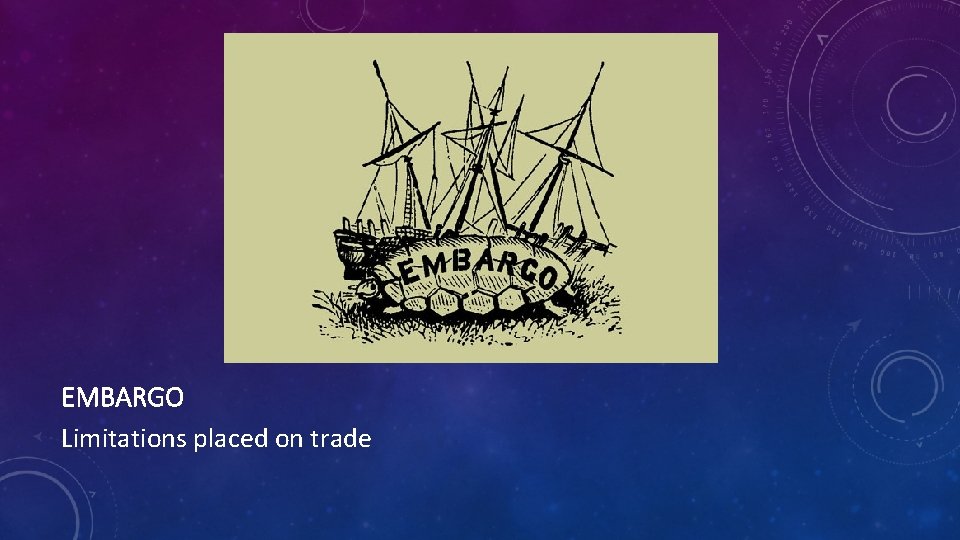
EMBARGO Limitations placed on trade
EMBARGO Forms: • Embargoes • Embargoed Example: • The U. S. has placed embargoes on other countries to prevent conflicts. • Embargoing Question to Ponder: • If a foreign country decides not to trade with the United States, have they enacted an “embargo? ”
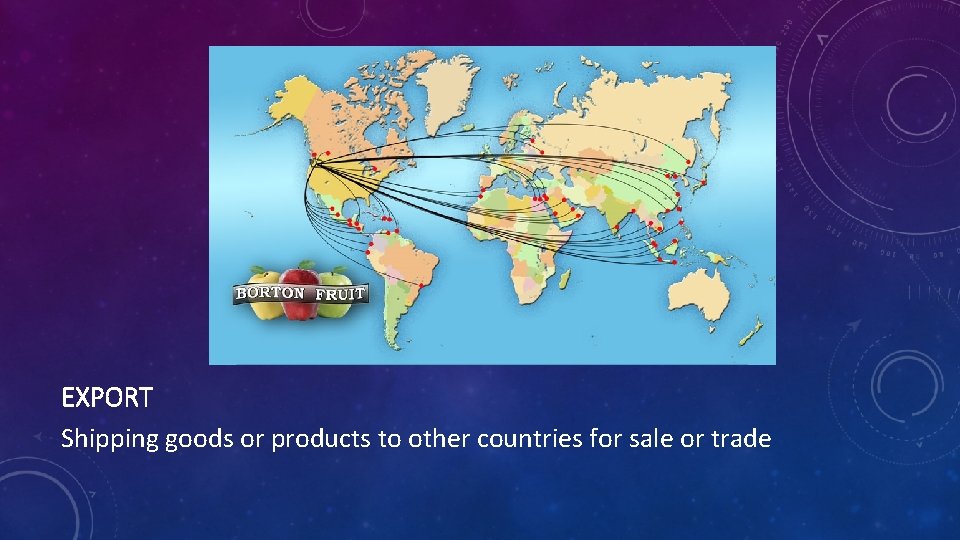
EXPORT Shipping goods or products to other countries for sale or trade
EXPORT Forms: • Exports • Exported Example: • Many farmers export their crops to other nations. • Exporting Question to Ponder: • If a country sends supplies to one of its colonies, has it “exported” these goods?
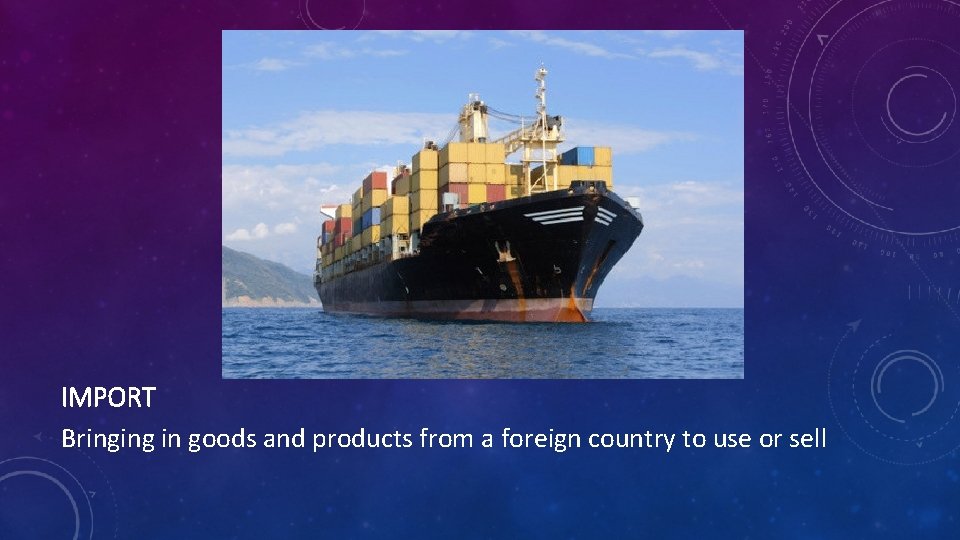
IMPORT Bringing in goods and products from a foreign country to use or sell
IMPORT Forms: • Imports • Imported Example: • The U. S. still imports some of its oil from the Middle East. • Importing Question to Ponder: • If Target received a shipment of tshirts from China, would it be considered an “import? ”
WAR OF 1812 • • • International Expansion Maritime Internal factors External factors
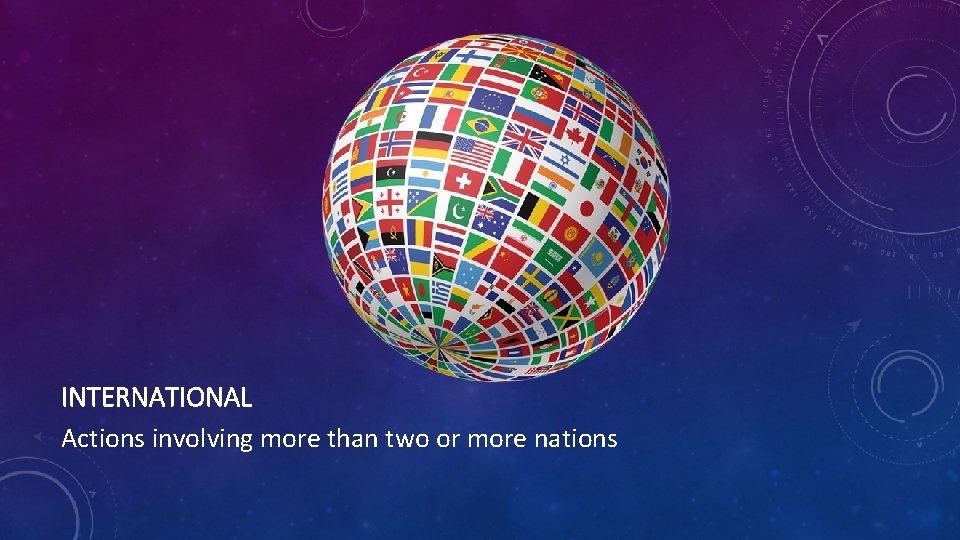
INTERNATIONAL Actions involving more than two or more nations
INTERNATIONAL Forms: • Internationally Example: • International trade between the Americas and Europe began to decline during Adams’s presidency. Question to Ponder: • Would a nation be involved in “international” affairs if they followed a policy of isolationism?
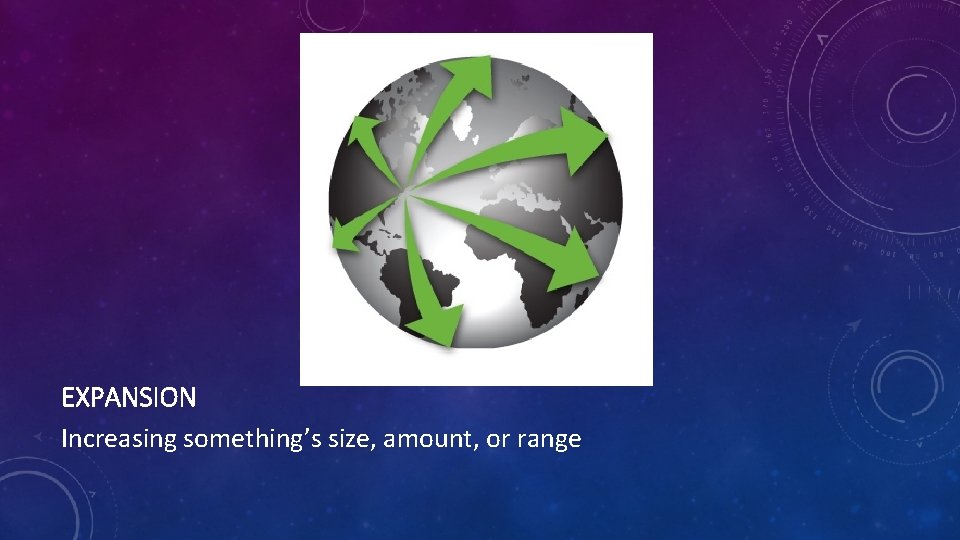
EXPANSION Increasing something’s size, amount, or range
EXPANSION Forms: • Expanding • Expanded • Expanse Example: • The expanse of the U. S. greatly increased after Jefferson’s purchase of the Louisiana Territory. Question to Ponder: • If I learned how to use new words, have I “expanded” my vocabulary?
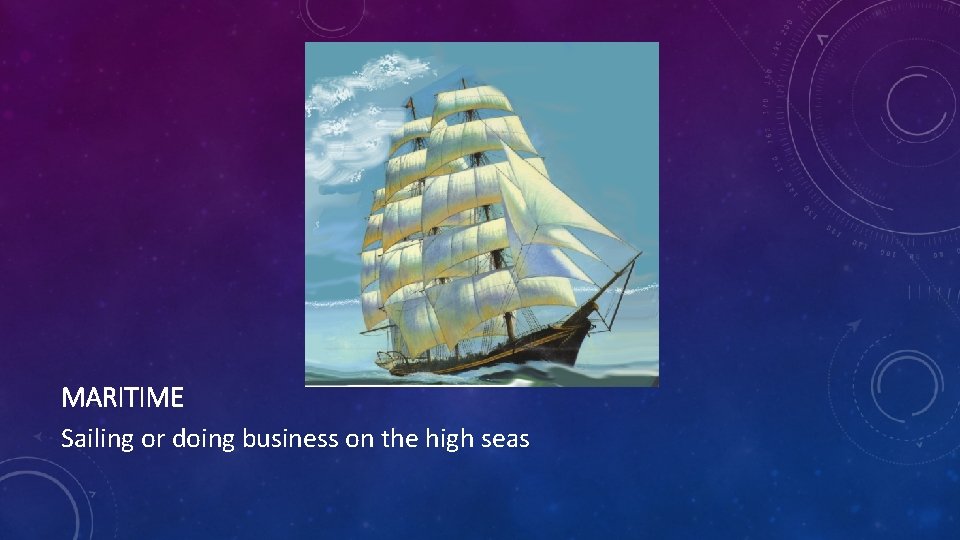
MARITIME Sailing or doing business on the high seas
MARITIME Forms: N/A Example: • French and British captains ignored maritime laws when they captured American merchant ships. Question to Ponder: • If a man owned a ferryboat and transported people across a lake, would he have a “maritime” business?
INTERNAL FACTORS Things that cause something to happen from the inside
INTERNAL FACTORS Forms: • Internal factor Example: • An internal factor to the War of 1812 was the conflicts between the natives and American settlers in the west. Question to Ponder: • Would Shay’s Rebellion be an “internal factor” to the Constitutional Convention?
EXTERNAL FACTORS Things that cause something to happen from the outside
EXTERNAL FACTORS Forms: • External factor Example: • The largest external factor that caused conflict during Adams’s presidency was the XYZ Affair. Question to Ponder: • Would emigration be an underlying “external factor” of population change?
MONROE’S PRESIDENCY • • • Doctrine Nationalism Infrastructure Sectionalism Hemisphere
DOCTRINE Statement of governmental policy concerning international relations
DOCTRINE Forms: • Doctrines Example: • President James Monroe established the Monroe Doctrine declaring U. S. supremacy in the Western Hemisphere. Question to Ponder: • If the President of the United States creates a new plan for dealing with Isis, has he/she established a “doctrine? ”
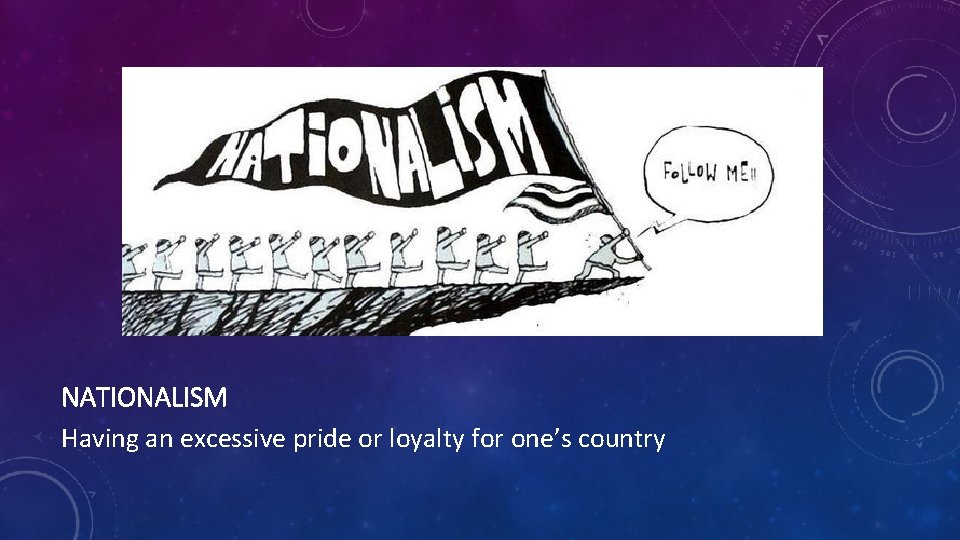
NATIONALISM Having an excessive pride or loyalty for one’s country
NATIONALISM Forms: • Nationalistic Example: • American nationalism propelled citizens west across the continent. Question to Ponder: • If I was proud of the veterans who served our country, would I be considered a “nationalist? ”
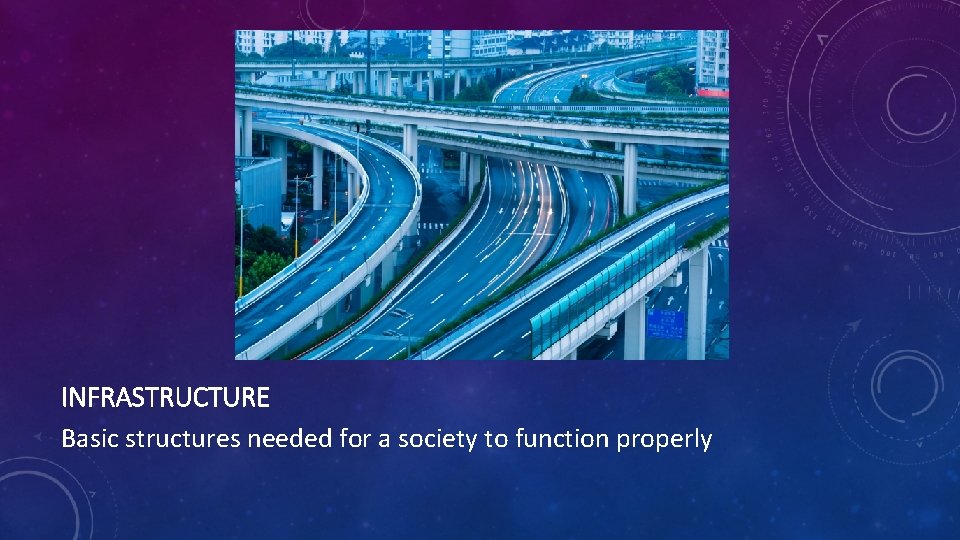
INFRASTRUCTURE Basic structures needed for a society to function properly
INFRASTRUCTURE Forms: N/A Example: • Henry Clay’s American System worked to improve the American infrastructure. Question to Ponder: • Could a war destroy a country's “infrastructure? ”
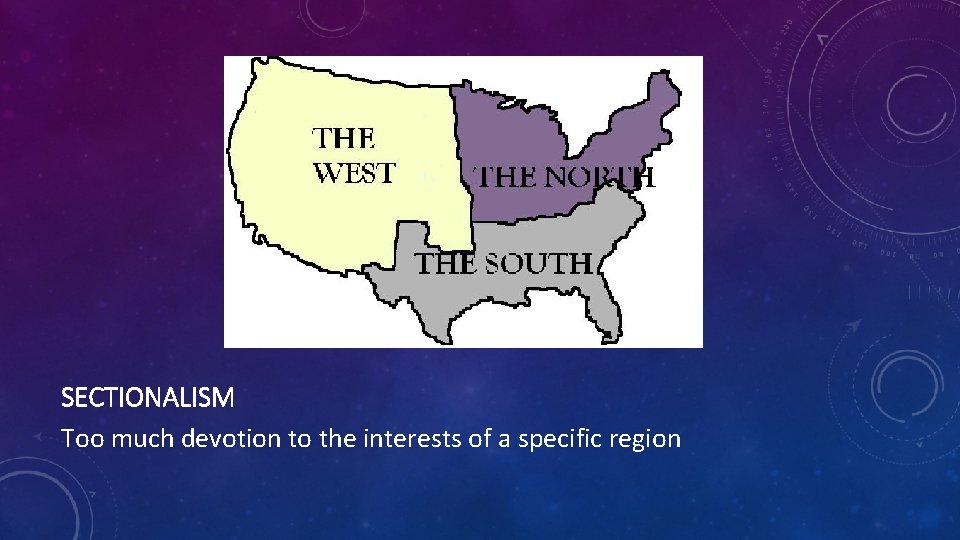
SECTIONALISM Too much devotion to the interests of a specific region
SECTIONALISM Forms: N/A Example: • Washington feared political parties could lead to sectionalism in the United States. Question to Ponder: • If a native Georgian agreed with a presidential candidate simply because he/she was from the South, is this showing “sectionalism? ”
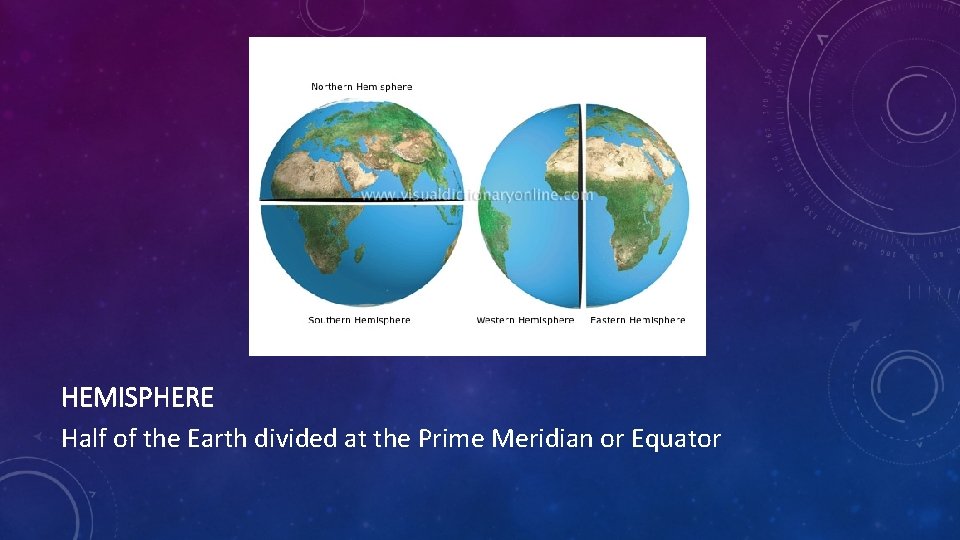
HEMISPHERE Half of the Earth divided at the Prime Meridian or Equator
HEMISPHERE Forms: • Hemispheres Example: • President Monroe declared supremacy in the Western Hemisphere with the Monroe Doctrine. Question to Ponder: • If a person cut a tennis ball in half, would it have different “hemispheres? ”
- Slides: 56