
Vitamin D Rickets and Osteoporosis Endocrine Block Overview
Vitamin D, Rickets and Osteoporosis Endocrine Block
Overview • • Vitamin D functions and metabolism Vitamin D and calcium homeostasis Regulation of vitamin D synthesis Biochemistry, types and diagnosis of: – Osteomalacia and rickets – Osteoporosis
Vitamin D • Vitamin D is considered a steroid hormone • Cholecalciferol (vitamin D 3) is synthesized in the skin by sunlight (UV) • The biologically active form is: – 1, 25 -dihydroxycholecalciferol (calcitriol) • Ergocalciferol (vitamin D 2) is derived from ergosterol in lower animals and plants • D 3, D 2 are also available as supplement
Vitamin D functions • Regulates calcium and phosphorus levels in the body (calcium homeostasis) • Promotes absorption of calcium and phosphorus from the intestine • Increases bone mineralization • Increases reabsorption of calcium and phosphorus by renal tubules • Maintains healthy bones and teeth
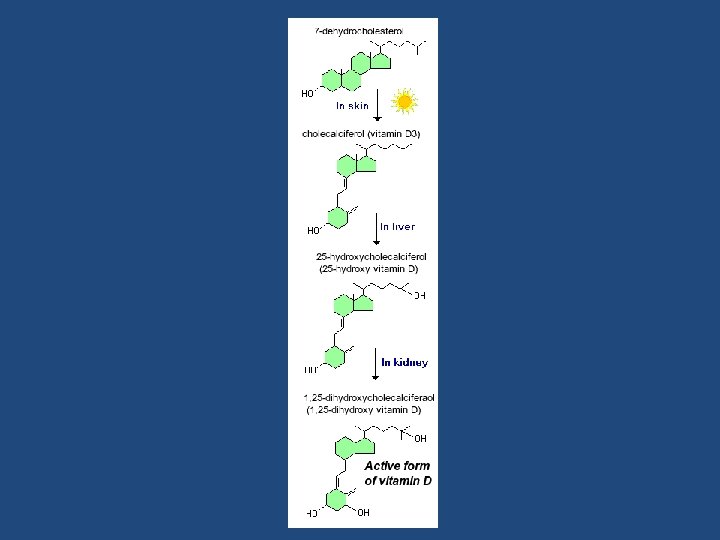
Vitamin D metabolism • Cholecalciferol is derived from 7 dehydrocholesterol in the skin by sunlight In liver: • Cholecalciferol is converted to 25 hydroxycholecalciferol by the enzyme 25 hydroxylase
Vitamin D metabolism In kidneys: • The 1 -a-hydroxylase enzyme converts 25 -hydroxycholecalciferol to 1, 25 dihydroxycholecalciferol (biologically active) • Active vitamin D is transported in blood by gc-globulin protein
Vitamin D regulation and calcium homeostasis • Vitamin D has essential role in calcium homeostasis • Calcium homeostasis is maintained by parathyroid hormone (PTH) and calcitonin • Vitamin D synthesis is strictly controlled in the kidneys by PTH • Hydroxylation of 25 -hydroxycholecalciferol is PTH-dependent in kidneys • Calcium absorption in the gut: – Indirectly depends on PTH – Directly depends on vitamin D
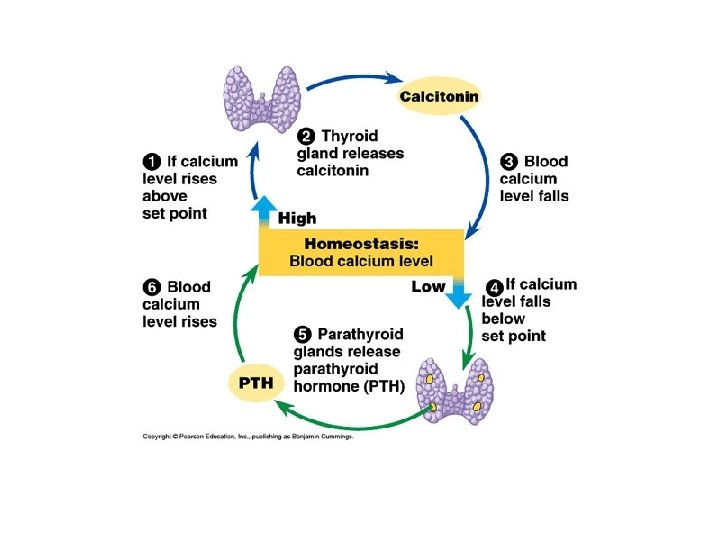
Calcium homeostasis

Osteomalacia and Rickets • Osteomalacia: defective bone mineralization in adults • Rickets: defective bone and cartilage mineralization in children • Due to: – Vitamin D deficiency – Impaired vitamin D metabolism – Calcium deficiency – Imbalance in calcium homeostasis
Osteomalacia and Rickets • Not common these days as foods (milk, oils) are now supplemented with vitamin D • Serum levels of 25 -hydroxycholecalciferol is low in these patients • In severe forms: – Serum calcium falls (hypocalcemia) – PTH secretion increases – Alkaline phosphatase increases

Osteomalacia and Rickets Vitamin-D-dependent rickets types 1 and 2: • Rare bone diseases due to genetic disorders • Due to: – Defects in vitamin D synthesis – Defects in vitamin D receptor (no hormone action)

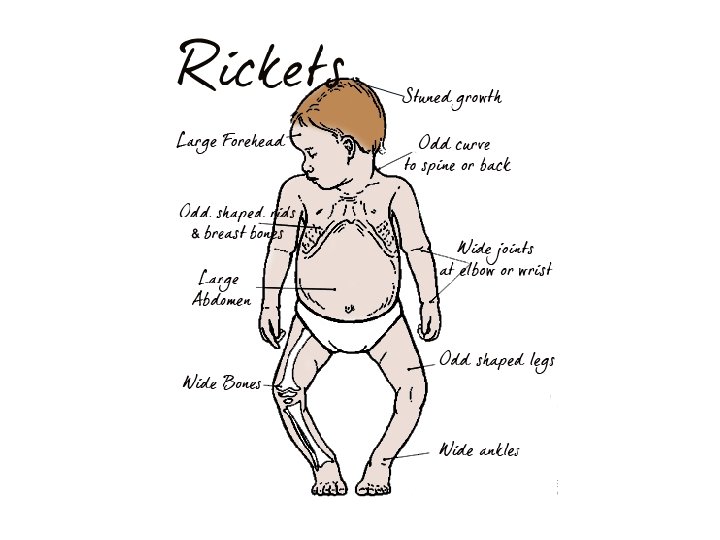
Clinical features Rickets • Soft bones • Skeletal deformity (bowed legs) • Bone pain • Increased tendency of bone fractures • Dental problems • Muscle weakness • Growth disturbance Osteomalacia • Soft bones • Bone pain • Bone fractures • Compressed vertebrae • Muscle weakness
Osteomalacia and Rickets Diagnosis: • Measuring serum levels of: – 25 -hydroxycholecalciferol – PTH – Calcium – Phosphate – Alkaline phosphatase
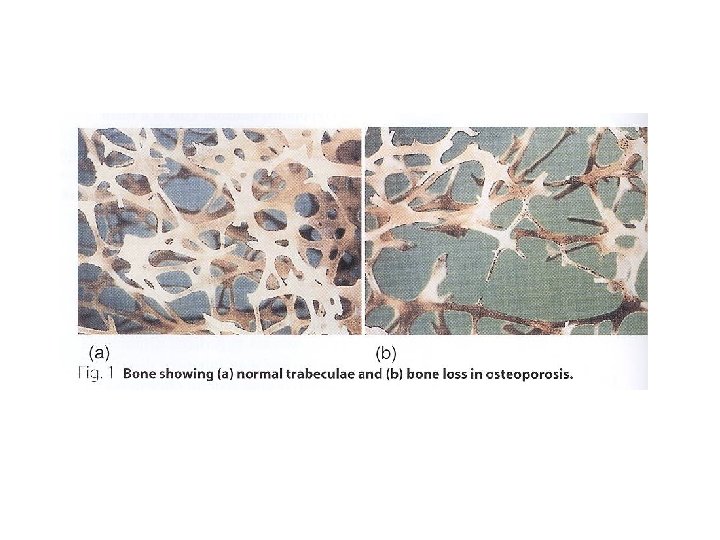
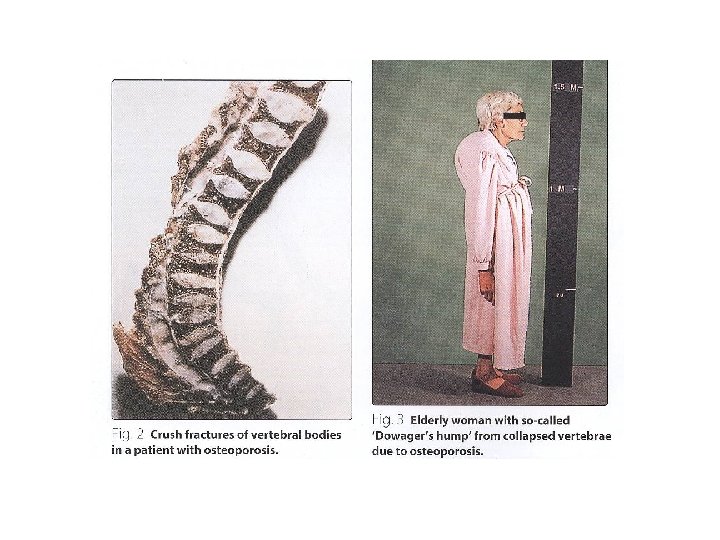
Osteoporosis • Reduction in bone mass per unit volume • Bone matrix composition is normal but it is reduced • Post-menopausal women lose more bone mass than men (primary osteoporosis) • The cause is unknown
Osteoporosis • Secondary osteoporosis may be caused by: – Drugs – Immobilization – Smoking – Alcohol – Cushing’s syndrome – Gonadal failure – Hyperthyroidism – GI disease
Osteoporosis Diagnosis • Serial measurement of bone density • No specific biochemical tests to diagnose or monitor primary osteoporosis • The test results overlap in healthy subjects and patients with osteoporosis Common biochemical tests: – Hydroxyproline (bone resorption) – Alkaline phosphatase (bone turnover) – Osteocalcin (bone formation)
Osteoporosis • Secondary osteoporosis (due to other causes) can be diagnosed by biochemical tests
Osteoporosis Prevention • Prevention from childhood is important • Good diet and exercise prevent osteoporosis later • Hormone replacement therapy in menopause prevents osteoporosis
Osteoporosis Treatment • In confirmed cases of osteoporosis – Treatment options are unsatisfactory • Oral calcium, estrogens, fluoride therapy may be beneficial
- Slides: 23