
VISUAL THINKING STRATEGIES VTS Using VTS to Develop

- Slides: 35
VISUAL THINKING STRATEGIES (VTS) Using VTS to Develop Receptive Literacies and Civil Civic Engagement Minnesota Writing and English Conference 2021
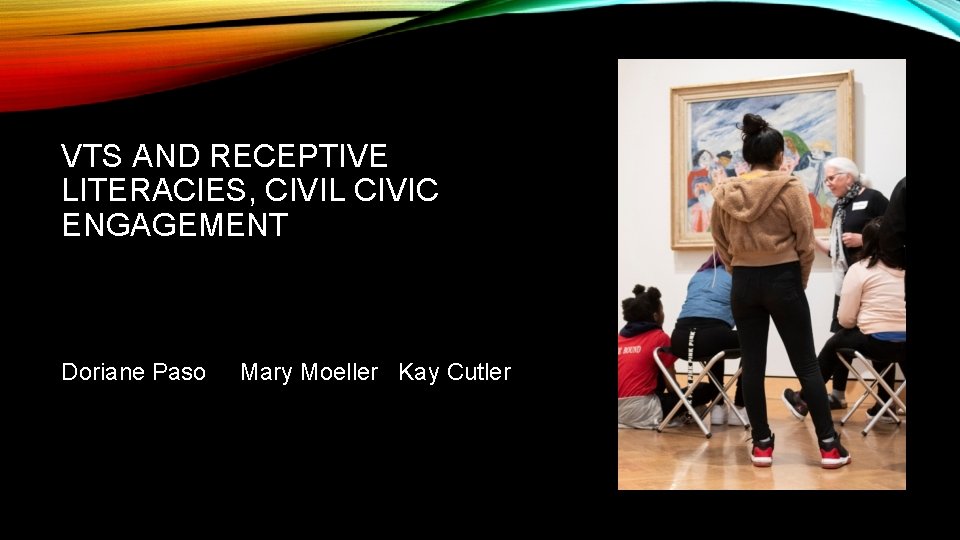
VTS AND RECEPTIVE LITERACIES, CIVIL CIVIC ENGAGEMENT Doriane Paso Mary Moeller Kay Cutler
WHAT IS VISUAL THINKING STRATEGIES (VTS)?
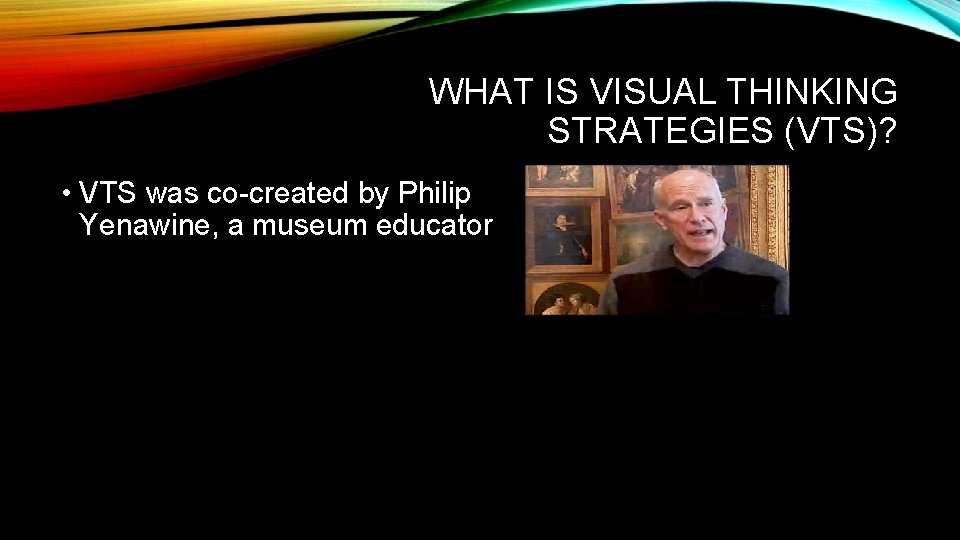
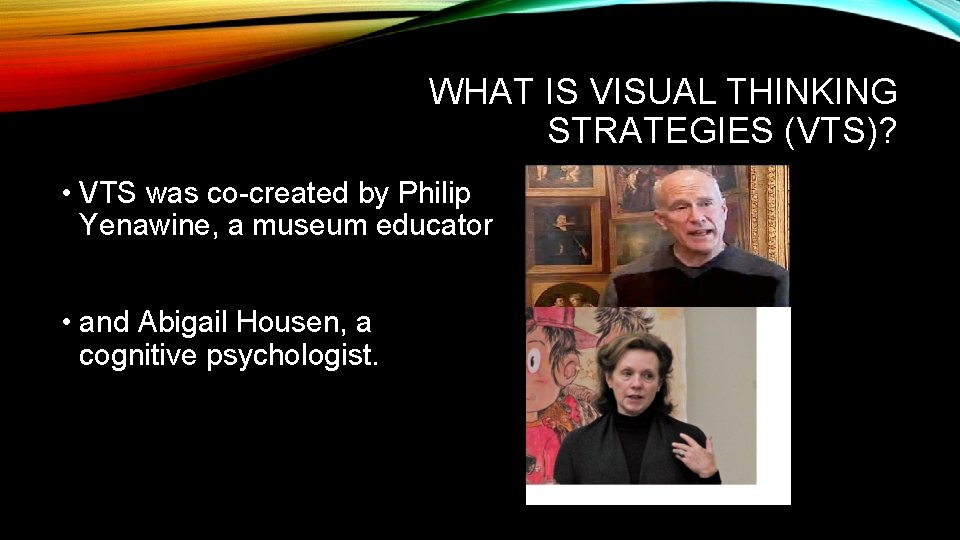
WHAT IS VISUAL THINKING STRATEGIES (VTS)? • VTS was co-created by Philip Yenawine, a museum educator
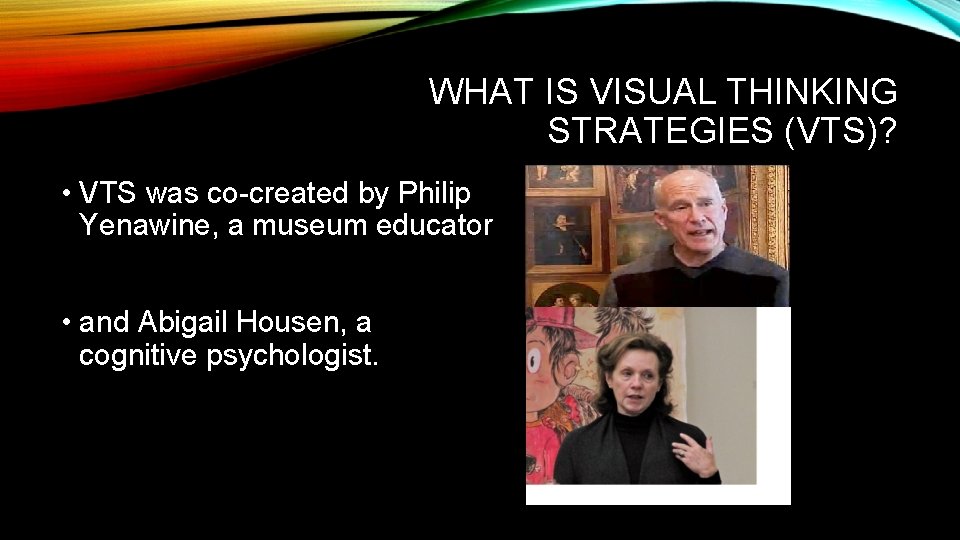
WHAT IS VISUAL THINKING STRATEGIES (VTS)? • VTS was co-created by Philip Yenawine, a museum educator • and Abigail Housen, a cognitive psychologist.
WHAT IS VISUAL THINKING STRATEGIES (VTS)? • VTS was co-created by Philip Yenawine, a museum educator • and Abigail Housen, a cognitive psychologist.
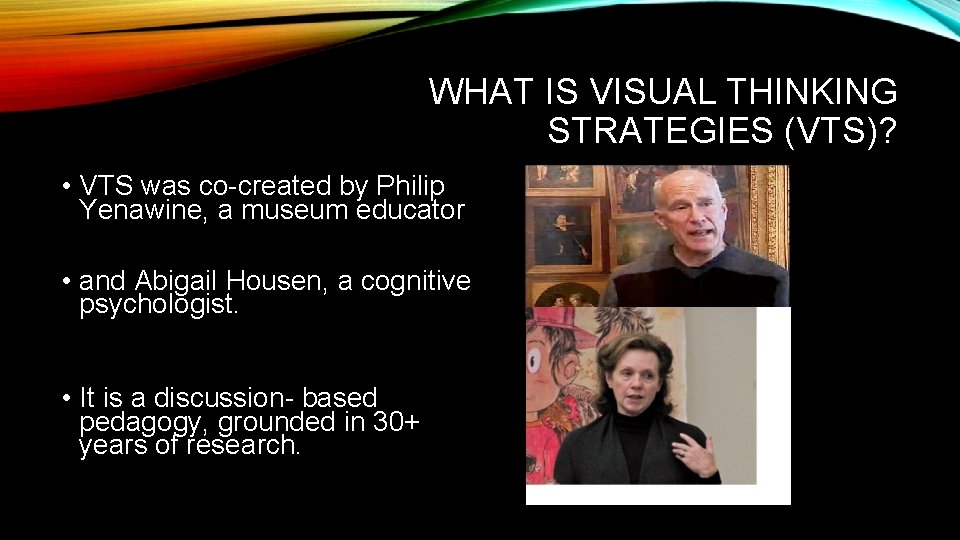
WHAT IS VISUAL THINKING STRATEGIES (VTS)? • VTS was co-created by Philip Yenawine, a museum educator • and Abigail Housen, a cognitive psychologist. • It is a discussion- based pedagogy, grounded in 30+ years of research.
TODAY’S PR 0 CESS • For a moment we silently view an image. • We will facilitate the Visual Thinking Strategies discussion of the image. • Please unmute when you have a comment. • Only oral comments at this time, thanks. • Let’s jump in!
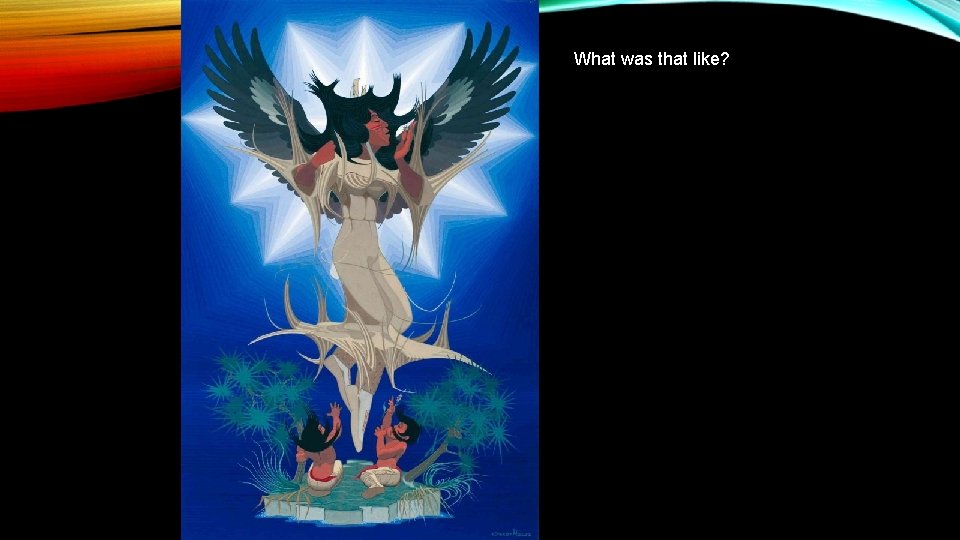
What was that like?
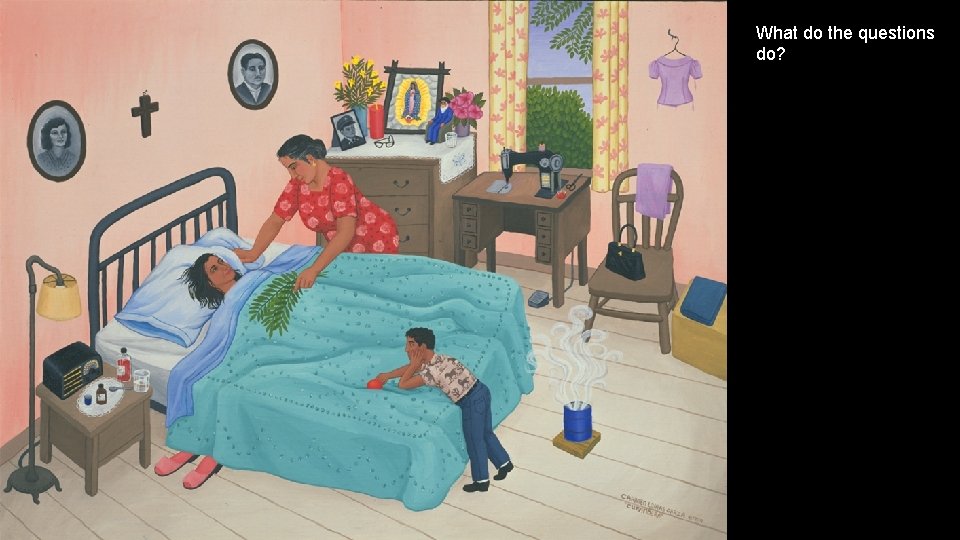
What do the questions do?
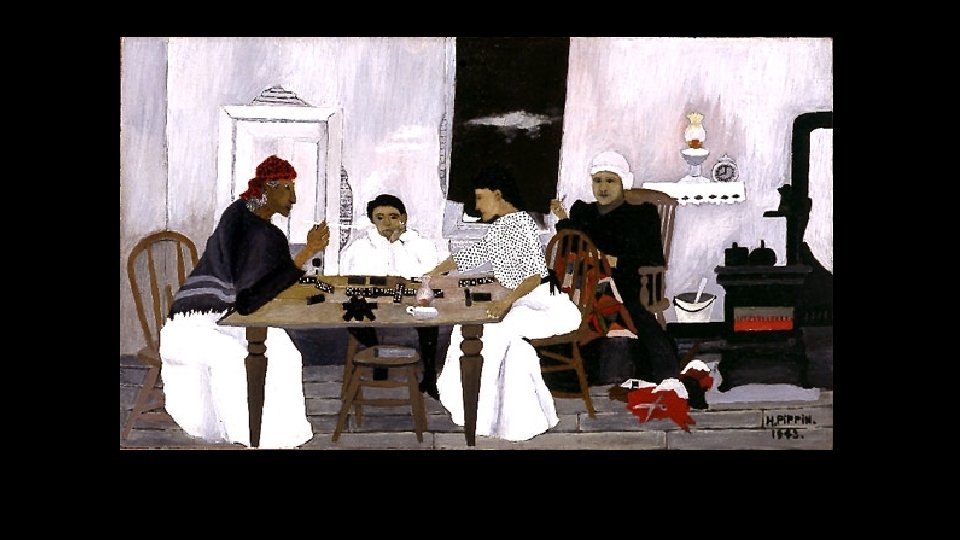
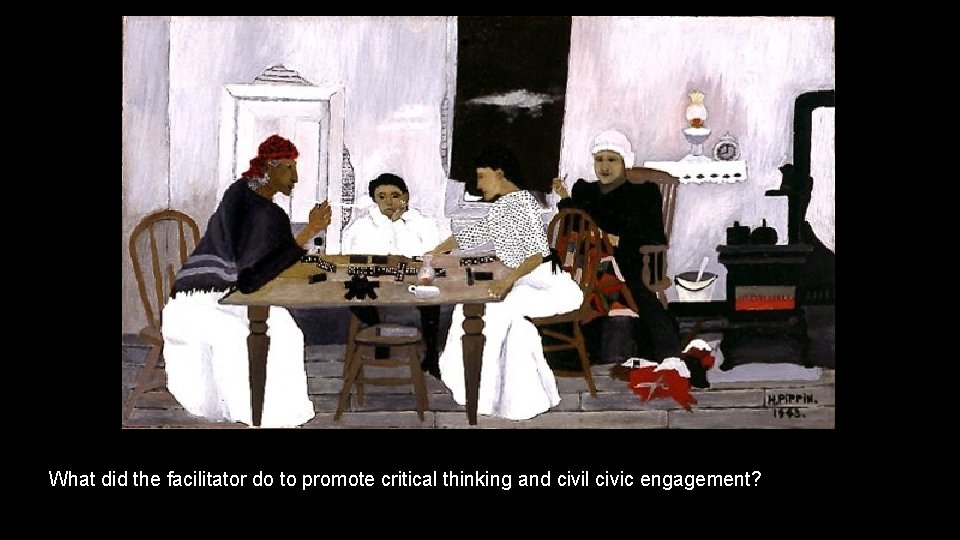
What did the facilitator do to promote critical thinking and civil civic engagement?
PERMISSION TO WONDER
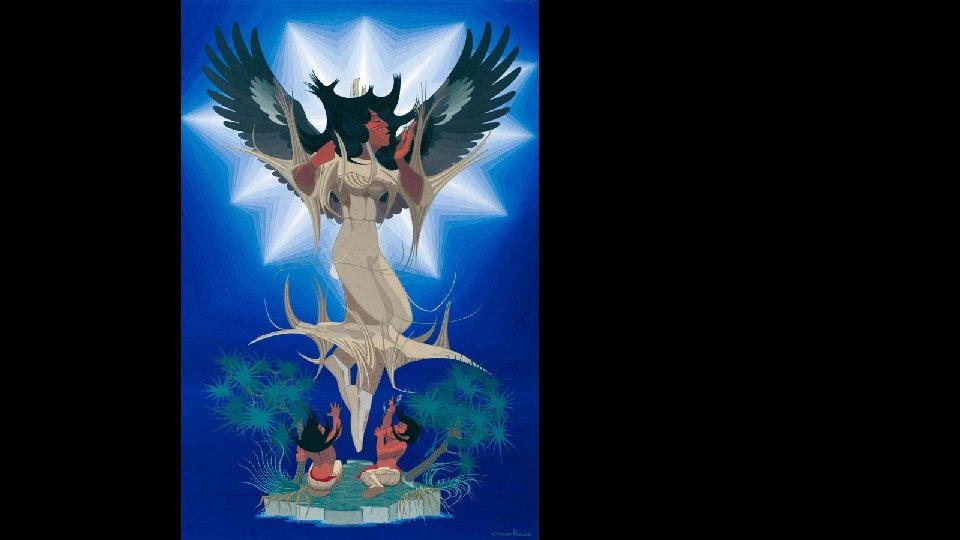
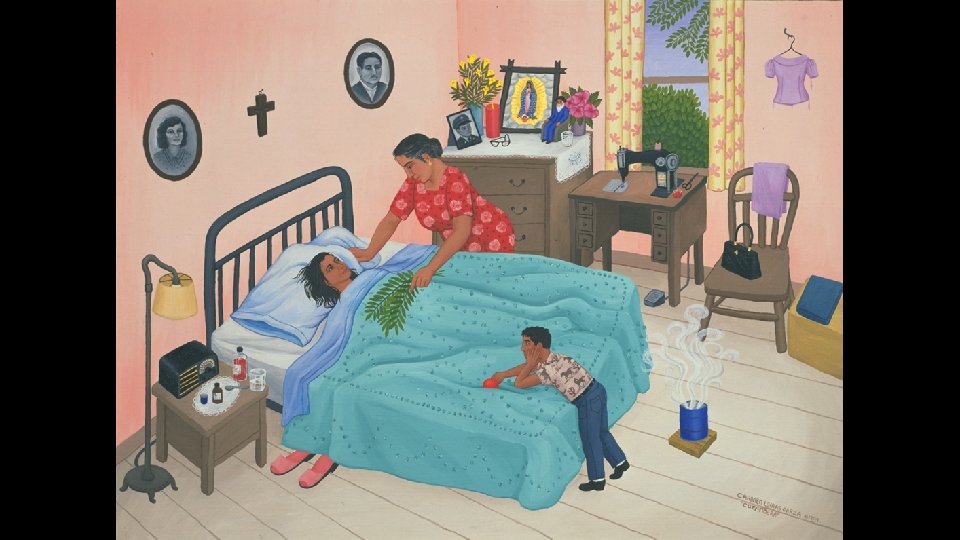
PERMISSION TO WONDER • What is going on in this image?
PERMISSION TO WONDER • What is going on in this image? • What do you see that makes you say that?
PERMISSION TO WONDER • What is going on in this image? • What do you see that makes you say that? • What more can we find?
PERMISSION TO WONDER • What is going on in this image? • What do you see that makes you say that? • What more can we find? These three deceptively simple questions have been developed to precision.
PERMISSION TO WONDER • What is going on in this image? • What do you see that makes you say that? • What more can we find? These three deceptively simple questions have been developed to precision. They are open-ended, allowing the participants expressive freedom.
PERMISSION TO WONDER • What is going on in this image? • What do you see that makes you say that? • What more can we find? These three deceptively simple questions have been developed to precision. They are open-ended, allowing the participants expressive freedom. The questions elicit critical thinking by requiring evidence.
PERMISSION TO WONDER • What is going on in this image? • What do you see that makes you say that? • What more can we find? These three deceptively simple questions have been developed to precision. They are open-ended, allowing the participants expressive freedom. The questions elicit critical thinking by requiring evidence. Facilitation provides the language for civil discourse while exploring the possibilities.
PERMISSION TO WONDER • What is going on in this image? • What do you see that makes you say that? • What more can we find? These three deceptively simple questions have been developed to precision. They are open-ended, allowing the participants expressive freedom. The questions elicit critical thinking by requiring evidence. Facilitation provides the language for civil discourse while exploring the possibilities. Repetition creates a critical reflection habit of thought that transfers to all other content areas, and situations in life.
VISUAL THINKING STRATEGIES ELEMENTS • • • Art images selected for the audience Peer group Silent looking (Take a quiet moment to look at this picture…about a minute) 3 Questions • What’s going on in this picture? • What do you see that makes you say that? • What more can you/we find? Listen carefully to each comment Point to features described in the artwork throughout the discussion Paraphrase all comments Remain neutral
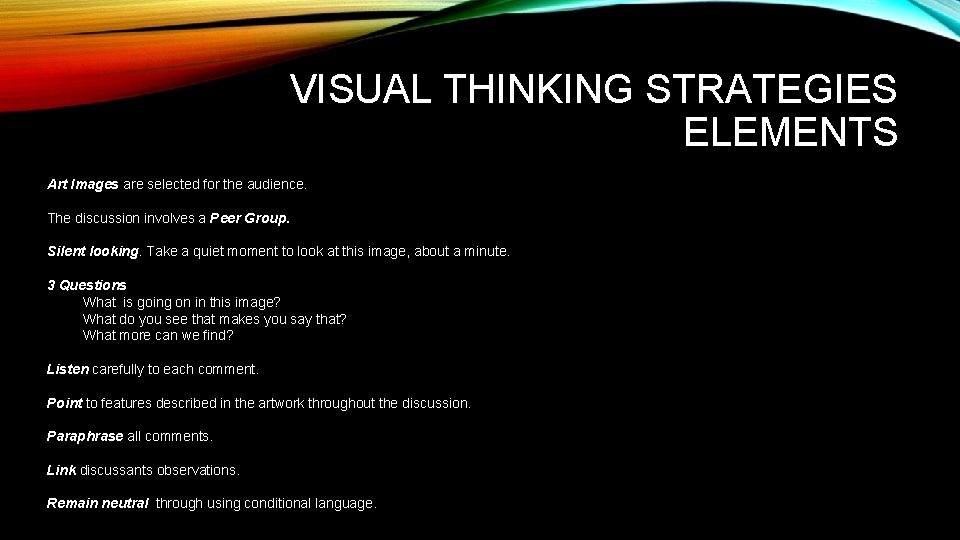
VISUAL THINKING STRATEGIES ELEMENTS Art Images are selected for the audience.
VISUAL THINKING STRATEGIES ELEMENTS Art Images are selected for the audience. The discussion involves a Peer Group.
VISUAL THINKING STRATEGIES ELEMENTS Art Images are selected for the audience. The discussion involves a Peer Group. Silent looking. Take a quiet moment to look at this image, about a minute.
VISUAL THINKING STRATEGIES ELEMENTS Art Images are selected for the audience. The discussion involves a Peer Group. Silent looking. Take a quiet moment to look at this image, about a minute. 3 Questions What is going on in this image? What do you see that makes you say that? What more can we find?
VISUAL THINKING STRATEGIES ELEMENTS Art Images are selected for the audience. The discussion involves a Peer Group. Silent looking. Take a quiet moment to look at this image, about a minute. 3 Questions What is going on in this image? What do you see that makes you say that? What more can we find? Listen carefully to each comment.
VISUAL THINKING STRATEGIES ELEMENTS Art Images are selected for the audience. The discussion involves a Peer Group. Silent looking. Take a quiet moment to look at this image, about a minute. 3 Questions What is going on in this image? What do you see that makes you say that? What more can we find? Listen carefully to each comment. Point to features described in the artwork throughout the discussion.
VISUAL THINKING STRATEGIES ELEMENTS Art Images are selected for the audience. The discussion involves a Peer Group. Silent looking. Take a quiet moment to look at this image, about a minute. 3 Questions What is going on in this image? What do you see that makes you say that? What more can we find? Listen carefully to each comment. Point to features described in the artwork throughout the discussion. Paraphrase all comments.
VISUAL THINKING STRATEGIES ELEMENTS Art Images are selected for the audience. The discussion involves a Peer Group. Silent looking. Take a quiet moment to look at this image, about a minute. 3 Questions What is going on in this image? What do you see that makes you say that? What more can we find? Listen carefully to each comment. Point to features described in the artwork throughout the discussion. Paraphrase all comments. Link discussants observations.
VISUAL THINKING STRATEGIES ELEMENTS Art Images are selected for the audience. The discussion involves a Peer Group. Silent looking. Take a quiet moment to look at this image, about a minute. 3 Questions What is going on in this image? What do you see that makes you say that? What more can we find? Listen carefully to each comment. Point to features described in the artwork throughout the discussion. Paraphrase all comments. Link discussants observations. Remain neutral through using conditional language.
DORIANE’S PRACTICAL EXPERIENCE WITH VTS International Student Testimonial …For me I find this method very useful because while I am describing the picture if there is a word I don’t know I would try to explain it , and once I know the word , I won’t forget it because I can connected to what I observed in that picture…Overall, The result was great, I learned a lot of words from the vocabulary and improved my pronunciation, in addition to greatly improving the skill of listening by listening to conversations running in the hall. Most what I learned in that class , I still apply it till today.
RESOURCES • https: //vtshome. org/ • https: //www. watershed-ed. org/schools/visual-teaching-strategies • Doriane. Paso@sdstate. edu • Mary. Moeller@sdstate. edu • Kay. Cutler@sdatate. edu