
VISUAL MERCHANDISING Display Building OBJECTIVE Be able to
VISUAL MERCHANDISING Display Building

OBJECTIVE Be able to define “Visual Merchandising” & provide examples from 6 businesses *In this day & age of self service stores, displays are absolutely essential as they serve as the “salesperson. ” Your display MUST sell the product or service. How do you sell - satisfy the customer’s want or need & solve their problems.
VISUAL MERCHANDISING Putting Merchandise and/or its supporting materials out at the “Point of Purchase” (P. O. P. ) to communicate a message • FOR EXAMPLE: – Apparel & Accessories – Restaurants – Grocery Stores – CD Stores
OBJECTIVE Be able to identify the four different functions (purposes) of displays and provide an example that you have seen.
DISPLAY FUNCTIONS & Examples From Work • Reinforce the store’s image • Generate a promotional atmosphere • Speeding up a sales transaction • Protecting the store’s merchandise • _________________
OBJECTIVE Be able to define each type of display
Types of Displays • Window: • Interior: – Displays seen from the outside of the inside the store • Open • Full Background • Closed • Partial • Built-up Background • Shadow Box • Open Background • Ledge (Counter) • P. O. P.
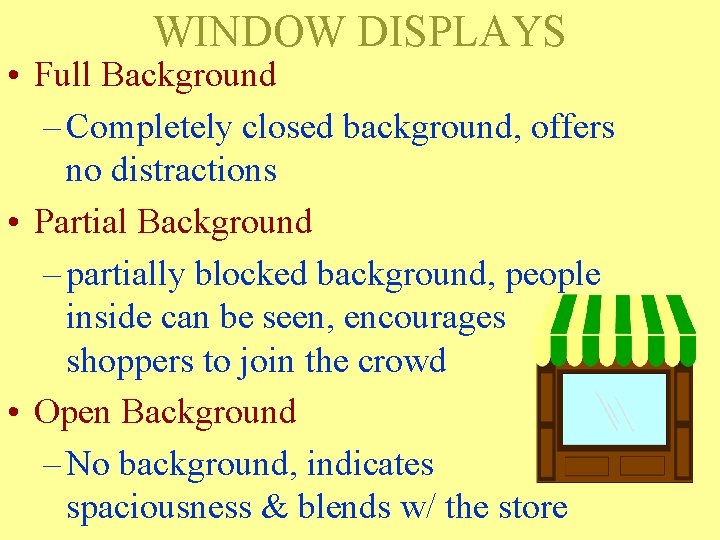
WINDOW DISPLAYS • Full Background – Completely closed background, offers no distractions • Partial Background – partially blocked background, people inside can be seen, encourages shoppers to join the crowd • Open Background – No background, indicates spaciousness & blends w/ the store
INTERIOR DISPLAYS • Open – Display that can be touched, often on a counter, prop, or rack • Closed – You can’t touch, used for high value or fragile merchandise • Built-up – Placed on platforms or on props, used in high traffic areas or endcaps
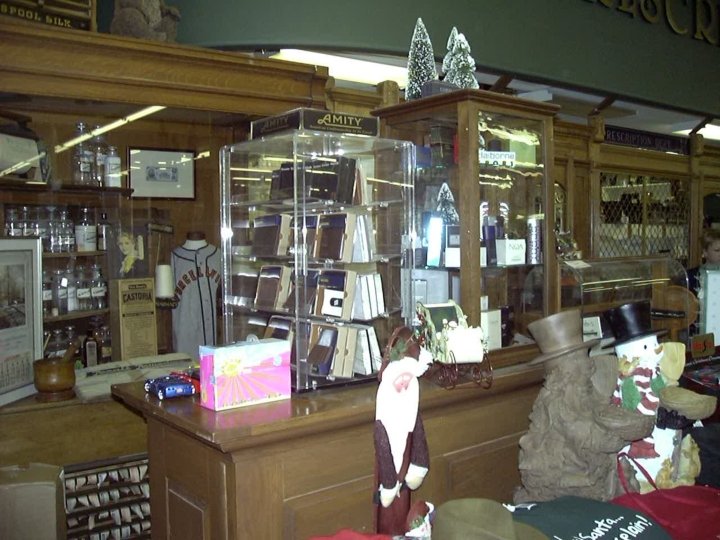
INTERIOR DISPLAYS • Shadow Box – Small enclosures, Used for small items • Ledge (Counter) – Includes counters, walls, or other partitions • “Point of Purchase” (P. O. P. ) – Display built to hold and sell merchandise (ex. cardboard setups)
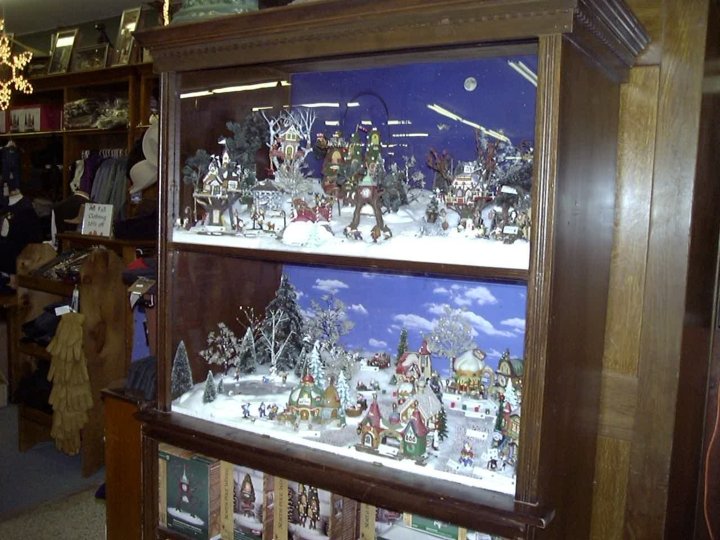
EXAMPLE • Shadow Box – Small enclosures, Used for small items
EXAMPLE • Ledge (Counter) – Includes counters, walls, or other partitions
OBJECTIVE Be able to define the terms associated with the “art” of visual merchandising (display building)
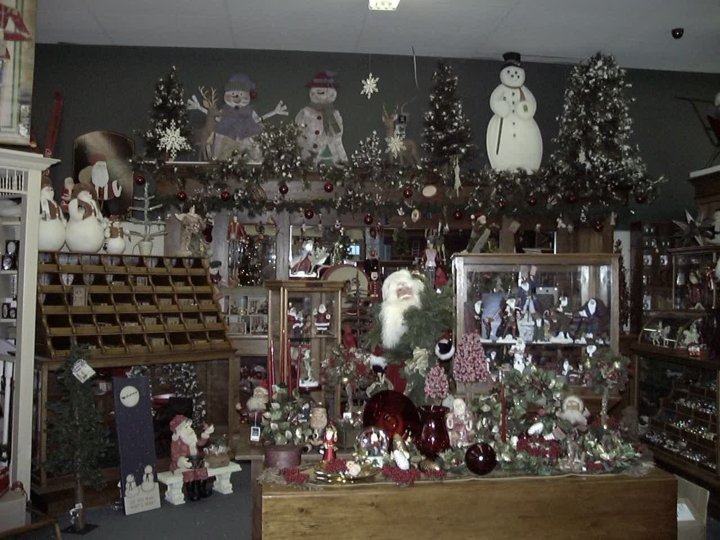
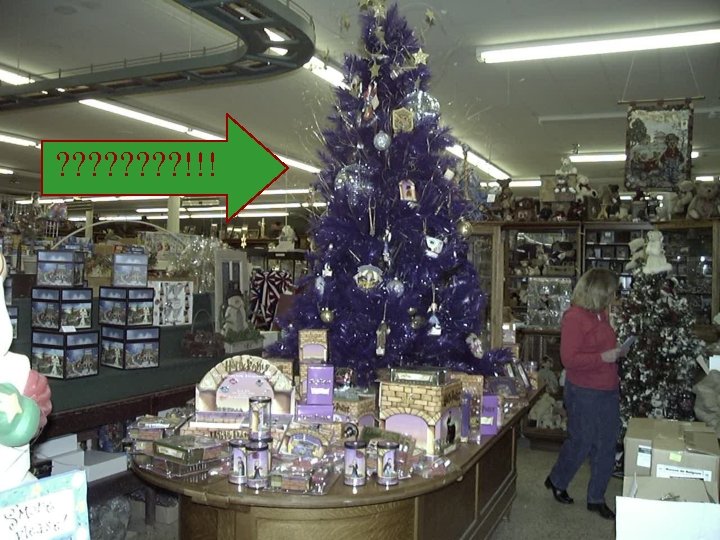
THE “ART” OF VISUAL MERCHANDISING • COMPOSITION - Think of your store as a blank canvas. Your completed work is a composition. Composition is the overall effect • UNITY - Refers to the main theme or idea being conveyed by the displays. • ORDER - All the parts of the display(s) are arranged in a easy to understand plan
EXAMPLE • UNITY - Refers to the main theme or idea being conveyed by the displays.
EXAMPLE • ORDER - All the parts of the display(s) are arranged in a easy to understand plan
ADDITIONAL “ART” TERMS • Emphasis - the point of the display that is dominant (The first thing people notice) – Optical Center - is located just above “dead-center” or the display’s mid-point & is usually the point of emphasis. – “Points of emphasis” can be created elsewhere in the display using “art” techniques (movement, use of color, contrast, relative size, etc. ).
EXAMPLE Optical Center - is located just above “dead-center” or the display’s mid-point & is usually the point of emphasis.
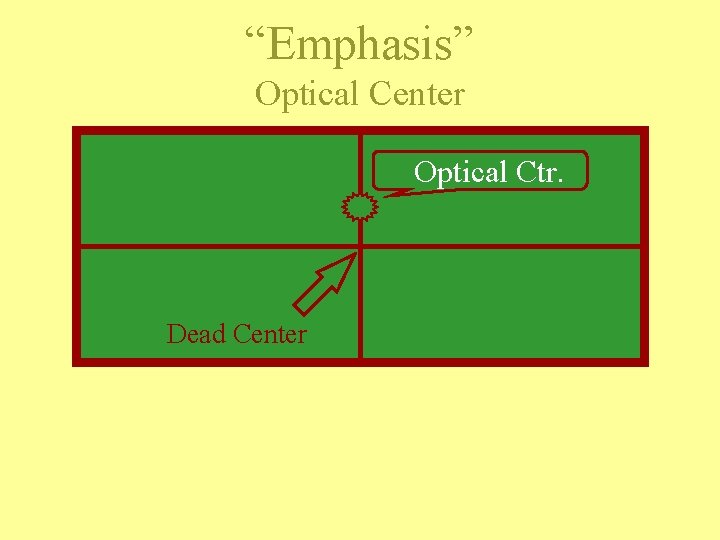
“Emphasis” Optical Center Optical Ctr. Dead Center
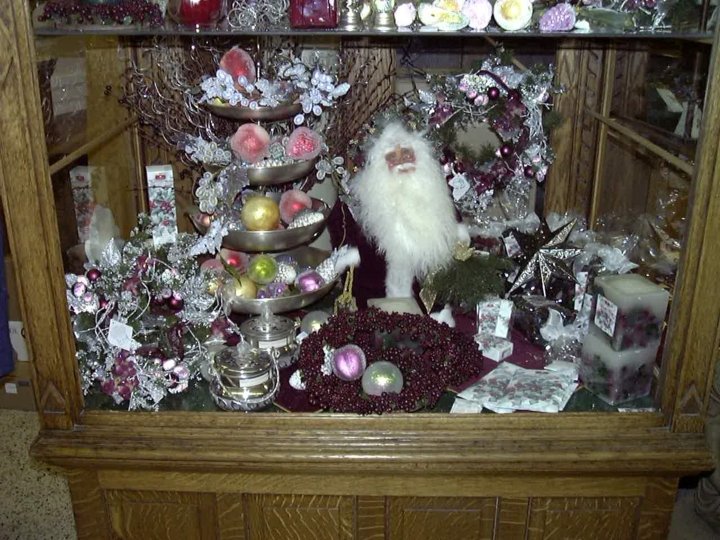
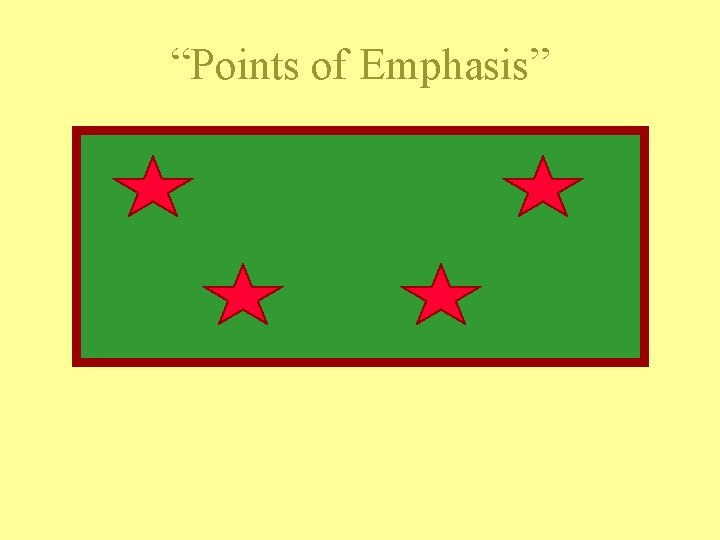
“Points of Emphasis”
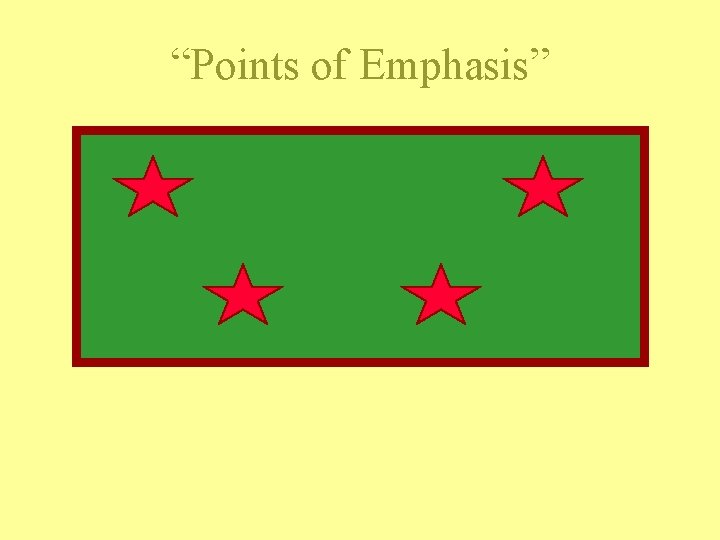
“Points of Emphasis”
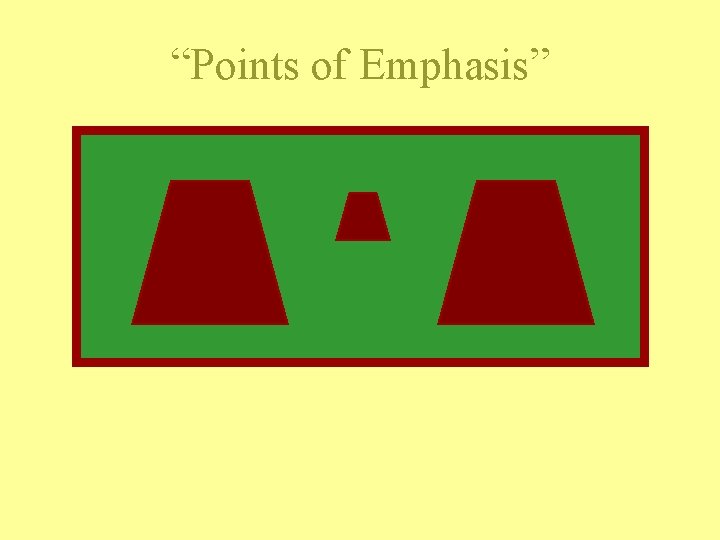
“Points of Emphasis”
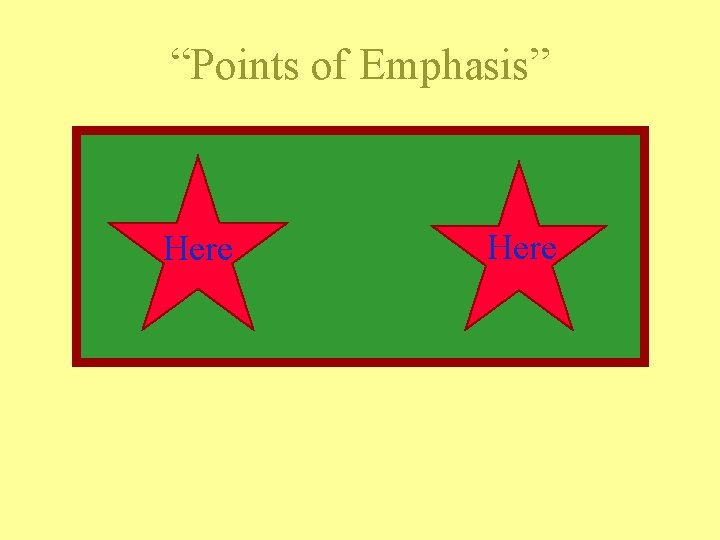
“Points of Emphasis” Here
ADDITIONAL “ART” TERMS • Balance - Refers to the relative “weight” given each side of a display – Formal Balance - One side is a duplicate of the other – Informal Balance - One side has more weight than the other or different sized items are used to off -set the large item on the other side
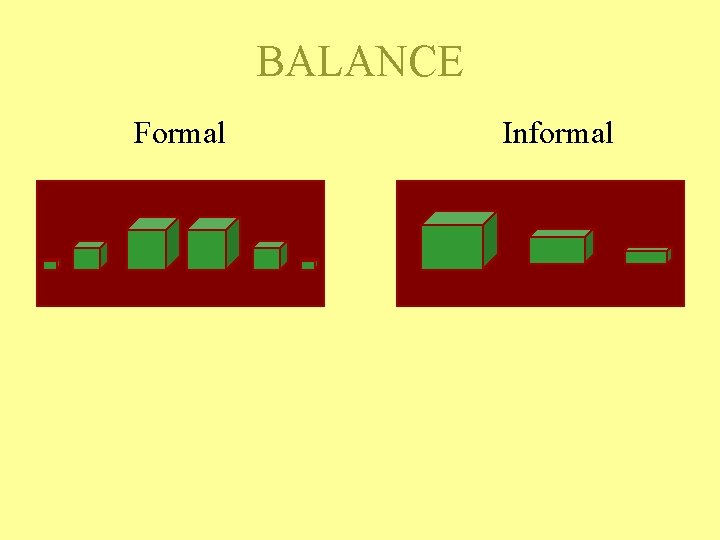
BALANCE Formal Informal
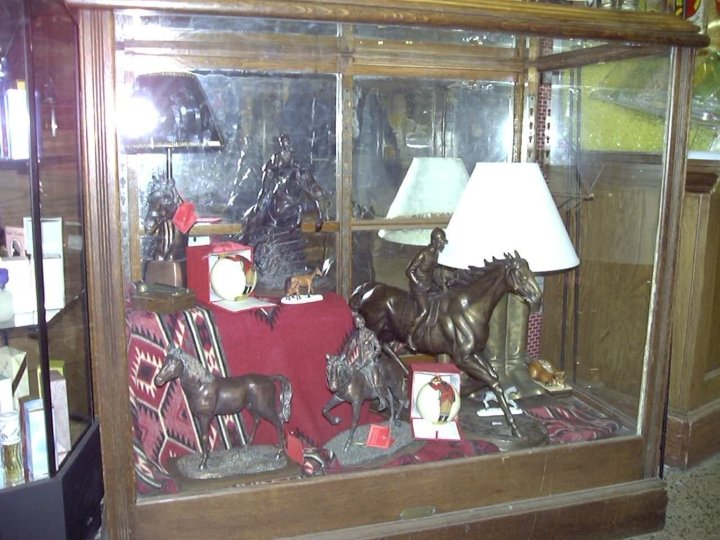
ADDITIONAL “ART” TERMS • Harmony - The display’s lines, shapes, sizes, & textures are arranged in a pleasing manner: – Texture refers to the look or “feel” of the display – Proportion refers to the relationship between items w/ respect to their size – Rhythm refers to a sense of movement created by repitition, graduation, etc.
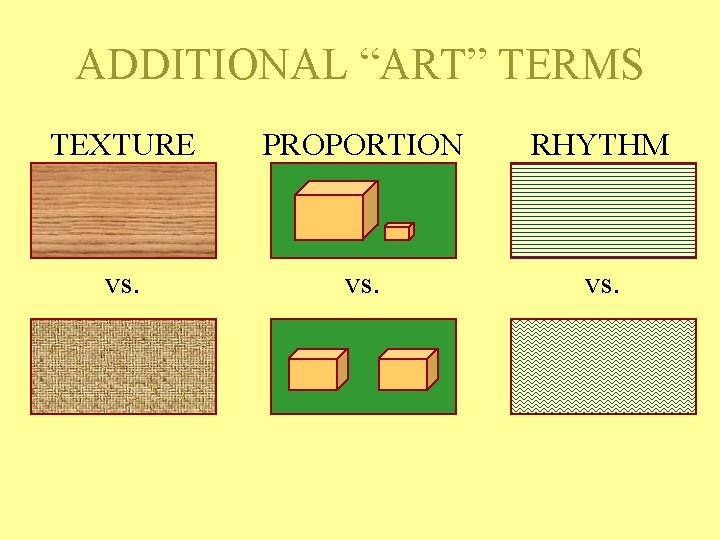
ADDITIONAL “ART” TERMS TEXTURE PROPORTION RHYTHM vs.
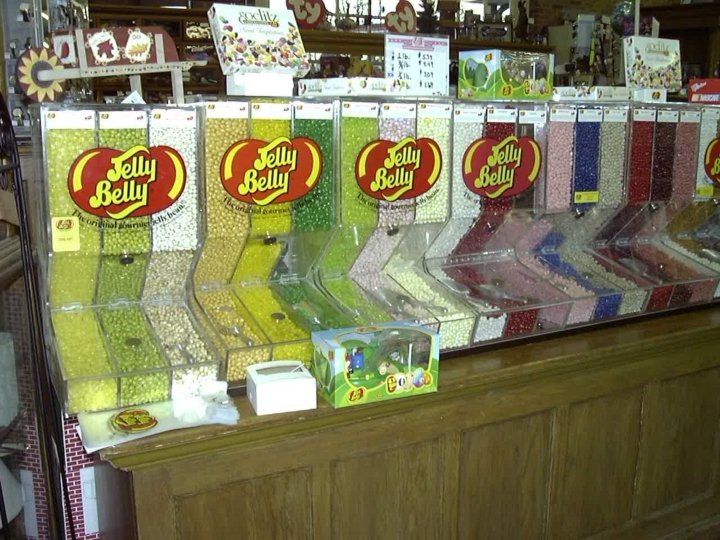
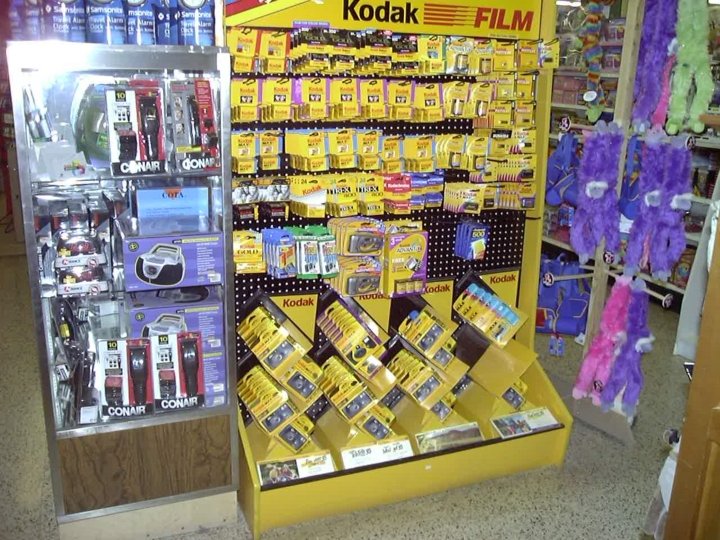
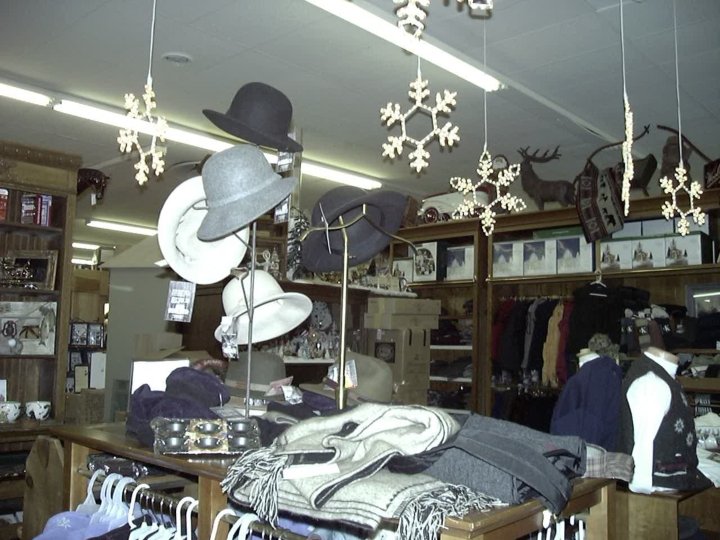
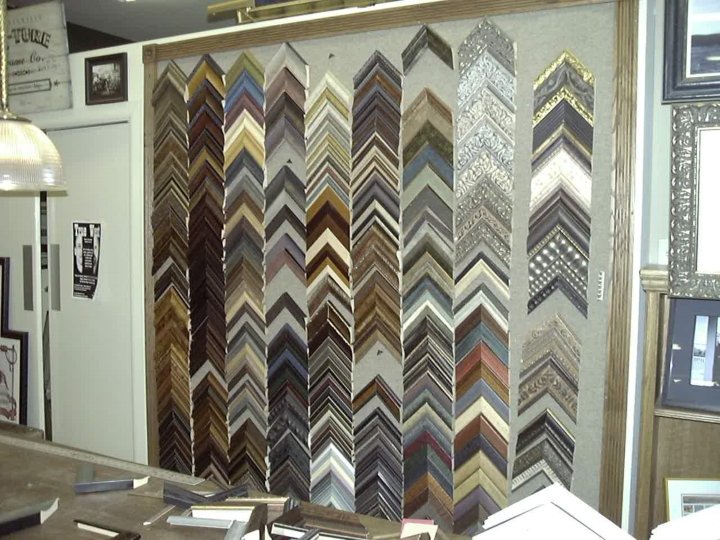
ADDITIONAL “ART” TERMS • Lines refer to the direction of the display: – Vertical – Horizontal – Curves – Diagonal = Drama or arresting effect = Flat or calm effect = Soft or gentle effect = Startling or abrupt
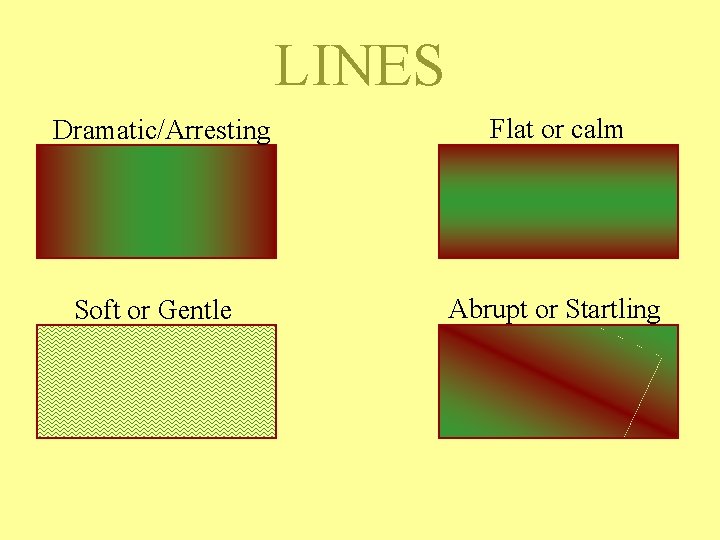
LINES Dramatic/Arresting Soft or Gentle Flat or calm Abrupt or Startling
EXAMPLE (See Top of Picture) Vertical effect = Drama or arresting
EXAMPLE (See Top of Picture) Horizontal = Flat or calm effect
EXAMPLE • Curves = Soft or gentle effect
EXAMPLE • Diagonal = Startling or abrupt
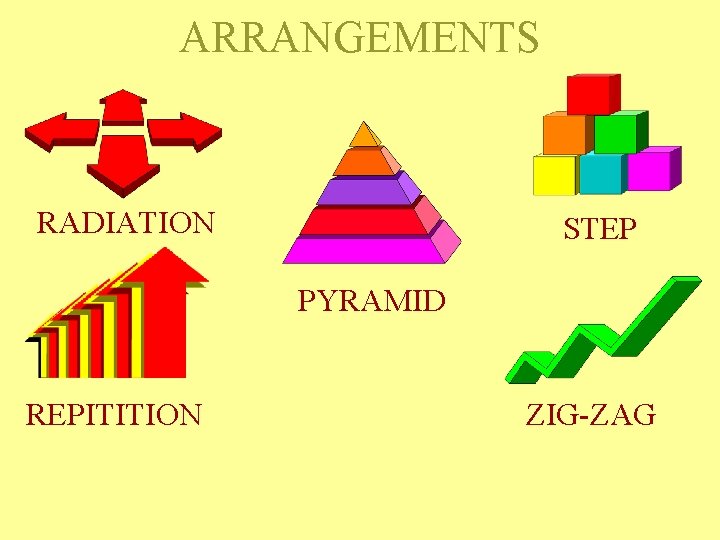
ARRANGEMENTS RADIATION STEP PYRAMID REPITITION ZIG-ZAG
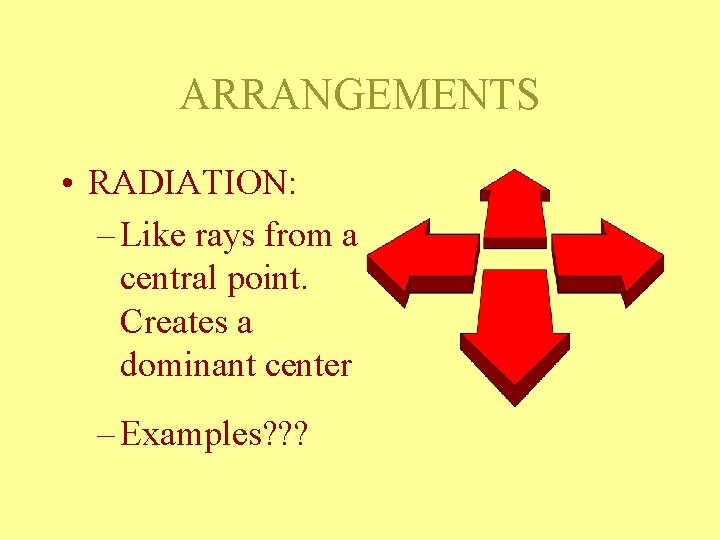
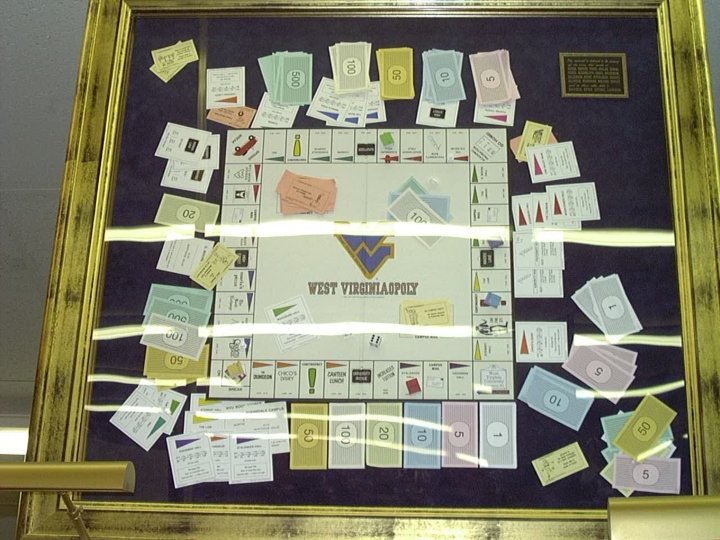
ARRANGEMENTS • RADIATION: – Like rays from a central point. Creates a dominant center – Examples? ? ?
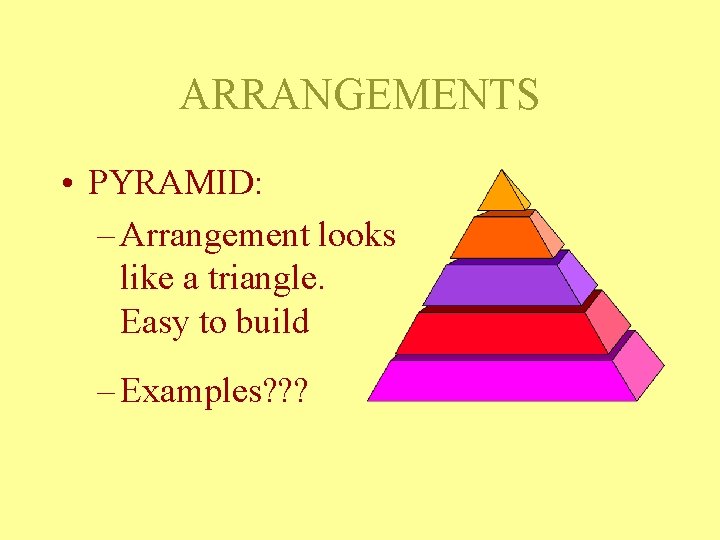
ARRANGEMENTS • PYRAMID: – Arrangement looks like a triangle. Easy to build – Examples? ? ?
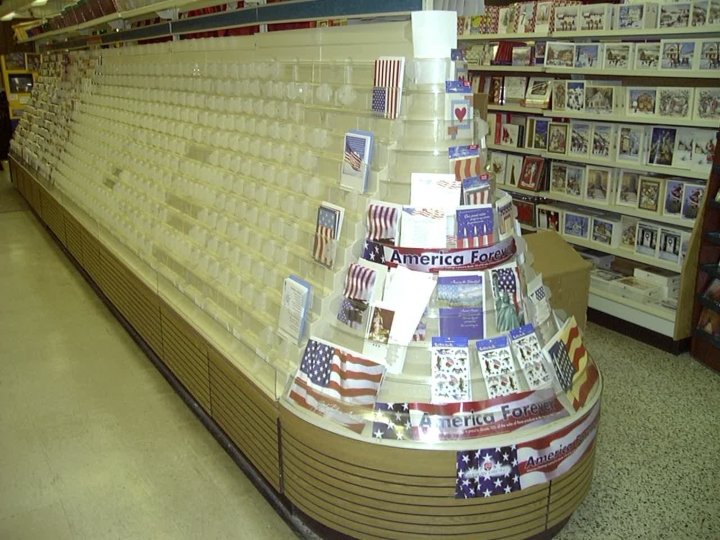
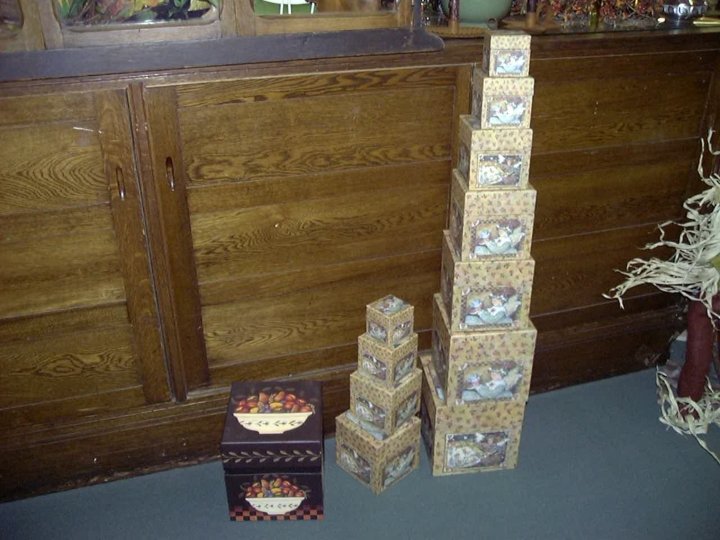
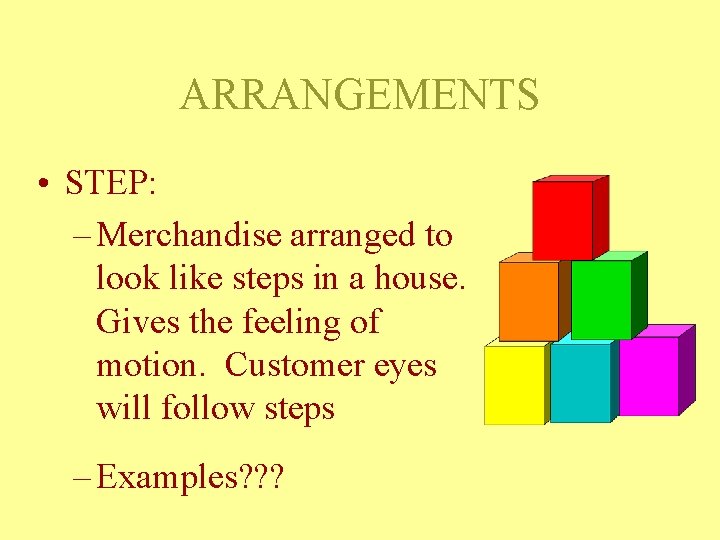
ARRANGEMENTS • STEP: – Merchandise arranged to look like steps in a house. Gives the feeling of motion. Customer eyes will follow steps – Examples? ? ?
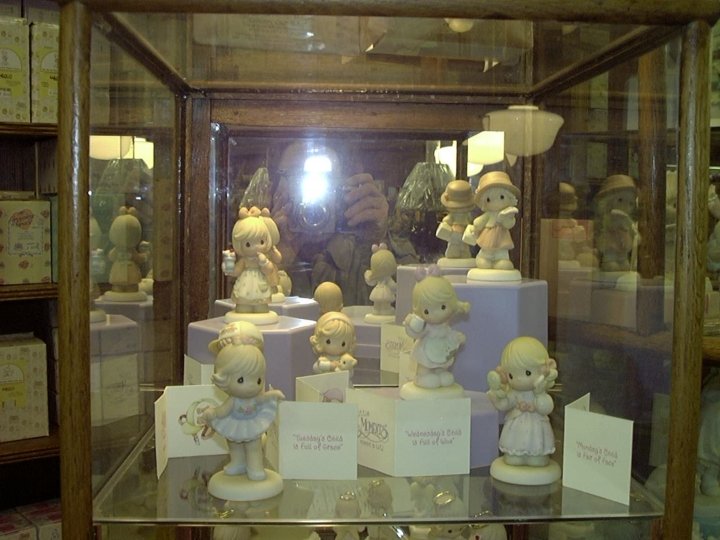
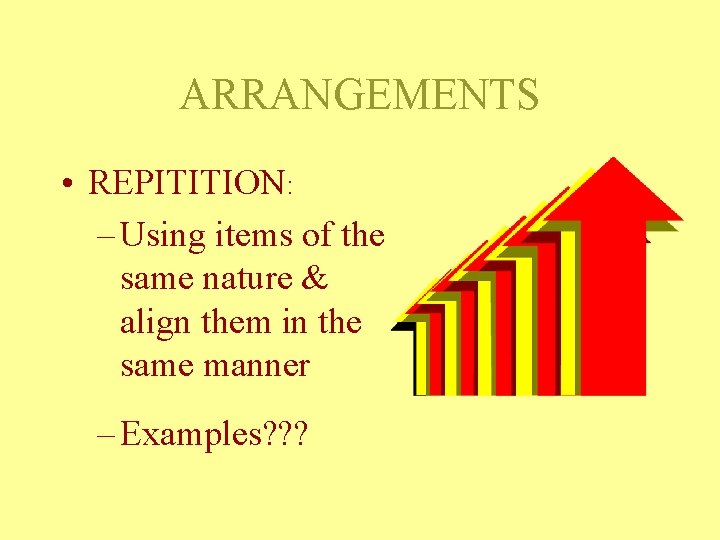
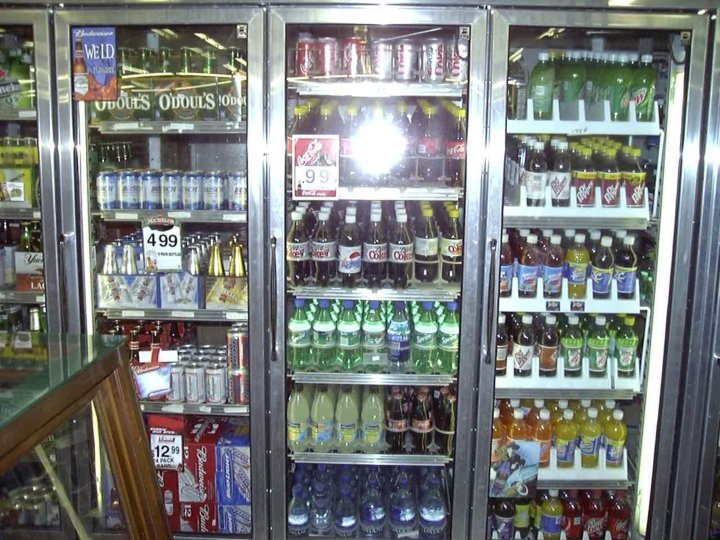
ARRANGEMENTS • REPITITION: – Using items of the same nature & align them in the same manner – Examples? ? ?
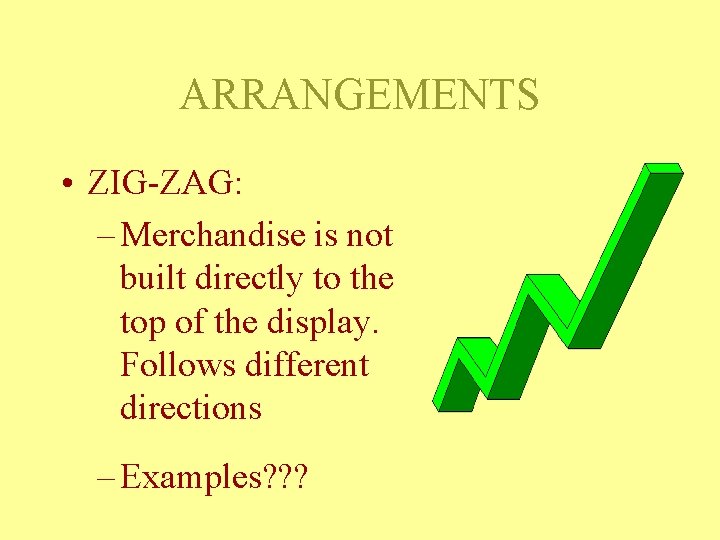
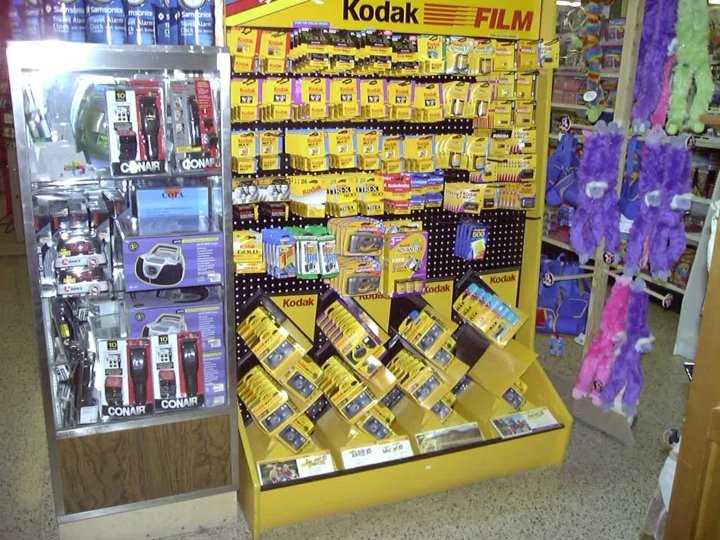
ARRANGEMENTS • ZIG-ZAG: – Merchandise is not built directly to the top of the display. Follows different directions – Examples? ? ?
OBJECTIVE Be able to describe the psychological effects color has on people & discuss how you can use this in a display
Use of Color • Warm Colors: • Cool Colors: – Yellow, Orange, – Blue, Green, & & Red Purple – Called “receding “advancing colors” meaning they make things look smaller & seem bigger & farther away closer
RED • Highly visible • suggests strong emotions • used to accent (emphasis)
BLUE • Suggests quiet & calm • Peaceful • Dark blue is somber
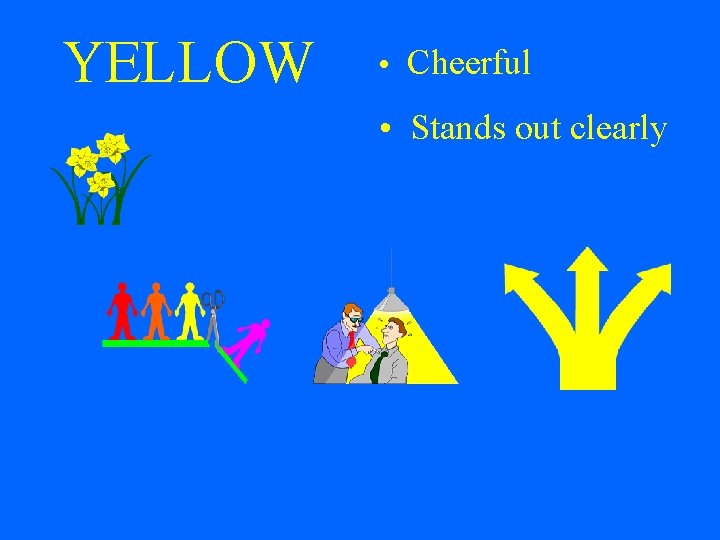
YELLOW • Cheerful • Stands out clearly
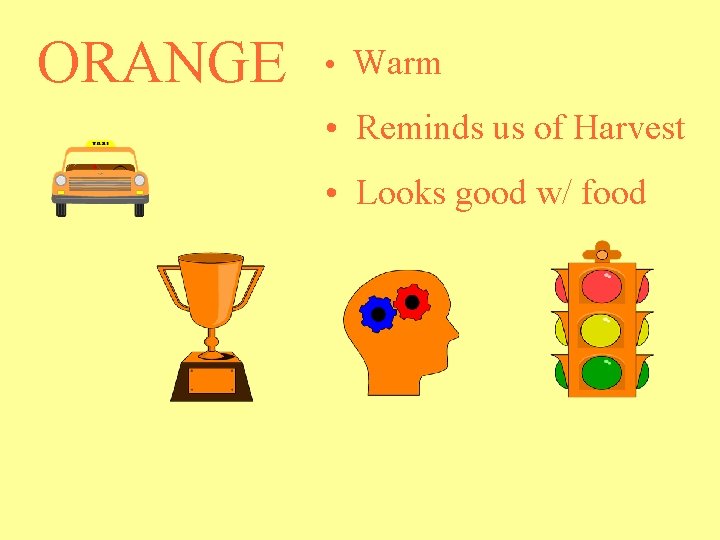
ORANGE • Warm • Reminds us of Harvest • Looks good w/ food
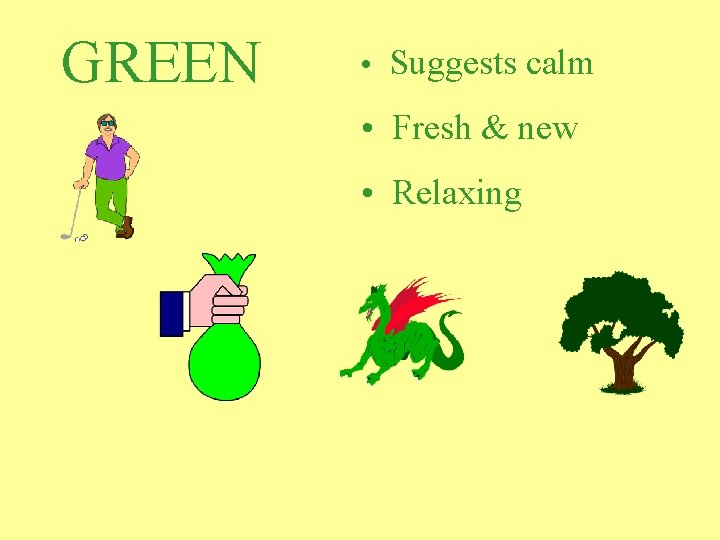
GREEN • Suggests calm • Fresh & new • Relaxing
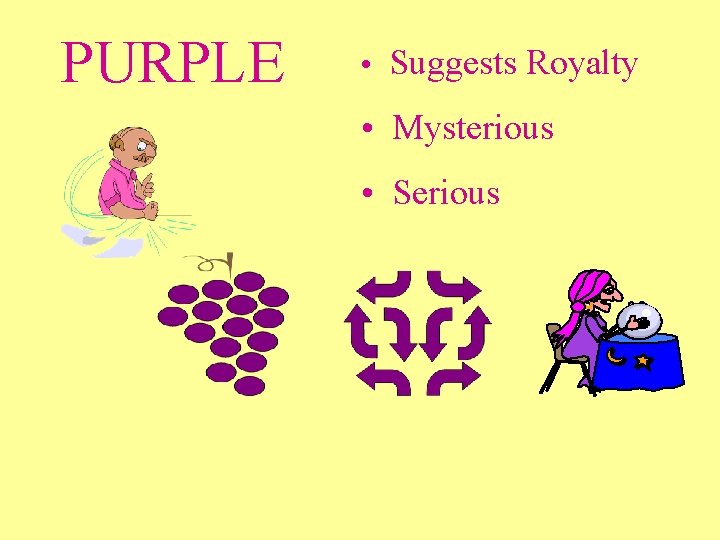
PURPLE • Suggests Royalty • Mysterious • Serious
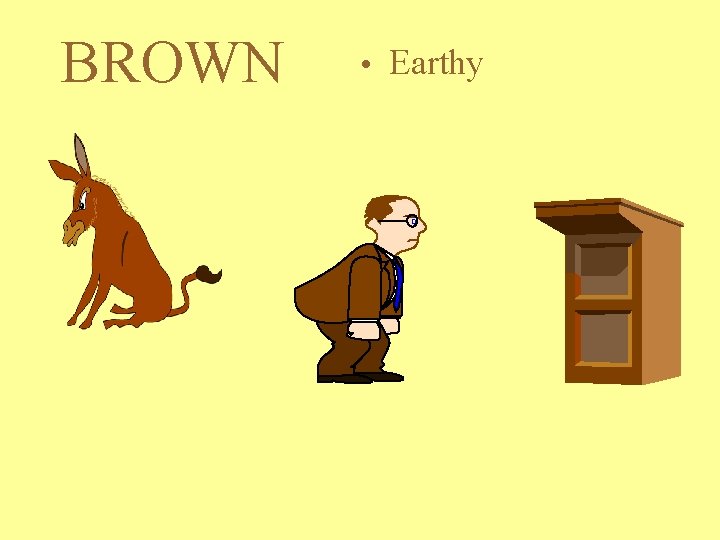
BROWN • Earthy
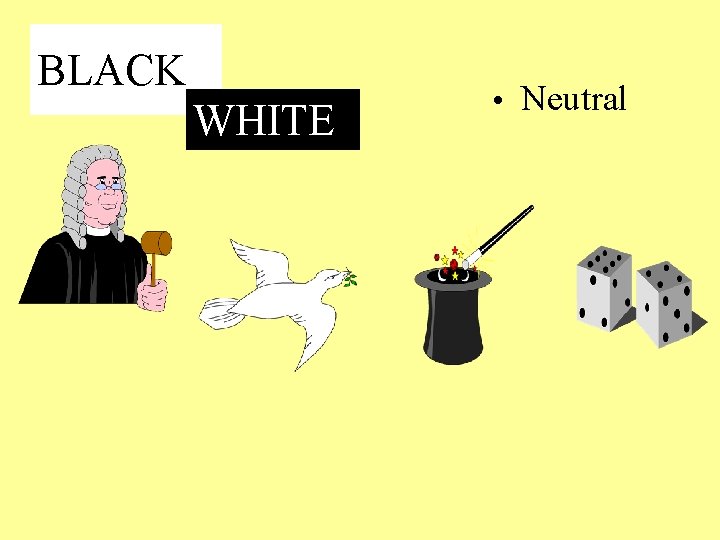
BLACK WHITE • Neutral
OBJECTIVE Be able to use lights to create different effects
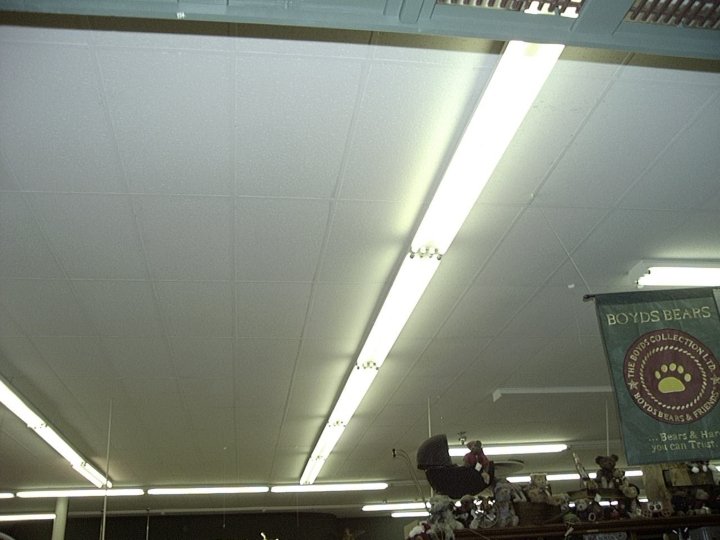
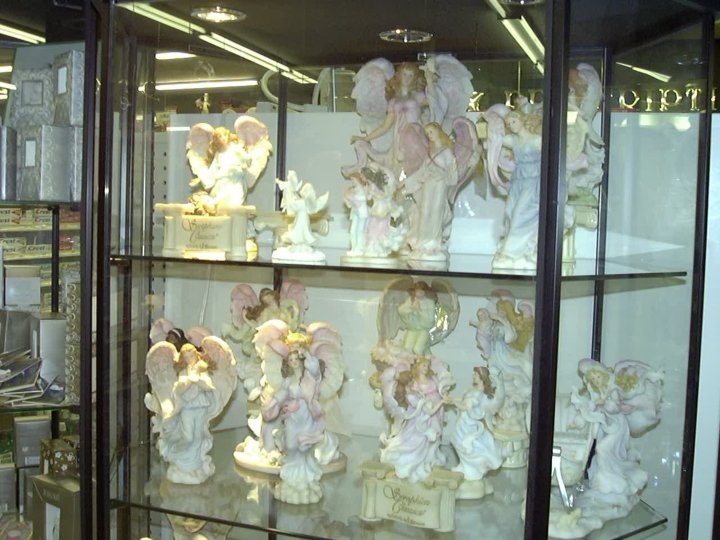
DISPLAY LIGHTING Primary - General Lighting. Illuminates the store. Usually bright but not always Secondary - Used to show merchandise. Examples include floods, track, & spot lighting Atmosphere - Special lighting. Creates a mood. Examples include strobs, bottom lights, twinkling lights, etc.
EXAMPLE Primary - General Lighting. Illuminates the store. Usually bright but not always
EXAMPLE Secondary - Used to show merchandise. Examples include floods, track, & spot lighting
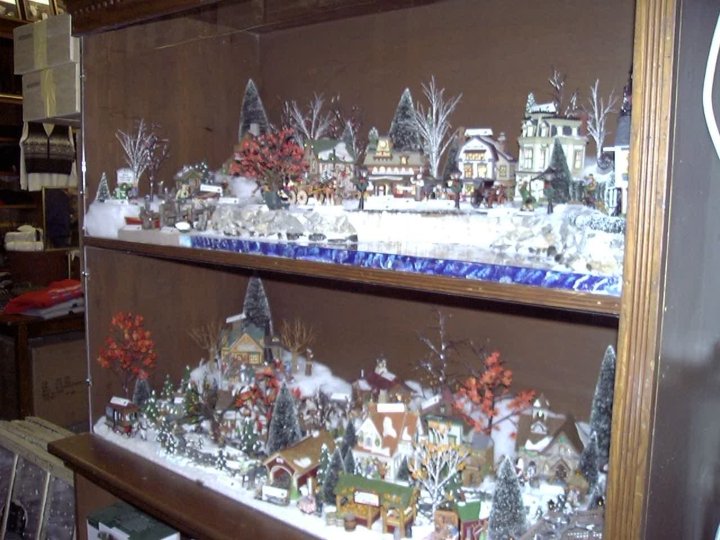
EXAMPLE • Atmosphere - Special lighting. Creates a mood. Examples include strobs, bottom lights, twinkling lights, etc.
- Slides: 75