
VISUAL LANGUAGE OF THE PRESS AND ADVERTISING Main



- Slides: 36
VISUAL LANGUAGE OF THE PRESS AND ADVERTISING
� Main aspects of the visual language in: �THE PRESS: �Layout (the way in which the text and images are arranged) �The choice of texts, graphics and pictures �ADVERTISING: �To draw the attention of the consumers
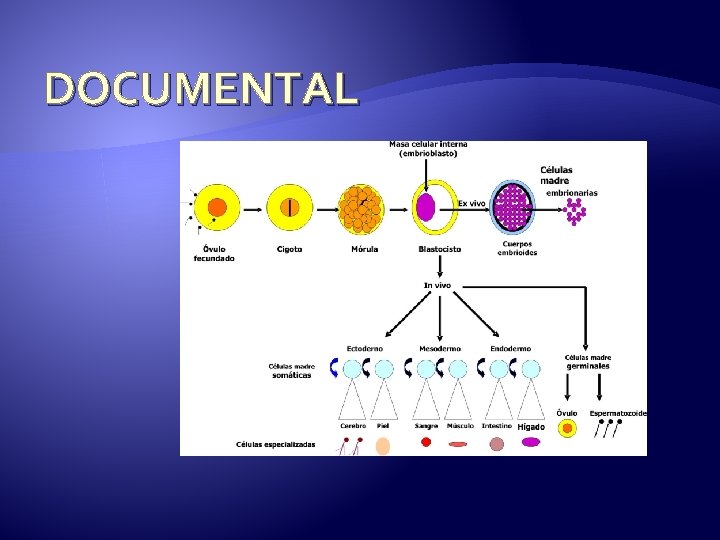
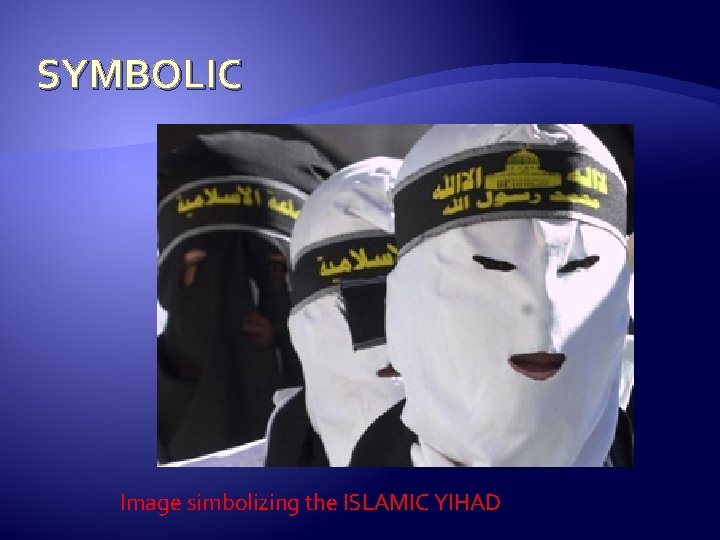
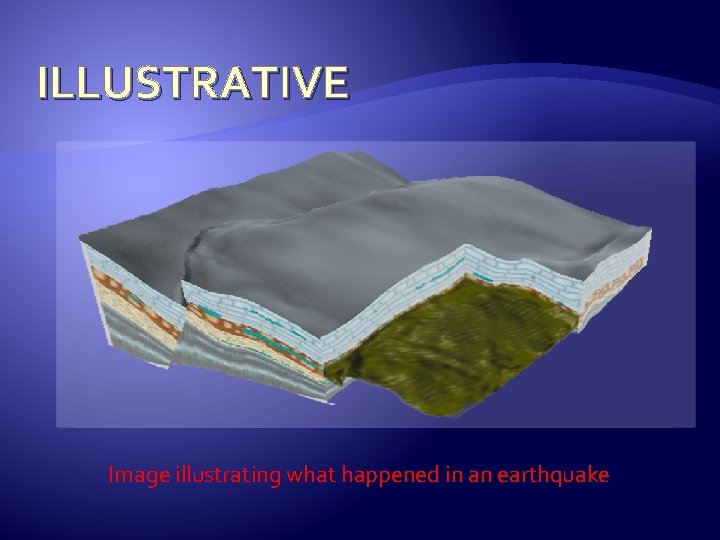
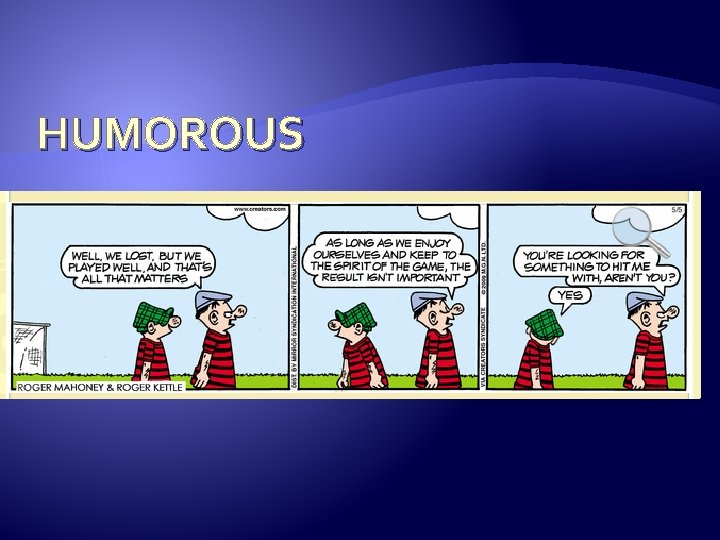
� Images in the press have different objectives: �INFORMATIVE: INFORMATIVE to give facts of the news, hardly needs a text to support it. �DOCUMENTAL: DOCUMENTAL to give facts of the reality, related to investigation, habits or happy/sad moments in the life of the society. �SYMBOLIC: SYMBOLIC to create emotions or memories about dramatic or pleasant moments. �ILLUSTRATIVE: ILLUSTRATIVE to accompany the text �HUMOROUS: HUMOROUS usually jokes, caricatures or photos of public persons in a funny situation
INFORMATIVE
DOCUMENTAL
SYMBOLIC Image simbolizing the ISLAMIC YIHAD
ILLUSTRATIVE Image illustrating what happened in an earthquake
HUMOROUS
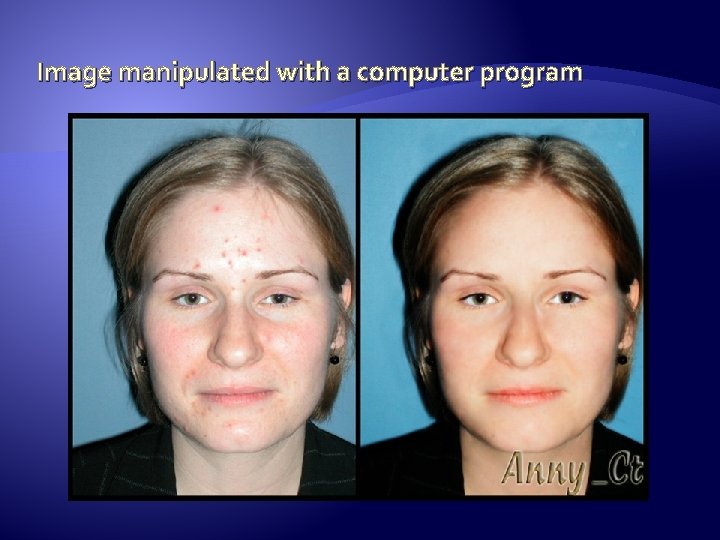
Visual language of the press � Means of communication, like a magazine, a newspaper, etc. , use images to give their messages more power. �A few computer programmes that can improve a picture are: Illustrator, Photoshop, Quark. XPress, Corelphotopaint, etc. �E. g. to make an element stand out, to soften an imperfection, etc.
Image manipulated with a computer program
Visual language in advertising � Actions of audiovisual advertisement �START: � first seconds of the advertisement � Objective = capture the attention of the audience and define the context in which the product is presented �DEVELOPMENT � Objective = shows the features of the product or idea and why the consumer has to believe in the product: advantages, quality, etc. � Objective = this part has to hold the attention of the audience �END � Objective = in marketing we say � The main ideas are repeated.
Ads
Features of printed advertising �THE TITLE �Draw the attention of the audience + identify the product or theme �THE ILLUSTRATION (photos, drawings, graphics, etc. ) �Also draws the attention of the audience + expresses the main idea of the advertisement �THE TEXT �Explains in written language the meaning of the title �ELEMENTS OF THE COMPANY �To complete and close the message e. g. the name of the product, the slogan and contact information.
THE LANGUAGE OF TELEVISION � Elements that form the language of television �The television studio �The television production � The pre-production � The post-production �The screenplay
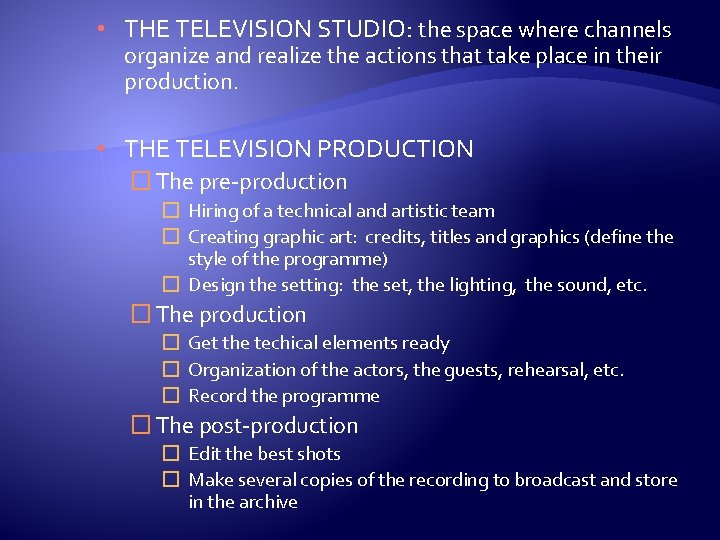
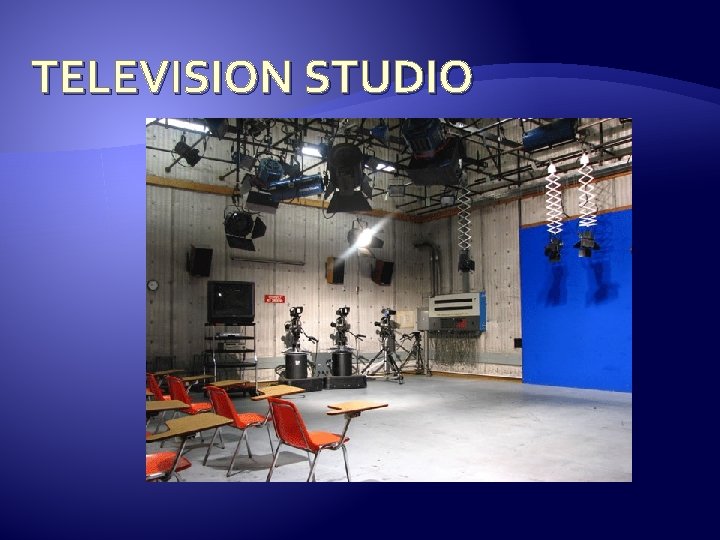
• THE TELEVISION STUDIO: the space where channels organize and realize the actions that take place in their production. • THE TELEVISION PRODUCTION � The pre-production � Hiring of a technical and artistic team � Creating graphic art: credits, titles and graphics (define the style of the programme) � Design the setting: the set, the lighting, the sound, etc. � The production � Get the techical elements ready � Organization of the actors, the guests, rehearsal, etc. � Record the programme � The post-production � Edit the best shots � Make several copies of the recording to broadcast and store in the archive
TELEVISION STUDIO
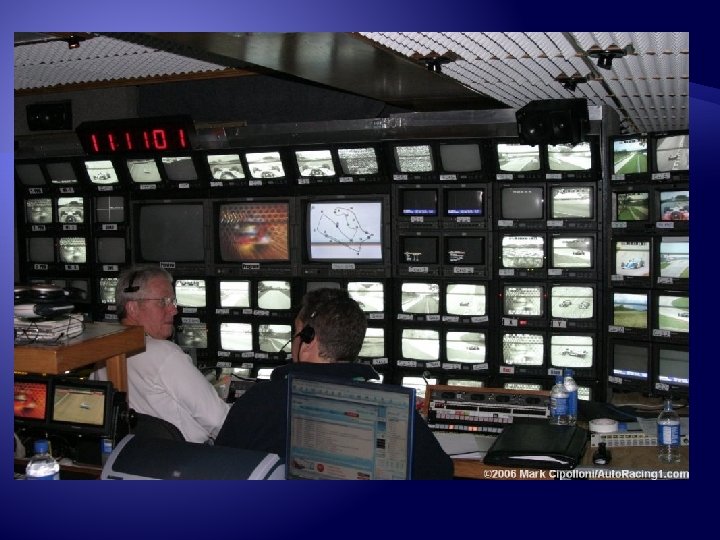
• THE SCREENPLAY • It is the text in which we can read all that happens in an audiovisual narration. • There are different types of screenplays • • • The news Reports Interviews Fiction series Game shows etc. • THE PRODUCTION • Combine different shots so that the visual narration can be understood • Decide about the location of the cameras • Create an effective audiovisual rhythm to capture and hold the attention of the audience
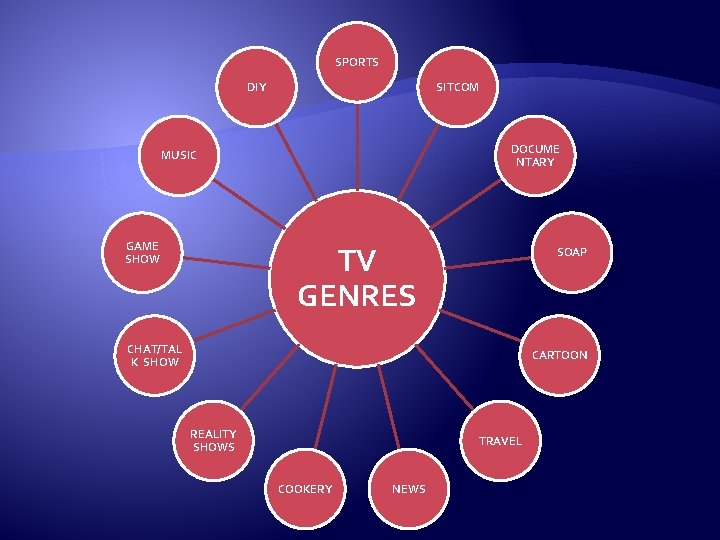
SPORTS DIY SITCOM DOCUME NTARY MUSIC GAME SHOW TV GENRES SOAP CHAT/TAL K SHOW CARTOON REALITY SHOWS TRAVEL COOKERY NEWS
Some examples…
chat-show
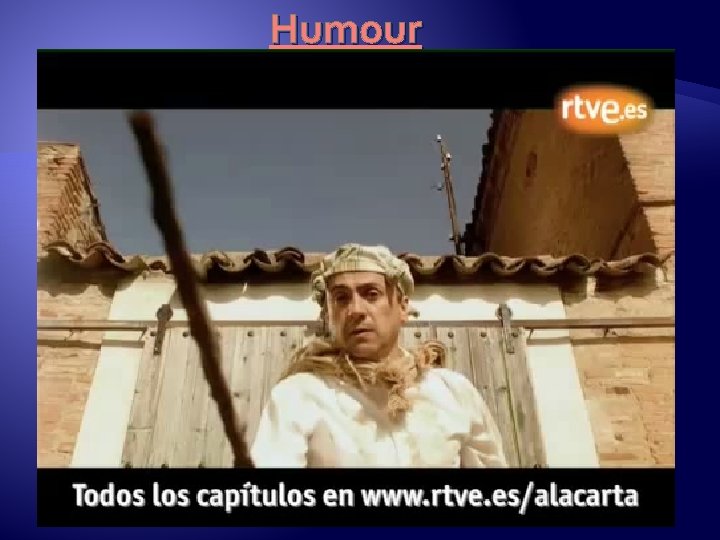
Humour
DIY
SOAP OPERA
IMAGES AND THE NEW TECHNOLOGIES. � The technological advance (e. g. computer programmes) allowed contemporary artists to create new forms of expression and communication through images. � The new methods of representing, visualizing and interpreting images come together under the name ‘Digital Art’ �There exist different types e. g. computer graphics, instalations, robotics, videogames, interactive art or cyberart.
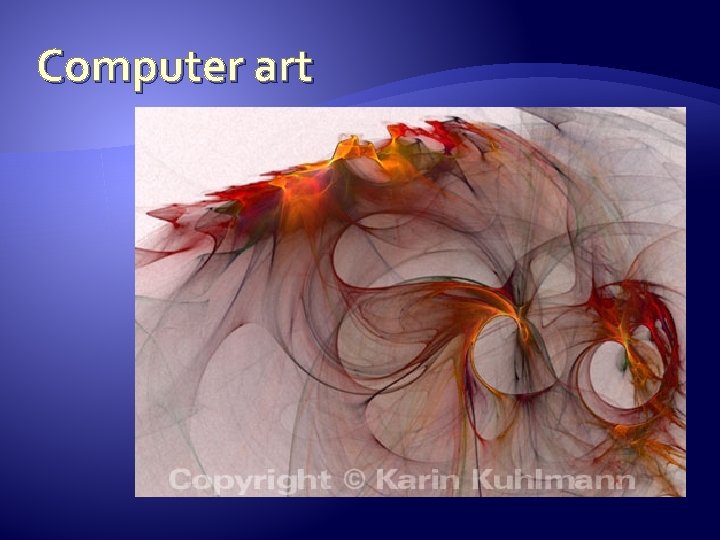
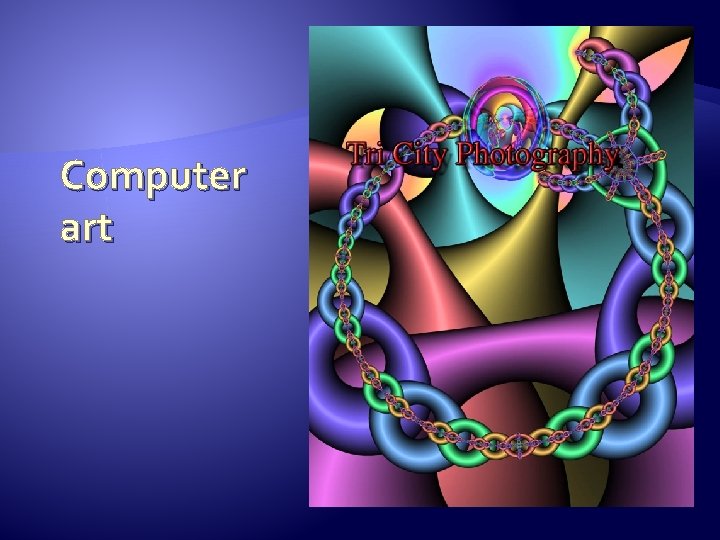
Computer graphics � Uses computer programmes to create and manipulate images. � This type of art appears in �Printed means: books, magazines, newspapers, billboards, etc. �Computer world: webpages, animations, net art �Art �Multimedia presentations �Architectural projects �Industrial designs
Computer art
Computer art
Computer art
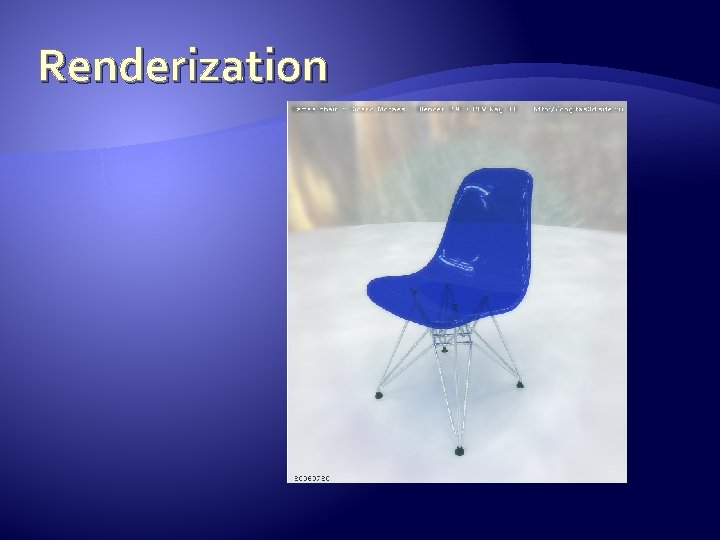
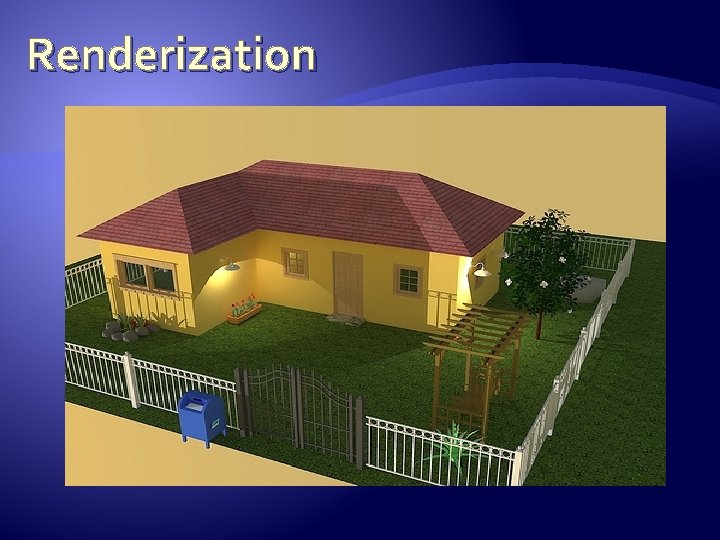
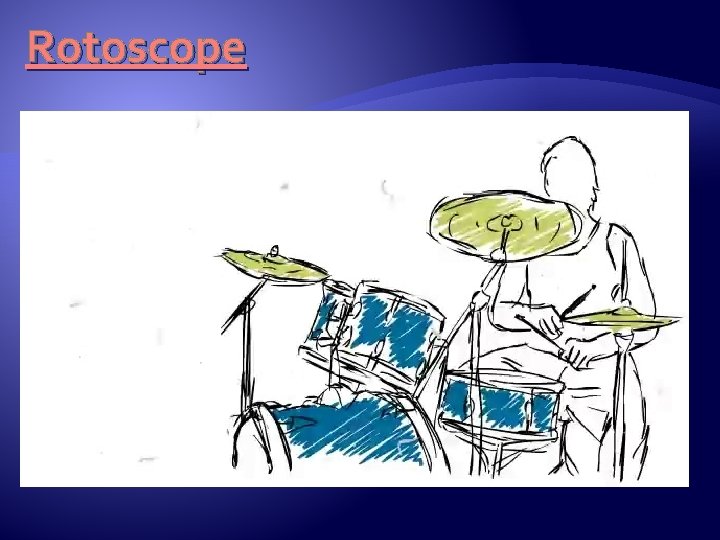
� The rotoscope �Is a form of digital animation in which real actors are filmed to transform them in cartoon characters later. � Renderization �It is a calculation process that the computer makes to create a three dimensional image, once the light, texture, colour, etc. has been defined.
Renderization
Renderization
Rotoscope
Interactive art or cyberart � One of the objectives of interactive art is to create situations in which the observer can manipulate the simulated reality. � In interactive art the artists make different types of programmes to offer interactivity: � Microcorneal dipositif to follow the movement of the eye � Camaras � Keyboards � Touch screens, etc. � There exist instalations with interactive objects that allow the spectator to participate in the artistic act.
Video Art � An artistic creation made out of a digital or an electromagnetic video that uses experimental technical and narrative resources. It has an exclusively artistic and not an informative function (like e. g. documentaries). � These videos are not like TV films. They can include abstract forms, strident sounds, several repetitions, etc. � Objective: create metaphores or suggest aesthetics.