
Visual computation of lightness in simple and complex








- Slides: 85
Visual computation of lightness in simple and complex images Alan Gilchrist National Science Foundation: BCS-9906747 Public Health Service: GM 60826 -02
What is Lightness? Perceived white, gray, or black shade of a surface.
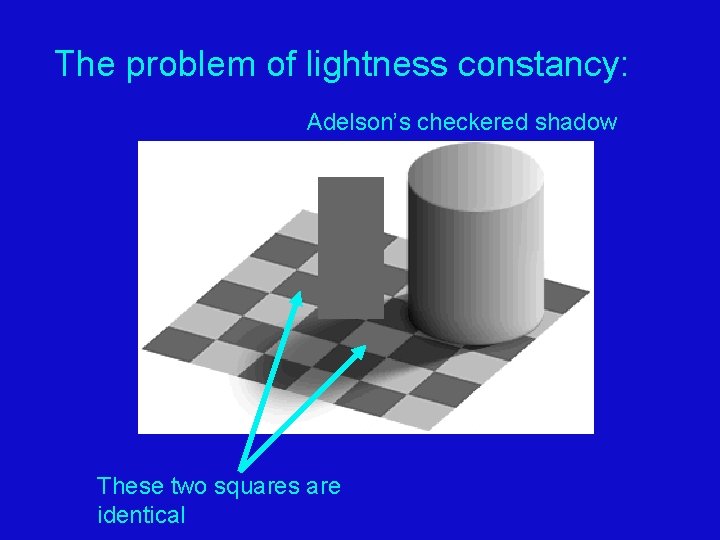
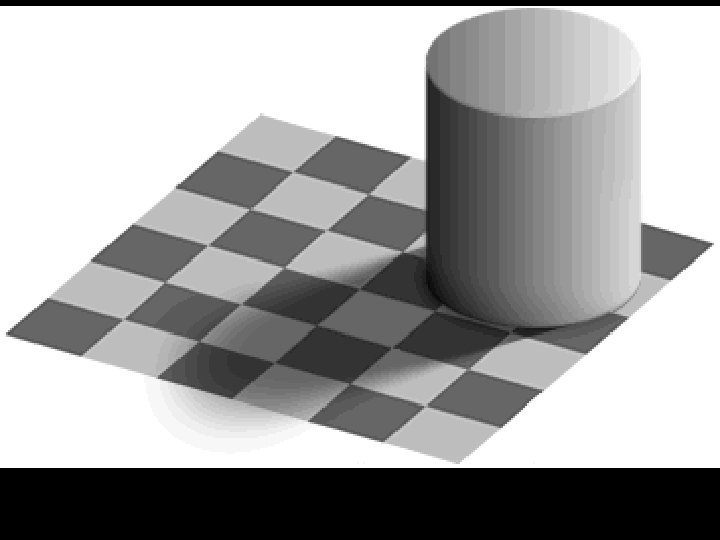
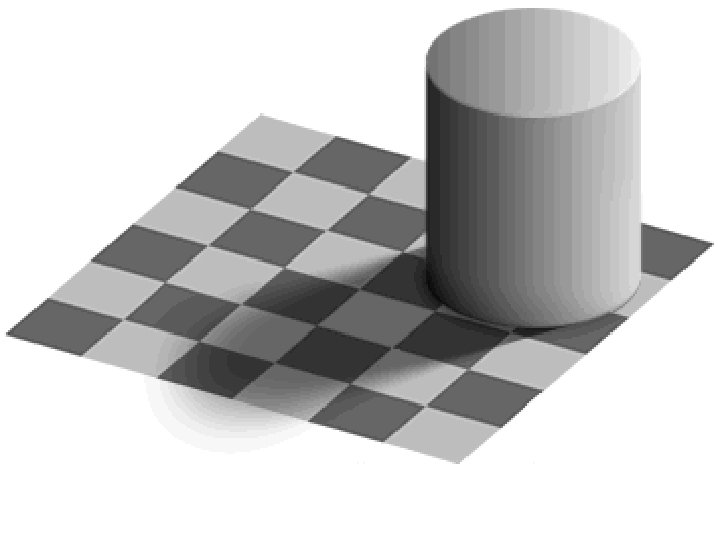
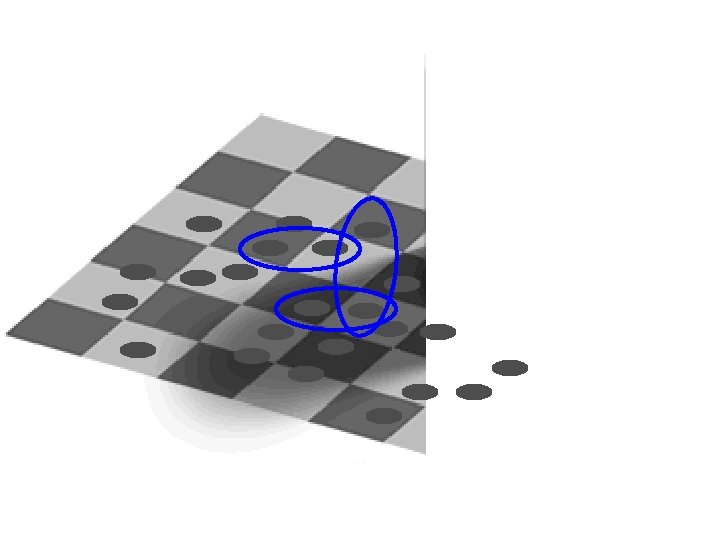
The problem of lightness constancy: Adelson’s checkered shadow These two squares are identical
Luminance is ambiguous Any absolute luminance can appear as any shade of gray
1948 - Wallach’s solution: Relative luminance
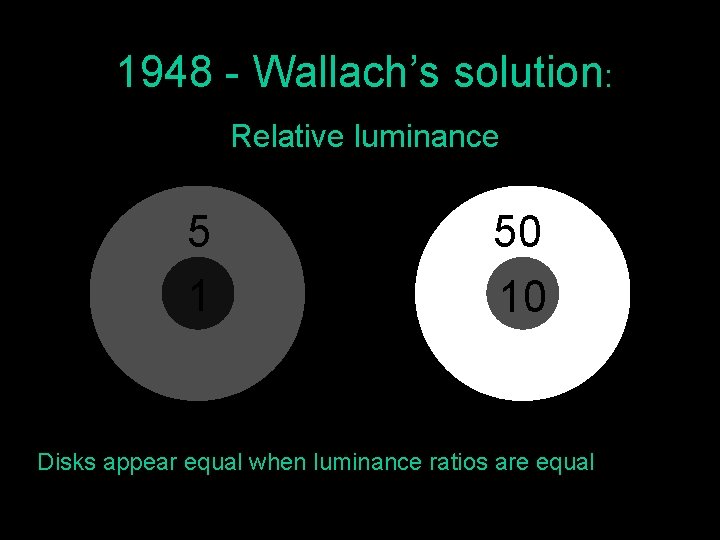
1948 - Wallach’s solution: Relative luminance 5 1 50 10 Disks appear equal when luminance ratios are equal
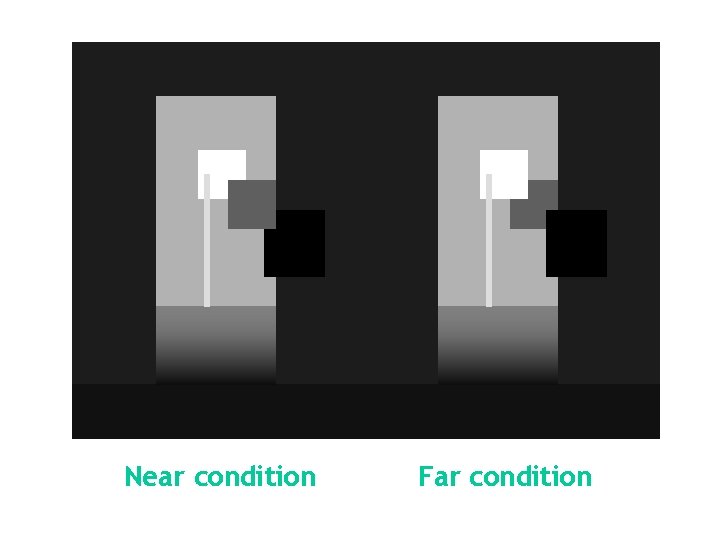
Near condition Far condition
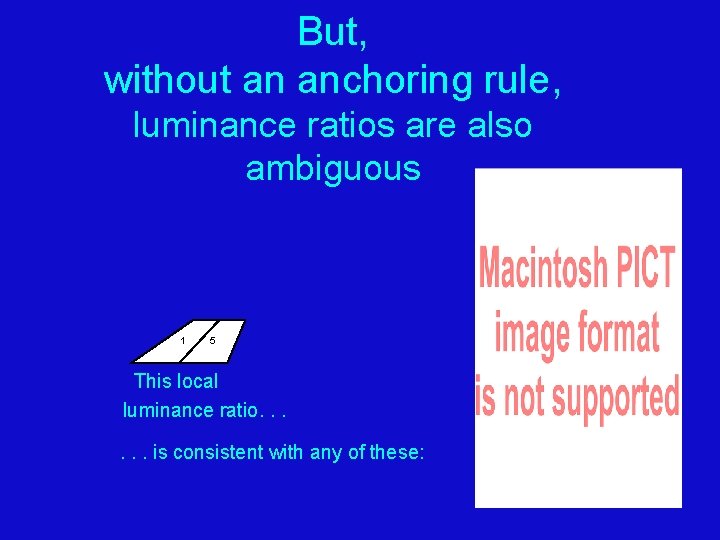
But, without an anchoring rule, luminance ratios are also ambiguous 1 5 This local luminance ratio. . . is consistent with any of these:
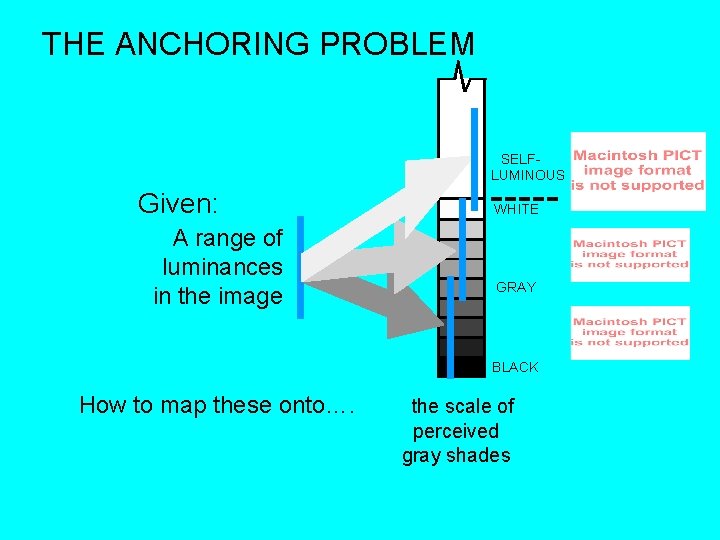
THE ANCHORING PROBLEM SELFLUMINOUS Given: A range of luminances in the image WHITE GRAY BLACK How to map these onto…. the scale of perceived gray shades
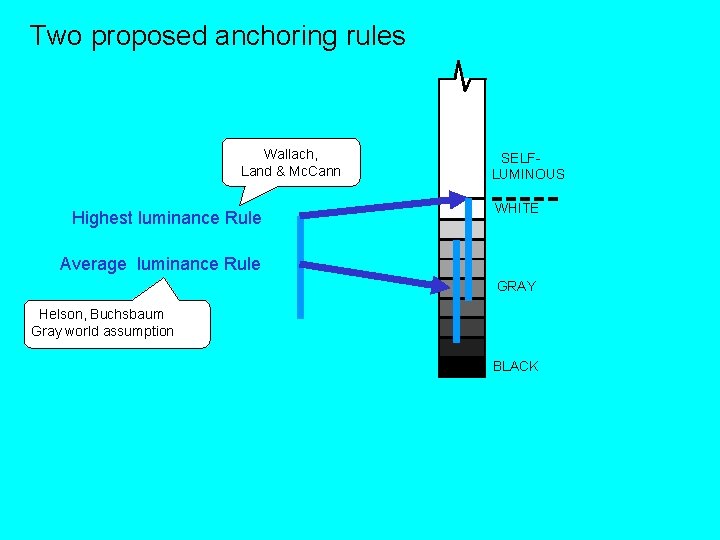
Two proposed anchoring rules Wallach, Land & Mc. Cann Highest luminance Rule SELFLUMINOUS WHITE Average luminance Rule GRAY Helson, Buchsbaum Gray world assumption BLACK
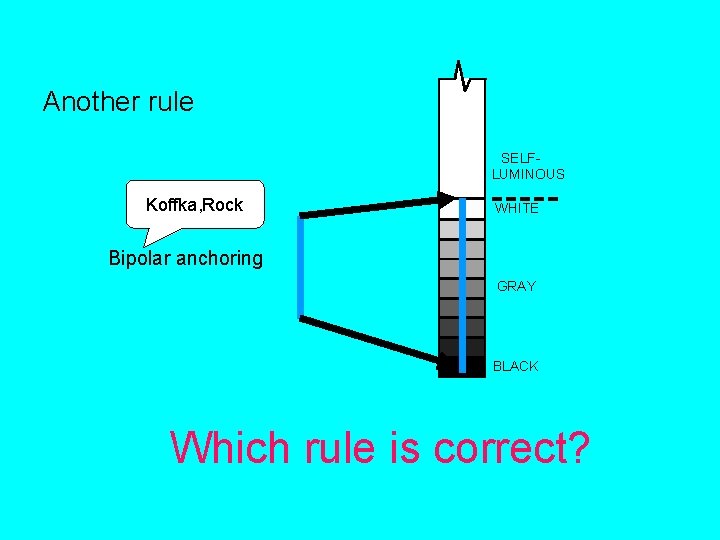
Another rule SELFLUMINOUS Koffka, Rock WHITE Bipolar anchoring GRAY BLACK Which rule is correct?
Challenge: pit these rules against each other in the simplest possible image
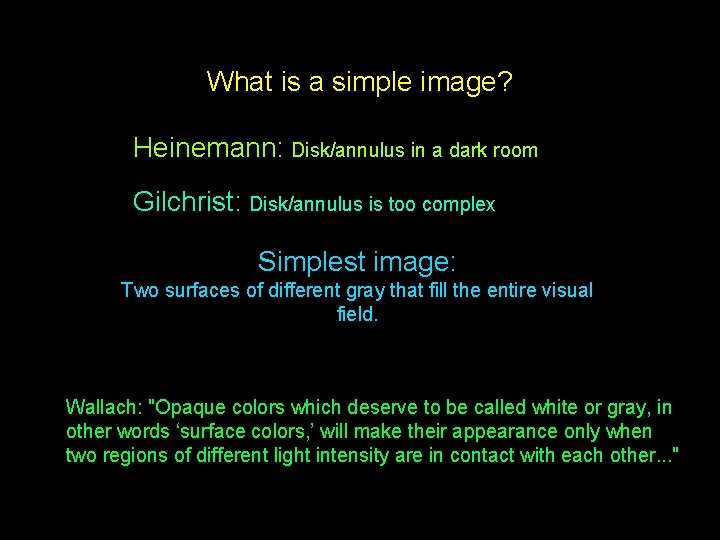
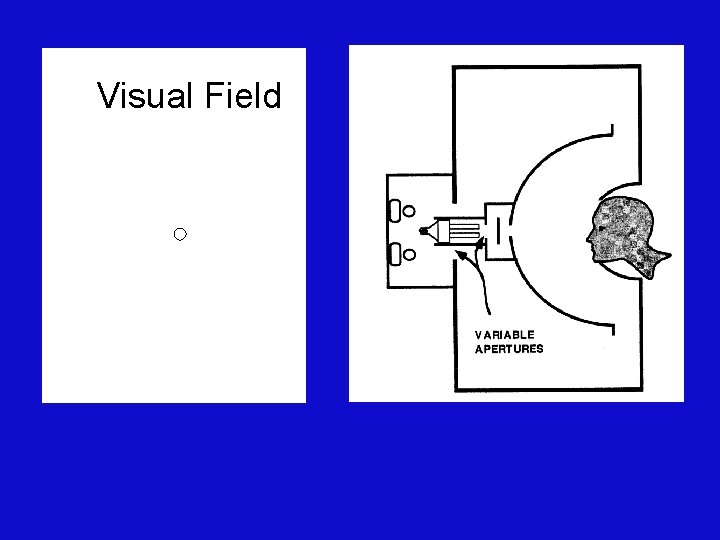
What is a simple image? Heinemann: Disk/annulus in a dark room Gilchrist: Disk/annulus is too complex Simplest image: Two surfaces of different gray that fill the entire visual field. Wallach: "Opaque colors which deserve to be called white or gray, in other words ‘surface colors, ’ will make their appearance only when two regions of different light intensity are in contact with each other. . . "
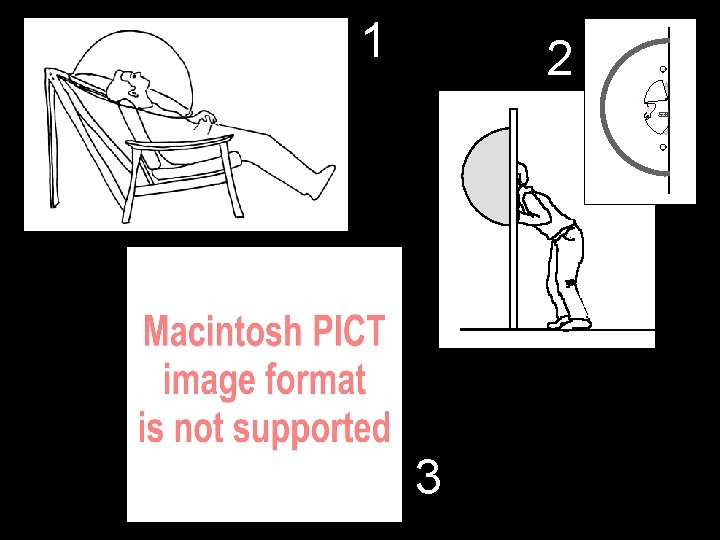
1 2 3
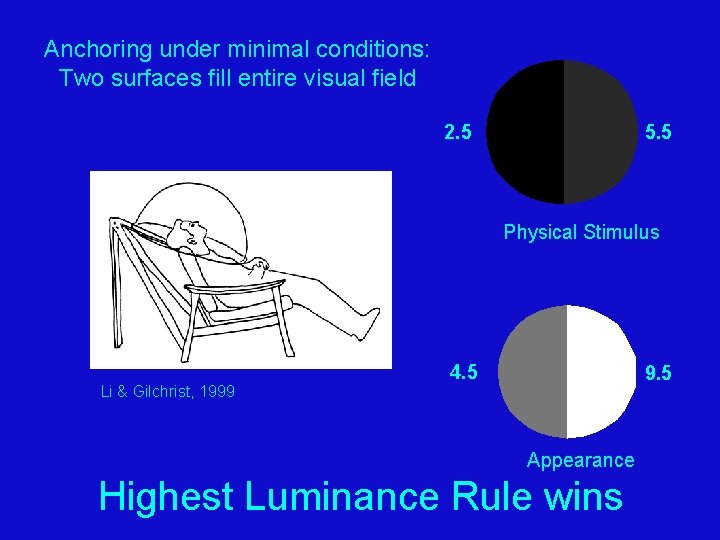
Anchoring under minimal conditions: Two surfaces fill entire visual field 2. 5 5. 5 Physical Stimulus Li & Gilchrist, 1999 4. 5 9. 5 Appearance Highest Luminance Rule wins
Highest luminance rule: The highest luminance within a framework appears white and darker regions are computed relative to this value.
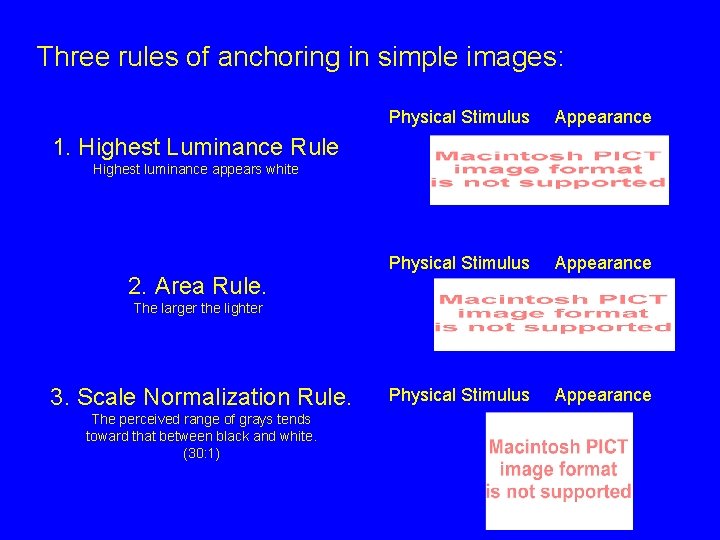
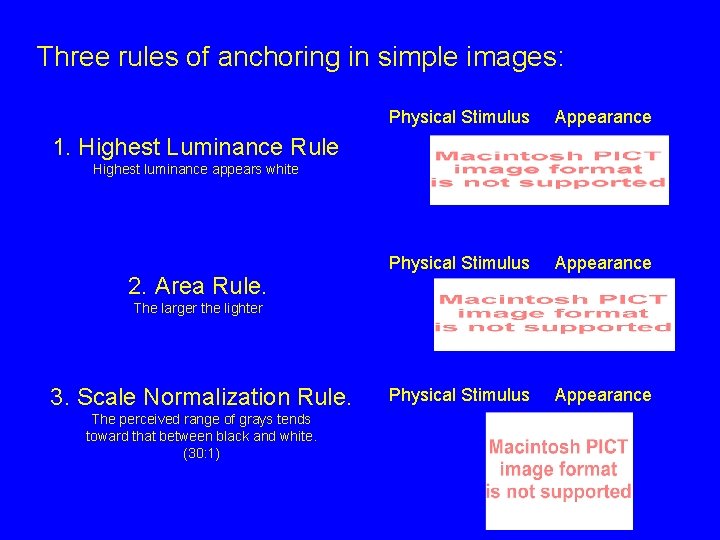
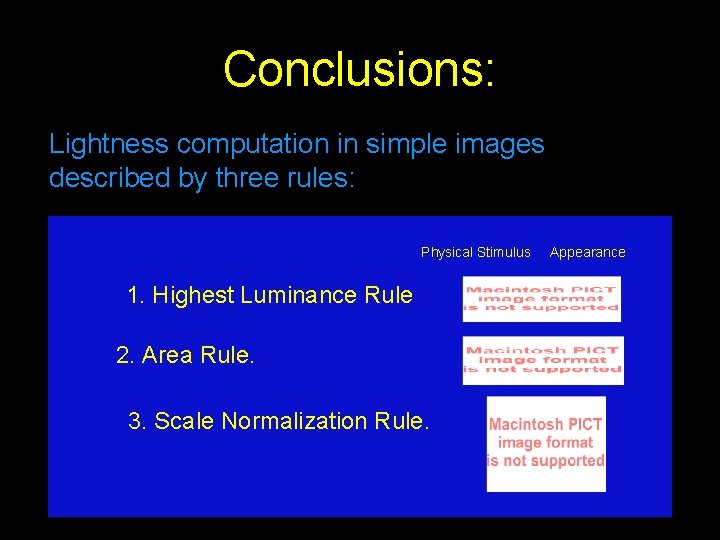
Three rules of anchoring in simple images: Physical Stimulus Appearance 1. Highest Luminance Rule Highest luminance appears white 2. Area Rule. The larger the lighter 3. Scale Normalization Rule. The perceived range of grays tends toward that between black and white. (30: 1)
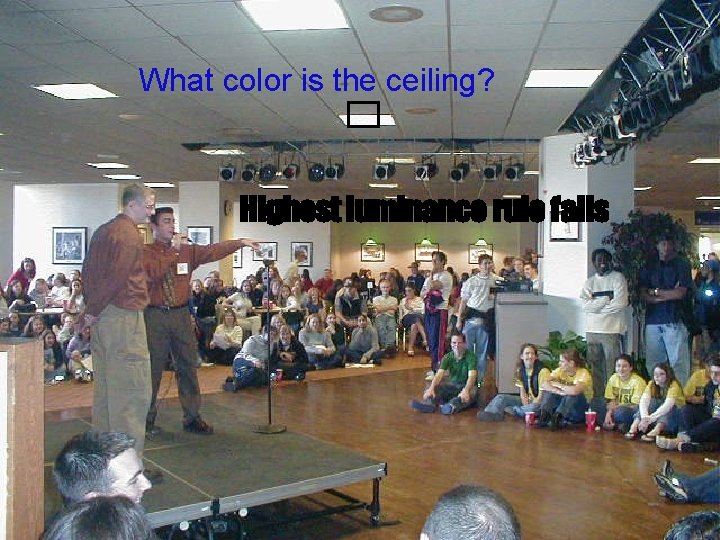
Two problems for the highest luminance rule • Self-luminosity perception • Upward induction/downward induction problem
What color is the ceiling? Highest luminance rule fails
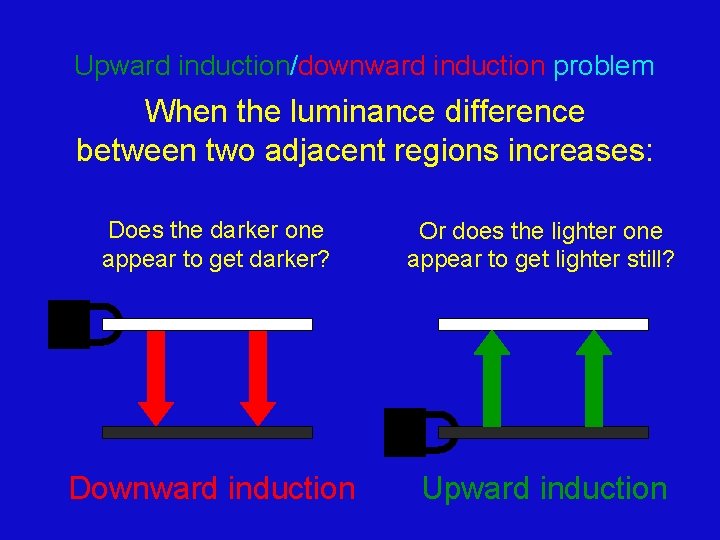
Upward induction/downward induction problem When the luminance difference between two adjacent regions increases: Does the darker one appear to get darker? Or does the lighter one appear to get lighter still? Downward induction Upward induction
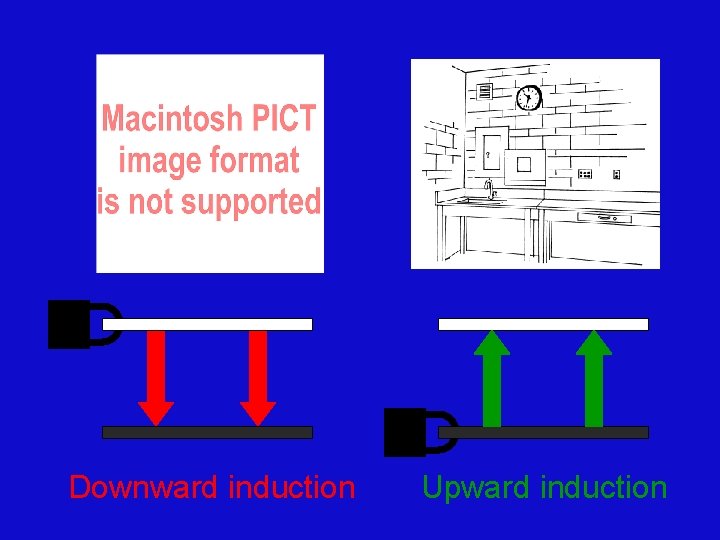
Downward induction Upward induction
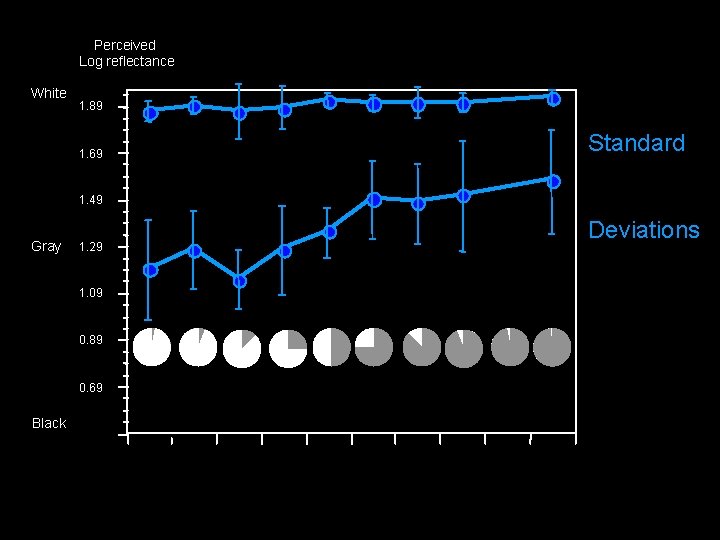
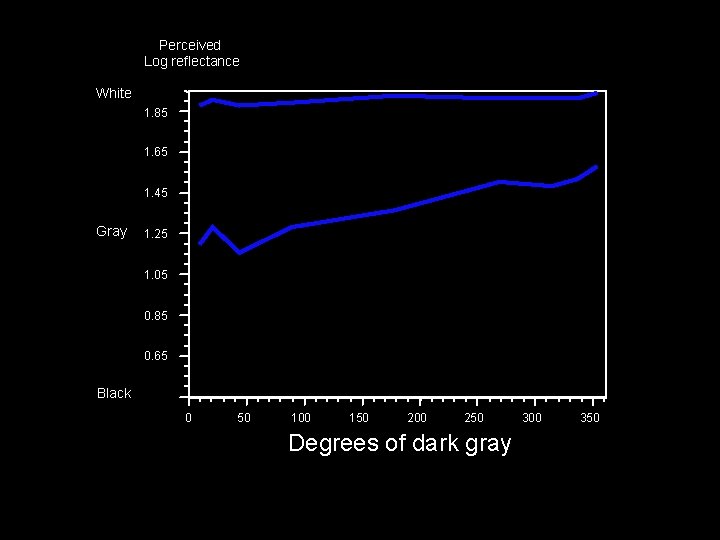
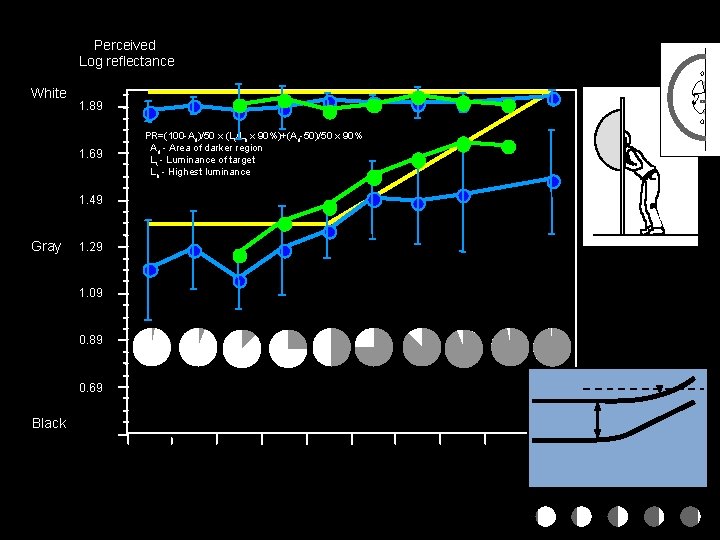
The answer lies in relative area
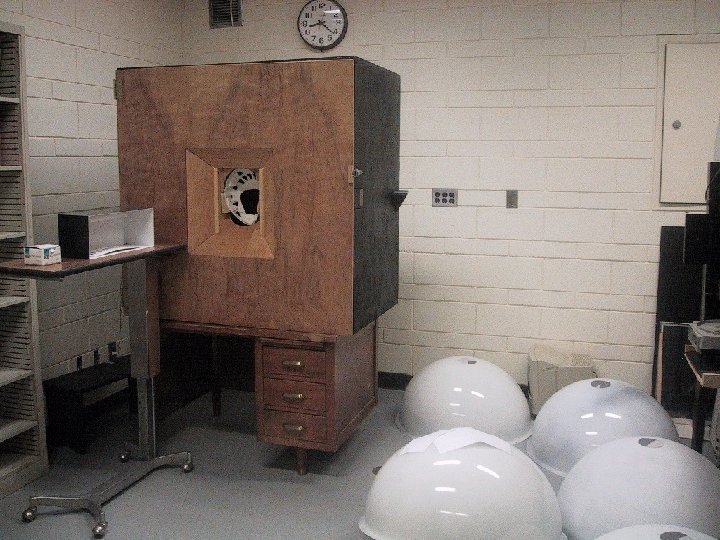
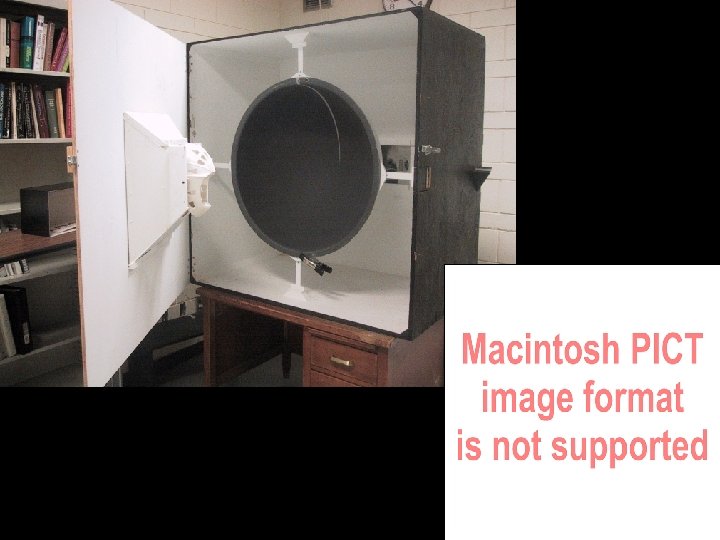
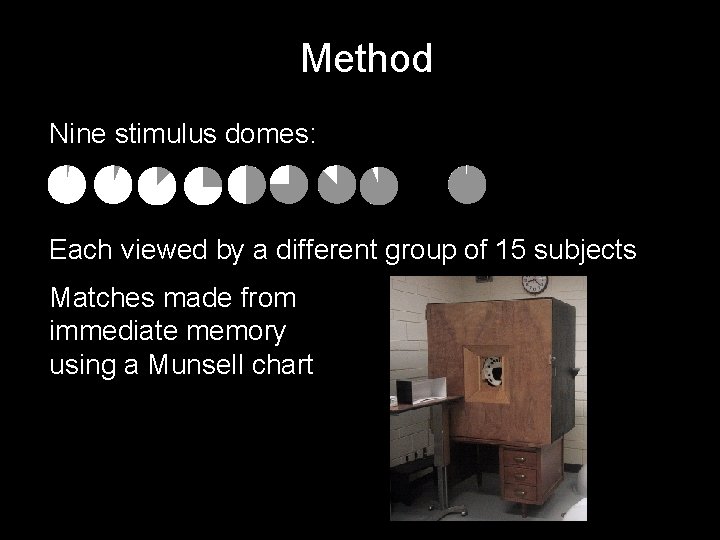
Method Nine stimulus domes: Each viewed by a different group of 15 subjects Matches made from immediate memory using a Munsell chart
Perceived Log reflectance White 1. 89 1. 69 Standard 1. 49 Gray 1. 29 1. 09 0. 89 0. 69 Black 0. 49 Deviations
Perceived Log reflectance White 1. 85 1. 65 1. 45 Gray 1. 25 1. 05 0. 85 0. 65 Black 0. 45 0 50 100 150 200 250 Degrees of dark gray 300 350
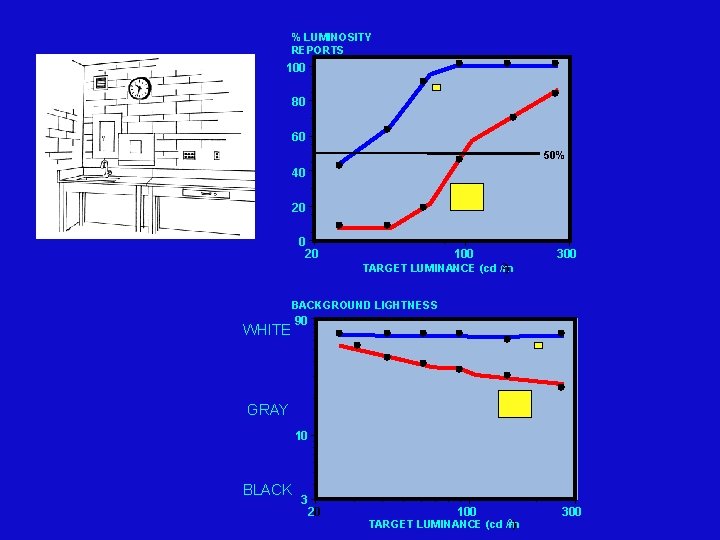
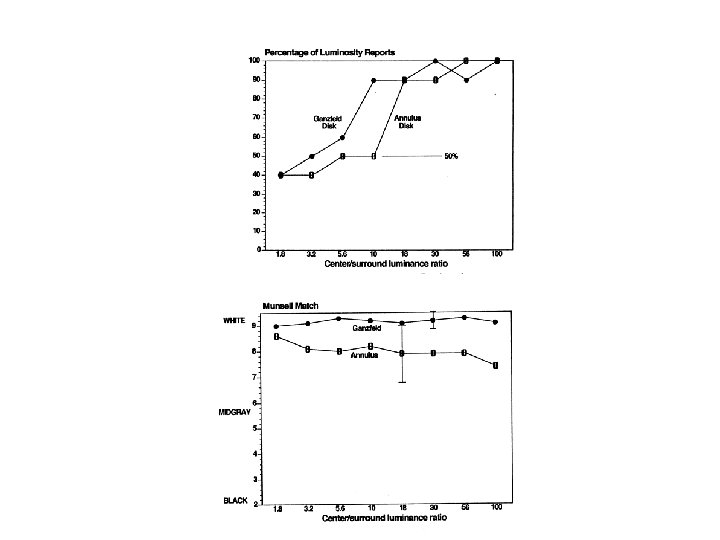
The area rule: The darker region lightens as it gets larger • As the darker region becomes very large, the lighter region appears first super-white, and then self-luminous. .
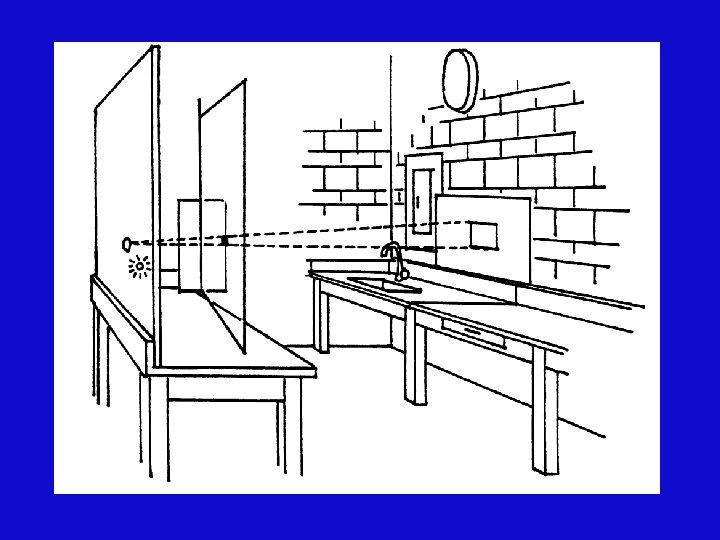
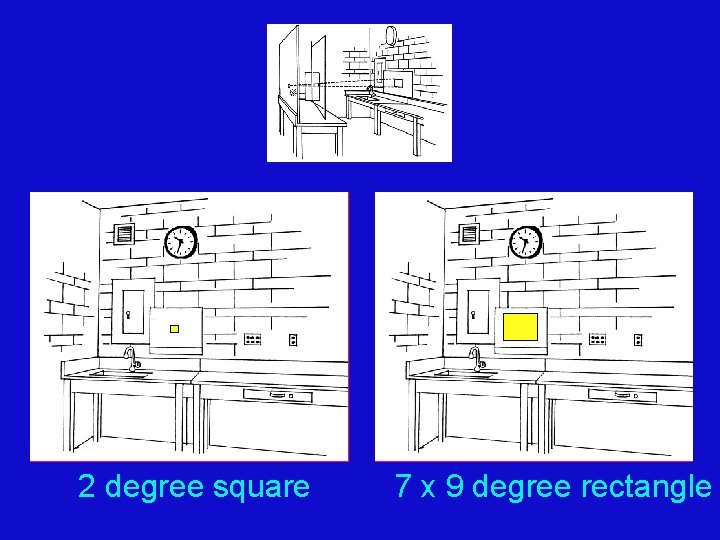
2 degree square 7 x 9 degree rectangle
% LUMINOSITY REPORTS 100 80 60 50% 40 20 100 TARGET LUMINANCE (cd 300 2) /m BACKGROUND LIGHTNESS WHITE 90 GRAY 10 BLACK 3 20 100 2) TARGET LUMINANCE (cd /m 300
Theoretical significance: §Inconsistent with inverse optics §Neurally plausible
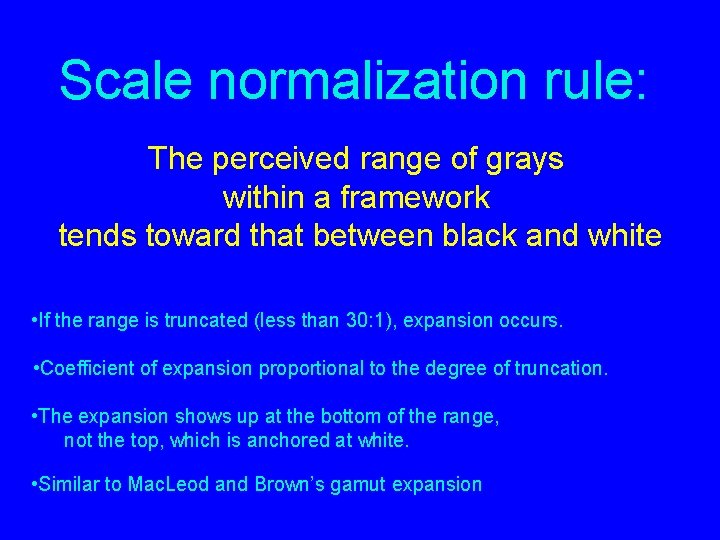
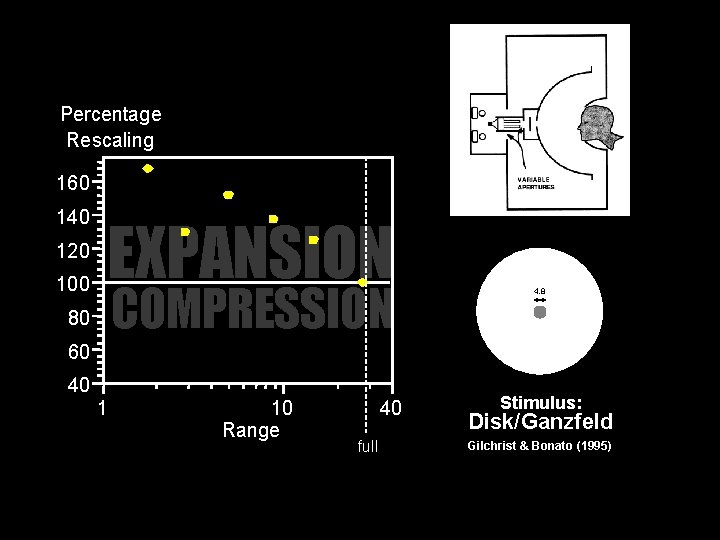
Scale normalization rule: The perceived range of grays within a framework tends toward that between black and white • If the range is truncated (less than 30: 1), expansion occurs. • Coefficient of expansion proportional to the degree of truncation. • The expansion shows up at the bottom of the range, not the top, which is anchored at white. • Similar to Mac. Leod and Brown’s gamut expansion
Percentage Rescaling 160 140 EXPANSION 120 100 COMPRESSION 80 4. 8 60 40 1 10 Range 40 full Stimulus: Disk/Ganzfeld Gilchrist & Bonato (1995)
Three rules of anchoring in simple images: Physical Stimulus Appearance 1. Highest Luminance Rule Highest luminance appears white 2. Area Rule. The larger the lighter 3. Scale Normalization Rule. The perceived range of grays tends toward that between black and white. (30: 1)
What about complex images?
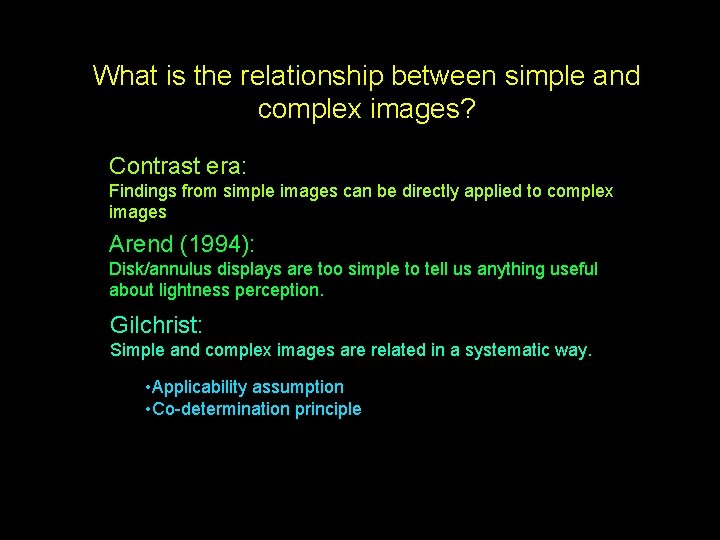
What is the relationship between simple and complex images? Contrast era: Findings from simple images can be directly applied to complex images Arend (1994): Disk/annulus displays are too simple to tell us anything useful about lightness perception. Gilchrist: Simple and complex images are related in a systematic way. • Applicability assumption • Co-determination principle
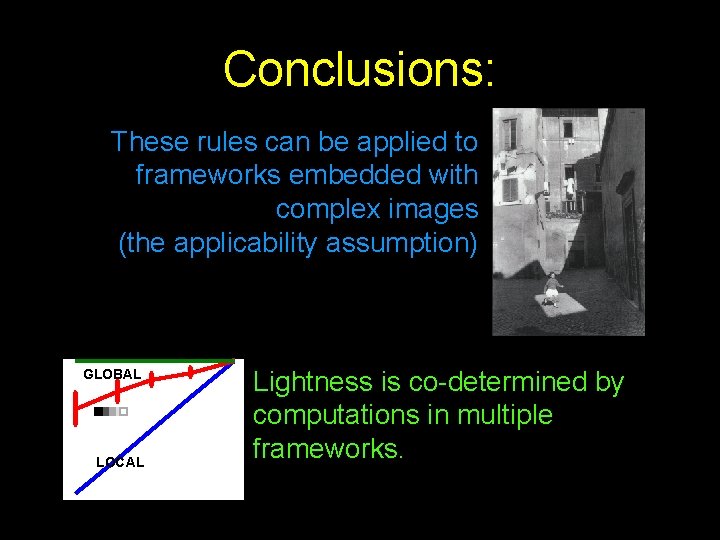
The applicability assumption: Rules of lightness computation in simple images can be applied to frameworks embedded within complex images
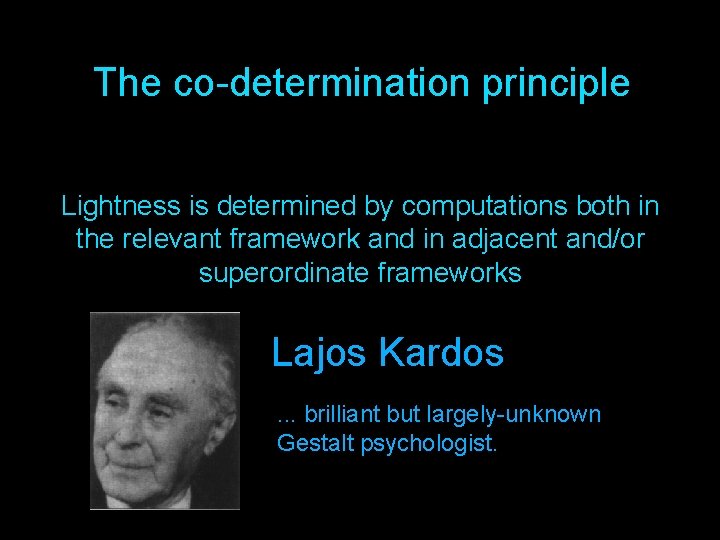
The co-determination principle Lightness is determined by computations both in the relevant framework and in adjacent and/or superordinate frameworks Lajos Kardos. . . brilliant but largely-unknown Gestalt psychologist.
Applicability assumption: 1. Highest luminance rule 2. 2. Area function 3. 3. Scale normalization
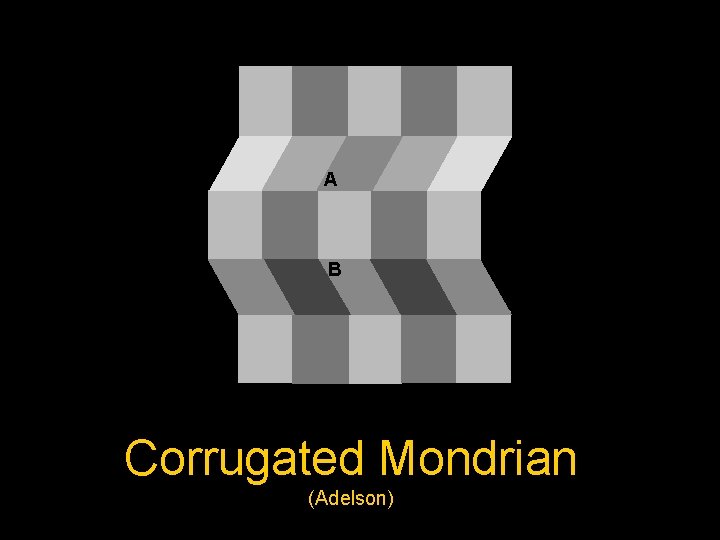
A B Corrugated Mondrian (Adelson)
Now for a Live Demo!
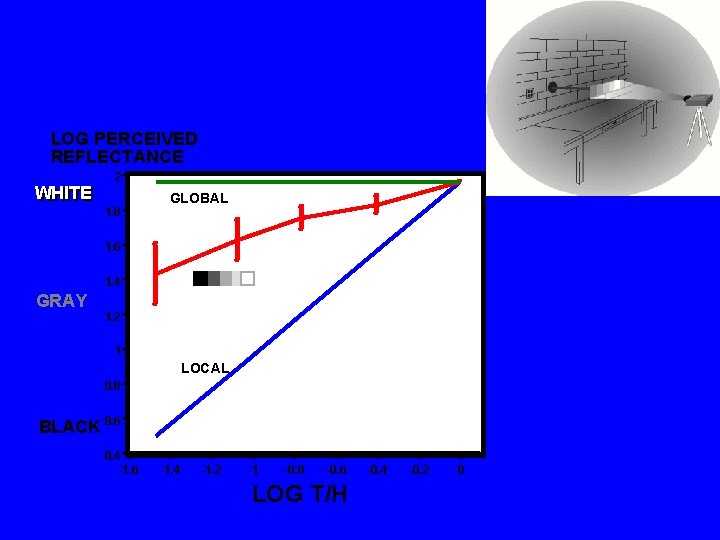
LOG PERCEIVED REFLECTANCE WHITE 2 1. 8 GLOBAL 1. 6 1. 4 GRAY 1. 2 1 LOCAL 0. 8 BLACK 0. 6 0. 4 -1. 6 -1. 4 -1. 2 -1 -0. 8 -0. 6 LOG T/H -0. 4 -0. 2 0
Applicability assumption: 1. Highest luminance rule 2. 2. Area function 3. 3. Scale normalization
Applicability assumption: 1. Highest luminance rule 2. 2. Area function 3. 3. Scale normalization
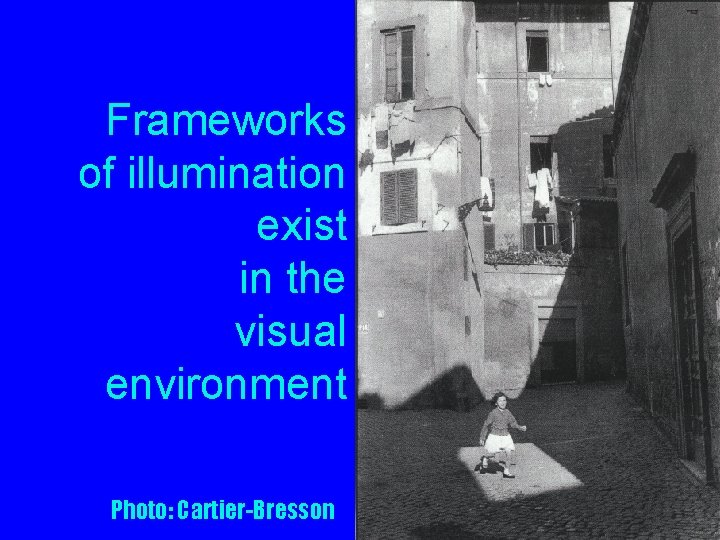
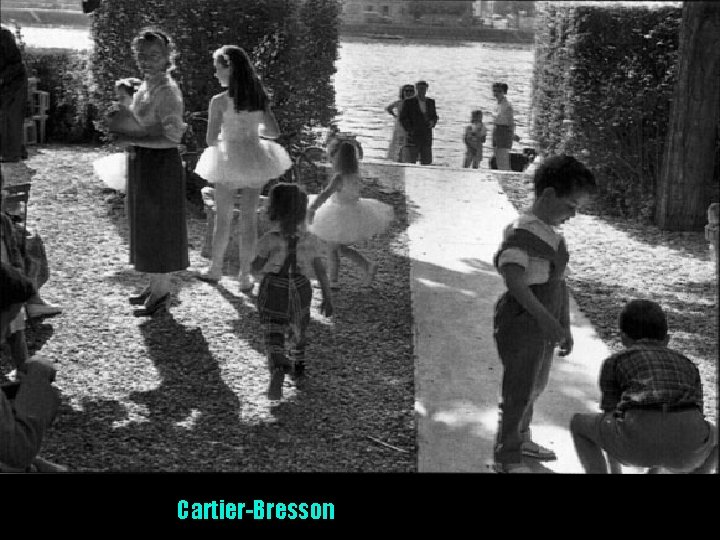
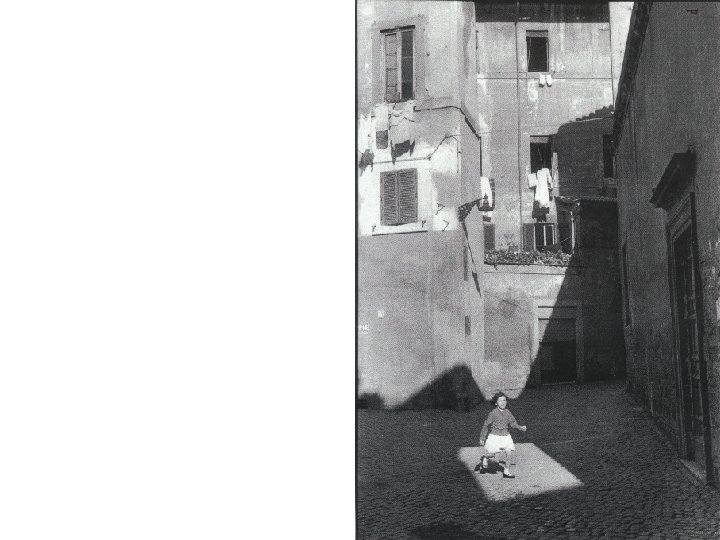
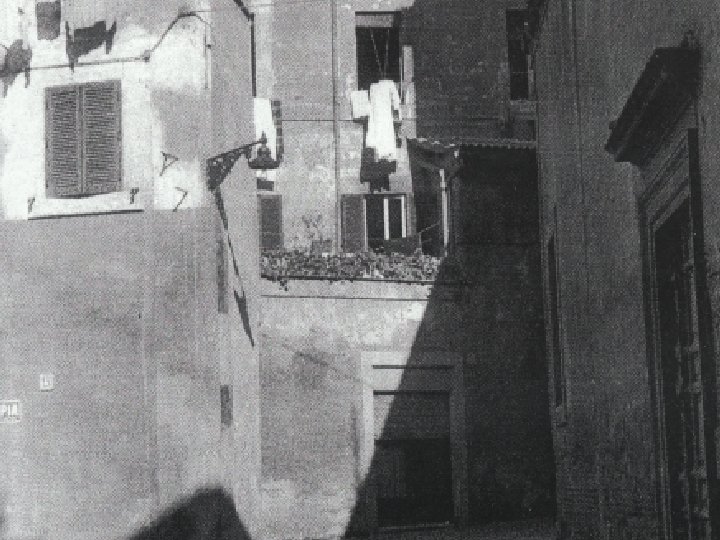
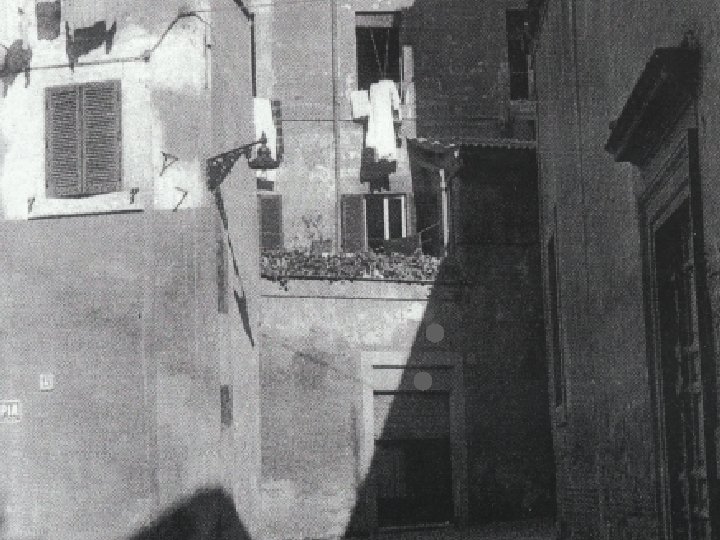
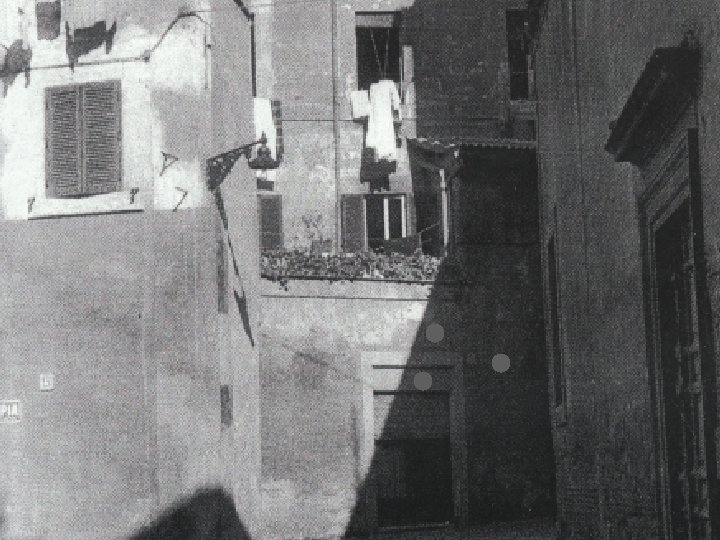
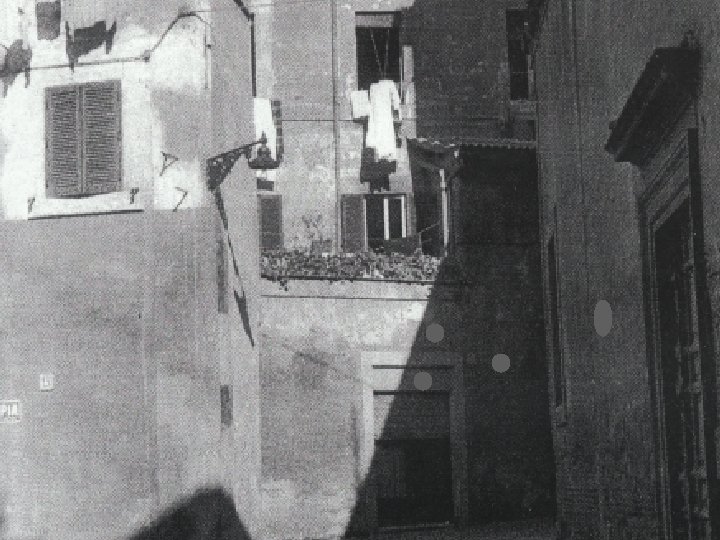
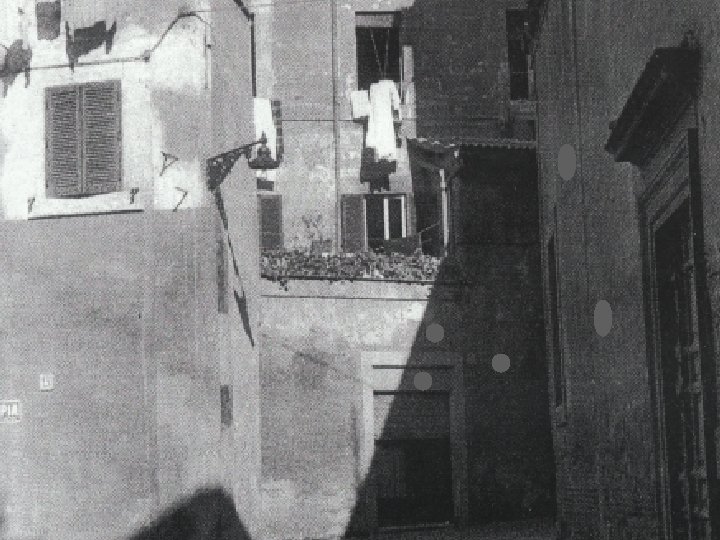
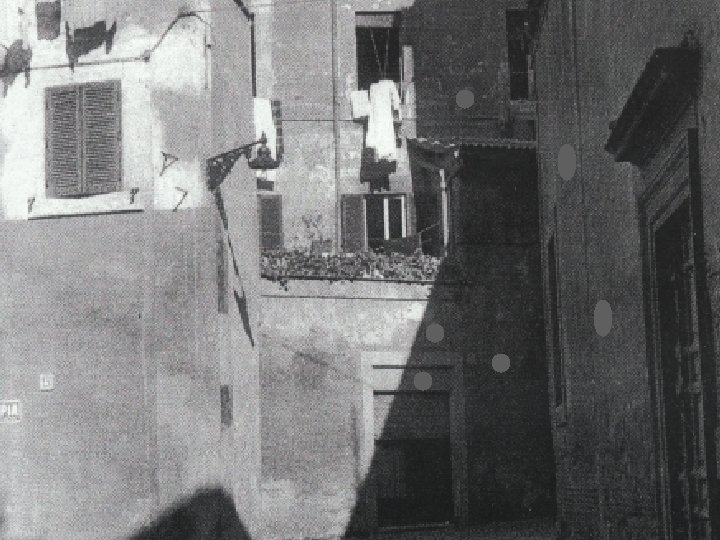
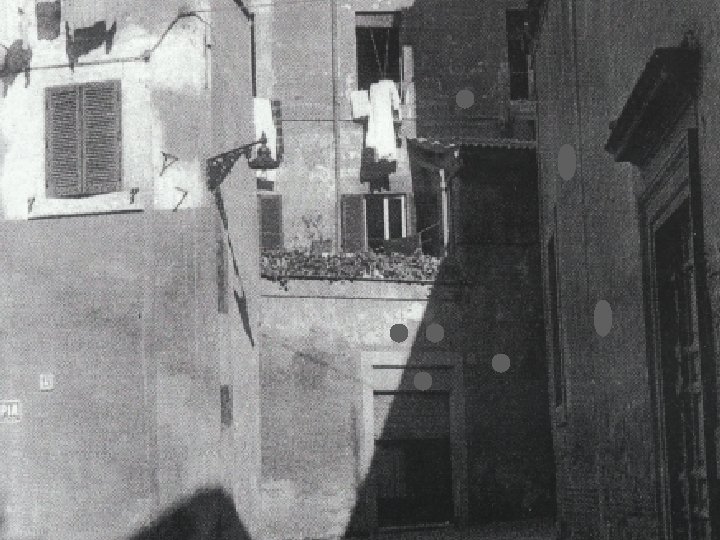
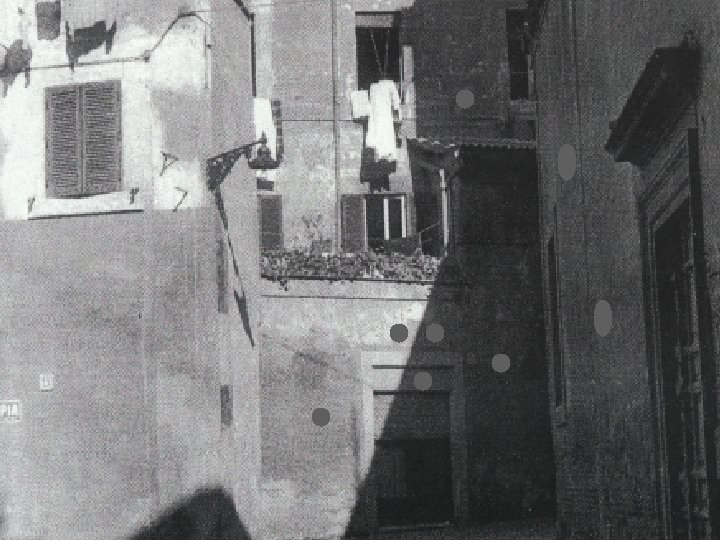
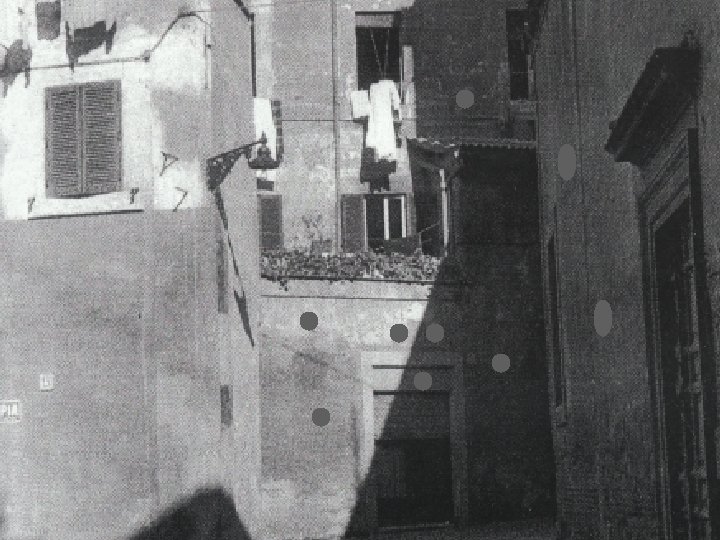
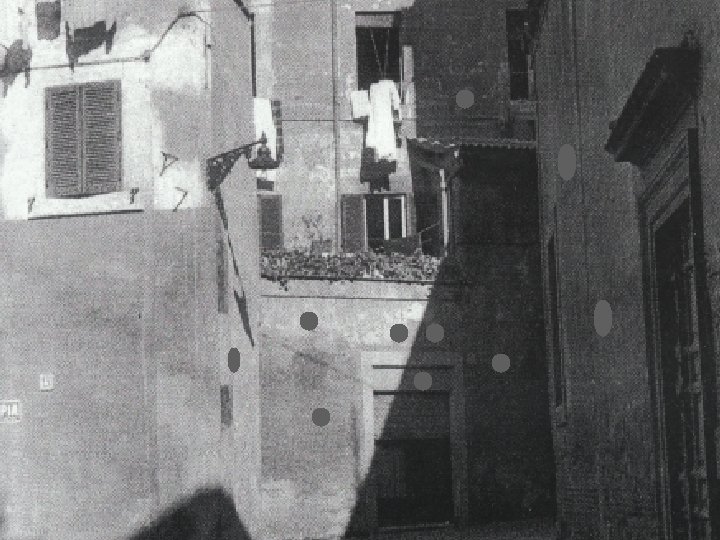
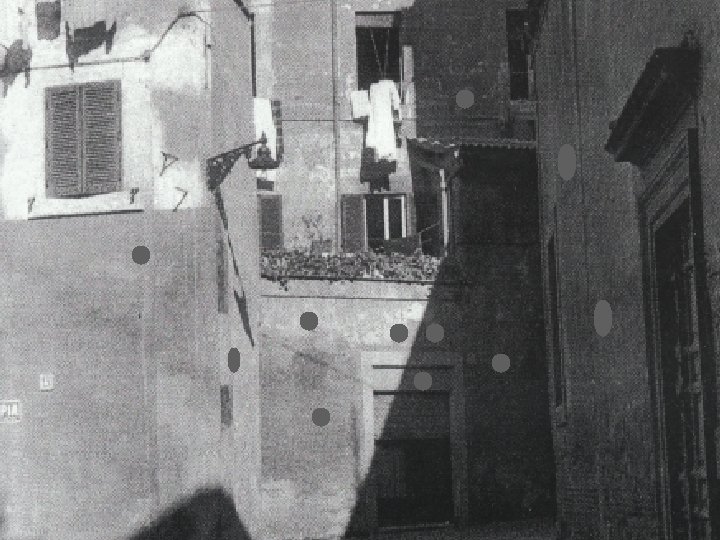
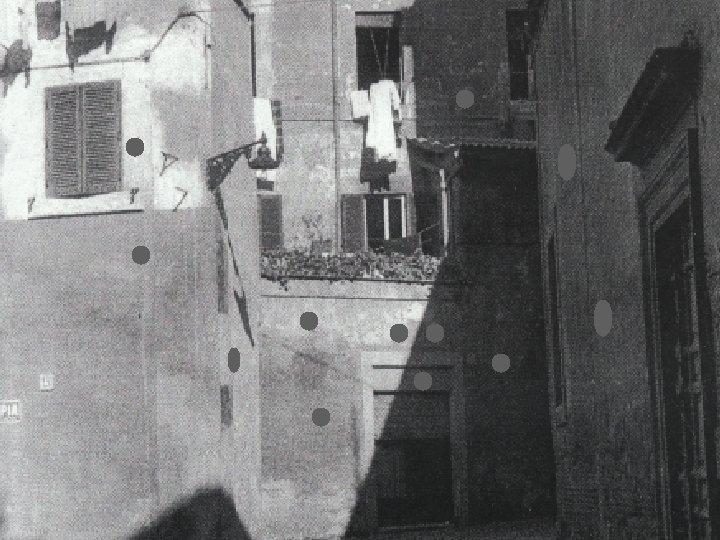
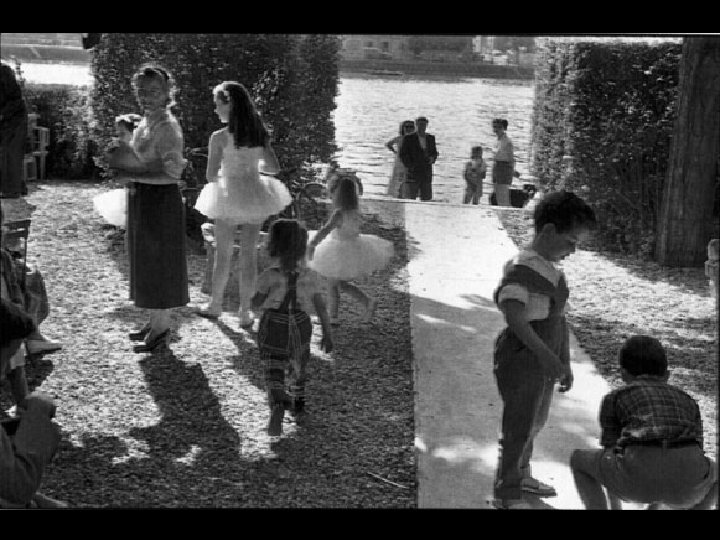
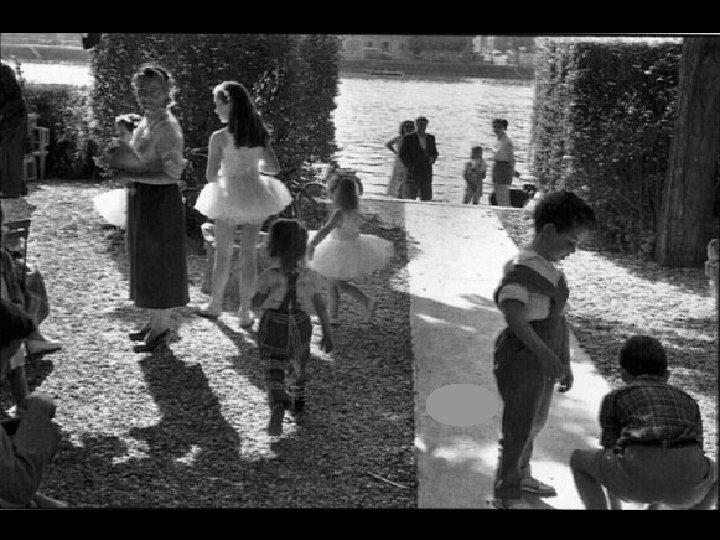
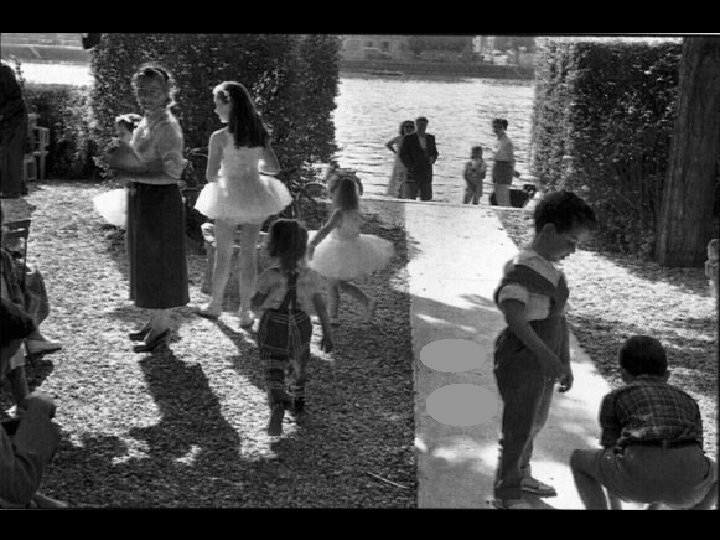
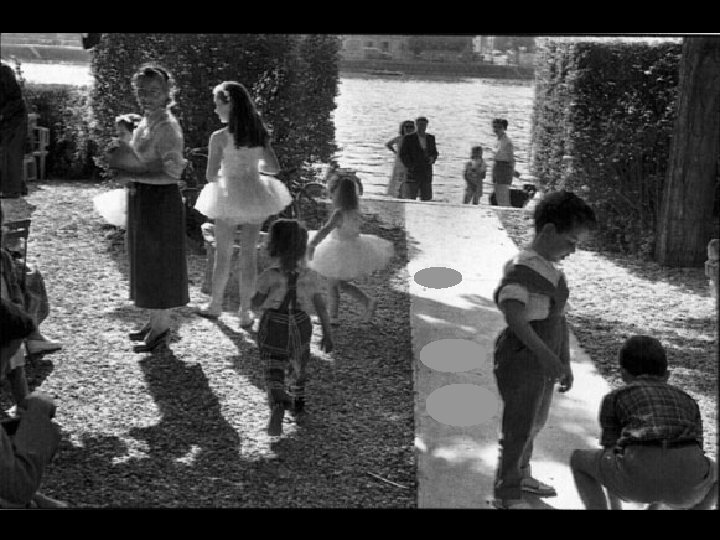
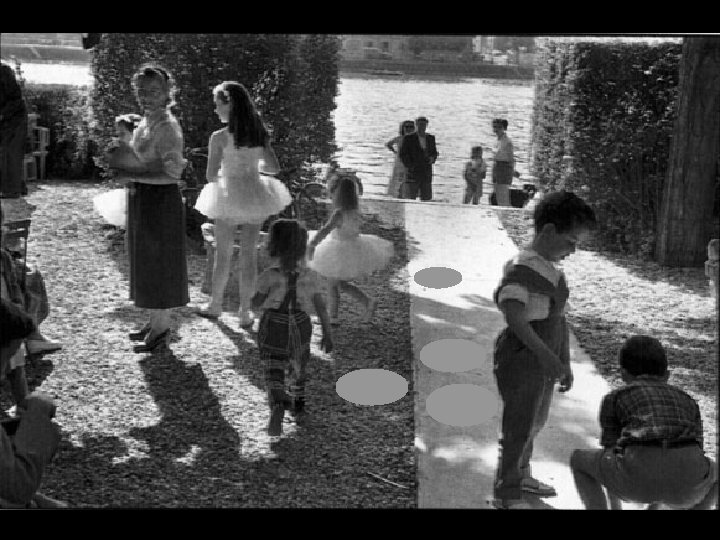
Frameworks of illumination exist in the visual environment Photo: Cartier-Bresson
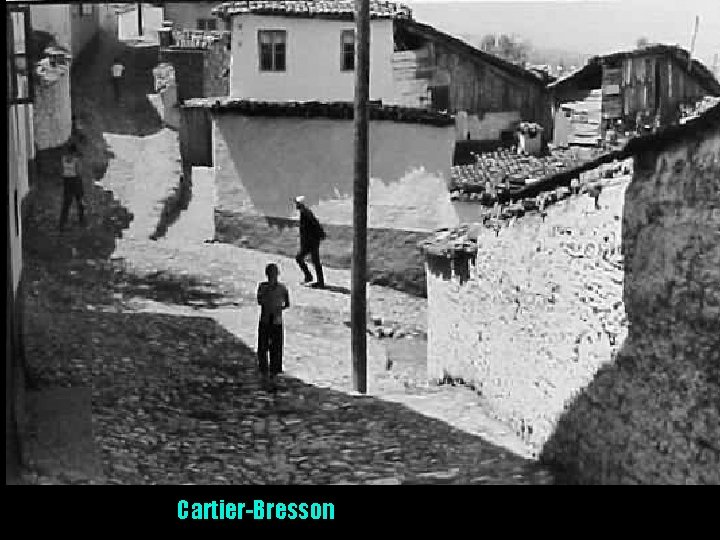
Cartier-Bresson
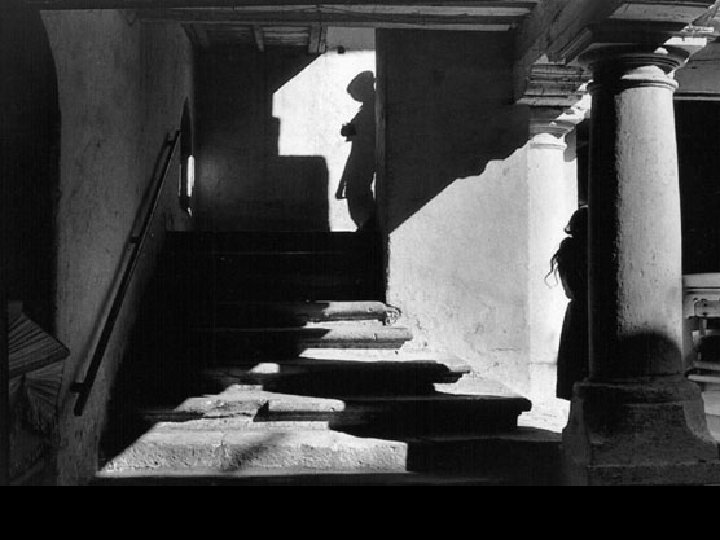
Cartier-Bresson
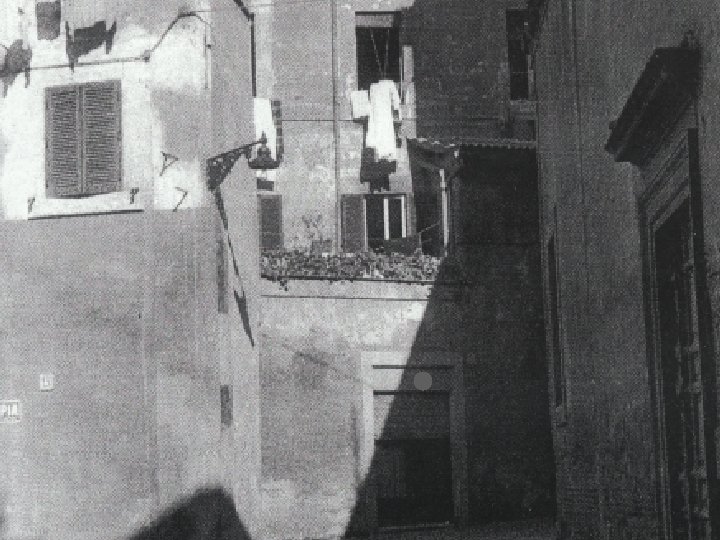
We can explore frameworks using a probe disk of constant luminance:
Conclusions: Lightness computation in simple images described by three rules: Physical Stimulus 1. Highest Luminance Rule 2. Area Rule. 3. Scale Normalization Rule. Appearance
Conclusions: These rules can be applied to frameworks embedded with complex images (the applicability assumption) GLOBAL LOCAL Lightness is co-determined by computations in multiple frameworks.
Thank You
Perceived Log reflectance White 1. 89 1. 69 PR=(100 -Ad)/50 x (Lt/Lh x 90%)+(Ad-50)/50 x 90% Ad - Area of darker region Lt - Luminance of target Lh - Highest luminance Standard 1. 49 Gray 1. 29 1. 09 0. 89 0. 69 Black 0. 49 Deviations
Visual Field