
Viruses Viruses a virus is a Noncellular particle
- Slides: 18
Viruses
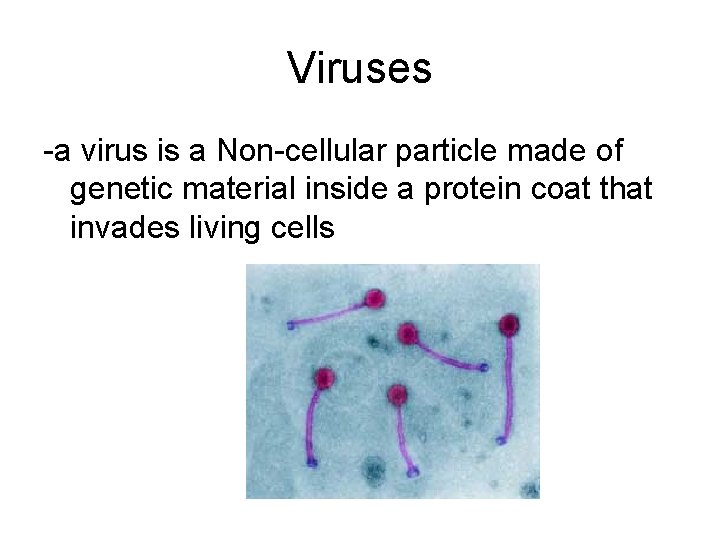
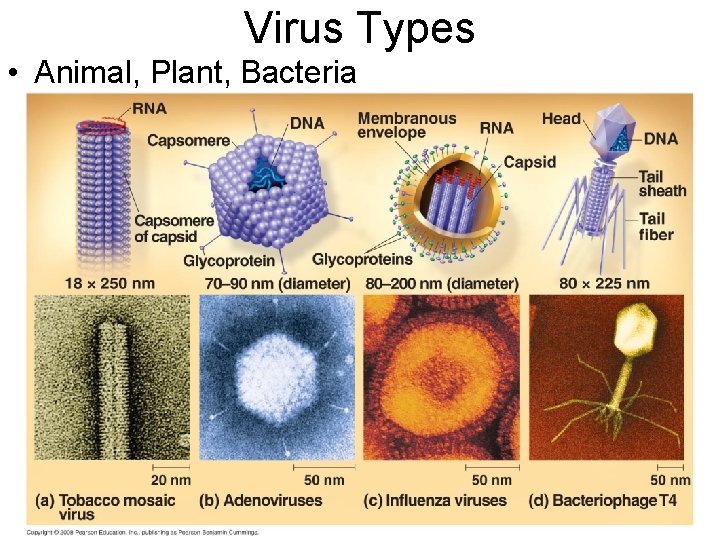
Viruses -a virus is a Non-cellular particle made of genetic material inside a protein coat that invades living cells
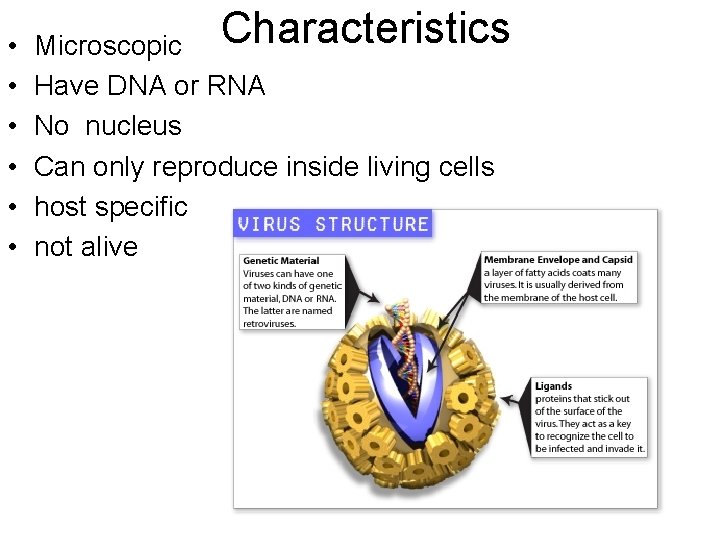
• • • Microscopic Characteristics Have DNA or RNA No nucleus Can only reproduce inside living cells host specific not alive
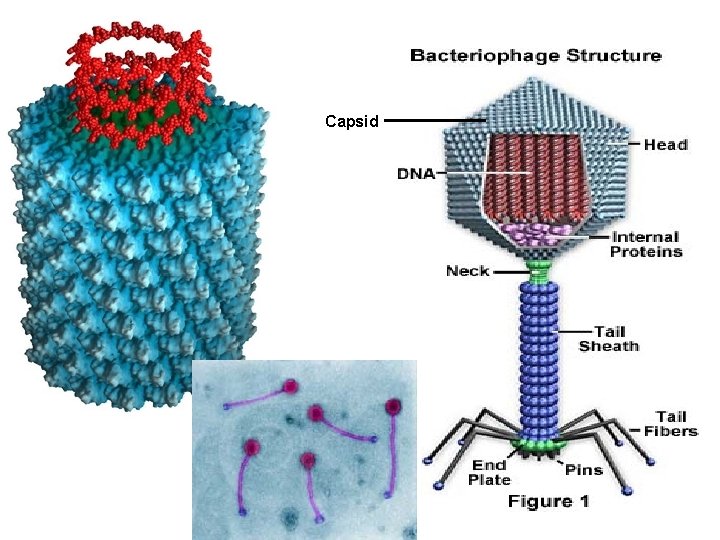
Capsid
Virus Types • Animal, Plant, Bacteria
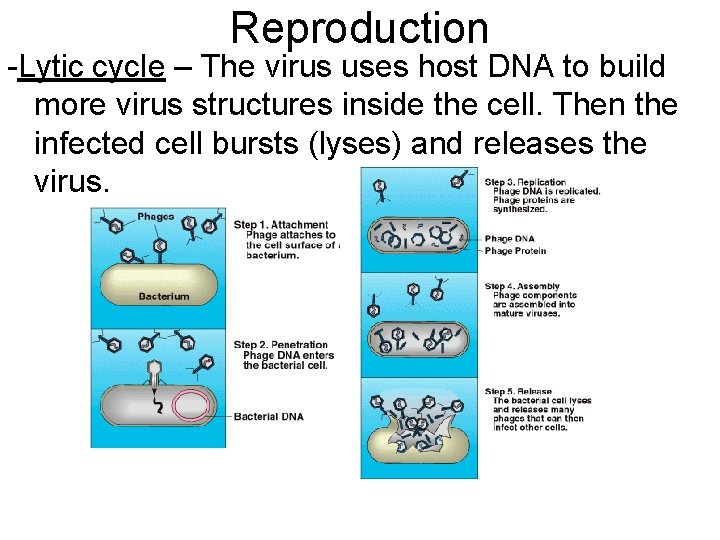
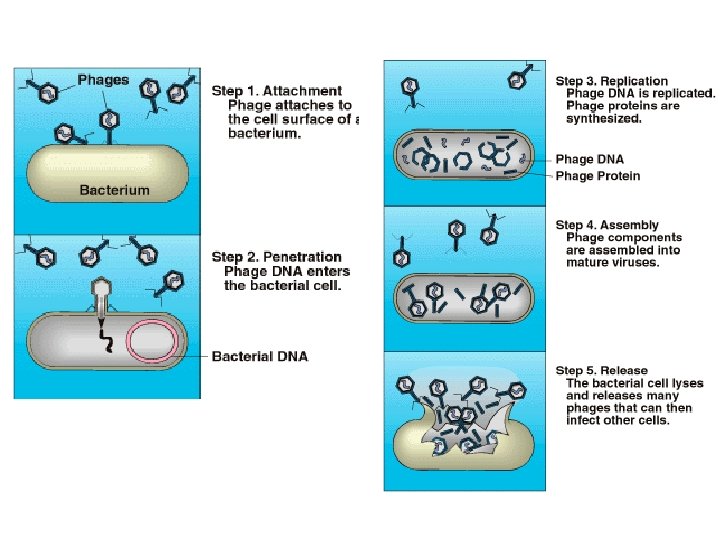
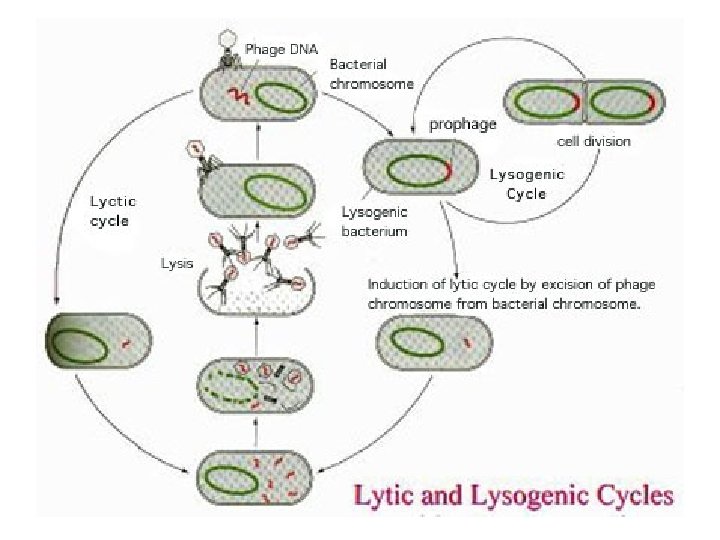
Reproduction -Lytic cycle – The virus uses host DNA to build more virus structures inside the cell. Then the infected cell bursts (lyses) and releases the virus.
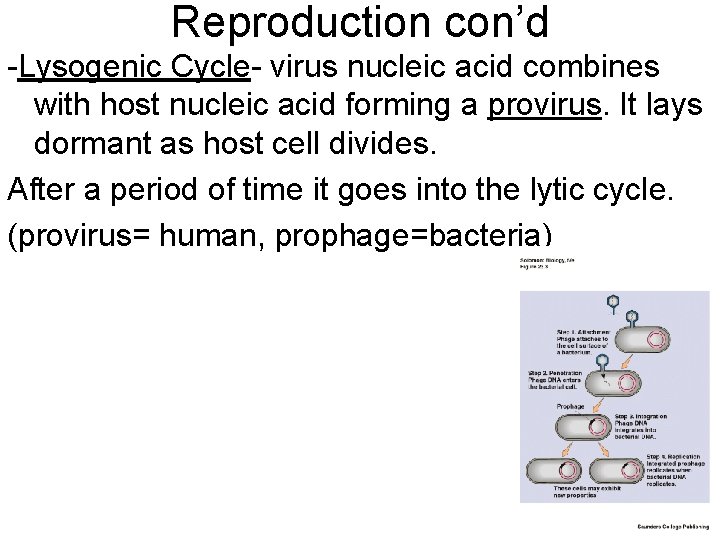
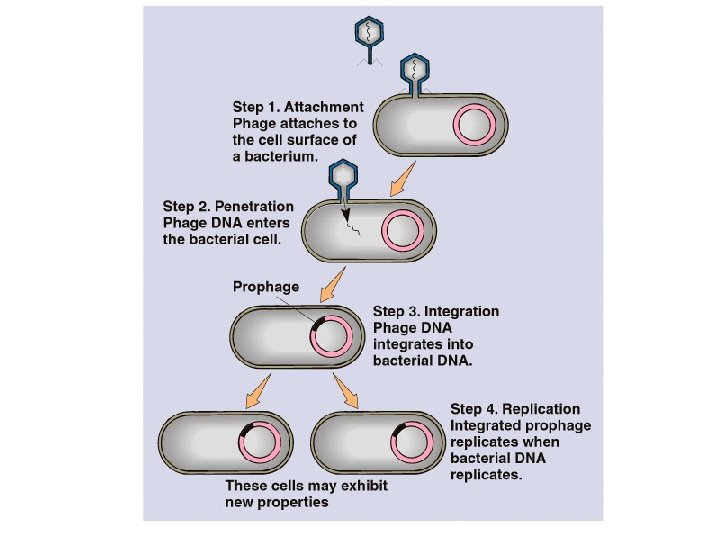
Reproduction con’d -Lysogenic Cycle- virus nucleic acid combines with host nucleic acid forming a provirus. It lays dormant as host cell divides. After a period of time it goes into the lytic cycle. (provirus= human, prophage=bacteria)
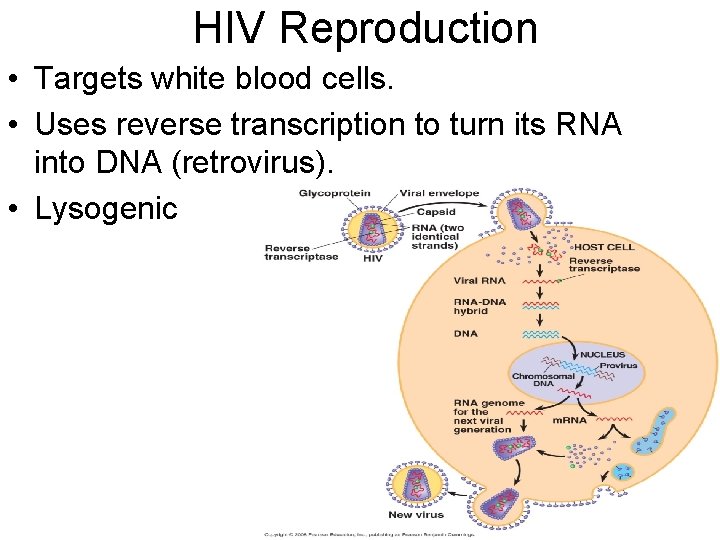
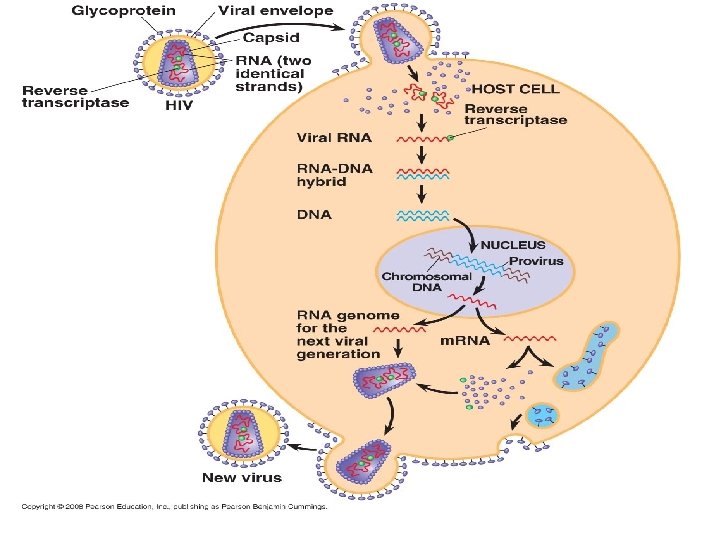
HIV Reproduction • Targets white blood cells. • Uses reverse transcription to turn its RNA into DNA (retrovirus). • Lysogenic
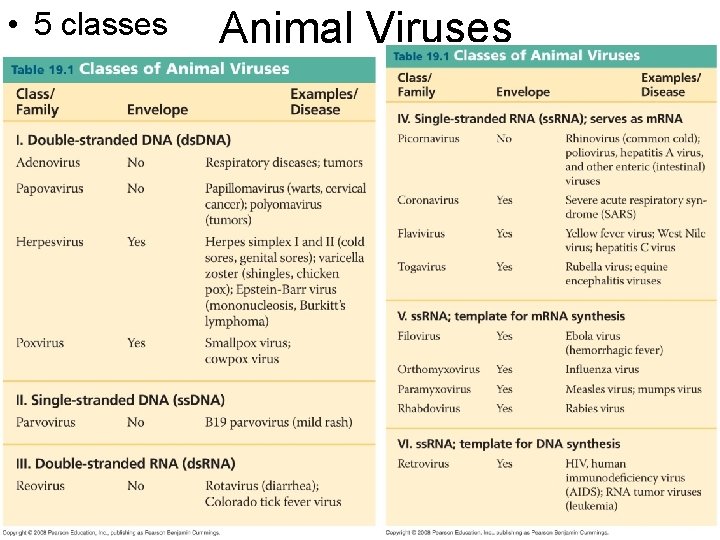
• 5 classes Animal Viruses
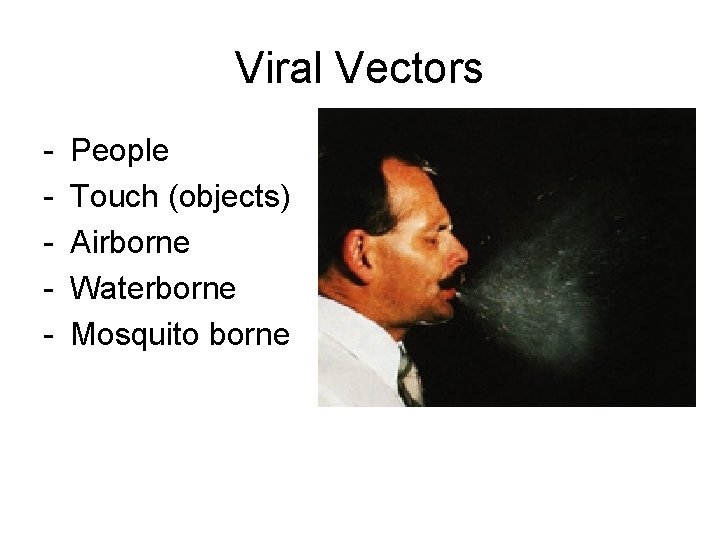
Viral Vectors - People Touch (objects) Airborne Waterborne Mosquito borne
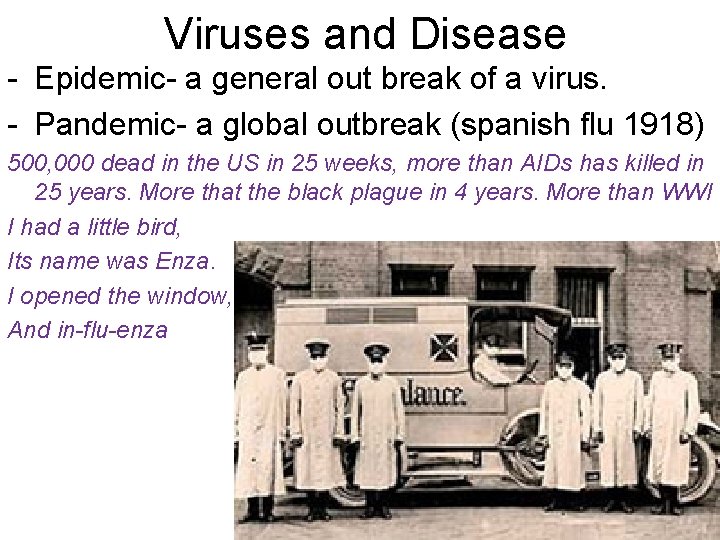
Viruses and Disease - Epidemic- a general out break of a virus. - Pandemic- a global outbreak (spanish flu 1918) 500, 000 dead in the US in 25 weeks, more than AIDs has killed in 25 years. More that the black plague in 4 years. More than WWI I had a little bird, Its name was Enza. I opened the window, And in-flu-enza
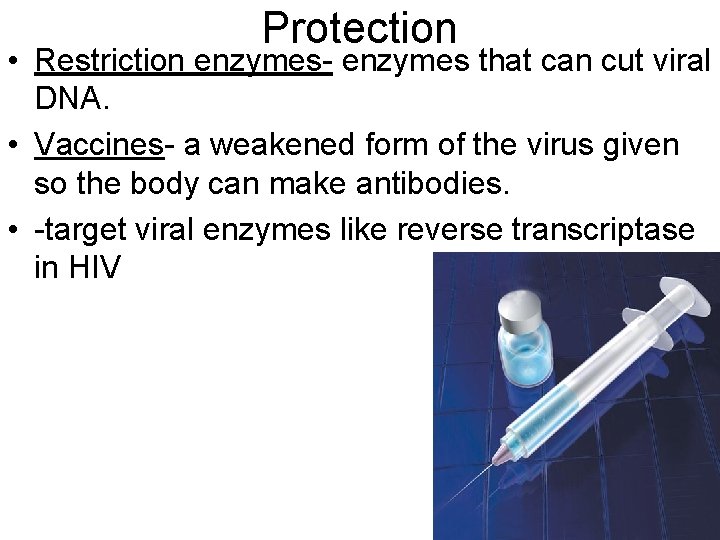
Protection • Restriction enzymes- enzymes that can cut viral DNA. • Vaccines- a weakened form of the virus given so the body can make antibodies. • -target viral enzymes like reverse transcriptase in HIV
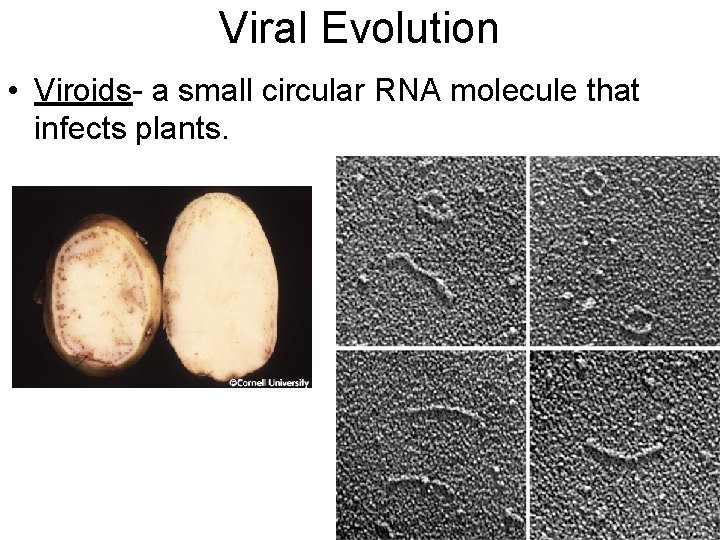
Viral Evolution • Viroids- a small circular RNA molecule that infects plants.
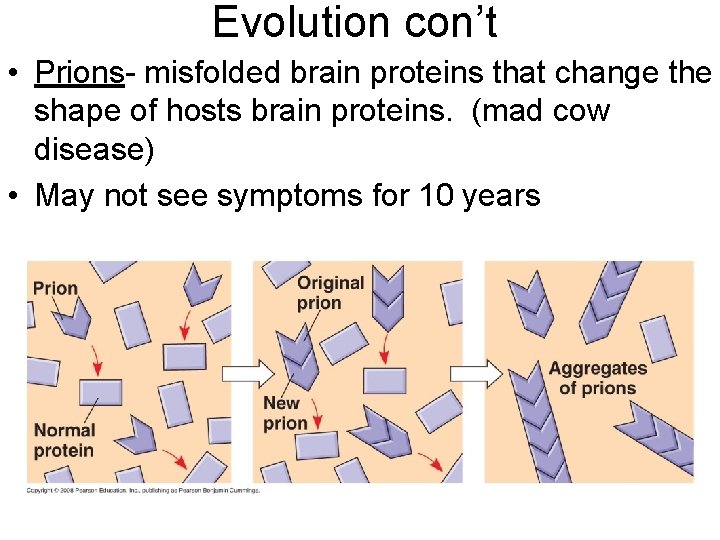
Evolution con’t • Prions- misfolded brain proteins that change the shape of hosts brain proteins. (mad cow disease) • May not see symptoms for 10 years