
Virtual Blood Type Lab There are four major

Virtual Blood Type Lab
There are four major blood groups • There are four major blood groups determined by the presence or absence of two antigens – A and B – on the surface of red blood cells. • Type A • Type B • Type AB • Type O
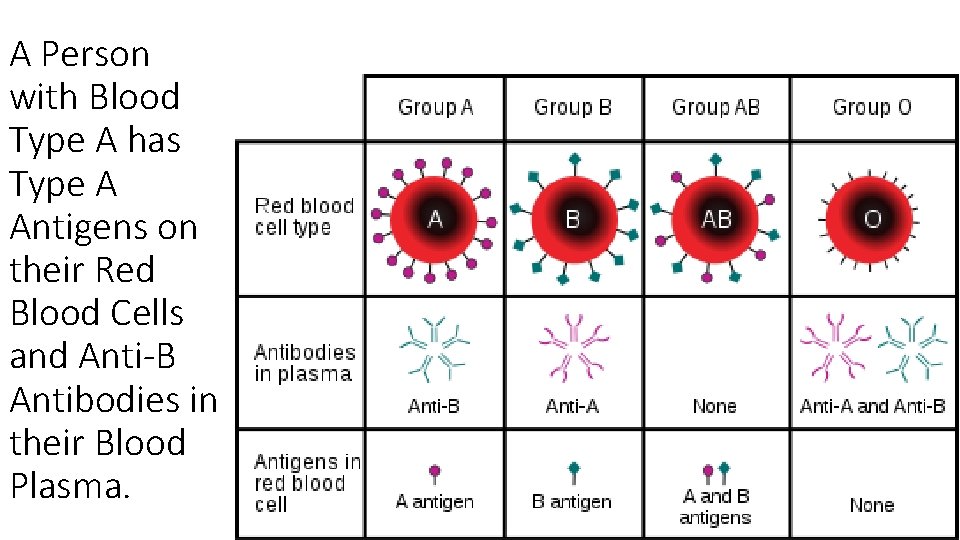
A Person with Blood Type A has Type A Antigens on their Red Blood Cells and Anti-B Antibodies in their Blood Plasma.
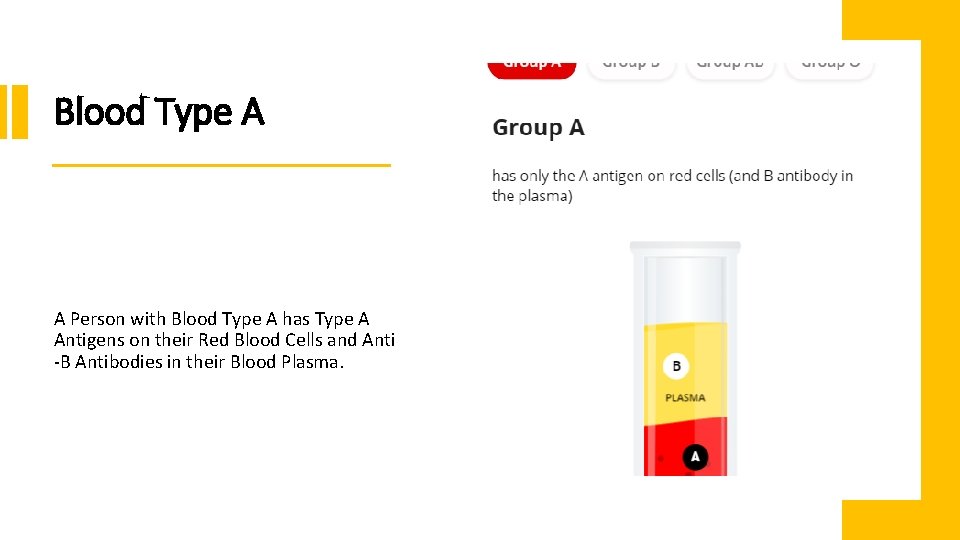
Blood Type A A Person with Blood Type A has Type A Antigens on their Red Blood Cells and Anti -B Antibodies in their Blood Plasma.
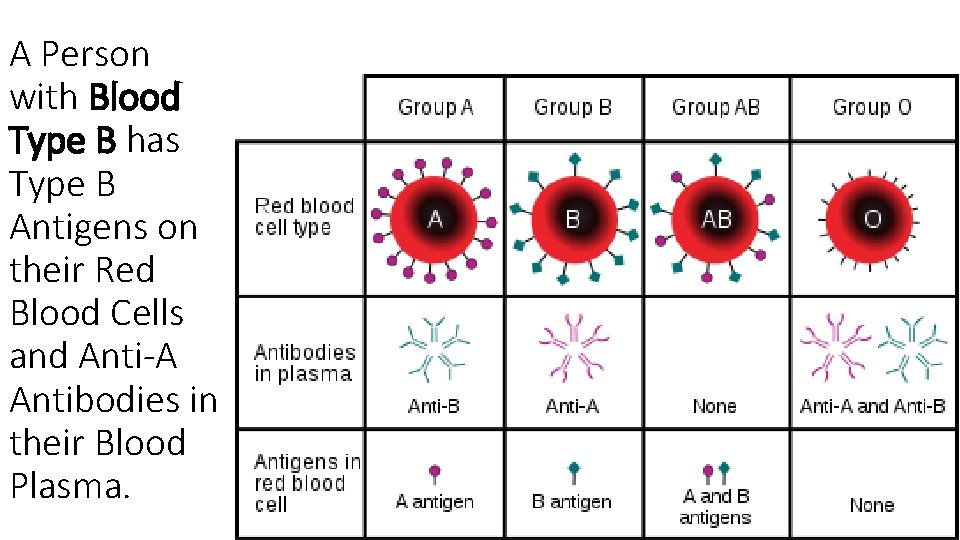
A Person with Blood Type B has Type B Antigens on their Red Blood Cells and Anti-A Antibodies in their Blood Plasma.
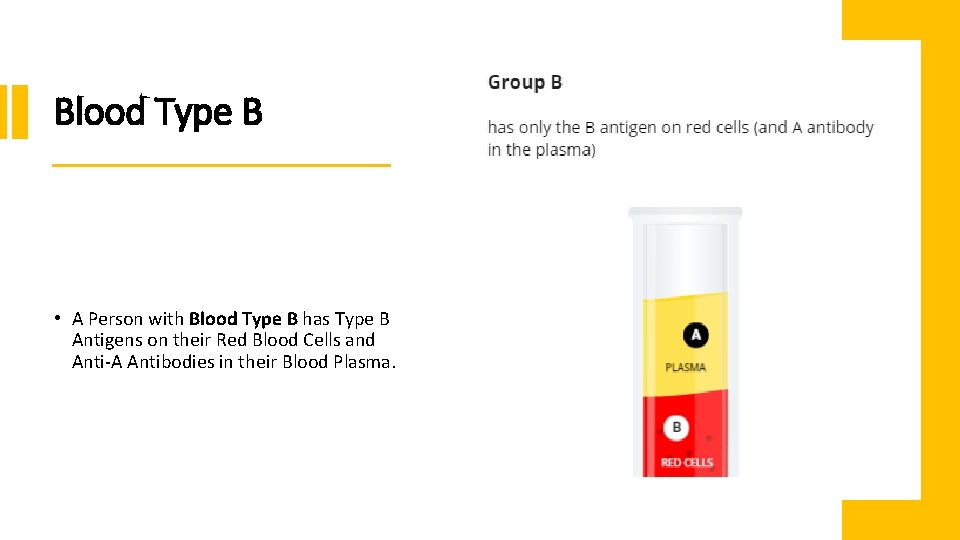
Blood Type B • A Person with Blood Type B has Type B Antigens on their Red Blood Cells and Anti-A Antibodies in their Blood Plasma.
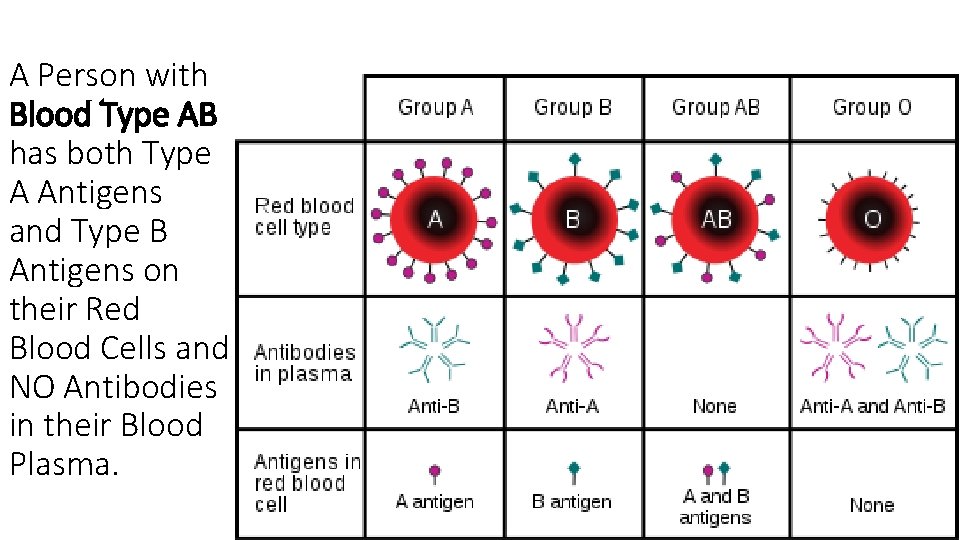
A Person with Blood Type AB has both Type A Antigens and Type B Antigens on their Red Blood Cells and NO Antibodies in their Blood Plasma.
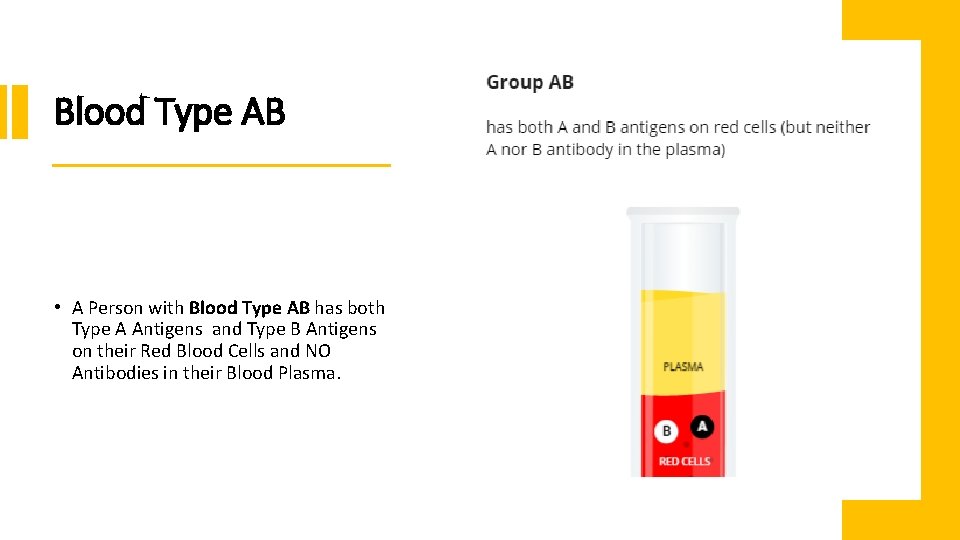
Blood Type AB • A Person with Blood Type AB has both Type A Antigens and Type B Antigens on their Red Blood Cells and NO Antibodies in their Blood Plasma.
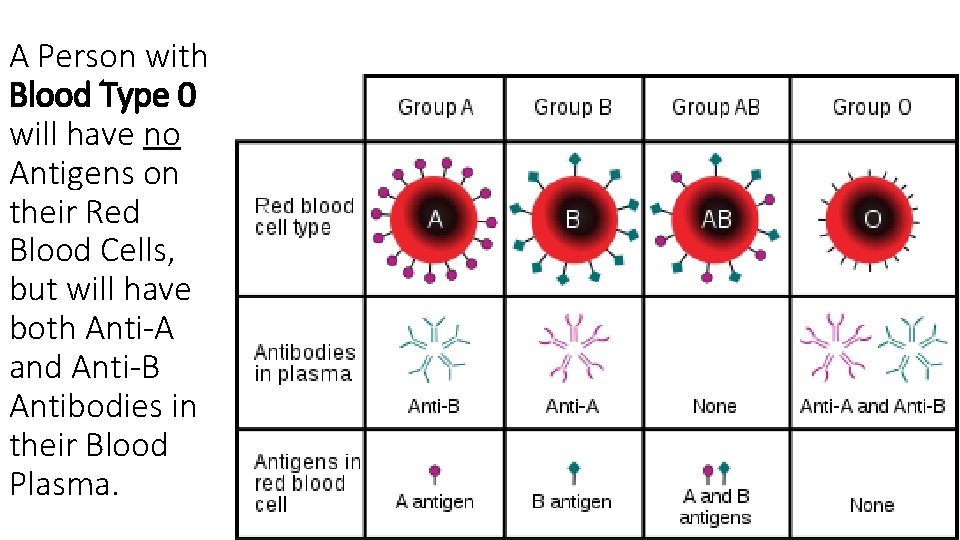
A Person with Blood Type 0 will have no Antigens on their Red Blood Cells, but will have both Anti-A and Anti-B Antibodies in their Blood Plasma.
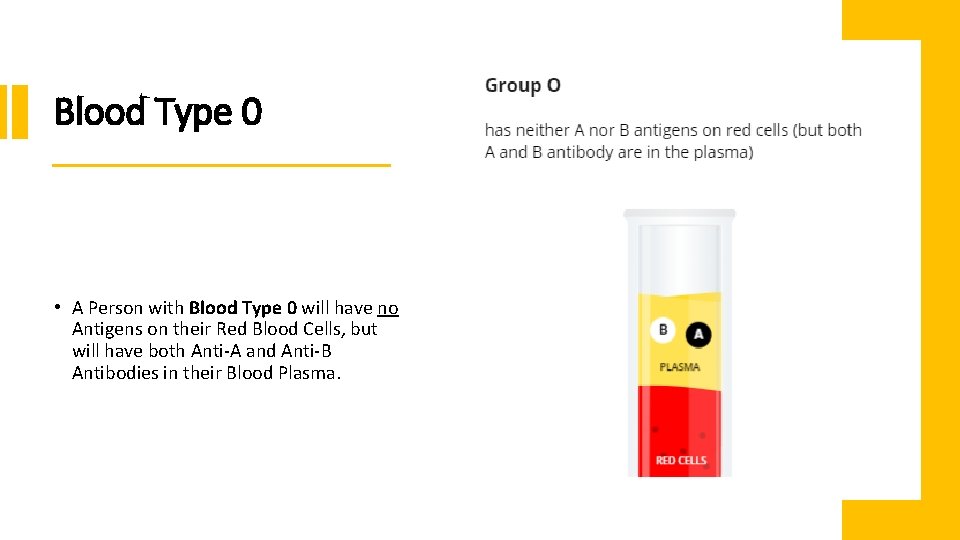
Blood Type 0 • A Person with Blood Type 0 will have no Antigens on their Red Blood Cells, but will have both Anti-A and Anti-B Antibodies in their Blood Plasma.
The RH Factor • In addition to the A and B antigens, there is a protein called the Rh factor, which can be either present (+) or absent (–), creating the 8 most common blood types (A+, A-, B+, B-, O+, O, AB+, AB-).
Blood Transfusions • There are very specific ways in which blood types must be matched for a safe transfusion. The right blood transfusion can mean the difference between life and death.
Blood Transfusions • Every 2 seconds someone in the US needs a blood transfusion. • Use the interactive graphic below to learn more about matching blood types for transfusions. • Also, Rh-negative blood is given to Rh-negative patients, and Rh-positive or Rh-negative blood may be given to Rh-positive patients. The rules for plasma are the reverse.
Universal Donors • The universal red cell donor has Type O negative blood. • The universal plasma donor has Type AB blood.
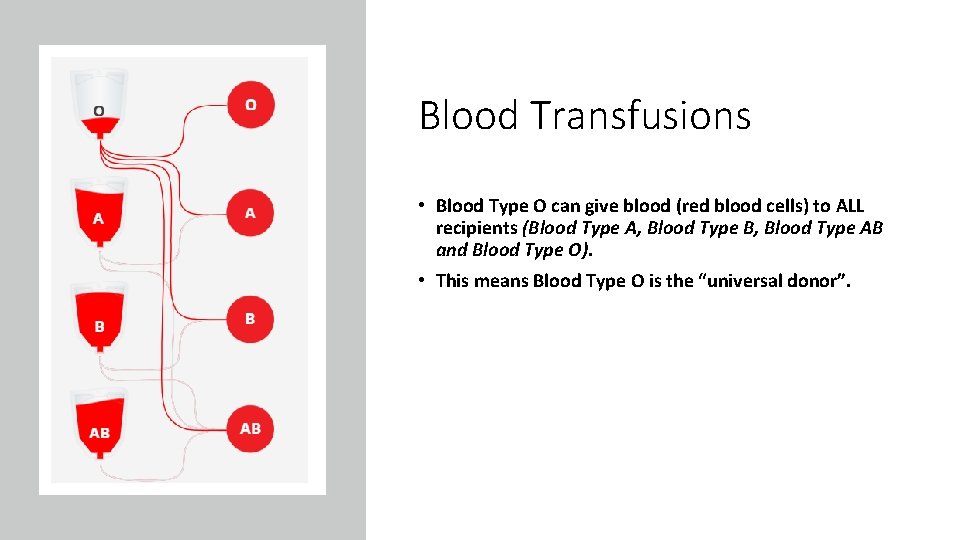
Blood Transfusions • Blood Type O can give blood (red blood cells) to ALL recipients (Blood Type A, Blood Type B, Blood Type AB and Blood Type O). • This means Blood Type O is the “universal donor”.
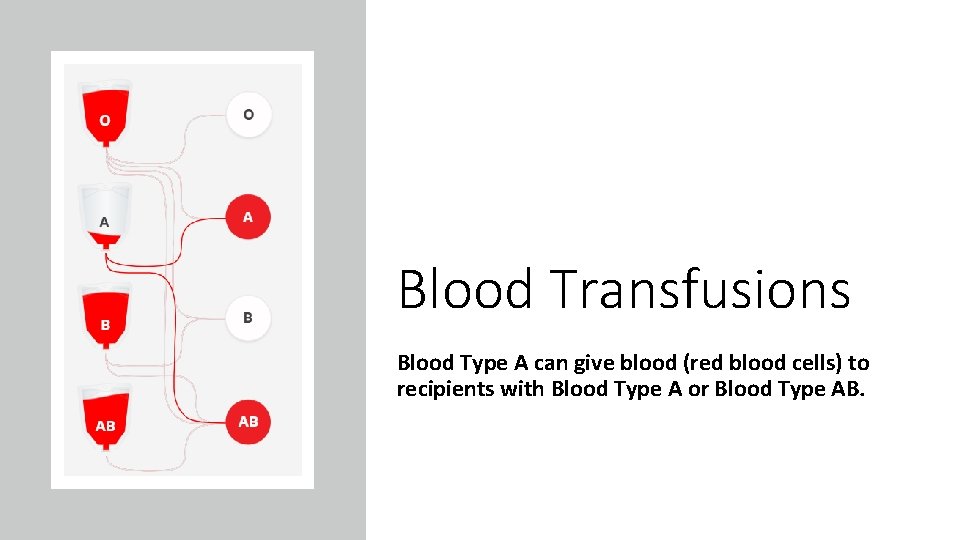
Blood Transfusions Blood Type A can give blood (red blood cells) to recipients with Blood Type A or Blood Type AB.
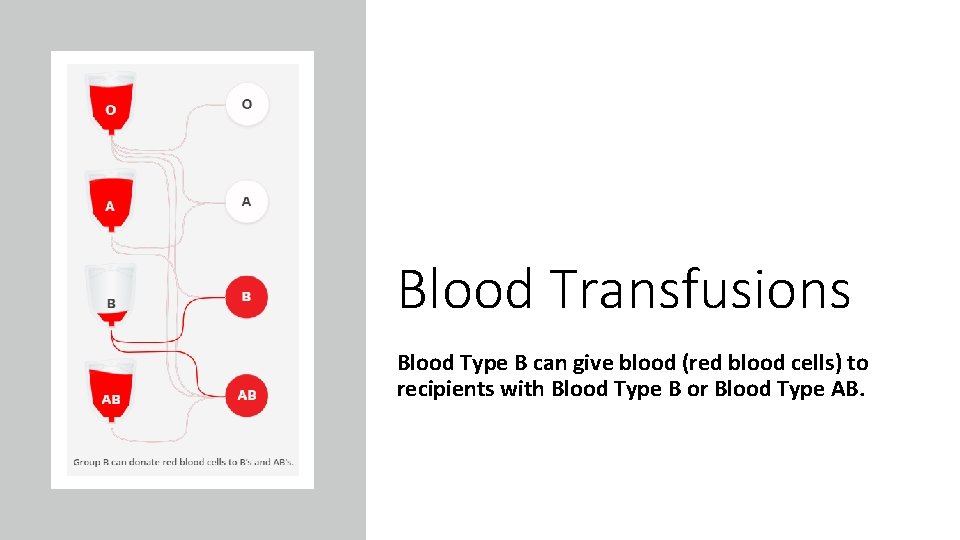
Blood Transfusions Blood Type B can give blood (red blood cells) to recipients with Blood Type B or Blood Type AB.
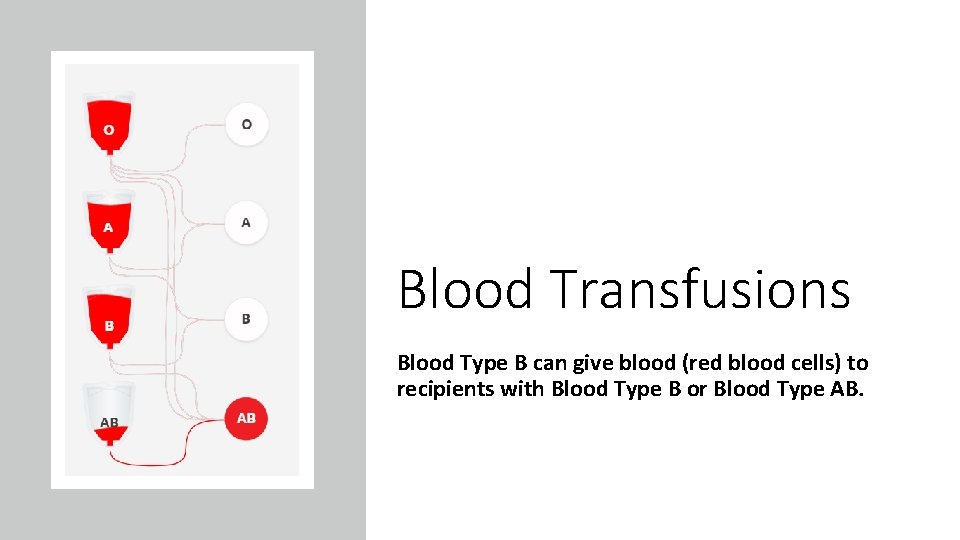
Blood Transfusions Blood Type B can give blood (red blood cells) to recipients with Blood Type B or Blood Type AB.

Blood Typing Game! • If you have FLASk enabled on your computer, you can PLAY ALONG at https: //educationalgames. nob elprize. org/educational/medic ine/bloodtypinggame/
Blood Typing • What happens if you get a blood transfusion with the wrong blood type? Even though a patient's own blood type is the first choice for blood transfusions, it's not always available at the blood bank. Try to save some patients' lives and learn about human blood types!
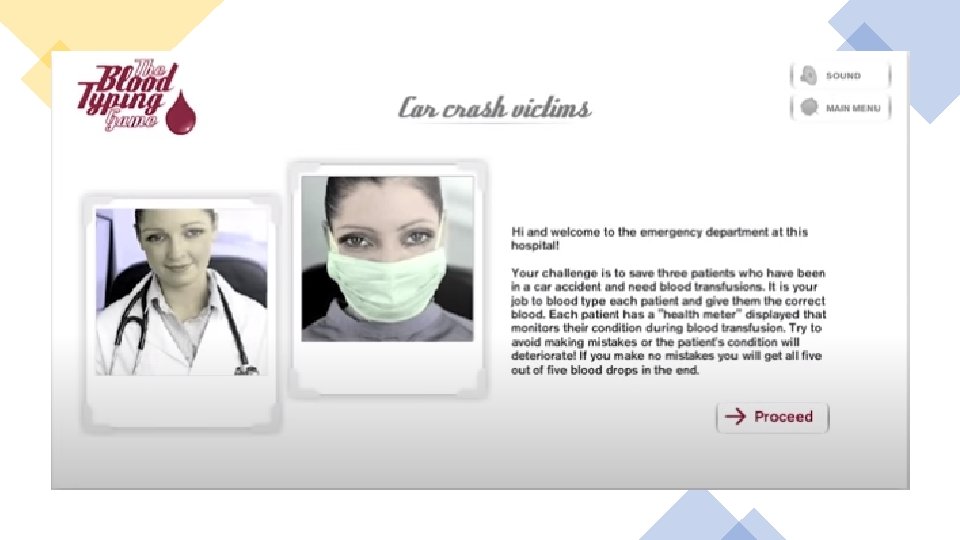
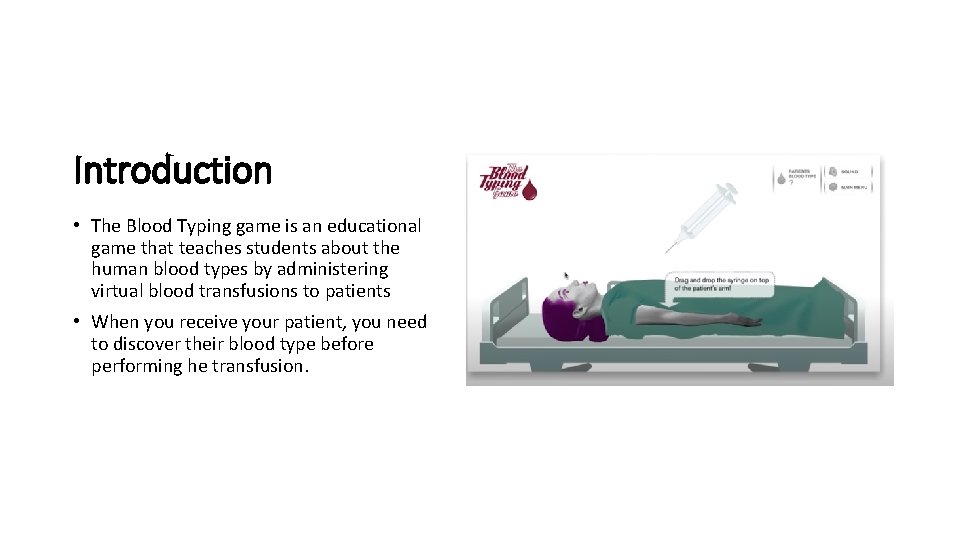
Introduction • The Blood Typing game is an educational game that teaches students about the human blood types by administering virtual blood transfusions to patients • When you receive your patient, you need to discover their blood type before performing he transfusion.
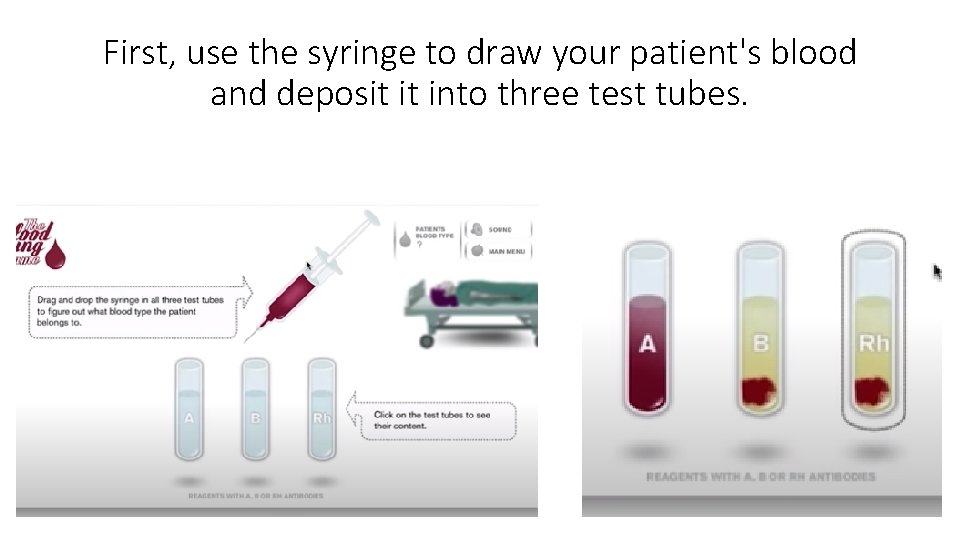
First, use the syringe to draw your patient's blood and deposit it into three test tubes.
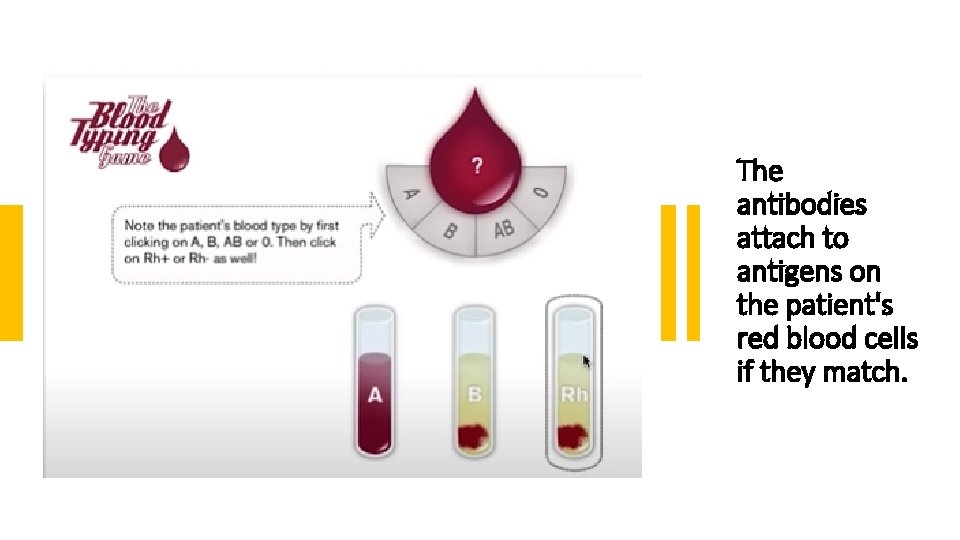
The antibodies attach to antigens on the patient's red blood cells if they match.
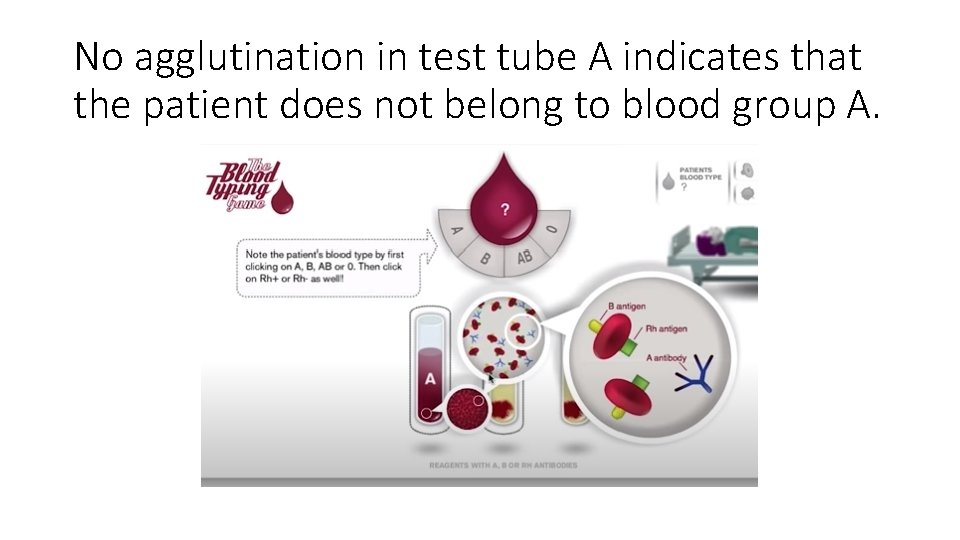
No agglutination in test tube A indicates that the patient does not belong to blood group A.
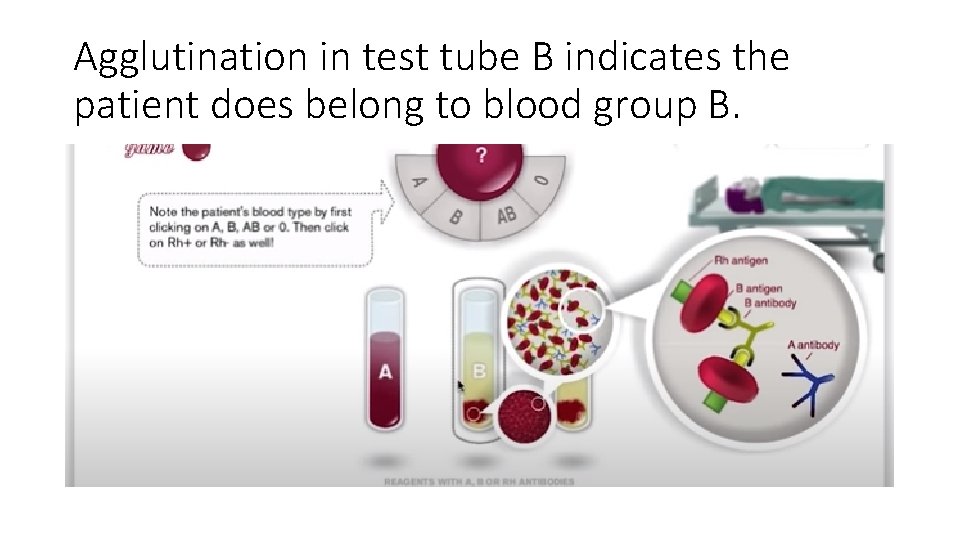
Agglutination in test tube B indicates the patient does belong to blood group B.
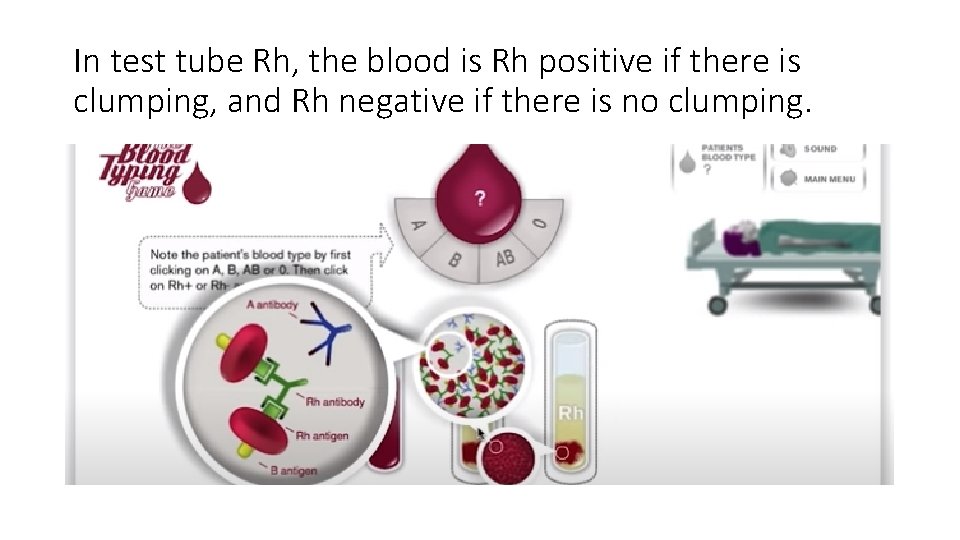
In test tube Rh, the blood is Rh positive if there is clumping, and Rh negative if there is no clumping.
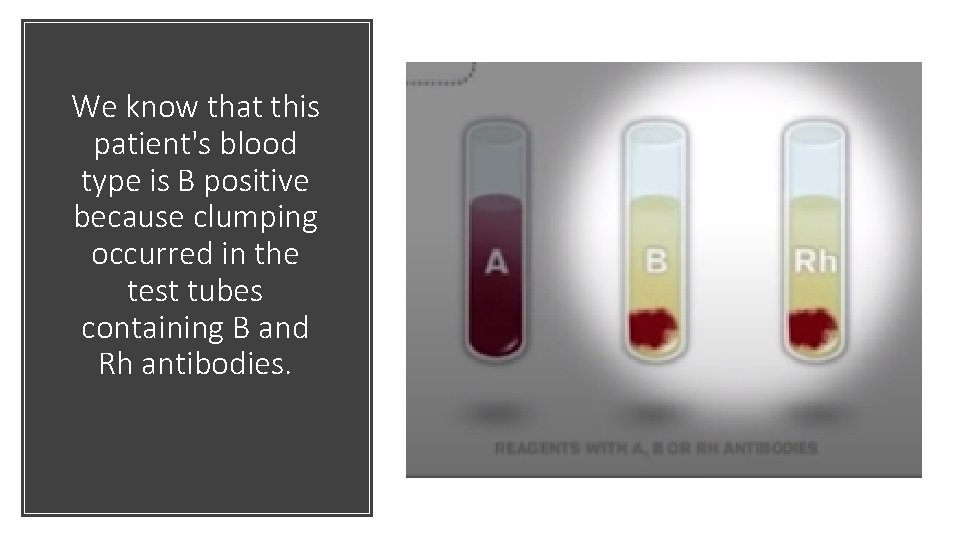
We know that this patient's blood type is B positive because clumping occurred in the test tubes containing B and Rh antibodies.
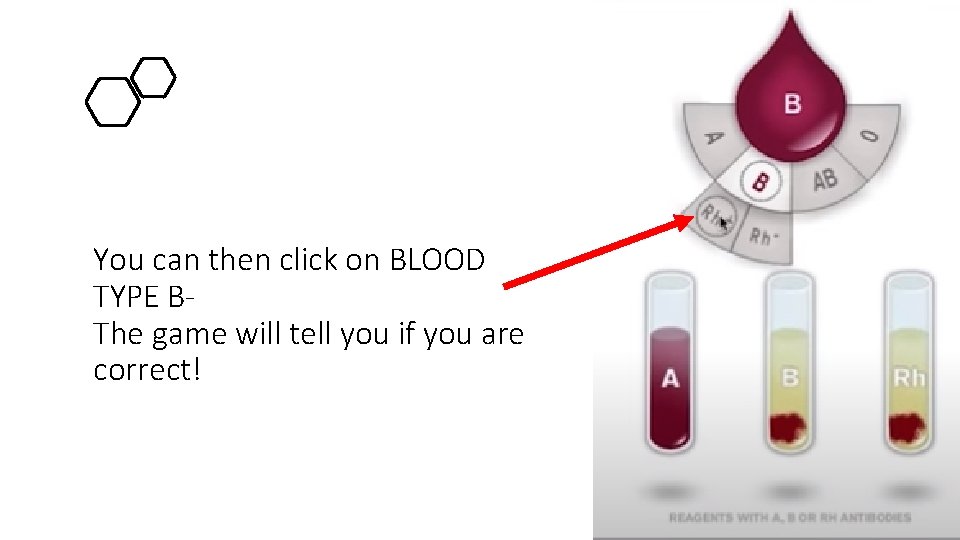
You can then click on BLOOD TYPE BThe game will tell you if you are correct!
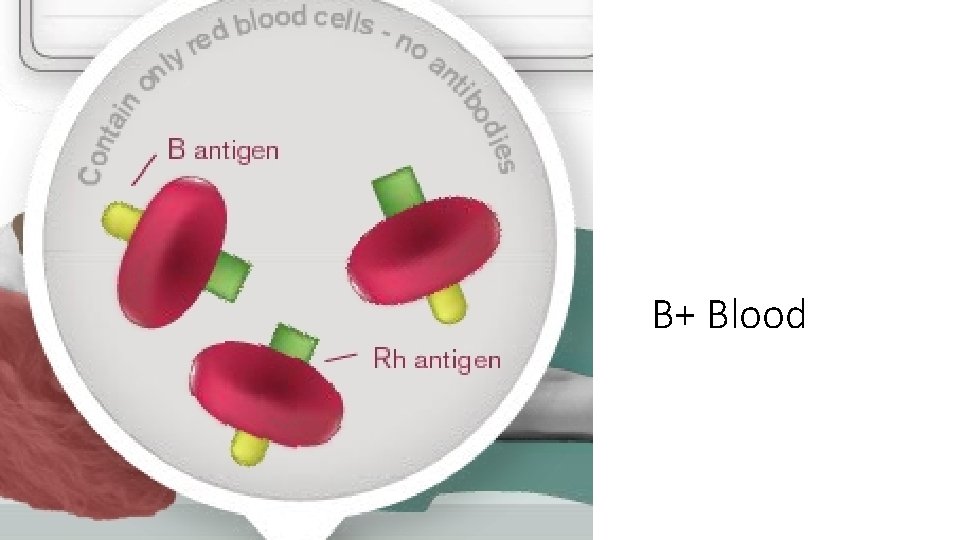
B+ Blood
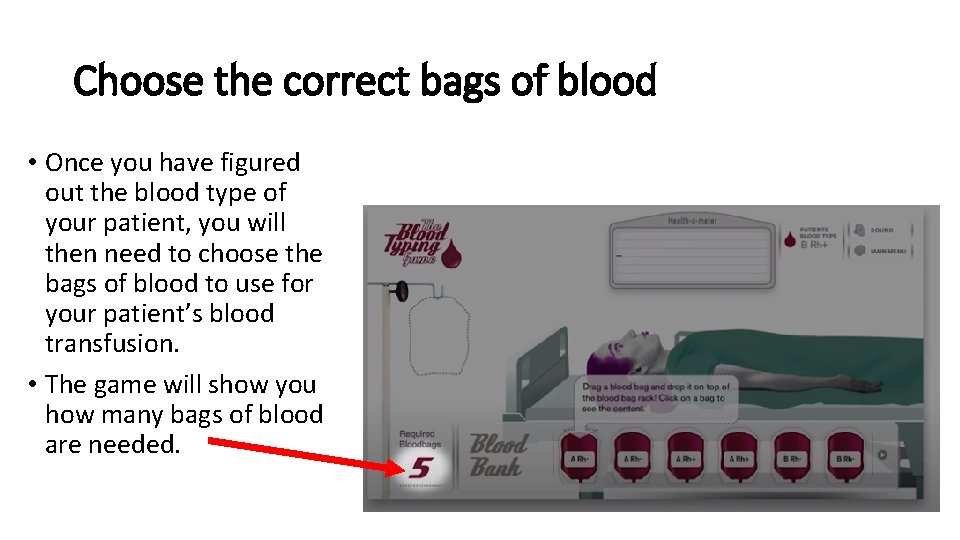
Choose the correct bags of blood • Once you have figured out the blood type of your patient, you will then need to choose the bags of blood to use for your patient’s blood transfusion. • The game will show you how many bags of blood are needed.
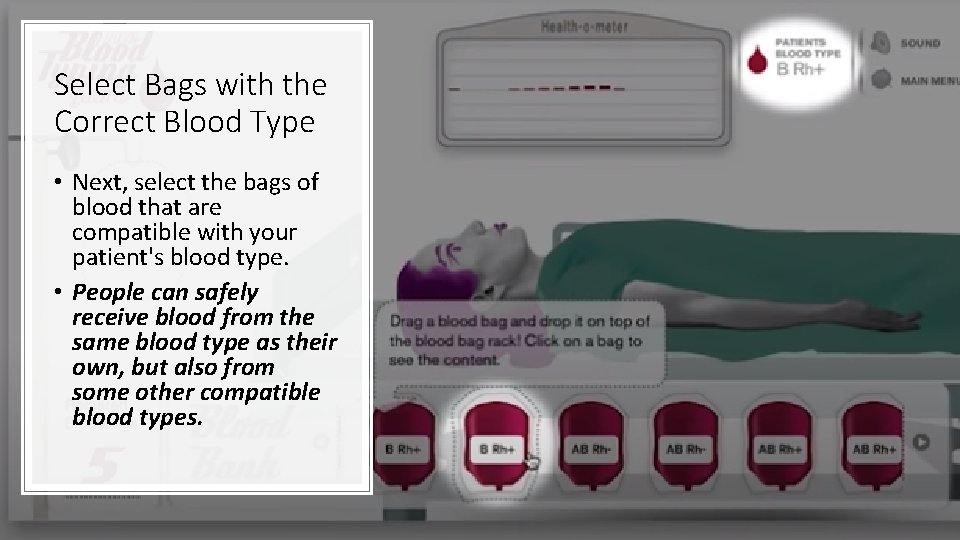
Select Bags with the Correct Blood Type • Next, select the bags of blood that are compatible with your patient's blood type. • People can safely receive blood from the same blood type as their own, but also from some other compatible blood types.
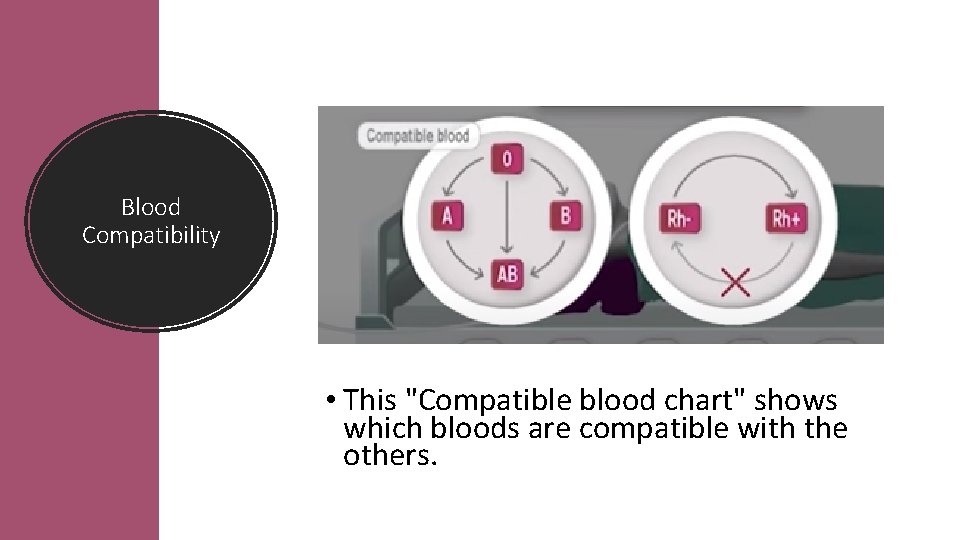
Blood Compatibility • This "Compatible blood chart" shows which bloods are compatible with the others.
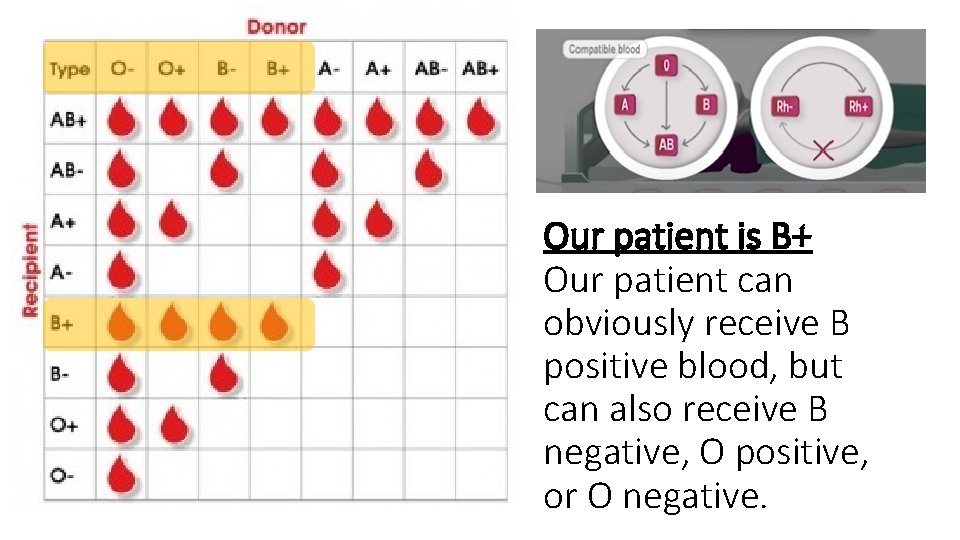
Our patient is B+ Our patient can obviously receive B positive blood, but can also receive B negative, O positive, or O negative.
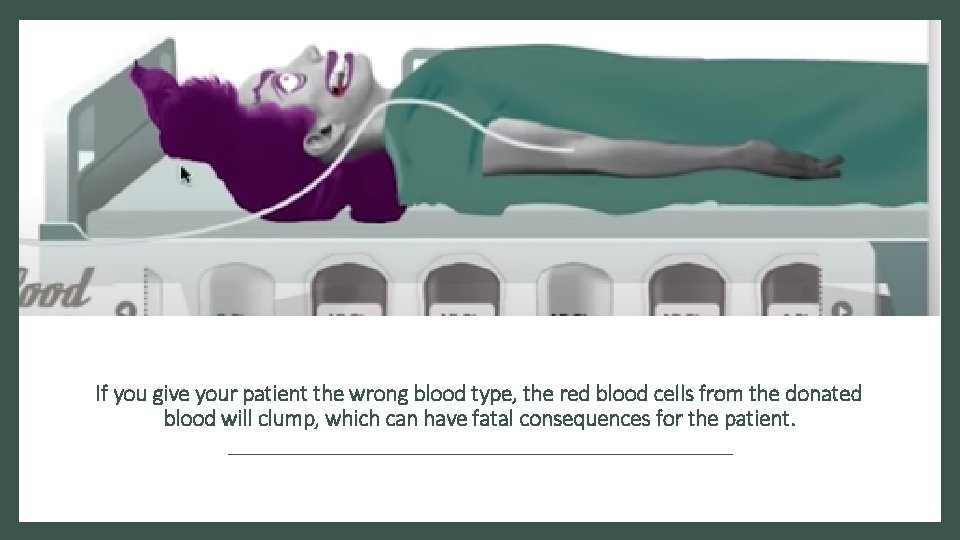
If you give your patient the wrong blood type, the red blood cells from the donated blood will clump, which can have fatal consequences for the patient.
• Play the game or review blood typing and blood transfusions and answer the questions for your lab write up!
- Slides: 36