
VIROLOGIA Engineering Viral Genomes Alphavirus Vectors Viral vectors
- Slides: 22
VIROLOGIA Engineering Viral Genomes: Alphavirus Vectors
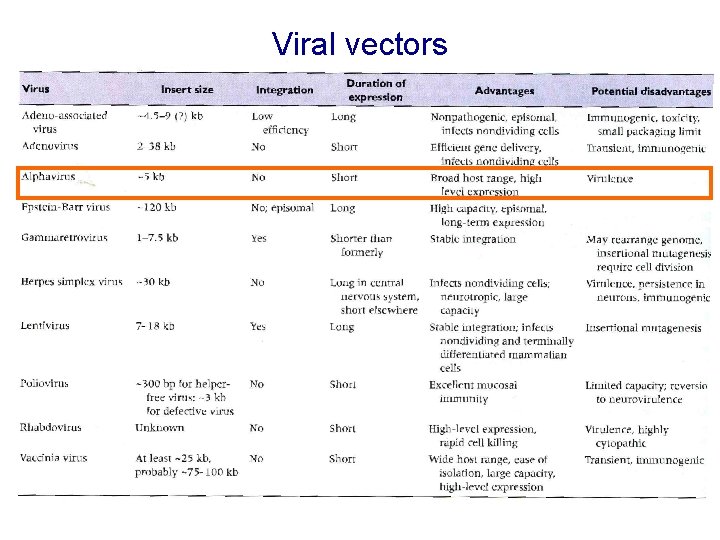
Viral vectors
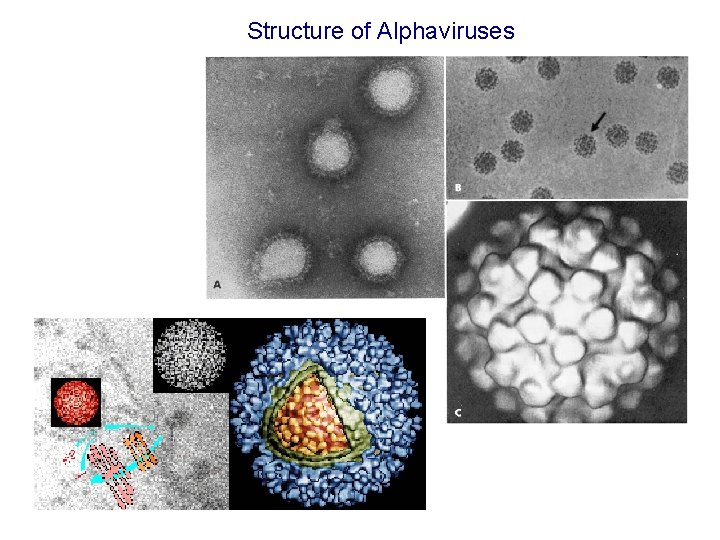
Structure of Alphaviruses
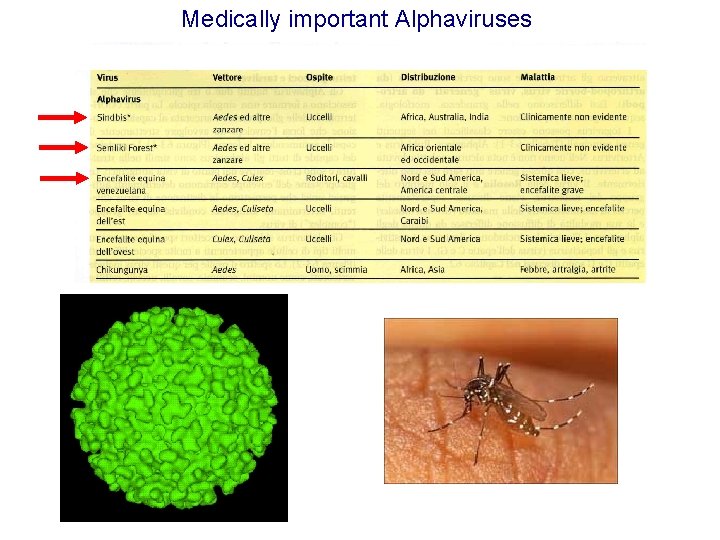
Medically important Alphaviruses
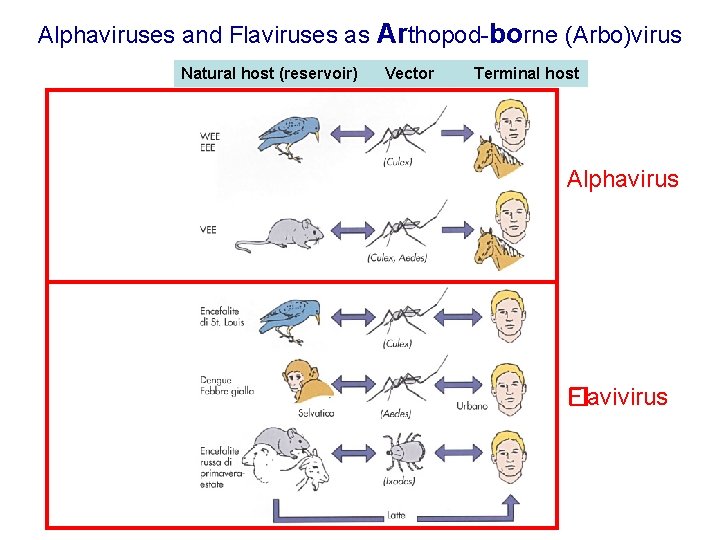
Alphaviruses and Flaviruses as Arthopod-borne (Arbo)virus Natural host (reservoir) Vector Terminal host Alphavirus Flavivirus �
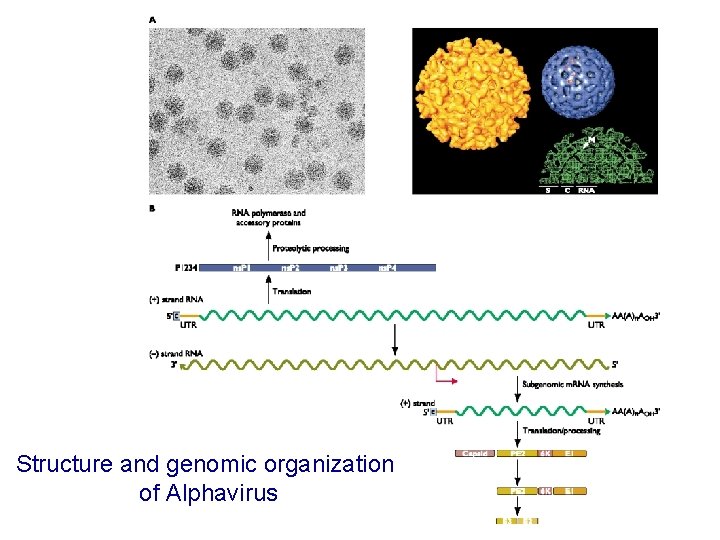
Structure and genomic organization of Alphavirus
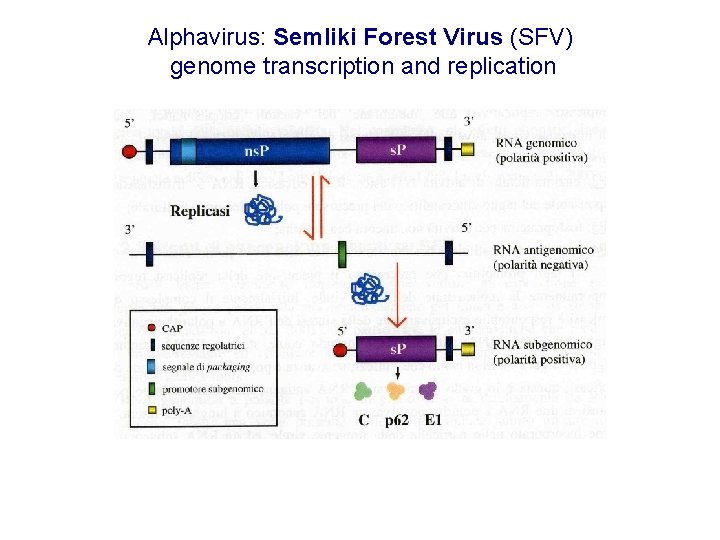
Alphavirus: Semliki Forest Virus (SFV) genome transcription and replication
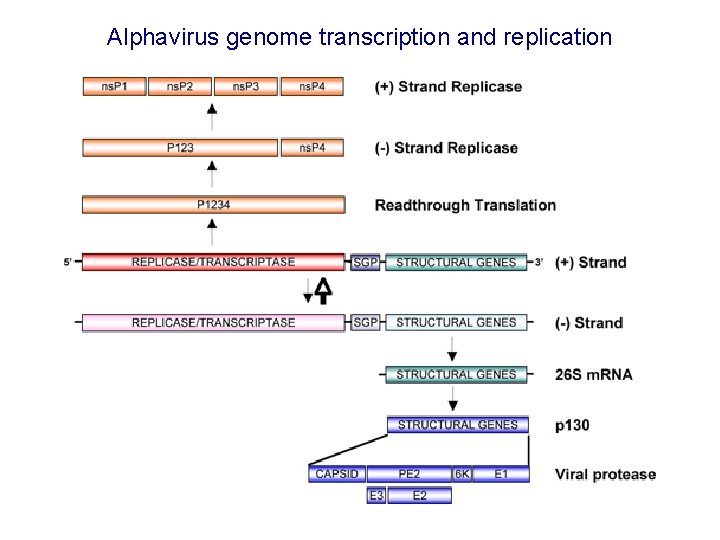
Alphavirus genome transcription and replication
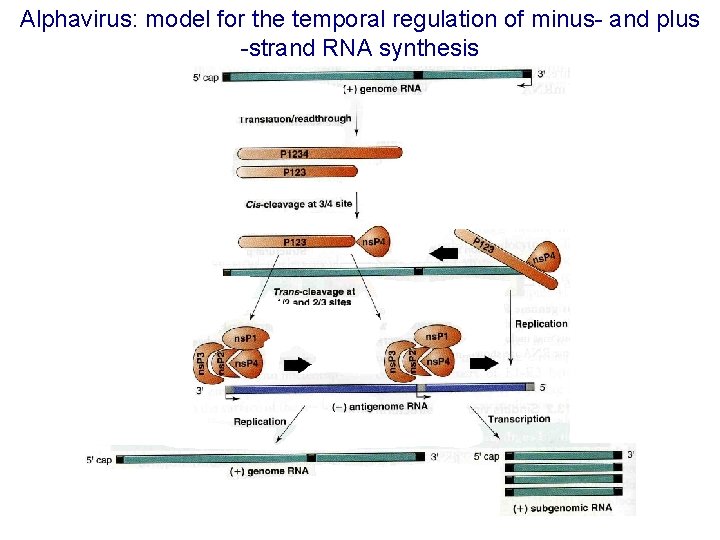
Alphavirus: model for the temporal regulation of minus- and plus -strand RNA synthesis
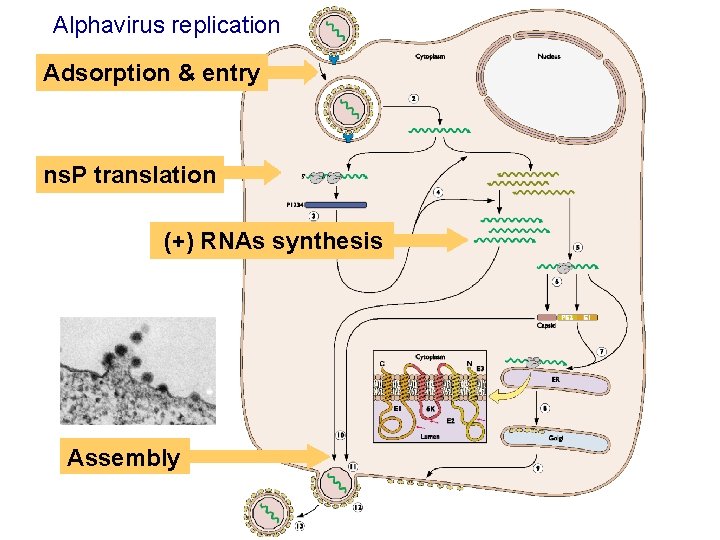
Alphavirus replication Adsorption & entry ns. P translation (+) RNAs synthesis Assembly
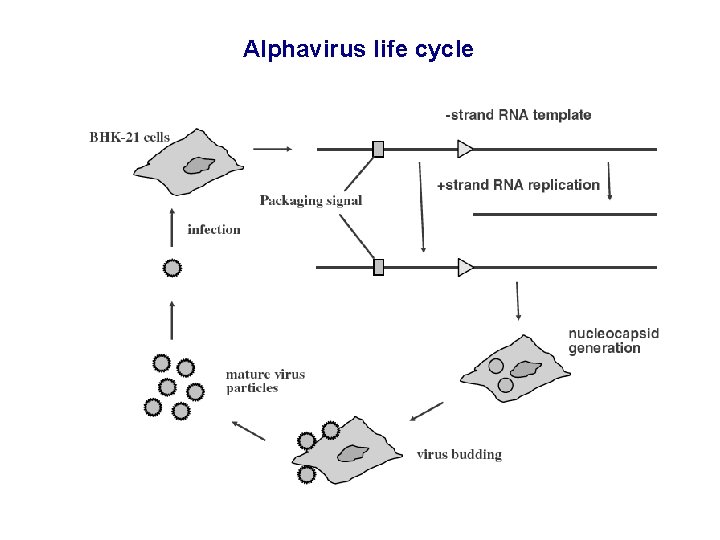
Alphavirus life cycle
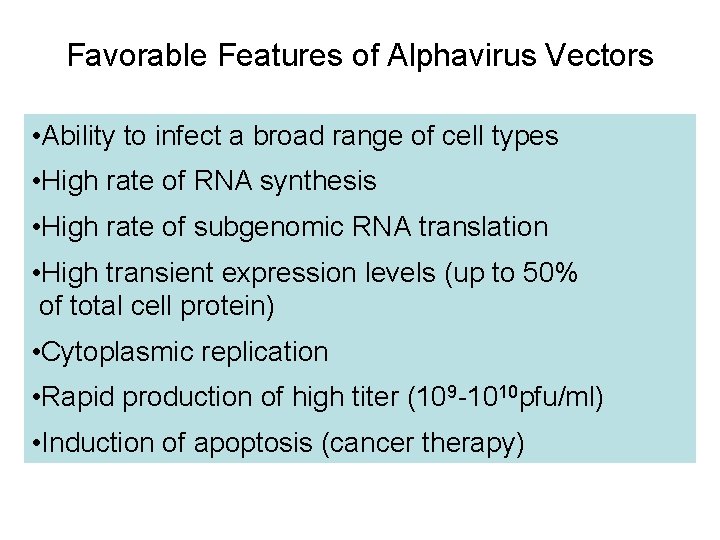
Favorable Features of Alphavirus Vectors • Ability to infect a broad range of cell types • High rate of RNA synthesis • High rate of subgenomic RNA translation • High transient expression levels (up to 50% of total cell protein) • Cytoplasmic replication • Rapid production of high titer (109 -1010 pfu/ml) • Induction of apoptosis (cancer therapy)
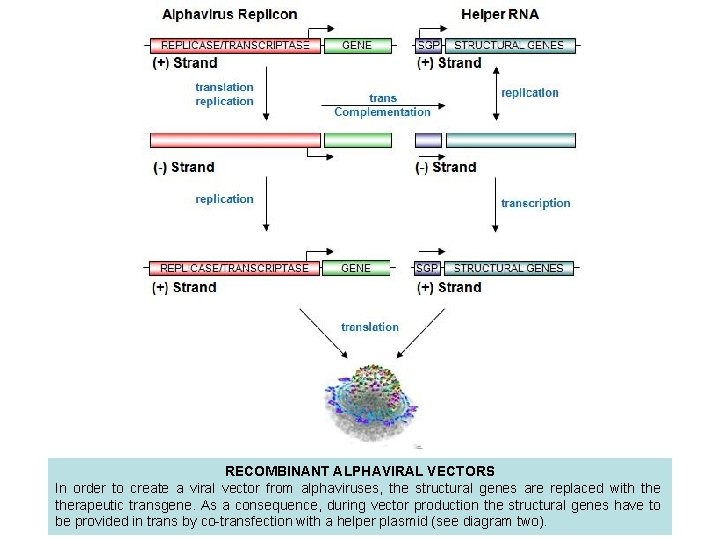
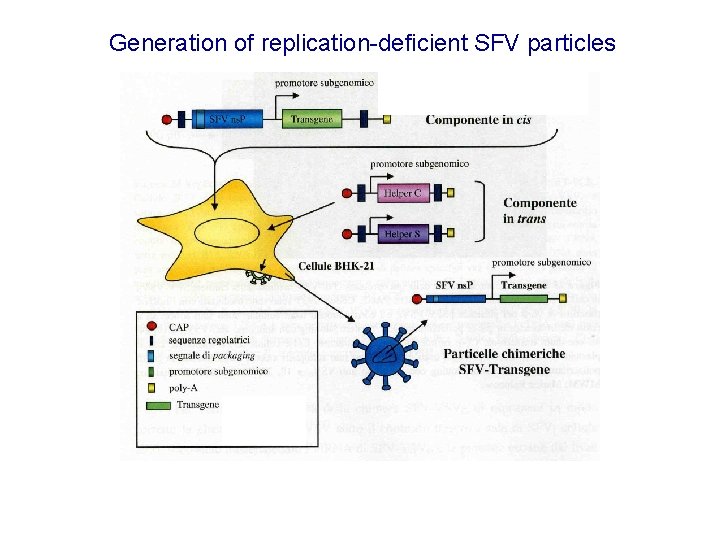
RECOMBINANT ALPHAVIRAL VECTORS In order to create a viral vector from alphaviruses, the structural genes are replaced with therapeutic transgene. As a consequence, during vector production the structural genes have to be provided in trans by co-transfection with a helper plasmid (see diagram two).
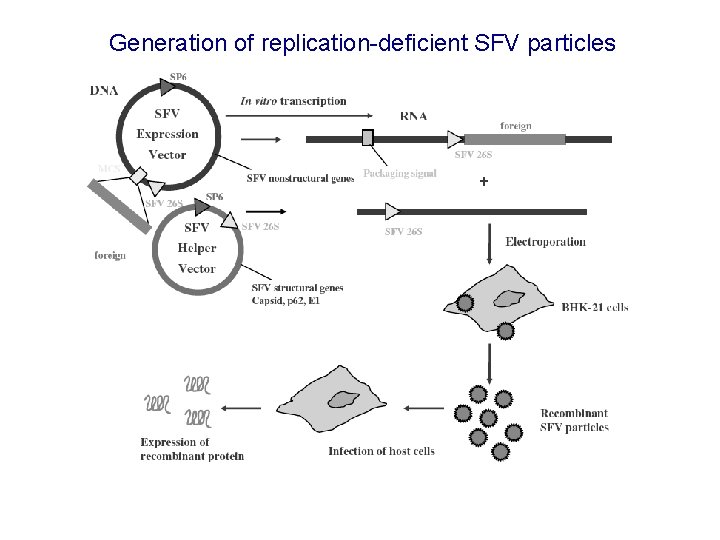
Generation of replication-deficient SFV particles
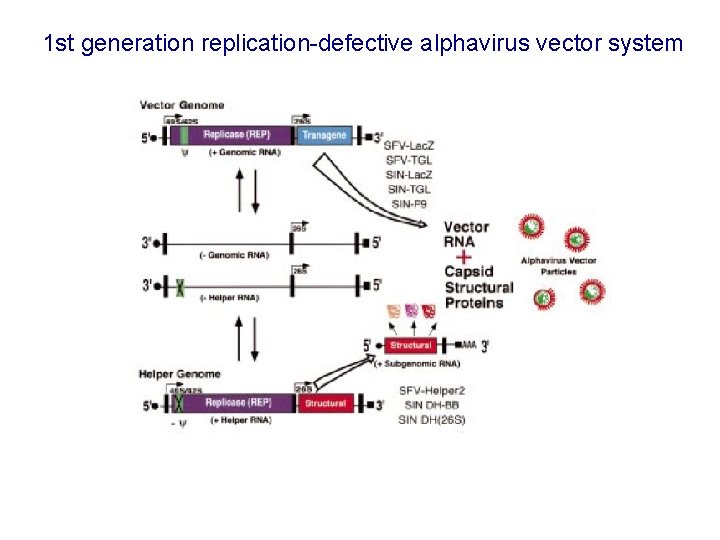
1 st generation replication-defective alphavirus vector system
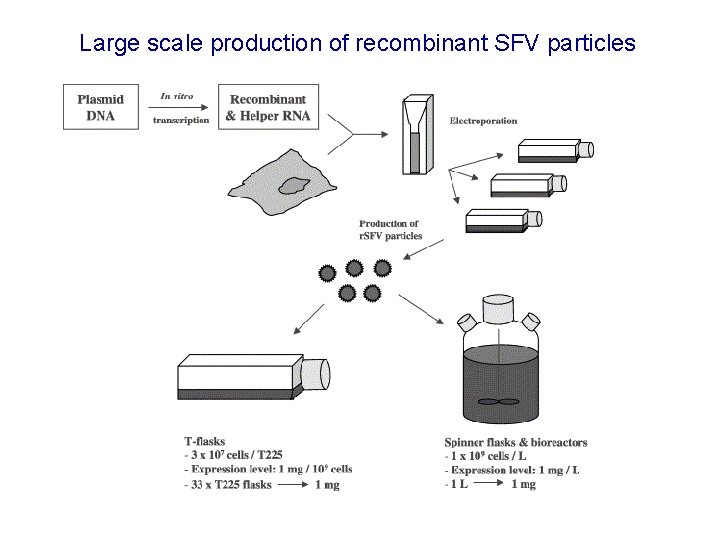
Large scale production of recombinant SFV particles
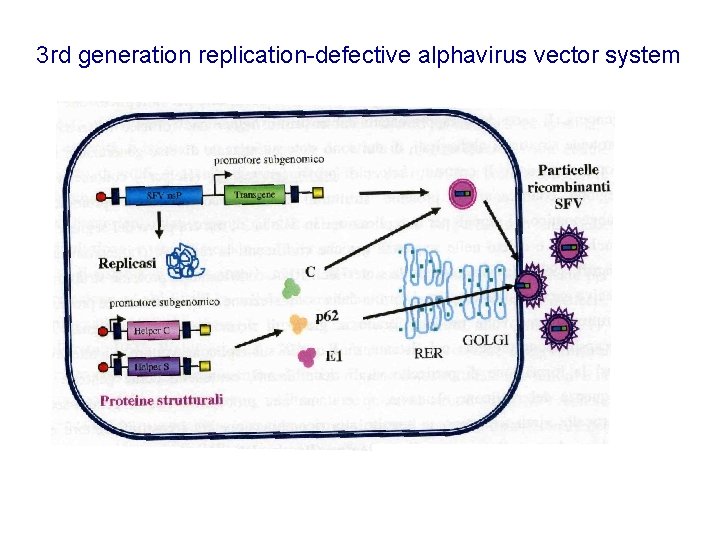
3 rd generation replication-defective alphavirus vector system
Generation of replication-deficient SFV particles
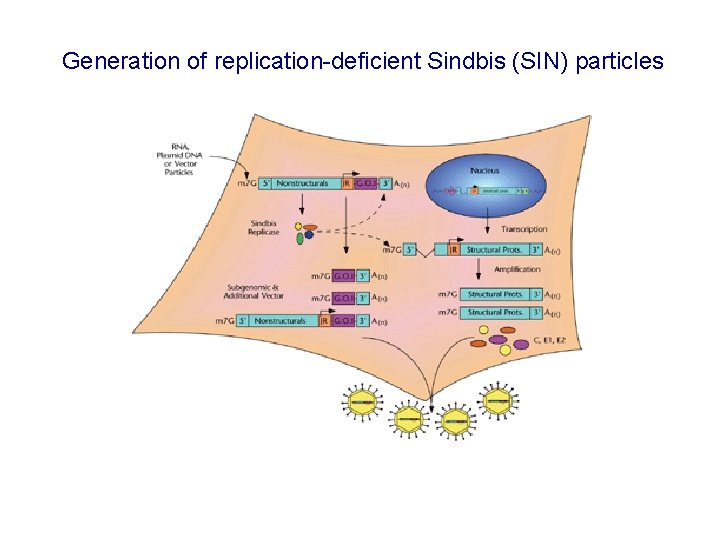
Generation of replication-deficient Sindbis (SIN) particles
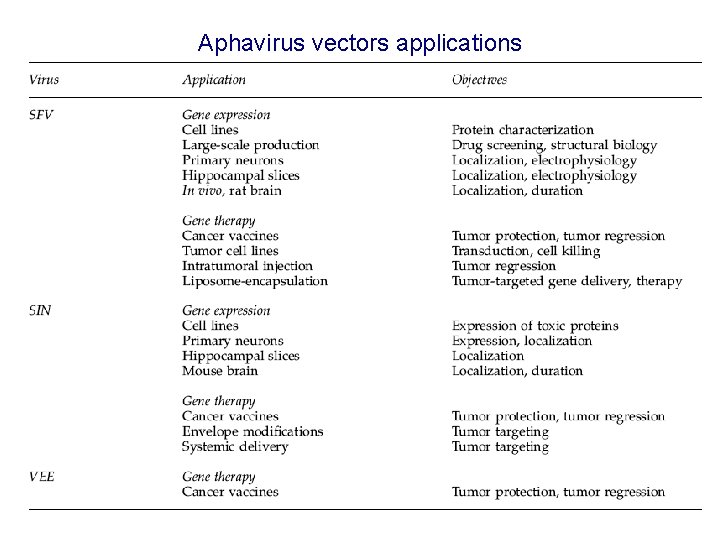
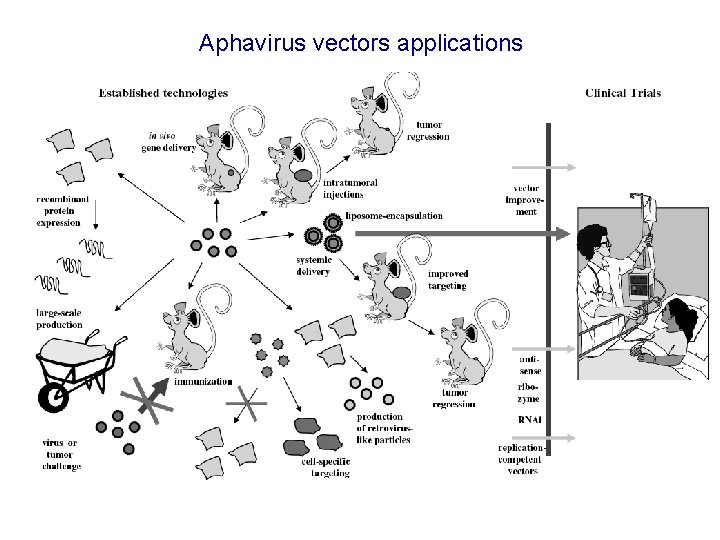
Aphavirus vectors applications
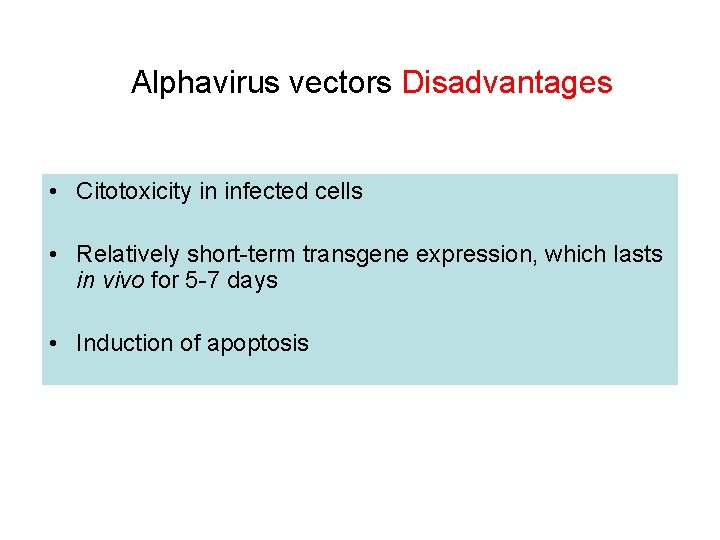
Alphavirus vectors Disadvantages • Citotoxicity in infected cells • Relatively short-term transgene expression, which lasts in vivo for 5 -7 days • Induction of apoptosis
Aphavirus vectors applications