
Viral Encephalitis Definitions Pathogenesis Epidemiology Clinical findingsdiagnosistreatment Specific

- Slides: 45
Viral Encephalitis • • • Definitions Pathogenesis Epidemiology Clinical findings/diagnosis/treatment Specific examples: – HSV-1 – Arboviruses/West Nile – Rabies
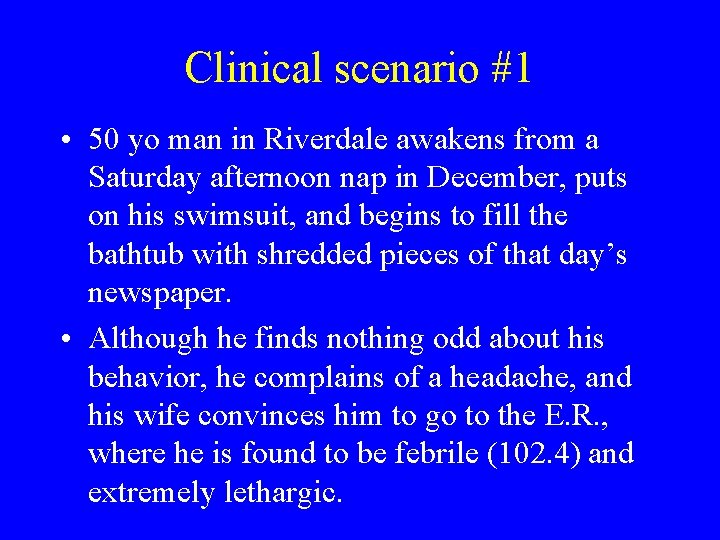
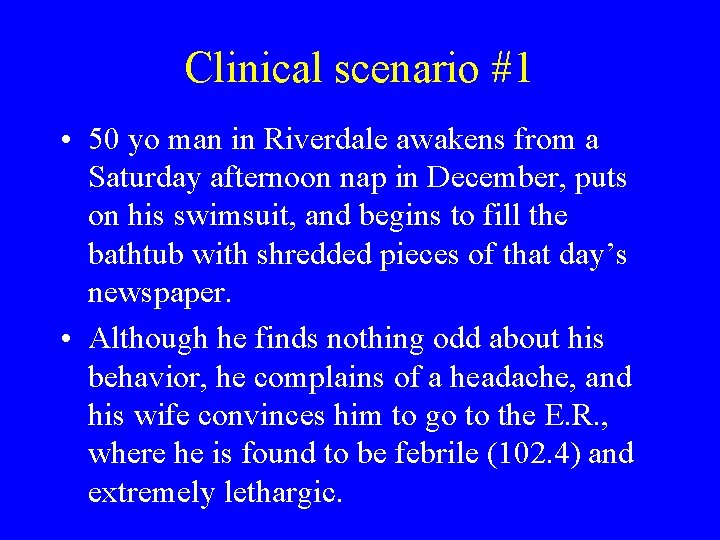
Clinical scenario #1 • 50 yo man in Riverdale awakens from a Saturday afternoon nap in December, puts on his swimsuit, and begins to fill the bathtub with shredded pieces of that day’s newspaper. • Although he finds nothing odd about his behavior, he complains of a headache, and his wife convinces him to go to the E. R. , where he is found to be febrile (102. 4) and extremely lethargic.
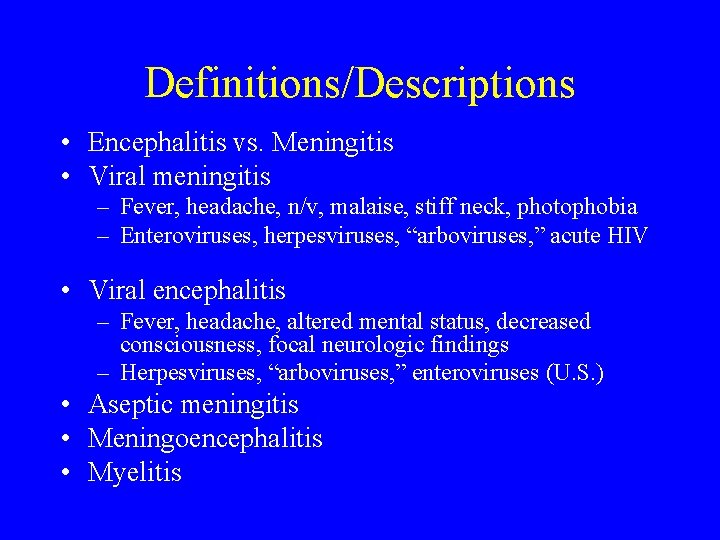
Definitions/Descriptions • Encephalitis vs. Meningitis • Viral meningitis – Fever, headache, n/v, malaise, stiff neck, photophobia – Enteroviruses, herpesviruses, “arboviruses, ” acute HIV • Viral encephalitis – Fever, headache, altered mental status, decreased consciousness, focal neurologic findings – Herpesviruses, “arboviruses, ” enteroviruses (U. S. ) • Aseptic meningitis • Meningoencephalitis • Myelitis
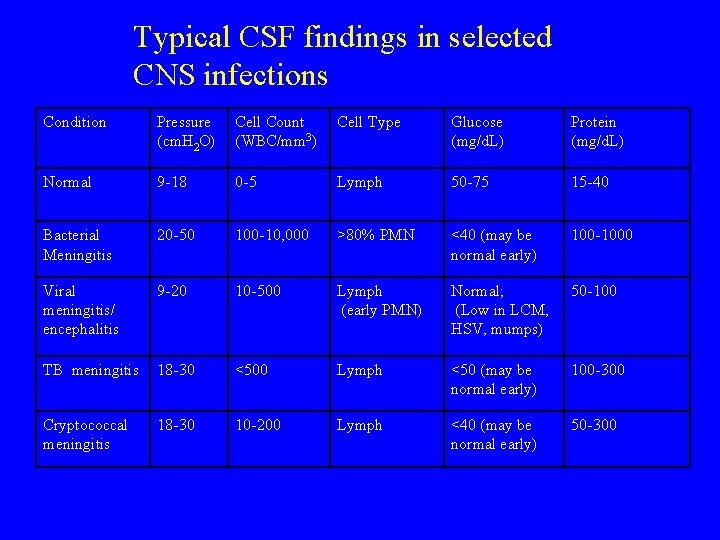
Typical CSF findings in selected CNS infections Condition Pressure (cm. H 2 O) Cell Count (WBC/mm 3) Cell Type Glucose (mg/d. L) Protein (mg/d. L) Normal 9 -18 0 -5 Lymph 50 -75 15 -40 Bacterial Meningitis 20 -50 100 -10, 000 >80% PMN <40 (may be normal early) 100 -1000 Viral meningitis/ encephalitis 9 -20 10 -500 Lymph (early PMN) Normal; (Low in LCM, HSV, mumps) 50 -100 TB meningitis 18 -30 <500 Lymph <50 (may be normal early) 100 -300 Cryptococcal meningitis 18 -30 10 -200 Lymph <40 (may be normal early) 50 -300
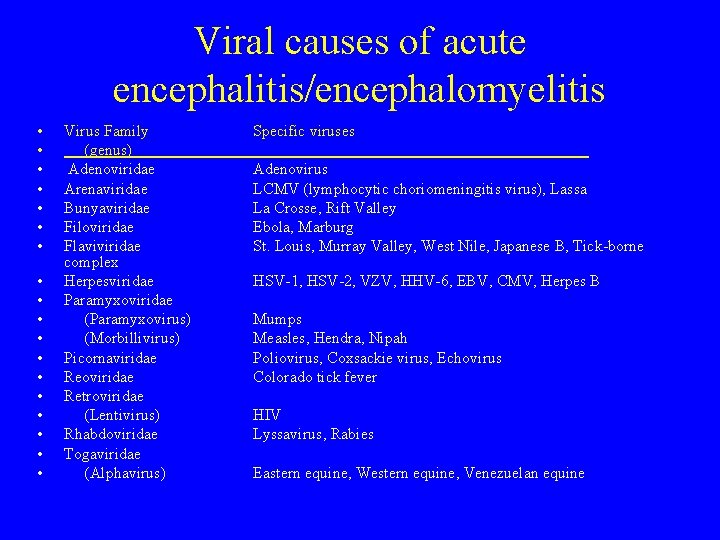
Viral causes of acute encephalitis/encephalomyelitis • • • • • Virus Family Specific viruses (genus)_____________________________ Adenoviridae Adenovirus Arenaviridae LCMV (lymphocytic choriomeningitis virus), Lassa Bunyaviridae La Crosse, Rift Valley Filoviridae Ebola, Marburg Flaviviridae St. Louis, Murray Valley, West Nile, Japanese B, Tick-borne complex Herpesviridae HSV-1, HSV-2, VZV, HHV-6, EBV, CMV, Herpes B Paramyxoviridae (Paramyxovirus) Mumps (Morbillivirus) Measles, Hendra, Nipah Picornaviridae Poliovirus, Coxsackie virus, Echovirus Reoviridae Colorado tick fever Retroviridae (Lentivirus) HIV Rhabdoviridae Lyssavirus, Rabies Togaviridae (Alphavirus) Eastern equine, Western equine, Venezuelan equine
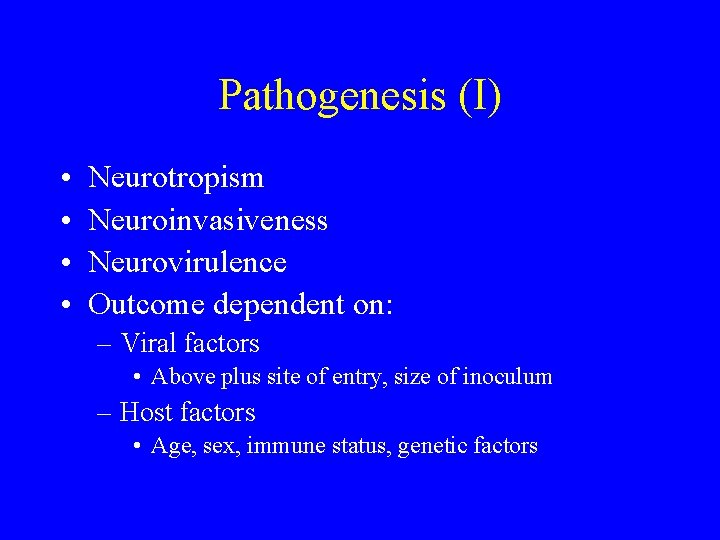
Pathogenesis (I) • • Neurotropism Neuroinvasiveness Neurovirulence Outcome dependent on: – Viral factors • Above plus site of entry, size of inoculum – Host factors • Age, sex, immune status, genetic factors
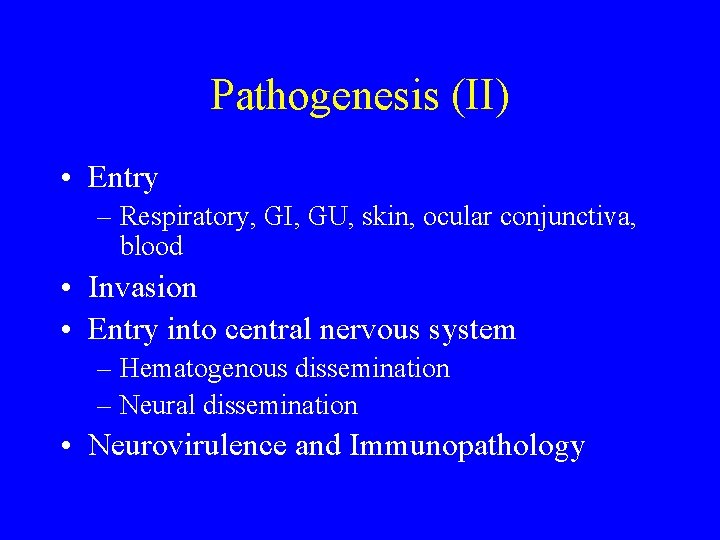
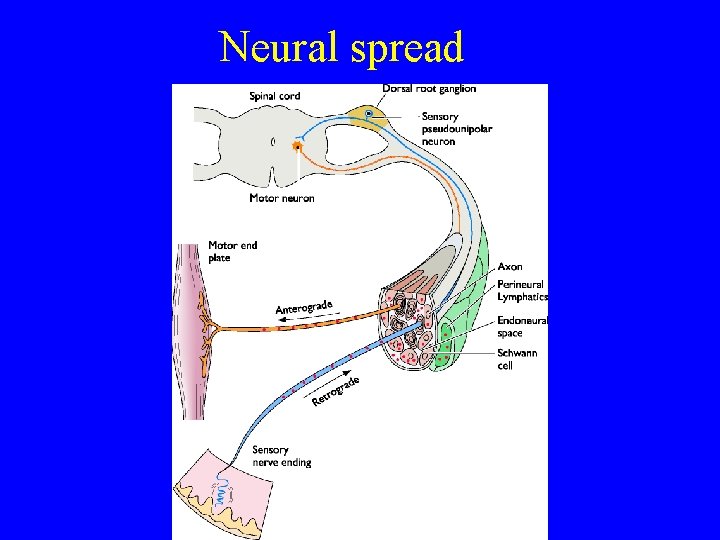
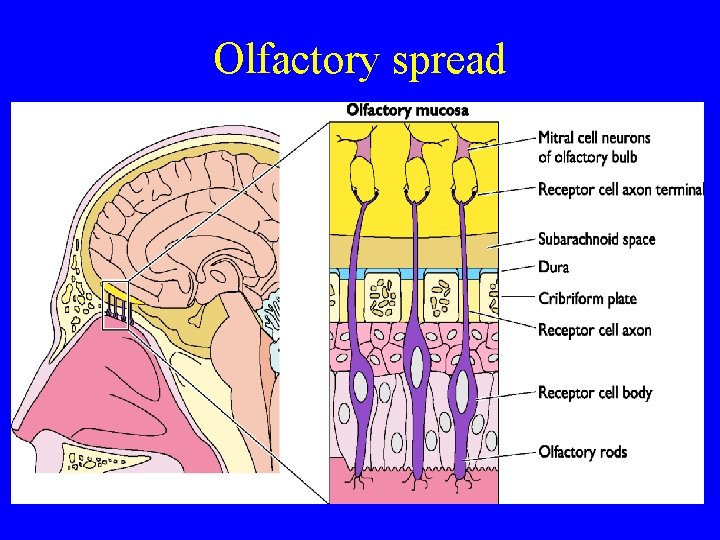
Pathogenesis (II) • Entry – Respiratory, GI, GU, skin, ocular conjunctiva, blood • Invasion • Entry into central nervous system – Hematogenous dissemination – Neural dissemination • Neurovirulence and Immunopathology
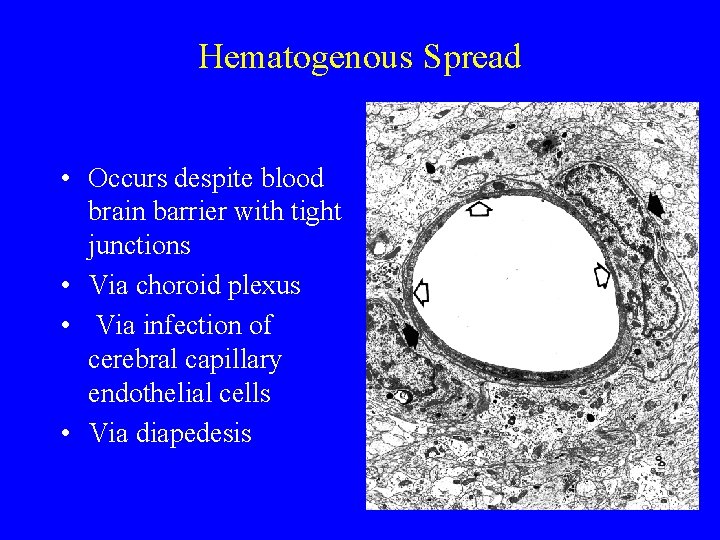
Hematogenous Spread • Occurs despite blood brain barrier with tight junctions • Via choroid plexus • Via infection of cerebral capillary endothelial cells • Via diapedesis
Neural spread
Olfactory spread
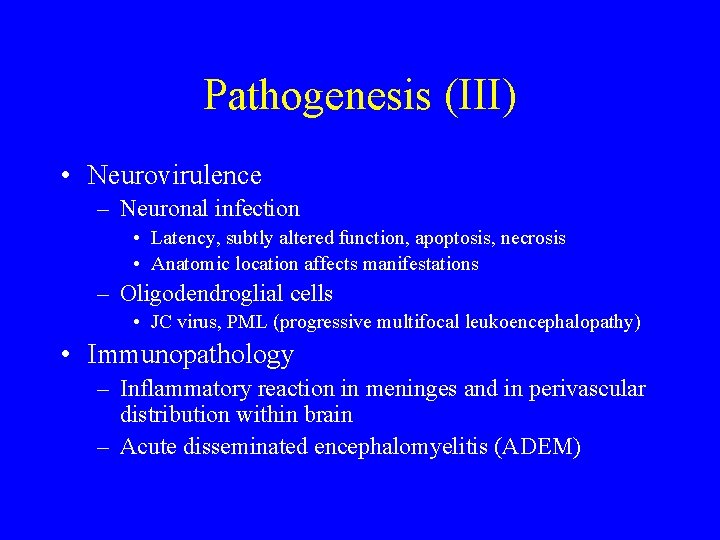
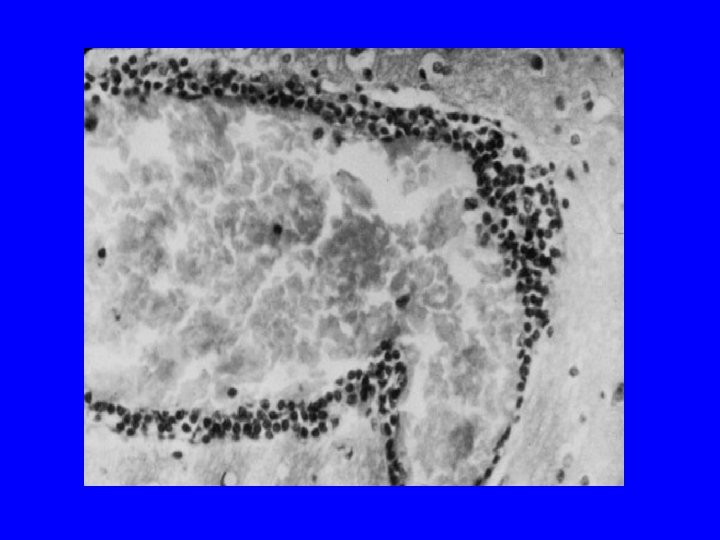
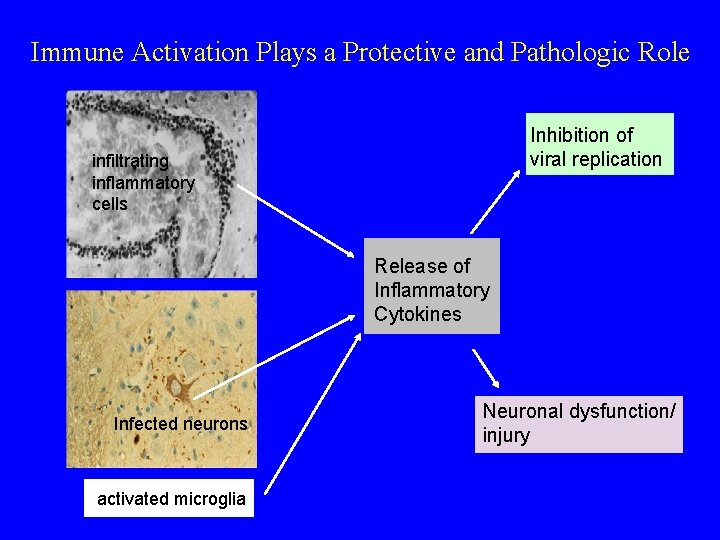
Pathogenesis (III) • Neurovirulence – Neuronal infection • Latency, subtly altered function, apoptosis, necrosis • Anatomic location affects manifestations – Oligodendroglial cells • JC virus, PML (progressive multifocal leukoencephalopathy) • Immunopathology – Inflammatory reaction in meninges and in perivascular distribution within brain – Acute disseminated encephalomyelitis (ADEM)
Immune Activation Plays a Protective and Pathologic Role Inhibition of viral replication infiltrating inflammatory cells Release of Inflammatory Cytokines Infected neurons activated microglia Neuronal dysfunction/ injury
Epidemiology • 20, 000 cases annually in U. S. • Worldwide incidence unknown – 10, 000 deaths due to Japanese encephalitis – 60, 000 deaths due to rabies • • Geographic and temporal niches Iceberg phenomenon Extremes of age and the immunocompromised Altered by +/- routine vaccinations
Clinical Features • • Headache Fever Altered consciousness Confusion, cognitive impairment, personality changes Seizures Weakness and movement disorders PRESENCE OF FOCAL NEUROLOGIC FINDINGS IN ADDITION TO FEVER AND HEADACHES – THINK ENCEPHALITIS Prognosis
Diagnosis and Treatment • Diagnosis – History and Physical – *CSF profile • Mild-mod lymph pleocytosis, normal or slightly elevated protein, normal glucose – Rule out other causes – Viral cultures, detection of viral nucleic acid, serology of CSF and serum – MRI, EEG • Treatment supportive except acyclovir for HSV
Clinical scenario #1 • 50 yo man in Riverdale awakens from a Saturday afternoon nap in December, puts on his swimsuit, and begins to fill the bathtub with shredded pieces of that day’s newspaper. • Although he finds nothing odd about his behavior, he complains of a headache, and his wife convinces him to go to the E. R. , where he is found to be febrile (102. 4) and extremely lethargic.
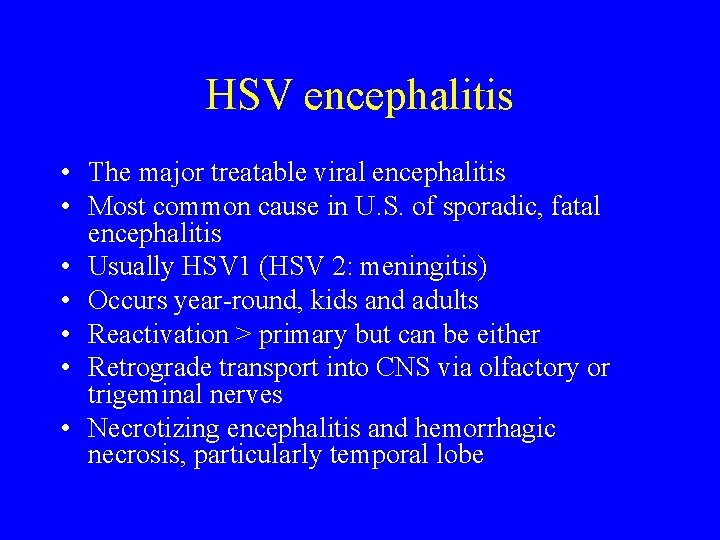
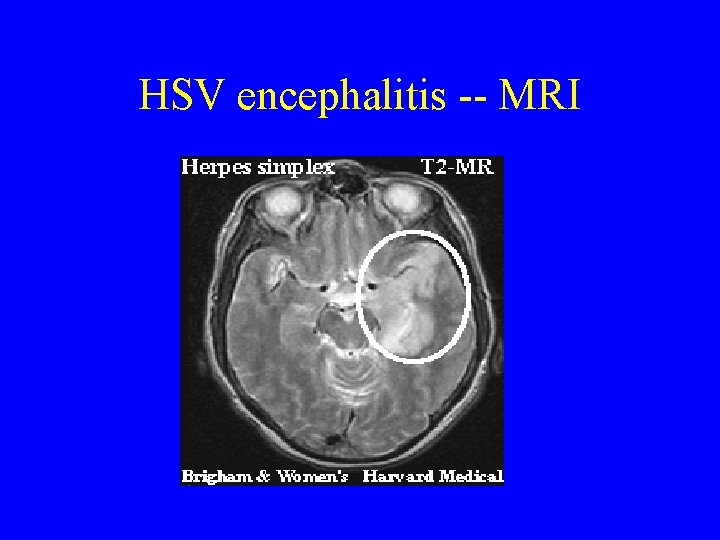
HSV encephalitis • The major treatable viral encephalitis • Most common cause in U. S. of sporadic, fatal encephalitis • Usually HSV 1 (HSV 2: meningitis) • Occurs year-round, kids and adults • Reactivation > primary but can be either • Retrograde transport into CNS via olfactory or trigeminal nerves • Necrotizing encephalitis and hemorrhagic necrosis, particularly temporal lobe
HSV encephalitis -- MRI
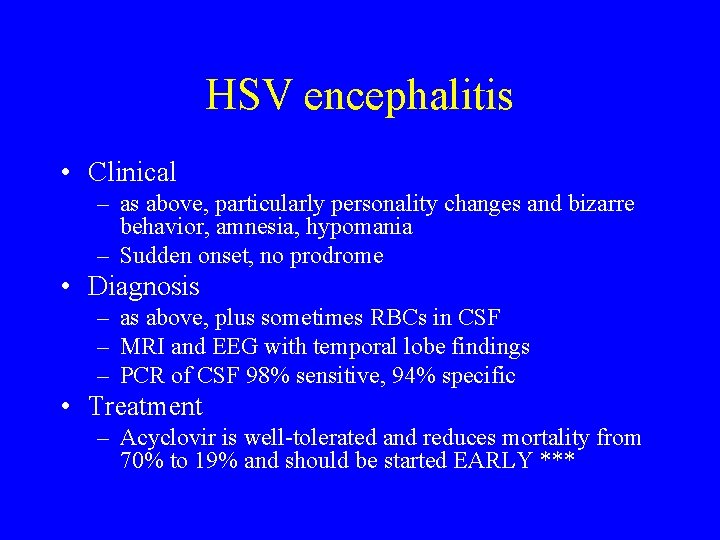
HSV encephalitis • Clinical – as above, particularly personality changes and bizarre behavior, amnesia, hypomania – Sudden onset, no prodrome • Diagnosis – as above, plus sometimes RBCs in CSF – MRI and EEG with temporal lobe findings – PCR of CSF 98% sensitive, 94% specific • Treatment – Acyclovir is well-tolerated and reduces mortality from 70% to 19% and should be started EARLY ***
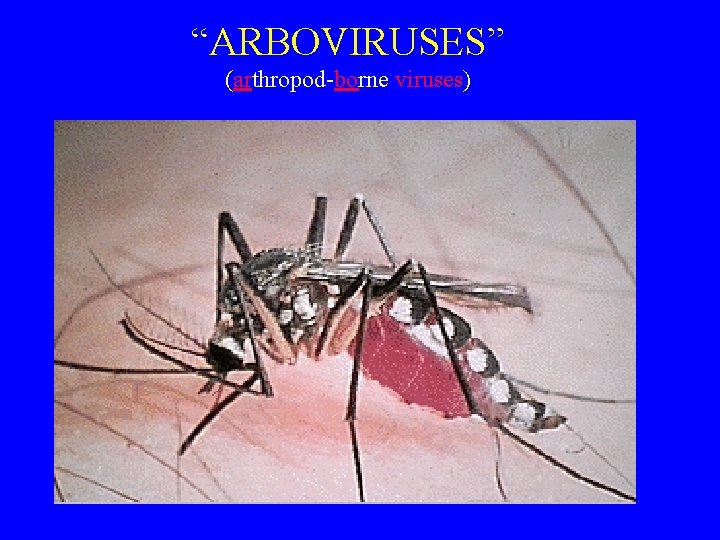
“ARBOVIRUSES” (arthropod-borne viruses)
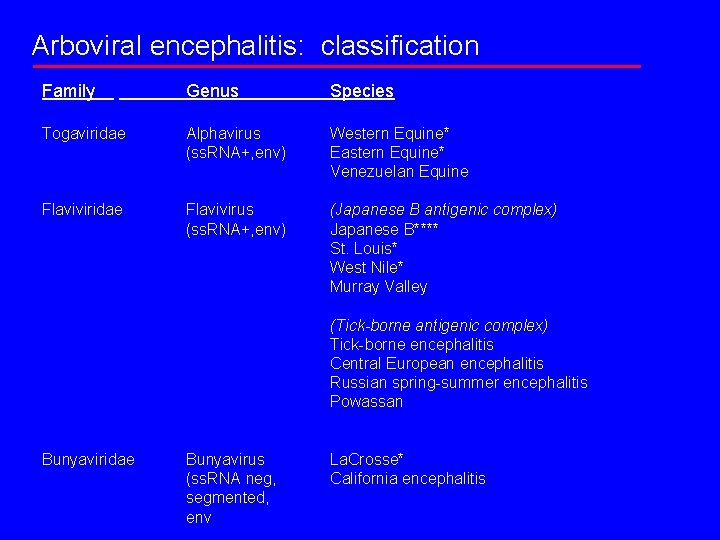
Arboviral encephalitis: classification Family Genus Species Togaviridae Alphavirus (ss. RNA+, env) Western Equine* Eastern Equine* Venezuelan Equine Flaviviridae Flavivirus (ss. RNA+, env) (Japanese B antigenic complex) Japanese B**** St. Louis* West Nile* Murray Valley (Tick-borne antigenic complex) Tick-borne encephalitis Central European encephalitis Russian spring-summer encephalitis Powassan Bunyaviridae Bunyavirus (ss. RNA neg, segmented, env La. Crosse* California encephalitis
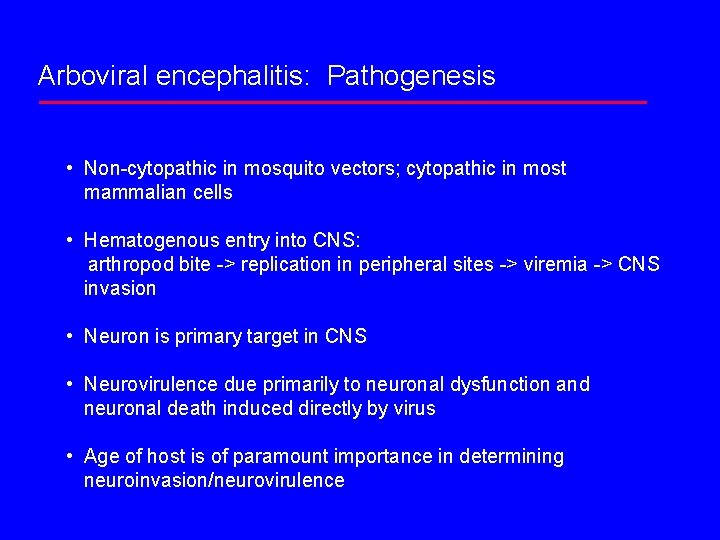
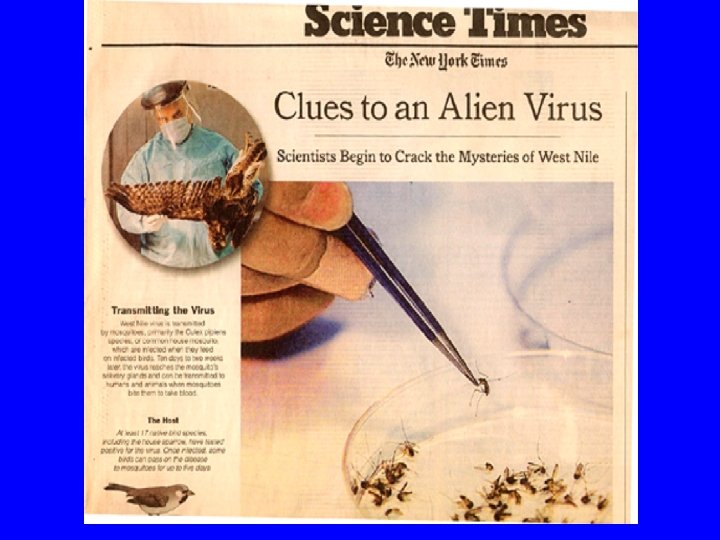
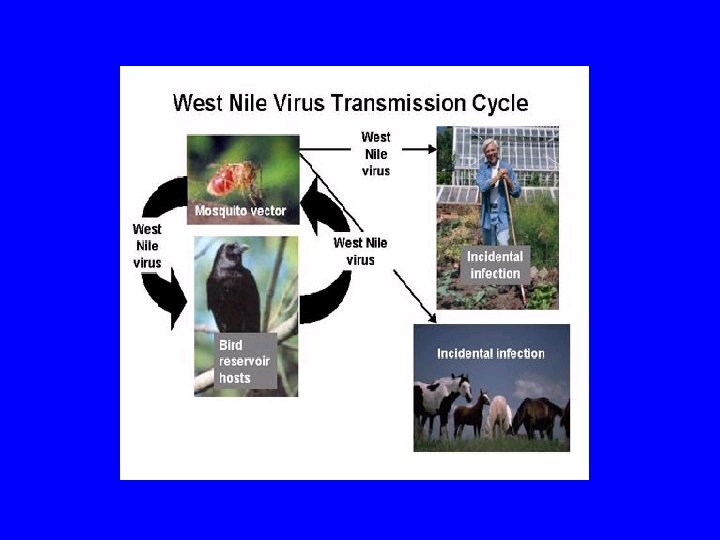
Arboviral encephalitis: Pathogenesis • Non-cytopathic in mosquito vectors; cytopathic in most mammalian cells • Hematogenous entry into CNS: arthropod bite -> replication in peripheral sites -> viremia -> CNS invasion • Neuron is primary target in CNS • Neurovirulence due primarily to neuronal dysfunction and neuronal death induced directly by virus • Age of host is of paramount importance in determining neuroinvasion/neurovirulence
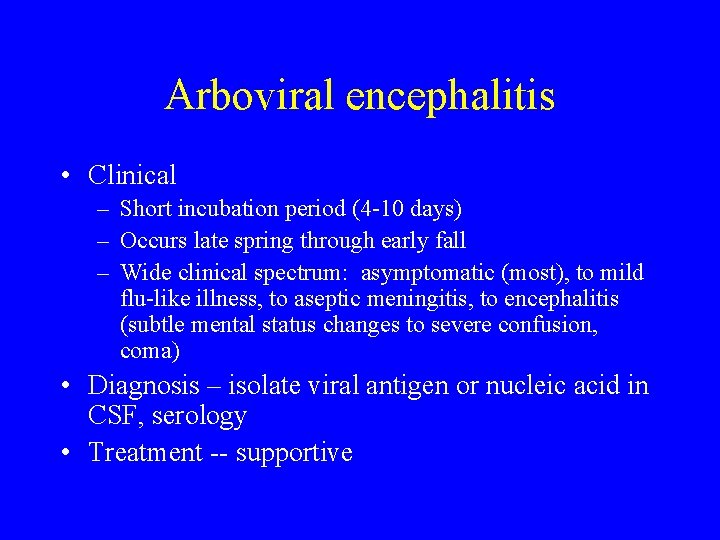
Arboviral encephalitis • Clinical – Short incubation period (4 -10 days) – Occurs late spring through early fall – Wide clinical spectrum: asymptomatic (most), to mild flu-like illness, to aseptic meningitis, to encephalitis (subtle mental status changes to severe confusion, coma) • Diagnosis – isolate viral antigen or nucleic acid in CSF, serology • Treatment -- supportive
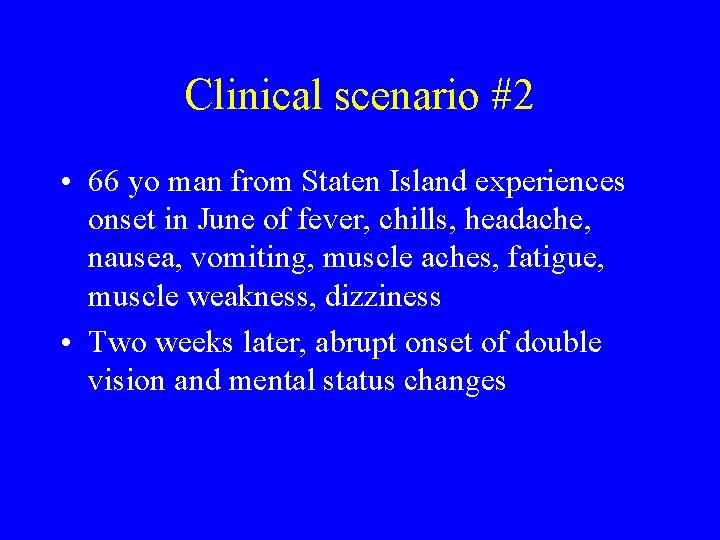
Clinical scenario #2 • 66 yo man from Staten Island experiences onset in June of fever, chills, headache, nausea, vomiting, muscle aches, fatigue, muscle weakness, dizziness • Two weeks later, abrupt onset of double vision and mental status changes
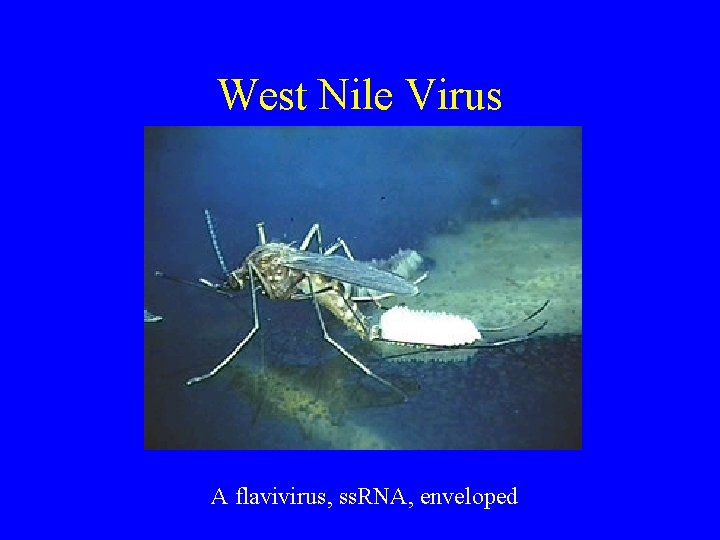
West Nile Virus A flavivirus, ss. RNA, enveloped
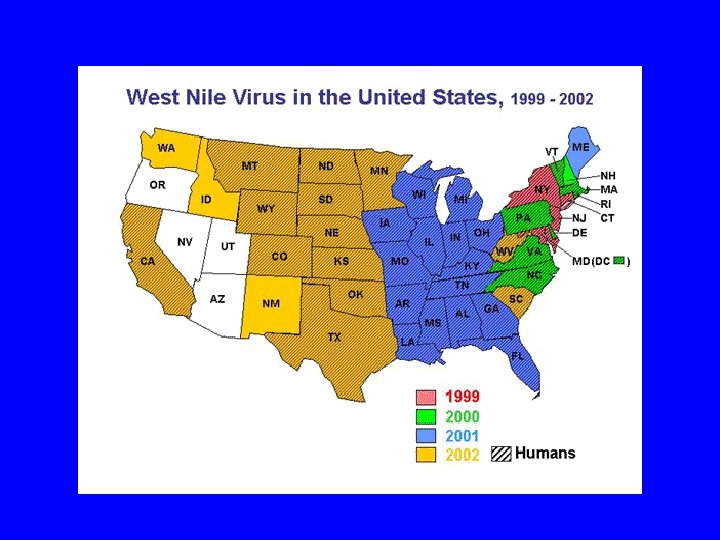
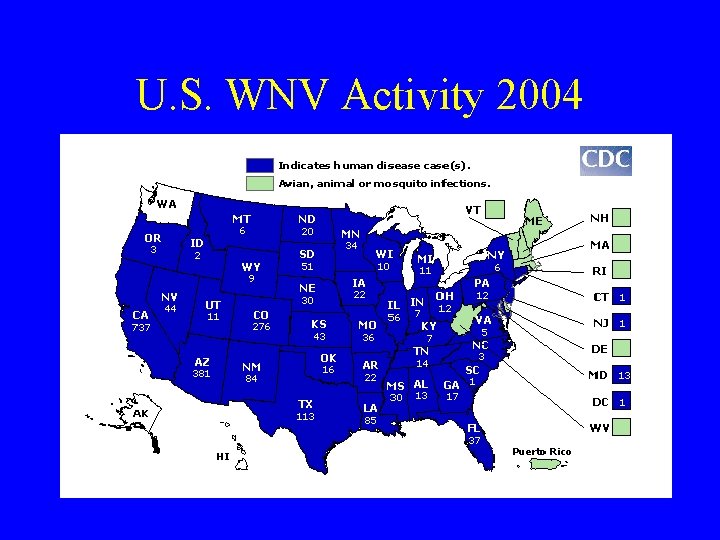
U. S. WNV Activity 2004
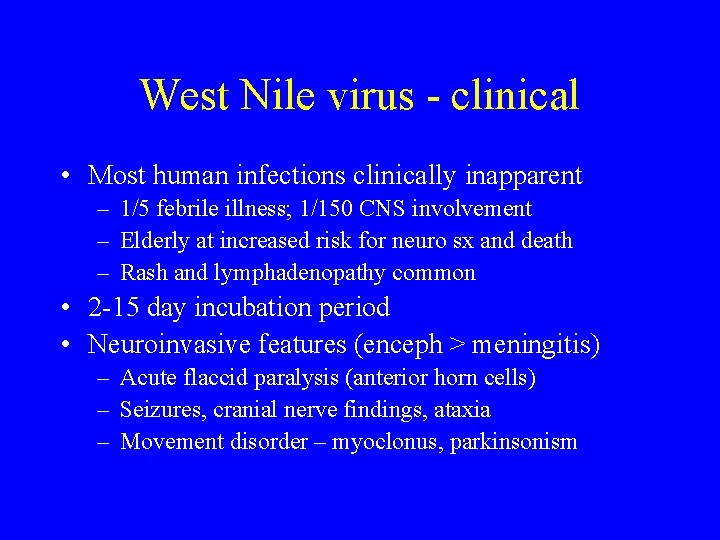
West Nile virus - clinical • Most human infections clinically inapparent – 1/5 febrile illness; 1/150 CNS involvement – Elderly at increased risk for neuro sx and death – Rash and lymphadenopathy common • 2 -15 day incubation period • Neuroinvasive features (enceph > meningitis) – Acute flaccid paralysis (anterior horn cells) – Seizures, cranial nerve findings, ataxia – Movement disorder – myoclonus, parkinsonism
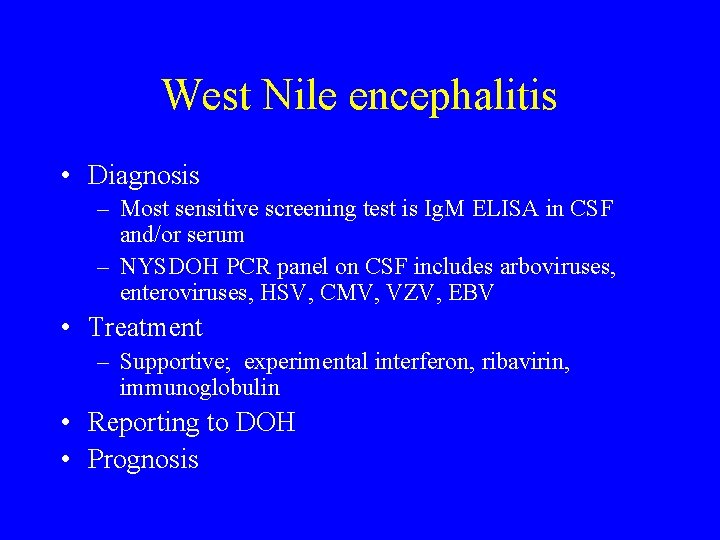
West Nile encephalitis • Diagnosis – Most sensitive screening test is Ig. M ELISA in CSF and/or serum – NYSDOH PCR panel on CSF includes arboviruses, enteroviruses, HSV, CMV, VZV, EBV • Treatment – Supportive; experimental interferon, ribavirin, immunoglobulin • Reporting to DOH • Prognosis
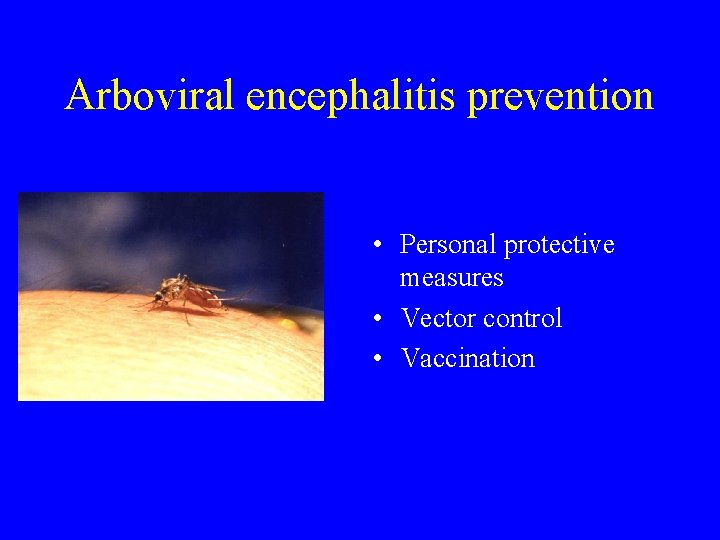
Arboviral encephalitis prevention • Personal protective measures • Vector control • Vaccination
Clinical scenario #4 • 32 yo woman returns to NYC in June after traveling to India, Nepal, Thailand, Vietnam • In July, brought to ER by boyfriend because intermittent periods of extreme agitation and aggressive behavior x 1 day • She, lucid, complains of headache, malaise, paresthesias in hand (dog bite) x 2 days • Later that day, agitation, hypersalivation, hydrophobia • Coma and death five days later
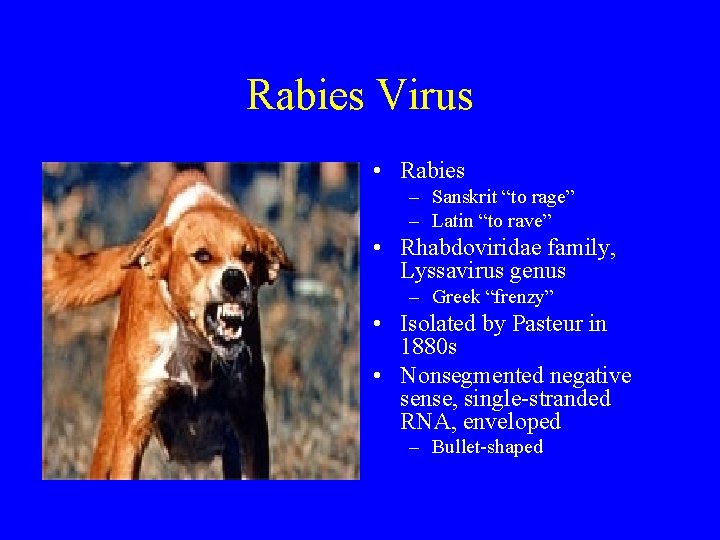
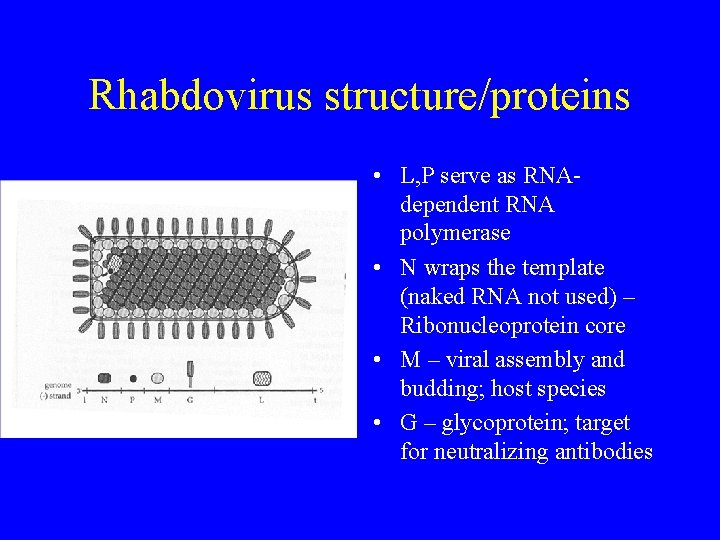
Rabies Virus • Rabies – Sanskrit “to rage” – Latin “to rave” • Rhabdoviridae family, Lyssavirus genus – Greek “frenzy” • Isolated by Pasteur in 1880 s • Nonsegmented negative sense, single-stranded RNA, enveloped – Bullet-shaped
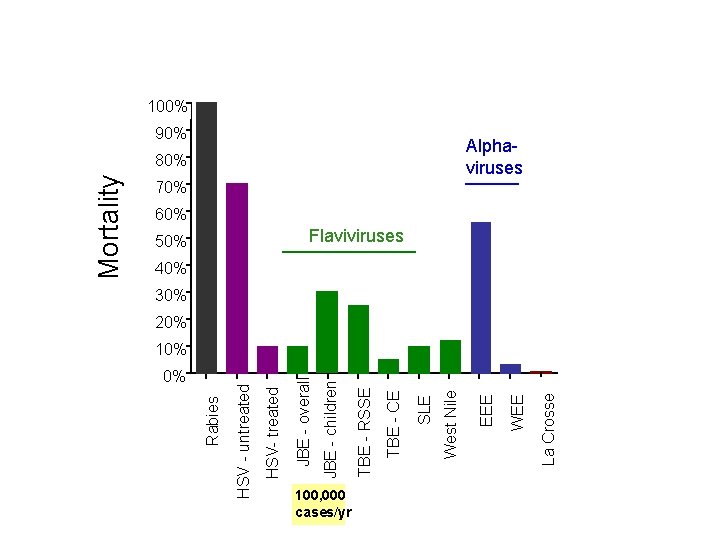
Average Mortality in Patients with Symptomatic Encephalitis (according to viral etiology) 100% 90% Alphaviruses 70% 60% Flaviviruses 50% 40% 30% 20% 100, 000 cases/yr La Crosse WEE EEE West Nile SLE TBE - CE TBE - RSSE JBE - children JBE - overall HSV- treated 0% HSV - untreated 10% Rabies Mortality 80%
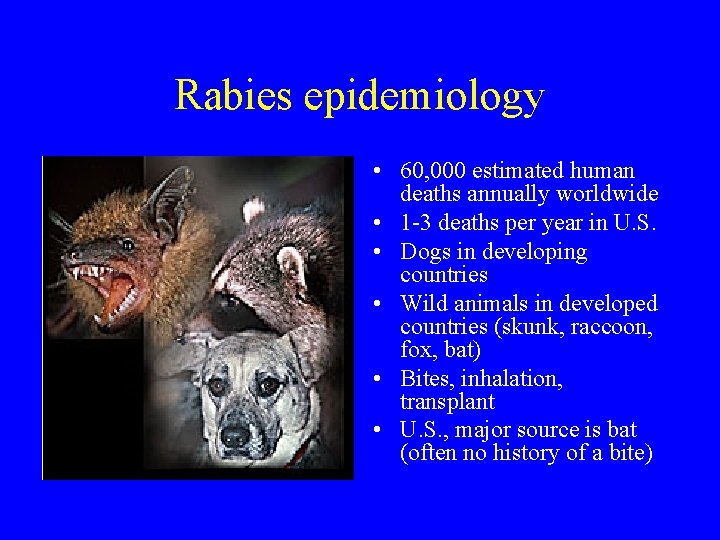
Rabies epidemiology • 60, 000 estimated human deaths annually worldwide • 1 -3 deaths per year in U. S. • Dogs in developing countries • Wild animals in developed countries (skunk, raccoon, fox, bat) • Bites, inhalation, transplant • U. S. , major source is bat (often no history of a bite)
Rhabdovirus structure/proteins • L, P serve as RNAdependent RNA polymerase • N wraps the template (naked RNA not used) – Ribonucleoprotein core • M – viral assembly and budding; host species • G – glycoprotein; target for neutralizing antibodies
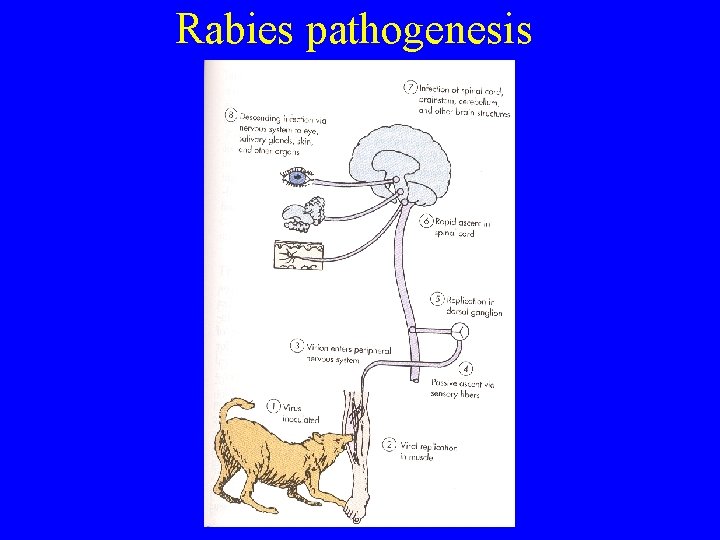
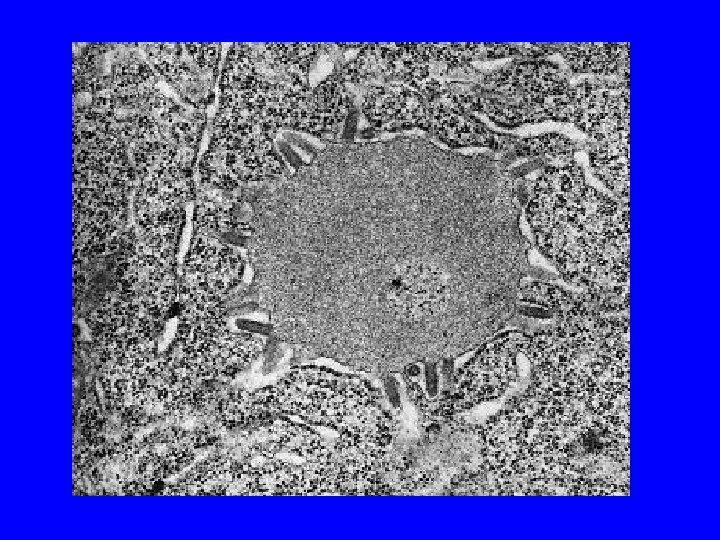
Rabies pathogenesis
Rabies - Clinical features • Incubation period 1 week to 1 year+ • 100% fatality rate once symptoms occur in an unvaccinated individual (until now? ? ) • Prodromal phase – 2 -10 days – Fever, sore throat, headache, paresthesias, pain at site of bite • Acute neurologic phase (encephalitic/furious) – 2 -10 days – Agitation, delirium, stiffness, hypersalivation, hydrophobia • Coma, flaccid paralysis, seizures, respiratory and vascular collapse • Less commonly, pure ascending paralysis (paralytic)
Rabies diagnosis, treatment, prevention • Diagnosis – isolate virus or detect nucleic acid in saliva, skin biopsies, CSF; serology • Treatment – THERE IS NO EFFECTIVE TREATMENT ONCE SYMPTOMS ARISE – ? Recent exception in Wisconsin teenager? • Prevention – Pre-exposure prophylaxis (rabies vaccine) – Post-exposure prophylaxis • Wound care, rabies immune globulin, rabies vaccine • +/- animal observation x 10 days
A few take home points • Recognize encephalitis vs. meningitis and know potential etiologic agents • Hematogenous vs. neural spread into CNS – “arboviral” vs. rabies/HSV • Early administration of acyclovir for possibility of HSV encephalitis • Beware of BATS