
Violence Conflict the Challenges of State Building Traditional
Violence, Conflict & the Challenges of State Building: Traditional Institution in Contemporary African Governance Ponsiano Bimeny, (SOAS) 3 April, 2019 Governance for Development in Africa Initiative: Residential School 1 st – 4 th April 2019, Hotel Novotel Abidjan, Côte d’Ivoire
Outline Understanding violence Emotional, ethical Political, psychological Continua of violence – not discrete category? Traditional/Cultural Institution of Africa South Sudan Uganda & Northern Kenya Where does violence come from? Individual/societal mechanisms Shifting normality Conclusions
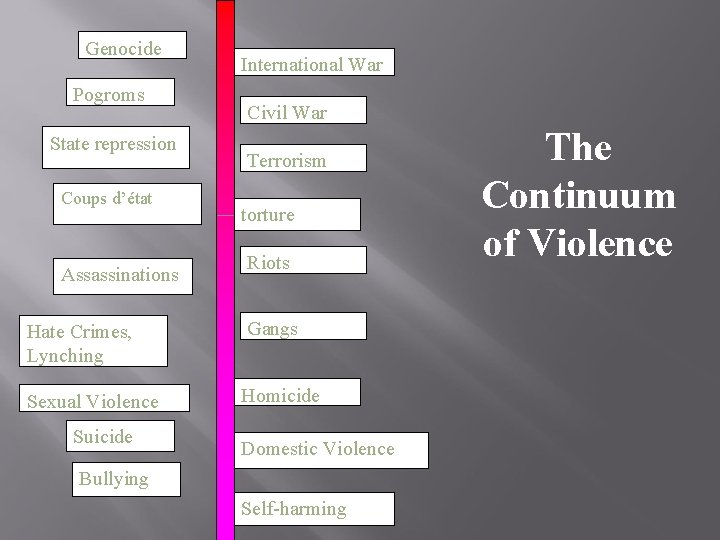
Genocide Pogroms State repression Coups d’état Assassinations International War Civil War torture Riots Hate Crimes, Lynching Gangs Sexual Violence Homicide Suicide The Continuum of Violence Terrorism Domestic Violence Bullying Self-harming
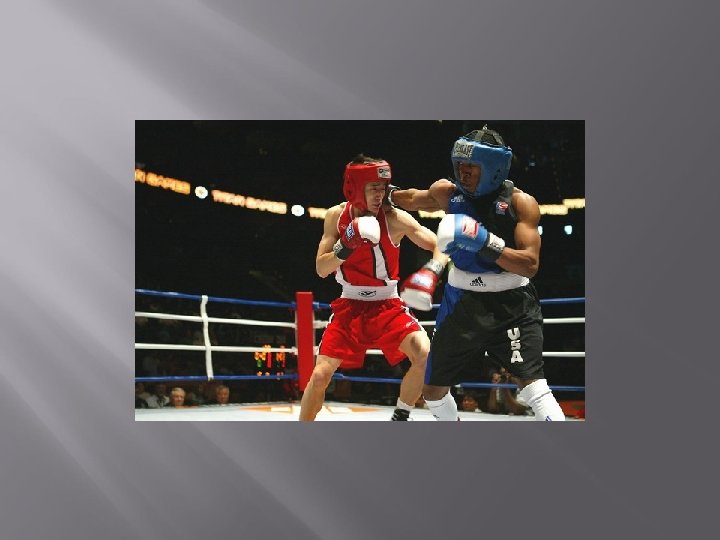
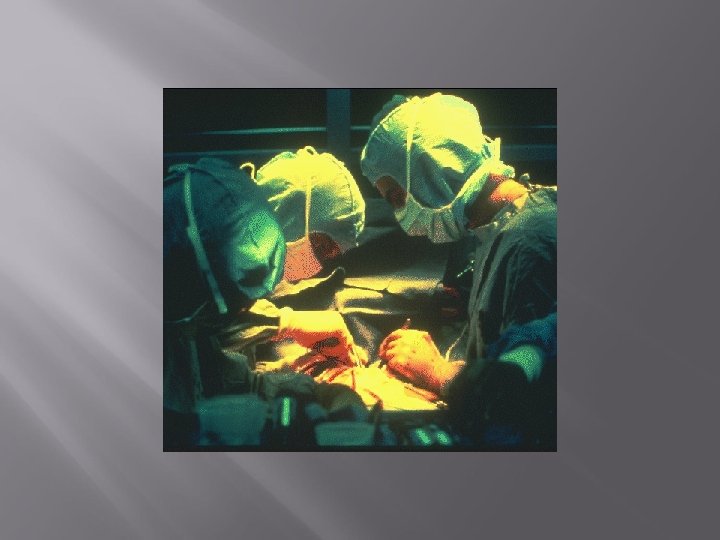
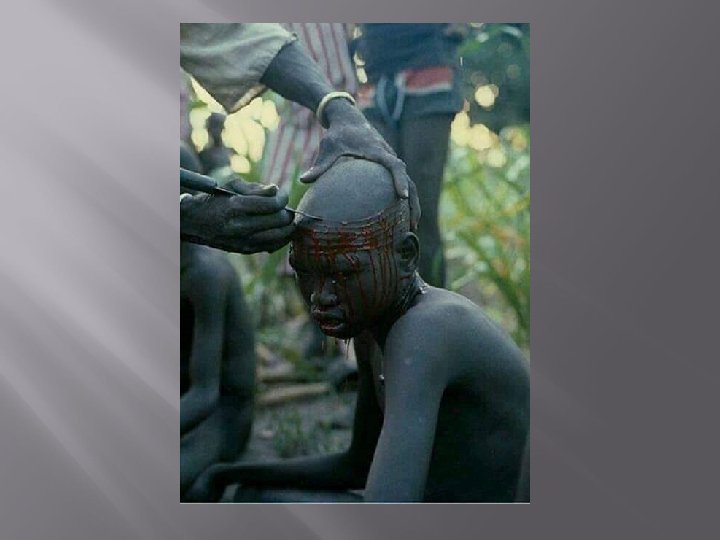

Understanding Violence: Definitions “Violence occurs in situations where at least one person becomes physically damaged or is physically restricted without giving consent to the activity” (John Cameron, in The European Journal of Development Research, December 1999)
“An act of violence occurs when injury or suffering is inflicted upon a person or persons by an agent who knows (or ought reasonably to have known) that his actions would result in the harm in question” (J. Harris, Violence and Responsibility) Violence is “unwanted physical interference with a subject” (John Keane, Reflections on Violence), which can include confinement against will, e. g. in prisons.
“Violence is the ‘intended infliction of bodily harm on another person’. This definition requires the inclusion of a breach of the boundary of the body. It also confines violence to conscious acts on the body of one person by another person” (Rosine Perelberg, Psychoanalytic Understanding of Violence and Suicide, London & New York: Routledge).
“the intentional use of physical force or power, threatened or actual, against oneself, another person, or against a group or community, that either results in or has a high likelihood of resulting in injury, death, psychological harm, maldevelopment or deprivation” (WHO, 2002, World Report on Violence & Health)
Violence is a cleansing force. It frees the native from his inferiority complex and from his despair and inaction; it makes him fearless and restores his self-respect. Franz Fanon, The Wretched of the Earth, 1965, p 68
Understanding violence: Elements Intention of perpetrator of violence Nature of damage Consent of the object of violence Restriction of consent or opportunity So, definition and force of violence depends at least in part on how it is understood

Emotional – diminished responsibility, rage (Petersen 2002) Ethical – good & bad violence: pacifism possible? Violence legit if it prevents greater violence? (‘just war’ – but who decides? ) Self-defence vs aggressive Revolution vs conquest Political – practical / impractical, politically appropriate? Structural violence (law); military threat (Cold War) Strategy, tactics Psychological – Rational / irrational (if it is irrational, trying to understand it may be contradictory) Functional – pursuant of particular goal Expressive or creative – theatre of violence
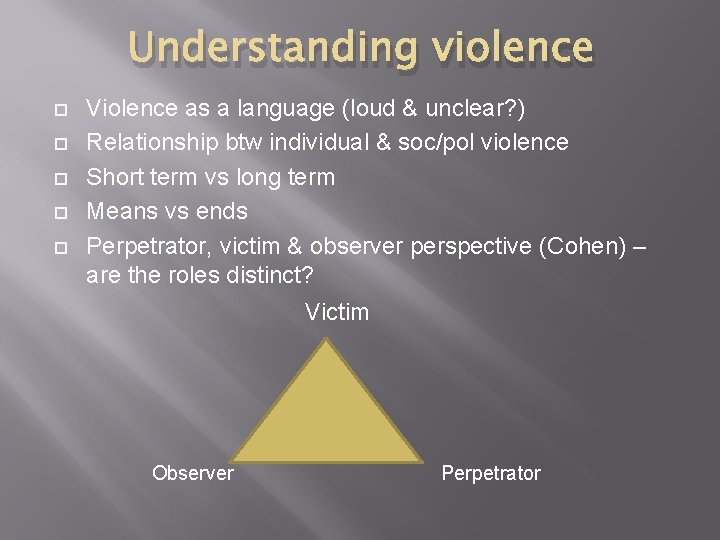
Understanding violence Violence as a language (loud & unclear? ) Relationship btw individual & soc/pol violence Short term vs long term Means vs ends Perpetrator, victim & observer perspective (Cohen) – are the roles distinct? Victim Observer Perpetrator
Violence as aberrance • Human progress? Should have got over violence by now • violence as last resort in desperation? • Democracy incompatible with violence? • ‘Liberal peace’ implies liberal war (Duffield, Dillon & Reid) • Violence as disease (Richards, Gilligan): we are all opposed to it (including the people who suffer from it by using it) • How normal is peace? • who is winning from it? • when did the violence start?

Violence as part of history • International Relations/ realism – pursuit of power by force • who considers this wrong? • and so what? • Victor’s history • ancient history/modern defined by war • End of history? – liberal peace • contemporary violence not significant/ ideological? • criminal rather than political? • met with threat of greater violence? • has function/ nature of violence changed?
Normalisation of killing • RTLM - processes by which the unthinkable becomes normal, even inevitable – Shifting of moral & political frameworks • Hutus called on to kill and to ‘go to work’ • Tutsis described as devils, cockroaches - ‘problem’ defines the ‘solution’ of elimination • Contradiction - if they were cockroaches, why did they present a threat? Portrayed as both irrelevant and subhuman and a powerful threat against which all must unite or be destroyed
Traditional/Cultural Institutions § Structural Characteristics Vs roles & meanings of violence § Family § Age-set/Generational groupings (children, boys & girls), men and women, and elders) § Polity and Leadership (Chiefs, Rainmakers, Spear masters, Kings, etc)
Traditional Institutions – State Relationships in East Africa § Uganda - Buganda – State relationship - State – Rest of the country § South Sudan - Dinka & Eastern Equatoria - State § Northern Kenya - Northern Kenya (Turkanaland) - State
Shifting normality – controlling the social space for violence Meaning of violence Legal & ethical responsibility Legal & ethical norms Shift in identities – in-groups/ out-groups and the threats they pose Distribution of violence & relationship with power and the means of violence
Conclusion Origins of violence as much about rels between different forms of violence as between violence and peace Rationality is negotiated Before: Perceived potential threats & outcomes more significant than actual threats & outcomes After: history is in the telling Shifting various boundaries allow conditions for violence to take place But – there is variation in people’s responses. There is defiance and responsibility
- Slides: 21