
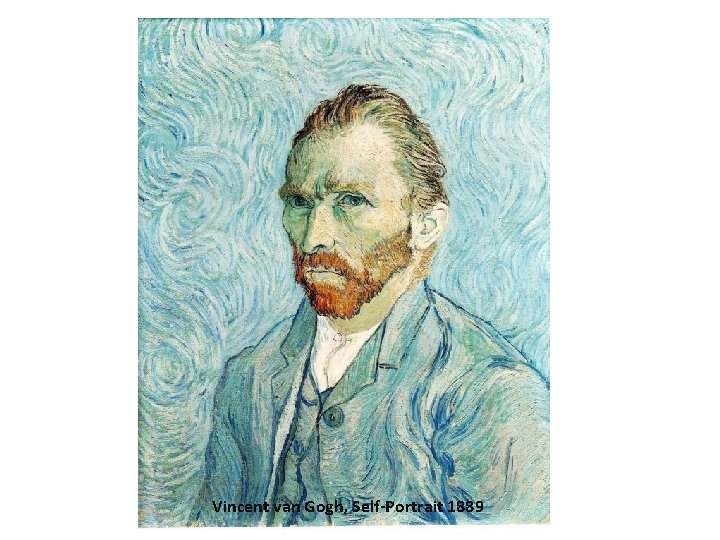
Vincent van Gogh SelfPortrait 1889 Jan van Eyck
- Slides: 17
Vincent van Gogh, Self-Portrait 1889
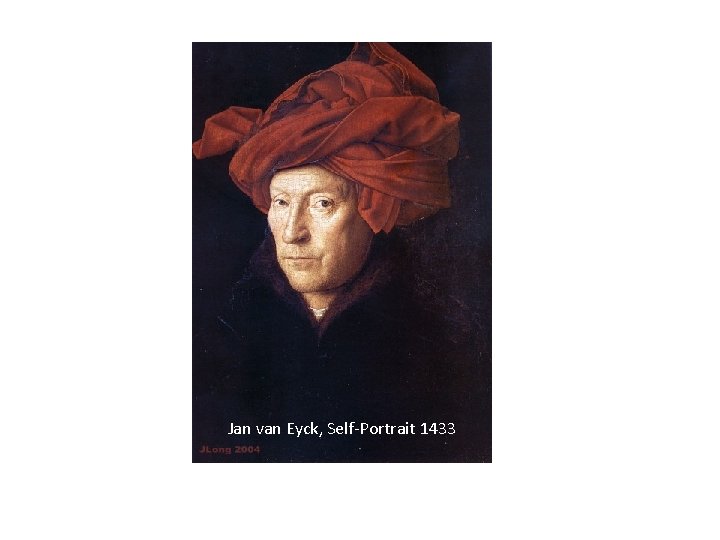
Jan van Eyck, Self-Portrait 1433
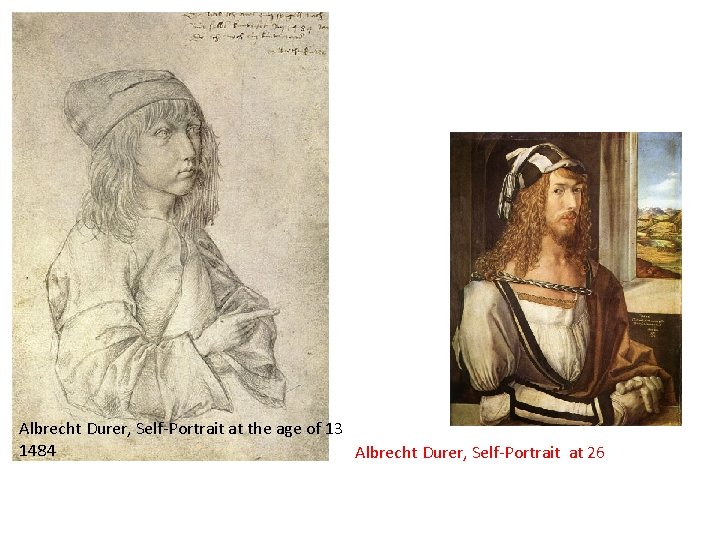
Albrecht Durer, Self-Portrait at the age of 13 1484 Albrecht Durer, Self-Portrait at 26
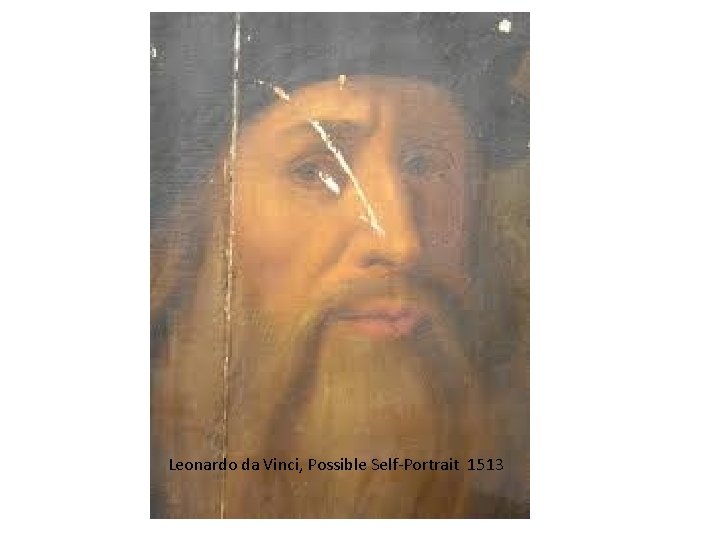
Leonardo da Vinci, Possible Self-Portrait 1513
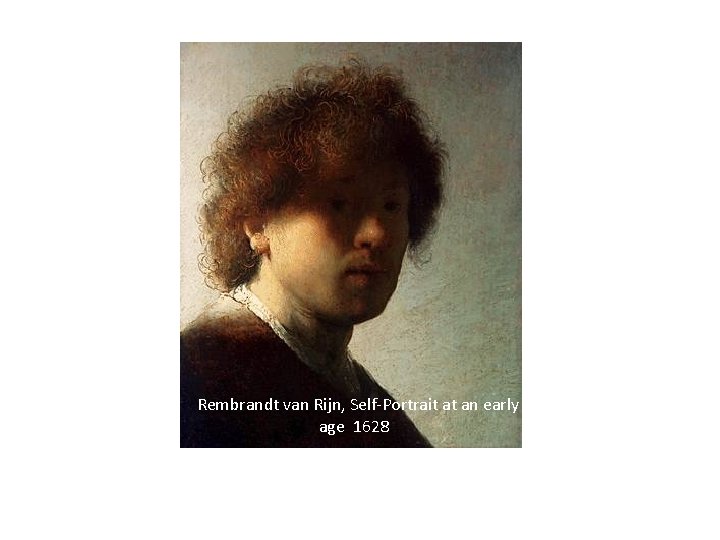
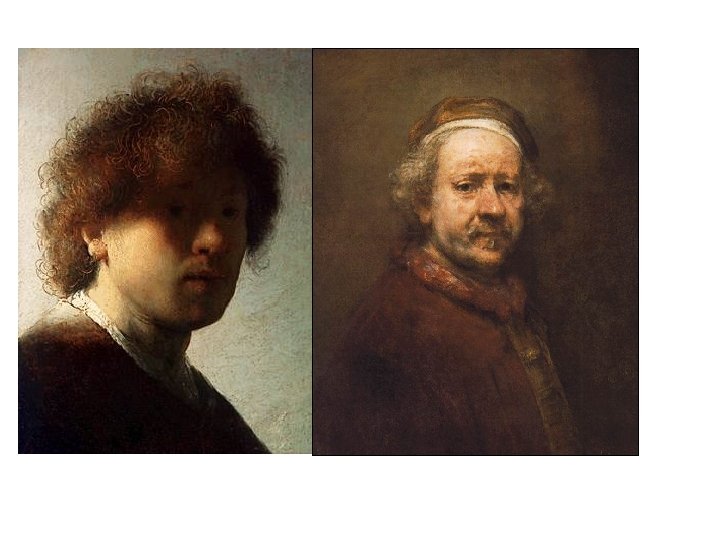
Rembrandt van Rijn, Self-Portrait at an early age 1628
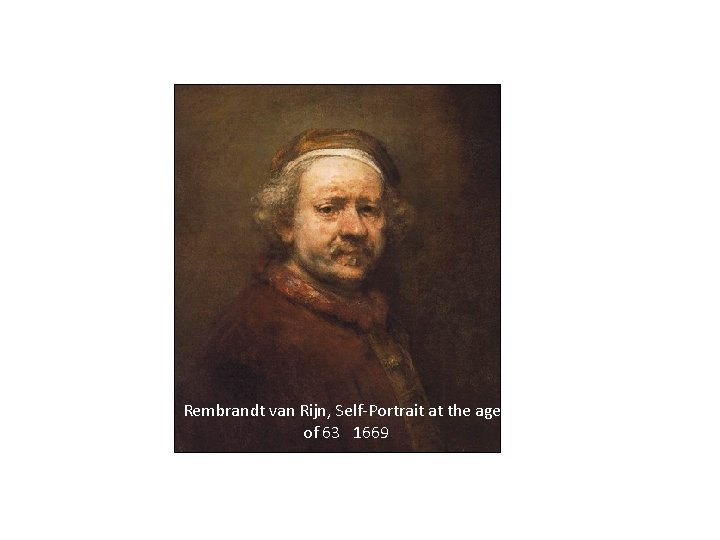
Rembrandt van Rijn, Self-Portrait at the age of 63 1669
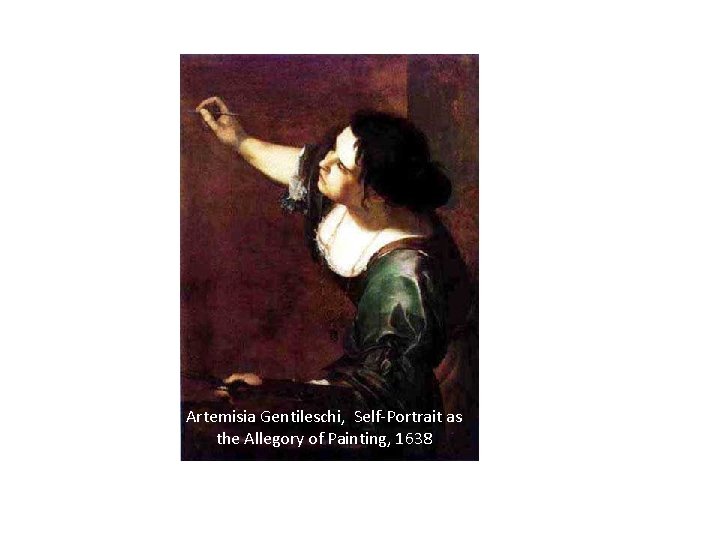
Artemisia Gentileschi, Self-Portrait as the Allegory of Painting, 1638
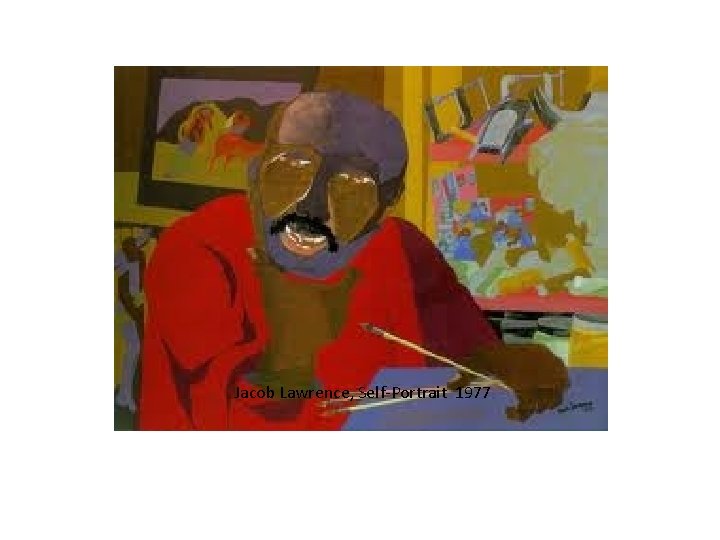
Jacob Lawrence, Self-Portrait 1977
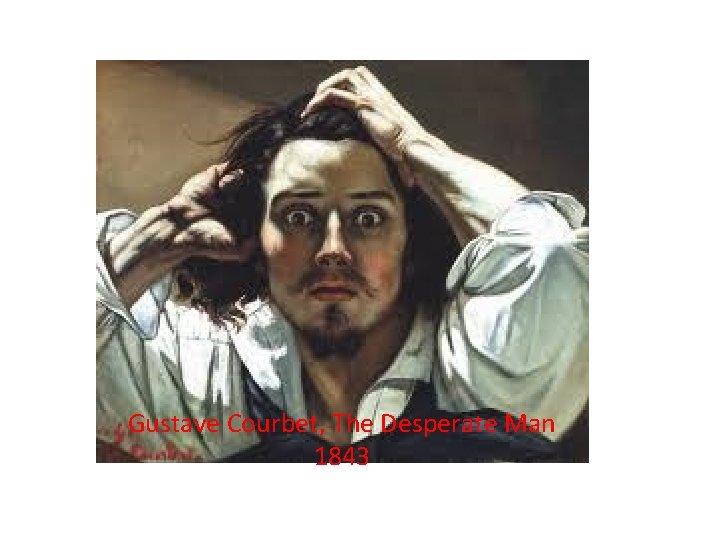
Gustave Courbet, The Desperate Man 1843
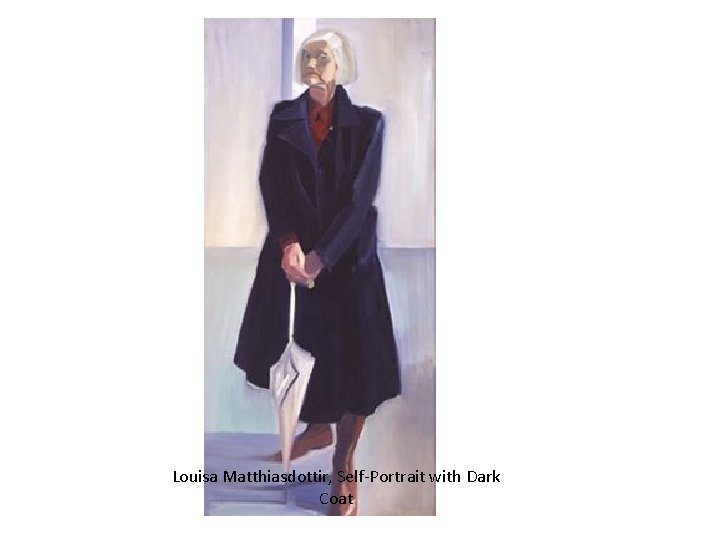
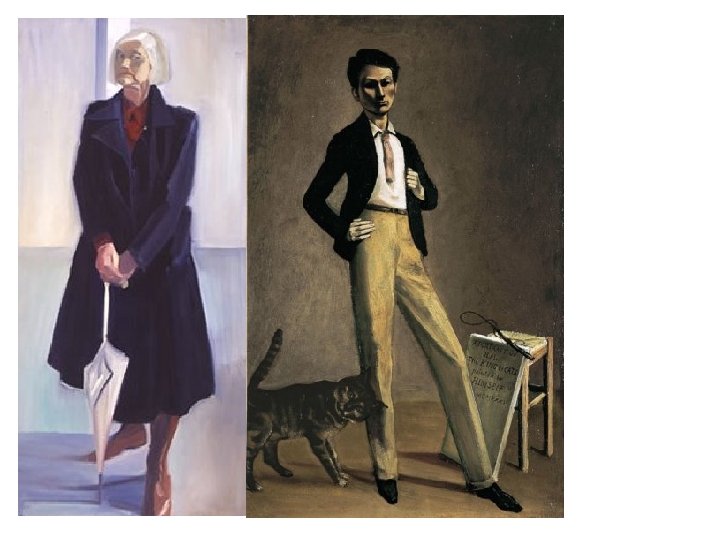
Louisa Matthiasdottir, Self-Portrait with Dark Coat
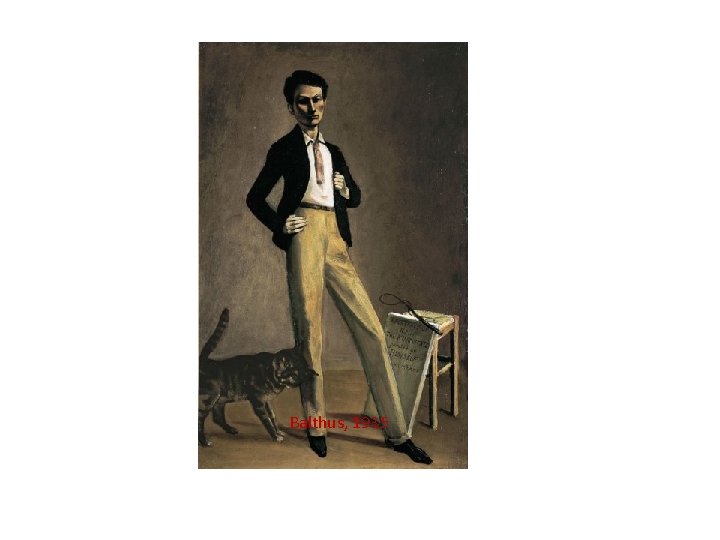
Balthus, 1935
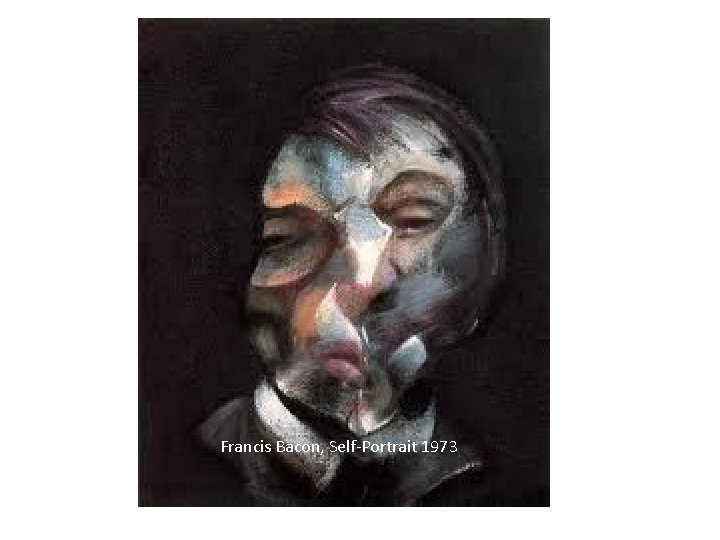
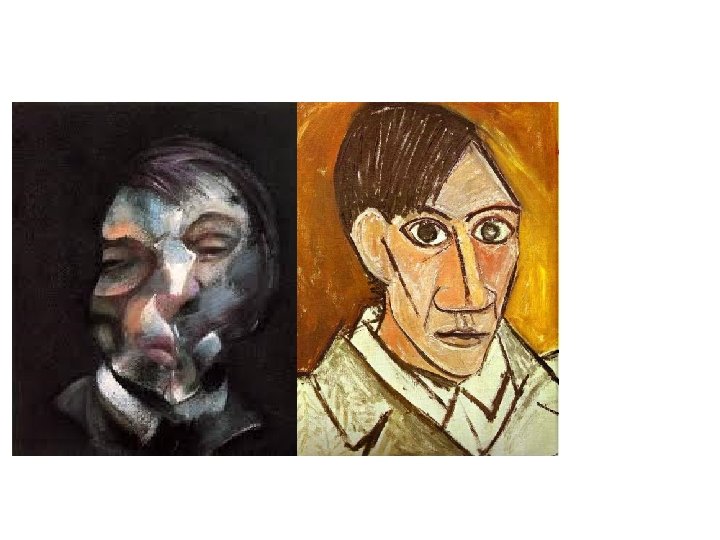
Francis Bacon, Self-Portrait 1973
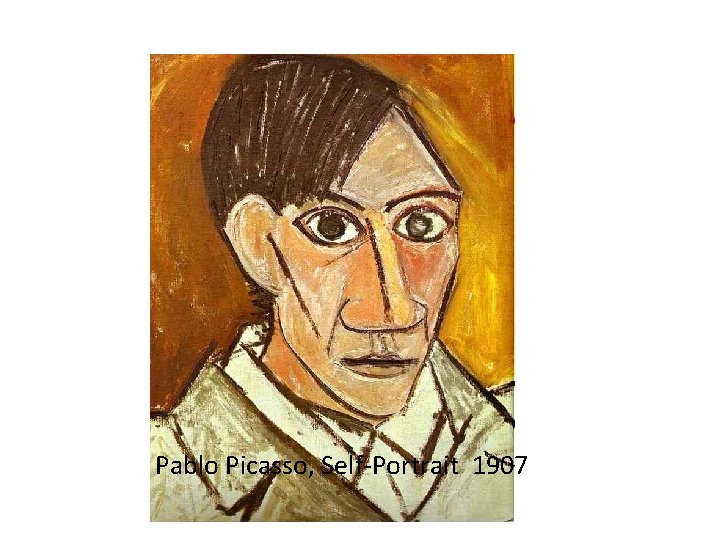
Pablo Picasso, Self-Portrait 1907
This is not an exercise in artistic precision, but in creativity and using visual cues. Think about the following: • Where will you start? What features are the most important to include? [take a picture of yourself with your phone to help you visualize yourself. ] • What colors will you use? Do you need to be realistic or use wild, fantastic, or unusual colors? • What shapes suggest your personality? • Are there symbols or other visual cues that may give your audience some idea about the portrait? [think rhetorical triangle] Be Honest! Blemishes, scars, braces, flaws, lips, skin, and other characteristics are all worth depicting using visual cues. Write: Fast write a literal description of the self-portrait you drew. You can explain as you wish but must provide an actual physical description of the picture.