
Vibrio cholerae Vibrio cholerae Introduction History EpidemiologyClinical Manifestation
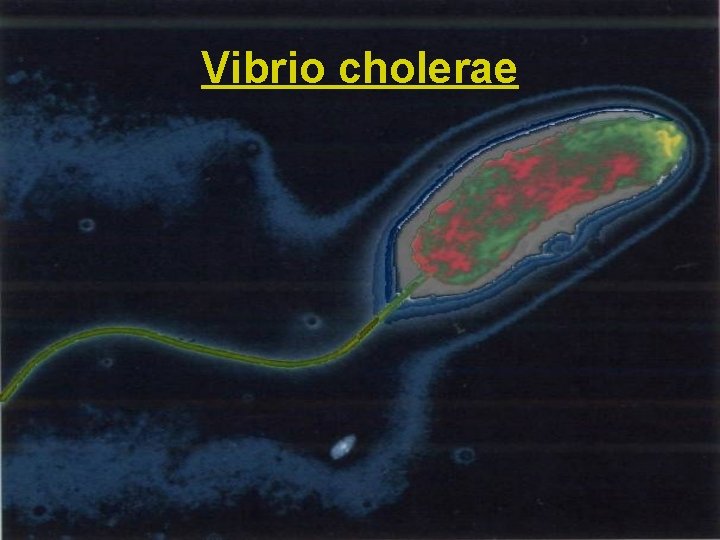
Vibrio cholerae
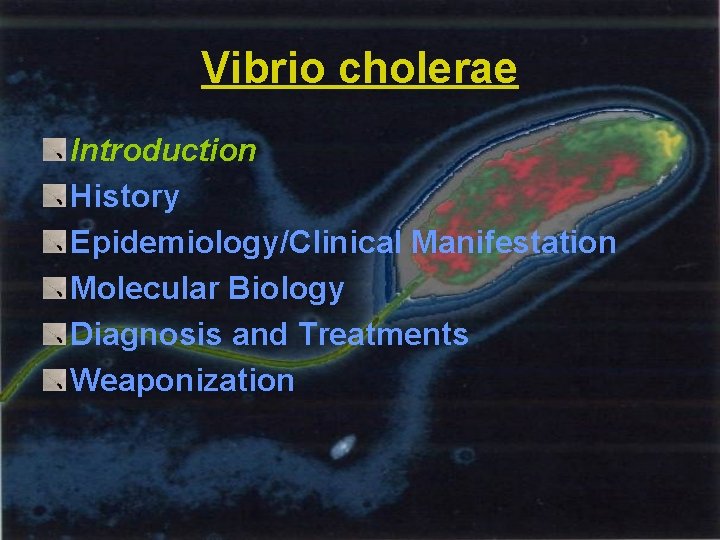
Vibrio cholerae Introduction History Epidemiology/Clinical Manifestation Molecular Biology Diagnosis and Treatments Weaponization
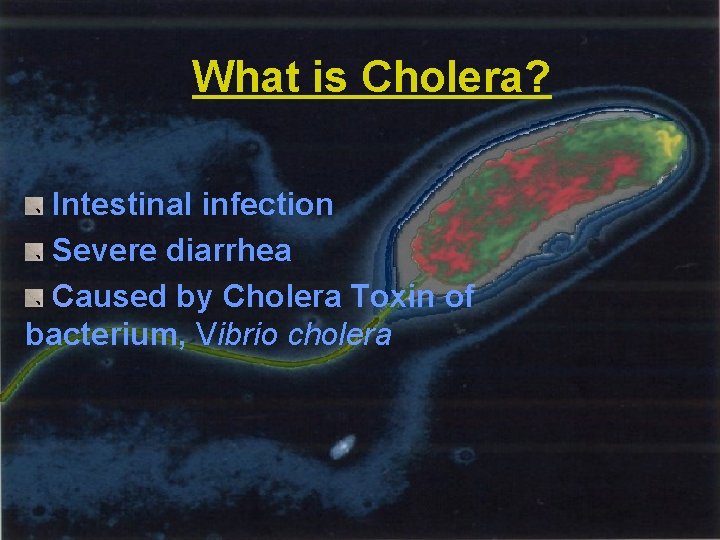
What is Cholera? Intestinal infection Severe diarrhea Caused by Cholera Toxin of bacterium, Vibrio cholera
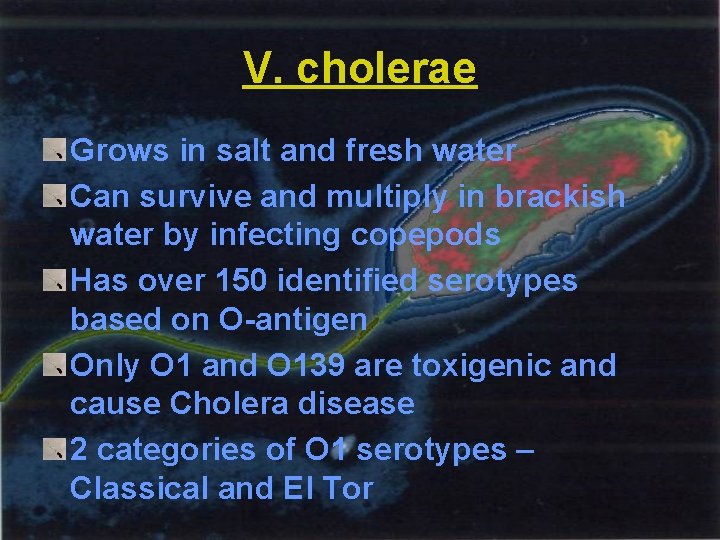
V. cholerae Grows in salt and fresh water Can survive and multiply in brackish water by infecting copepods Has over 150 identified serotypes based on O-antigen Only O 1 and O 139 are toxigenic and cause Cholera disease 2 categories of O 1 serotypes – Classical and El Tor
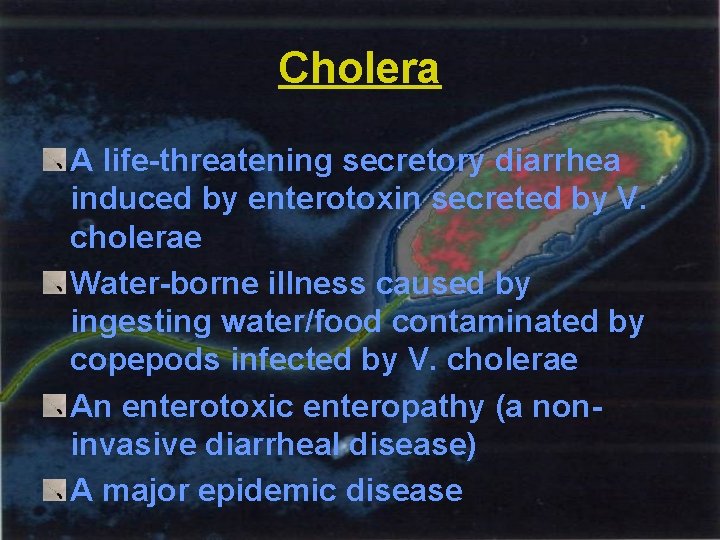
Cholera A life-threatening secretory diarrhea induced by enterotoxin secreted by V. cholerae Water-borne illness caused by ingesting water/food contaminated by copepods infected by V. cholerae An enterotoxic enteropathy (a noninvasive diarrheal disease) A major epidemic disease
V. cholerae Transmitted by fecal-oral route Endemic in areas of poor sanitation (India and Bangladesh ) May persist in shellfish or plankton 7 pandemics since 1817 – first 6 from Classical strains, 7 th from El Tor 1993: Cholera in Bengal caused by O 139 – may be cause of 8 th pandemic
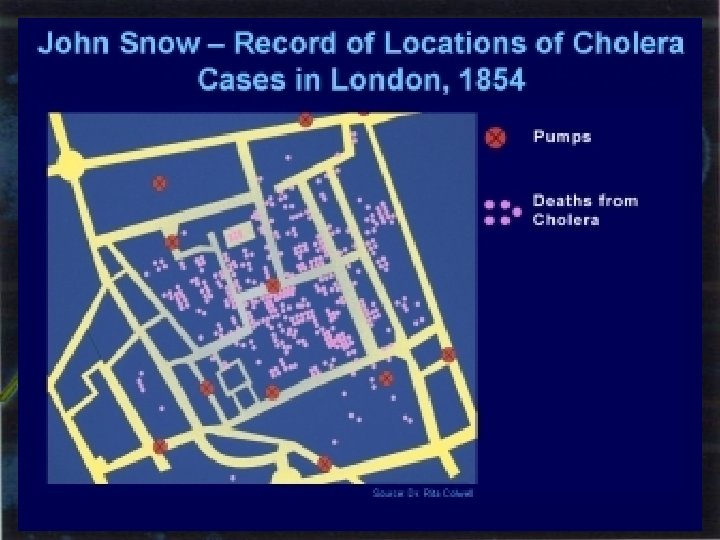
Broad Street Pump Map led Snow to believe that Broad Street pump was cause of outbreak Those affected drank from pump Sewage probably contaminated well Removal of pump handle - end of outbreak Skepticism about Snow’s findings
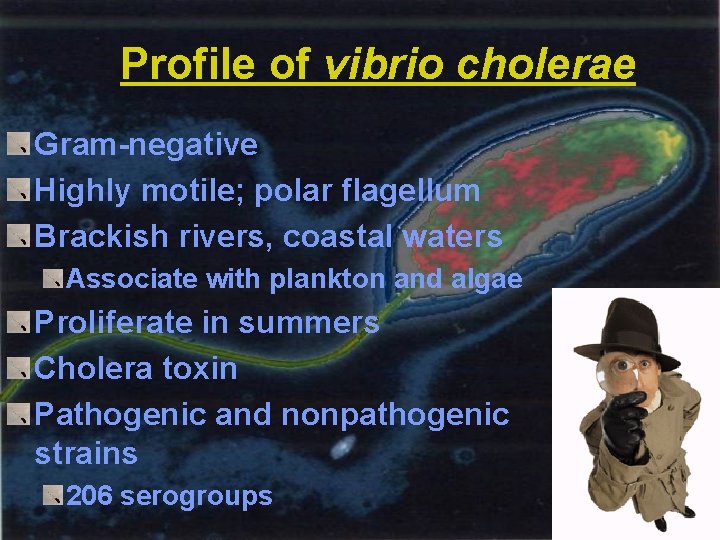
Profile of vibrio cholerae Gram-negative Highly motile; polar flagellum Brackish rivers, coastal waters Associate with plankton and algae Proliferate in summers Cholera toxin Pathogenic and nonpathogenic strains 206 serogroups
Strains Causing Epidemics 2 main serogroups carry set of virulence genes necessary for pathogenesis O 1 Classical: 1 case per 30 -100 infections El Tor: 1 case per 2 -4 infections O 139 Contained in India, Bangladesh
Epidemiology Responsible for seven global pandemics over the past two centuries Common in India, Sub-Saharan Africa, Southern Asia Very rare in industrialized countries
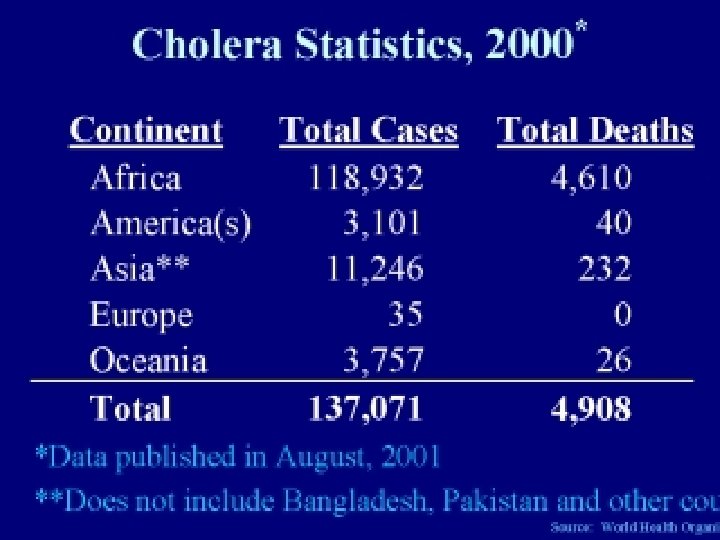
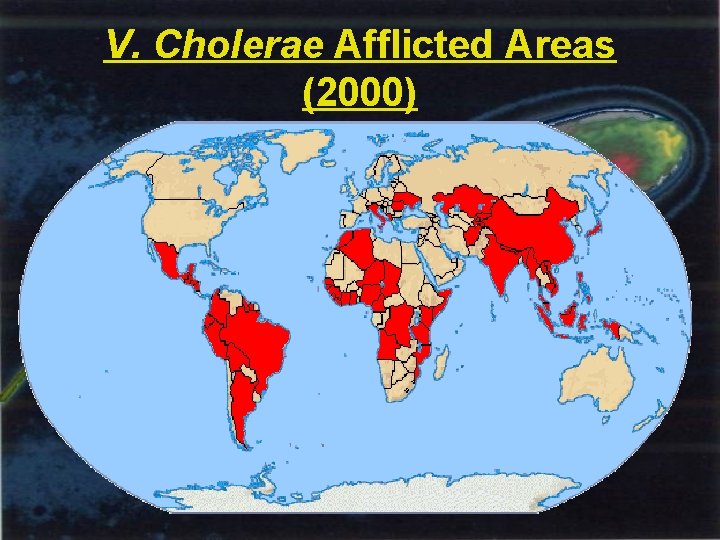
V. Cholerae Afflicted Areas (2000)
Transmission Contaminated food or water Inadequate sewage treatment Lack of water treatment Improperly cooked shellfish Transmission by casual contact unlikely
Epidemics Fecal-oral transmission Feces of infected person contaminates water supply Resulting diarrhea makes it easy for bacteria to spread in unsanitary conditions
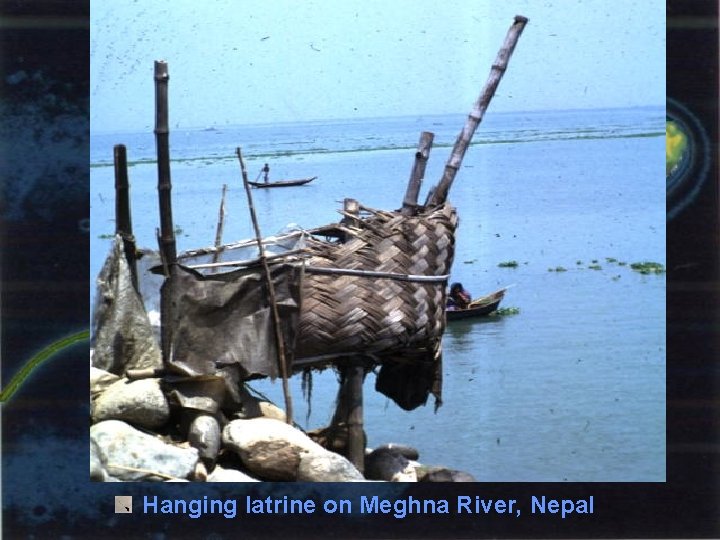
Hanging latrine on Meghna River, Nepal
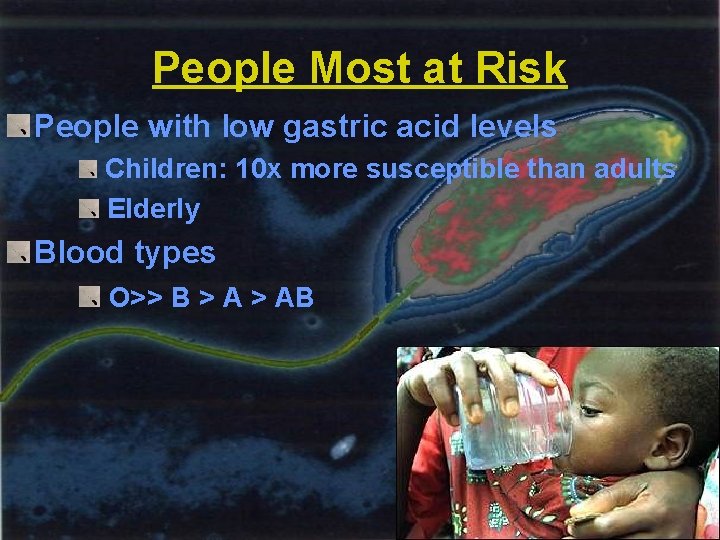
People Most at Risk People with low gastric acid levels Children: 10 x more susceptible than adults Elderly Blood types O>> B > AB
Period of Communicability During acute stage A few days after recovery By end of week, 70% of patients noninfectious By end of third week, 98% non-infectious
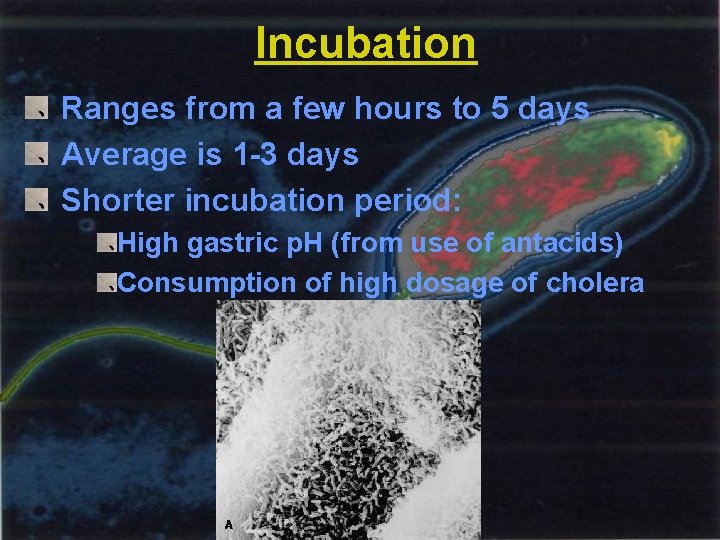
Incubation Ranges from a few hours to 5 days Average is 1 -3 days Shorter incubation period: High gastric p. H (from use of antacids) Consumption of high dosage of cholera
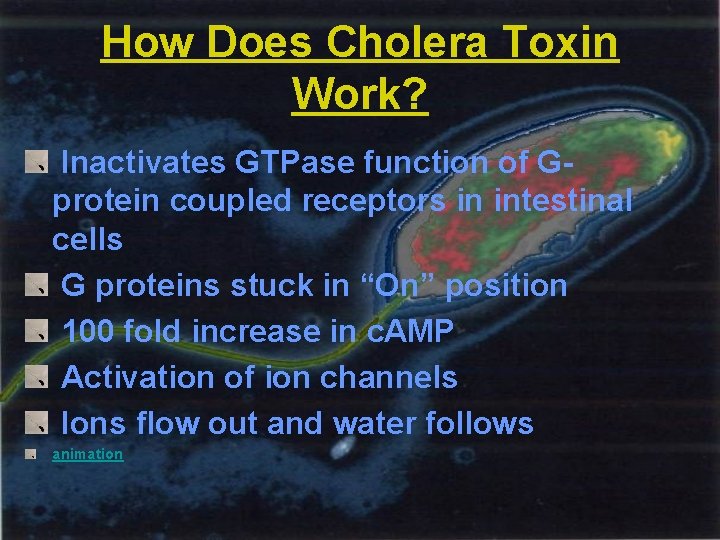
How Does Cholera Toxin Work? Inactivates GTPase function of Gprotein coupled receptors in intestinal cells G proteins stuck in “On” position 100 fold increase in c. AMP Activation of ion channels Ions flow out and water follows animation
Infectious Dose 106 -1011 colony-forming units Why such a high dosage? Series of changes as moves from aquatic environment to intestine Temperature, acidity Acidic environment of stomach Intestinal environment Bile salts, organic acids, complement inhibit bacteria growth Must penetrate mucous lining of intestinal epithelial cells
Symptoms Occur 2 -3 days after consumption of contaminated food/water Usually mild, or no symptoms at all 75% asymptomatic 20% mild disease 2 -5% severe Vomiting Cramps Watery diarrhea (1 L/hour) Without treatment, death in 18 hoursseveral days
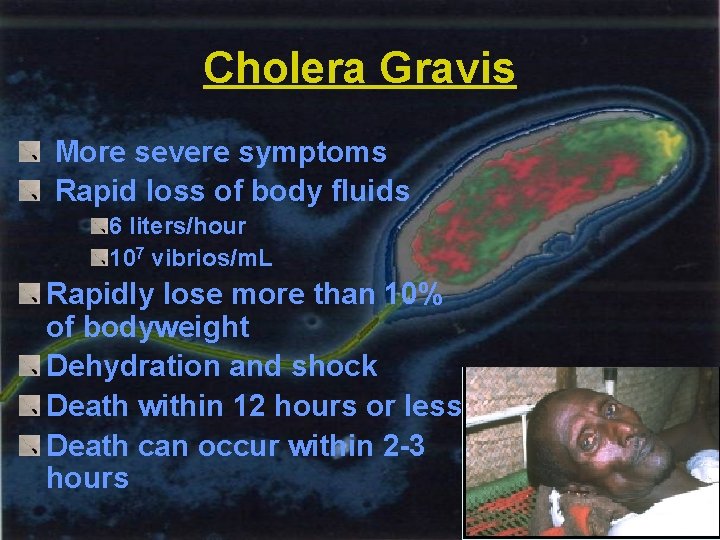
Cholera Gravis More severe symptoms Rapid loss of body fluids 6 liters/hour 107 vibrios/m. L Rapidly lose more than 10% of bodyweight Dehydration and shock Death within 12 hours or less Death can occur within 2 -3 hours
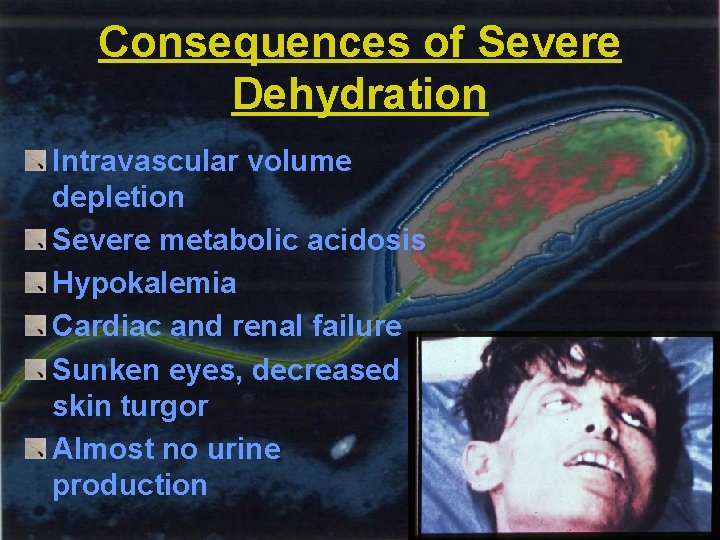
Consequences of Severe Dehydration Intravascular volume depletion Severe metabolic acidosis Hypokalemia Cardiac and renal failure Sunken eyes, decreased skin turgor Almost no urine production
Mortality Rate Causes 120, 000 deaths/year worldwide With prompt rehydration: <1% Without treatment: 50%-60%
Molecular Biology of Vibrio cholerae Identification & Classification (serogroups) Genomic Structure Pathogenesis (mechanism of action)
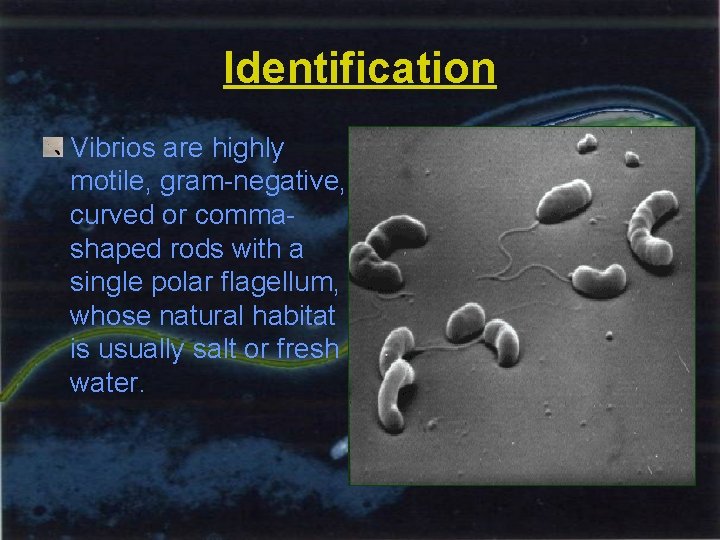
Identification Vibrios are highly motile, gram-negative, curved or commashaped rods with a single polar flagellum, whose natural habitat is usually salt or fresh water.
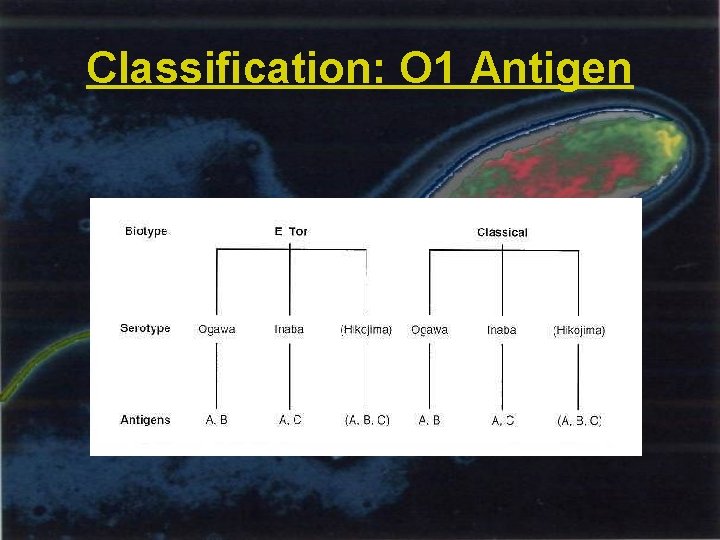
Classification: O 1 Antigen

Classification: Other antigens O 139 Serogroup In 1993, the emergence of an entirely new serogroup (O 139) was the cause an epidemic in Bangladesh. O 139 organisms produce a polysaccharide capsule but do not produce O 1 LPS or O 1 antigen. Toxigenic O 139 cholera arose through the acquisition of a large block of genes encoding the O 139 antigen by O 1 El Tor. Non-O 1, Non-O 139 Serogroup Most are CT (cholera toxin) negative and are not associated with epidemic disease.
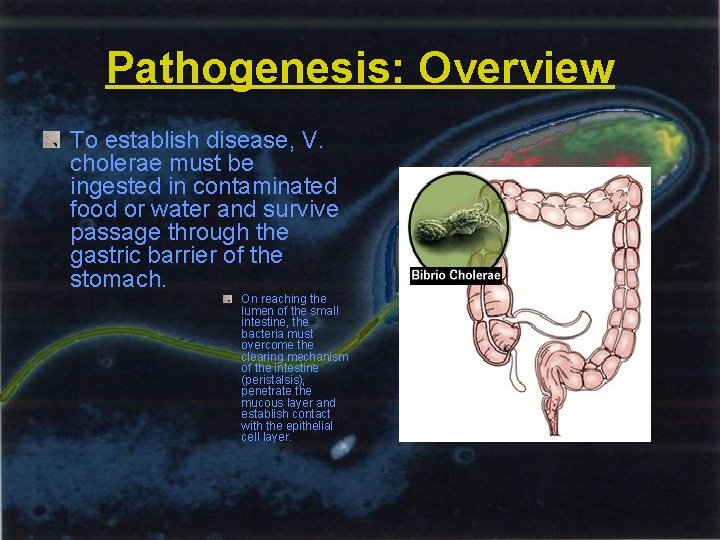
Pathogenesis: Overview To establish disease, V. cholerae must be ingested in contaminated food or water and survive passage through the gastric barrier of the stomach. On reaching the lumen of the small intestine, the bacteria must overcome the clearing mechanism of the intestine (peristalsis), penetrate the mucous layer and establish contact with the epithelial cell layer.
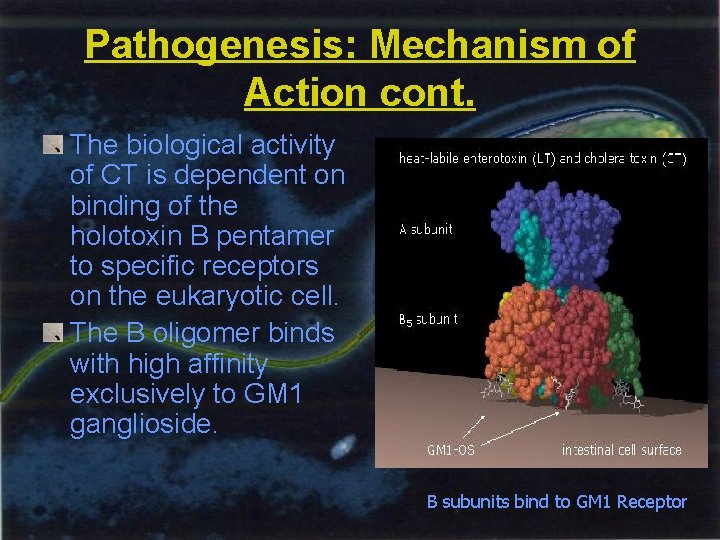
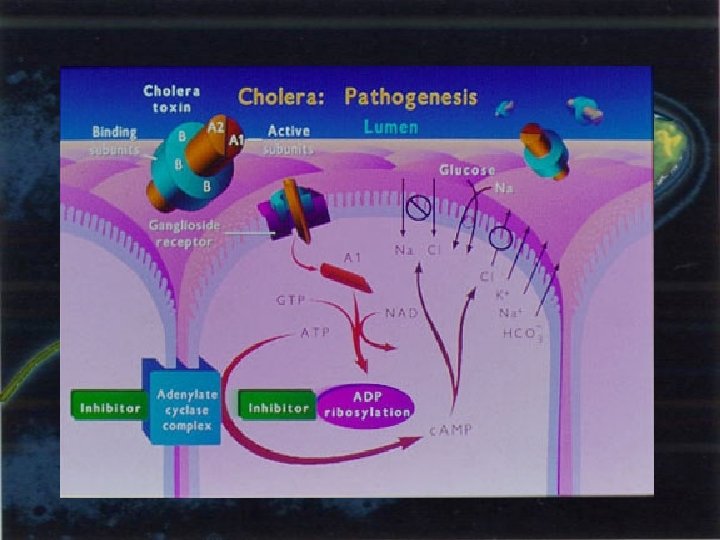
Pathogenesis: Mechanism of Action cont. The biological activity of CT is dependent on binding of the holotoxin B pentamer to specific receptors on the eukaryotic cell. The B oligomer binds with high affinity exclusively to GM 1 ganglioside. B subunits bind to GM 1 Receptor
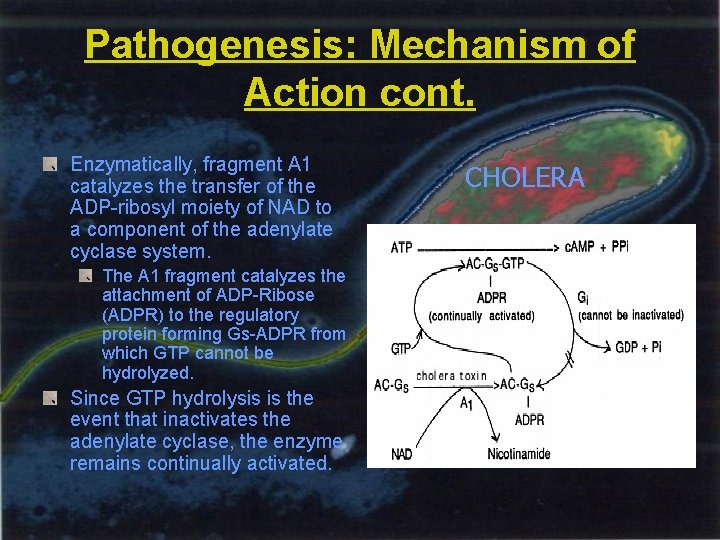
Pathogenesis: Mechanism of Action cont. Enzymatically, fragment A 1 catalyzes the transfer of the ADP-ribosyl moiety of NAD to a component of the adenylate cyclase system. The A 1 fragment catalyzes the attachment of ADP-Ribose (ADPR) to the regulatory protein forming Gs-ADPR from which GTP cannot be hydrolyzed. Since GTP hydrolysis is the event that inactivates the adenylate cyclase, the enzyme remains continually activated. CHOLERA
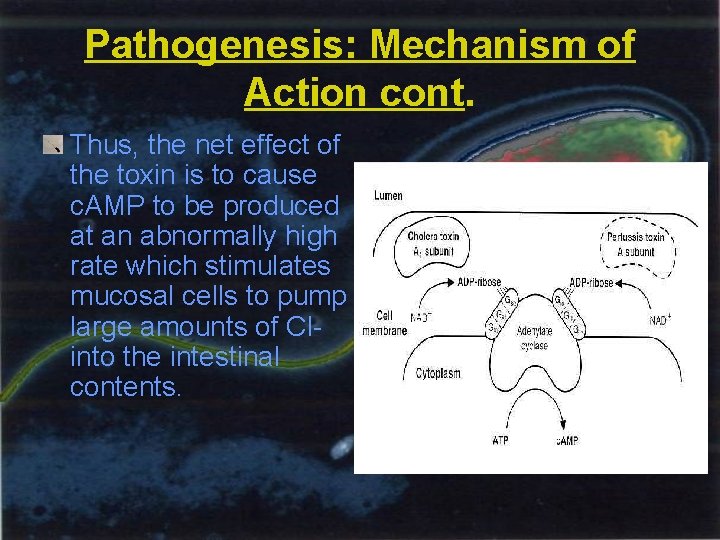
Pathogenesis: Mechanism of Action cont. Thus, the net effect of the toxin is to cause c. AMP to be produced at an abnormally high rate which stimulates mucosal cells to pump large amounts of Cl- into the intestinal contents.
Pathogenesis: Mechanism of Action cont. H 2 O, Na+ and other electrolytes follow due to the osmotic and electrical gradients caused by the loss of Cl-. The lost H 2 O and electrolytes in mucosal cells are replaced from the blood. Thus, the toxindamaged cells become pumps for water and electrolytes causing the diarrhea, loss of electrolytes, and dehydration that are characteristic of cholera.
Diagnosis Cholera should be suspected when patients present with watery diarrhea, severe dehydration Based on clinical presentation and confirmed by isolation of vibrio cholera from stool
Diagnosis No clinical manifestations help distinguish cholera from other causes of severe diarrhea: Enterotoxigenic e. coli Viral gastroenteritis Bacterial food poisoning
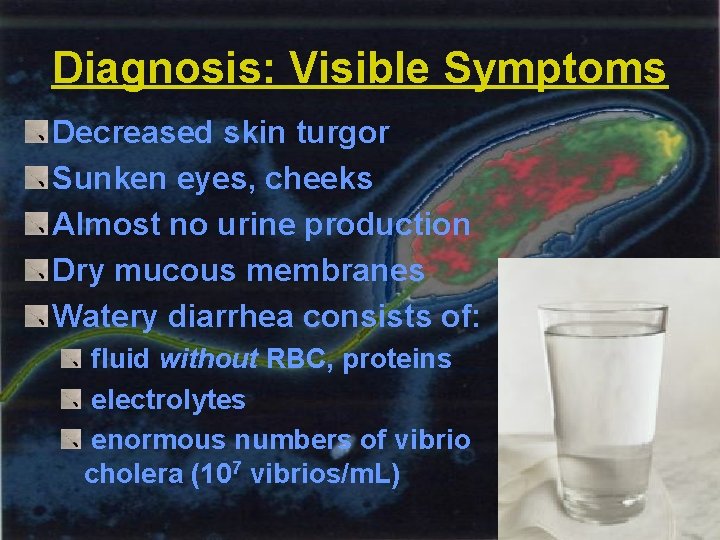
Diagnosis: Visible Symptoms Decreased skin turgor Sunken eyes, cheeks Almost no urine production Dry mucous membranes Watery diarrhea consists of: fluid without RBC, proteins electrolytes enormous numbers of vibrio cholera (107 vibrios/m. L)
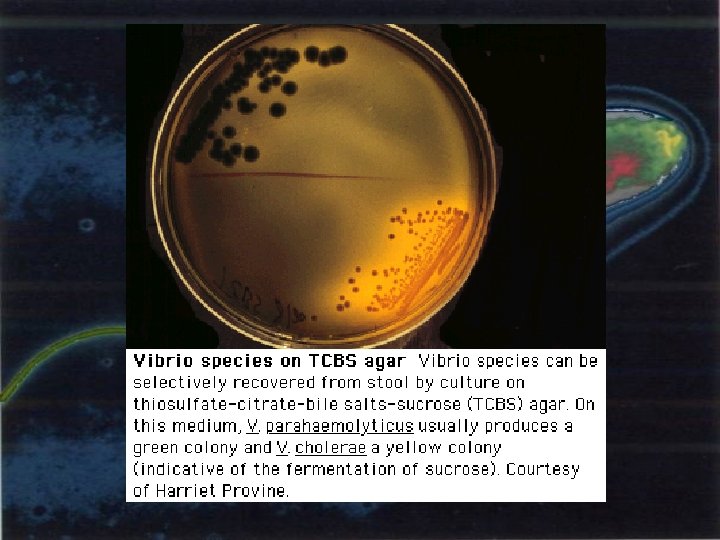
Laboratory Diagnosis Visualization by dark field or phase microscopy Look like “shooting stars” Gram Stain Red, curved rods of bacteria Isolate V. cholerae from patient’s stool Plate on Thiosulphate bile salt sucrose agar Yellow colonies form
Treatment *Even before identifying cause of disease, rehydration therapy must begin Immediately because death can occur within hours* Oral rehydration Intravenous rehydration Antimicrobial therapy
Treatment: Oral Rehydration Reduces mortality rate from over 50% to less than 1% Recover within 3 -6 days Should administer at least 1. 5 x amount of liquid lost in stools Use when less than 10% of bodyweight lost in dehydration
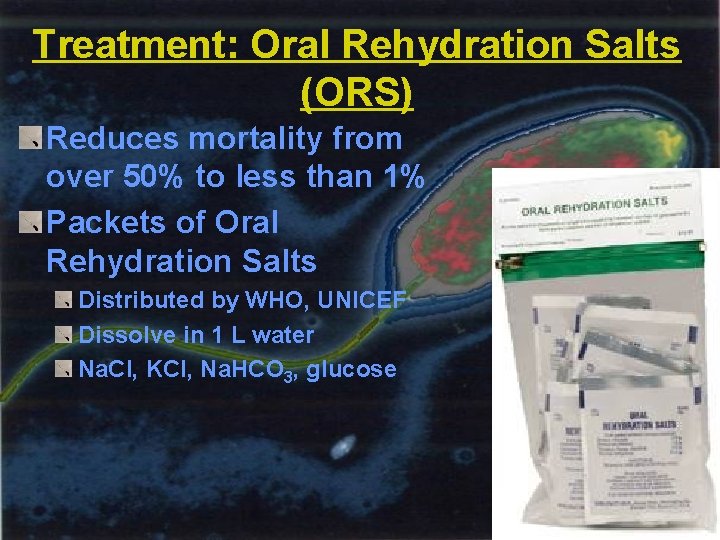
Treatment: Oral Rehydration Salts (ORS) Reduces mortality from over 50% to less than 1% Packets of Oral Rehydration Salts Distributed by WHO, UNICEF Dissolve in 1 L water Na. Cl, KCl, Na. HCO 3, glucose
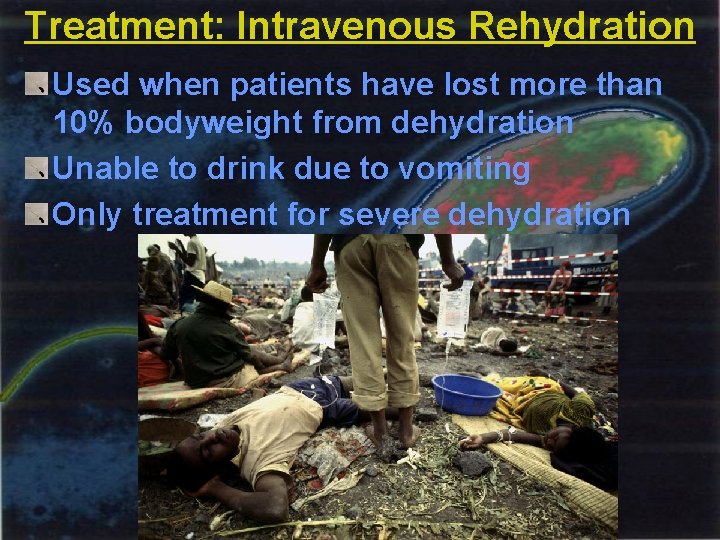
Treatment: Intravenous Rehydration Used when patients have lost more than 10% bodyweight from dehydration Unable to drink due to vomiting Only treatment for severe dehydration
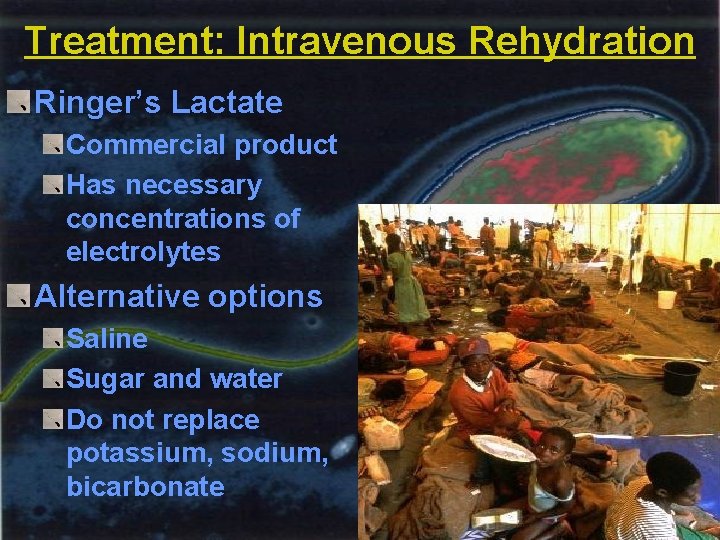
Treatment: Intravenous Rehydration Ringer’s Lactate Commercial product Has necessary concentrations of electrolytes Alternative options Saline Sugar and water Do not replace potassium, sodium, bicarbonate
Treatment: Antibiotics Adjunct to oral rehydration Reduce fluid loss by half Reduce recovery time by half 2 -3 days instead of 4 -6 Tetracycline, Doxycycline
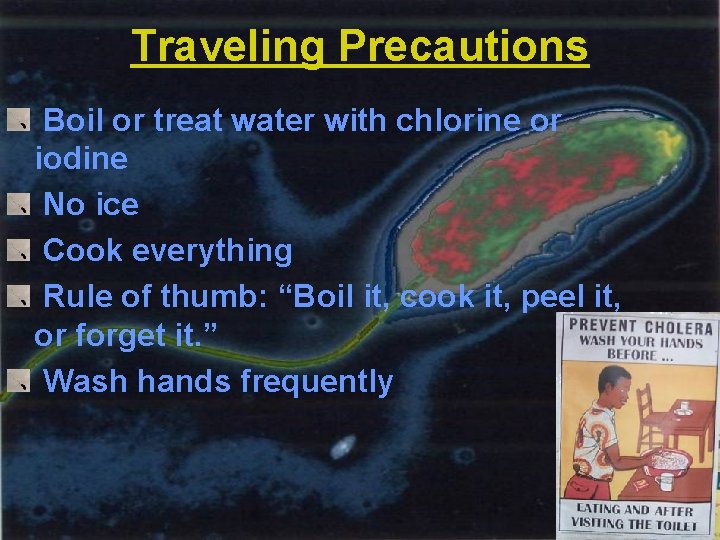
Traveling Precautions Boil or treat water with chlorine or iodine No ice Cook everything Rule of thumb: “Boil it, cook it, peel it, or forget it. ” Wash hands frequently
Vaccines Need localized mucosal immune response Oral Vaccine Not recommended Travelers have very low risk of contracting disease: 1 -2 cases per million international trips Not cost-effective to administer vaccines in endemic regions Brief and incomplete immunity Two types approved for humans: Killed whole-cell Live-attenuated
Killed Whole-cell Vaccines: Disadvantages 50% protection for 6 months to adults Gives less than 25% protection to children aged 2 -5 Need for multiple doses of nonliving antigens
Live Attenuated Vaccines: Disadvantages In children, protection rapidly declines after 6 months In adults, only receive 60% protection for 2 years Live vaccine induces mild cholera symptoms Mild diarrhea, abdominal cramping
Prevention Disrupt fecal-oral transmission Water Sanitation Water treatment
Ideal Bio. Weapon Ease of procurement Simplicity of production in large quantities at minimal expense Ease of dissemination with low technology Silent dissemination
Water Treatment Process Disinfection: chlorine added to kill remaining pathogens (only treatment given to water systems with groundwater sources) Storage: put in closed tank or reservoir (clear well) Allows chlorine to mix and disinfect all water Distribution
Prevention Efforts WHO: Global Task Force on Cholera Control Reduce mortality and morbidity Provide aid for social and economic consequences of Cholera CDC U. N. : GEMS/Water Global Water Quality Monitoring Project Addresses global issues of water quality with monitoring stations on all continents
- Slides: 54