
Vesicular transport Dr med habil Khidai Lszl Assoc
Vesicular transport Dr. med. habil. Kőhidai László Assoc. Professor Depertment of Genetics, Cell- and Immunoibiology Semmelwesi University 2016. October 10.
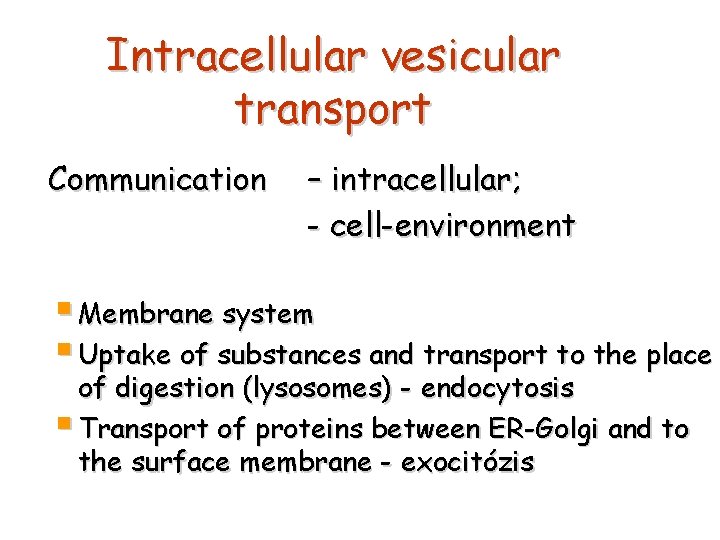
Intracellular vesicular transport Communication – intracellular; - cell-environment § Membrane system § Uptake of substances and transport to the place of digestion (lysosomes) - endocytosis § Transport of proteins between ER-Golgi and to the surface membrane - exocitózis
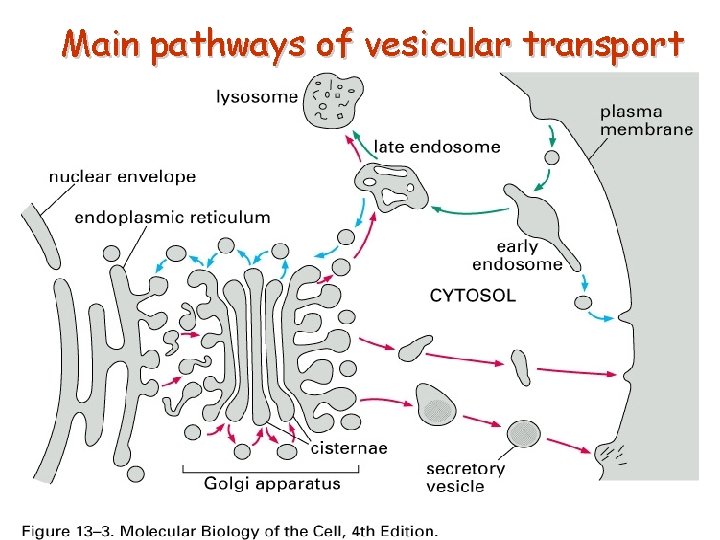
Main pathways of vesicular transport
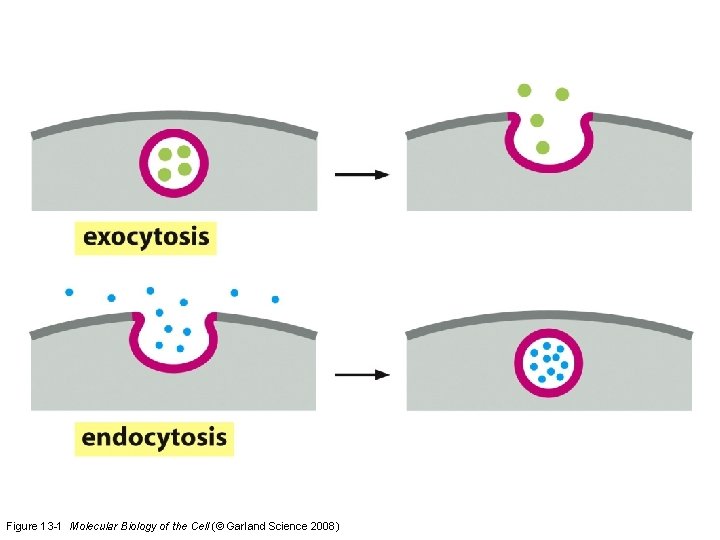
Figure 13 -1 Molecular Biology of the Cell (© Garland Science 2008)
Intracellular vesicular transport § Bidirectional, transport between compartment is balanced § Continous recyclicling of membrane proteins
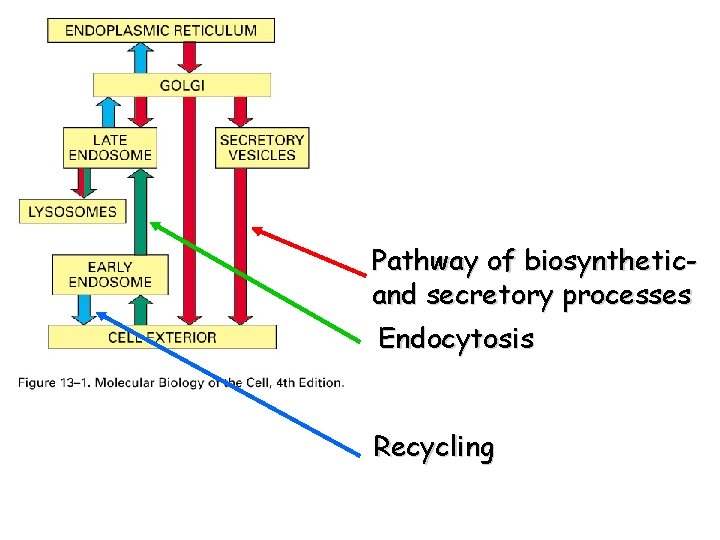
Pathway of biosyntheticand secretory processes Endocytosis Recycling
Transport vesicles § Membrane bounded vesicles filled with different cargos § Secretion § Lysosomal enzymes § Components of surface membrane and the ECM § Direction of transport is determined by the components of the membrane see: donor and target compartments
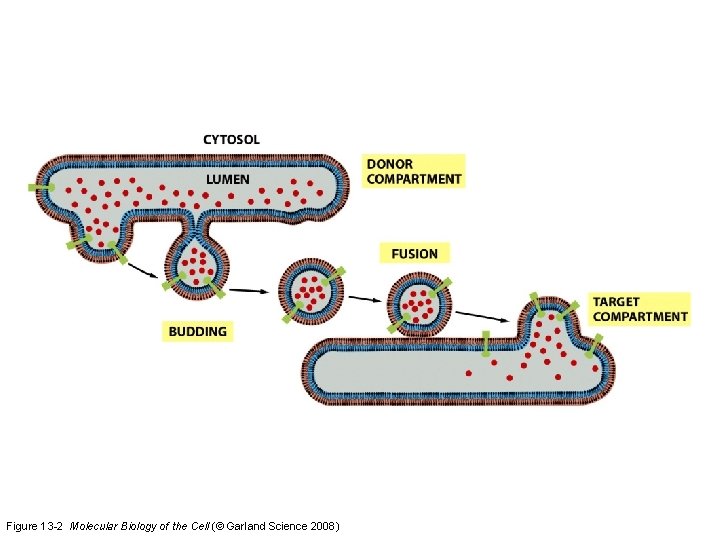
Figure 13 -2 Molecular Biology of the Cell (© Garland Science 2008)
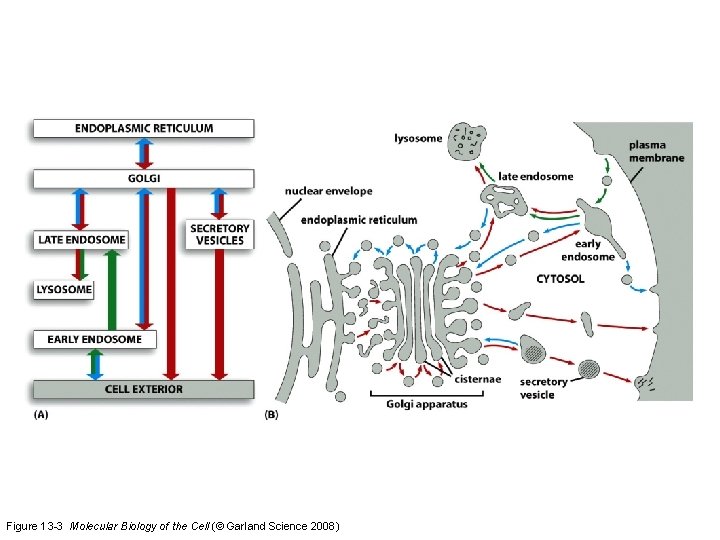
Figure 13 -3 Molecular Biology of the Cell (© Garland Science 2008)
Molecular bases of vesicular transport § Biosynthetic-secretory and endocytotic pathways join 10 or more compartments § Direction of the transport and fusion are determined by molecular matching (receptor/ligand)
Coated vesicles Role of the coat: § Components of the membrane (e. g. receptors) are concentrated into patches § Removal of coated surfaces and formation of vesicles
Types of coated vesicles § Clathrin-coated vesicles § COPII-coated vesicles Each type of vesicle has its own transport
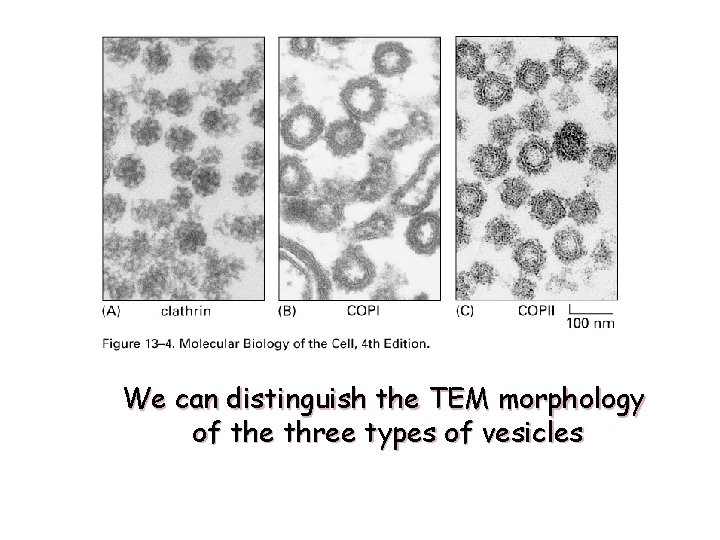
We can distinguish the TEM morphology of the three types of vesicles
Clathrin coated vesicles
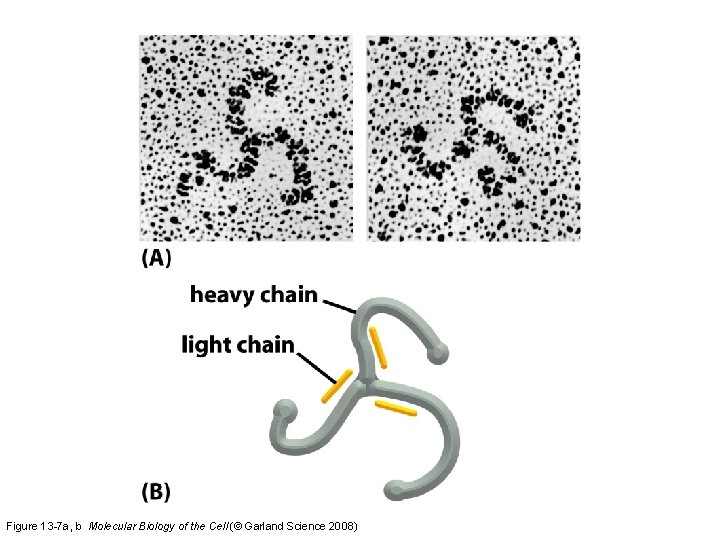
Figure 13 -7 a, b Molecular Biology of the Cell (© Garland Science 2008)
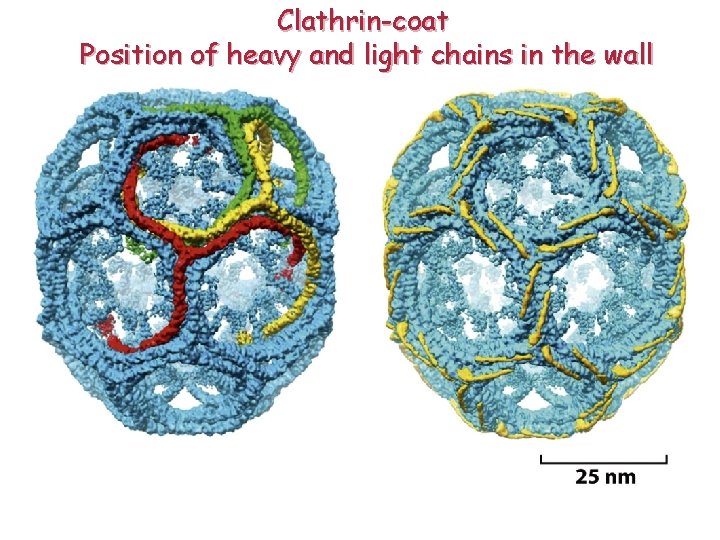
Clathrin-coat Position of heavy and light chains in the wall
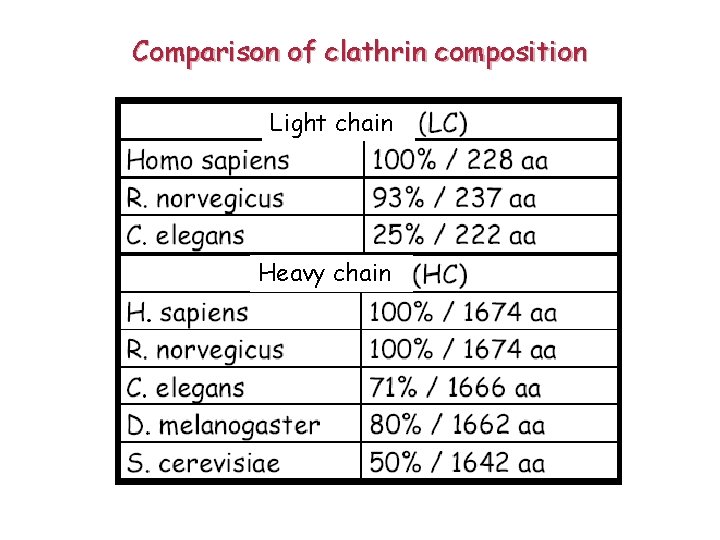
Comparison of clathrin composition Light chain Heavy chain
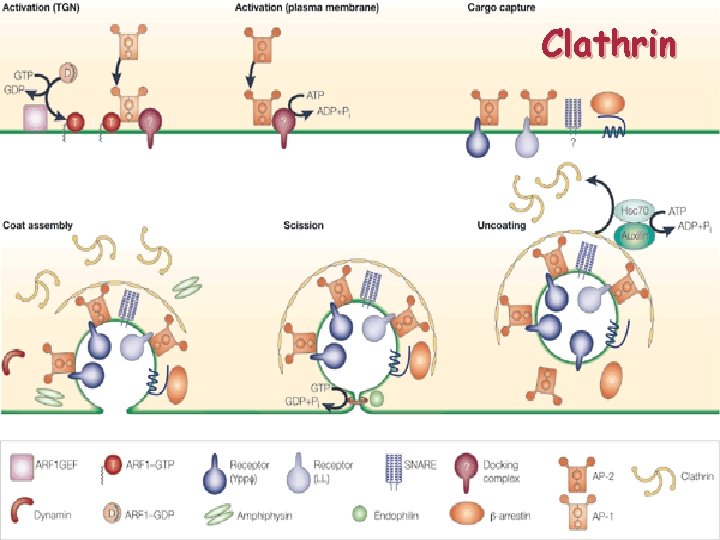
Clathrin
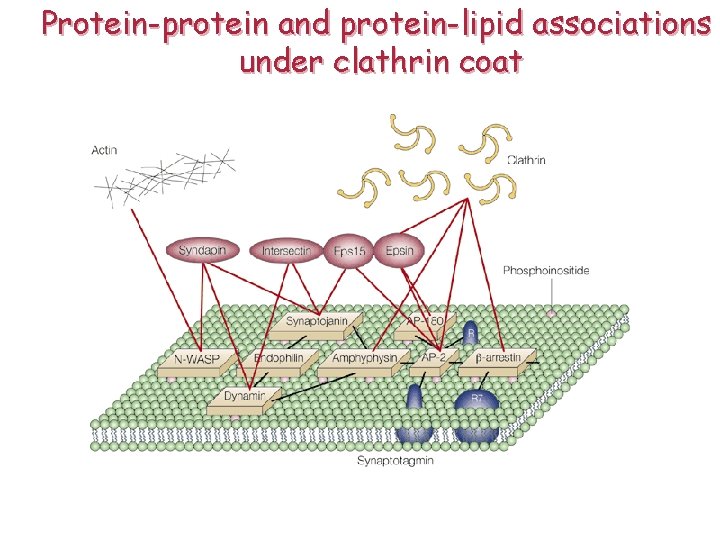
Protein-protein and protein-lipid associations under clathrin coat
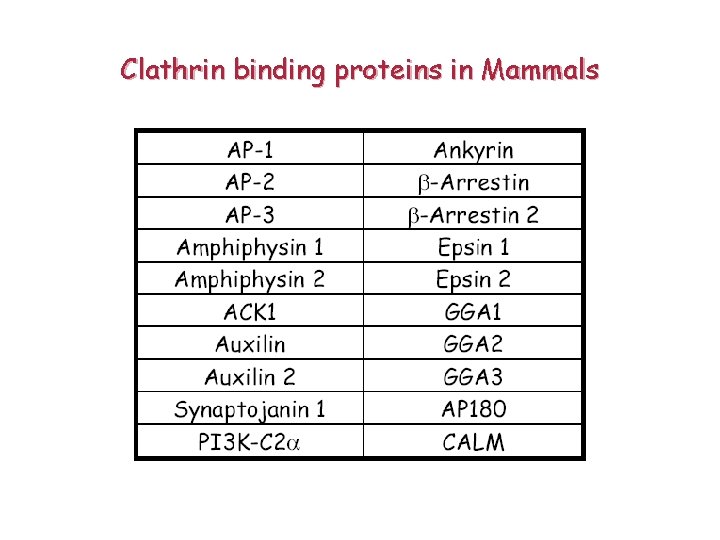
Clathrin binding proteins in Mammals
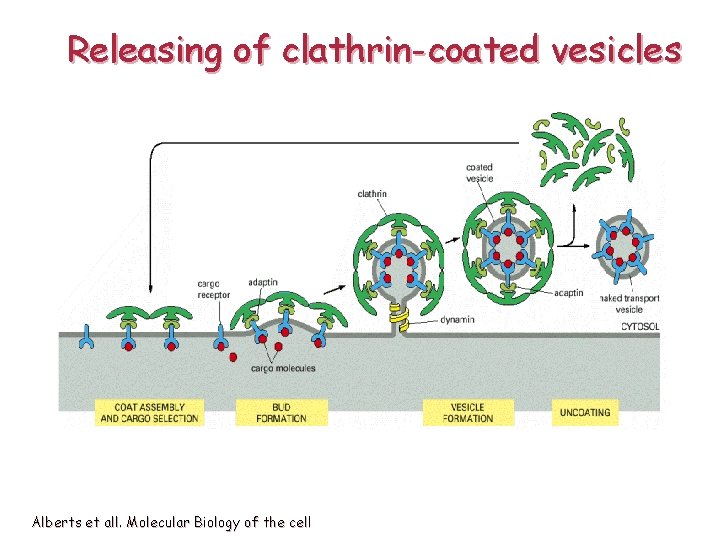
Releasing of clathrin-coated vesicles Alberts et all. Molecular Biology of the cell
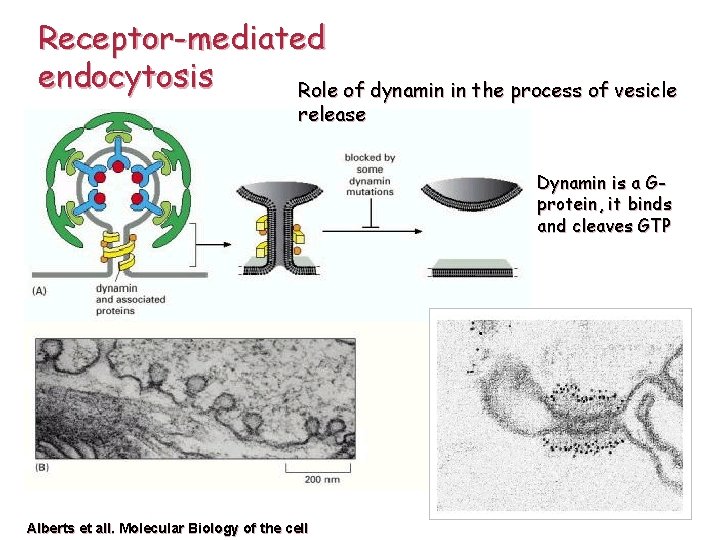
Receptor-mediated endocytosis Role of dynamin in the process of vesicle release Dynamin is a Gprotein, it binds and cleaves GTP Alberts et all. Molecular Biology of the cell
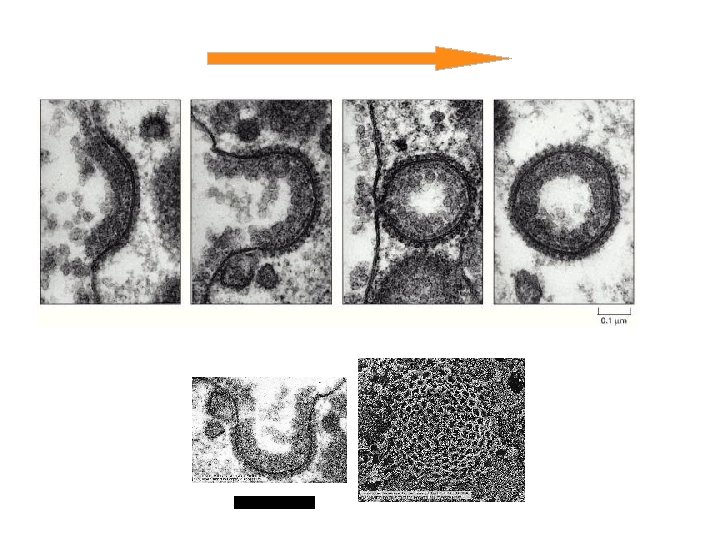
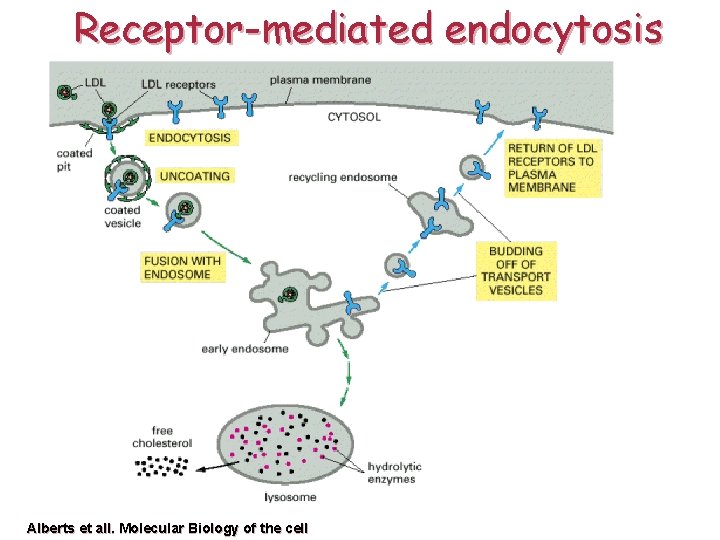
Receptor-mediated endocytosis Alberts et all. Molecular Biology of the cell
Vesicular transport between r. ER and Golgi
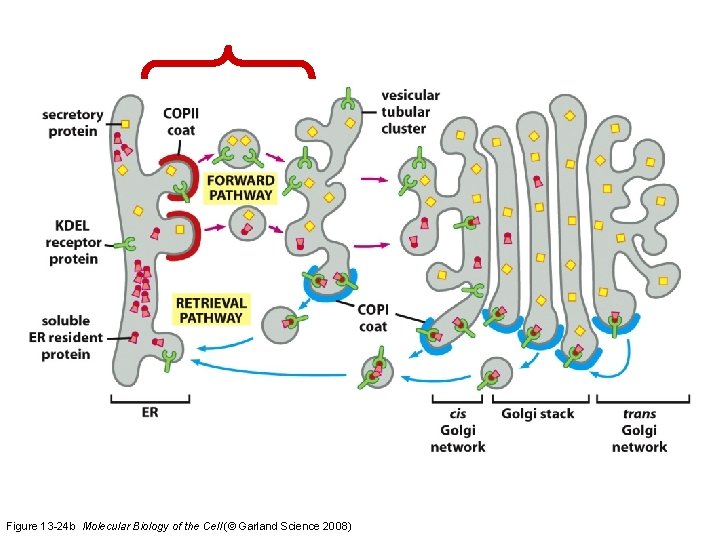
Figure 13 -24 b Molecular Biology of the Cell (© Garland Science 2008)
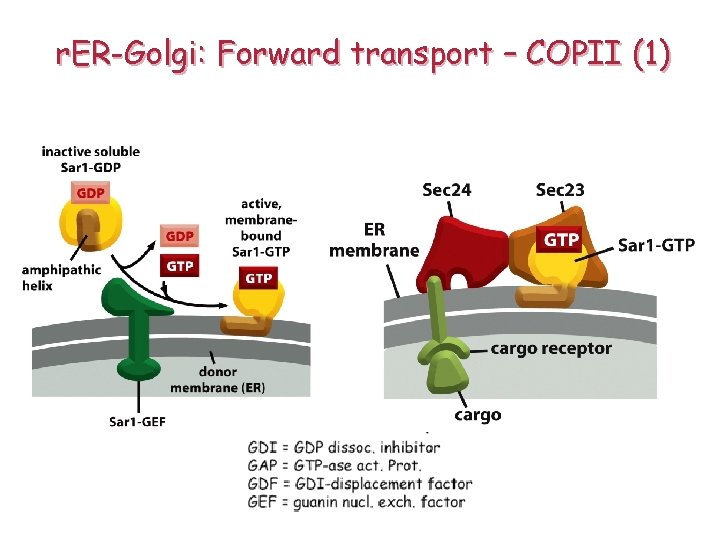
r. ER-Golgi: Forward transport – COPII (1)
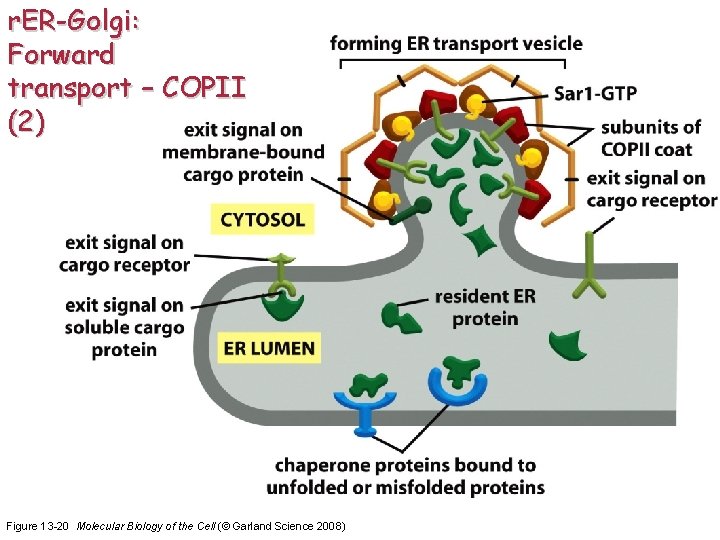
r. ER-Golgi: Forward transport – COPII (2) Figure 13 -20 Molecular Biology of the Cell (© Garland Science 2008)
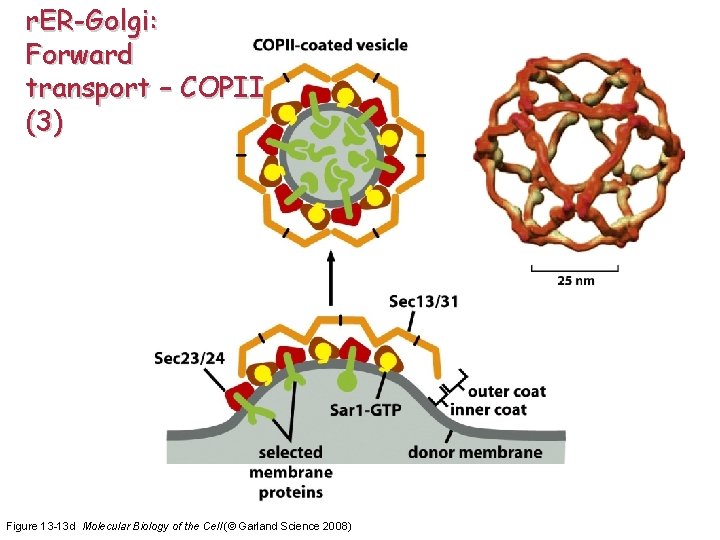
r. ER-Golgi: Forward transport – COPII (3) Figure 13 -13 d Molecular Biology of the Cell (© Garland Science 2008)
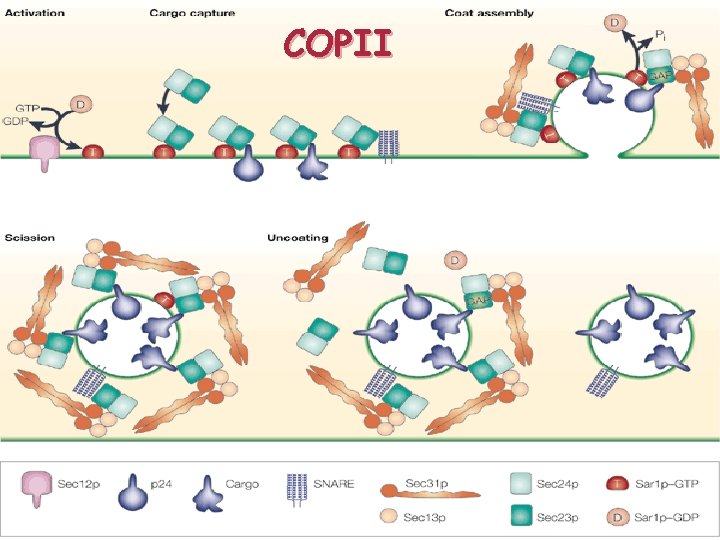
COPII
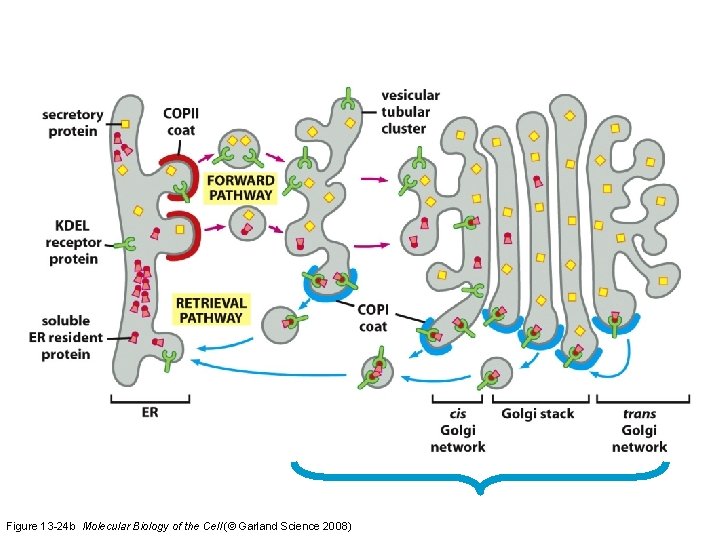
Figure 13 -24 b Molecular Biology of the Cell (© Garland Science 2008)
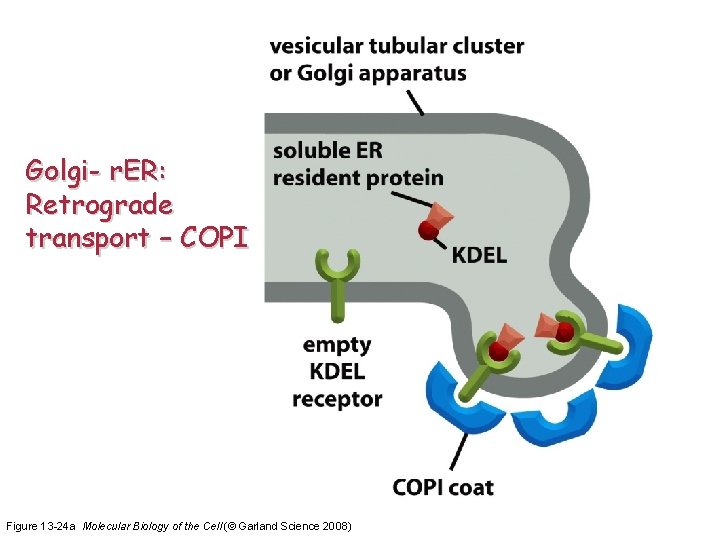
Golgi- r. ER: Retrograde transport – COPI Figure 13 -24 a Molecular Biology of the Cell (© Garland Science 2008)
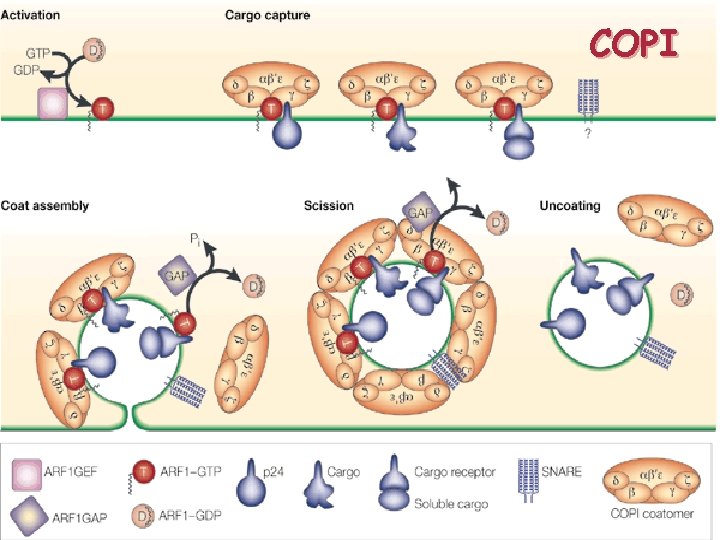
COPI
Vesicular transport in the cytoplasm
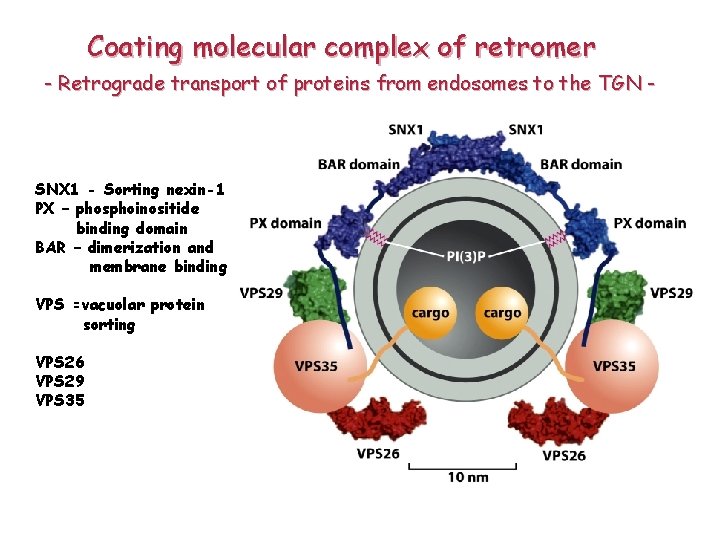
Coating molecular complex of retromer - Retrograde transport of proteins from endosomes to the TGN - SNX 1 - Sorting nexin-1 PX – phosphoinositide binding domain BAR – dimerization and membrane binding VPS =vacuolar protein sorting VPS 26 VPS 29 VPS 35
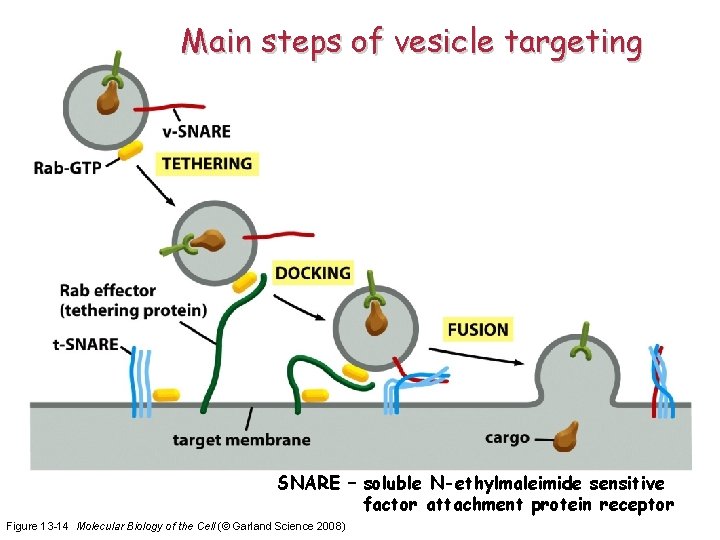
Main steps of vesicle targeting SNARE – soluble N-ethylmaleimide sensitive factor attachment protein receptor Figure 13 -14 Molecular Biology of the Cell (© Garland Science 2008)
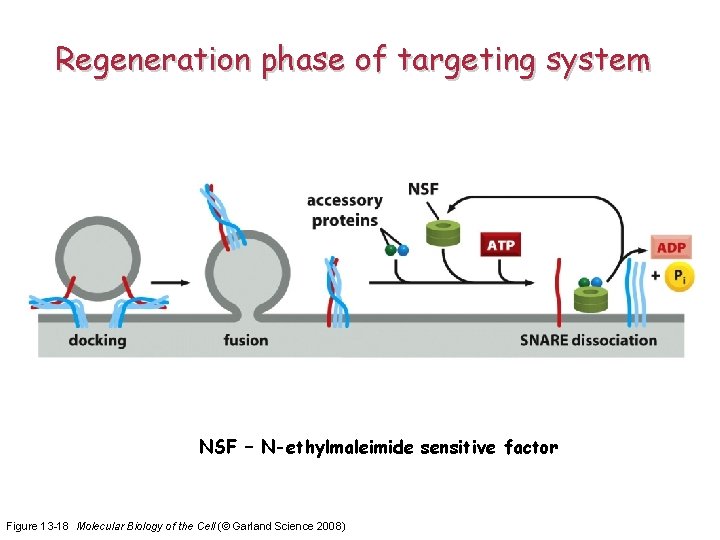
Regeneration phase of targeting system NSF – N-ethylmaleimide sensitive factor Figure 13 -18 Molecular Biology of the Cell (© Garland Science 2008)
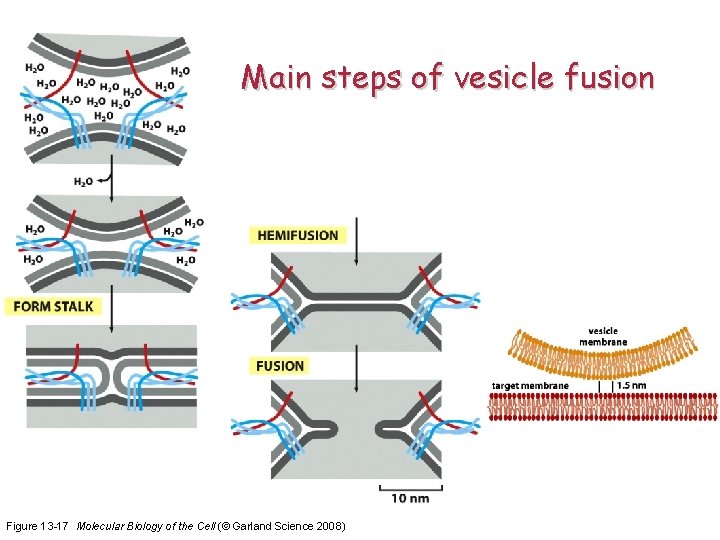
Main steps of vesicle fusion Figure 13 -17 Molecular Biology of the Cell (© Garland Science 2008)
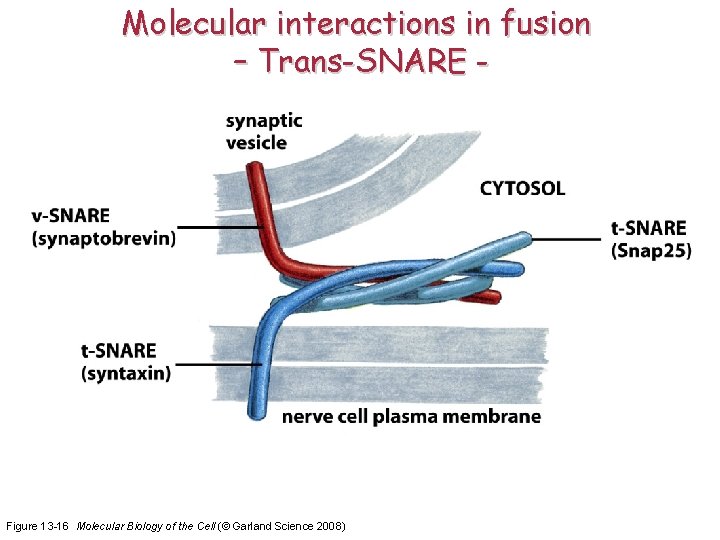
Molecular interactions in fusion – Trans-SNARE - Figure 13 -16 Molecular Biology of the Cell (© Garland Science 2008)
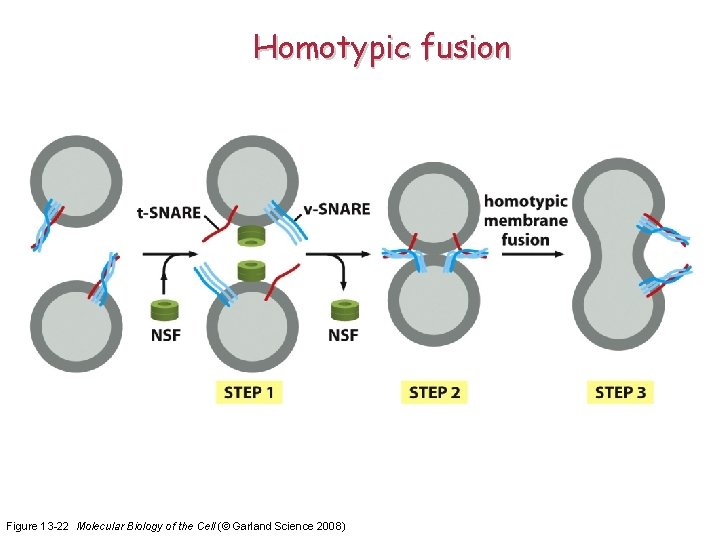
Homotypic fusion Figure 13 -22 Molecular Biology of the Cell (© Garland Science 2008)
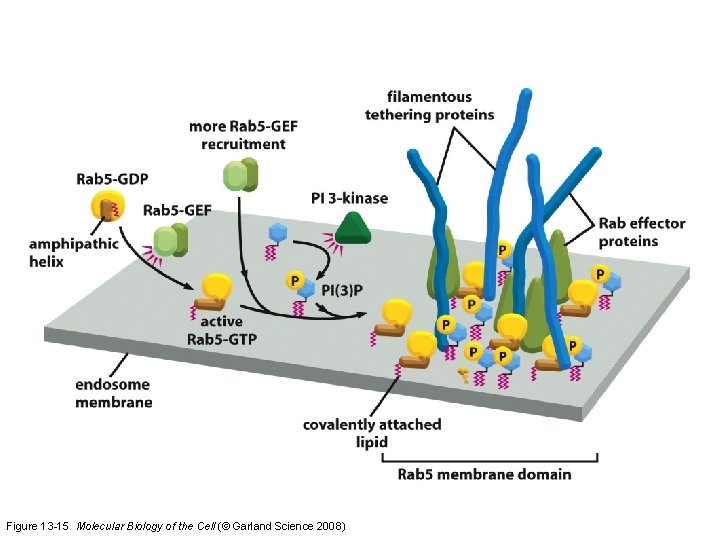
Figure 13 -15 Molecular Biology of the Cell (© Garland Science 2008)
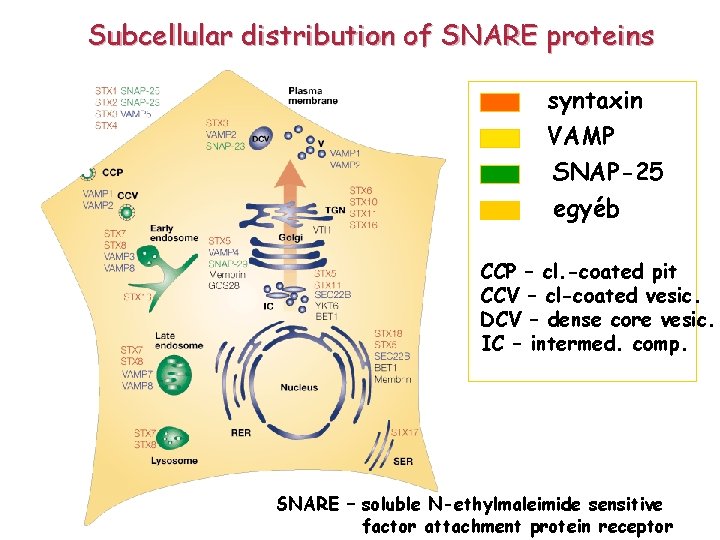
Subcellular distribution of SNARE proteins syntaxin VAMP SNAP-25 egyéb CCP – cl. -coated pit CCV – cl-coated vesic. DCV – dense core vesic. IC – intermed. comp. SNARE – soluble N-ethylmaleimide sensitive factor attachment protein receptor
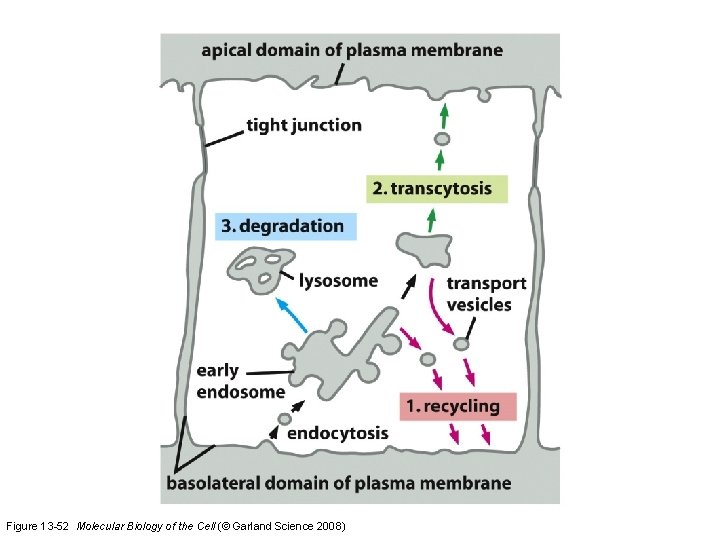
Figure 13 -52 Molecular Biology of the Cell (© Garland Science 2008)
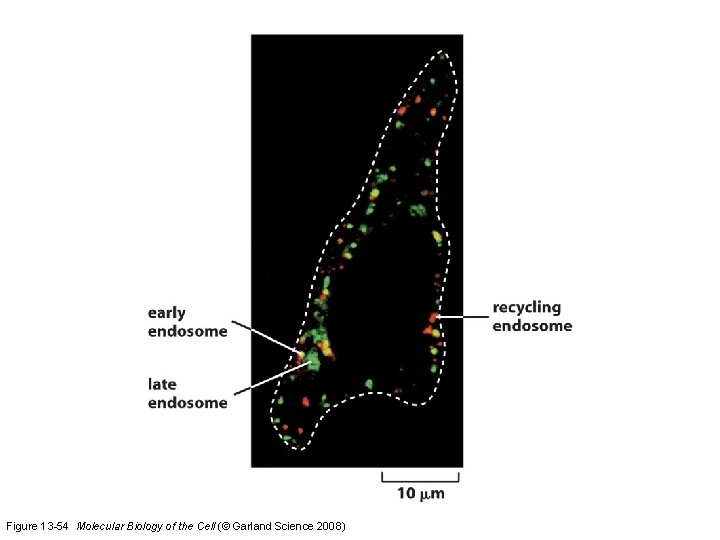
Figure 13 -54 Molecular Biology of the Cell (© Garland Science 2008)
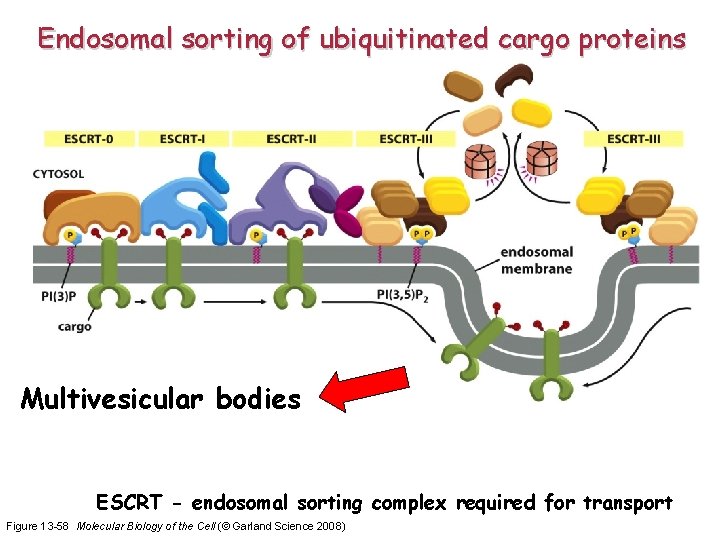
Endosomal sorting of ubiquitinated cargo proteins Multivesicular bodies ESCRT - endosomal sorting complex required for transport Figure 13 -58 Molecular Biology of the Cell (© Garland Science 2008)
Chief cofactors of transport
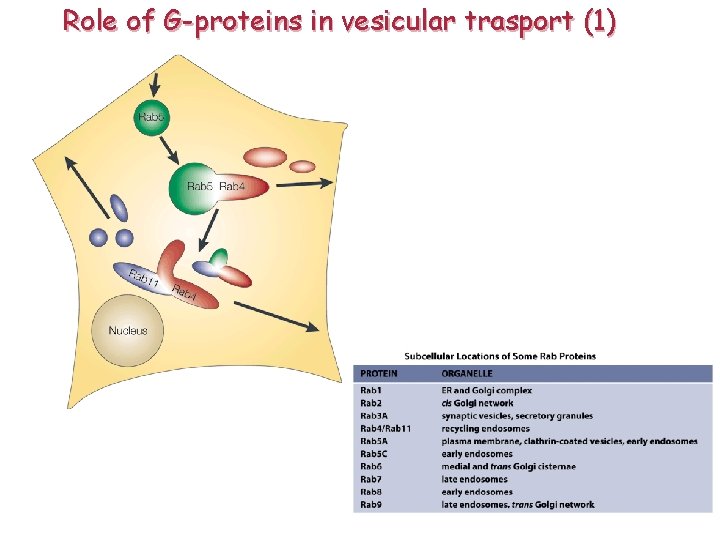
Role of G-proteins in vesicular trasport (1)
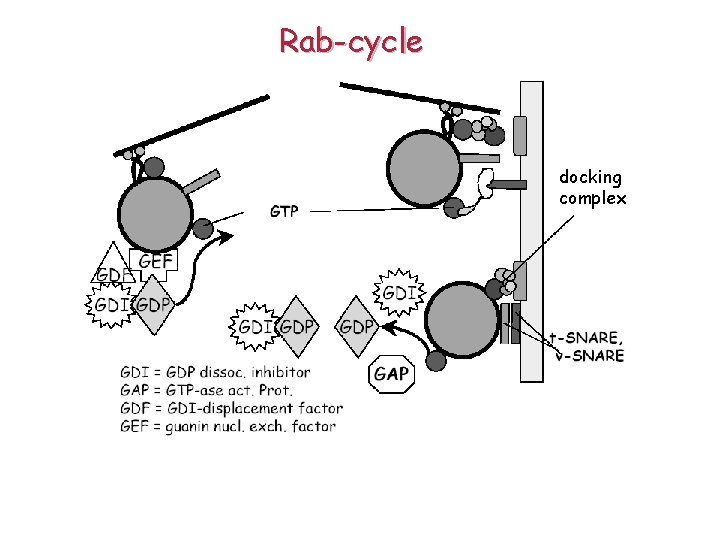
Rab-cycle docking complex
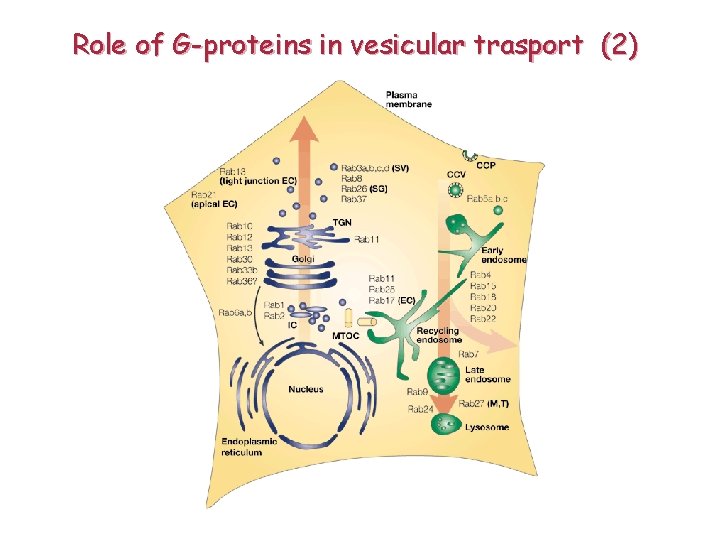
Role of G-proteins in vesicular trasport (2)
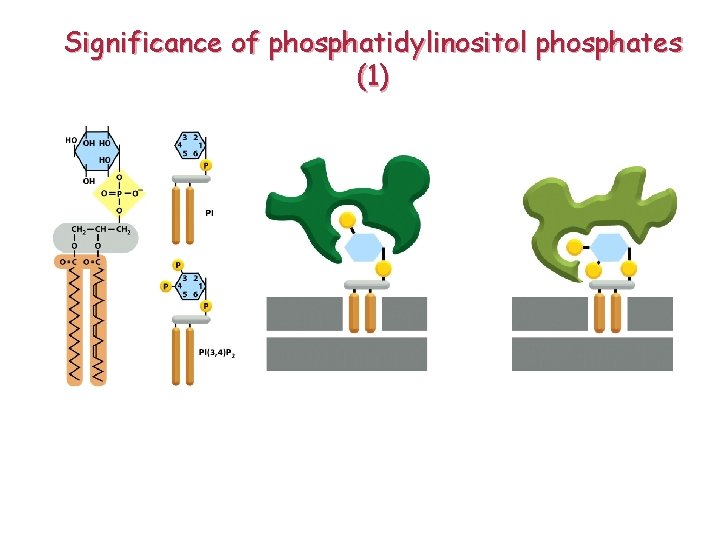
Significance of phosphatidylinositol phosphates (1)
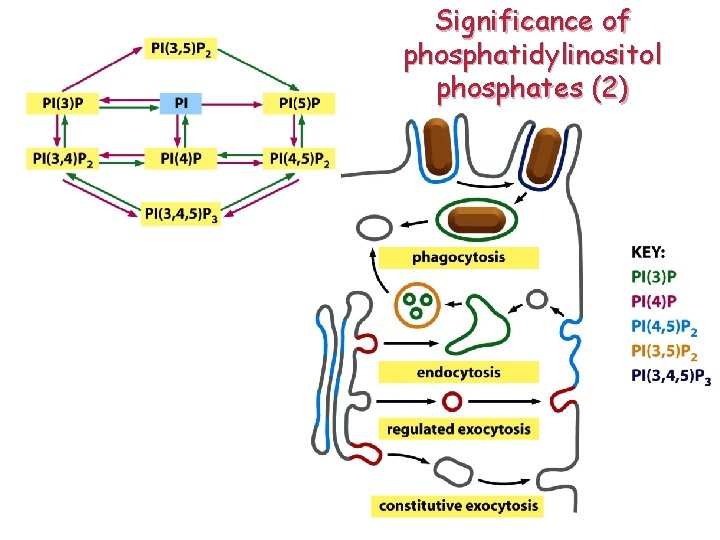
Significance of phosphatidylinositol phosphates (2)
Phylogeny of vesicular transport
Number of genes responsible for vesicular transport Phylogenetical approaches
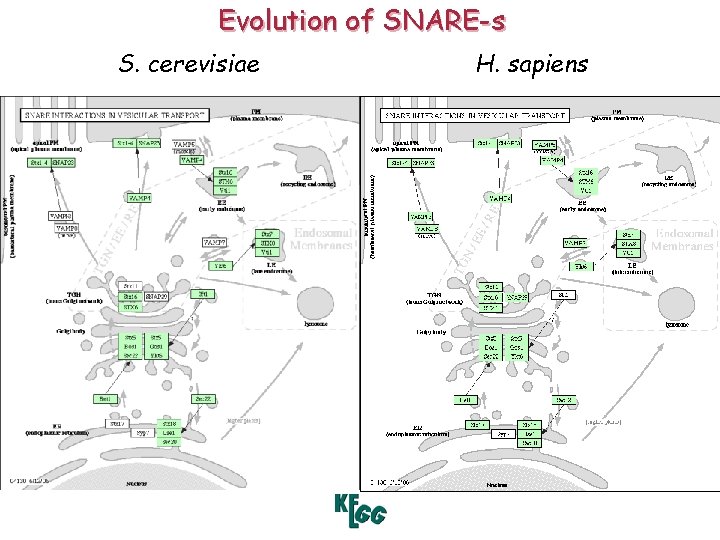
Evolution of SNARE-s S. cerevisiae H. sapiens
Exocytosis
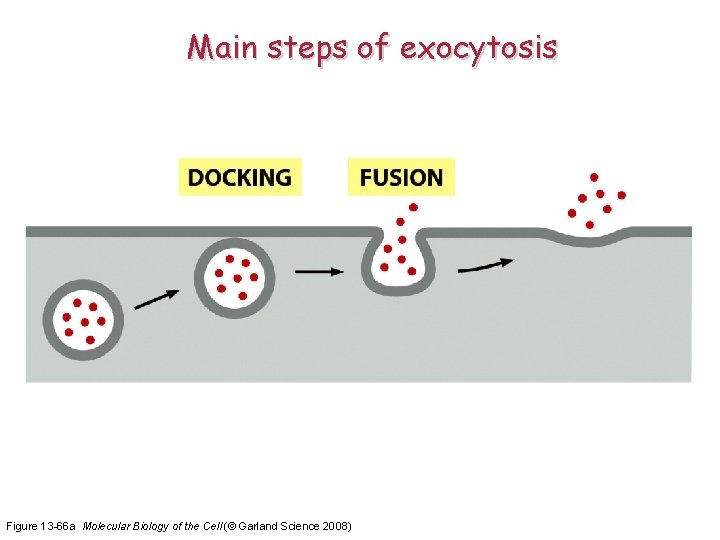
Main steps of exocytosis Figure 13 -66 a Molecular Biology of the Cell (© Garland Science 2008)
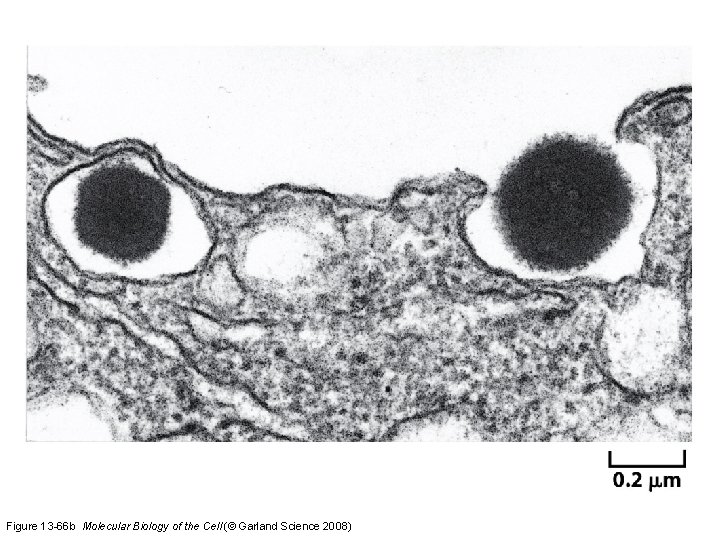
Figure 13 -66 b Molecular Biology of the Cell (© Garland Science 2008)
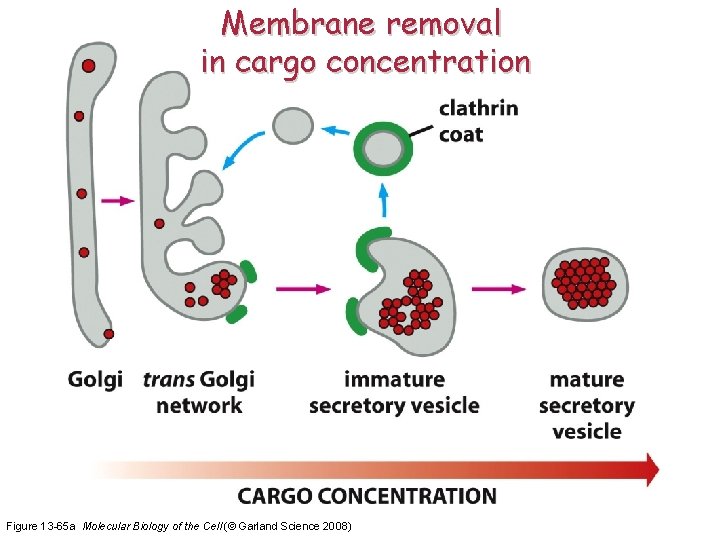
Membrane removal in cargo concentration Figure 13 -65 a Molecular Biology of the Cell (© Garland Science 2008)
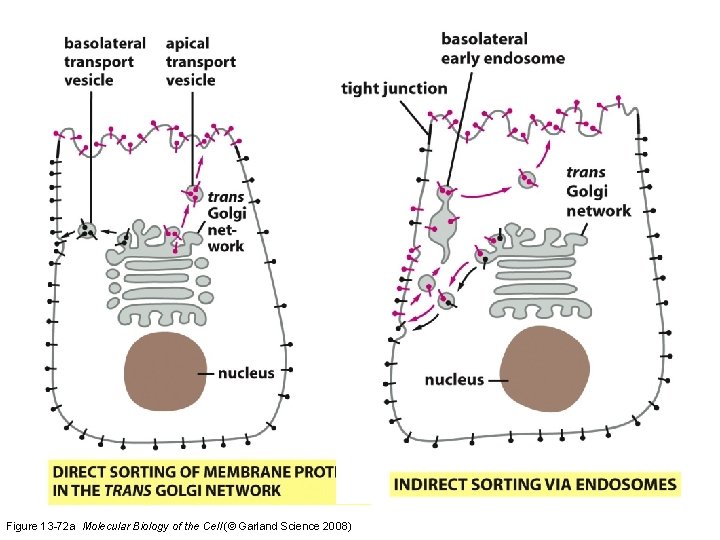
Figure 13 -72 a Molecular Biology of the Cell (© Garland Science 2008)
- Slides: 60