
Vermont Stormwater Regulations And Low Impact Development Outline
- Slides: 30
Vermont Stormwater Regulations And Low Impact Development
Outline • • The Vermont Stormwater Program Stormwater Management Manual LID Strategy? Future Standards
Stormwater Permit Programs • • • Construction Industrial Municipal Stormwater Discharge Impaired Waters Restoration
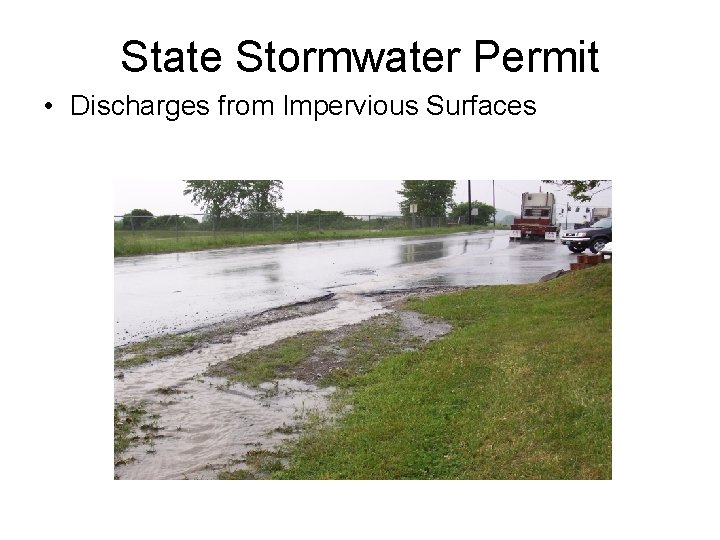
State Stormwater Permit • Discharges from Impervious Surfaces
Projects Requiring State Stormwater Permit • 1 Ac. New Impervious Surface • Expansions > 5, 000 ft 2
Technical Requirements • Developed by CWP • Adopted by VT Legislature
Technical Requirements • • 5 Criteria: Treatment Infiltration Detention of 1, 10, and 100 -year storms
Is it LID?
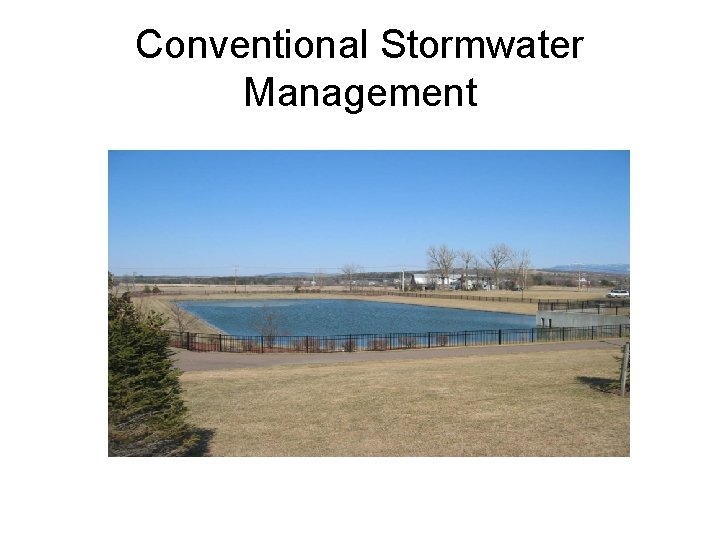
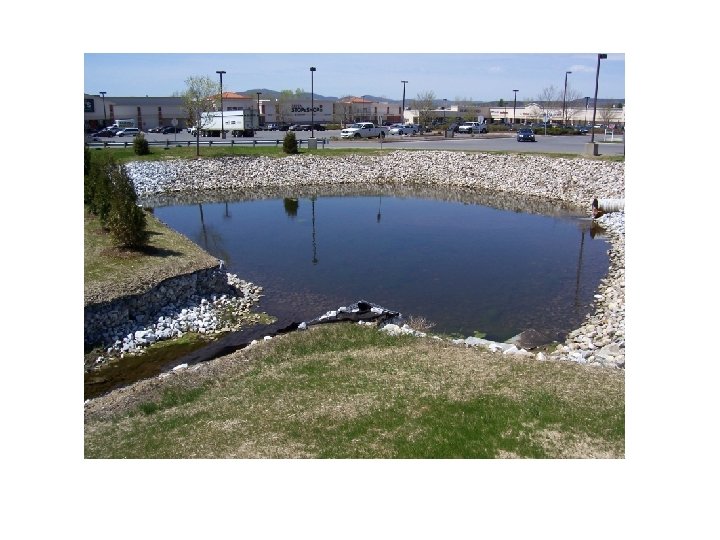
Conventional Stormwater Management
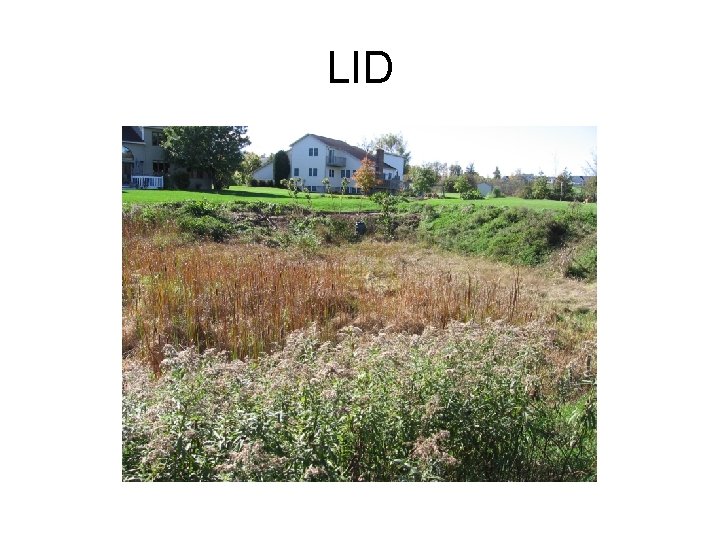
LID
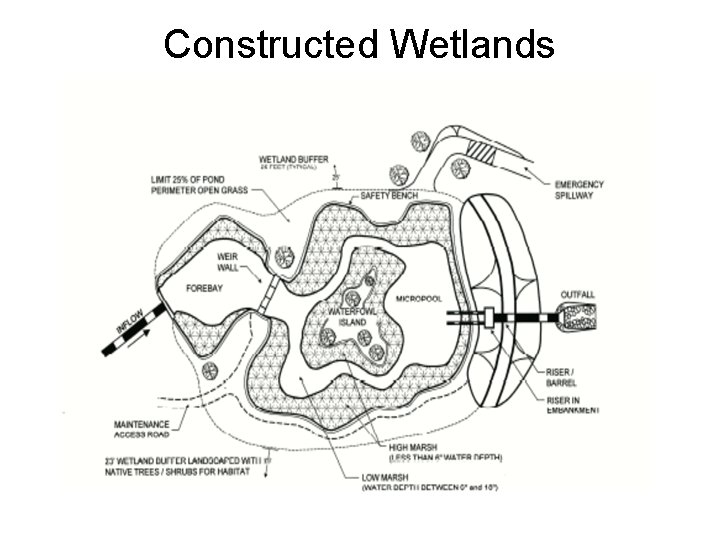
Constructed Wetlands
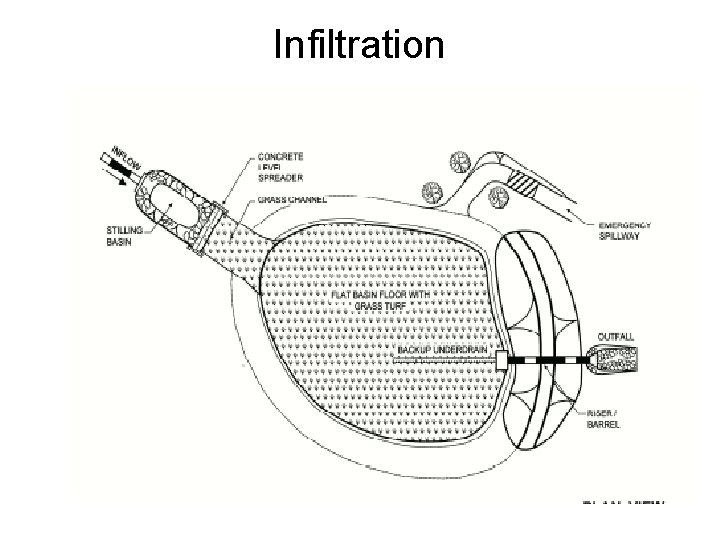
Infiltration
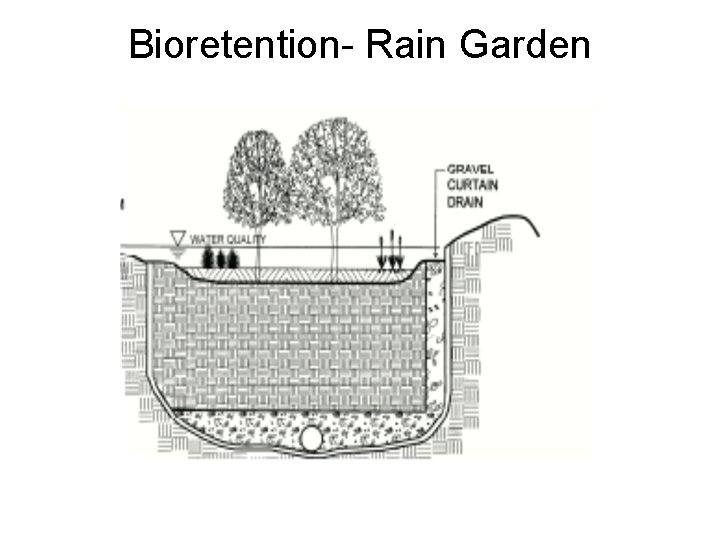
Bioretention- Rain Garden
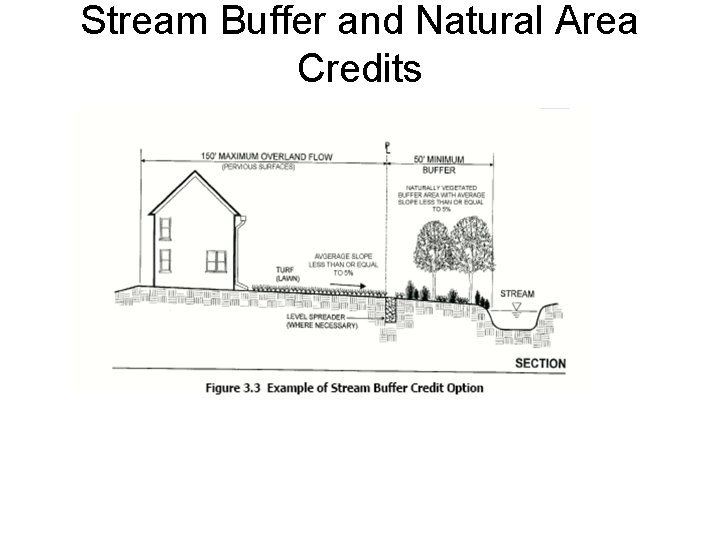
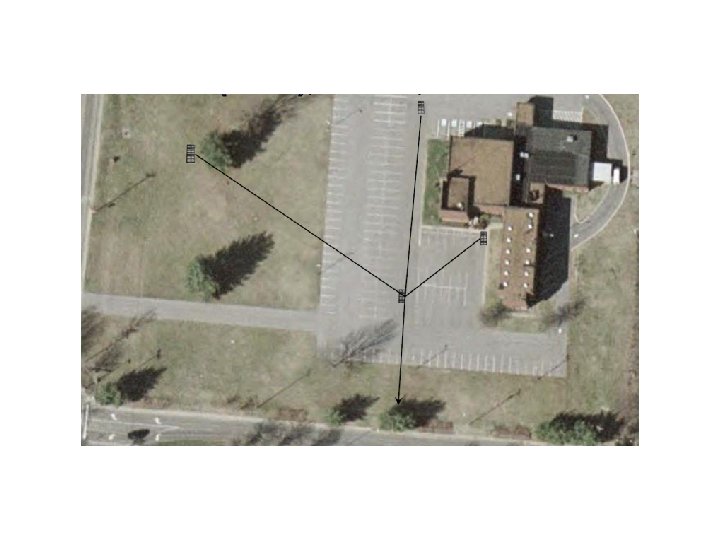
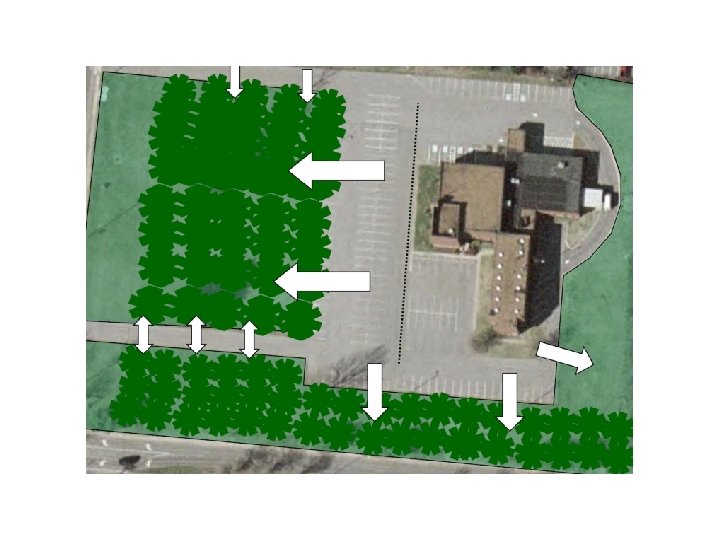
• • CREDITS Natural Area Conservation Disconnection of Rooftop Runoff Disconnection of Non-Rooftop Runoff Stream Buffers Grass Channels Environmentally Sensitive Rural Development
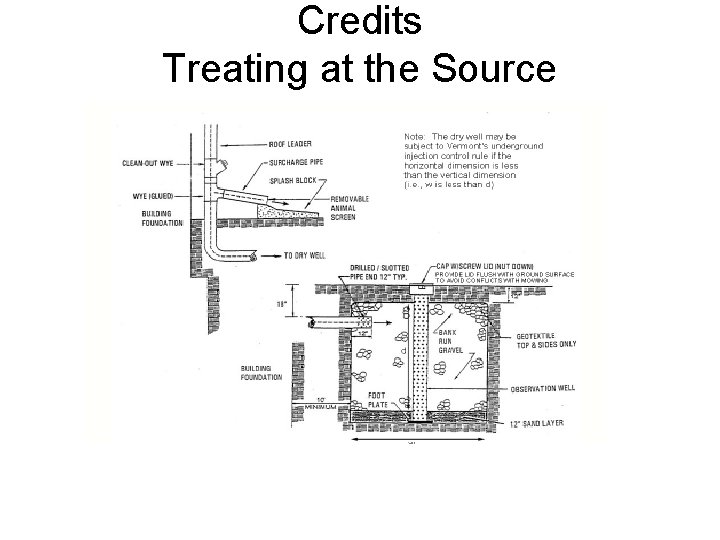
Credits Treating at the Source
Stream Buffer and Natural Area Credits
Reducing Impervious Cover • Decrease in required volumes • Possible elimination of structural practices
Vermont Stormwater Management Manual • 500 + LID projects in 10 years?
VT Stormwater Manual Non LID • Not zoning –road width, density • Designers can choose “centralized facilities”
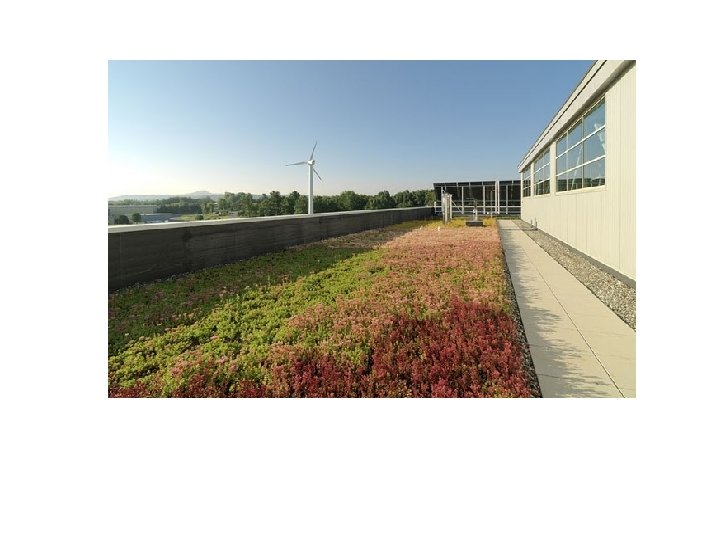
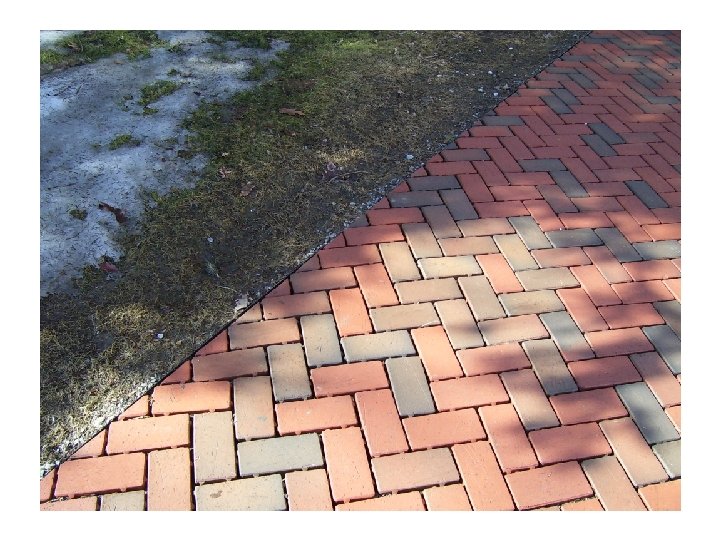
VT Stormwater Manual Unclear • • Pervious Pavement and Concrete Green Roofs Rain Gardens Rain Barrels / Cisterns
Future Revisions • Based on Maryland ESD • Manage site to reflect a runoff coefficient of “woods in good condition” • Distributed practice accounting
Future Revisions • How determine if site has maximized GSI? • Raising the bar on nutrient removal – the best “incentive”? • Collecting the disconnected • Not development standards
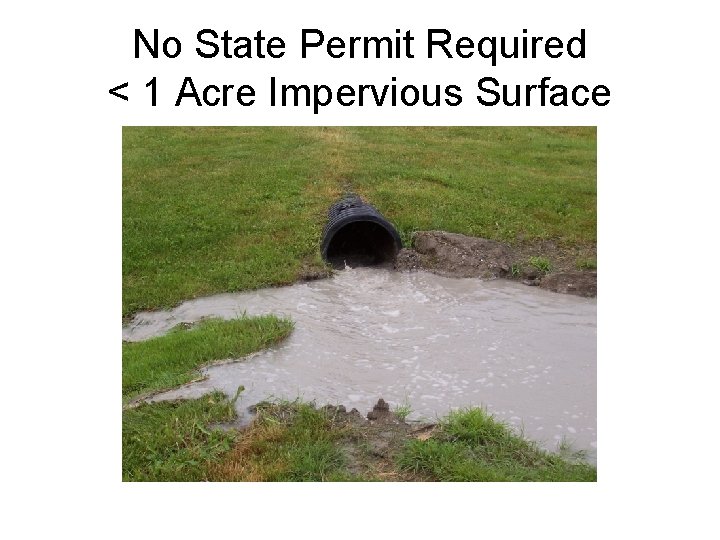
No State Permit Required < 1 Acre Impervious Surface
Questions?