
Ventilation for Energy Management and Infection Prevention Andrew



- Slides: 83
Ventilation for Energy Management and Infection Prevention Andrew Streifel Hospital Environment Specialist University of Minnesota Medical Center Hosted by Dr. Lynne Sehulster Centers for Disease Control, Atlanta www. webbertraining. com September 17, 2015
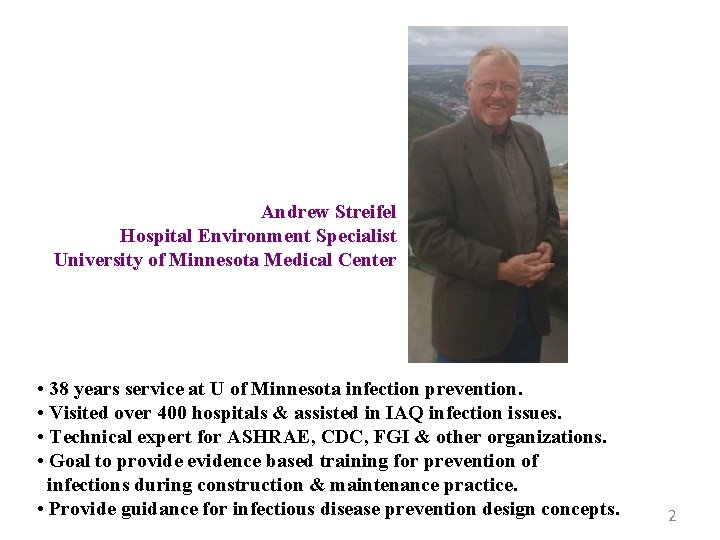
Andrew Streifel Hospital Environment Specialist University of Minnesota Medical Center • 38 years service at U of Minnesota infection prevention. • Visited over 400 hospitals & assisted in IAQ infection issues. • Technical expert for ASHRAE, CDC, FGI & other organizations. • Goal to provide evidence based training for prevention of infections during construction & maintenance practice. • Provide guidance for infectious disease prevention design concepts. 2
Why is energy important to infectious disease management? • Mermazadeh and Xu 2012 recommend site specific risk analysis because increasing or decreasing the room air exchange rate by as little as one air change per hour can result in a differene of $150 -250 per year in heating and cooling costs for that room. Dr. Mermazadeh is the Director of Technical Services NIH. 3
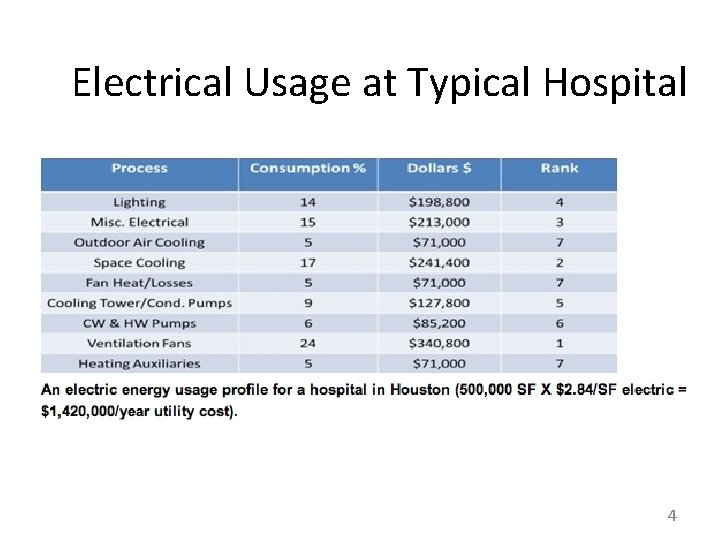
Electrical Usage at Typical Hospital 4
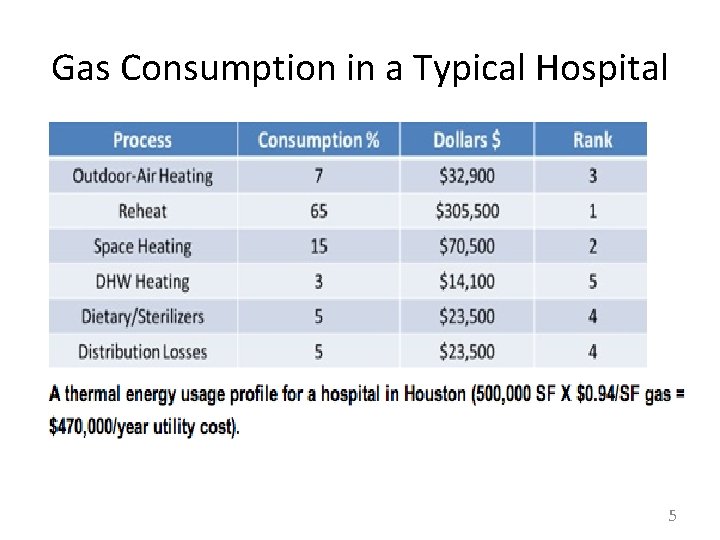
Gas Consumption in a Typical Hospital 5
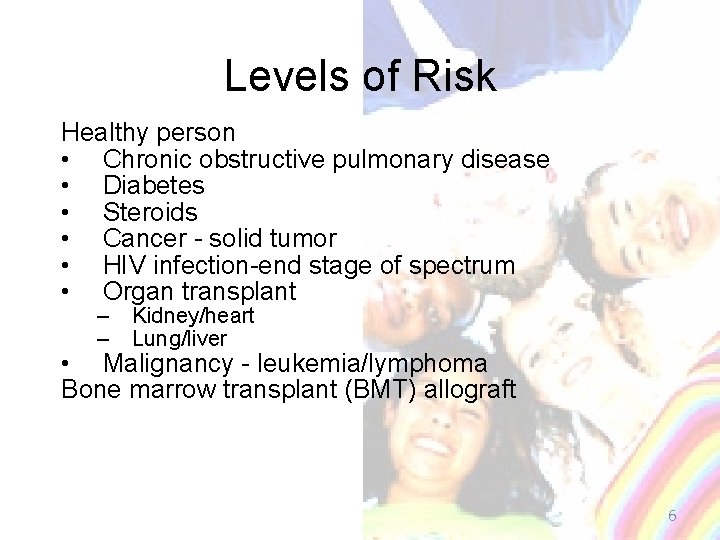
Levels of Risk Healthy person • Chronic obstructive pulmonary disease • Diabetes • Steroids • Cancer - solid tumor • HIV infection-end stage of spectrum • Organ transplant – Kidney/heart – Lung/liver • Malignancy - leukemia/lymphoma Bone marrow transplant (BMT) allograft 6
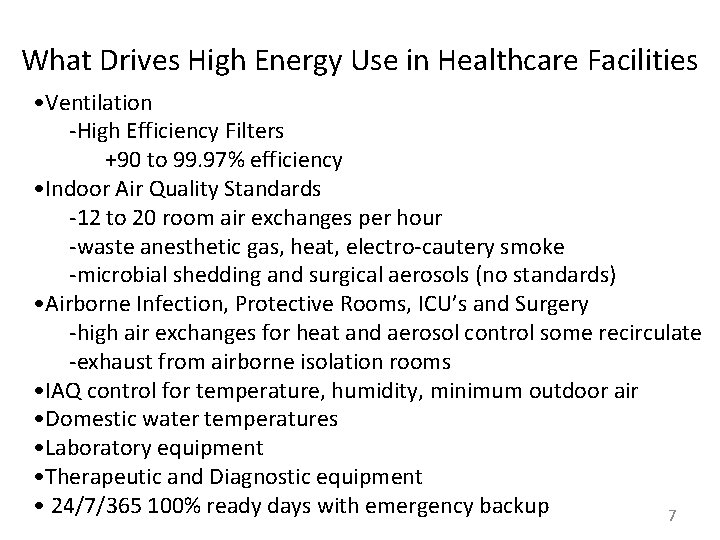
What Drives High Energy Use in Healthcare Facilities • Ventilation -High Efficiency Filters +90 to 99. 97% efficiency • Indoor Air Quality Standards -12 to 20 room air exchanges per hour -waste anesthetic gas, heat, electro-cautery smoke -microbial shedding and surgical aerosols (no standards) • Airborne Infection, Protective Rooms, ICU’s and Surgery -high air exchanges for heat and aerosol control some recirculate -exhaust from airborne isolation rooms • IAQ control for temperature, humidity, minimum outdoor air • Domestic water temperatures • Laboratory equipment • Therapeutic and Diagnostic equipment • 24/7/365 100% ready days with emergency backup 7
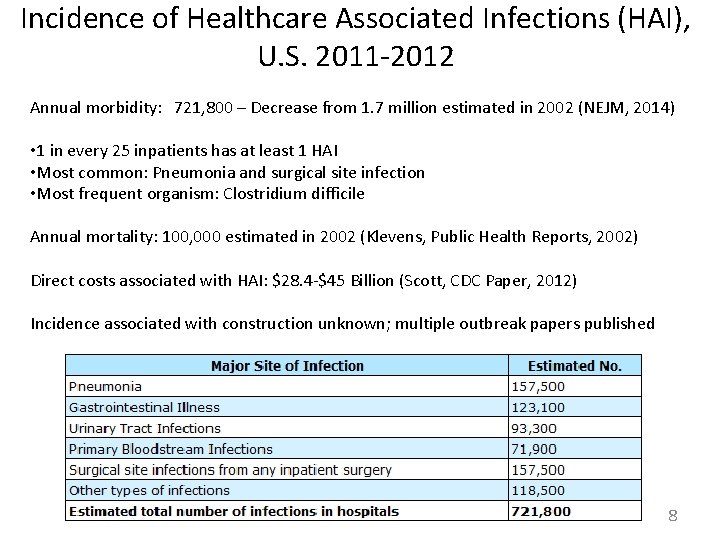
Incidence of Healthcare Associated Infections (HAI), U. S. 2011 -2012 Annual morbidity: 721, 800 – Decrease from 1. 7 million estimated in 2002 (NEJM, 2014) • 1 in every 25 inpatients has at least 1 HAI • Most common: Pneumonia and surgical site infection • Most frequent organism: Clostridium difficile Annual mortality: 100, 000 estimated in 2002 (Klevens, Public Health Reports, 2002) Direct costs associated with HAI: $28. 4 -$45 Billion (Scott, CDC Paper, 2012) Incidence associated with construction unknown; multiple outbreak papers published 8
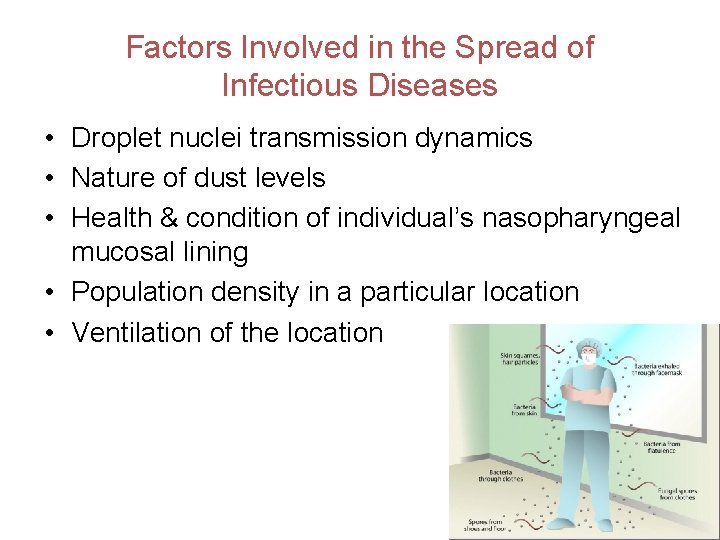
Factors Involved in the Spread of Infectious Diseases • Droplet nuclei transmission dynamics • Nature of dust levels • Health & condition of individual’s nasopharyngeal mucosal lining • Population density in a particular location • Ventilation of the location
Standard Precautions Against Disease Transmission • Early identification of microbes • Development of appropriate SOPs • Use of PPE including: – – Masks & gloves Disinfection strategies Vaccination Appropriate ventilation design 10
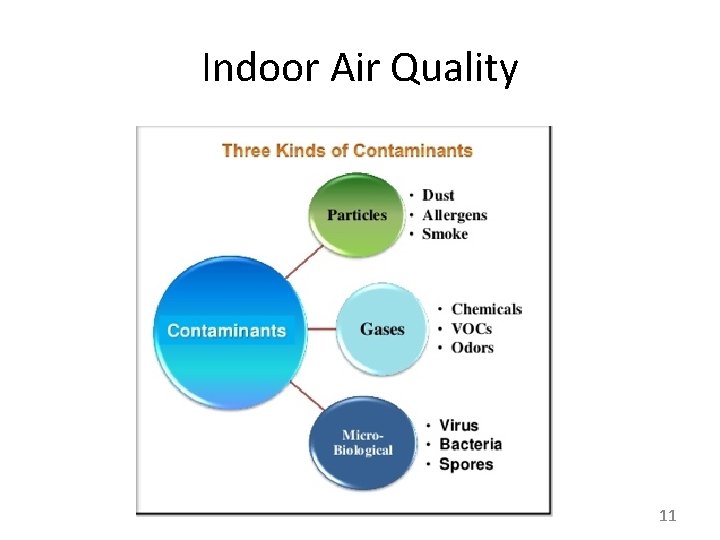
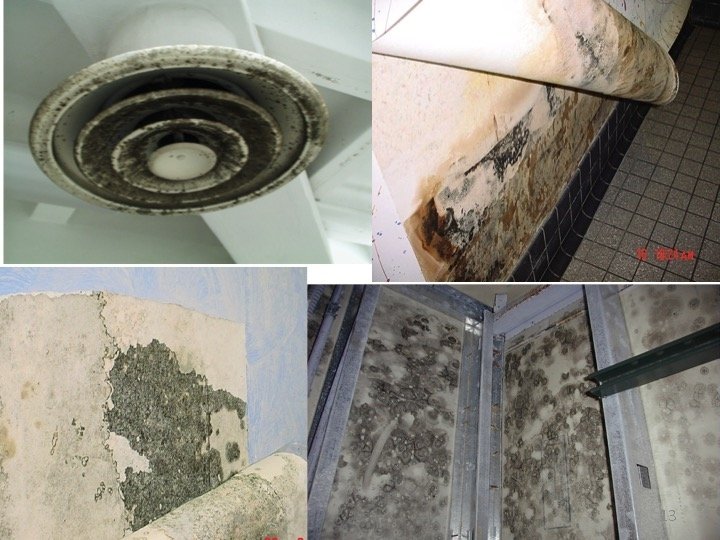
Indoor Air Quality 11
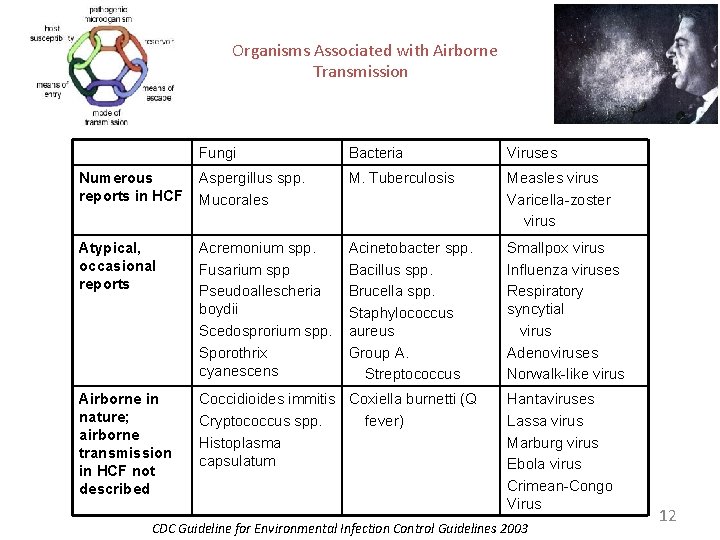
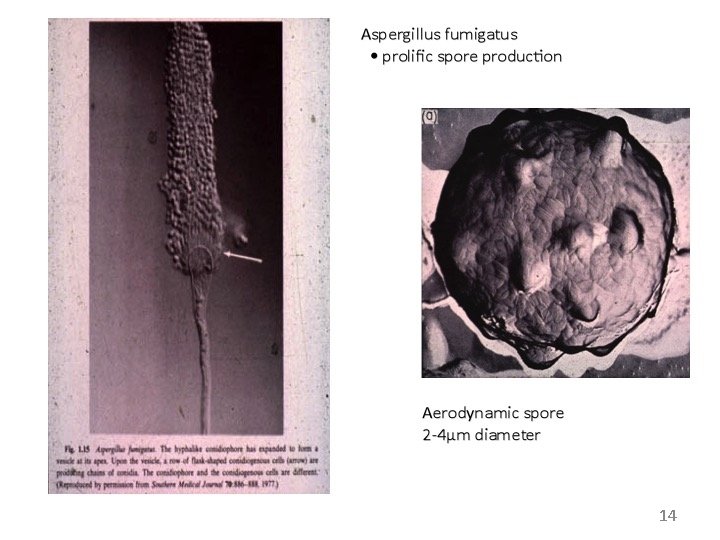
Organisms Associated with Airborne Transmission Fungi Bacteria Viruses Numerous reports in HCF Aspergillus spp. Mucorales M. Tuberculosis Measles virus Varicella-zoster virus Atypical, occasional reports Acremonium spp. Fusarium spp Pseudoallescheria boydii Scedosprorium spp. Sporothrix cyanescens Acinetobacter spp. Bacillus spp. Brucella spp. Staphylococcus aureus Group A. Streptococcus Smallpox virus Influenza viruses Respiratory syncytial virus Adenoviruses Norwalk-like virus Airborne in nature; airborne transmission in HCF not described Coccidioides immitis Coxiella burnetti (Q Cryptococcus spp. fever) Histoplasma capsulatum Hantaviruses Lassa virus Marburg virus Ebola virus Crimean-Congo Virus CDC Guideline for Environmental Infection Control Guidelines 2003 12
13
14
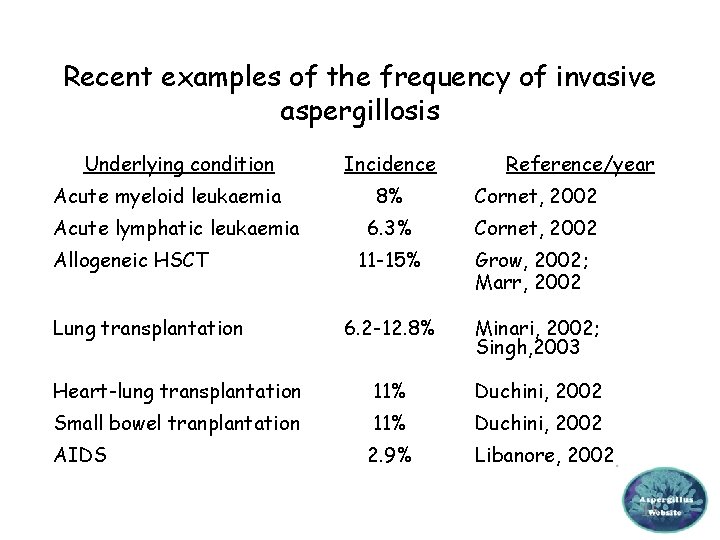
Recent examples of the frequency of invasive aspergillosis Underlying condition Acute myeloid leukaemia Incidence Reference/year 8% Cornet, 2002 6. 3% Cornet, 2002 11 -15% Grow, 2002; Marr, 2002 6. 2 -12. 8% Minari, 2002; Singh, 2003 Heart-lung transplantation 11% Duchini, 2002 Small bowel tranplantation 11% Duchini, 2002 AIDS 2. 9% Libanore, 2002 Acute lymphatic leukaemia Allogeneic HSCT Lung transplantation 15
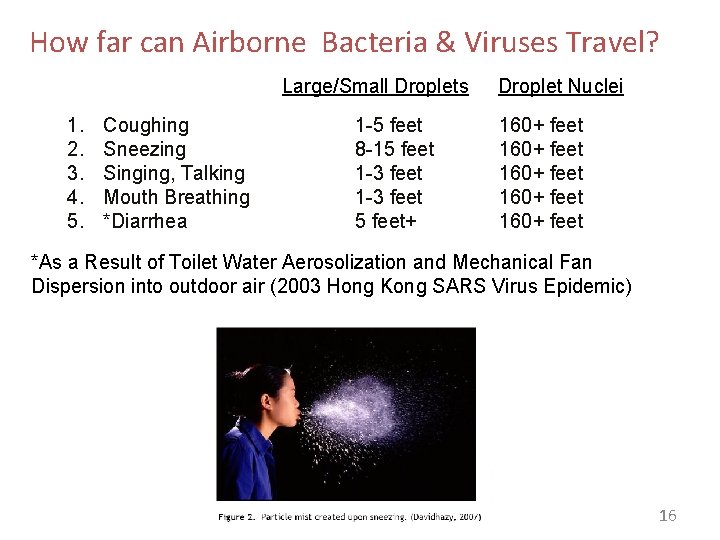
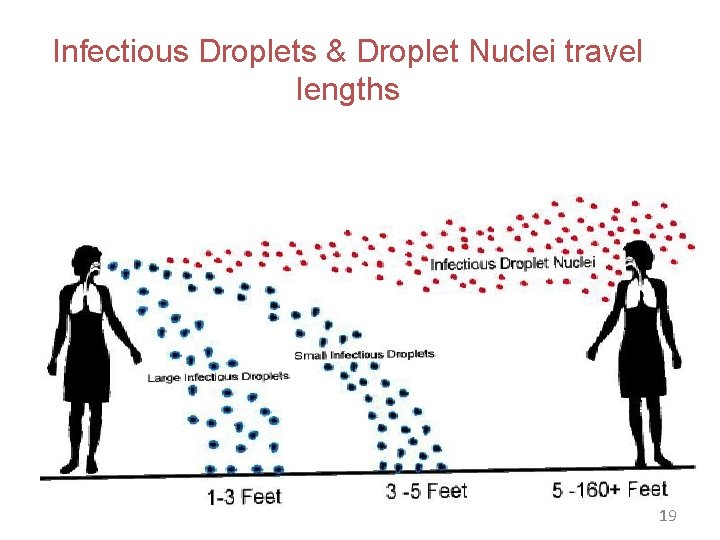
How far can Airborne Bacteria & Viruses Travel? Large/Small Droplets 1. 2. 3. 4. 5. Coughing Sneezing Singing, Talking Mouth Breathing *Diarrhea 1 -5 feet 8 -15 feet 1 -3 feet 5 feet+ Droplet Nuclei 160+ feet 160+ feet *As a Result of Toilet Water Aerosolization and Mechanical Fan Dispersion into outdoor air (2003 Hong Kong SARS Virus Epidemic) 16
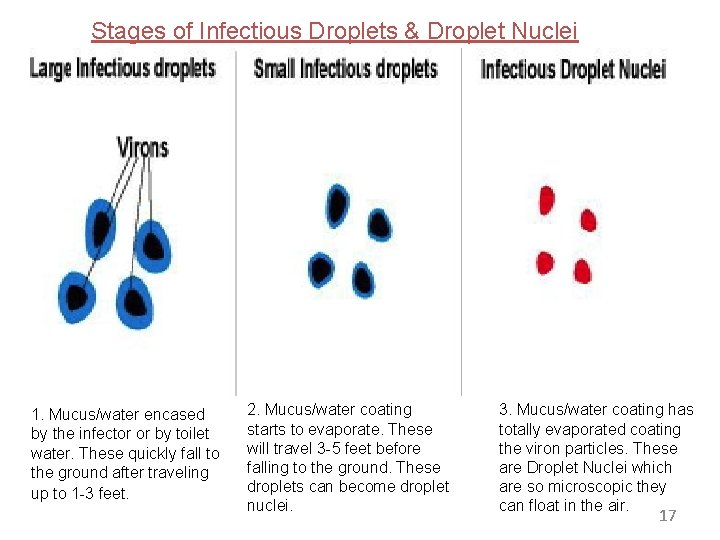
Stages of Infectious Droplets & Droplet Nuclei 1. Mucus/water encased by the infector or by toilet water. These quickly fall to the ground after traveling up to 1 -3 feet. 2. Mucus/water coating starts to evaporate. These will travel 3 -5 feet before falling to the ground. These droplets can become droplet nuclei. 3. Mucus/water coating has totally evaporated coating the viron particles. These are Droplet Nuclei which are so microscopic they can float in the air. 17
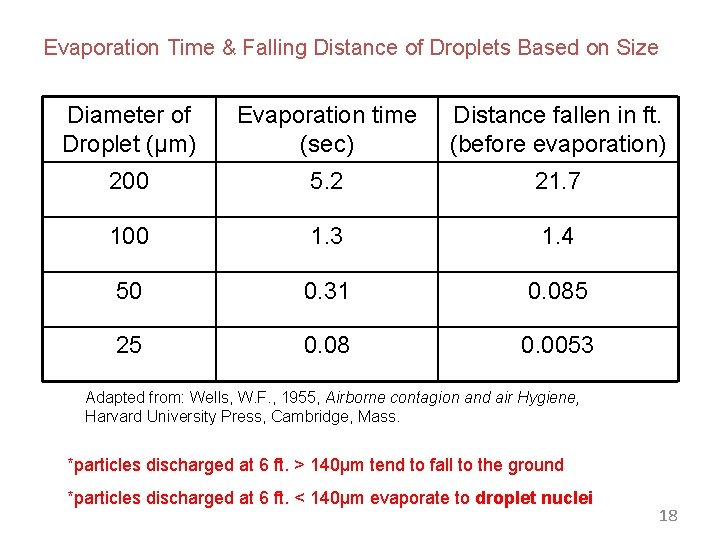
Evaporation Time & Falling Distance of Droplets Based on Size Diameter of Droplet (µm) Evaporation time (sec) Distance fallen in ft. (before evaporation) 200 5. 2 21. 7 100 1. 3 1. 4 50 0. 31 0. 085 25 0. 08 0. 0053 Adapted from: Wells, W. F. , 1955, Airborne contagion and air Hygiene, Harvard University Press, Cambridge, Mass. *particles discharged at 6 ft. > 140µm tend to fall to the ground *particles discharged at 6 ft. < 140µm evaporate to droplet nuclei 18
Infectious Droplets & Droplet Nuclei travel lengths 19
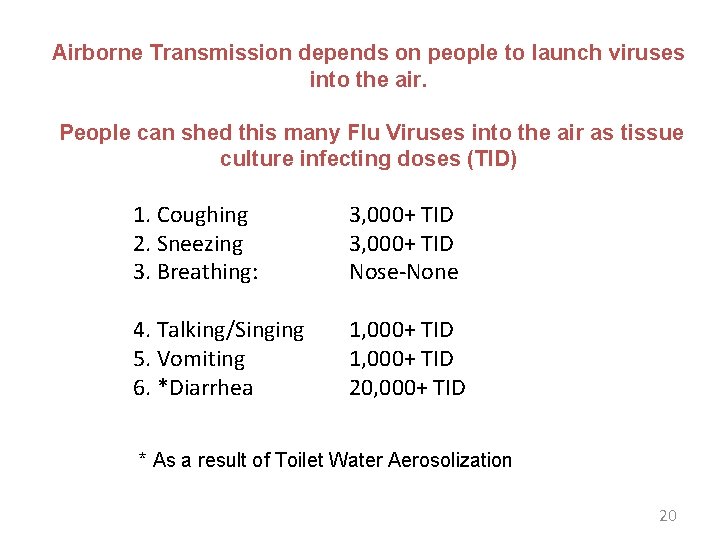
Airborne Transmission depends on people to launch viruses into the air. People can shed this many Flu Viruses into the air as tissue culture infecting doses (TID) 1. Coughing 2. Sneezing 3. Breathing: 3, 000+ TID Nose-None 4. Talking/Singing 5. Vomiting 6. *Diarrhea 1, 000+ TID 20, 000+ TID * As a result of Toilet Water Aerosolization 20
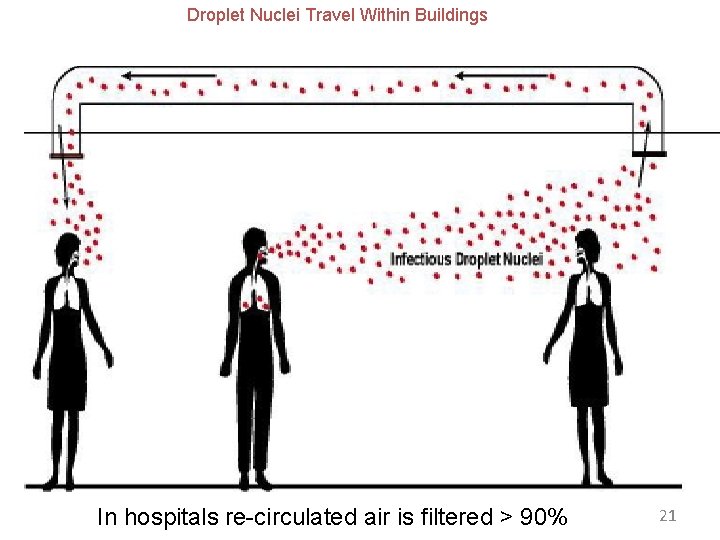
Droplet Nuclei Travel Within Buildings In hospitals re-circulated air is filtered > 90% 21
Low Indoor Humidity Increases Droplet Nuclei Levels (winter) ● Viruses Evaporate faster in Low Humidity levels thus creating More Droplet Nuclei. ● Low humidity allows droplet nuclei to stay airborne longer as the droplets do not absorb water weight which would cause them to fall to the ground. ● Indoor Air currents both created by HVAC systems and people movement assure that droplet nuclei will remain airborne Indefinitely. ● This allows HVAC systems to remove and redistribute droplet nuclei throughout the building to infect more occupants. 22
There is a DIRECT correlation between low indoor humidity in winter and increases in influenza morbidity and mortality 1) Indoor humidity levels (winter) in the Northern Hemisphere especially in North America and Europe are between 15 -35%. 2) Studies have proven that there is no “flu season” in the tropics where indoor humidity levels stay above 40% all year long. 23
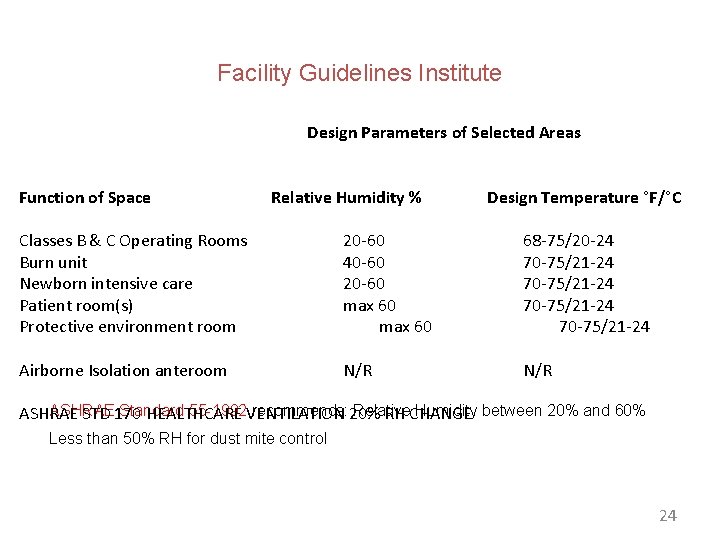
Facility Guidelines Institute Design Parameters of Selected Areas Function of Space Relative Humidity % Design Temperature °F/°C Classes B & C Operating Rooms Burn unit Newborn intensive care Patient room(s) Protective environment room 20 -60 40 -60 20 -60 max 60 68 -75/20 -24 70 -75/21 -24 Airborne Isolation anteroom N/R ASHRAE Standard 55 -1992 recommends: Relative Humidity between 20% and 60% ASHRAE STD 170 HEALTHCARE VENTILATION 20% RH CHANGE Less than 50% RH for dust mite control 24
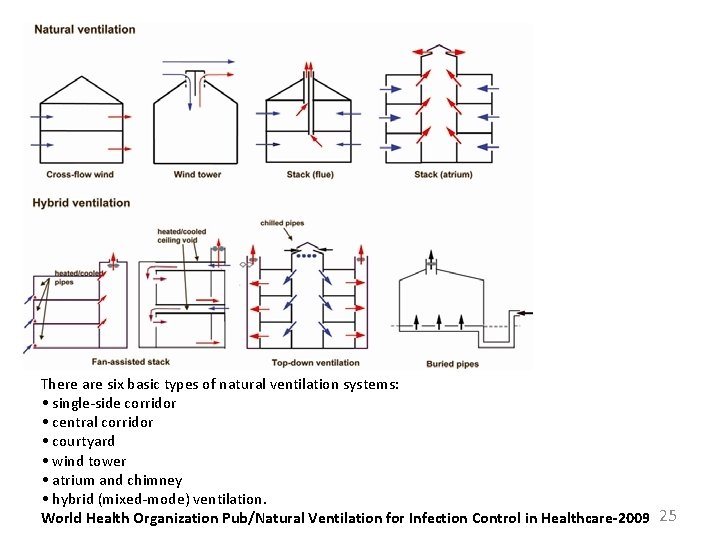
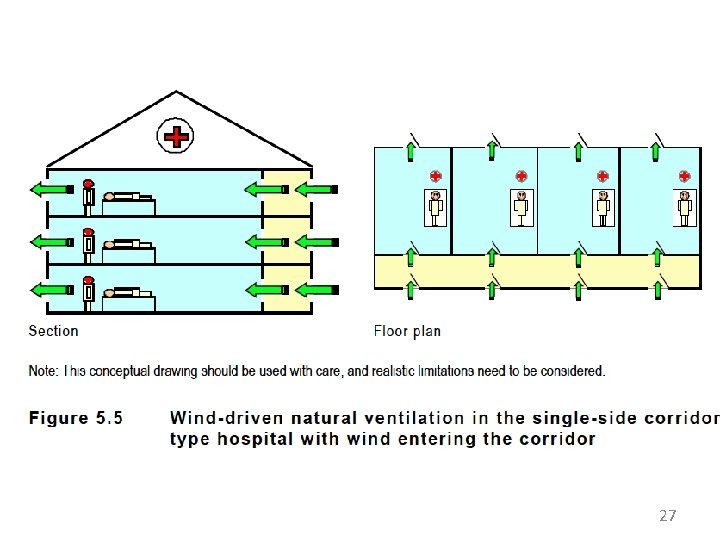
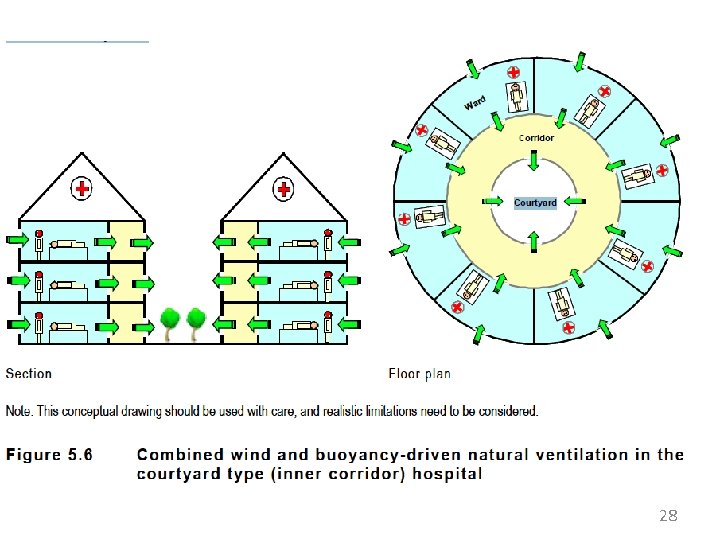
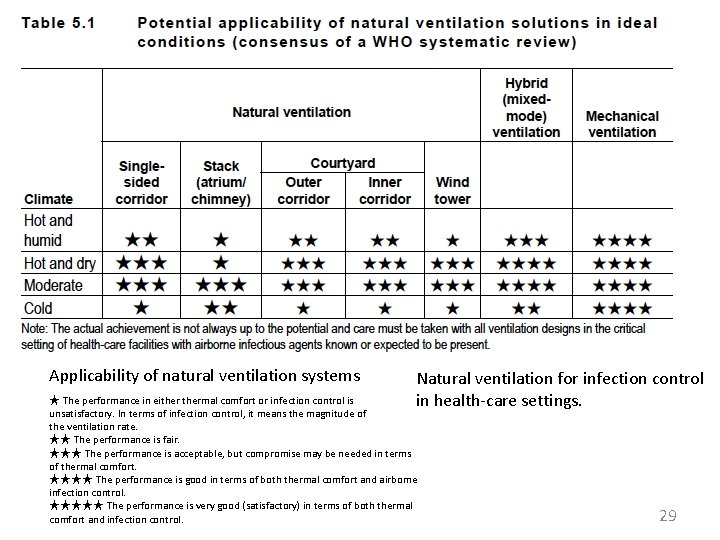
There are six basic types of natural ventilation systems: • single-side corridor • central corridor • courtyard • wind tower • atrium and chimney • hybrid (mixed-mode) ventilation. World Health Organization Pub/Natural Ventilation for Infection Control in Healthcare-2009 25
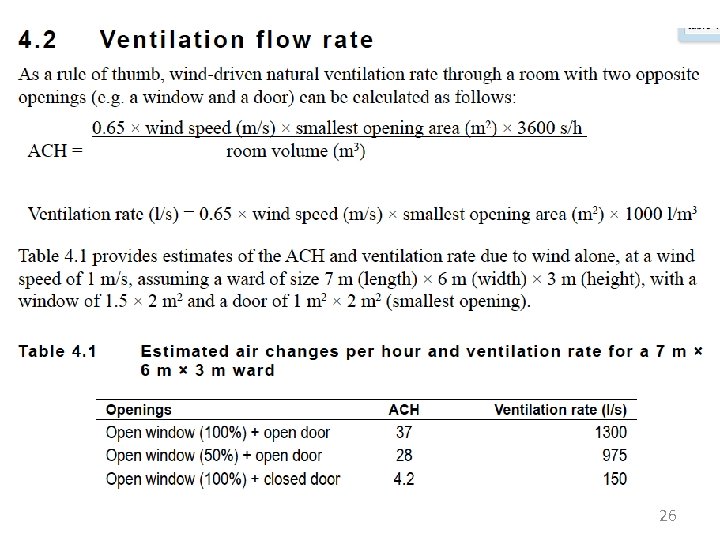
26
27
28
Applicability of natural ventilation systems Natural ventilation for infection control in health-care settings. ★ The performance in eithermal comfort or infection control is unsatisfactory. In terms of infection control, it means the magnitude of the ventilation rate. ★★ The performance is fair. ★★★ The performance is acceptable, but compromise may be needed in terms of thermal comfort. ★★★★ The performance is good in terms of both thermal comfort and airborne infection control. ★★★★★ The performance is very good (satisfactory) in terms of both thermal comfort and infection control. 29
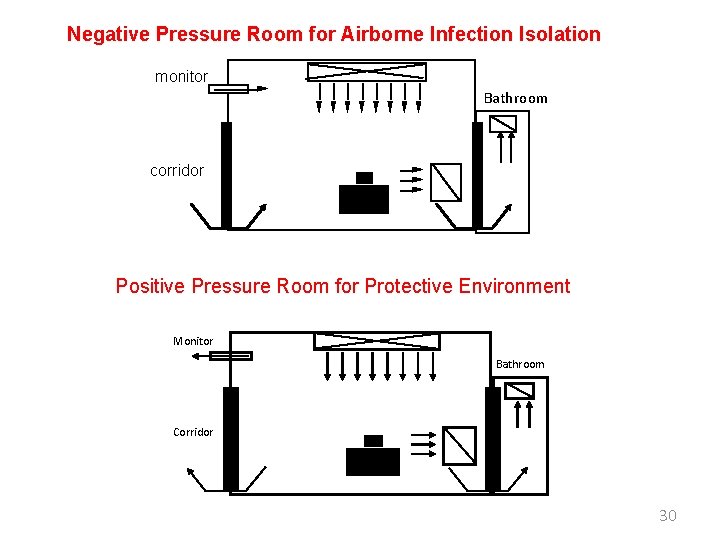
Negative Pressure Room for Airborne Infection Isolation monitor Bathroom corridor Positive Pressure Room for Protective Environment Monitor r Bathroom Corridor 30
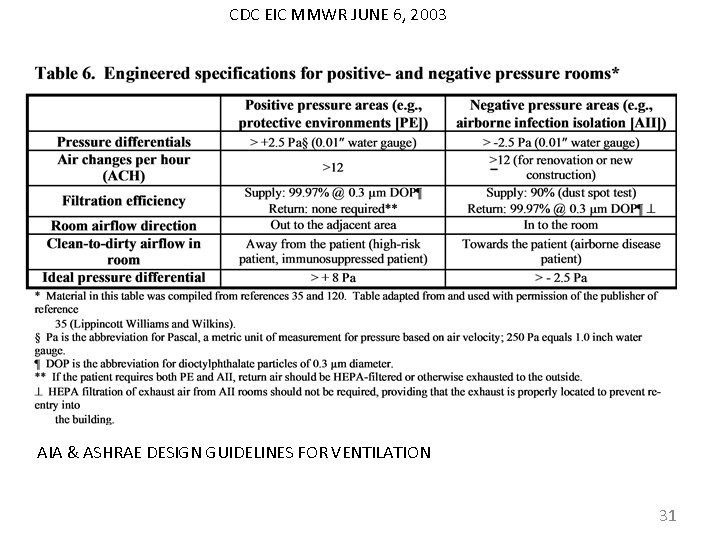
CDC EIC MMWR JUNE 6, 2003 AIA & ASHRAE DESIGN GUIDELINES FOR VENTILATION 31
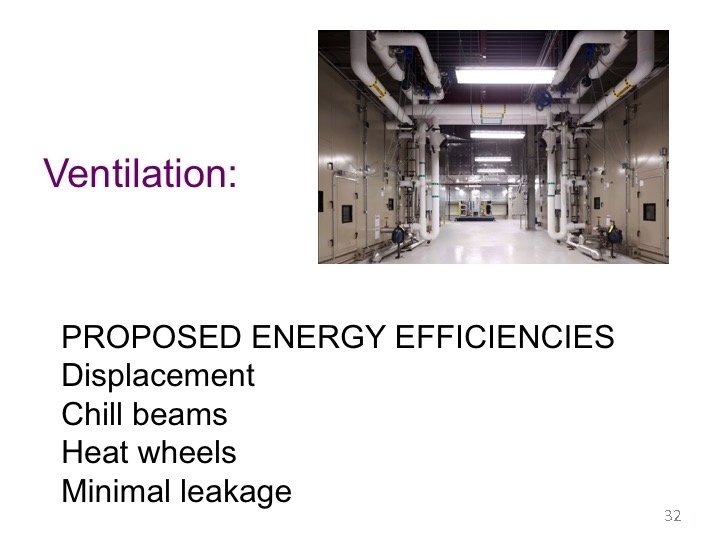
32
33
34
35
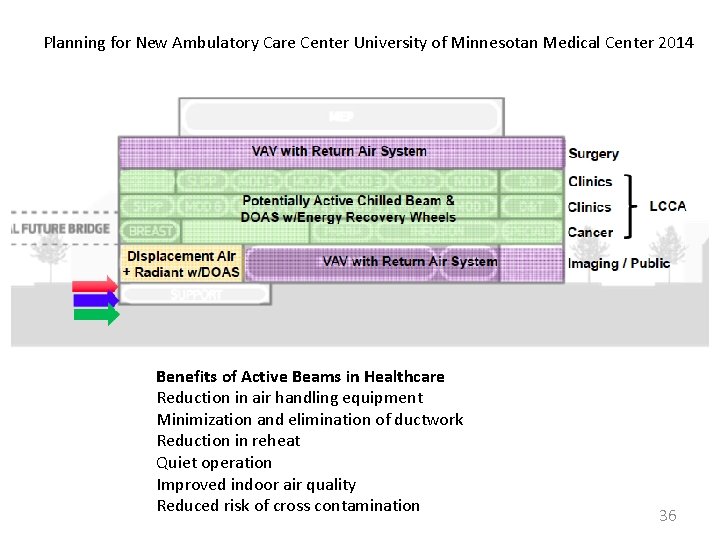
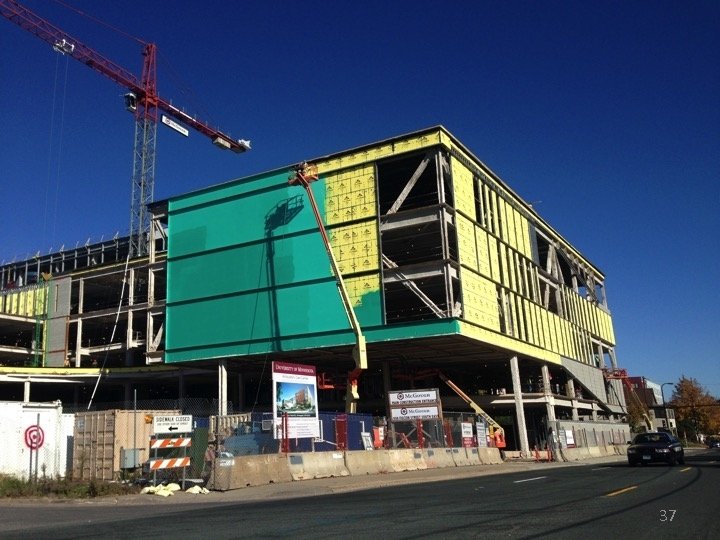
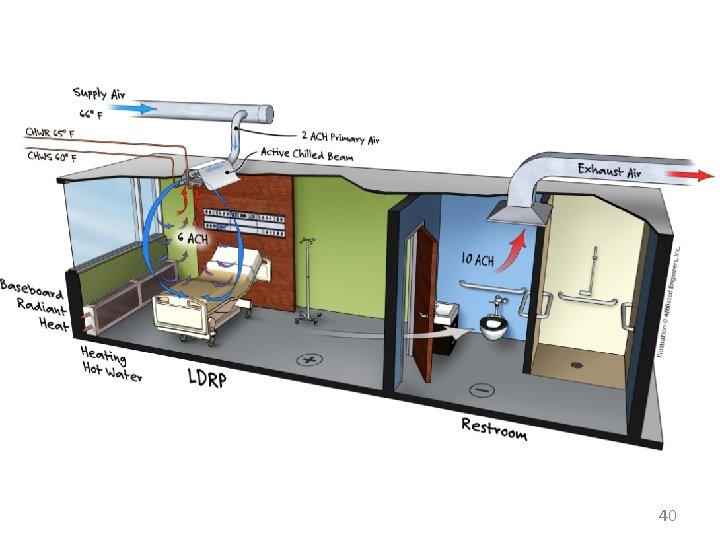
Planning for New Ambulatory Care Center University of Minnesotan Medical Center 2014 Benefits of Active Beams in Healthcare Reduction in air handling equipment Minimization and elimination of ductwork Reduction in reheat Quiet operation Improved indoor air quality Reduced risk of cross contamination 36
37
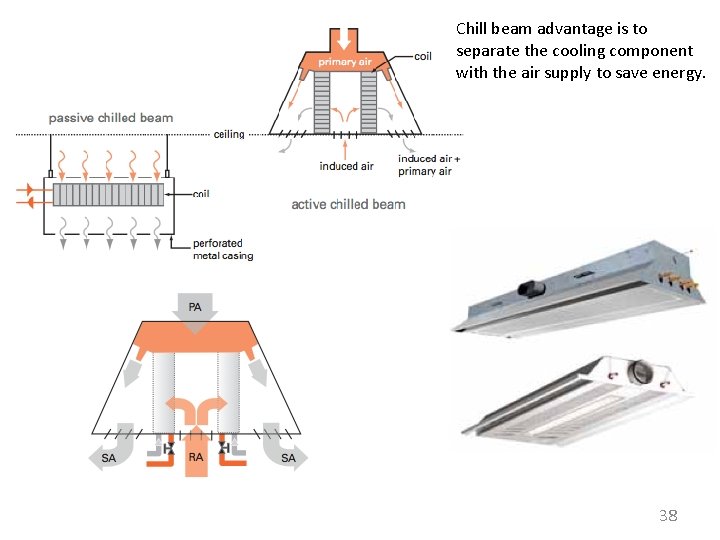
Chill beam advantage is to separate the cooling component with the air supply to save energy. 38
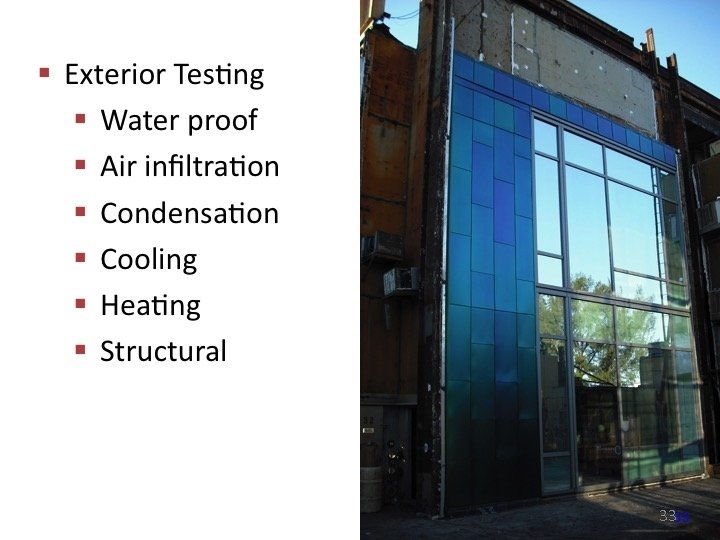
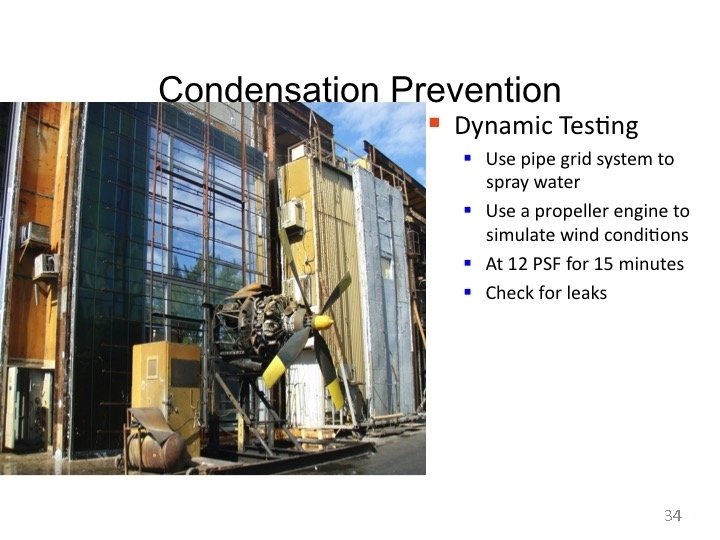
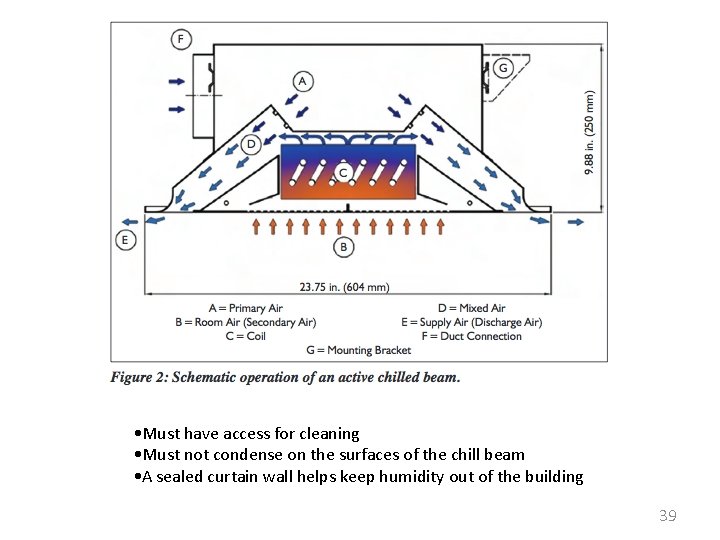
• Must have access for cleaning • Must not condense on the surfaces of the chill beam • A sealed curtain wall helps keep humidity out of the building 39
40
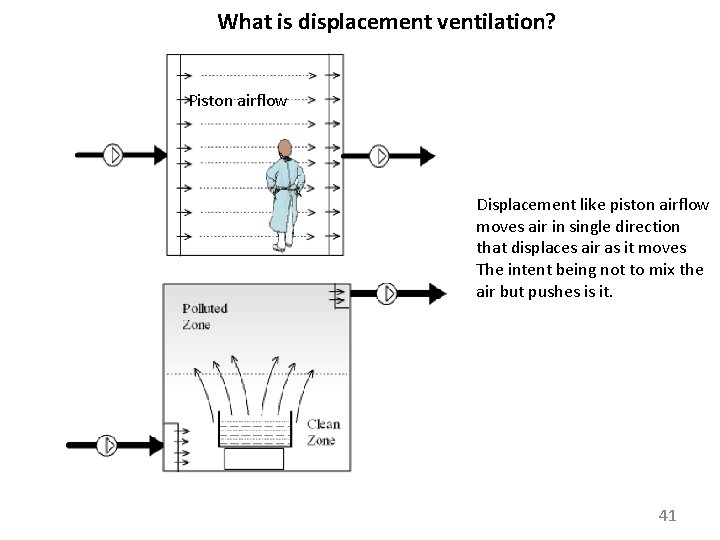
What is displacement ventilation? Piston airflow Displacement like piston airflow moves air in single direction that displaces air as it moves The intent being not to mix the air but pushes is it. 41
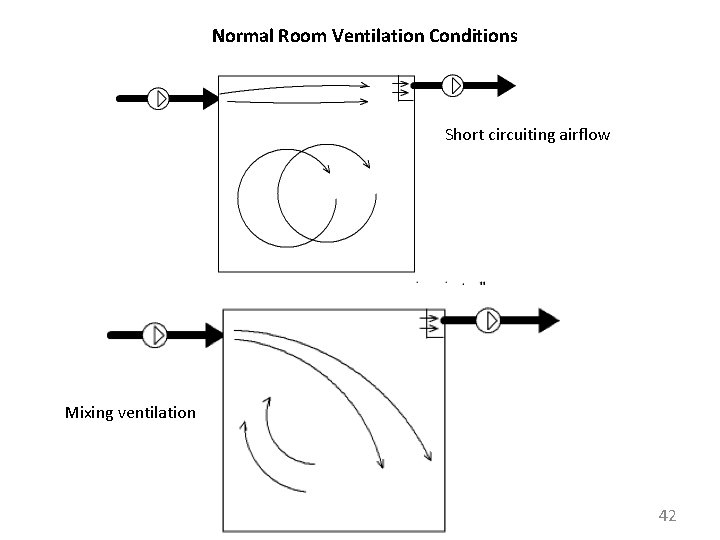
Normal Room Ventilation Conditions Short circuiting airflow Mixing ventilation 42
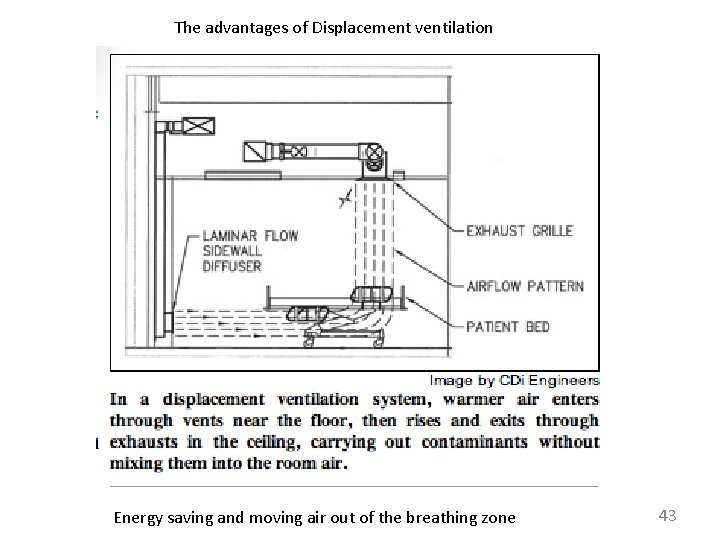
The advantages of Displacement ventilation Energy saving and moving air out of the breathing zone 43
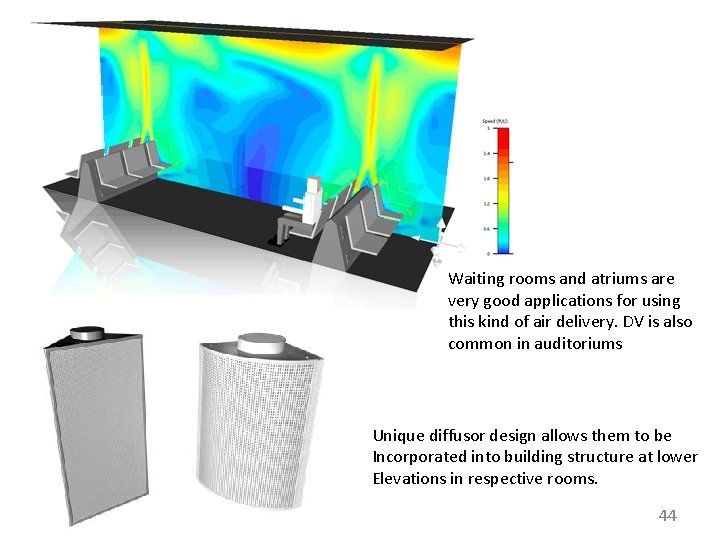
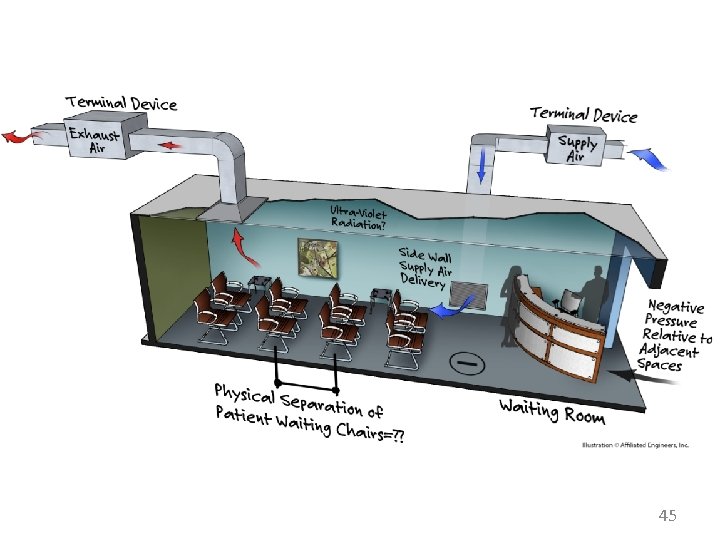
Waiting rooms and atriums are very good applications for using this kind of air delivery. DV is also common in auditoriums Unique diffusor design allows them to be Incorporated into building structure at lower Elevations in respective rooms. 44
45
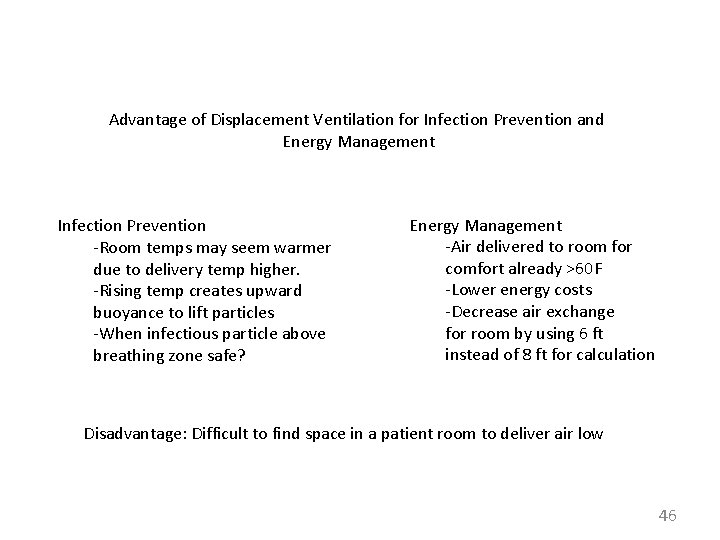
Advantage of Displacement Ventilation for Infection Prevention and Energy Management Infection Prevention -Room temps may seem warmer due to delivery temp higher. -Rising temp creates upward buoyance to lift particles -When infectious particle above breathing zone safe? Energy Management -Air delivered to room for comfort already >60 F -Lower energy costs -Decrease air exchange for room by using 6 ft instead of 8 ft for calculation Disadvantage: Difficult to find space in a patient room to deliver air low 46
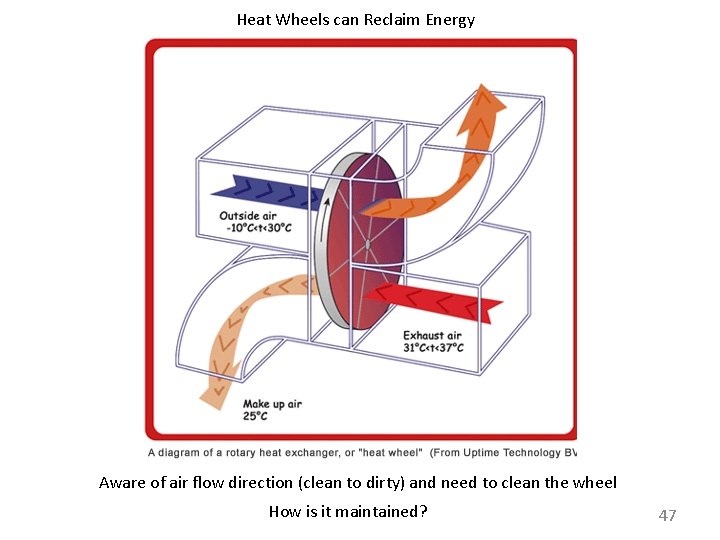
Heat Wheels can Reclaim Energy Aware of air flow direction (clean to dirty) and need to clean the wheel How is it maintained? 47
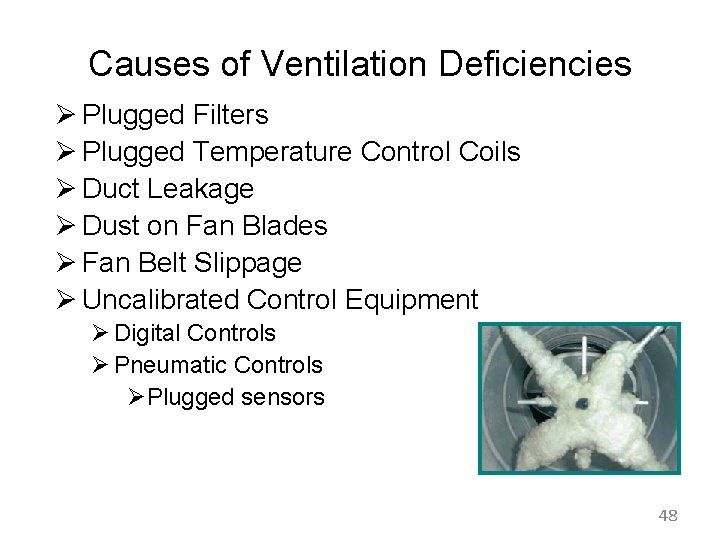
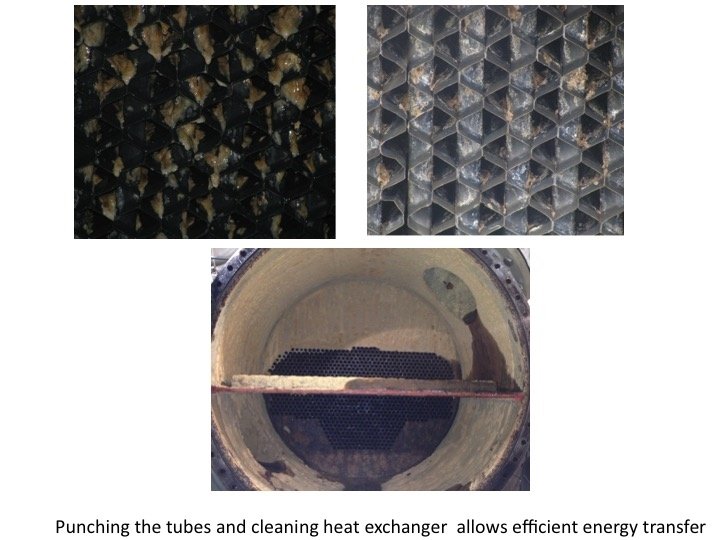
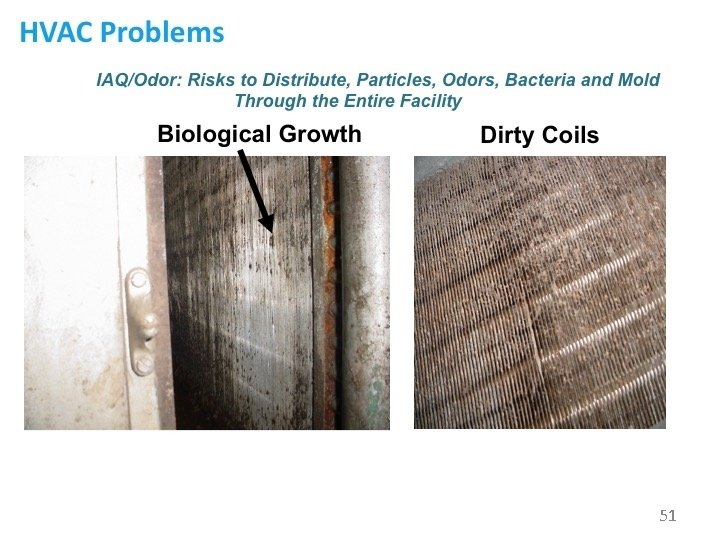
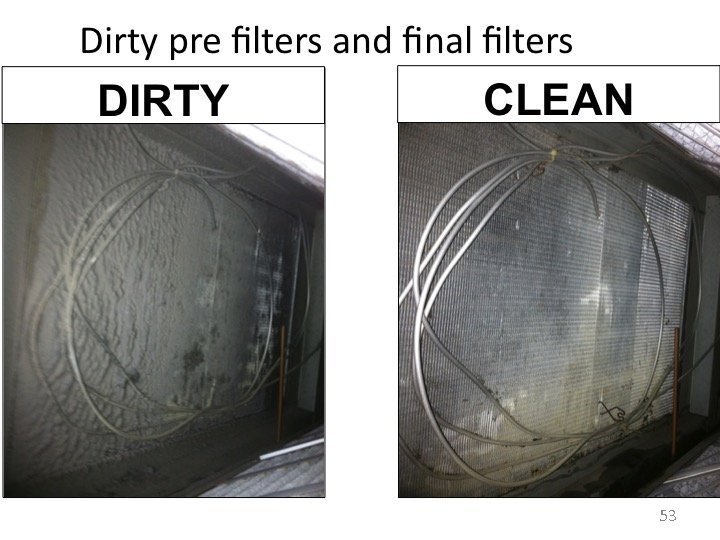
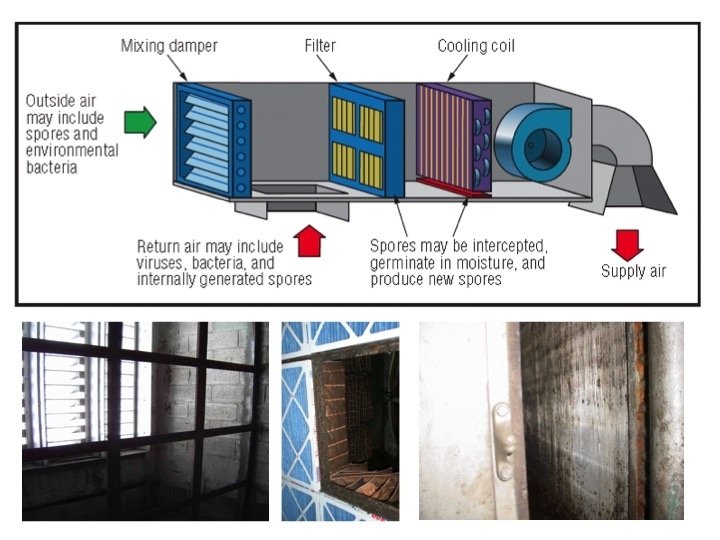
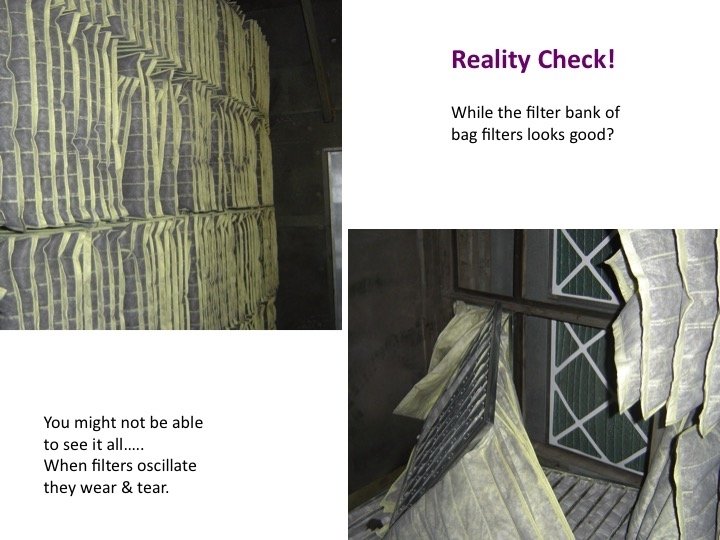
Causes of Ventilation Deficiencies Ø Plugged Filters Ø Plugged Temperature Control Coils Ø Duct Leakage Ø Dust on Fan Blades Ø Fan Belt Slippage Ø Uncalibrated Control Equipment Ø Digital Controls Ø Pneumatic Controls ØPlugged sensors 48
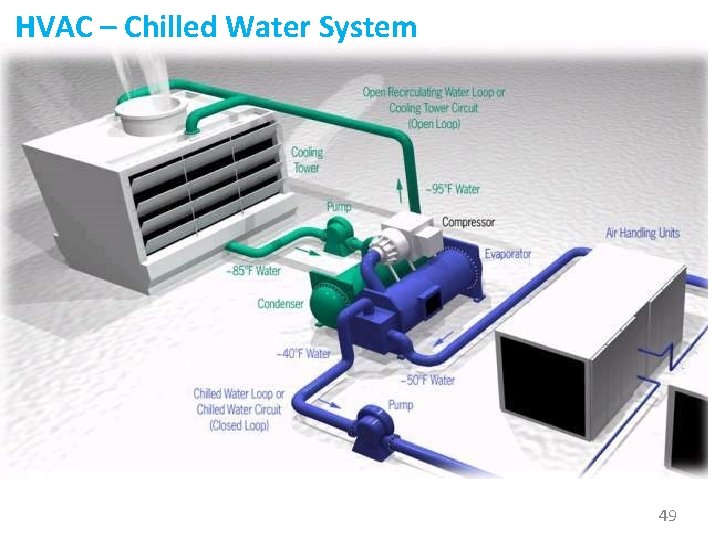
HVAC – Chilled Water System 49
51
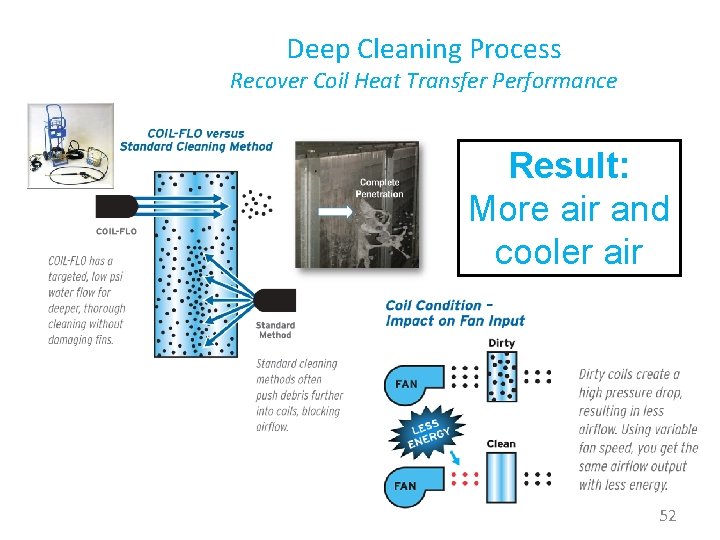
Deep Cleaning Process Recover Coil Heat Transfer Performance Result: More air and cooler air 52
53
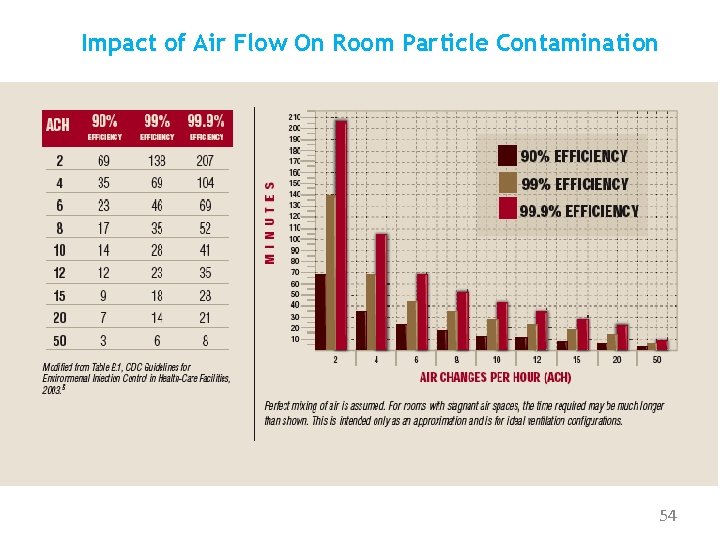
Impact of Air Flow On Room Particle Contamination 54
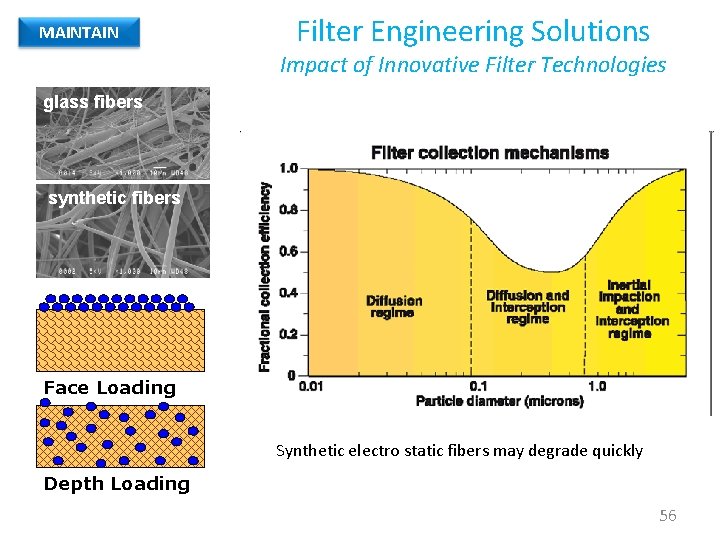
MAINTAIN Filter Engineering Solutions Impact of Innovative Filter Technologies glass fibers synthetic fibers Face Loading Synthetic electro static fibers may degrade quickly Depth Loading 56
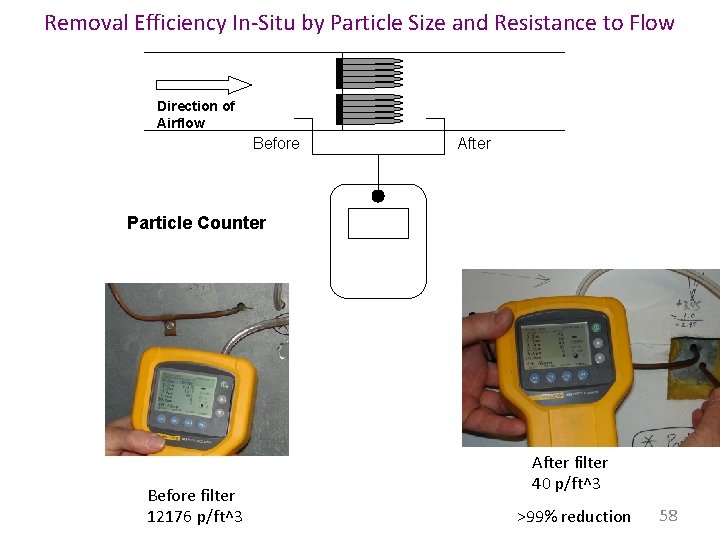
Removal Efficiency In-Situ by Particle Size and Resistance to Flow Direction of Airflow Before After Particle Counter Before filter 12176 p/ft^3 After filter 40 p/ft^3 >99% reduction 58
60
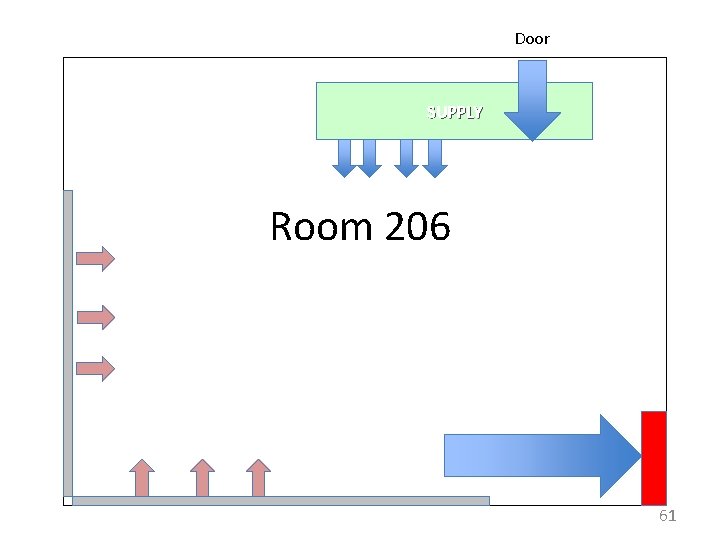
Door SUPPLY Room 206 61
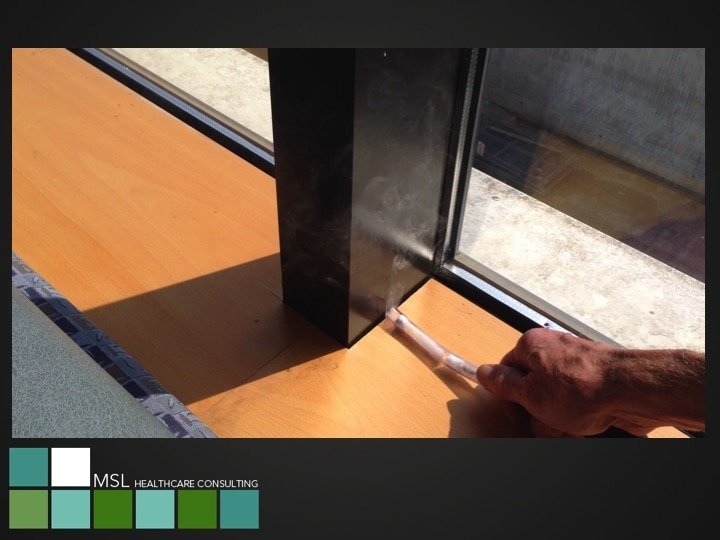
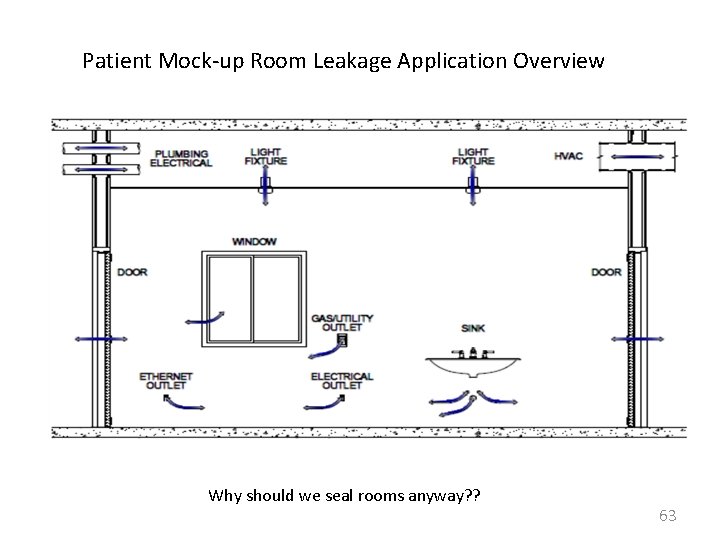
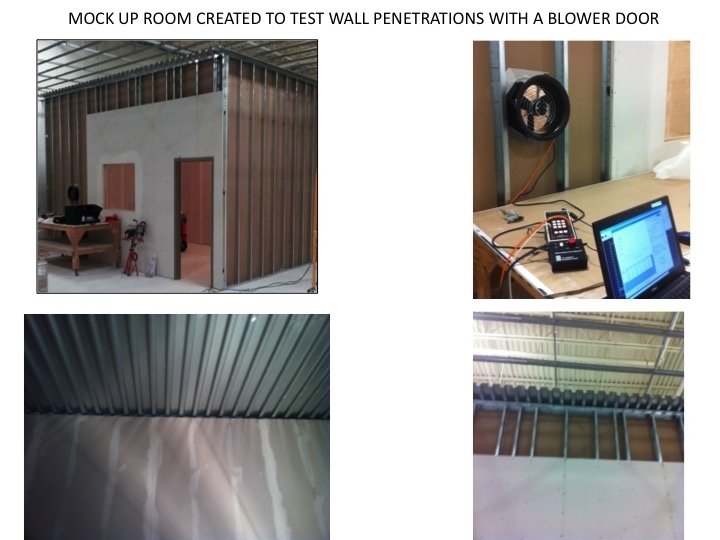
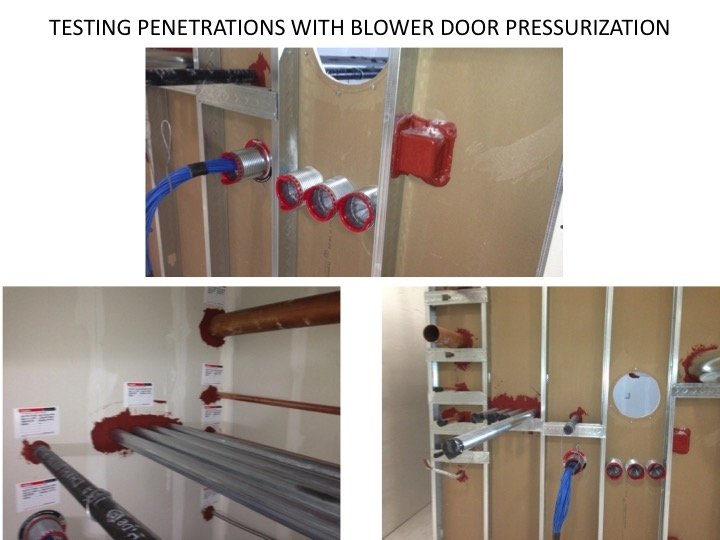
Patient Mock-up Room Leakage Application Overview Why should we seal rooms anyway? ? 63
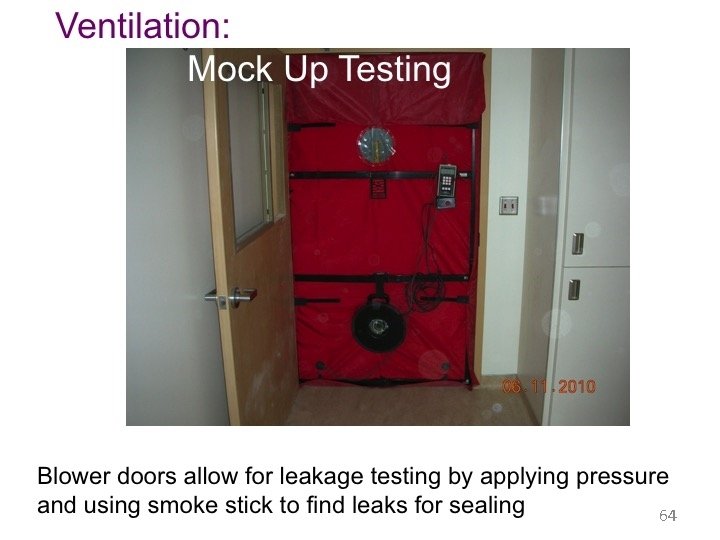
64
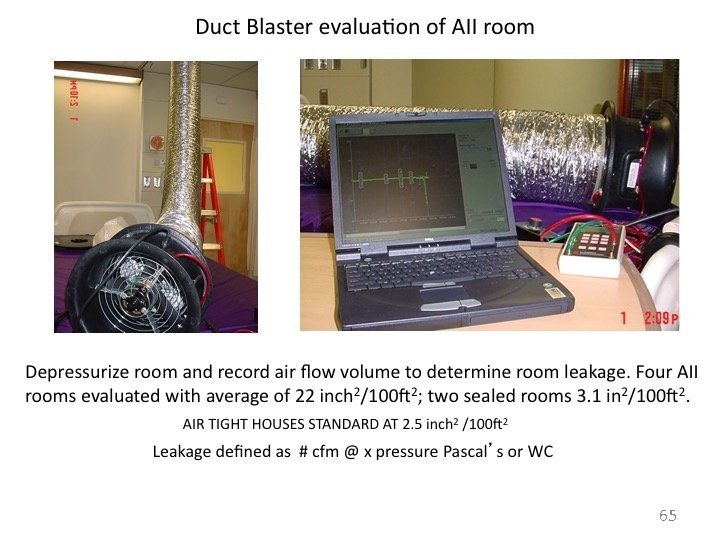
65
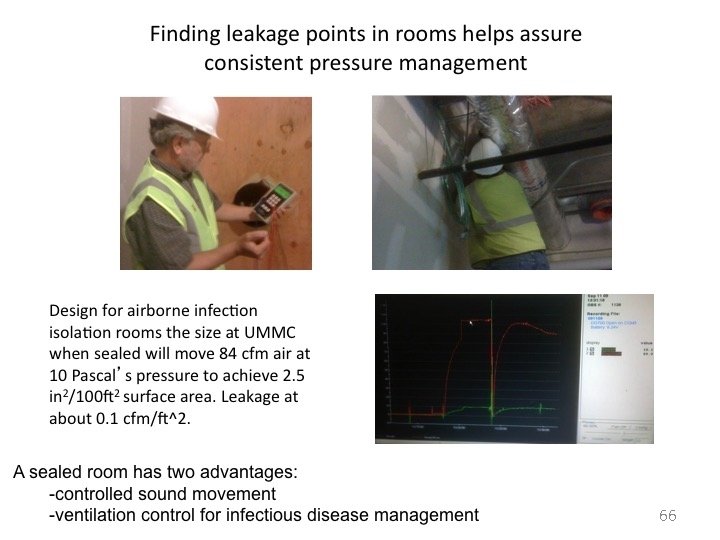
66
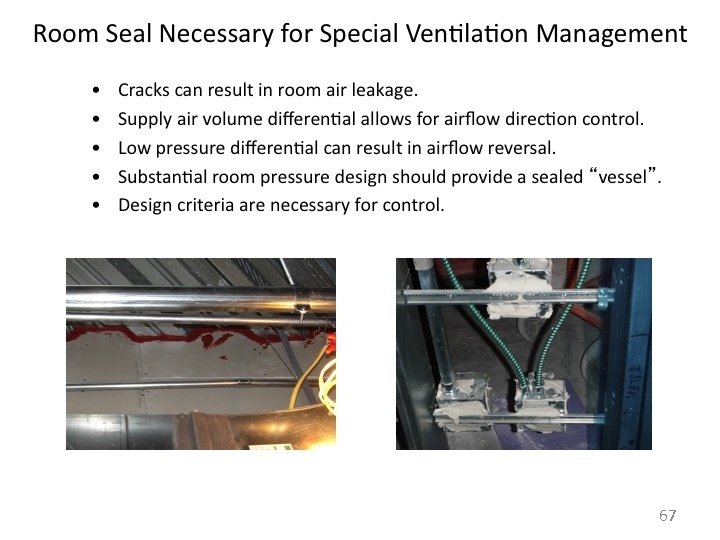
67
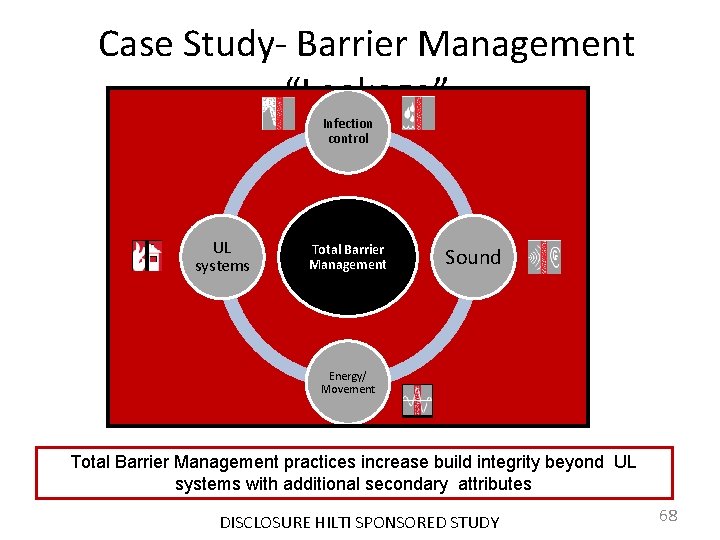
Case Study- Barrier Management “Leakage” Infection control UL systems Total Barrier Management Sound Energy/ Movement Total Barrier Management practices increase build integrity beyond UL systems with additional secondary attributes DISCLOSURE HILTI SPONSORED STUDY 68
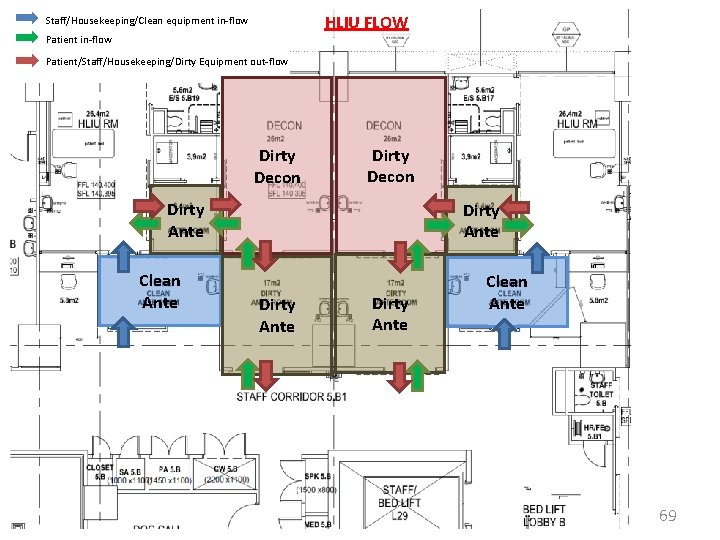
HLIU FLOW Staff/Housekeeping/Clean equipment in-flow Patient/Staff/Housekeeping/Dirty Equipment out-flow Dirty Decon Dirty Ante Clean Ante Dirty Ante Clean Ante 69
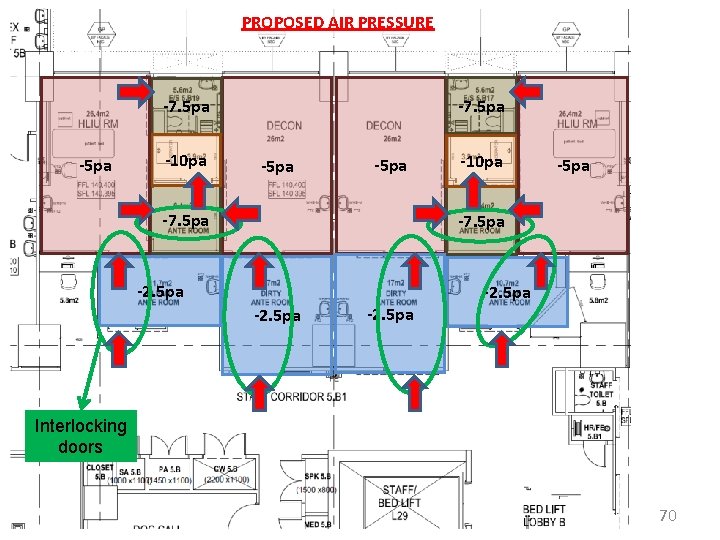
PROPOSED AIR PRESSURE -7. 5 pa -5 pa -10 pa -5 pa -7. 5 pa -2. 5 pa Interlocking doors 70
Staff/Housekeeping/Clean equipment in-flow Patient/Staff/Housekeeping/Dirty Equipment out-flow *Loss of corridor space and 2 x Nurse Alcoves
73
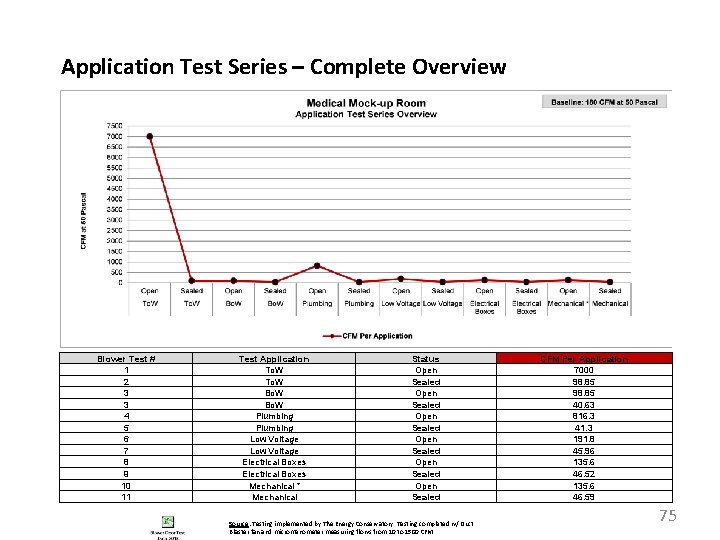
Application Test Series – Complete Overview Blower Test # 1 2 3 3 4 5 6 7 8 9 10 11 Test Application To. W Bo. W Plumbing Low Voltage Electrical Boxes Mechanical * Mechanical Status Open Sealed Open Sealed Source: Testing implemented by The Energy Conservatory. Testing completed w/ Duct Blaster fan and micromanometer measuring flows from 10 to 1500 CFM Per Application 7000 98. 85 40. 63 816. 3 41. 3 191. 8 45. 96 135. 6 46. 52 135. 6 46. 59 75
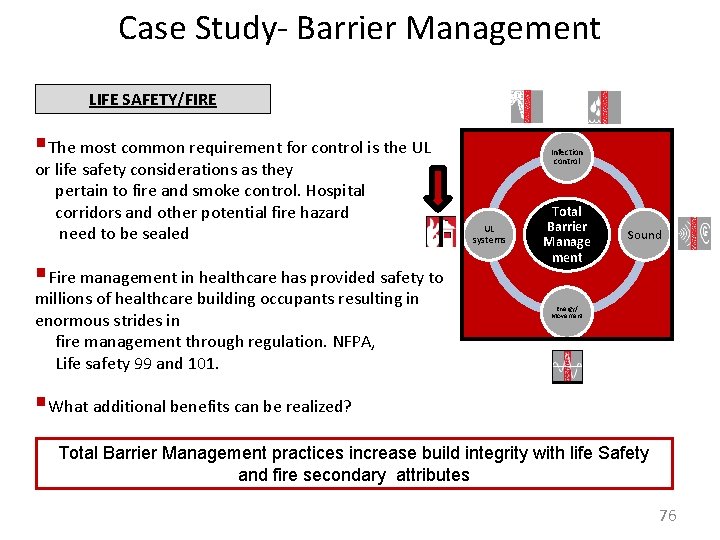
Case Study- Barrier Management LIFE SAFETY/FIRE §The most common requirement for control is the UL or life safety considerations as they pertain to fire and smoke control. Hospital corridors and other potential fire hazard need to be sealed §Fire management in healthcare has provided safety to millions of healthcare building occupants resulting in enormous strides in fire management through regulation. NFPA, Life safety 99 and 101. Infection control UL systems Total Barrier Manage ment Sound Energy/ Movement §What additional benefits can be realized? Total Barrier Management practices increase build integrity with life Safety and fire secondary attributes 76
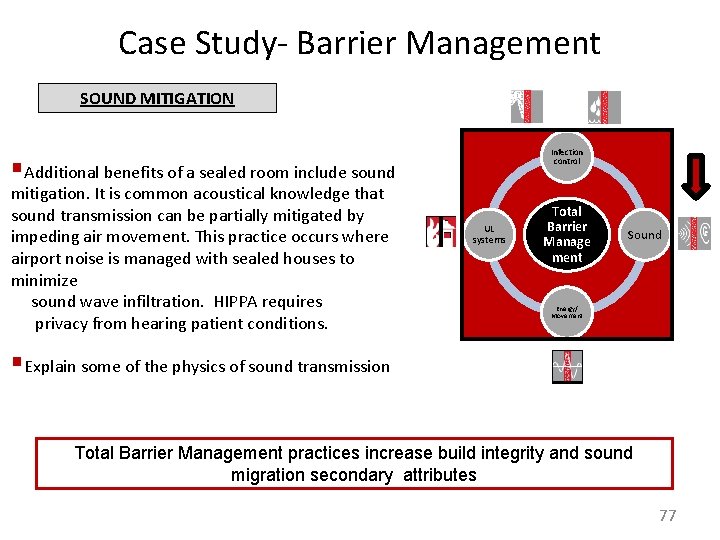
Case Study- Barrier Management SOUND MITIGATION Infection control §Additional benefits of a sealed room include sound mitigation. It is common acoustical knowledge that sound transmission can be partially mitigated by impeding air movement. This practice occurs where airport noise is managed with sealed houses to minimize sound wave infiltration. HIPPA requires privacy from hearing patient conditions. UL systems Total Barrier Manage ment Sound Energy/ Movement §Explain some of the physics of sound transmission Total Barrier Management practices increase build integrity and sound migration secondary attributes 77
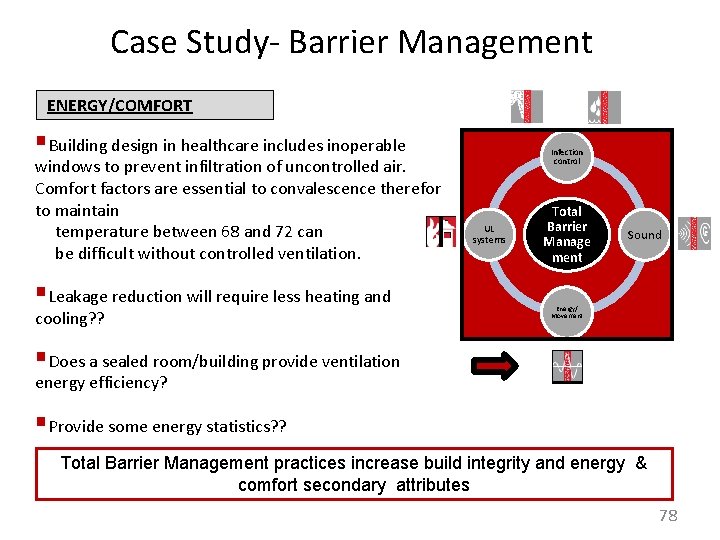
Case Study- Barrier Management ENERGY/COMFORT §Building design in healthcare includes inoperable windows to prevent infiltration of uncontrolled air. Comfort factors are essential to convalescence therefor to maintain temperature between 68 and 72 can be difficult without controlled ventilation. §Leakage reduction will require less heating and cooling? ? Infection control UL systems Total Barrier Manage ment Sound Energy/ Movement §Does a sealed room/building provide ventilation energy efficiency? §Provide some energy statistics? ? Total Barrier Management practices increase build integrity and energy & comfort secondary attributes 78
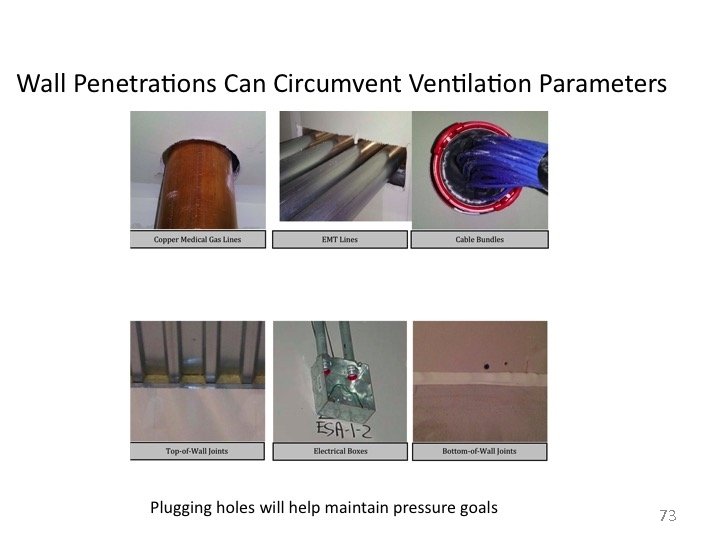
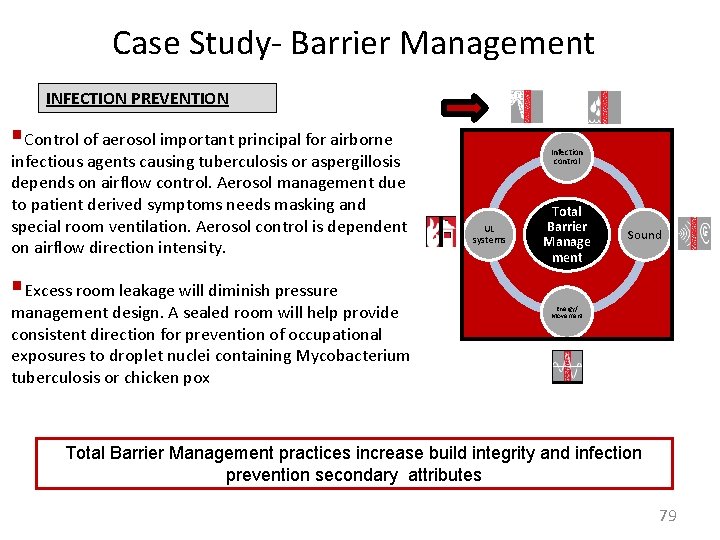
Case Study- Barrier Management INFECTION PREVENTION §Control of aerosol important principal for airborne infectious agents causing tuberculosis or aspergillosis depends on airflow control. Aerosol management due to patient derived symptoms needs masking and special room ventilation. Aerosol control is dependent on airflow direction intensity. Excess room leakage will diminish pressure management design. A sealed room will help provide consistent direction for prevention of occupational exposures to droplet nuclei containing Mycobacterium tuberculosis or chicken pox Infection control UL systems Total Barrier Manage ment Sound § Energy/ Movement Total Barrier Management practices increase build integrity and infection prevention secondary attributes 79
Infection Prevention and Ventilation • Air volumes must be maintained to assure cleaning the air of contaminants • Impediments include: plugged equipment that needs cleaning or change out of filters • Aspiring to have good air quality requires routine maintenance to assure AC/hr, filtration and pressure. 80
81
September 24 (Free Teleclass) EVIDENCE VS. TRADITION: EXAMINING THE EVIDENCE OF BATHING TO REDUCE HAI’S Kathleen Vollman, Advanced Nursing LLC Sponsored by Sage Products (www. sageproducts. com) September 28 (Free British Teleclass. . . Broadcast live from the 2015 IPS conference) WHAT DID THE ROMANS EVER DO FOR US? Carole Fry, Healthcare Infection Society September 29 (Free British Teleclass. . . Broadcast live from the 2015 IPS conference) FAECAL TRANSPLANT TO TREAT CLOSTRIDIUM DIFFICILE DISEASE Dr. Jonathan Sutton, Betsi Cadwaladr University Health Board, Wales September 30 (Free British Teleclass. . . Broadcast live from the 2015 IPS conference) THE EMERGENCE OF MERS: FROM ANIMAL TO HUMAN Professor Ziad Memish, Prince Mohammed Bin Abdulaziz Hospital, Saudi Arabia October 14 (FREE WHO Teleclass - Europe) THE USE OF SOCIAL MEDIA IN SUPPORT OF GLOBAL INFECTION PREVENTION AND CONTROL 82
83