
Vector Borne Disease VECTOR Borne DISEASE but through
Vector Borne Disease
VECTOR Borne DISEASE (but through a Vector) Dengue, Malaria, West Nile Virus, Lyme Disease, Tick-borne enchepalitis Food or Water Borne Disease Salmonellosis Diarrheal Disease , Cholera

More Specifically about Dengue • Aedes Ageypti (More Competent, Urban) • Aedes albopictus (Urban, semi urban , Less Competent ) -asian tiger mosquito
• Dengue is fast emerging pandemic-prone viral disease in many parts of the world. • Dengue flourishes in urban poor areas, suburbs and the countryside but also affects more affluent neighbourhoods in tropical and subtropical countries.
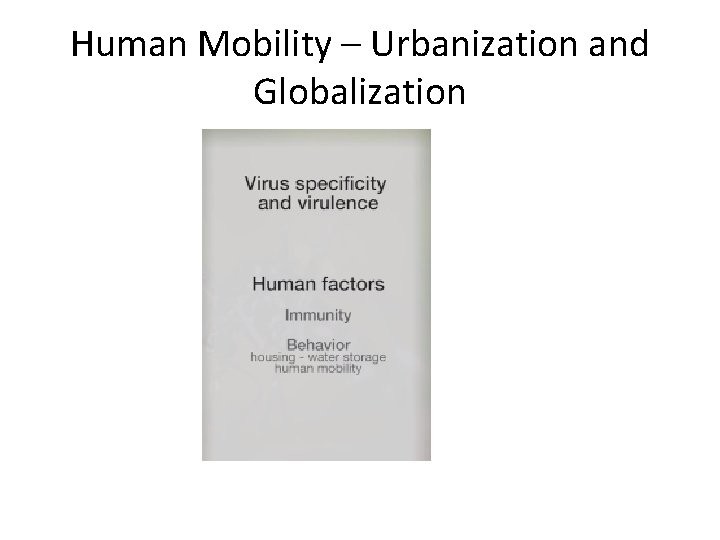
Human Mobility – Urbanization and Globalization
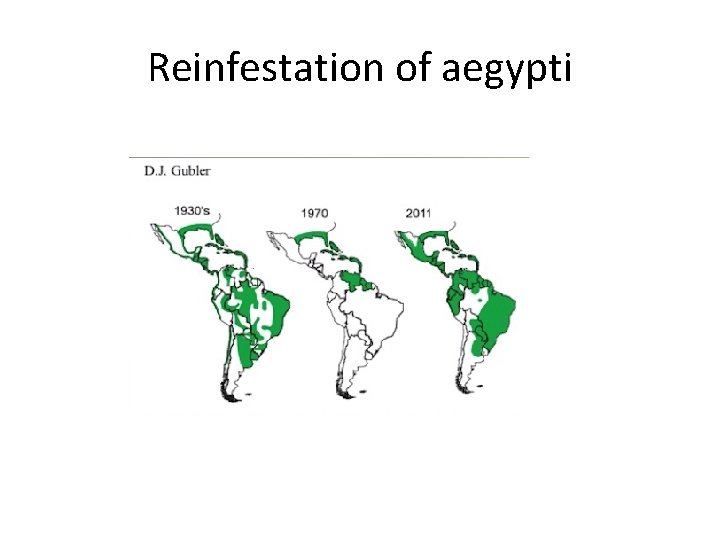
Reinfestation of aegypti
No still Vaccine For Dengue Preventive Side – Vector Control , Mosquito Control , Need to Develop Early Warning System
Recent News • Govt. relies on Wolbachia to control dengue infect the Aedes aegypti mosquitoes in a laboratory with bacteria of the genus Wolbachia • the bacteria is passed onto the offsprings if the infected Aedes aegypti mates with the noninfected/infected mosquito. The viruses like dengue can’t replicate when mosquitoes are infected with the bacterium.
• The mosquitoes with Wolbachia have a reduced ability to transmit viruses and help in decreasing the risk of dengue outbreaks • release Gambusia fish in stagnant waters and water bodies, fogging to kill adult the mosquitoes
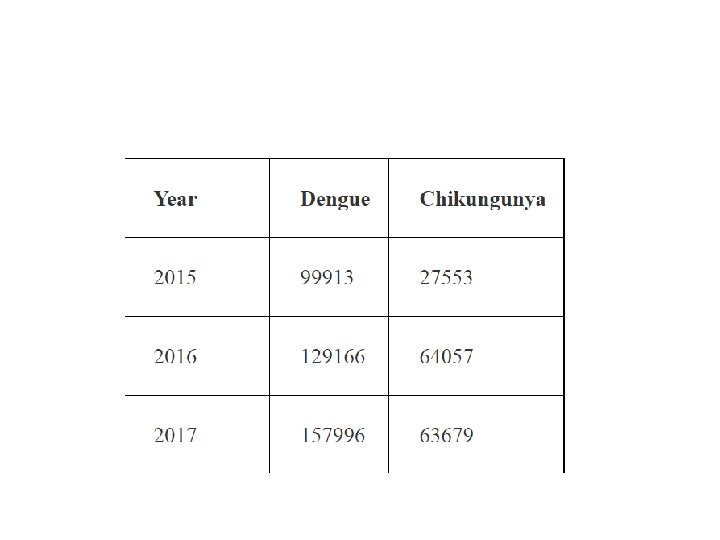
ZIKA VIRUS • The Zika virus is transmitted to people primarily through the bite of an infected Aedes species mosquito, the same mosquito that spreads the dengue and chikungunya viruses. • Mosquitoes become infected when they feed on a person already infected with the virus, and they can spread the virus to other people through bites. • No vaccine exists for Zika
• A mother already infected near the time of delivery can pass on the virus to her newborn. • Similarly, a pregnant woman can pass on Zika to her foetus during pregnancy. • Zika can also be spread by a man to his sex partners
singular fact about the Aedes mosquito
• it does not live in natural habitats such as swamps, forests or on the ground. • Instead, the mosquito thrives in human-made habitats such as tires, cans, plastic containers and rain barrels • Humans have created an environment for it to proliferate. ’
• So, there are many factors that contribute to the emergence of Zika but some of the principal drivers identified have been human population growth, unplanned urban growth, globalization, and the lack of effective vector control
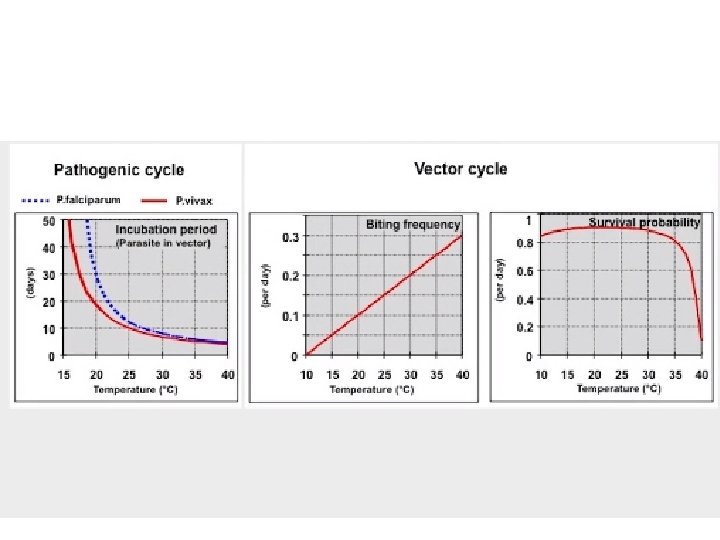
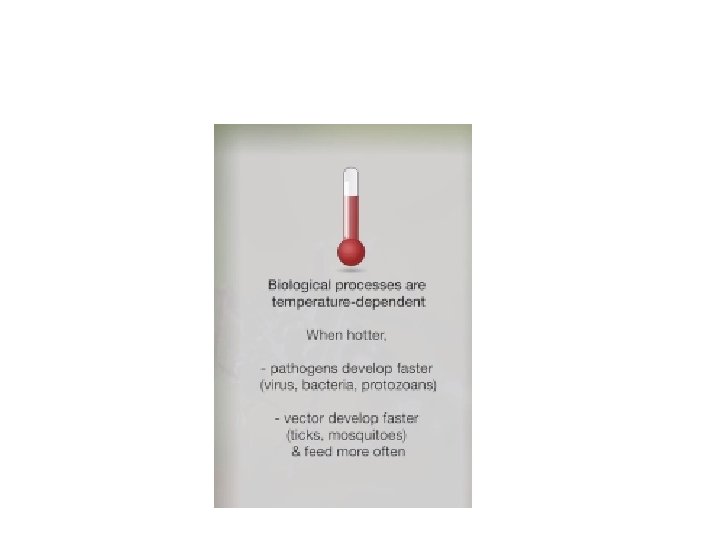
In general mosquitoes do not live long – 10 to 12 days – which is about how long it takes a virus to grow in the mosquito. • Often, the mosquito dies before it can spread the virus. • However, when it gets warmer, the virus incubates faster, and the insect has more time to be infectious. • Warmer temperatures also make the mosquito hungrier; so it takes more ‘blood meals and thereby spreads the disease to more people
• the land area covered by the Aedes mosquito is projected to increase from 5% to 16% in the next two decades, and to 43%-49% by the end of the century.
Morale of the Story the way we live is also the way we die
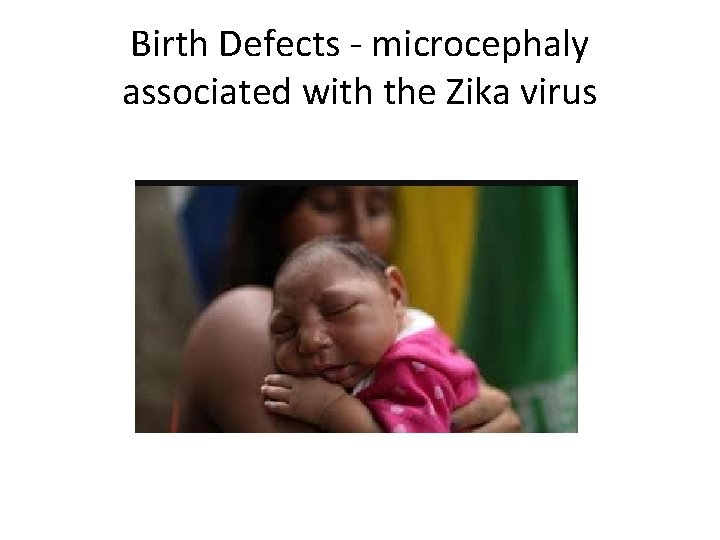
Birth Defects - microcephaly associated with the Zika virus
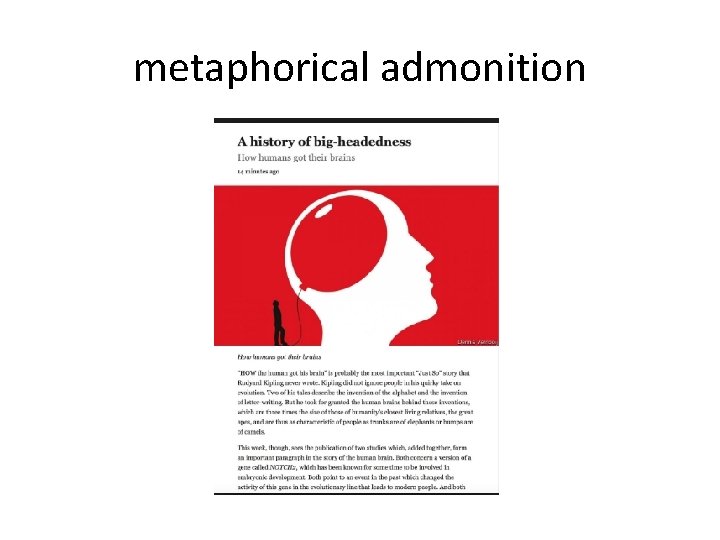
metaphorical admonition
INDIA ZIKA OUTBREAK • According to the most recent updates, 159 people in Jaipur had confirmed Zika virus infections • Indian Council of Medical Research (ICMR) recently announced that the Zika virus strains causing the outbreak in Jaipur, Rajasthan, cannot cause microcephaly. • This conclusion was based on a genetic sequencing of viruses isolated from the outbreak
ZIKA ENDEMIC TO INDIA ? Check – Indian Council of medical Research
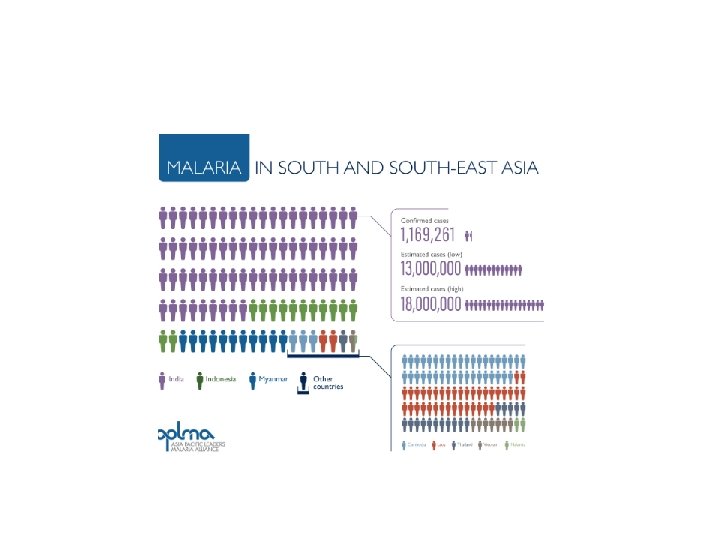
Malaria is Caused by the parasitic Protozoa of the genus Plasmodium and transmitted by Certain Mosquito Species of the Genus Anophelus
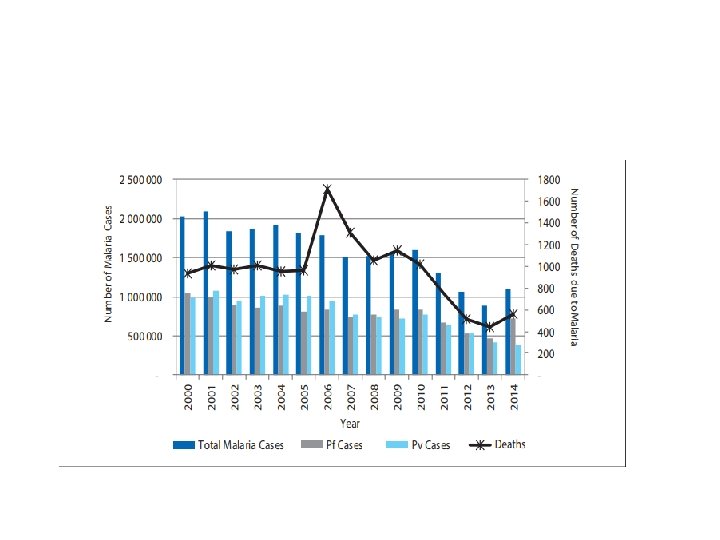
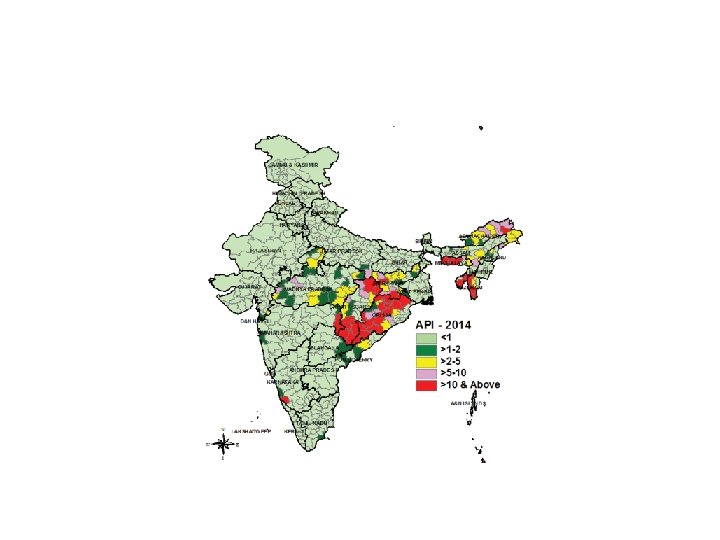
As per the World Malaria Report 2015 , India accounts for 70% of the total malaria incidence in the South-East Asia Region. However, with 46% reduction in malaria-related morbidity and 40% reduction in malaria-related mortality between 2000 and 2014, the country could be well on its way to achieving Goal 6 of the Millennium Development Goals (MDGs) through a 50– 75% reduction in malaria cases by 2015
• As per the World Malaria Report 2017 of World Health Organization (WHO), the estimated malaria cases from India are 87% in South East Asia region
NATIONAL FRAMEWORK FOR MALARIA ELIMINATION IN INDIA (2016– 2030)
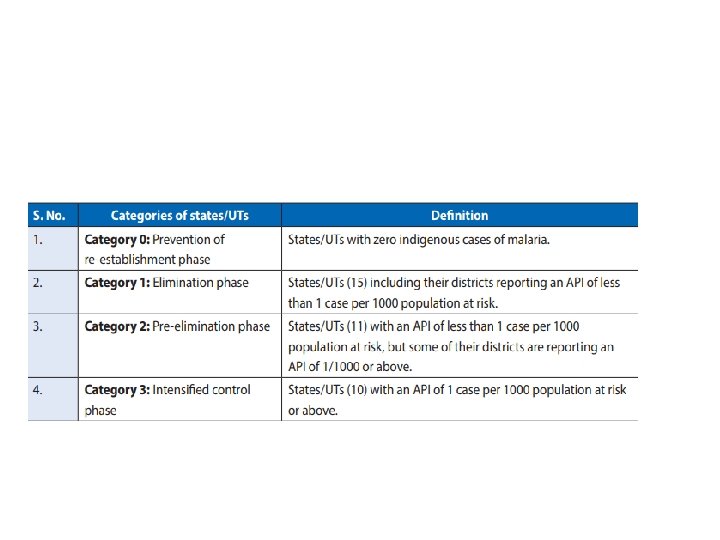
OBJECTIVES The Framework has four objectives: • Eliminate malaria from all 26 low (Category 1) and moderate (Category 2) transmission states/union territories (UTs) by 2022; Reduce the incidence of malaria to less than 1 case per 1000 population per year in all states and UTs and their districts by 2024; and
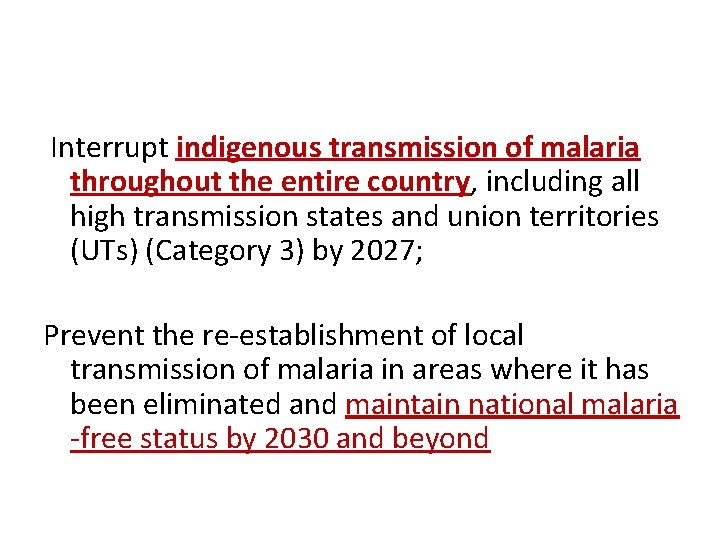
Interrupt indigenous transmission of malaria throughout the entire country, including all high transmission states and union territories (UTs) (Category 3) by 2027; Prevent the re-establishment of local transmission of malaria in areas where it has been eliminated and maintain national malaria -free status by 2030 and beyond
What is APLMA?
APLMA is an affiliation of Asian and Pacific heads of government formed to accelerate progress against malaria and to eliminate it in the region by 2030.
Partnership of Maternal, Newborn and Child Health (PMNCH Partner’s Forum
Pradhan Mantri Surakshit (Health ) Matritva (Pregnancy) Abhiyan
• The program aims to provide assured, comprehensive and quality antenatal care, free of cost, universally to all pregnant women on the 9 th of every month • PMSMA guarantees a minimum package of antenatal care services to women in their 2 nd / 3 rd trimesters of pregnancy at designated government health facilities
• The programme follows a systematic approach for engagement with private sector which includes motivating private practitioners to volunteer for the campaign developing strategies for generating awareness and appealing to the private sector to participate in the Abhiyan at government health facilities
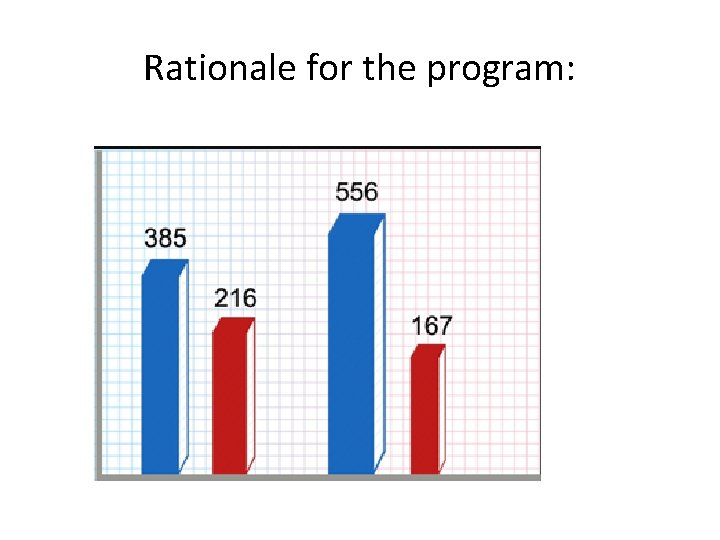
Rationale for the program:
Every year approximately 44000 women still die due to pregnancy-related causes and approximately 6. 6 lakh infants die within the first 28 days of life
Goal of the PMSMA • Pradhan Mantri Surakshit Matritva Abhiyan envisages to improve the quality and coverage of Antenatal Care (ANC) including diagnostics and counselling services as part of the Reproductive Maternal Neonatal Child and Adolescent Health (RMNCH+A) Strategy.
• One of the critical components of the Abhiyan is identification and follow up of high risk pregnancies. A sticker indicating the condition and risk factor of the pregnant women would be added onto MCP card for each visit: – Green Sticker- for women with no risk factor detected – Red Sticker – for women with high risk pregnancy
A National Portal for PMSMA and a Mobile application have been developed to facilitate the engagement of private/ voluntary sector ‘IPledge. For 9’ Achievers Awards have been devised to celebrate individual and team achievements and acknowledge voluntary contributions for PMSMA in states and districts across India.
Central Bureau of health intelligence
• The Central Bureau of Health Intelligence (CBHI) has been releasing its annual publication “National Health Profile (NHP)” on a regular basis since 2005. • It involves prolonged, systematic and genuine efforts to collect an enormous amount of national data from the Directorates of Health & Family Welfare of all the 36 States/UTs, Central Government Organizations, National Health Programmes and various other concerned national and international agencies in India.
• Demographic, Socio-Economic, Health Status, Health Finance, Health Infrastructure and Human Resources for the specified calendar year and much more relevant information required for an efficient public health system in our country. • The 13 th edition of NHP (2018 )
National AIDS CONTROL ORGANISATION • National AIDS Control Organization is a division of the Ministry of Health and Family Welfare that provides leadership to HIV/AIDS control programme in India through 35 HIV/AIDS Prevention and Control Societies. • In 1986, following the detection of the first AIDS case in the country, the National AIDS Committee was constituted in the Ministry of Health and Family Welfare.
• As the epidemic spread, need was felt for a nationwide programme and an organization to steer the programme. • In 1992 India’s first National AIDS Control Programme (1992 -1999) was launched, and National AIDS Control Organization (NACO) was constituted to implement the programme.
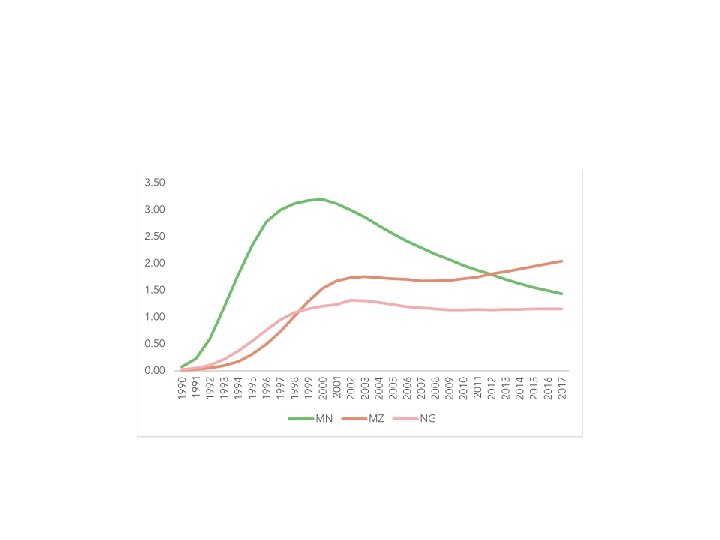
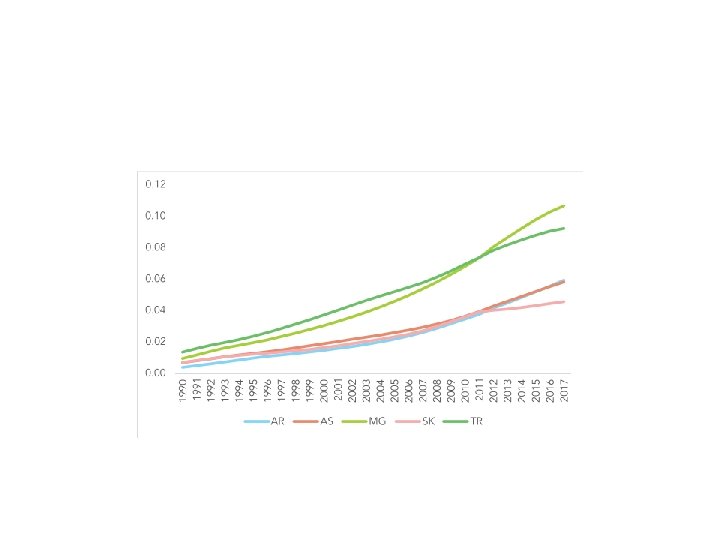
HIV estimates 2017 Report • For the first time, sub-national data at the State level has been made available on all indicators in a fairly accurate form. Not a happy picture
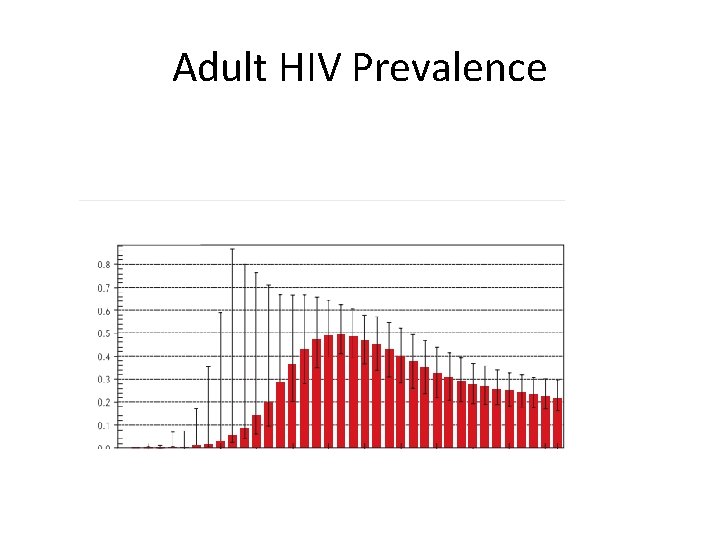
Adult HIV Prevalence
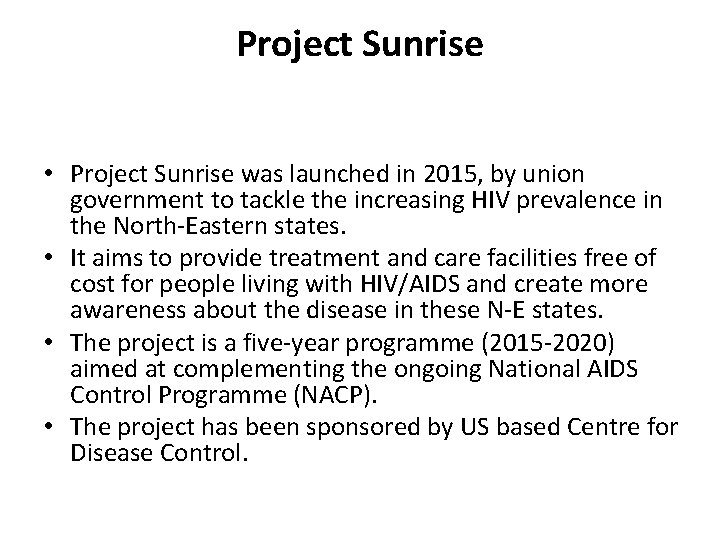
Project Sunrise • Project Sunrise was launched in 2015, by union government to tackle the increasing HIV prevalence in the North-Eastern states. • It aims to provide treatment and care facilities free of cost for people living with HIV/AIDS and create more awareness about the disease in these N-E states. • The project is a five-year programme (2015 -2020) aimed at complementing the ongoing National AIDS Control Programme (NACP). • The project has been sponsored by US based Centre for Disease Control.
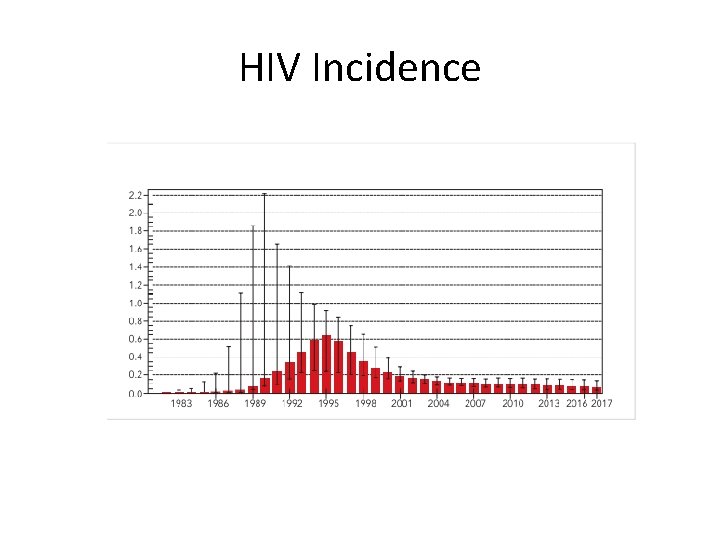
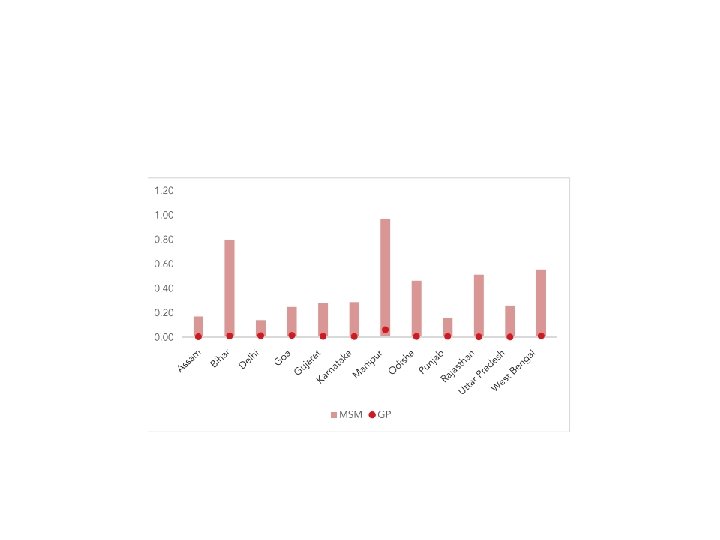
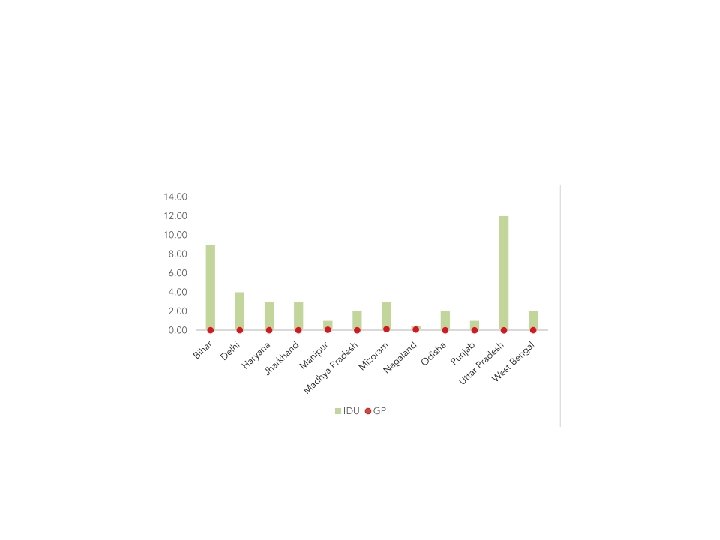
HIV Incidence
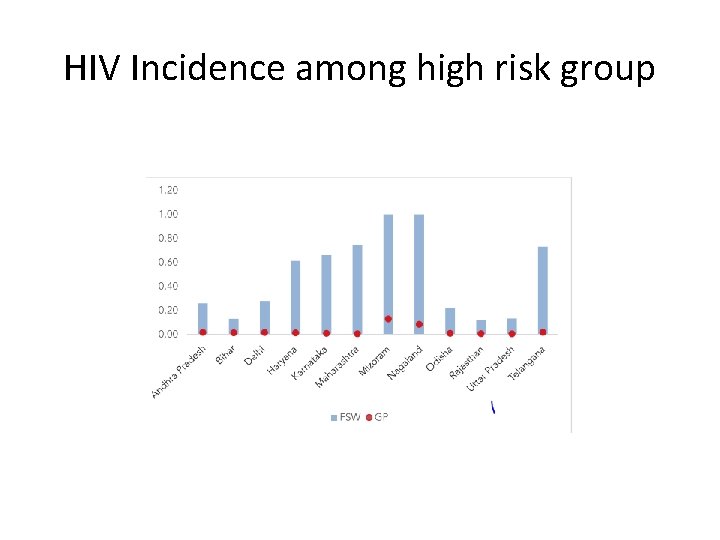
HIV Incidence among high risk group
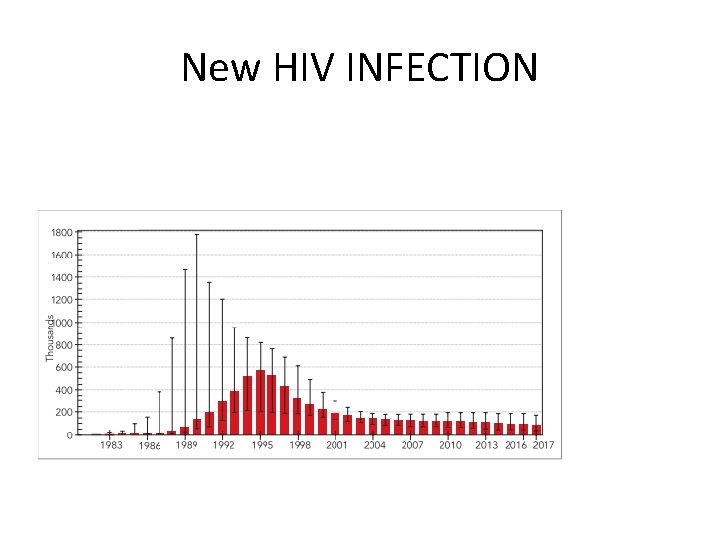
New HIV INFECTION
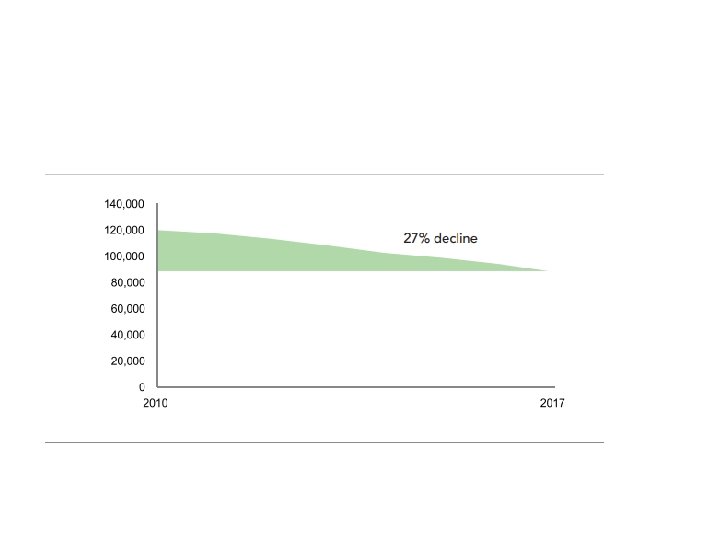
• The pace of decline in new HIV infections has reduced since 2010. • From 2010 to 2017 new infections have declined by only 27%. Clearly, the progress on prevention goals has been slow
• National Strategic Plan for HIV
• The National Strategic Plan on HIV/AIDS and Sexually Transmitted Infections (STI), 2017 -24 • The “Mission Sampark” was also launched to bring back People Living with HIV who have left treatment after starting Anti Retro Viral Treatment (ART)
• The aim is to achieve elimination of mother-to -child transmission of HIV and Syphilis as well as elimination of HIV/AIDS related stigma and discrimination by 2020 • achieve 80% reduction in new HIV infections by 2024 from baseline value of 2010
• Further, by 2024, the target is to ensure that 95% of those who are HIV positive in the country know their status, 95% of those who know their status are on treatment and 95% ofthose who are on treatment experience effective viral load suppression
What is Tuberculosis (TB)? Ans. Tuberculosis (TB) is an infectious disease caused by a Bacterium, Mycobacterium tuberculosis How is tuberculosis caused? Ans. TB is spread through the air by a person suffering from TB. A single patient can infect 10 or more people in a year if not treated.
• World TB Day is observed on March 24. In 2019 the slogan was “It’s Time…” to take TB control seriously • On March 13, 2018, the Prime Minister, who was inaugurating the End TB Summit, declared that India would end TB by 2025
• On September 26, 2018, the first ever United Nations High Level Meeting on TB declared the urgent agenda • “United to end TB – an urgent global response to a global epidemic
• The Ministry of Health & Family Welfare (MOHFW) has launched the Direct Benefit Transfer (DBT) scheme for nutritional support to tuberculosis patients as Nikshay Poshan Yojana (NPY) from 01. 04. 2018. • incentive of Rs. 500 per patient per month for the nutritional support of the TB-affected patients during the course of the treatment. • The States have the option for providing these incentives in cash or kind.
• Nikshay is used by health functionaries at various levels across the country both in the public and private sector, to register cases under their care, order various types of tests from Labs across the country, record treatment details, monitor treatment adherence and to transfer cases between care providers. • It also functions as the National TB Surveillance System and enables reporting of various surveillance data to the Government of India.
- Slides: 72