
VCU Pauley Heart Center RoboticAssisted PCI in Todays
VCU Pauley Heart Center:
Robotic-Assisted PCI in Today’s Cath Lab George W. Vetrovec, MD, MACC, MSCAI Professor Emeritus VCU Pauley Heart Center Virginia Commonwealth University Richmond, Virginia
Disclosures: • Consultant: Merck, Lilly (Non-Paid), FDA, Corindus, Abiomed
Robotic-Assisted PCI • Why Robotics • • • The System Case Examples Results Robotic Opportunities FAQ’s
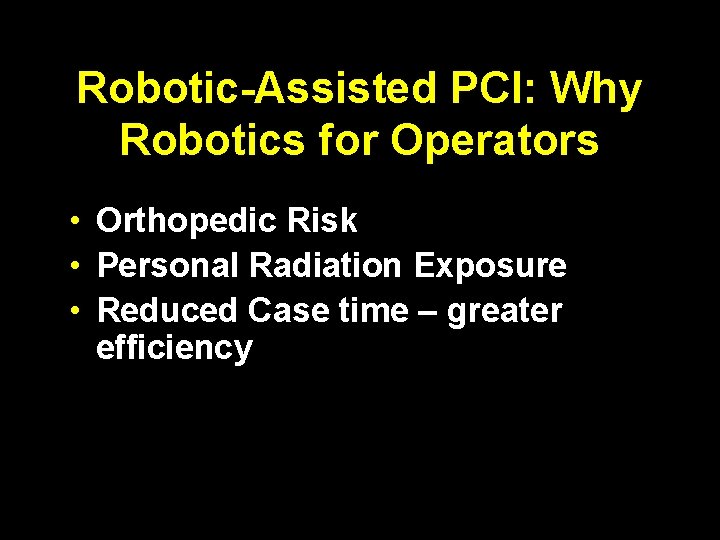
Robotic-Assisted PCI: Why Robotics for Operators • Orthopedic Risk • Personal Radiation Exposure • Reduced Case time – greater efficiency

Robotic-Assisted PCI: Why Robotics for Patients • Visualization – Anatomy - Branches – Lesion composition, boundaries • Geographic Miss – 15% of PCIs require a second stent due to inaccurate placement or size of first stent* – US average - 1. 21 stents per lesion** • Contrast Use • Patient radiation *Junicon Market Research - interventional cardiologist self reported result **Goodroe Healthcare solutions, 2009
Robotic-Assisted PCI • Why Robotics • The System • • Case Examples Results Robotic Opportunities FAQ’s
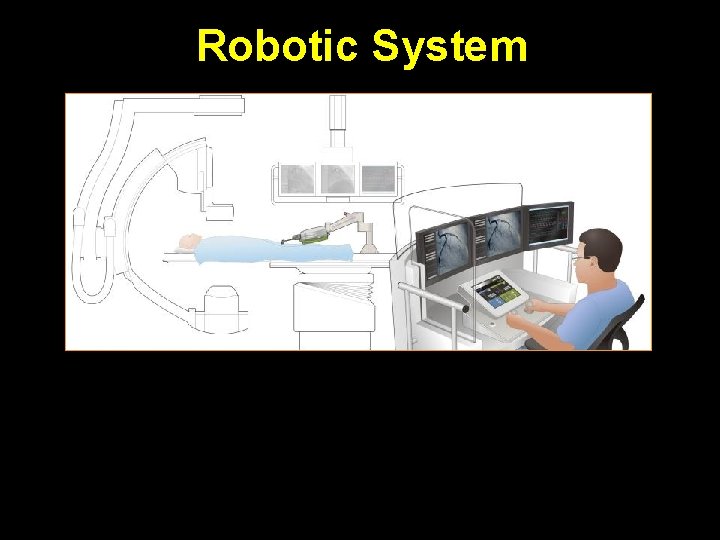
Robotic System
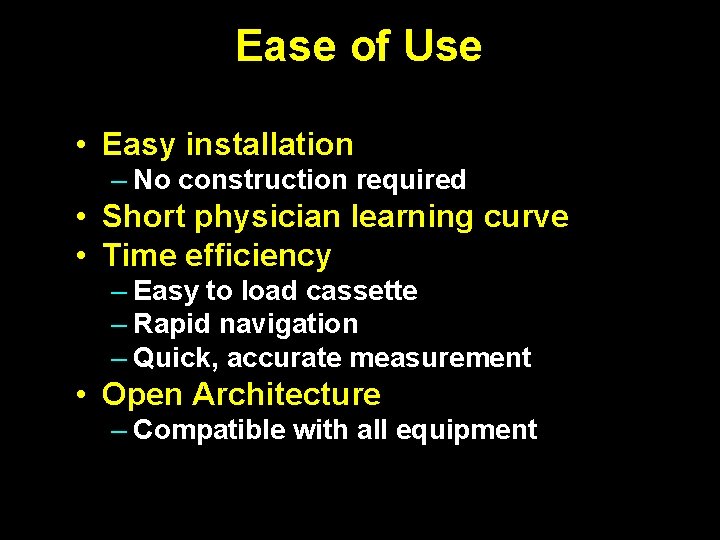
Ease of Use • Easy installation – No construction required • Short physician learning curve • Time efficiency – Easy to load cassette – Rapid navigation – Quick, accurate measurement • Open Architecture – Compatible with all equipment
Robotic-Assisted PCI • Why Robotics • The System • Case Examples • Results • Robotic Opportunities • FAQ’s
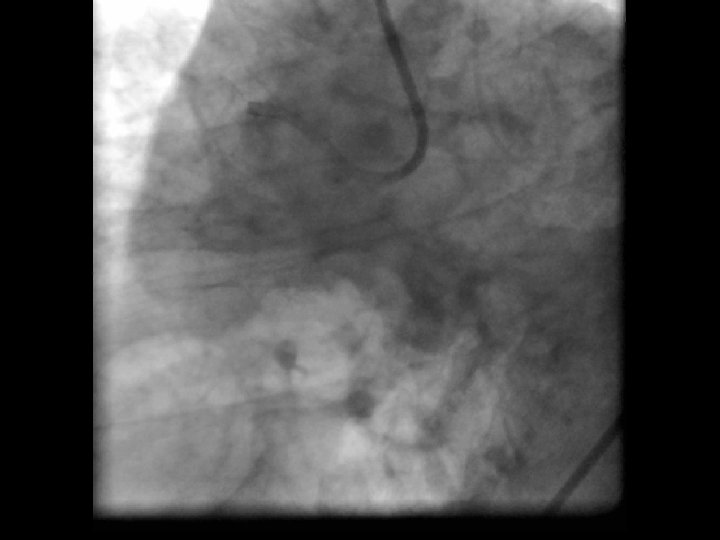
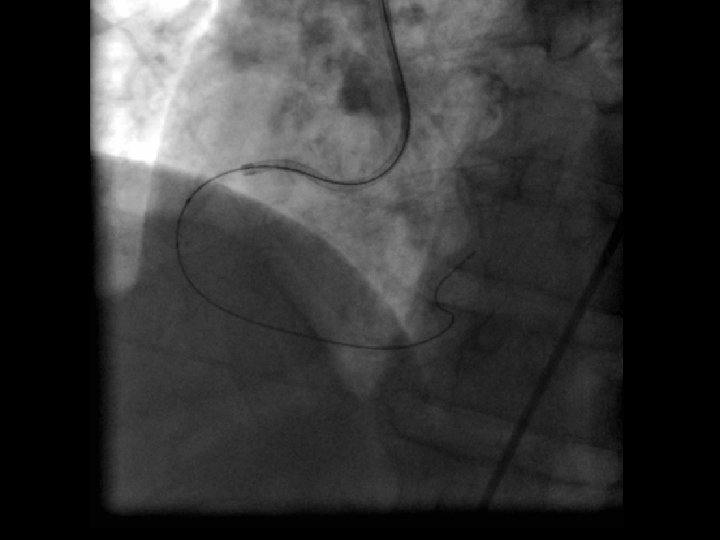
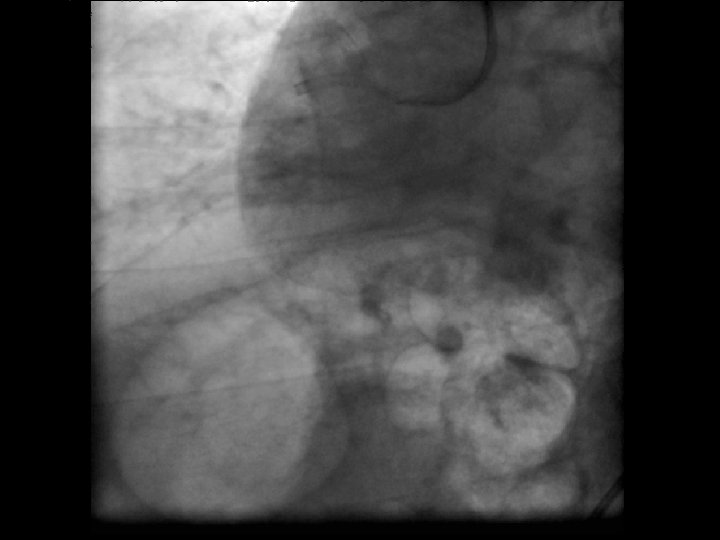
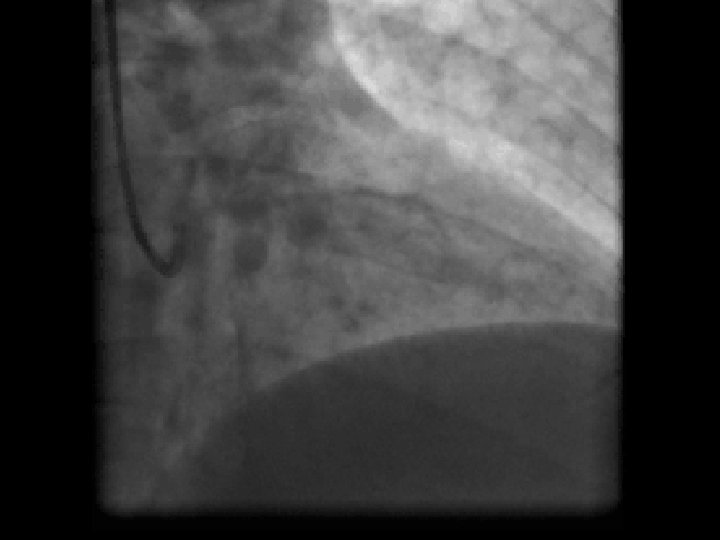
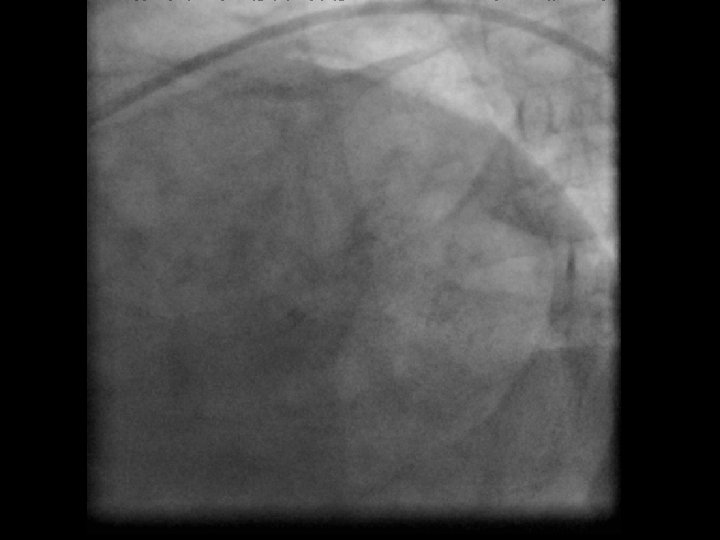
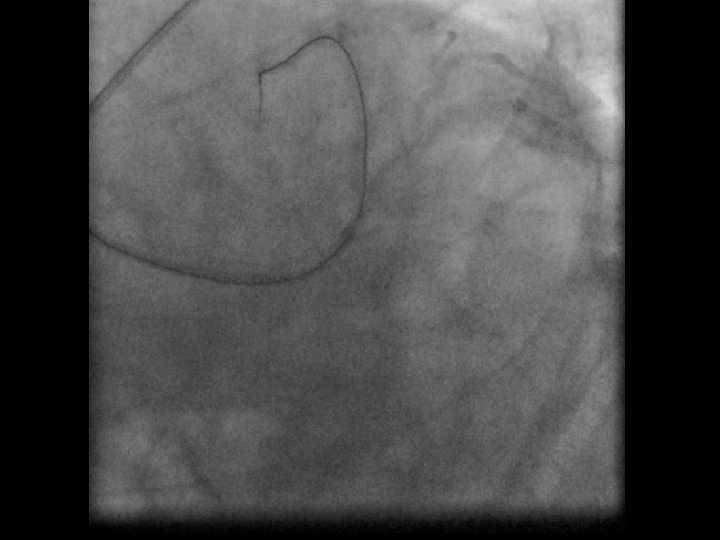
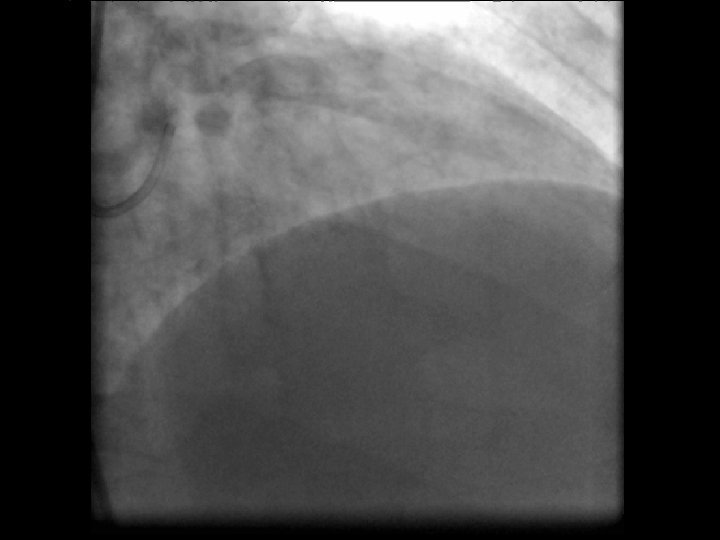
Robotic-Assisted PCI • Why Robotics • The System • Case Examples • Results • Robotic Opportunities • FAQ’s
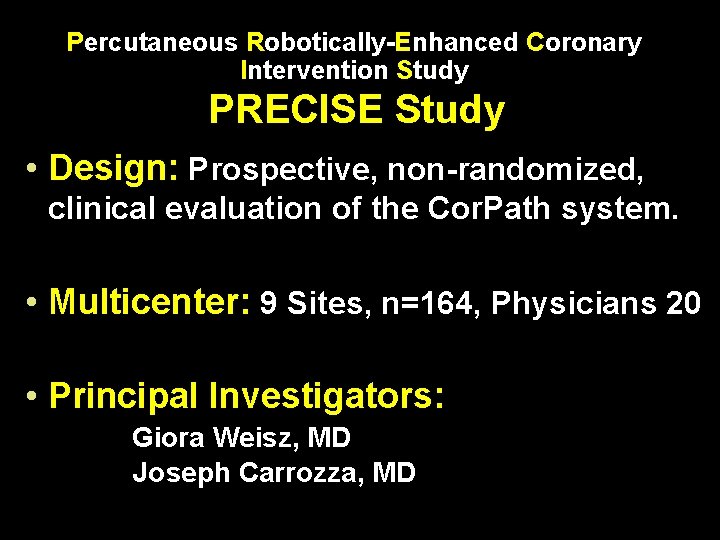
Percutaneous Robotically-Enhanced Coronary Intervention Study PRECISE Study • Design: Prospective, non-randomized, clinical evaluation of the Cor. Path system. • Multicenter: 9 Sites, n=164, Physicians 20 • Principal Investigators: Giora Weisz, MD Joseph Carrozza, MD
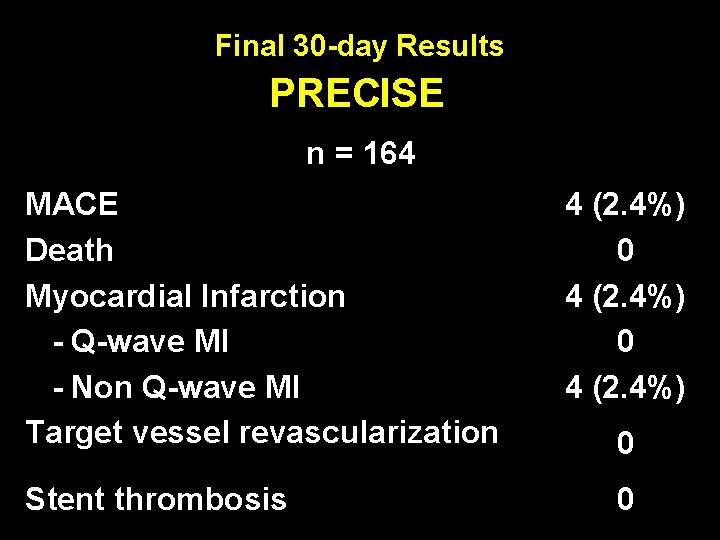
Final 30 -day Results PRECISE n = 164 MACE Death Myocardial Infarction - Q-wave MI - Non Q-wave MI Target vessel revascularization Stent thrombosis 4 (2. 4%) 0 0
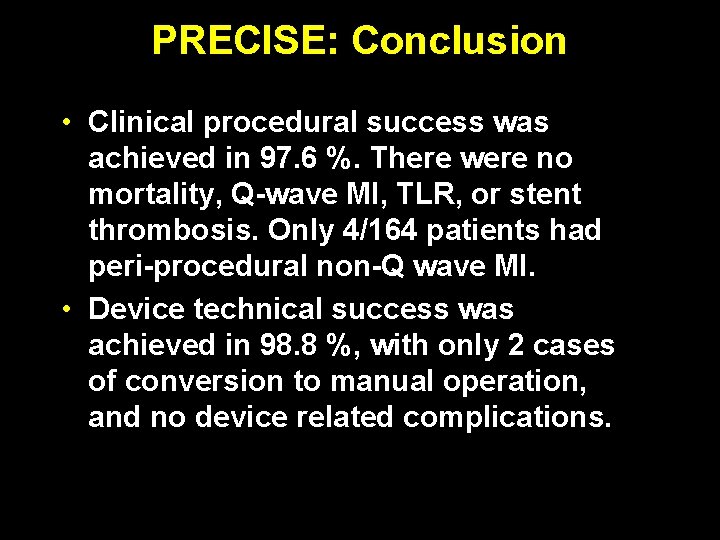
PRECISE: Conclusion • Clinical procedural success was achieved in 97. 6 %. There were no mortality, Q-wave MI, TLR, or stent thrombosis. Only 4/164 patients had peri-procedural non-Q wave MI. • Device technical success was achieved in 98. 8 %, with only 2 cases of conversion to manual operation, and no device related complications.
PRECISE: Conclusion - 2 • The median reduction in operator exposure to radiation was 95. 2% less than at the table position • The PRECISE study demonstrated the safety and effectiveness of the Cor. Path 200 vascular robotic system.
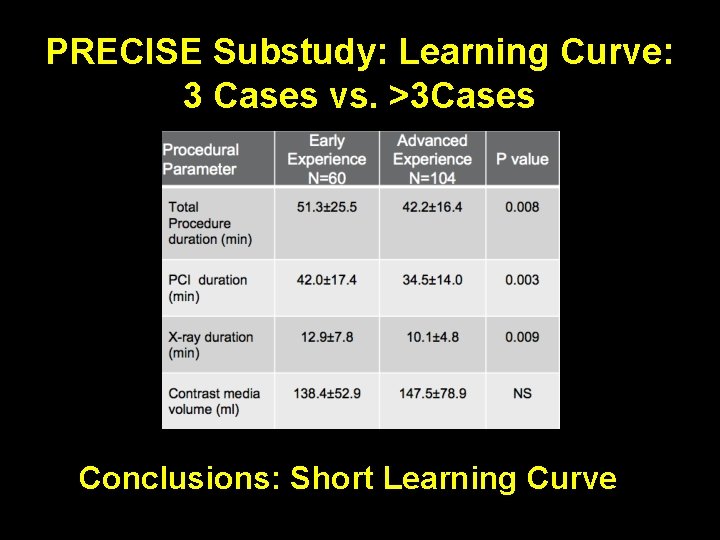
PRECISE Substudy: Learning Curve: 3 Cases vs. >3 Cases Conclusions: Short Learning Curve
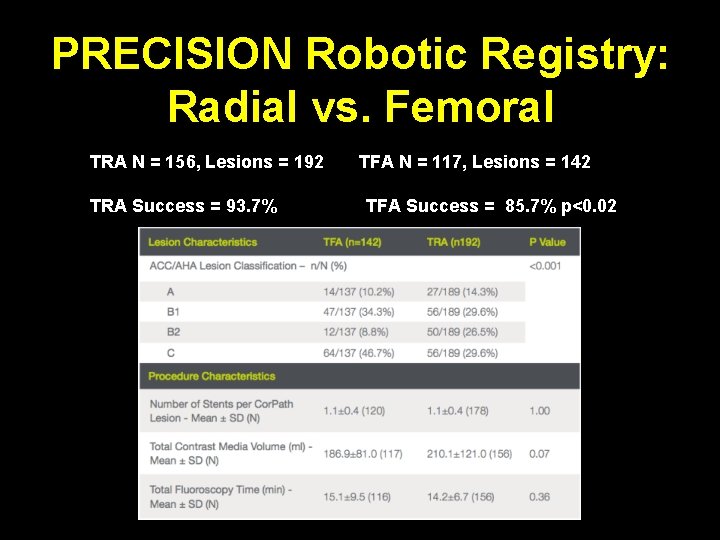
PRECISION Robotic Registry: Radial vs. Femoral TRA N = 156, Lesions = 192 TRA Success = 93. 7% TFA N = 117, Lesions = 142 TFA Success = 85. 7% p<0. 02
Additional Studies: Preliminary Results • Positive experience in peripheral procedures
Robotic-Assisted PCI • • Why Robotics The System Case Examples Results • Robotic Opportunities • FAQ’s
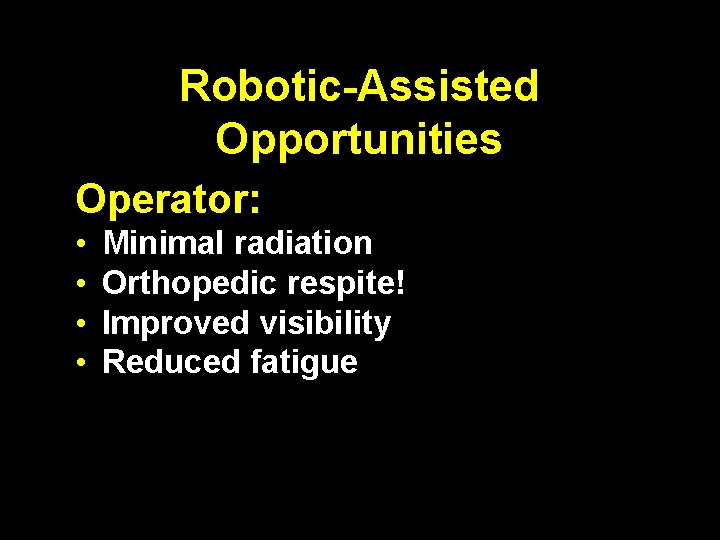
Robotic-Assisted Opportunities Operator: • • Minimal radiation Orthopedic respite! Improved visibility Reduced fatigue
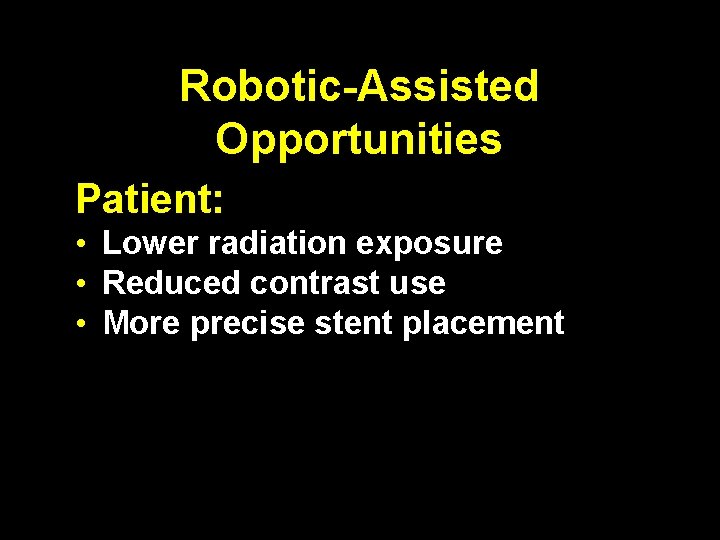
Robotic-Assisted Opportunities Patient: • Lower radiation exposure • Reduced contrast use • More precise stent placement
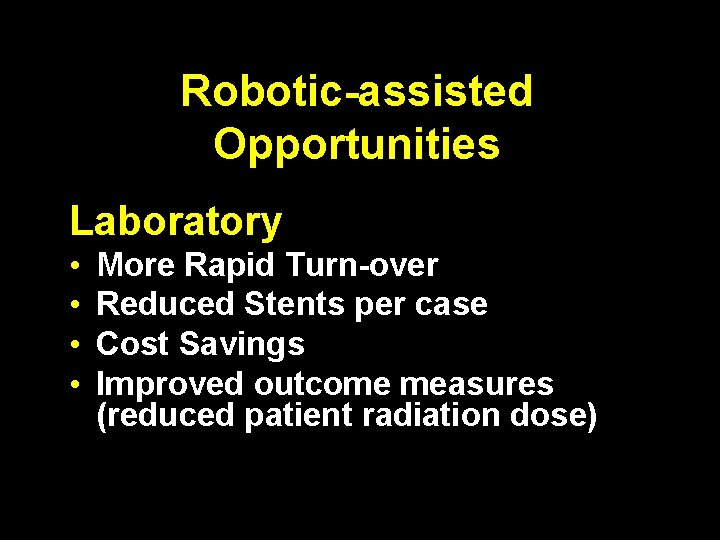
Robotic-assisted Opportunities Laboratory • • More Rapid Turn-over Reduced Stents per case Cost Savings Improved outcome measures (reduced patient radiation dose)
Robotic-Assisted PCI • • • Why Robotics The System Case Examples Results Robotic Opportunities • FAQ’s
FAQ’s: Tactile Sensation • “Visual component” of tactile sensation • Observing trainees – visually recognize When technically challenged. • Corpath System illustrates the impact of visual assessment on tactile sensation.
FAQ’s: Staff Radiation • “Doctor safe in a Cocoon” but what about the Staff? • Staff does not need to be any nearer the radiation source. • Optimal protection is afforded by using remote coronary injection system
FAQ: What About the Guide Catheter? • Next generation is nearly here! • Three Joy Sticks • Third Joystick - Guide Catheter advancement, retraction and rotation • Final Testing of production model
Robotic-Assisted PCI: Summary • Safe • Effective • Adaptable to existing practice by current operators • Provides a new level of precision and efficacy
VCU Pauley Heart Center:
- Slides: 35