
VAN DER WAALS FORCES London dispersion forces dipoledipole
- Slides: 9
VAN DER WAALS FORCES London dispersion forces, dipole-dipole forces, and hydrogen bonding
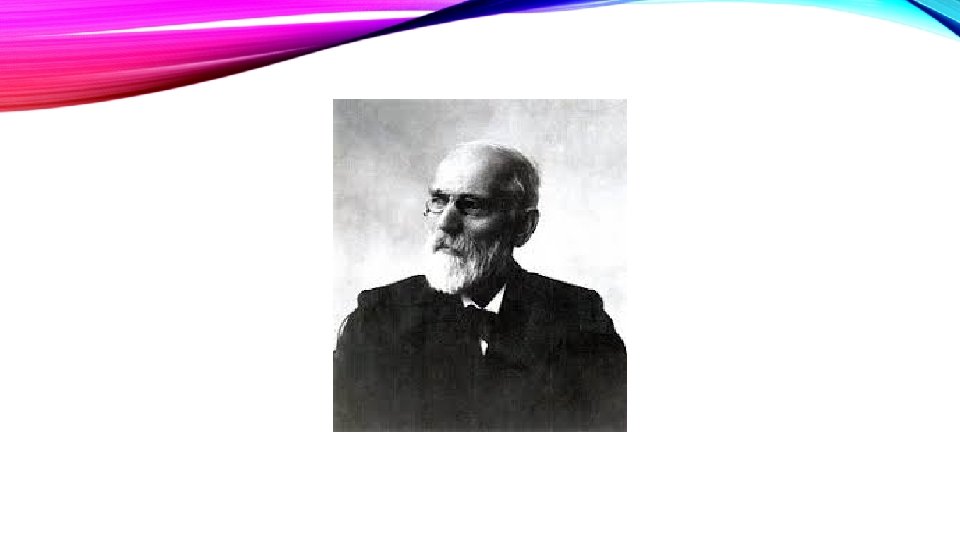
VAN DER WAALS FORCES • Named after Dutch scientist Johannes Diderik van der Waals • Distance dependent interaction between atoms or molecules. (Intermolecular force) • There are two types of Van der Waals forces: weak London Dispersion forces and stronger dipole-dipole forces.
LONDON DISPERSION FORCES • The weakest of the Intermolecular forces and exists between all types of molecules. • The more electrons a molecule has, the stronger the London Dispersion forces are. • Since electrons move around a lot, they often are unevenly distributed on an atom or molecule that creates a temporary dipole moment. (More electrons on one side of atom/molecule means more negatively charged, and vice versa) • This makes atoms/molecules attract each other.
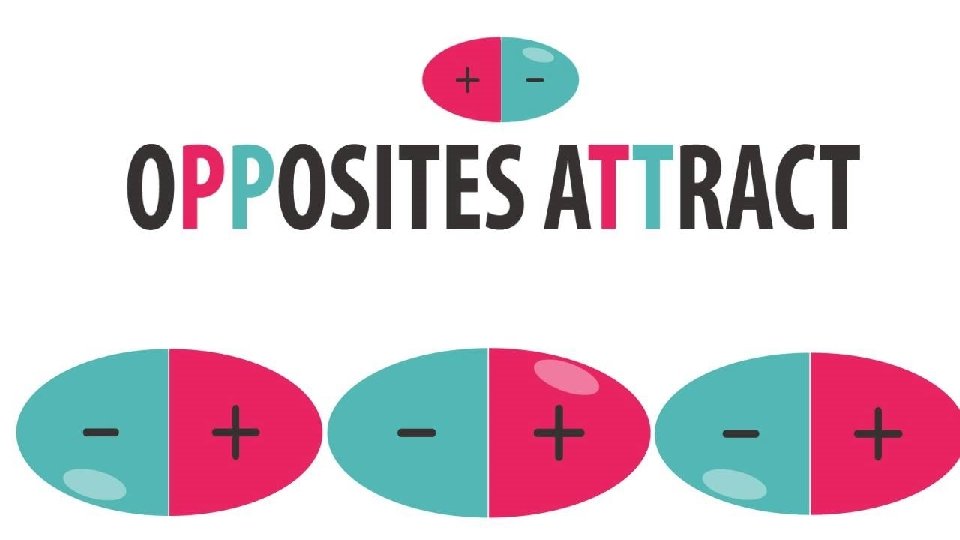
DIPOLE-DIPOLE FORCES • Dipole: separation between positive and negative charges. • Dipole-dipole forces are interactions between molecules which have permanent dipoles. (One side slightly positive, one side slightly negative) • The poles are created when one side of the molecule attracts electrons more than the other. For example, in HCl the electrons spend more time around Chlorine rather than its less attractive poor partner Hydrogen.
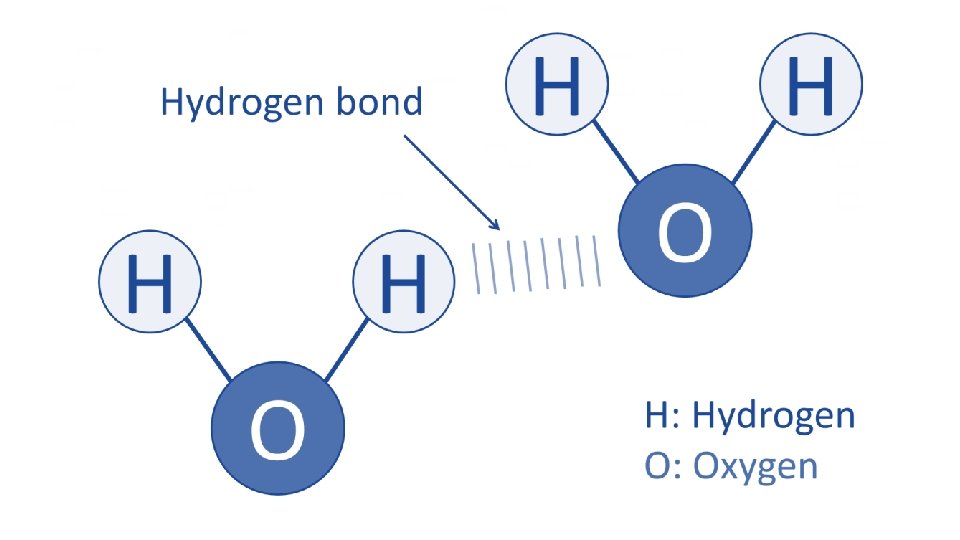
HYDROGEN BONDING • Hydrogen bonding is the strongest of the Van der Waal forces. It is a special form of dipole-dipole forces. • When nitrogen, oxygen, or fluorine bonds with Hydrogen, they hog the electrons so much that it forms a very strong case of a dipole. One example of Hydrogen Bonding is the bond between the scary colorless, odorless molecule dihydrogen monoxide also known as H 2 O.
SOURCES • Khan Academy • Wiki • Chemistry Libre. Texts