
VALVULAR DISEASE Mark Boyko CCFPEM R 3 One
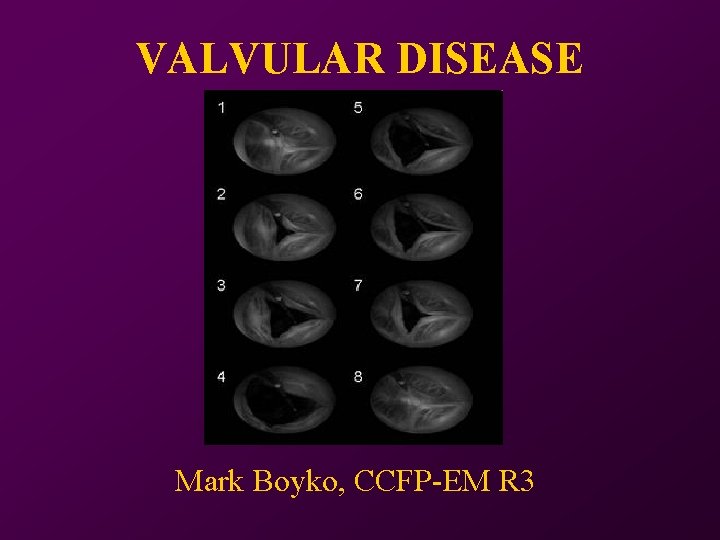
VALVULAR DISEASE Mark Boyko, CCFP-EM R 3
One night at the Foot… 64 yo male found down at home… -HR 111 -BP 109/67 -RR 12 -Temp 38. 6 -O 2 88% -Glucose 22
At first glance… • Moving both sides of body (barely) • Not speaking to you • GCS 9
Labs -Hgb 108 -WBC 14 -Lytes N -EKG pacer spikes
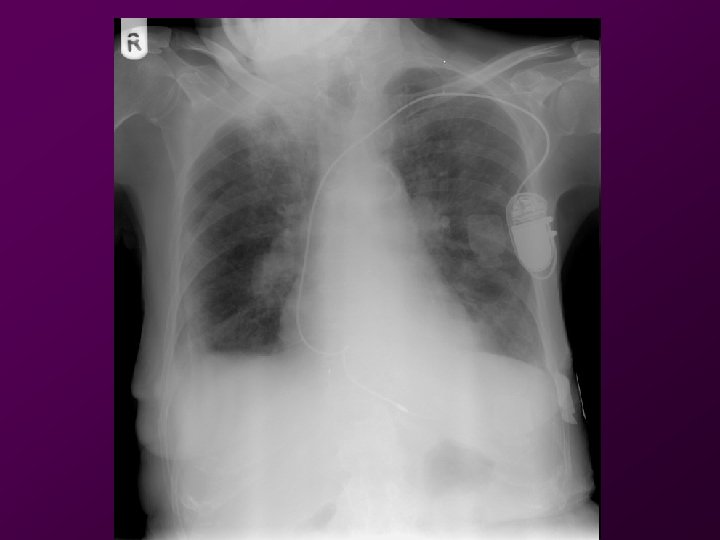
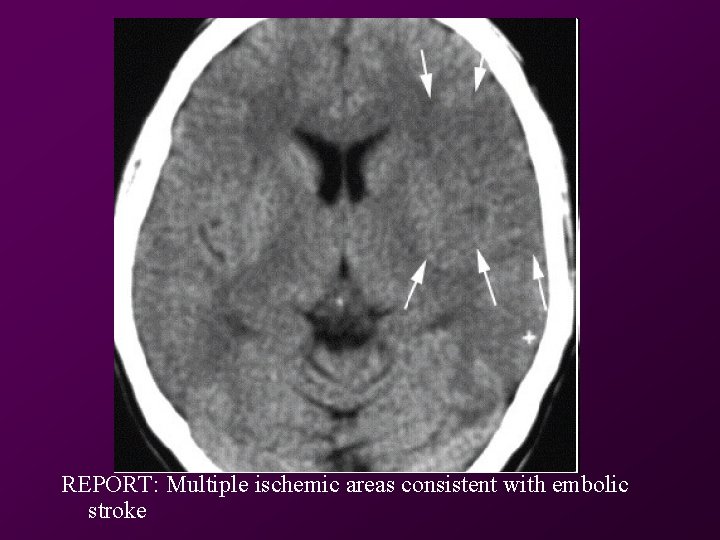
REPORT: Multiple ischemic areas consistent with embolic stroke
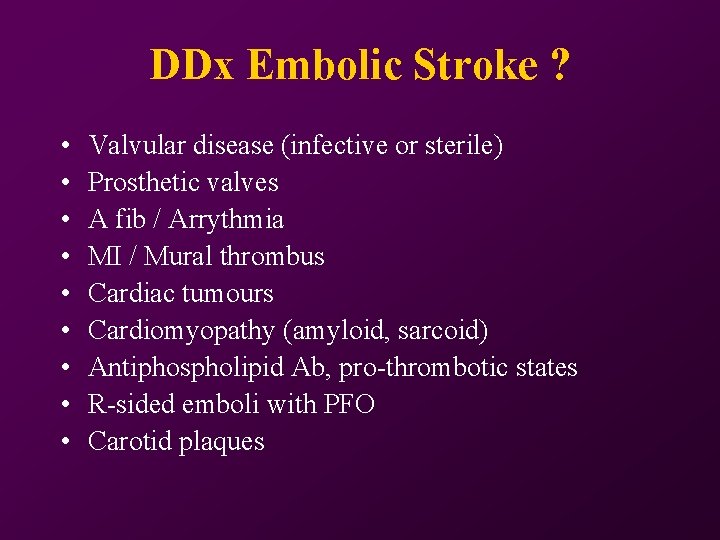
DDx Embolic Stroke ? • • • Valvular disease (infective or sterile) Prosthetic valves A fib / Arrythmia MI / Mural thrombus Cardiac tumours Cardiomyopathy (amyloid, sarcoid) Antiphospholipid Ab, pro-thrombotic states R-sided emboli with PFO Carotid plaques
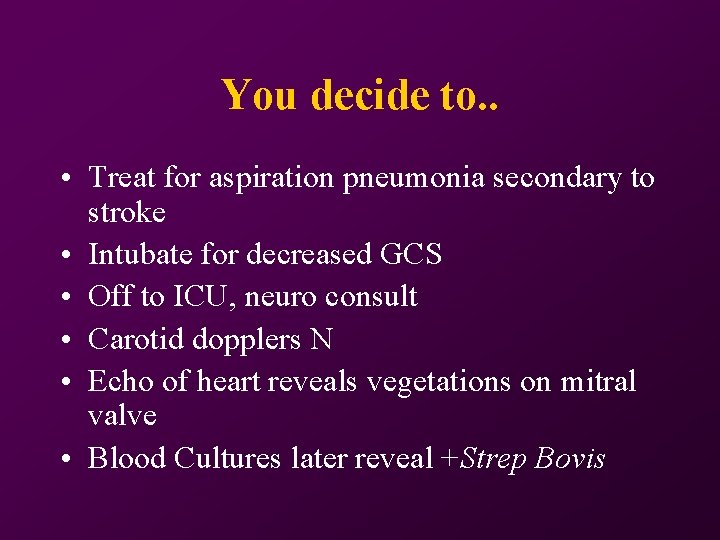
You decide to. . • Treat for aspiration pneumonia secondary to stroke • Intubate for decreased GCS • Off to ICU, neuro consult • Carotid dopplers N • Echo of heart reveals vegetations on mitral valve • Blood Cultures later reveal +Strep Bovis
Question • Due to his blood culture, what further (nonacute) examination does this patient require in the future?
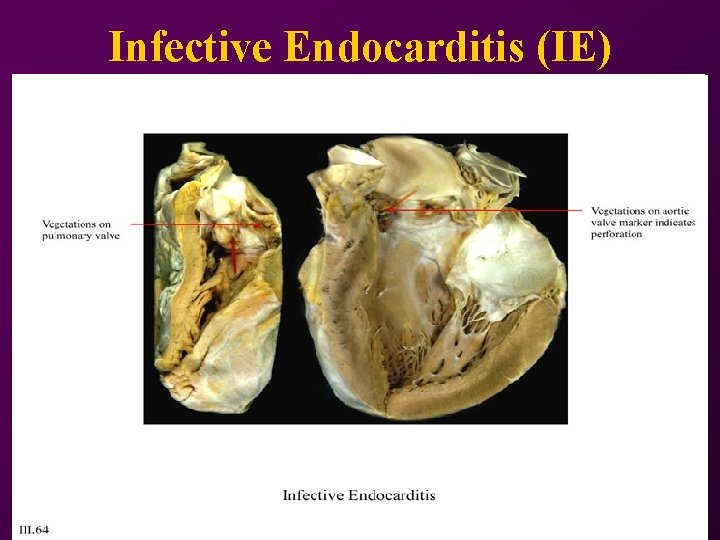
Infective Endocarditis (IE)
Question Which age group is most commonly affected? a) < 30 yrs b) 31 -60 yrs c) >60 yrs
Pathophysiology • Turbulent flow is the biggest enemy, it denudes the endothelium over time • IDU’s there is often talc mixed in with the drug injection, in addition to cocaine-induced ischemia, causing damage to valves • A vegetation begins as platelets and thrombin, and may be sterile at first. But it is a perfect home for a bacteria present in the bloodstream
Transient Bacteremia • A brief period where the bacterial count in the bloodstream is <10 organisms/m. L blood. • This should only last 30 min or so, and for most people this is not a problem. However, for people with valvular disease, it is.
Acute vs Subacute IE • Historically IE classified as acute (rapid onset, hemodynamic compromise) or subacute, but best viewed as a continuum • Acute is lethal in days if left untreated • For us… – Acute: if they are sick and this is a rapid change – Subacute: grumbling along last few weeks
Question Which microbe causes most cases of IE overall?
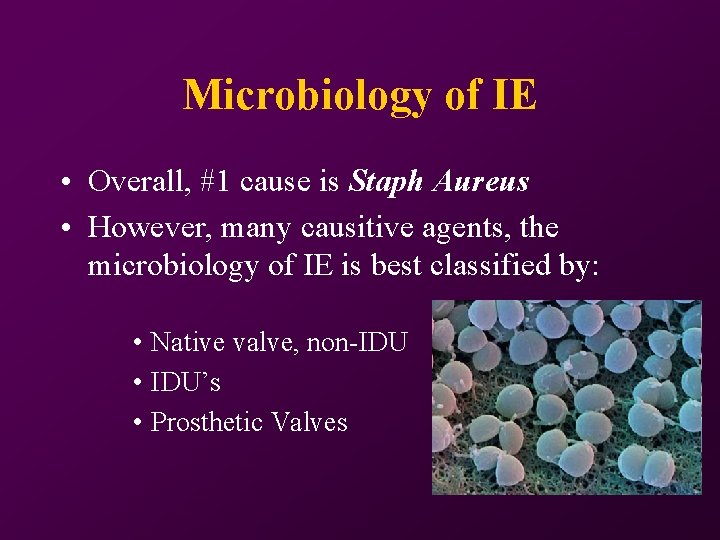
Microbiology of IE • Overall, #1 cause is Staph Aureus • However, many causitive agents, the microbiology of IE is best classified by: • Native valve, non-IDU • IDU’s • Prosthetic Valves
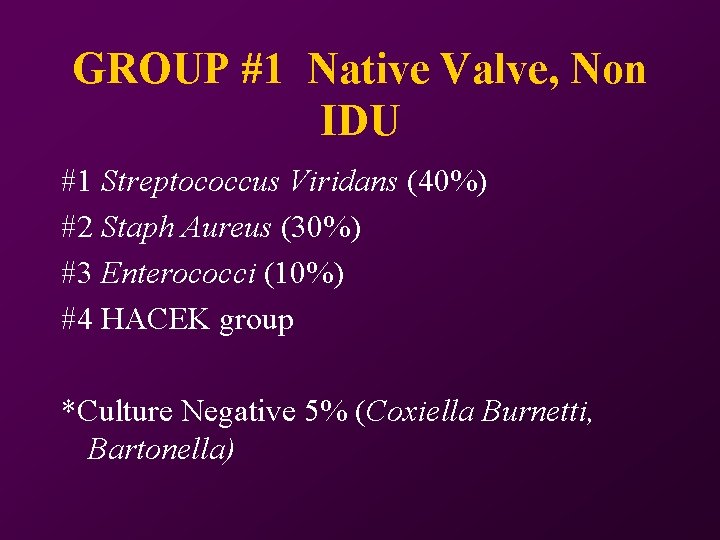
GROUP #1 Native Valve, Non IDU #1 Streptococcus Viridans (40%) #2 Staph Aureus (30%) #3 Enterococci (10%) #4 HACEK group *Culture Negative 5% (Coxiella Burnetti, Bartonella)
Question Can you name at least 3 organisms in the HACEK group? …. Alternatively…. Which NHL team first drafted famous Czeck goaltender Dominik Hasek?
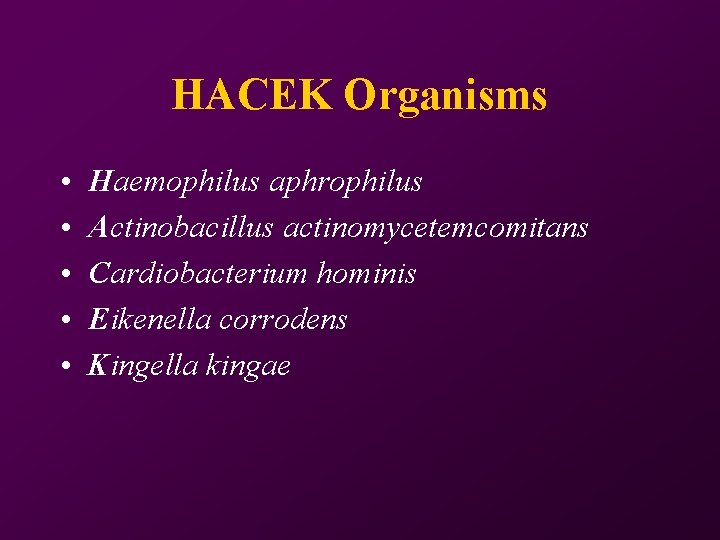
HACEK Organisms • • • Haemophilus aphrophilus Actinobacillus actinomycetemcomitans Cardiobacterium hominis Eikenella corrodens Kingella kingae
HACEK Organisms • Just remember they are GRAM Negative organisms, difficult to culture • Collectively, cause 5 -10% of IE in people that are not IDU’s
GROUP #2 Injection Drug Users (IDU’s) #1 Staph #2 Strep #3 Pseudomonas #4 Serratia #5 Fungal (Candida, Apergillis)
GROUP #3 Prosthetic Valve #1 Staph Epidermidis (50%) #2 Streptococcus
IE Risk Factors • Prior episode IE • Prosthetic Valve (same risk mechanical vs biological) • Recent invasive procedures • Structural Heart Disease (congenital and acquired valvular) • IDU
IDU’s • • Right-sided IE Tricuspid > Pulmonary valve PE more common Less likely to have peripheral embolic findings • High recurrance rate
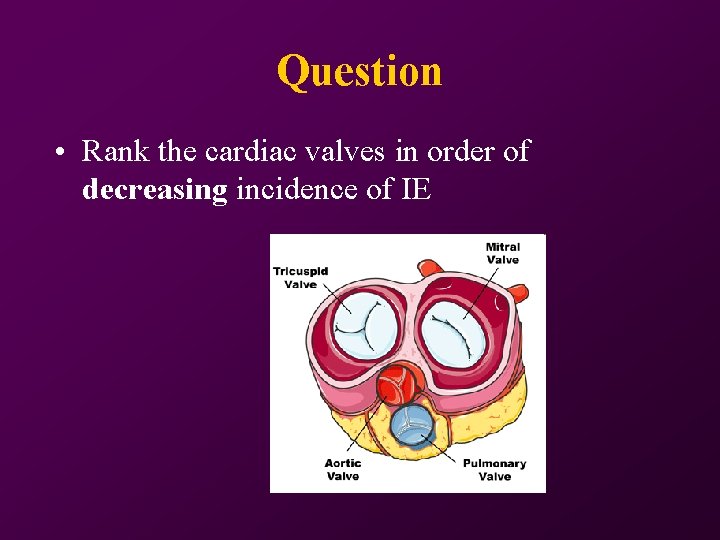
Question • Rank the cardiac valves in order of decreasing incidence of IE
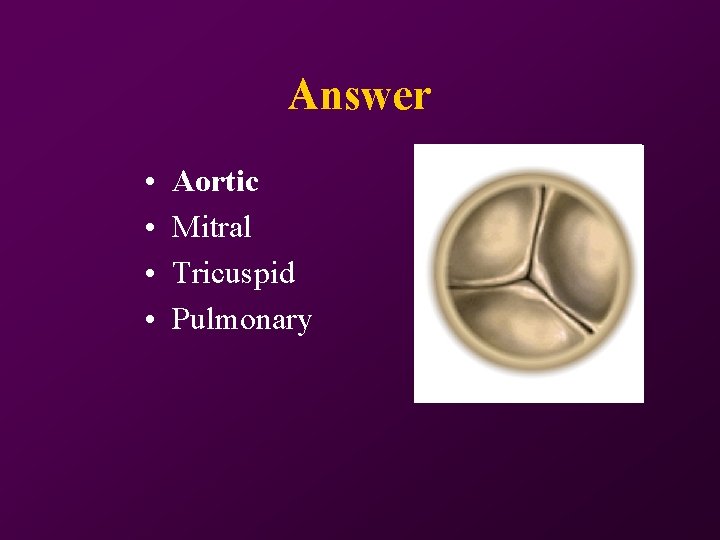
Answer • • Aortic Mitral Tricuspid Pulmonary
Valves • LEFT-SIDED valves are more commonly hit! • However, when all cases of right-sided IE are analyzed, the vast majority occur in IDUs
What about Pacemakers? • Rare, but can get IE • Right-sided vegetations (on either valves or pacer leads) • Seen from 0 -20 months post insertion • Look for hematomas, cellulitis at site • Be suspicious!
Question • What percent of people with IE will have a murmur at some point during the course of their illness?
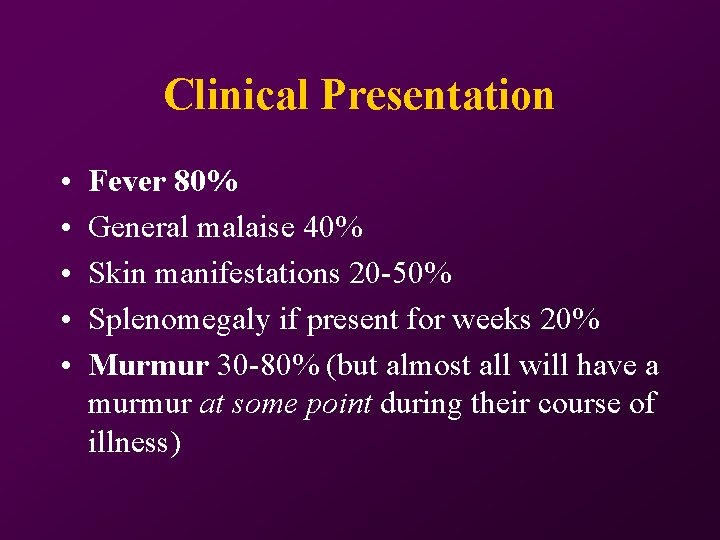
Clinical Presentation • • • Fever 80% General malaise 40% Skin manifestations 20 -50% Splenomegaly if present for weeks 20% Murmur 30 -80% (but almost all will have a murmur at some point during their course of illness)
Better way to remember things… • Bacteremia-related symptoms – Fever, chills, SIRS • Cardiac symptoms – Chest pain, SOB, CHF • Embolic Phenomenon – CNS, cardiac, pulmonary, GI, renal, DERM
Question Which of the following lesions are painful? a) Osler’s Nodes b) Janeway Lesions c) Splinter hemorrhages d) Roth spots

Dermatologic Findings in IE • These are immune-complexes (bacteria + Ig + fibrin) that have become lodged in distal arterioles, just under the skin. • Usually only seen in sub-acute IE because it takes time for them to develop.
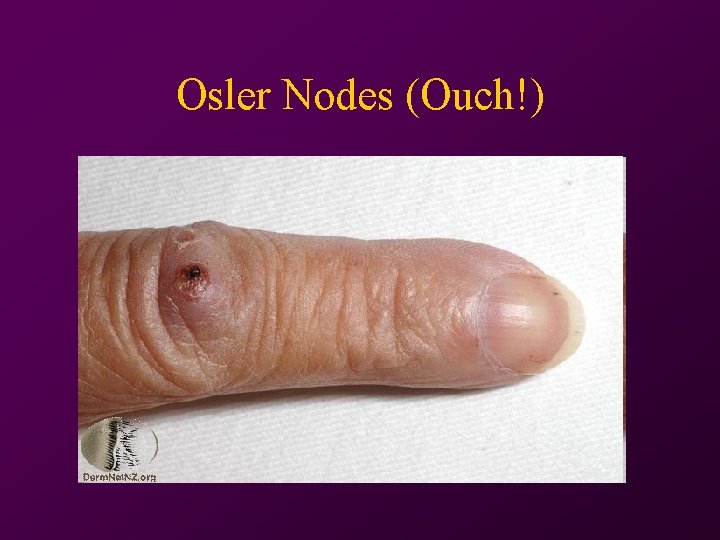
Osler Nodes (Ouch!)
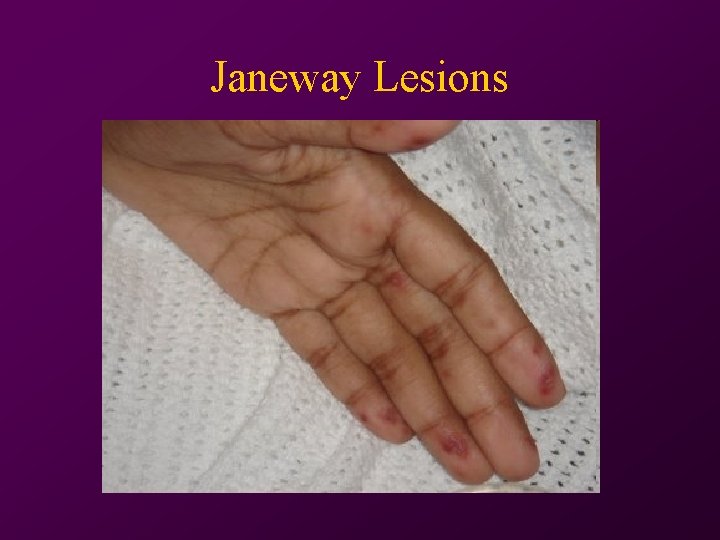
Janeway Lesions
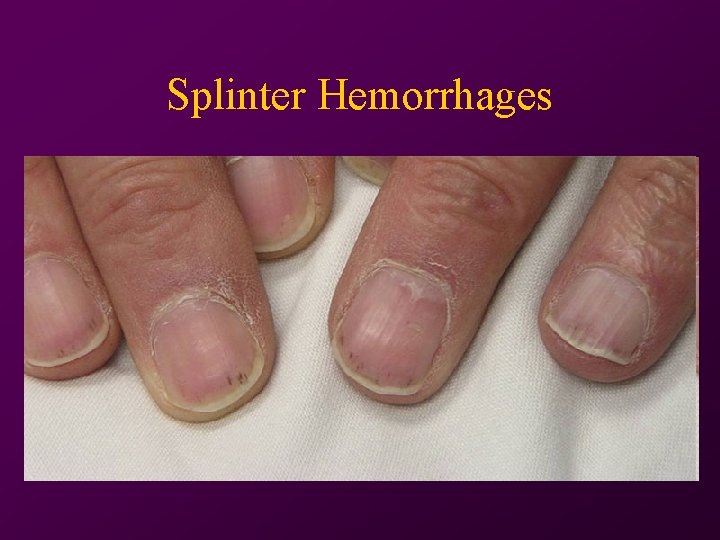
Splinter Hemorrhages
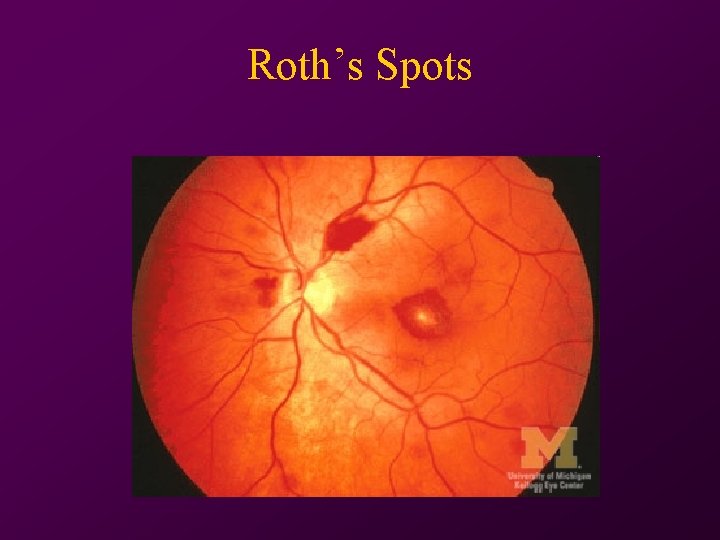
Roth’s Spots
EKG • Usually normal, but can have new conduction disturbances • BBB • AV dissociation
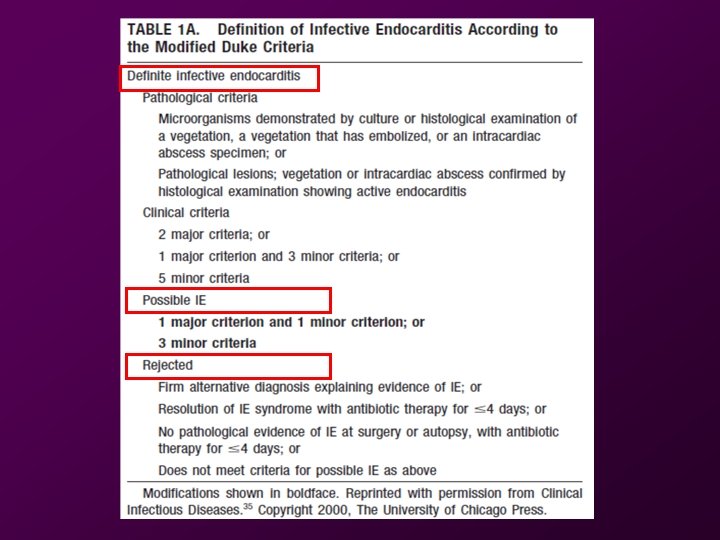
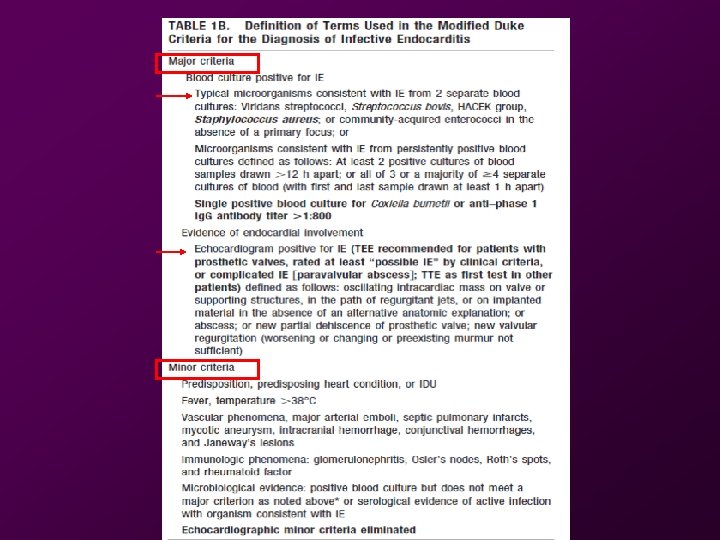
Diagnosis of IE • DUKE Criteria • Not straight-forward, but sensitivity ~90% • We cannot make the diagnosis of IE in the ER! But you must be suspicious. • Requires blood cultures to come back, echo to be done, and monitoring over course of an admission.
Blood Culture • Key to the diagnosis • Draw 3 samples total, 3 different sites – 2 different sites at time 0 – 3 rd separate site at time 1 hr • 90 -95% will be positive if truly IE
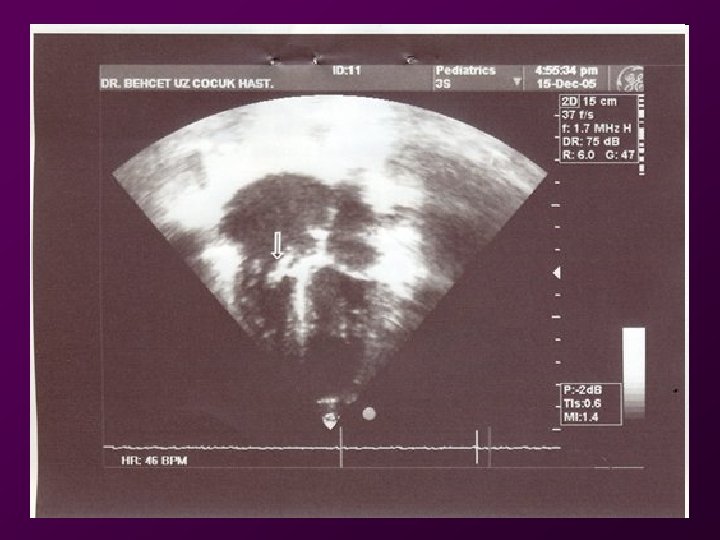
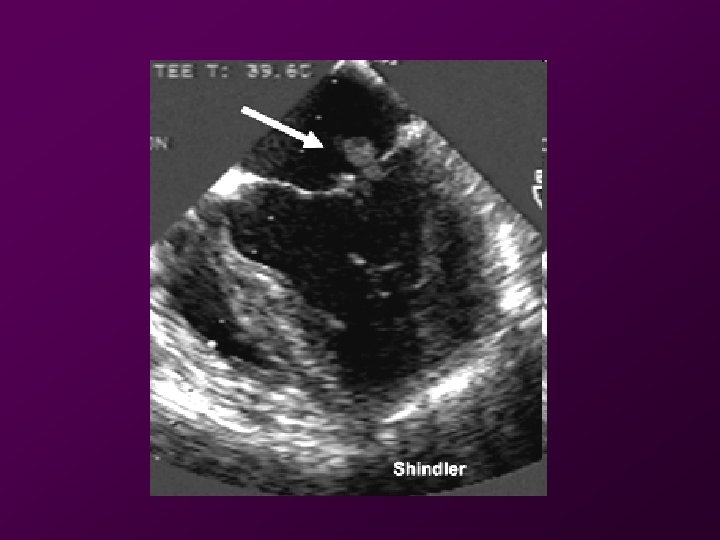
ECHO • TTE ~60% sensitive for vegetations • TEE ~ 80% sensitive for vegetations • If TTE negative but clinical suspicion remains high, make sure you get a TEE • NPV value for IE with a normal TEE without prosthetic valves ~100% • All patients need one within 12 hrs, but if they are acutely decompensating order one STAT.
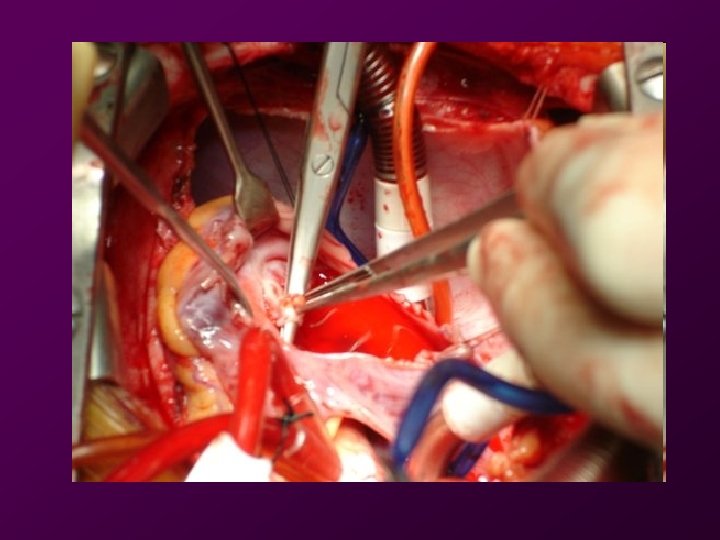
Question When is the highest risk for IE after prosthetic valve surgery? a) 0 -6 mos b) 6 mos-3 yrs c) 3 -10 yrs d) >10 yrs
Question What is Olser’s Triad?
Osler’s Triad • Pneumonia, endocarditis, meningitis • Streptococcus pneumoniae is the culprit • Often associated with alcohol abuse, mortality is extremely high
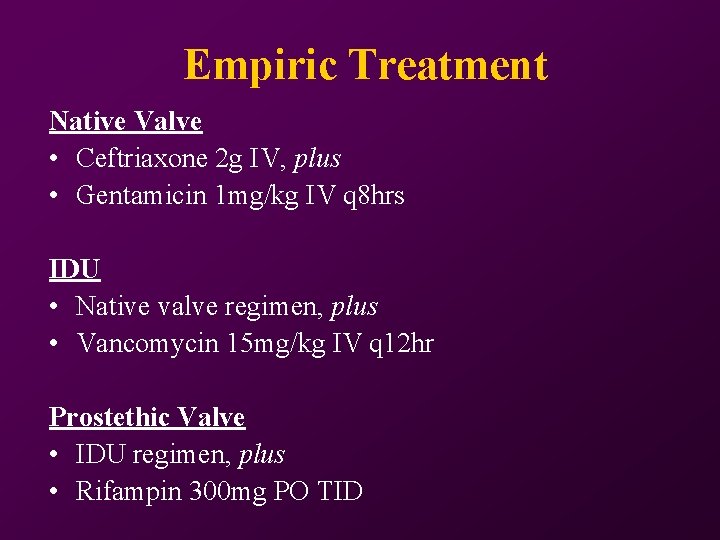
Empiric Treatment Native Valve • Ceftriaxone 2 g IV, plus • Gentamicin 1 mg/kg IV q 8 hrs IDU • Native valve regimen, plus • Vancomycin 15 mg/kg IV q 12 hr Prostethic Valve • IDU regimen, plus • Rifampin 300 mg PO TID
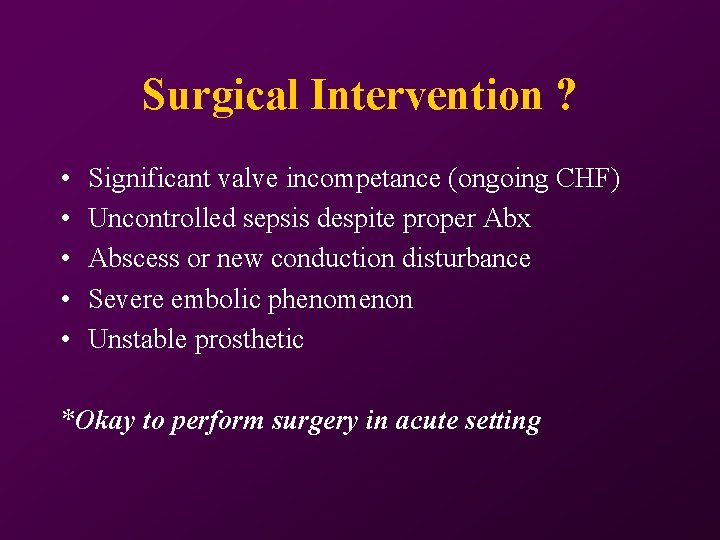
Surgical Intervention ? • • • Significant valve incompetance (ongoing CHF) Uncontrolled sepsis despite proper Abx Abscess or new conduction disturbance Severe embolic phenomenon Unstable prosthetic *Okay to perform surgery in acute setting
SUMMARY - IE • Suspect it • Exam the hands of your patient • Always draw blood cultures x 3 before administering antibiotics • Order an echo if concerned
Antibiotic Prophylaxis Guidelines 2007
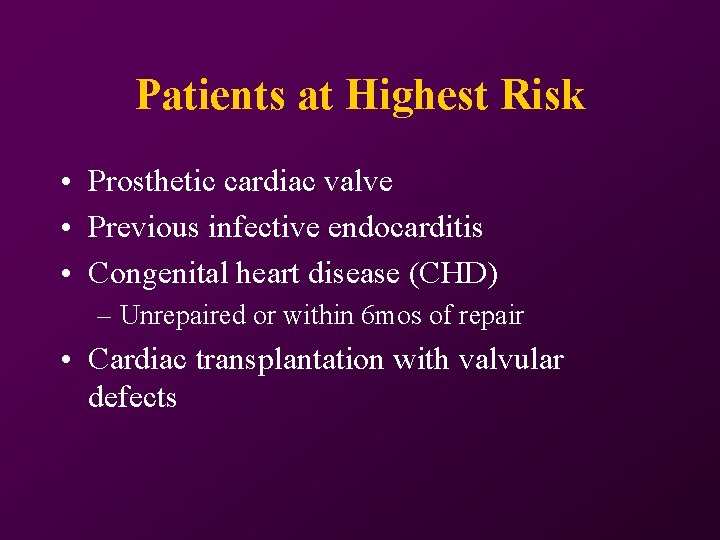
Patients at Highest Risk • Prosthetic cardiac valve • Previous infective endocarditis • Congenital heart disease (CHD) – Unrepaired or within 6 mos of repair • Cardiac transplantation with valvular defects
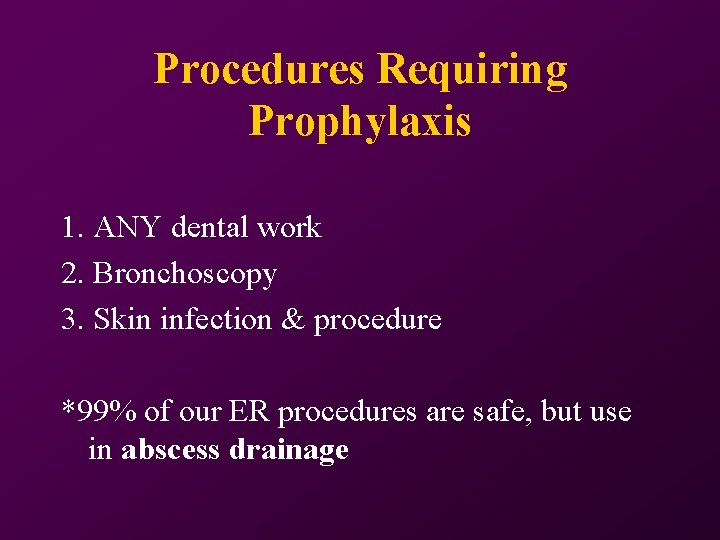
Procedures Requiring Prophylaxis 1. ANY dental work 2. Bronchoscopy 3. Skin infection & procedure *99% of our ER procedures are safe, but use in abscess drainage
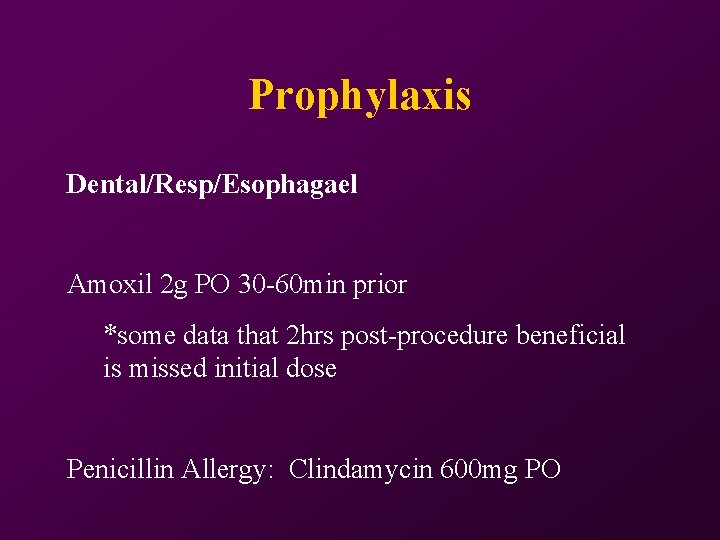
Prophylaxis Dental/Resp/Esophagael Amoxil 2 g PO 30 -60 min prior *some data that 2 hrs post-procedure beneficial is missed initial dose Penicillin Allergy: Clindamycin 600 mg PO

Papillary Muscle Rupture • Very rare (<1% of all MI), but very lethal • 80% mortality within 24 hrs of rupture without surgical intervention • Most often associated with mitral valve regurgitation • Timing: From onset of MI to 7 days post. MI • Requires urgent cardiac surgery
How? • Think about it in your inferior MI’s disruption of flow in the right coronary artery or circumflex • Posteromedial papillary muscle has single blood supply, once cut off, it is vulnerable
Clinical Presentation • Tip-offs: • New Murmur • Respiratory failure / pulmonary edema (esp if no hx CHF) • Within hours to 7 days of an inferior MI • Seen more commonly in the older patient with his/her first MI
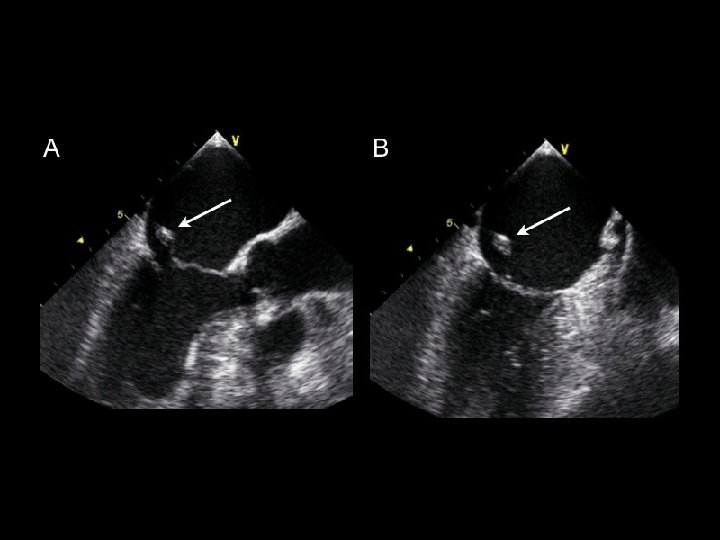
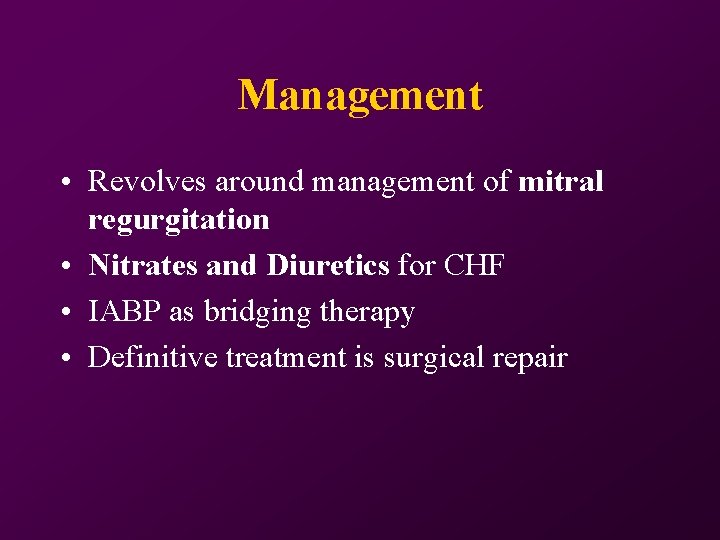
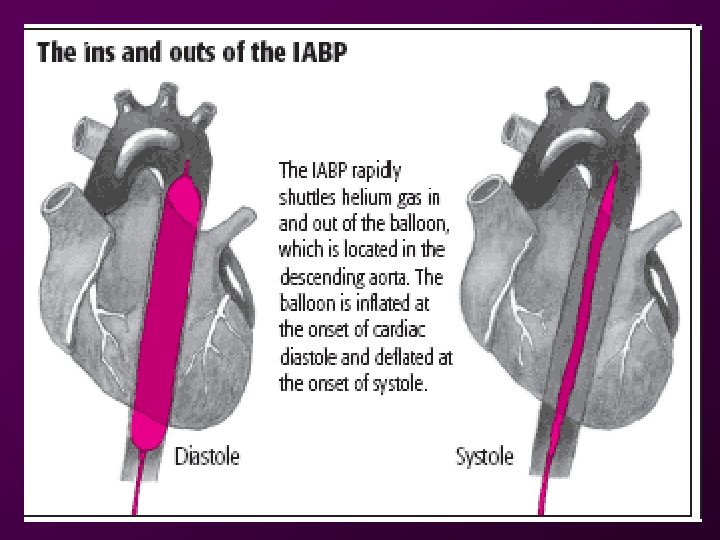
Management • Revolves around management of mitral regurgitation • Nitrates and Diuretics for CHF • IABP as bridging therapy • Definitive treatment is surgical repair
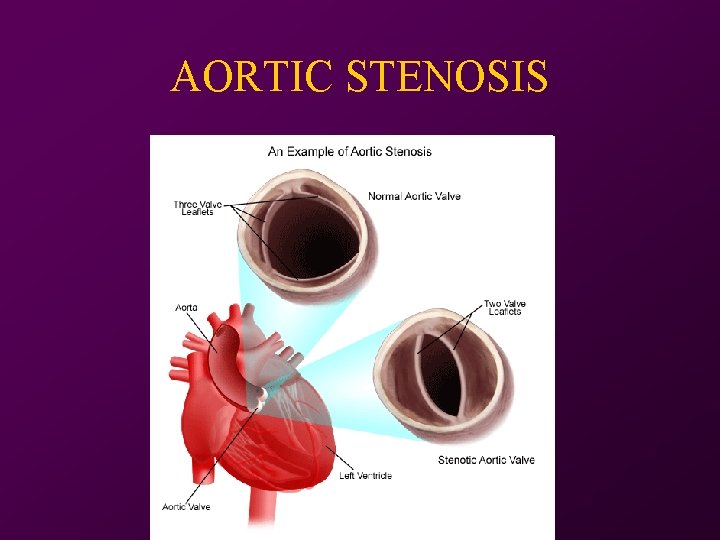
AORTIC STENOSIS
Aortic Stenosis • Most common valvular lesion among elderly patients • “critical” AS is <0. 8 cm 2 or when pressure gradient across valve is >50 mm. Hg • Asymptomatic period can last 10 -20 yrs • Once symptomatic, life expectancy only 13 yrs
Scarey Symptoms • • A ngina S OB S yncope S udden death (not really a symptom!) “Classic Triad”: CP, CHF, Syncope
Classic Characteristics • Harsh, mid-systolic murmur (later in systole, more severe) • Radiation to carotids • Decreased pulse amplitude • ‘Parvus et Tardus’ • Narrow Pulse Pressure • Brachial-radial delay • Louder if patient leans forward
Remember… • These patients are PRE-LOAD dependent • They have NO CARDIAC RESERVE (essentially, a fixed CO) • Medical management is a spit in the ocean, they need surgery
Acute Management • Fluids (even if in CHF, you’ll have to balance diuresis) • Blood transfusion • Restore NSR • AVOID Nitroglycerin, vasodilators. This may kill them • Inotropes? If you’re stuck, you are stuck • Call CCU for IABP
Thanks!
- Slides: 72