
Vaccination Do now activity 1 What have you
- Slides: 24
Vaccination Do now activity: 1. What have you already learnt about viruses? 2. Describe some of the major differences between bacteria and viruses? 3. Explain why a virus can’t be treated with antibiotics
Progress indicators GOOD PROGRESS: To describe how the immune system response to pathogens in the body To explain how vaccines work OUTSTANDING PROGRESS: To explain the benefits of herd immunity
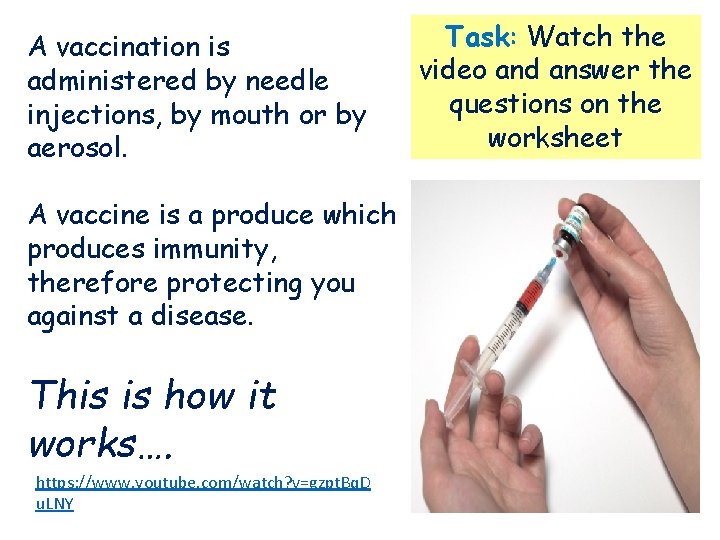
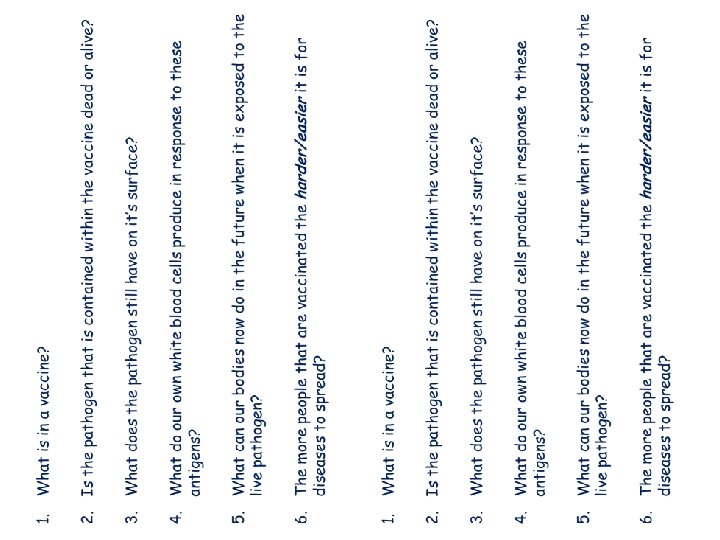
A vaccination is administered by needle injections, by mouth or by aerosol. A vaccine is a produce which produces immunity, therefore protecting you against a disease. This is how it works…. https: //www. youtube. com/watch? v=gzpt. Bq. D u. LNY Task: Watch the video and answer the questions on the worksheet
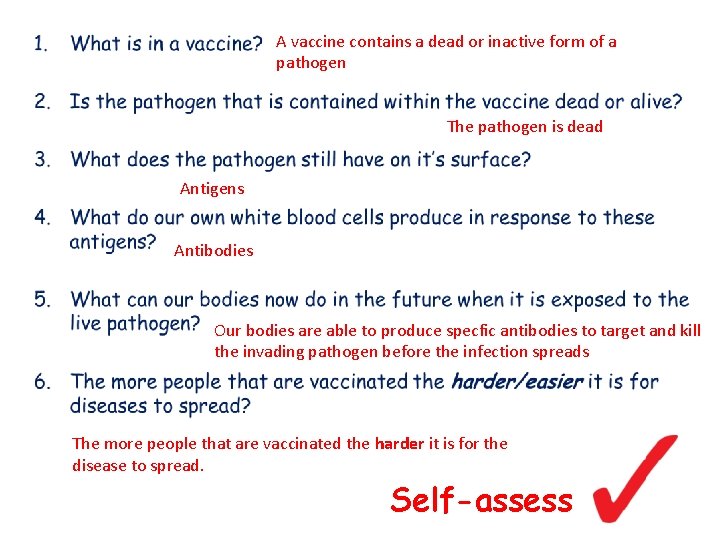
A vaccine contains a dead or inactive form of a pathogen The pathogen is dead Antigens Antibodies Our bodies are able to produce specfic antibodies to target and kill the invading pathogen before the infection spreads The more people that are vaccinated the harder it is for the disease to spread. Self-assess
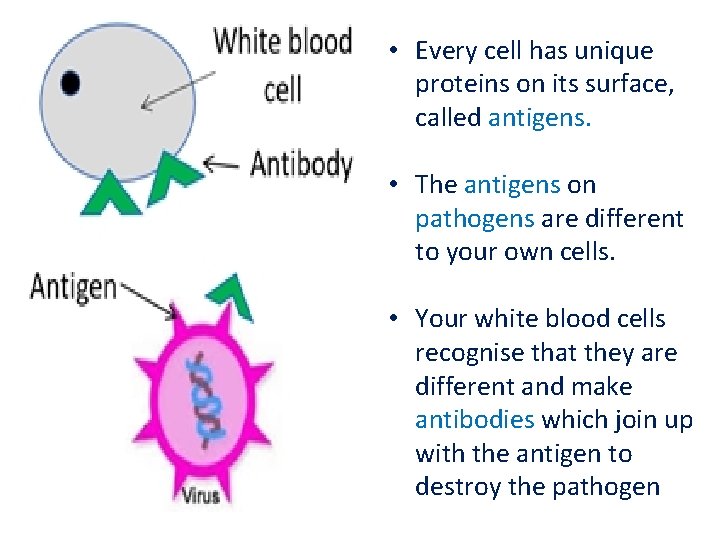
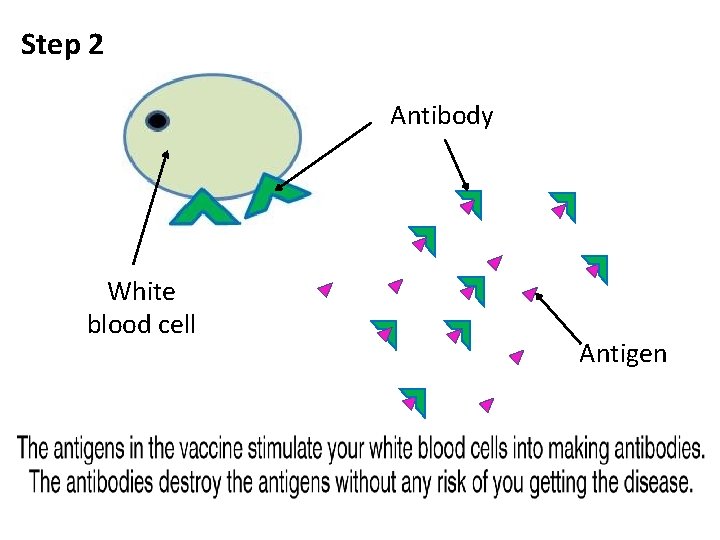
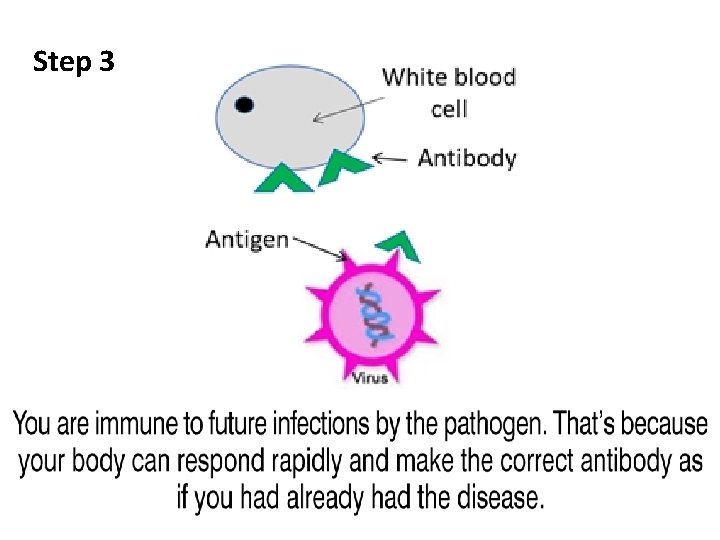
• Every cell has unique proteins on its surface, called antigens. • The antigens on pathogens are different to your own cells. • Your white blood cells recognise that they are different and make antibodies which join up with the antigen to destroy the pathogen
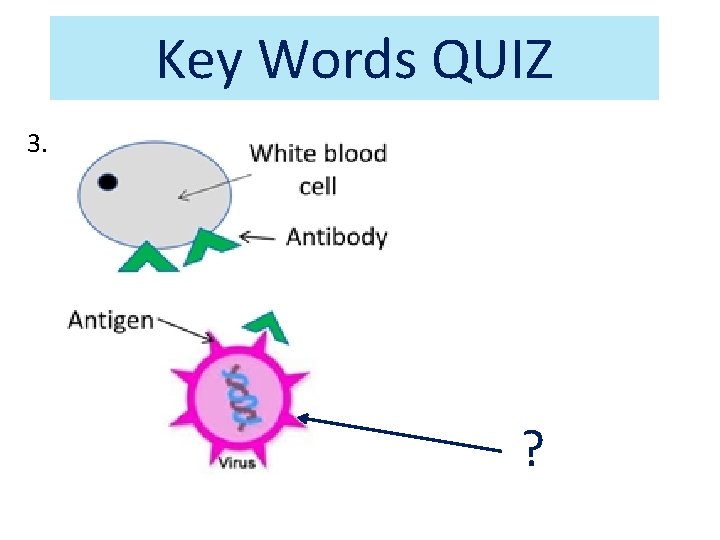
Quick check: Key Words Quiz antigen pathogen antibody white blood cell Task: Write these words in a list in your books, leave a space between each one. A picture or description will flash up on the board which will match one of the words above, write/draw it next to the correct key word
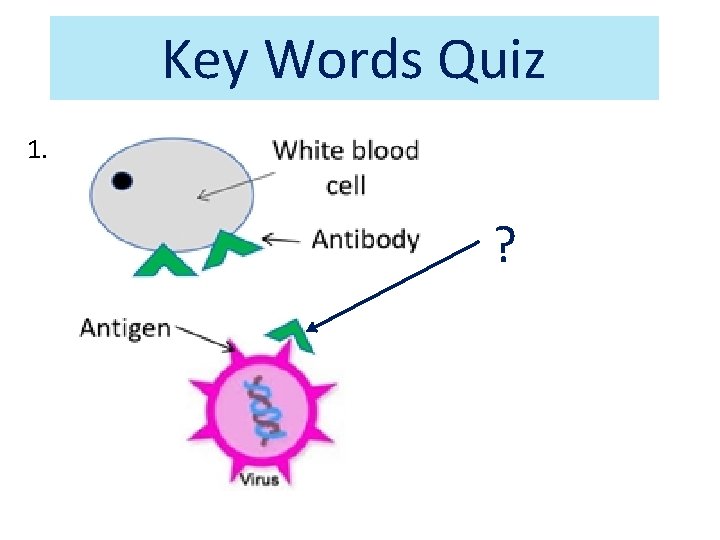
Key Words Quiz 1. ?
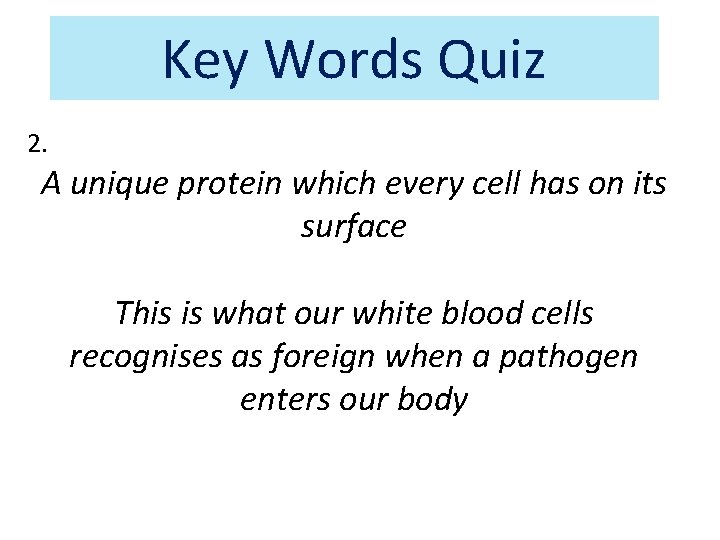
Key Words Quiz 2. A unique protein which every cell has on its surface This is what our white blood cells recognises as foreign when a pathogen enters our body
Key Words QUIZ 3. ?
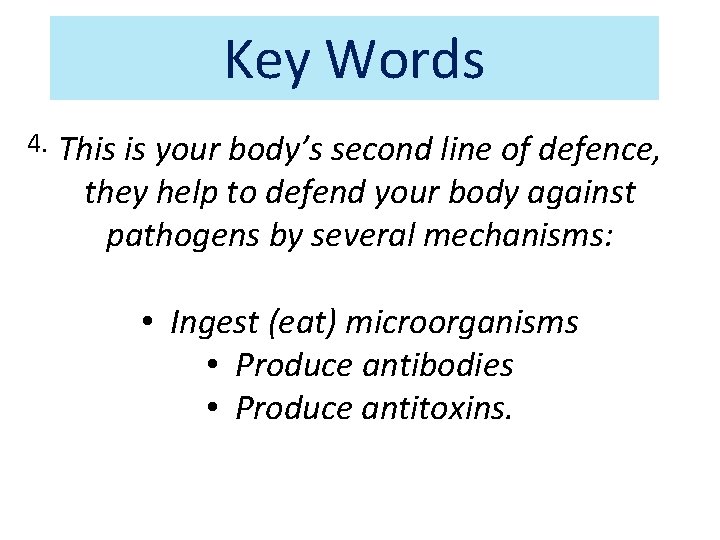
Key Words 4. This is your body’s second line of defence, they help to defend your body against pathogens by several mechanisms: • Ingest (eat) microorganisms • Produce antibodies • Produce antitoxins.
Self-assessment: 1. Antibody 2. Antigen 3. Pathogen 4. White blood cell
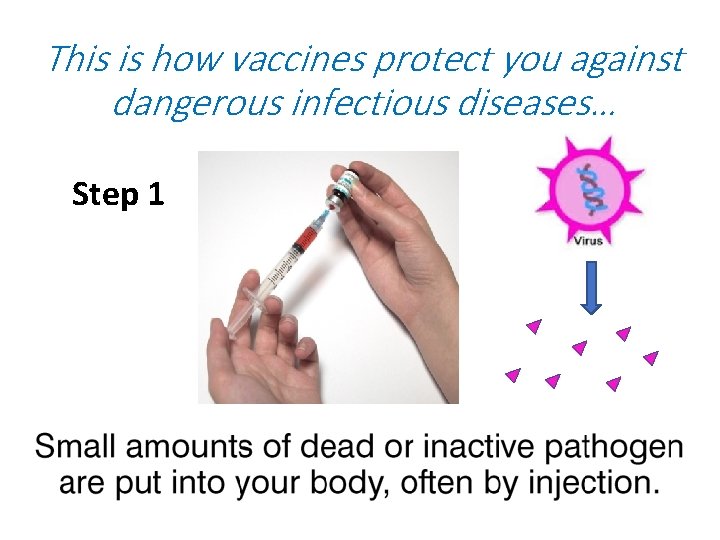
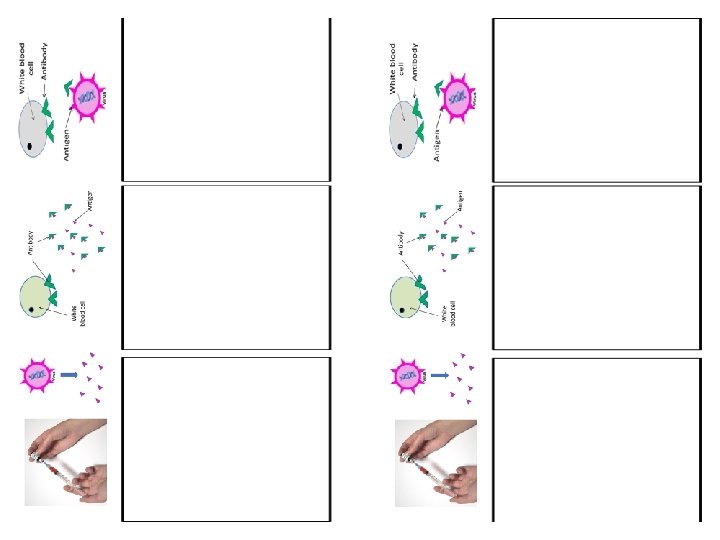
This is how vaccines protect you against dangerous infectious diseases… Step 1
Step 2 Antibody White blood cell Antigen
Step 3
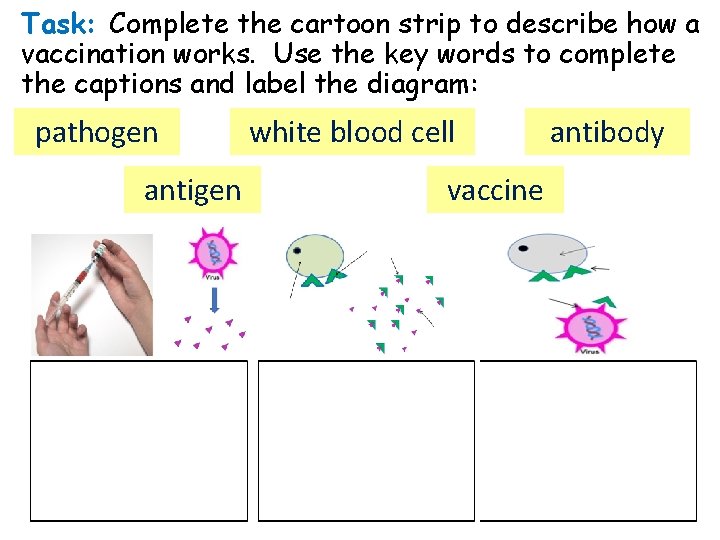
Task: Complete the cartoon strip to describe how a vaccination works. Use the key words to complete the captions and label the diagram: pathogen antigen white blood cell vaccine antibody
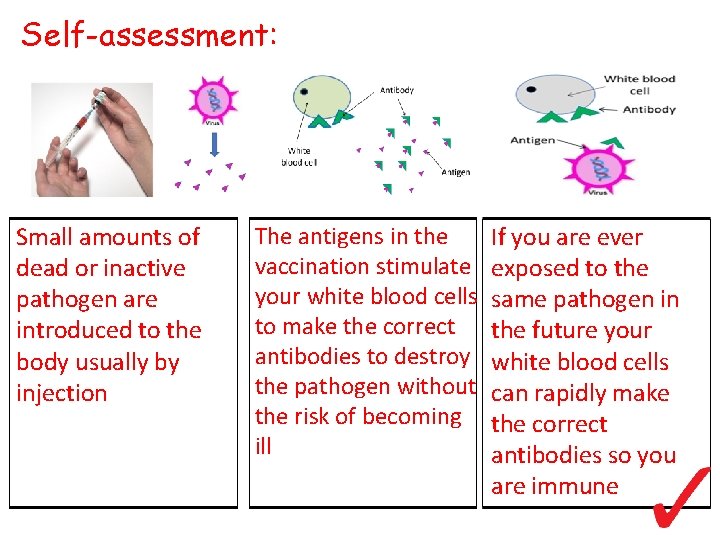
Self-assessment: Small amounts of dead or inactive pathogen are introduced to the body usually by injection The antigens in the vaccination stimulate your white blood cells to make the correct antibodies to destroy the pathogen without the risk of becoming ill If you are ever exposed to the same pathogen in the future your white blood cells can rapidly make the correct antibodies so you are immune
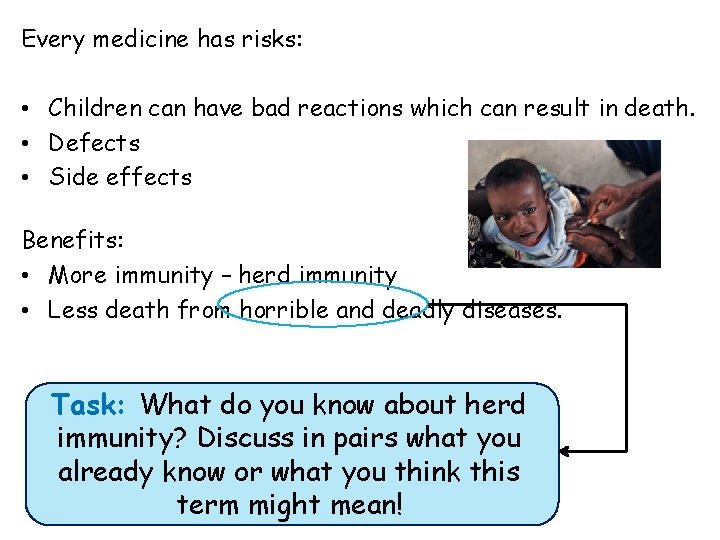
Every medicine has risks: • Children can have bad reactions which can result in death. • Defects • Side effects Benefits: • More immunity – herd immunity • Less death from horrible and deadly diseases. Task: What do you know about herd immunity? Discuss in pairs what you already know or what you think this term might mean!
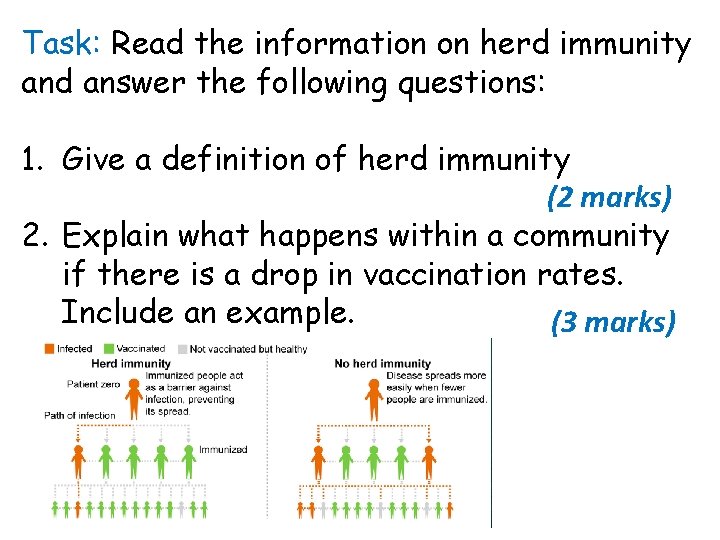
Task: Read the information on herd immunity and answer the following questions: 1. Give a definition of herd immunity (2 marks) 2. Explain what happens within a community if there is a drop in vaccination rates. Include an example. (3 marks)
Self-assessment: 1. If a large proportion of the population is immune to a disease, the spread of the pathogen in the population is very much reduced and the disease may even disappear. (2 marks) 2. If the number of people taking up a vaccine falls significantly, the herd immunity is lost and the disease can reappear as it spreads much more quickly. E. g. people were scared the whooping cough vaccine was unsafe so stopped vaccinating and it came back and killed many children in the 1970’s (3 marks)
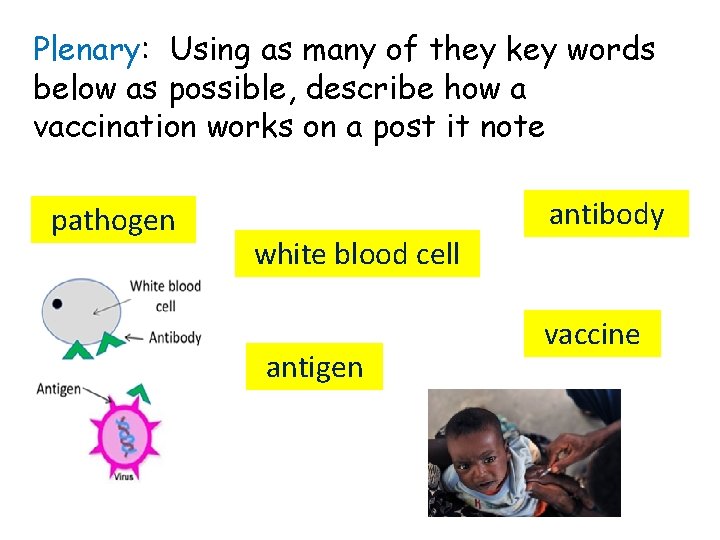
Plenary: Using as many of they key words below as possible, describe how a vaccination works on a post it note pathogen antibody white blood cell antigen vaccine
Resources
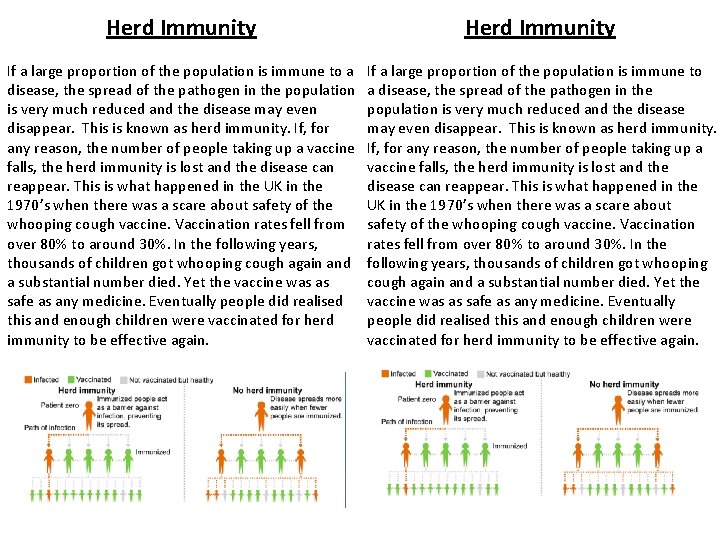
Herd Immunity If a large proportion of the population is immune to a disease, the spread of the pathogen in the population is very much reduced and the disease may even disappear. This is known as herd immunity. If, for any reason, the number of people taking up a vaccine falls, the herd immunity is lost and the disease can reappear. This is what happened in the UK in the 1970’s when there was a scare about safety of the whooping cough vaccine. Vaccination rates fell from over 80% to around 30%. In the following years, thousands of children got whooping cough again and a substantial number died. Yet the vaccine was as safe as any medicine. Eventually people did realised this and enough children were vaccinated for herd immunity to be effective again. If a large proportion of the population is immune to a disease, the spread of the pathogen in the population is very much reduced and the disease may even disappear. This is known as herd immunity. If, for any reason, the number of people taking up a vaccine falls, the herd immunity is lost and the disease can reappear. This is what happened in the UK in the 1970’s when there was a scare about safety of the whooping cough vaccine. Vaccination rates fell from over 80% to around 30%. In the following years, thousands of children got whooping cough again and a substantial number died. Yet the vaccine was as safe as any medicine. Eventually people did realised this and enough children were vaccinated for herd immunity to be effective again.