
UW Population Health Institute Wisconsin County Health Rankings

- Slides: 34
UW Population Health Institute Wisconsin County Health Rankings CATCH Project June 2, 2008
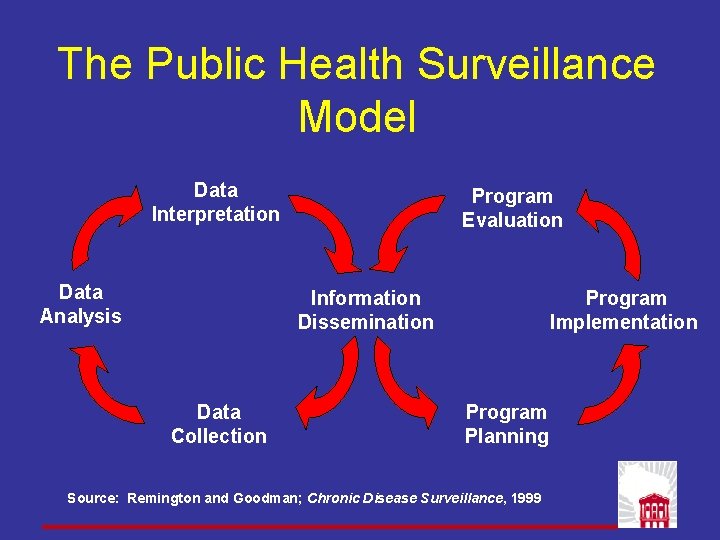
The Public Health Surveillance Model Data Interpretation Data Analysis Program Evaluation Information Dissemination Data Collection Program Implementation Program Planning Source: Remington and Goodman; Chronic Disease Surveillance, 1999
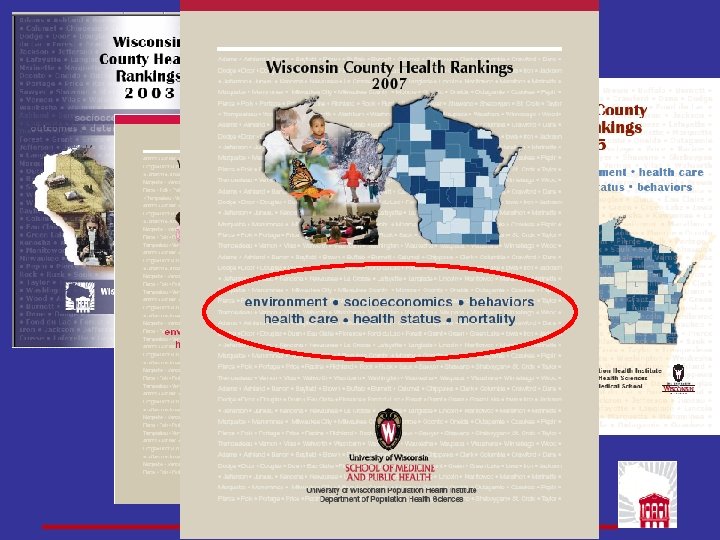
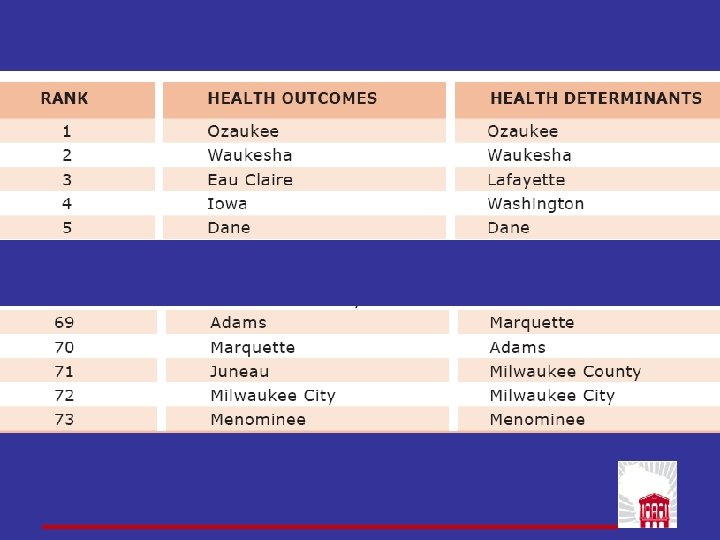
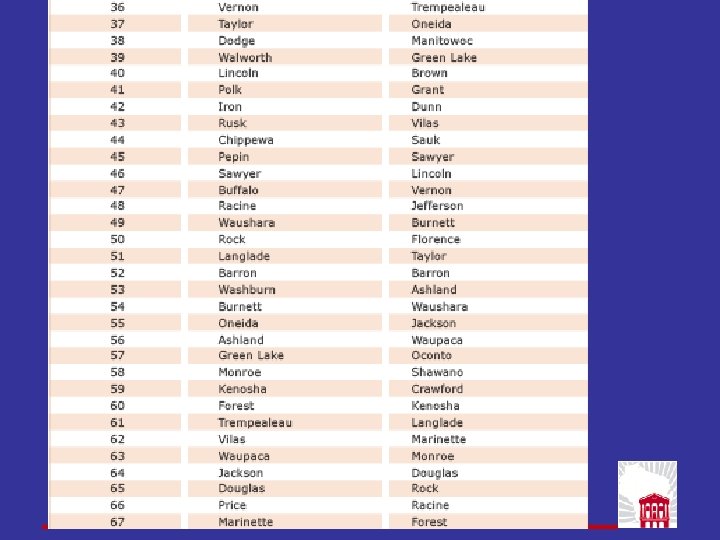
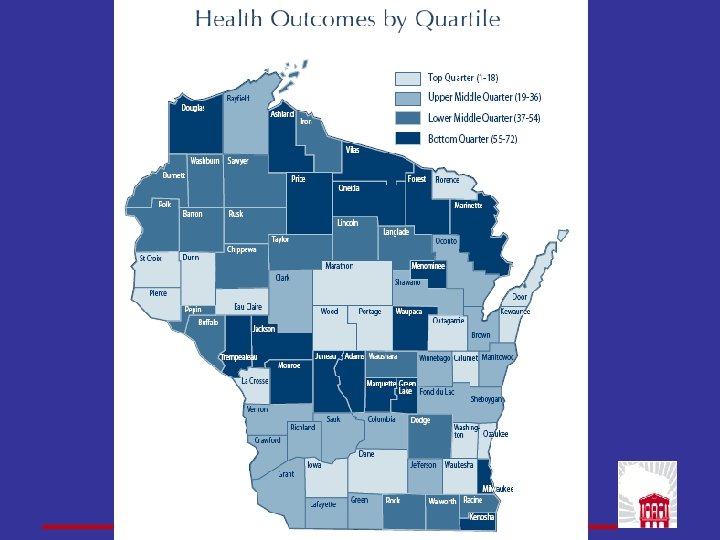
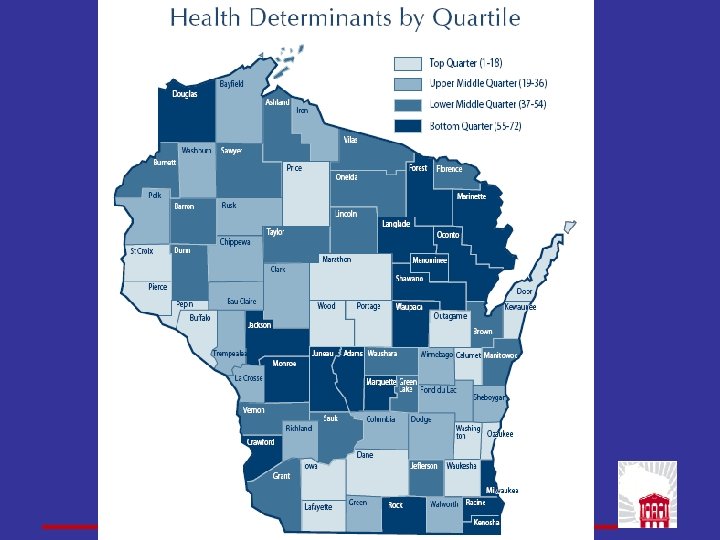
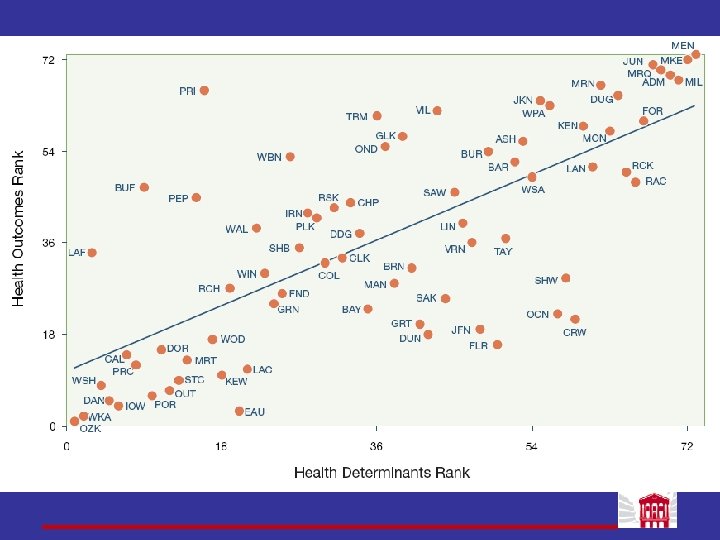
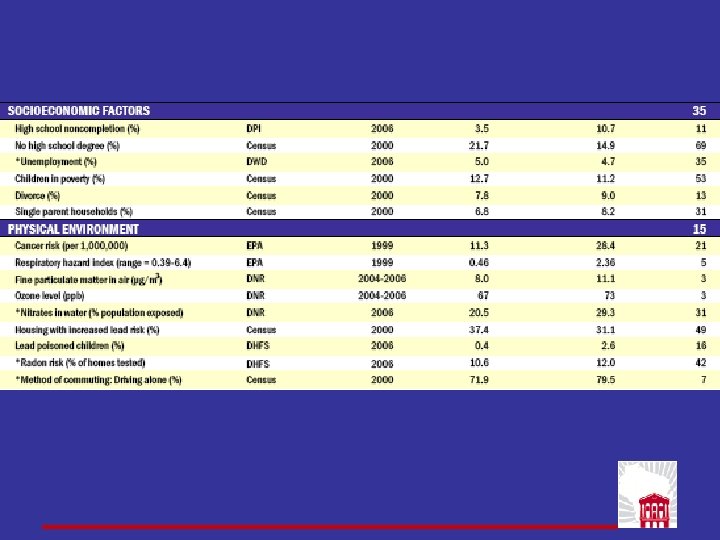
Wisconsin County Health Rankings • Measures and ranks the ‘health’ of Wisconsin’s 72 counties and the City of Milwaukee • Modeled after United Health Foundation America’s Health Rankings • Uses population-based measure of health —broadly defined • Summarizes the ‘health’ into summary measures
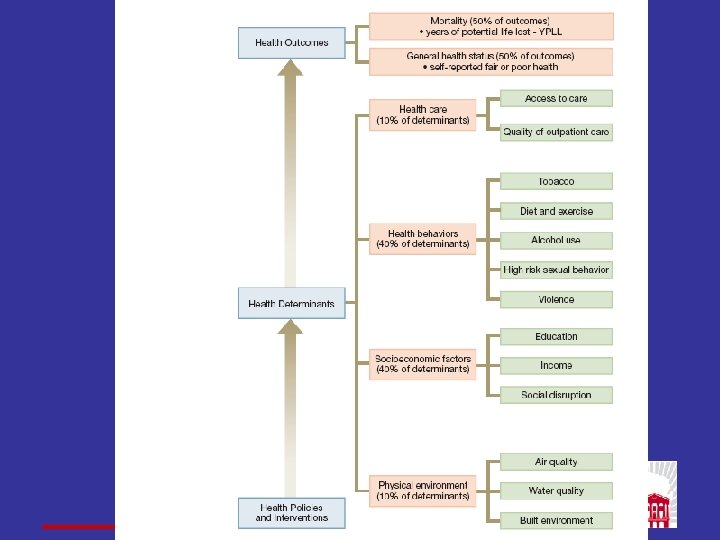
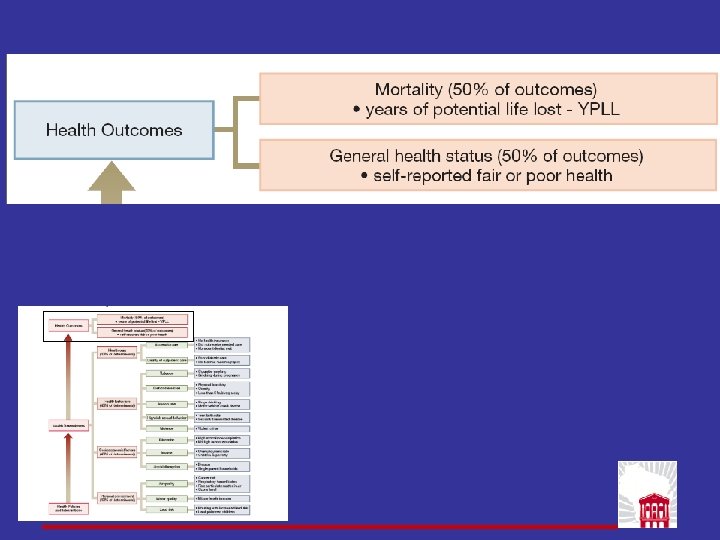
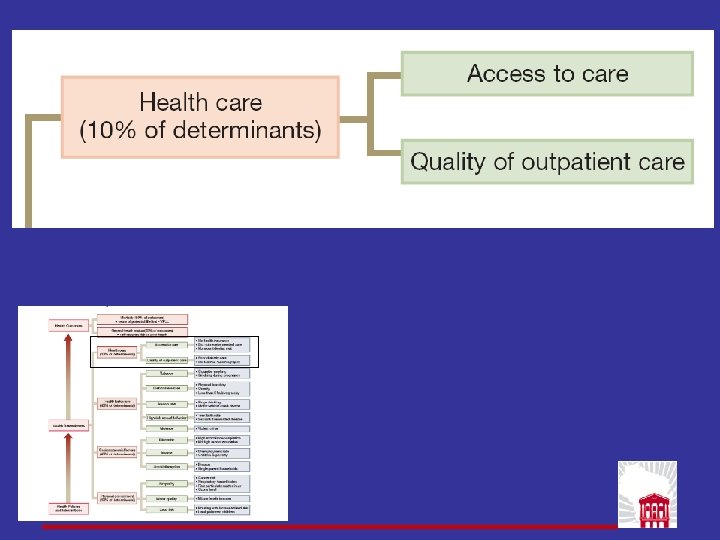
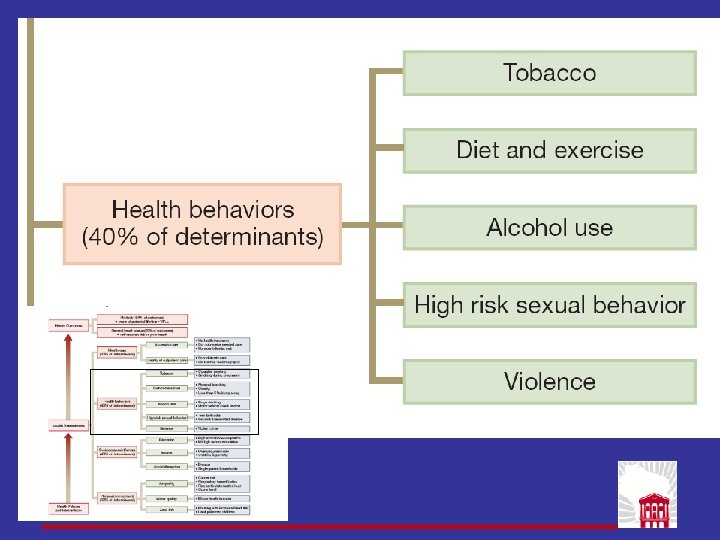
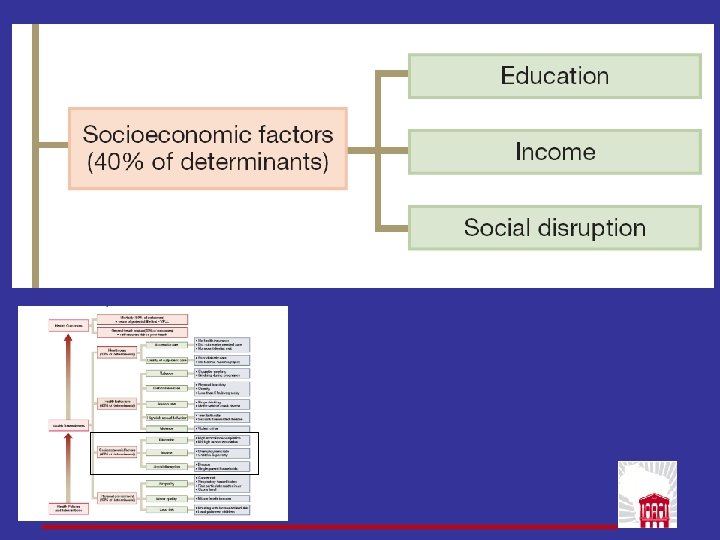
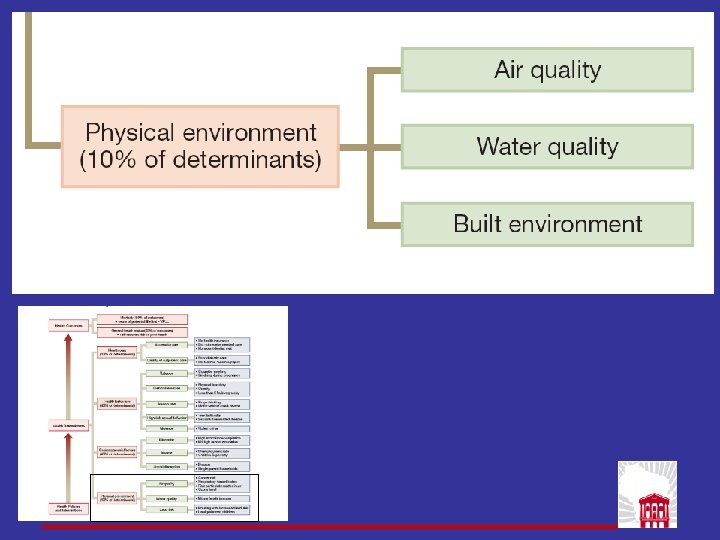
Purpose of the Rankings • Provide an annual overview of health outcomes and health determinants across Wisconsin • Spark discussion of health issues • Stress that there are multiple broad determinants of health • Draw insights from high-performing counties additional resources for improvement to less healthy counties
Why Rank? • Allows comparison of one or more attributes for a select group of entities—hospitals, counties, law schools, etc. • Rankings reduce data to a form that consumers and policy-makers can easily use • Rankings draw attention and can be used – to help target interventions; – help consumers select high-performers for services (schools, hospitals, clinics); – reward high-ranking entities and penalize low-ranking ones
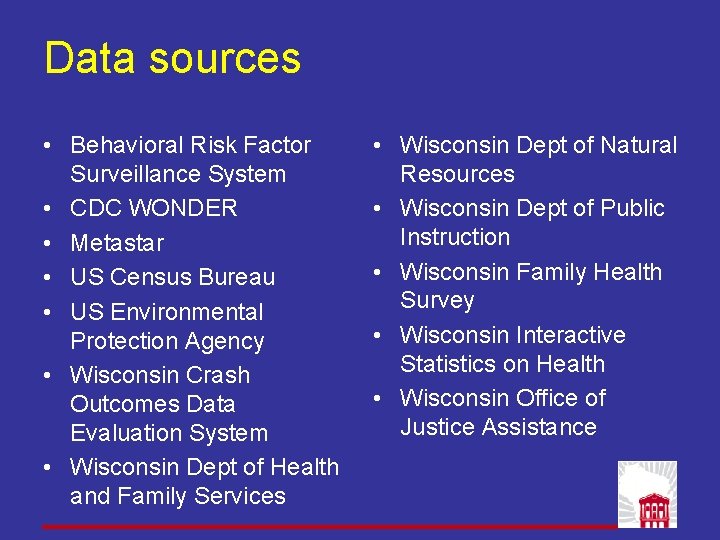
Data sources • Behavioral Risk Factor Surveillance System • CDC WONDER • Metastar • US Census Bureau • US Environmental Protection Agency • Wisconsin Crash Outcomes Data Evaluation System • Wisconsin Dept of Health and Family Services • Wisconsin Dept of Natural Resources • Wisconsin Dept of Public Instruction • Wisconsin Family Health Survey • Wisconsin Interactive Statistics on Health • Wisconsin Office of Justice Assistance
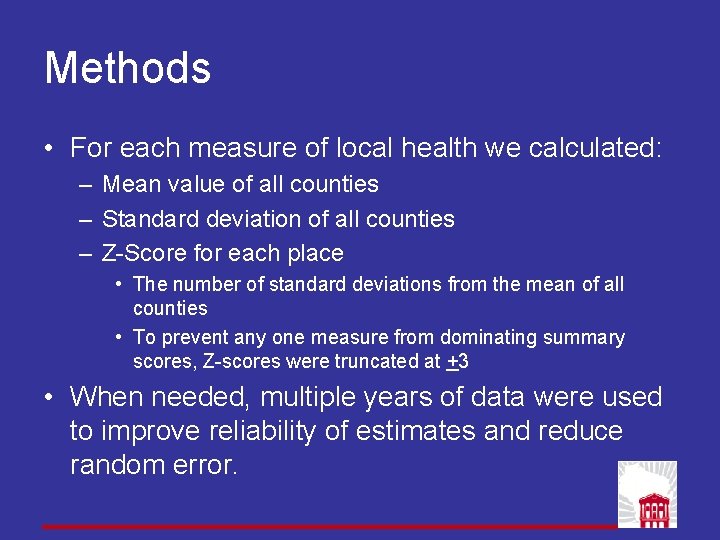
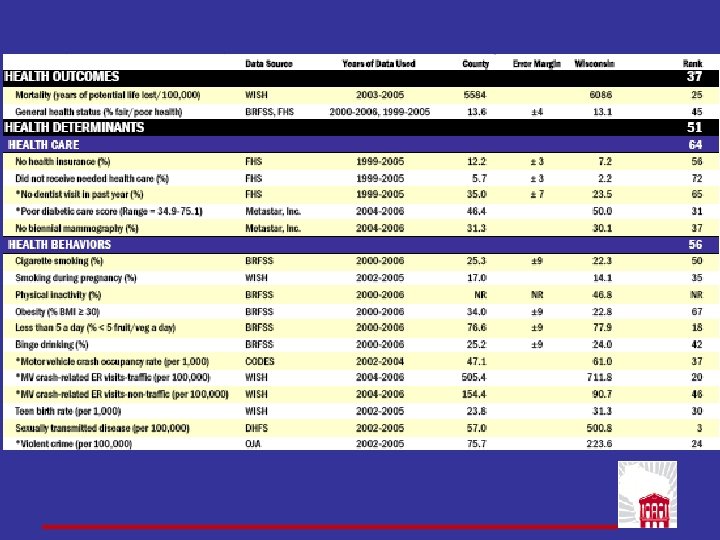
Methods • For each measure of local health we calculated: – Mean value of all counties – Standard deviation of all counties – Z-Score for each place • The number of standard deviations from the mean of all counties • To prevent any one measure from dominating summary scores, Z-scores were truncated at +3 • When needed, multiple years of data were used to improve reliability of estimates and reduce random error.
Major Finding: • Significant variation in health outcomes and determinants exists in Wisconsin • Least healthy places include: – Menominee County – City of Milwaukee – Central and Northern rural counties
Selection of measures • Reflect important aspect of population health • Unit of analysis (e. g. , city, county, MSA) • Validity/reliability • Availability of data – Free or low cost – Publicly accessible if possible • Timeliness/consistency over time • WDQS preferred!
Surveillance Methods • Census versus survey – Confidence intervals • How to handle small numbers – Combine data from neighboring counties – Multiple years – Suppression – Etc. • Changes in measurement
Planning teleconferences • Monthly teleconferences are held with health officers and others interested in the Rankings • Allowed for user feedback to be promptly incorporated into the design and release • Keep local health officers updated and helped them to be more adequately prepared to handle media inquiries when released
Evaluation: Annual Survey • Survey health officers across the state regarding their experiences with and feedback on the Rankings • The majority of health officers – find the Rankings useful to their work – plan to use Rankings in the community • Annual feedback incorporated into the planning for the next Rankings edition
Uses of the Rankings • Needs assessments and evaluations • Program planning • Presentation to others – County health boards – Public health staff – Community partners • Spark for coalition building
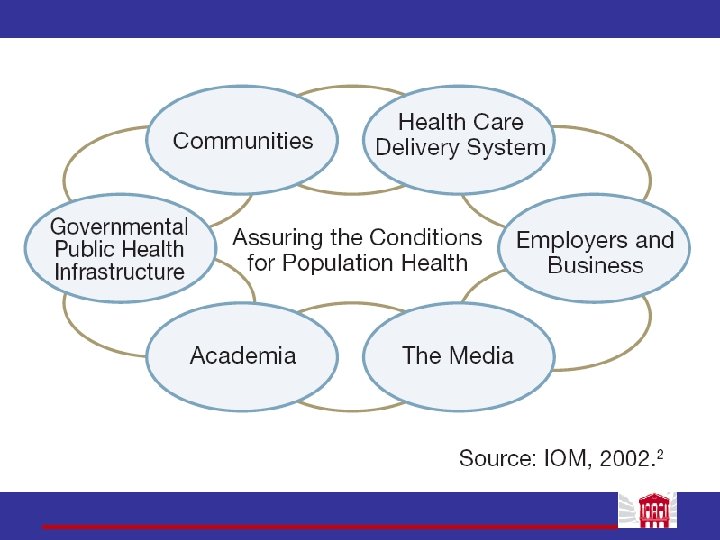
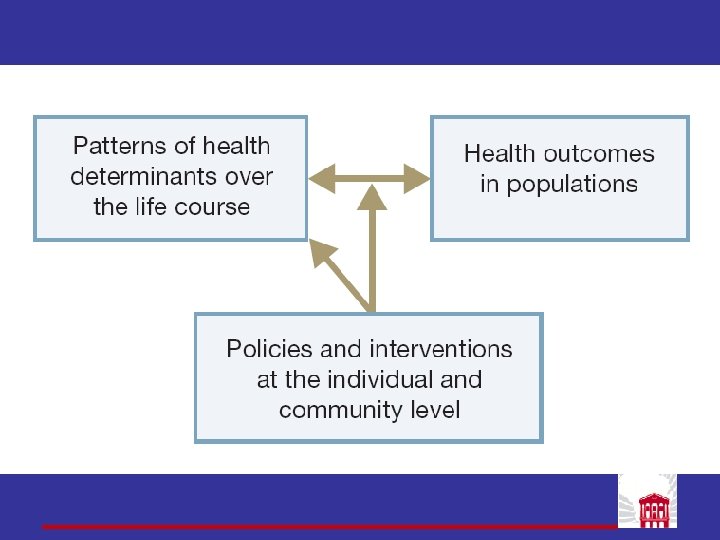
Focus on key messages • Broad determinants of health • Importance of a community approach to public health • There are things that can be done to affect health of individuals and communities in every county in Wisconsin
Problems with Rankings • Tendency to infer too much from minor differences in ranks • Incorrect assumptions about “distance” between items • Reactivity – Low morale for low-ranked entities • Competing interests – Stability of model vs. model of improvement • Focuses pressure on local health departments for poor rank