
Using universal screeners and targeted reading intervention at


- Slides: 43
Using universal screeners and targeted reading intervention at the secondary level: One high school’s approach. Winton Woods High School June 15, 2009 Greg Lynch, Intervention Specialist Jan Bell, Intervention Specialist Denise Davenport, Intervention Specialist Dr. Terri Holden, Principal Lisa Butts, School Psychologist Patty D’Arcy, Director of Student Services
Overview • Winton Woods High School Demographics • Winton Woods High School Historical Performance Data • The Journey Toward an Integrated Systems (Three-Tiered) Model • Where We Are Now • The Future
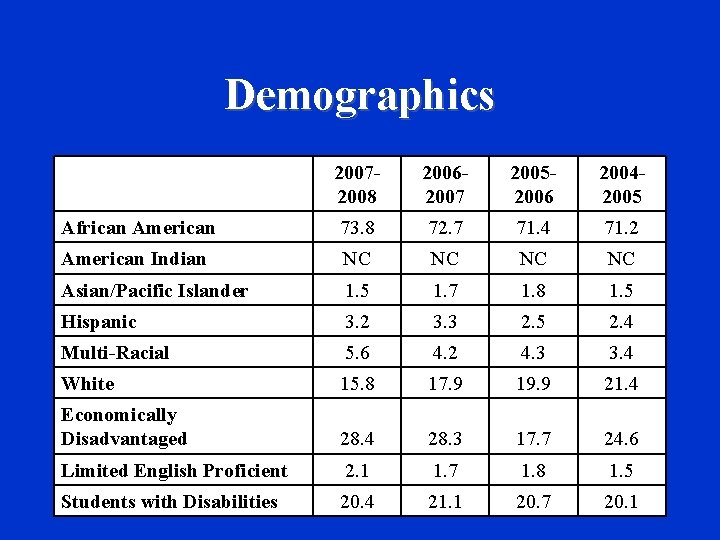
Demographics 20072008 20062007 20052006 20042005 African American 73. 8 72. 7 71. 4 71. 2 American Indian NC NC Asian/Pacific Islander 1. 5 1. 7 1. 8 1. 5 Hispanic 3. 2 3. 3 2. 5 2. 4 Multi-Racial 5. 6 4. 2 4. 3 3. 4 White 15. 8 17. 9 19. 9 21. 4 Economically Disadvantaged 28. 4 28. 3 17. 7 24. 6 Limited English Proficient 2. 1 1. 7 1. 8 1. 5 Students with Disabilities 20. 4 21. 1 20. 7 20. 1
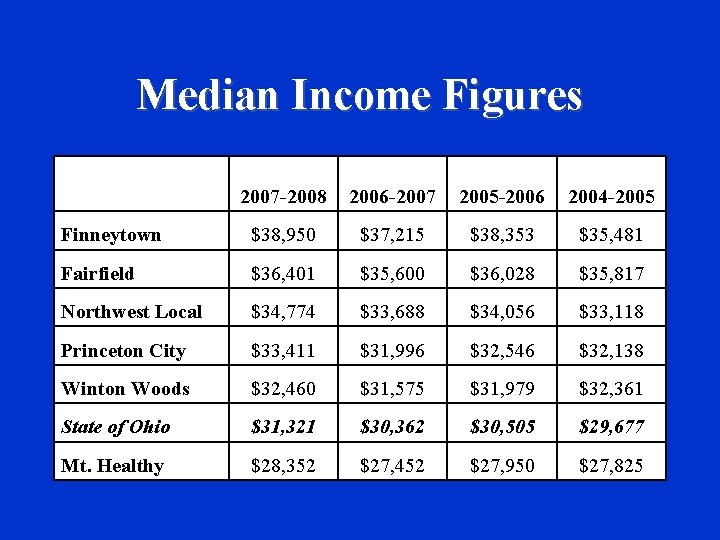
Median Income Figures 2007 -2008 2006 -2007 2005 -2006 2004 -2005 Finneytown $38, 950 $37, 215 $38, 353 $35, 481 Fairfield $36, 401 $35, 600 $36, 028 $35, 817 Northwest Local $34, 774 $33, 688 $34, 056 $33, 118 Princeton City $33, 411 $31, 996 $32, 546 $32, 138 Winton Woods $32, 460 $31, 575 $31, 979 $32, 361 State of Ohio $31, 321 $30, 362 $30, 505 $29, 677 Mt. Healthy $28, 352 $27, 452 $27, 950 $27, 825
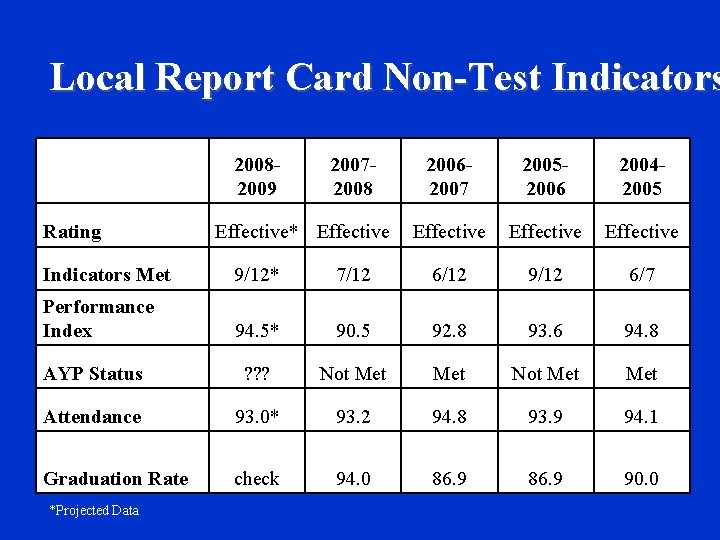
Local Report Card Non-Test Indicators 20082009 Rating 20072008 Effective* Effective 20062007 20052006 20042005 Effective Indicators Met 9/12* 7/12 6/12 9/12 6/7 Performance Index 94. 5* 90. 5 92. 8 93. 6 94. 8 AYP Status ? ? ? Not Met Met Attendance 93. 0* 93. 2 94. 8 93. 9 94. 1 Graduation Rate check 94. 0 86. 9 90. 0 *Projected Data
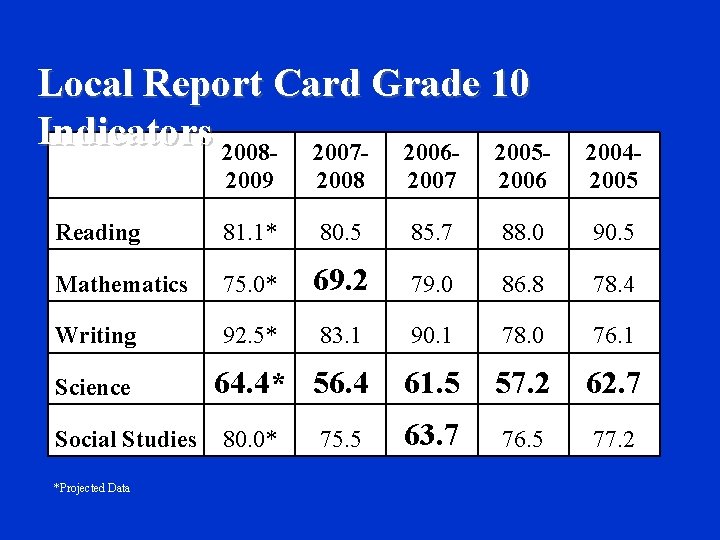
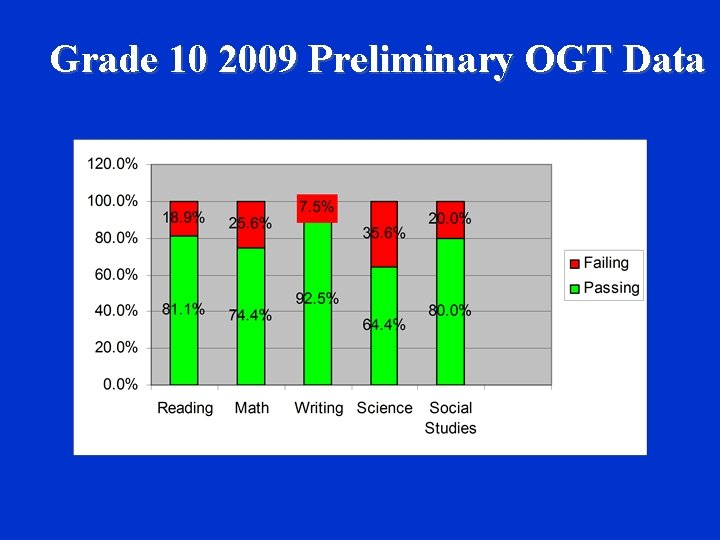
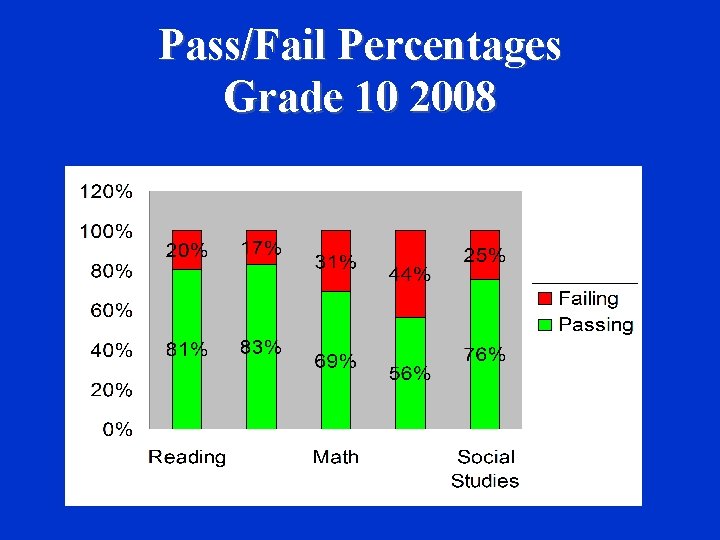
Local Report Card Grade 10 Indicators 2008 - 2007 - 2006 - 2005 2009 2008 2007 2006 20042005 Reading 81. 1* 80. 5 85. 7 88. 0 90. 5 Mathematics 75. 0* 69. 2 79. 0 86. 8 78. 4 Writing 92. 5* 83. 1 90. 1 78. 0 76. 1 64. 4* 56. 4 61. 5 57. 2 62. 7 63. 7 76. 5 77. 2 Science Social Studies *Projected Data 80. 0* 75. 5
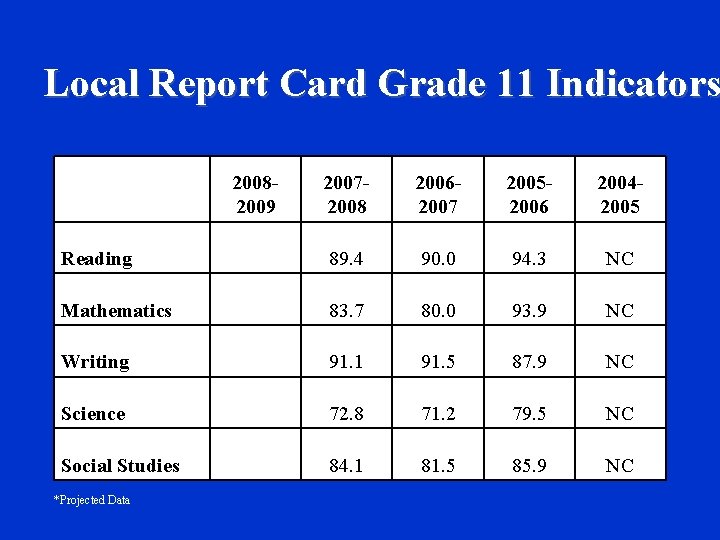
Local Report Card Grade 11 Indicators 20082009 20072008 20062007 20052006 20042005 Reading 89. 4 90. 0 94. 3 NC Mathematics 83. 7 80. 0 93. 9 NC Writing 91. 1 91. 5 87. 9 NC Science 72. 8 71. 2 79. 5 NC Social Studies 84. 1 81. 5 85. 9 NC *Projected Data
Grade 10 2009 Preliminary OGT Data
Pass/Fail Percentages Grade 10 2008
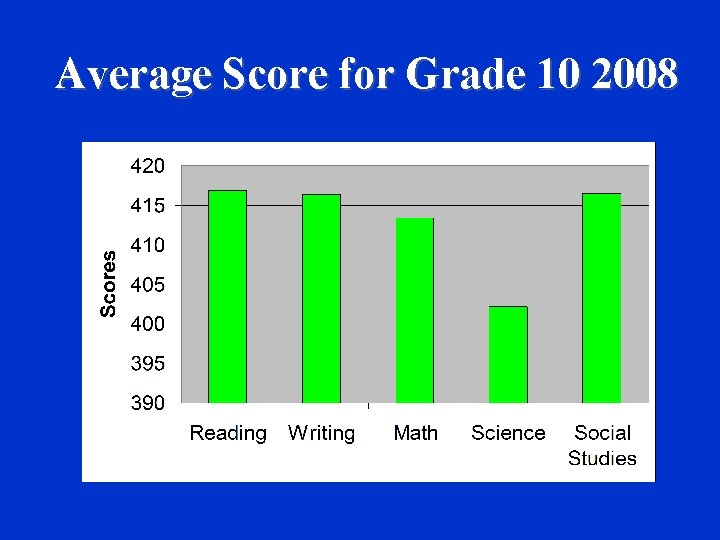
Average Score for Grade 10 2008
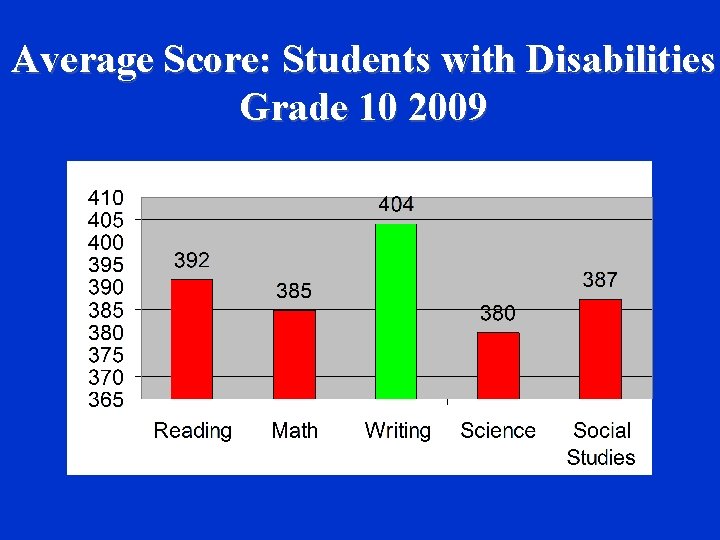
Average Score: Students with Disabilities Grade 10 2009
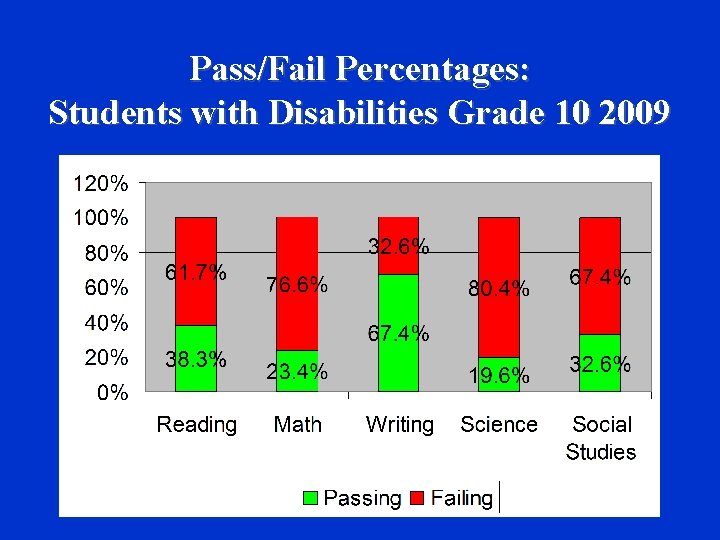
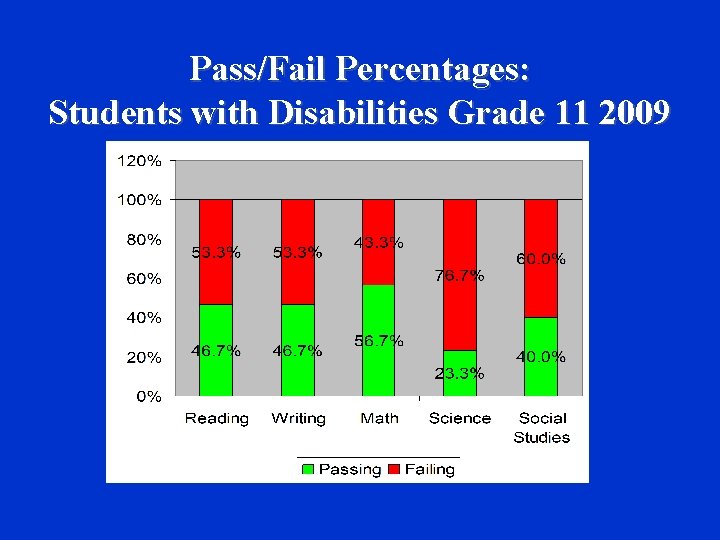
Pass/Fail Percentages: Students with Disabilities Grade 10 2009
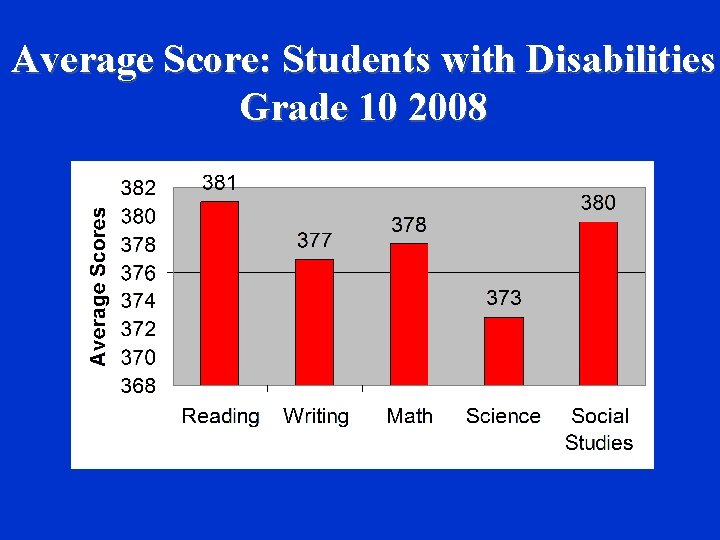
Average Score: Students with Disabilities Grade 10 2008
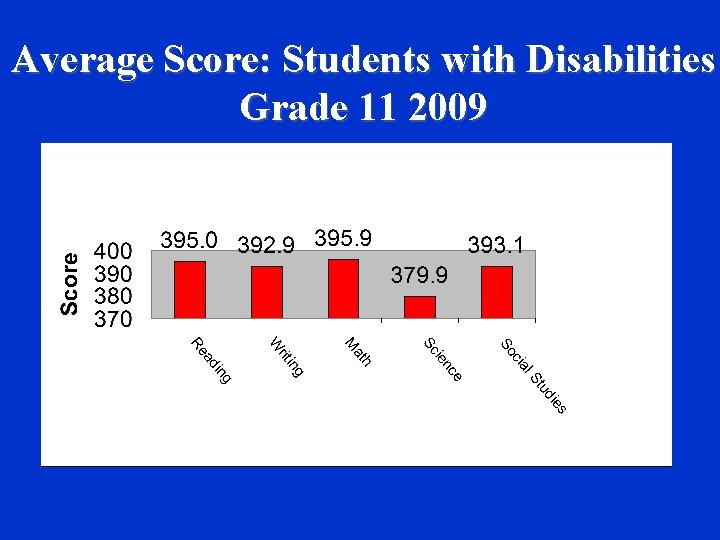
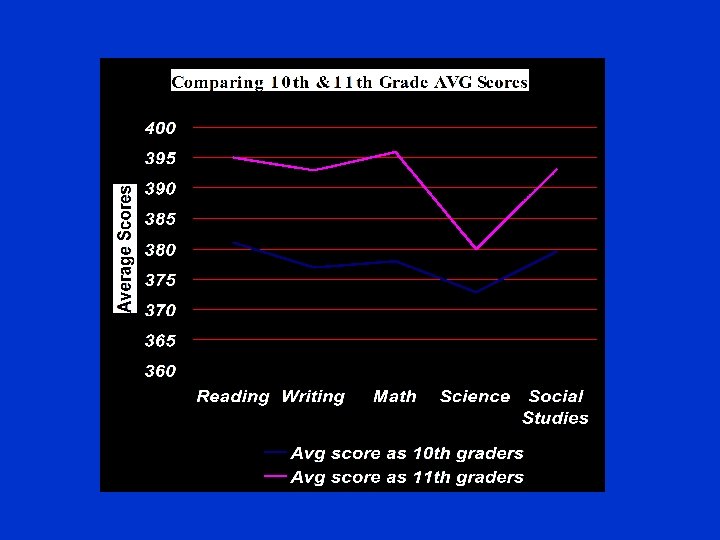
Average Score: Students with Disabilities Grade 11 2009
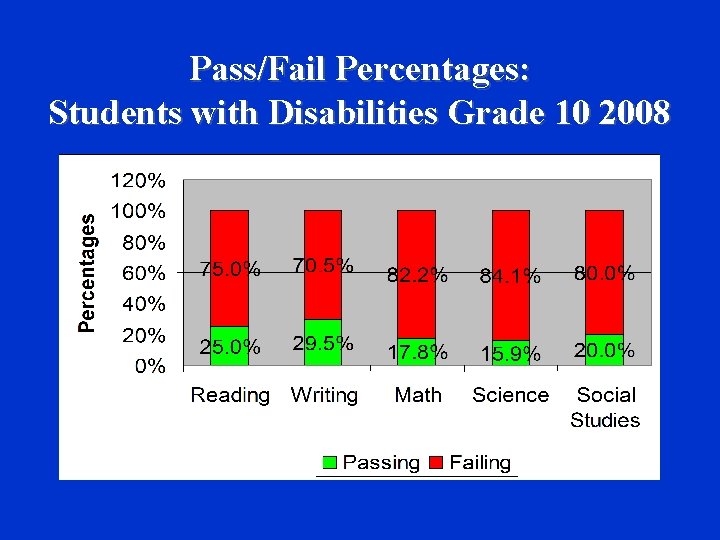
Pass/Fail Percentages: Students with Disabilities Grade 10 2008
Pass/Fail Percentages: Students with Disabilities Grade 11 2009
Addressing the Need • Increase student achievement • Increase OGT passage rates • Utilize SRB instructional strategies
English 9 Class Project…
Reading Screening • • 6 th Grade DIBELS 24 Grade 9 students (co-taught class) 1 English Class Conducted by intervention specialist
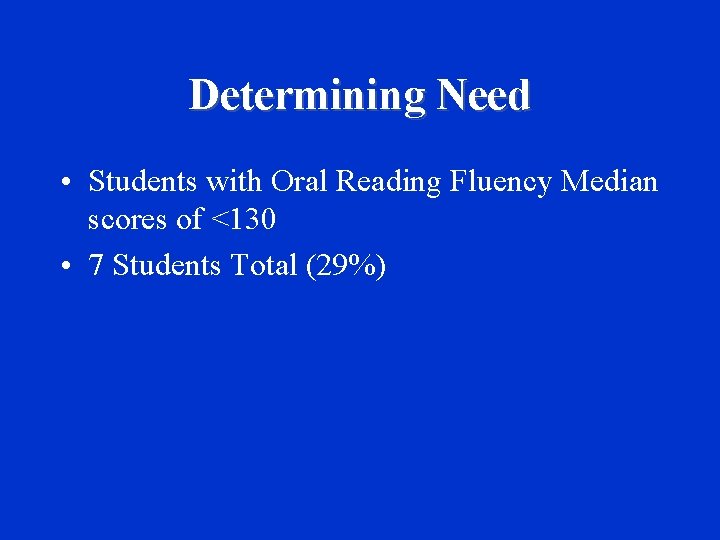
Determining Need • Students with Oral Reading Fluency Median scores of <130 • 7 Students Total (29%)
Challenges • Time • Tradition/Buy In
Assets Corrective Reading Materials Co-Teaching Model DIBELS K-6 Administrative Support Staff Support
Corrective Reading • • Why? Two groups (3 students, 4 students) One day weekly 15 minutes
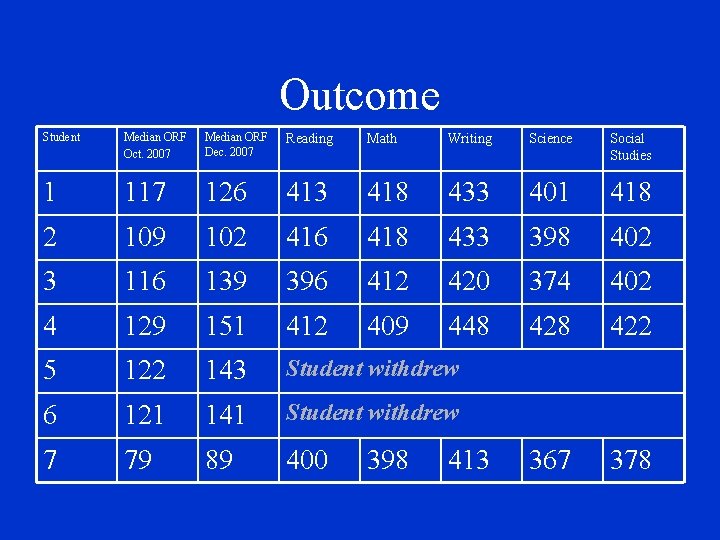
Outcome Student Median ORF Oct. 2007 Median ORF Dec. 2007 Reading Math Writing Science Social Studies 1 117 126 413 418 433 401 418 2 109 102 416 418 433 398 402 3 116 139 396 412 420 374 402 4 129 151 412 409 448 422 5 122 143 Student withdrew 6 121 141 Student withdrew 7 79 89 400 367 378 398 413
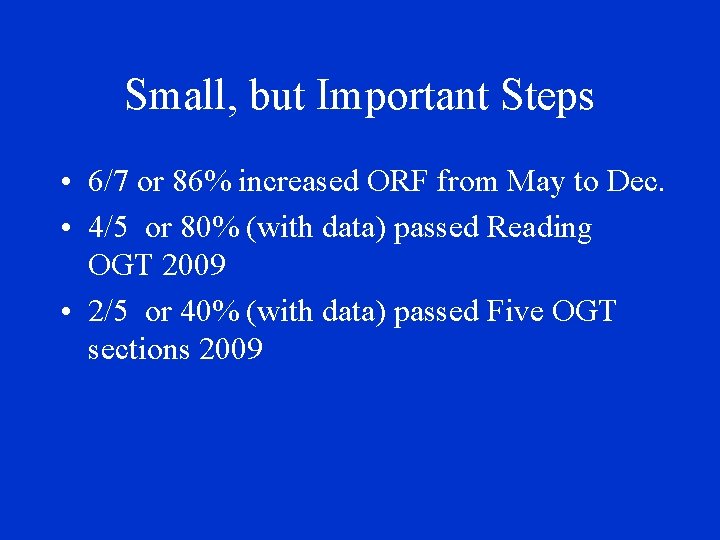
Small, but Important Steps • 6/7 or 86% increased ORF from May to Dec. • 4/5 or 80% (with data) passed Reading OGT 2009 • 2/5 or 40% (with data) passed Five OGT sections 2009
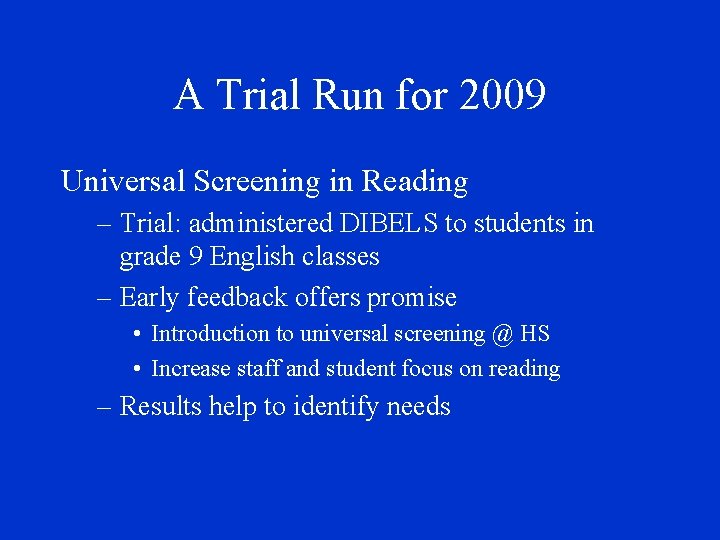
A Trial Run for 2009 Universal Screening in Reading – Trial: administered DIBELS to students in grade 9 English classes – Early feedback offers promise • Introduction to universal screening @ HS • Increase staff and student focus on reading – Results help to identify needs
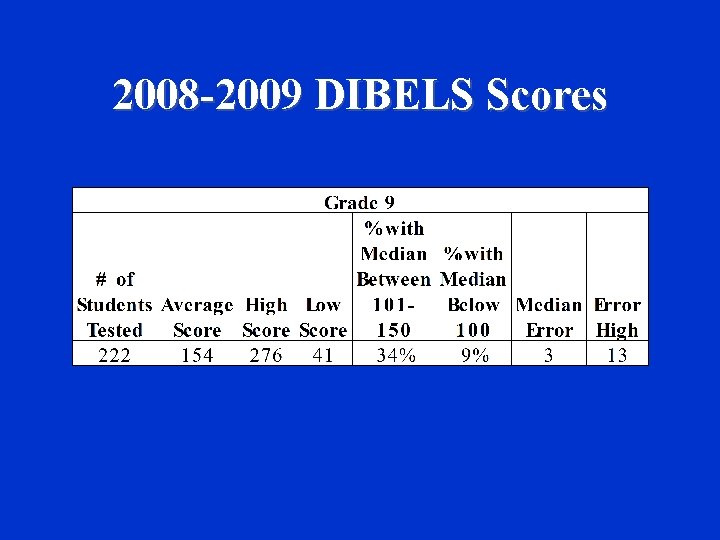
2008 -2009 DIBELS Scores
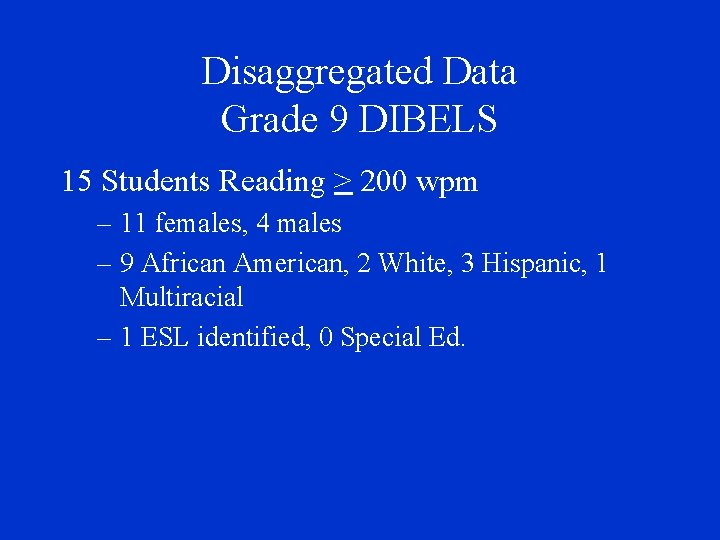
Disaggregated Data Grade 9 DIBELS 15 Students Reading > 200 wpm – 11 females, 4 males – 9 African American, 2 White, 3 Hispanic, 1 Multiracial – 1 ESL identified, 0 Special Ed.
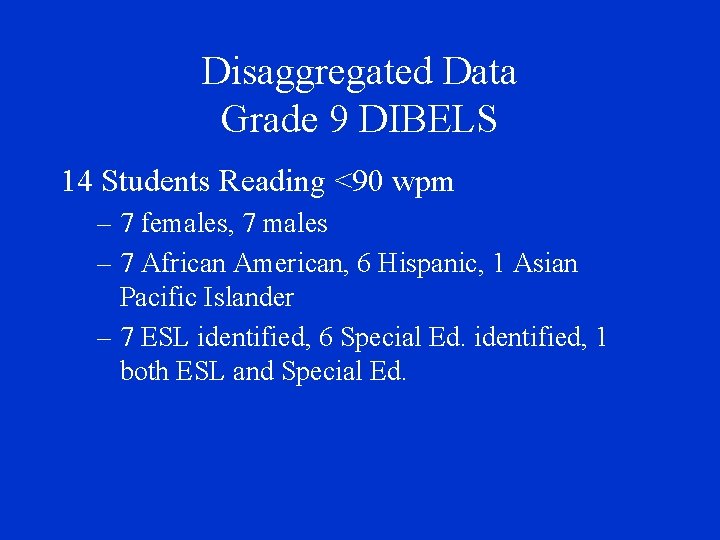
Disaggregated Data Grade 9 DIBELS 14 Students Reading <90 wpm – 7 females, 7 males – 7 African American, 6 Hispanic, 1 Asian Pacific Islander – 7 ESL identified, 6 Special Ed. identified, 1 both ESL and Special Ed.
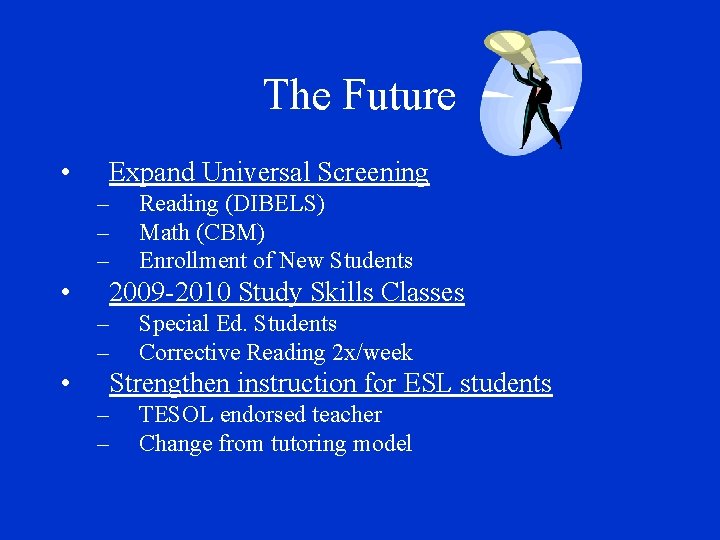
The Future • Expand Universal Screening – – – • 2009 -2010 Study Skills Classes – – • Reading (DIBELS) Math (CBM) Enrollment of New Students Special Ed. Students Corrective Reading 2 x/week Strengthen instruction for ESL students – – TESOL endorsed teacher Change from tutoring model
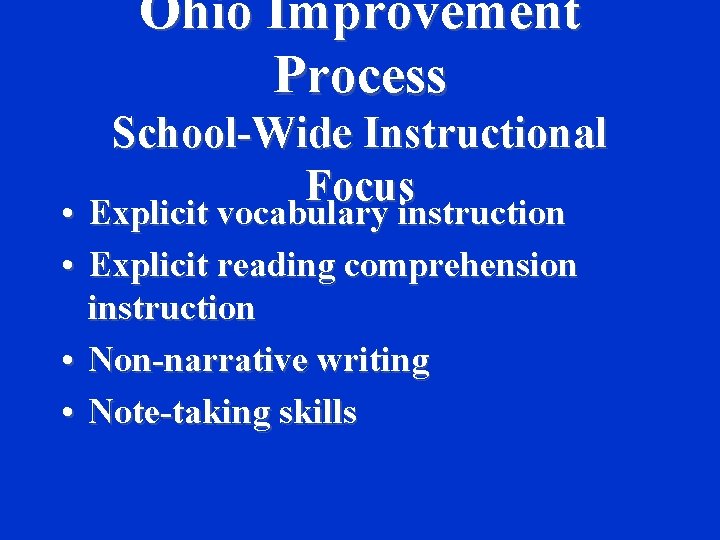
Ohio Improvement Process School-Wide Instructional Focus • Explicit vocabulary instruction • Explicit reading comprehension instruction • Non-narrative writing • Note-taking skills
80%
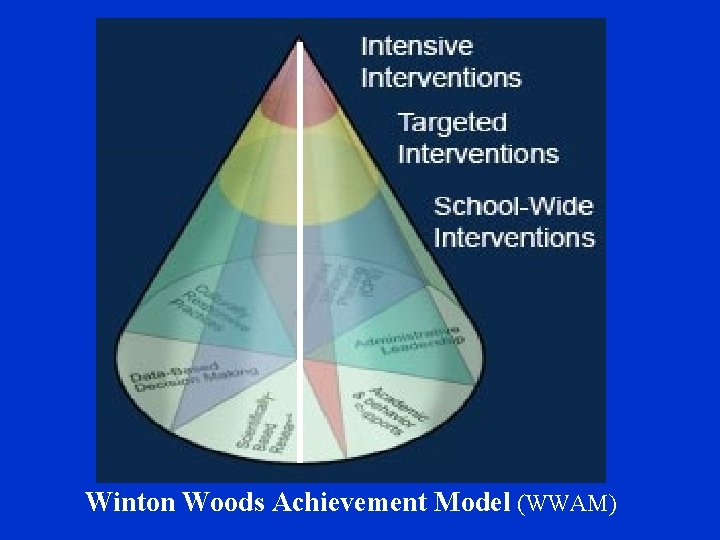
Winton Woods Achievement Model (WWAM)
The students of today now love luxury. They have bad manners. They show disrespect to adults, and love to talk, rather than work or exercise. They contradict their teachers, chatter in front of company, gobble down their food at the table, and intimidate their teachers. ? ?
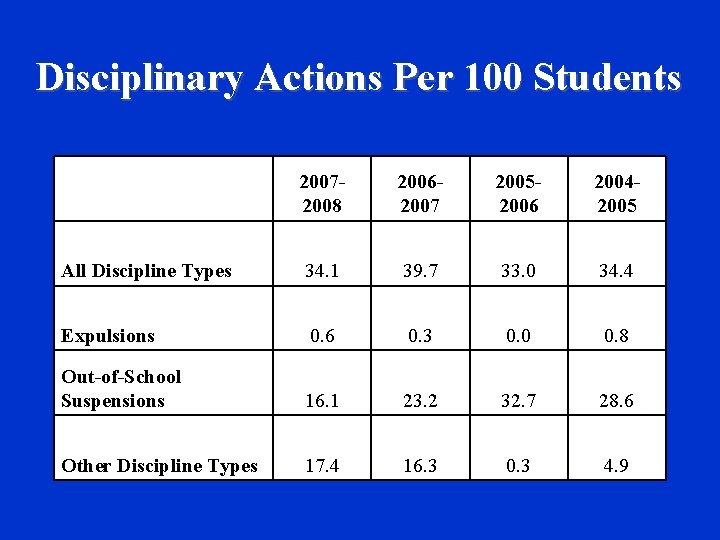
Disciplinary Actions Per 100 Students 20072008 20062007 20052006 20042005 All Discipline Types 34. 1 39. 7 33. 0 34. 4 Expulsions 0. 6 0. 3 0. 0 0. 8 Out-of-School Suspensions 16. 1 23. 2 32. 7 28. 6 Other Discipline Types 17. 4 16. 3 0. 3 4. 9
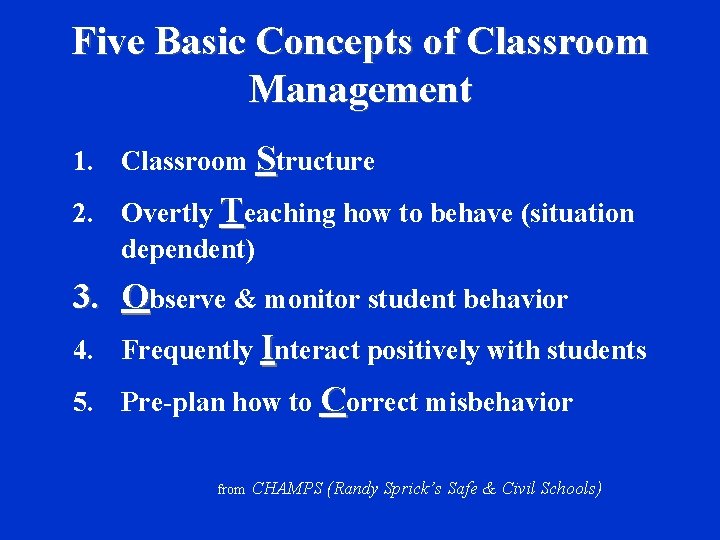
Five Basic Concepts of Classroom Management 1. Classroom Structure 2. Overtly Teaching how to behave (situation dependent) 3. Observe & monitor student behavior 4. Frequently Interact positively with students 5. Pre-plan how to Correct misbehavior from CHAMPS (Randy Sprick’s Safe & Civil Schools)
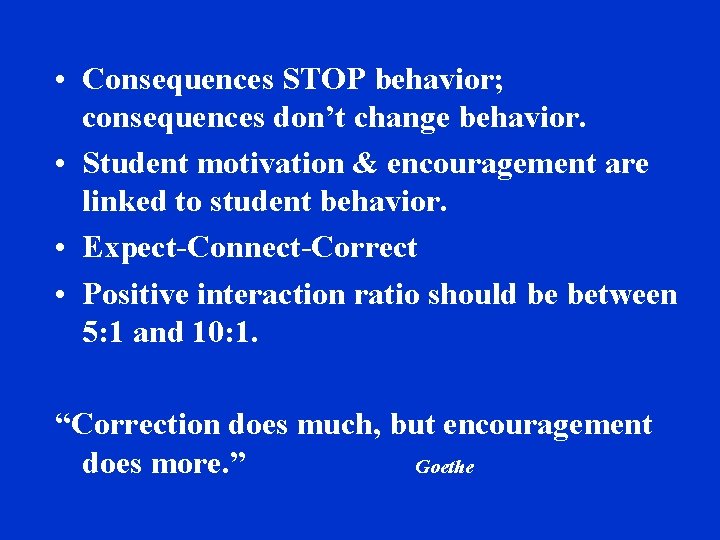
• Consequences STOP behavior; consequences don’t change behavior. • Student motivation & encouragement are linked to student behavior. • Expect-Connect-Correct • Positive interaction ratio should be between 5: 1 and 10: 1. “Correction does much, but encouragement does more. ” Goethe
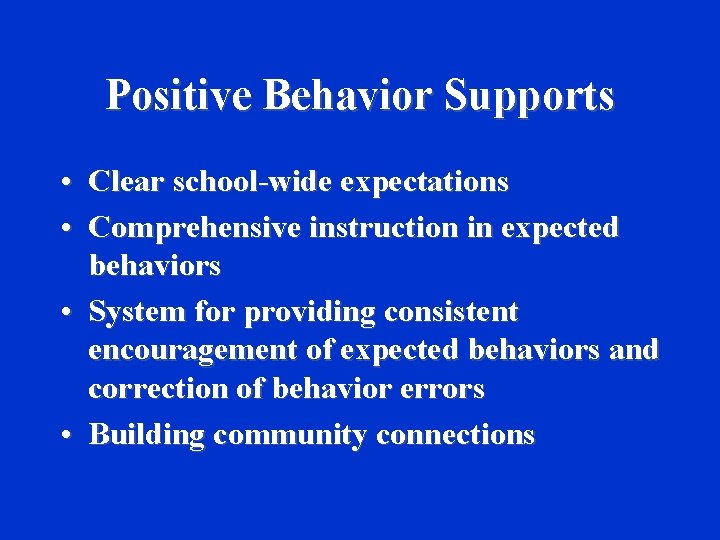
Positive Behavior Supports • Clear school-wide expectations • Comprehensive instruction in expected behaviors • System for providing consistent encouragement of expected behaviors and correction of behavior errors • Building community connections
The Warrior Way… Respect Responsibility Excellence
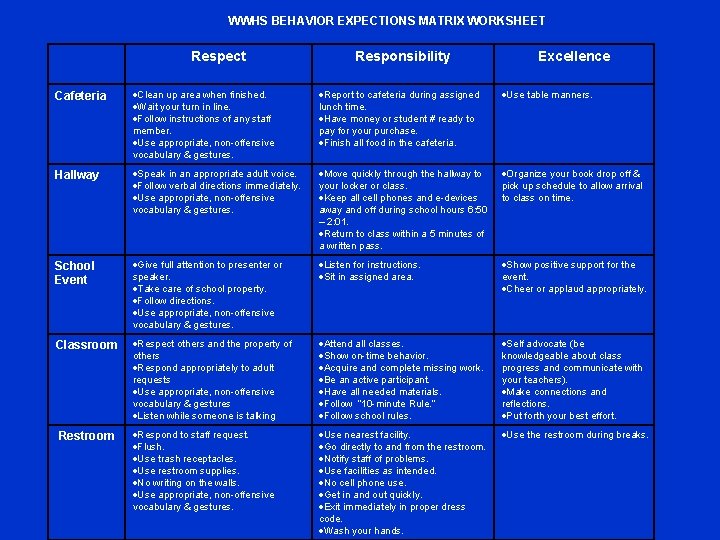
WWHS BEHAVIOR EXPECTIONS MATRIX WORKSHEET Respect Responsibility Excellence Cafeteria ·Clean up area when finished. ·Wait your turn in line. ·Follow instructions of any staff member. ·Use appropriate, non-offensive vocabulary & gestures. ·Report to cafeteria during assigned lunch time. ·Have money or student # ready to pay for your purchase. ·Finish all food in the cafeteria. ·Use table manners. Hallway ·Speak in an appropriate adult voice. ·Follow verbal directions immediately. ·Use appropriate, non-offensive vocabulary & gestures. ·Move quickly through the hallway to your locker or class. ·Keep all cell phones and e-devices away and off during school hours 6: 50 – 2: 01. ·Return to class within a 5 minutes of a written pass. ·Organize your book drop off & pick up schedule to allow arrival to class on time. School Event ·Give full attention to presenter or speaker. ·Take care of school property. ·Follow directions. ·Use appropriate, non-offensive vocabulary & gestures. ·Listen for instructions. ·Sit in assigned area. ·Show positive support for the event. ·Cheer or applaud appropriately. Classroom ·Respect others and the property of others ·Respond appropriately to adult requests ·Use appropriate, non-offensive vocabulary & gestures ·Listen while someone is talking ·Attend all classes. ·Show on-time behavior. ·Acquire and complete missing work. ·Be an active participant. ·Have all needed materials. ·Follow “ 10 -minute Rule. ” ·Follow school rules. ·Self advocate (be knowledgeable about class progress and communicate with your teachers). ·Make connections and reflections. ·Put forth your best effort. Restroom ·Respond to staff request. ·Flush. ·Use trash receptacles. ·Use restroom supplies. ·No writing on the walls. ·Use appropriate, non-offensive vocabulary & gestures. ·Use nearest facility. ·Go directly to and from the restroom. ·Notify staff of problems. ·Use facilities as intended. ·No cell phone use. ·Get in and out quickly. ·Exit immediately in proper dress code. ·Wash your hands. ·Use the restroom during breaks.
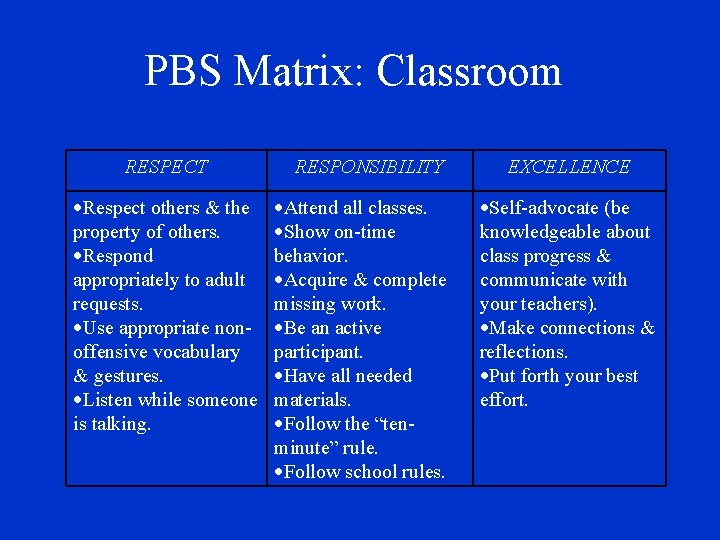
PBS Matrix: Classroom RESPECT ·Respect others & the property of others. ·Respond appropriately to adult requests. ·Use appropriate nonoffensive vocabulary & gestures. ·Listen while someone is talking. RESPONSIBILITY ·Attend all classes. ·Show on-time behavior. ·Acquire & complete missing work. ·Be an active participant. ·Have all needed materials. ·Follow the “tenminute” rule. ·Follow school rules. EXCELLENCE ·Self-advocate (be knowledgeable about class progress & communicate with your teachers). ·Make connections & reflections. ·Put forth your best effort.