
Using the MDS Template with the Sonites data

- Slides: 37
Using the MDS Template with the Sonites data
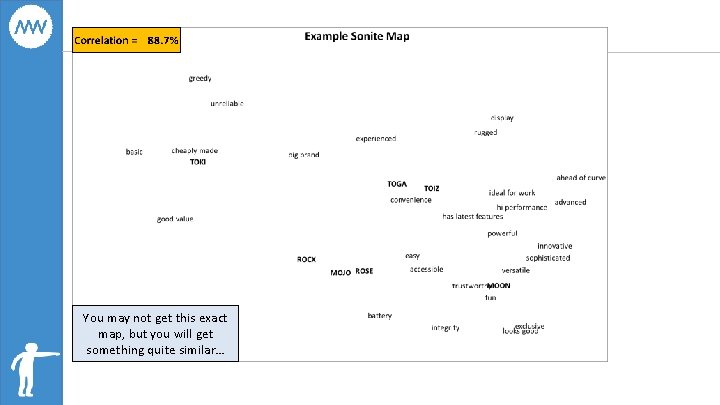
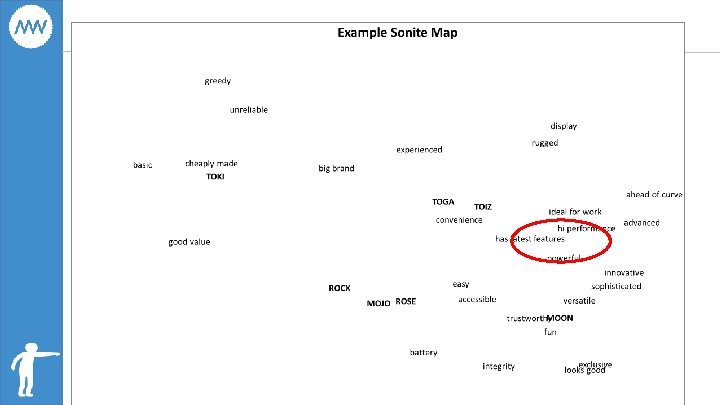
You may not get this exact map, but you will get something quite similar…
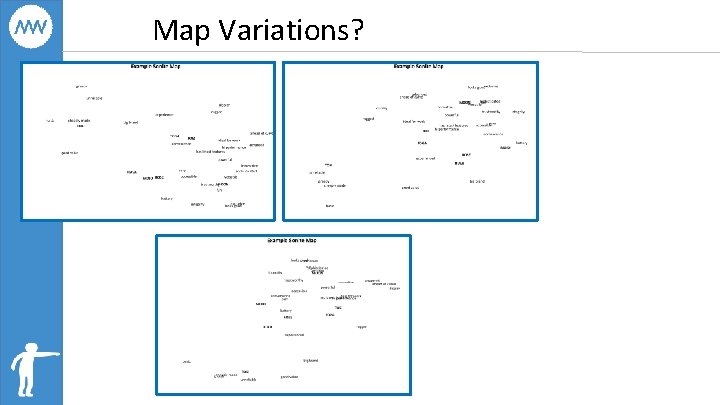
Map Variations?
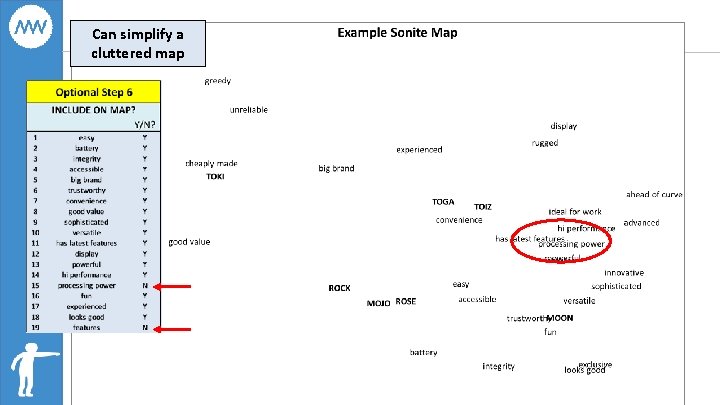
Can simplify a cluttered map
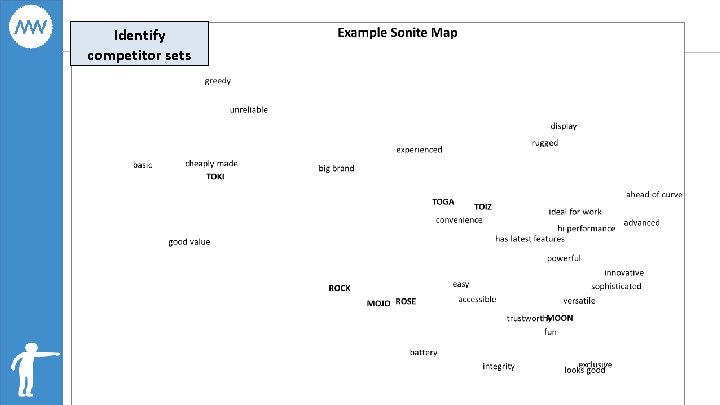
Identify competitor sets
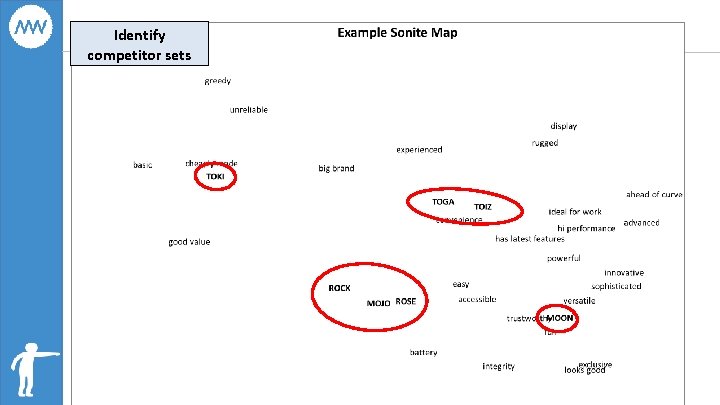
Identify competitor sets
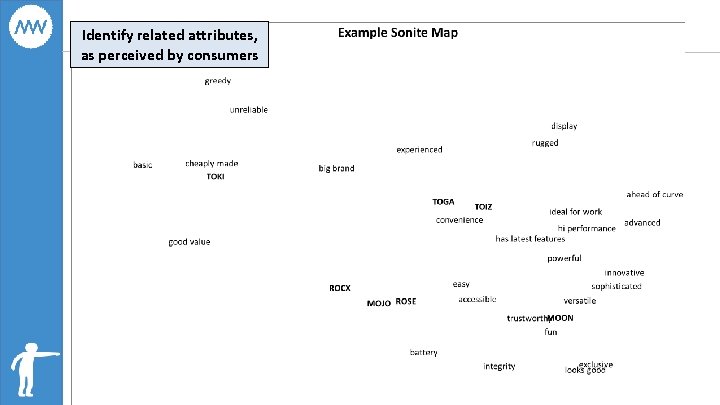
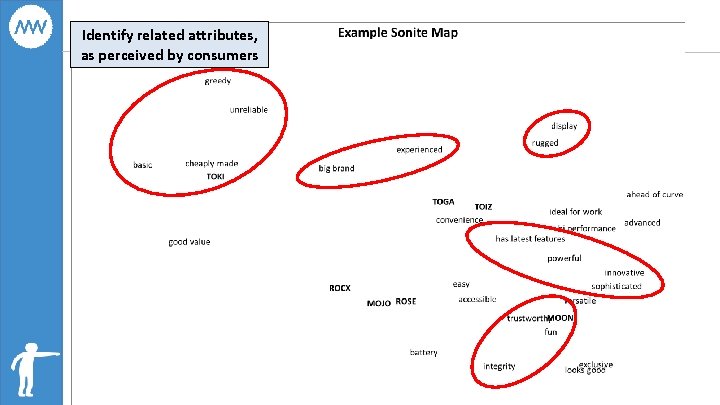
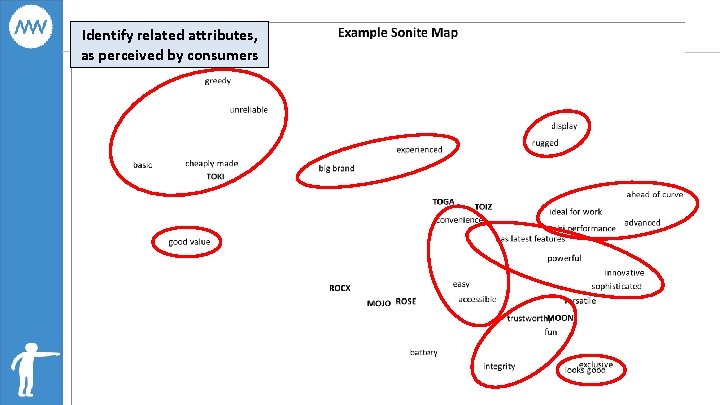
Identify related attributes, as perceived by consumers
Identify related attributes, as perceived by consumers
Identify related attributes, as perceived by consumers
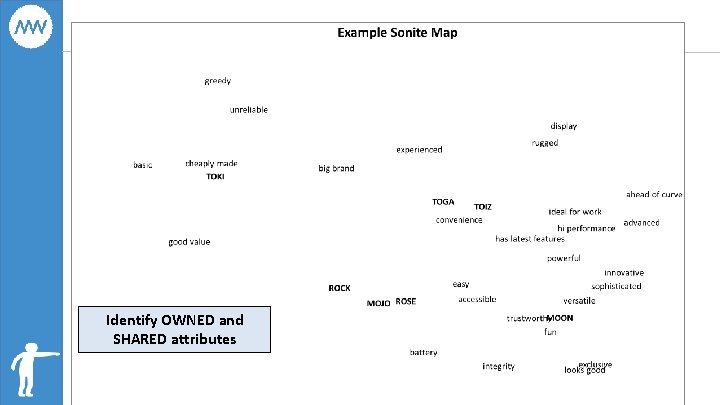
Identify OWNED and SHARED attributes
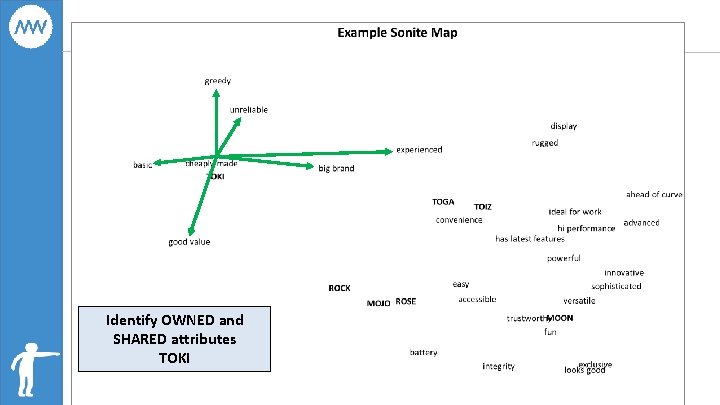
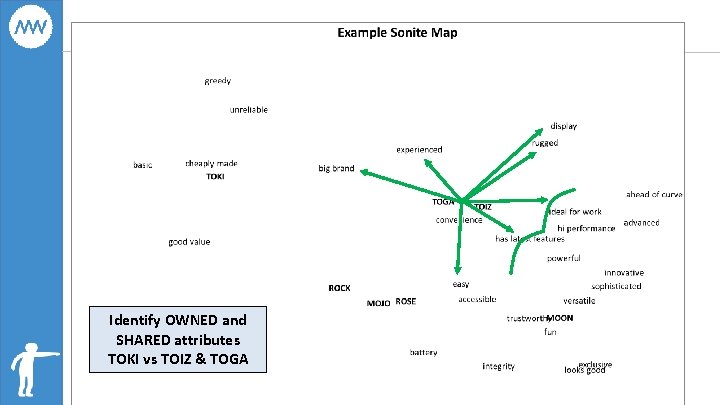
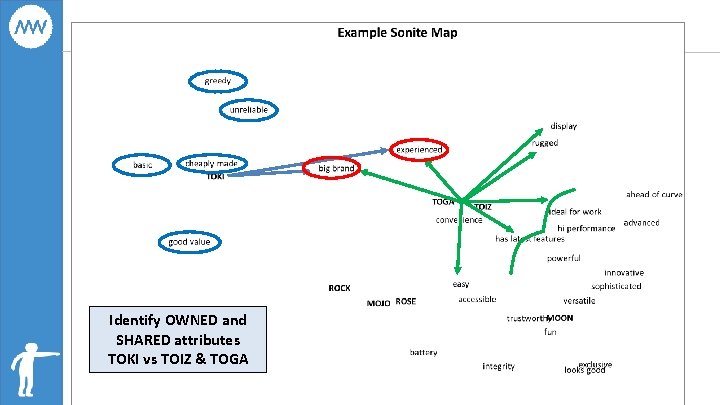
Identify OWNED and SHARED attributes TOKI
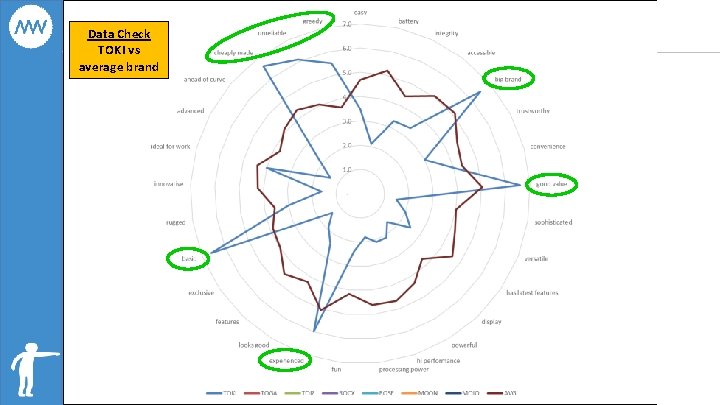
Data Check TOKI vs average brand
Identify OWNED and SHARED attributes TOKI vs TOIZ & TOGA
Identify OWNED and SHARED attributes TOKI vs TOIZ & TOGA
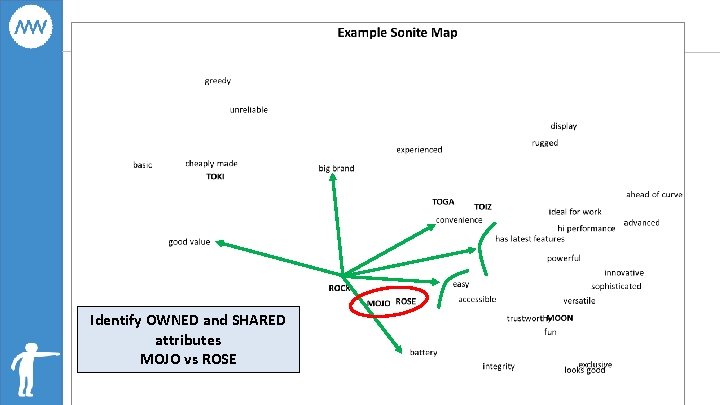
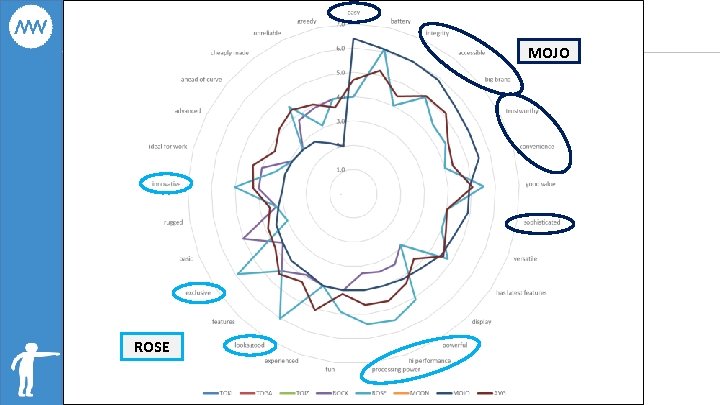
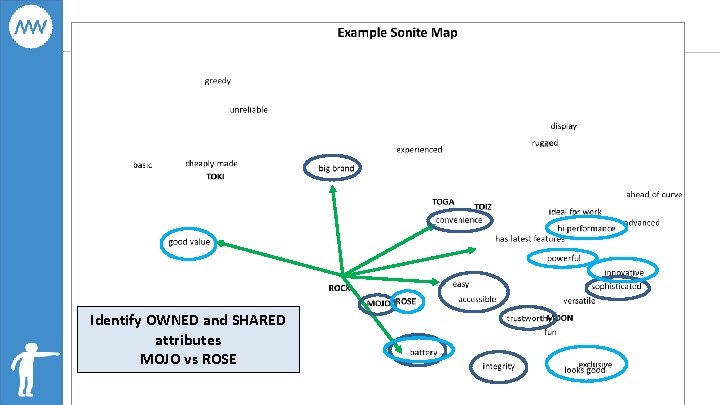
Identify OWNED and SHARED attributes MOJO vs ROSE
MOJO ROSE
Identify OWNED and SHARED attributes MOJO vs ROSE
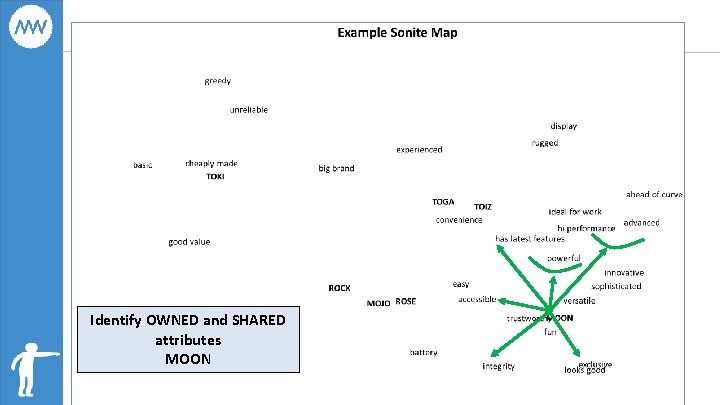
Identify OWNED and SHARED attributes MOON
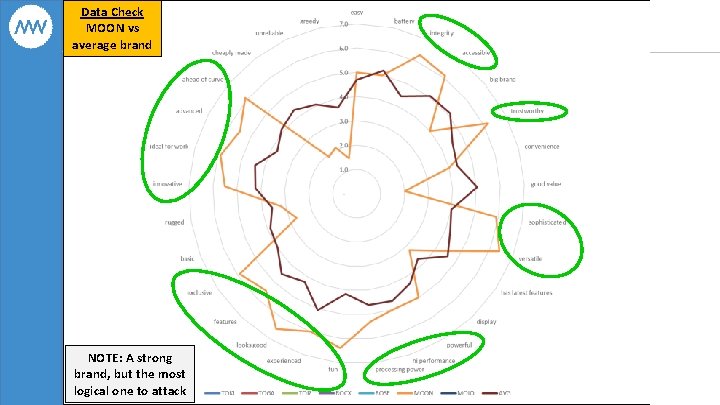
Data Check MOON vs average brand NOTE: A strong brand, but the most logical one to attack
Look for More Insights Analyzing MDS Maps Descriptive Exploratory
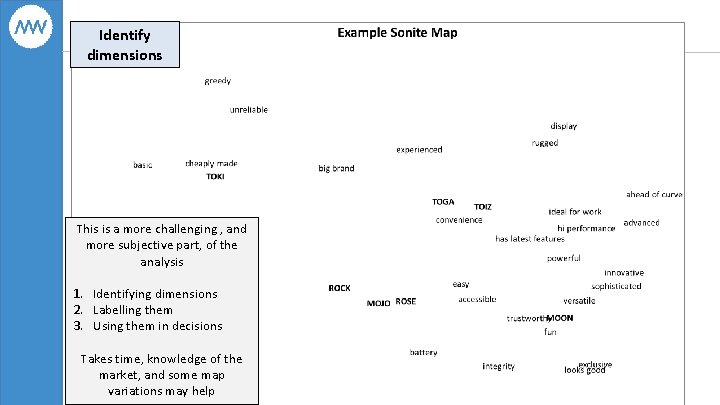
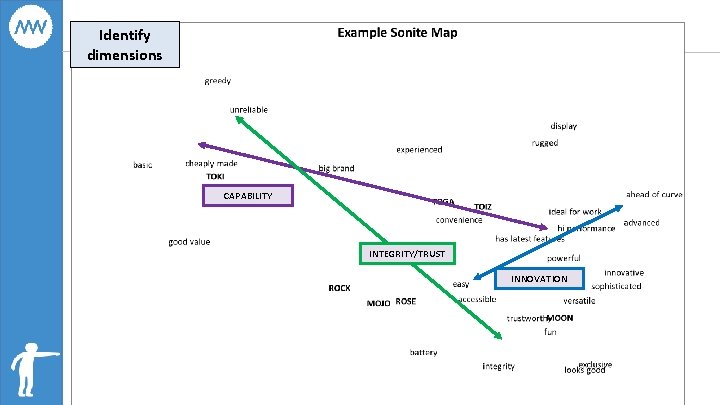
Identify dimensions This is a more challenging , and more subjective part, of the analysis 1. Identifying dimensions 2. Labelling them 3. Using them in decisions Takes time, knowledge of the market, and some map variations may help
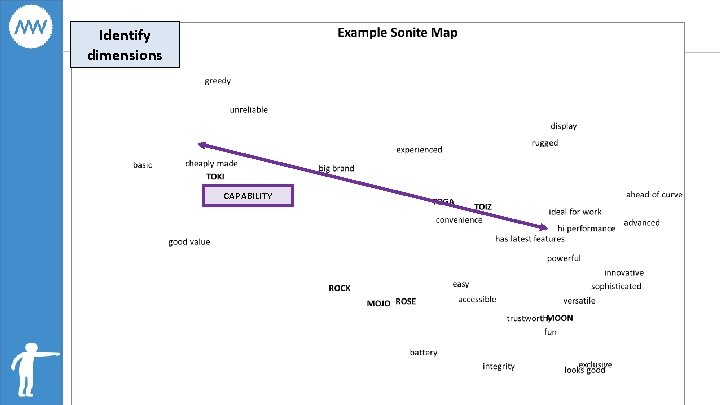
Identify dimensions CAPABILITY
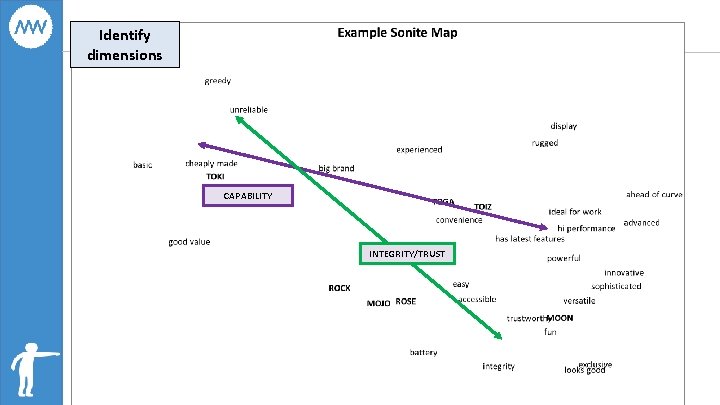
Identify dimensions CAPABILITY INTEGRITY/TRUST
Identify dimensions CAPABILITY INTEGRITY/TRUST INNOVATION
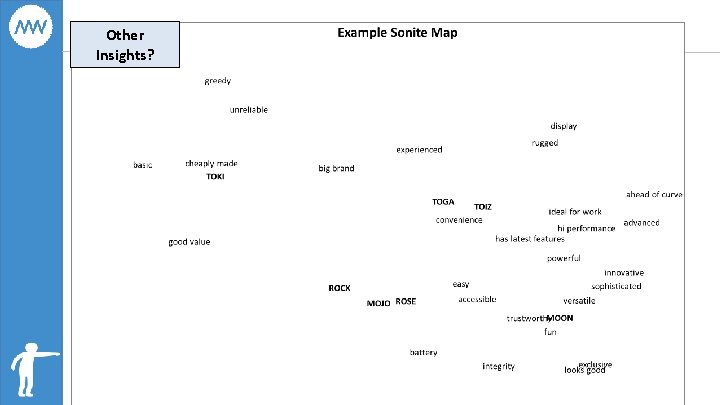
Other Insights?
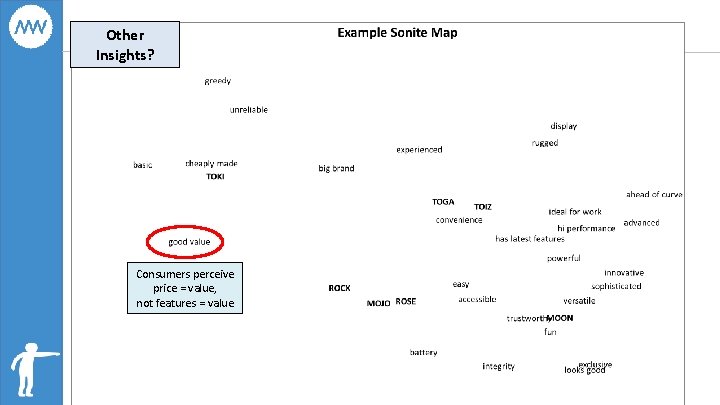
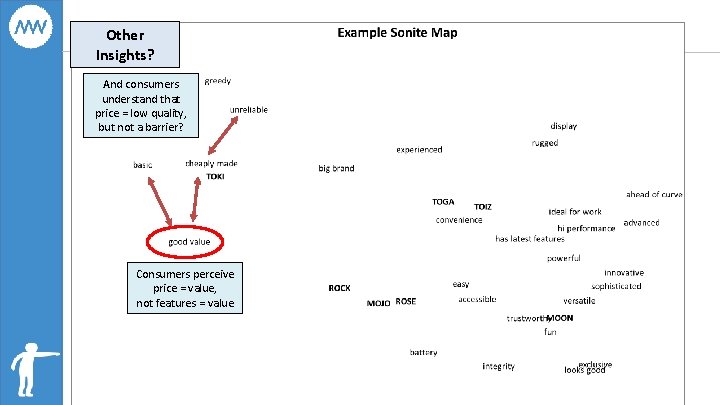
Other Insights? Consumers perceive price = value, not features = value
Other Insights? And consumers understand that price = low quality, but not a barrier? Consumers perceive price = value, not features = value
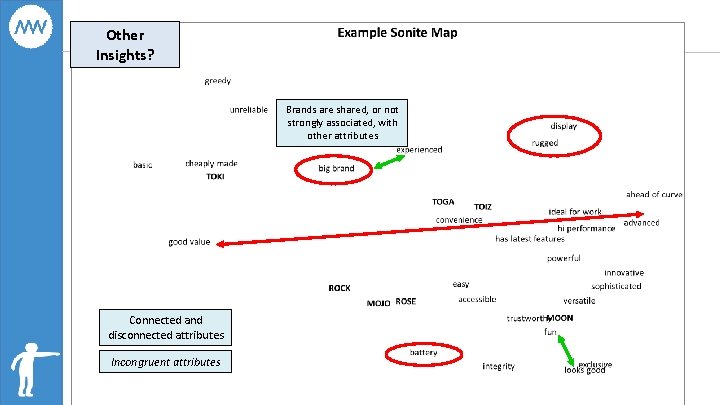
Other Insights? Brands are shared, or not strongly associated, with other attributes Connected and disconnected attributes Incongruent attributes
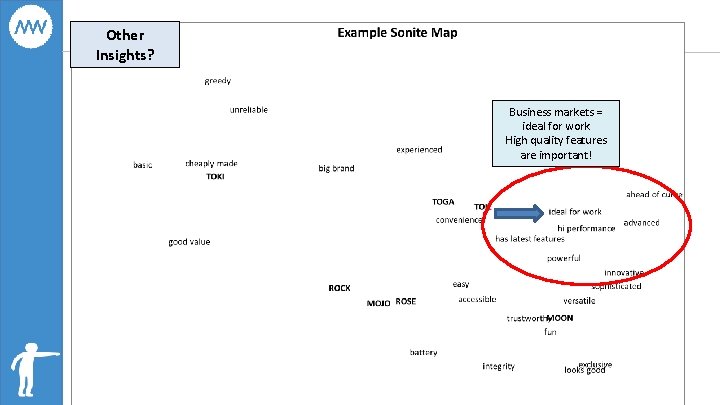
Other Insights? Business markets = ideal for work High quality features are important!
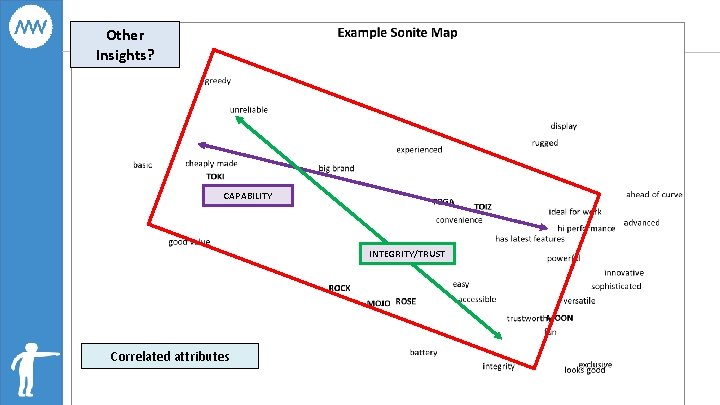
Other Insights? CAPABILITY INTEGRITY/TRUST Correlated attributes
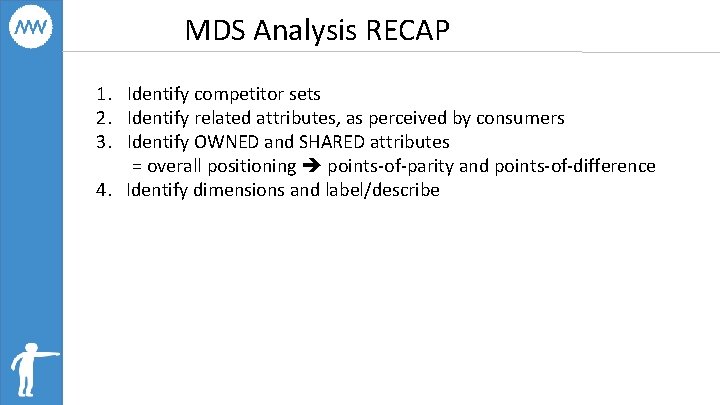
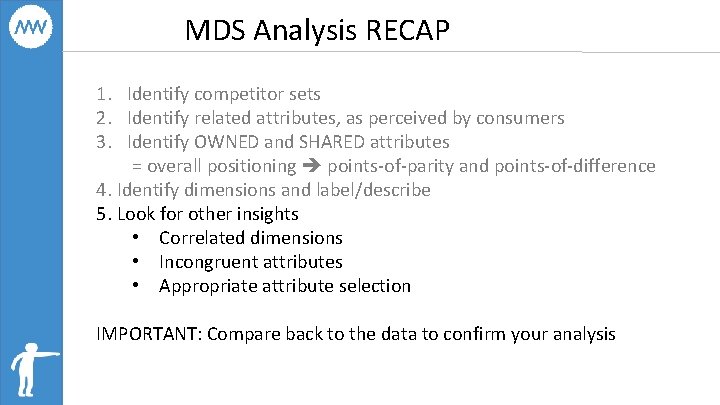
MDS Analysis RECAP 1. Identify competitor sets 2. Identify related attributes, as perceived by consumers 3. Identify OWNED and SHARED attributes = overall positioning points-of-parity and points-of-difference 4. Identify dimensions and label/describe
MDS Analysis RECAP 1. Identify competitor sets 2. Identify related attributes, as perceived by consumers 3. Identify OWNED and SHARED attributes = overall positioning points-of-parity and points-of-difference 4. Identify dimensions and label/describe 5. Look for other insights • Correlated dimensions • Incongruent attributes • Appropriate attribute selection IMPORTANT: Compare back to the data to confirm your analysis
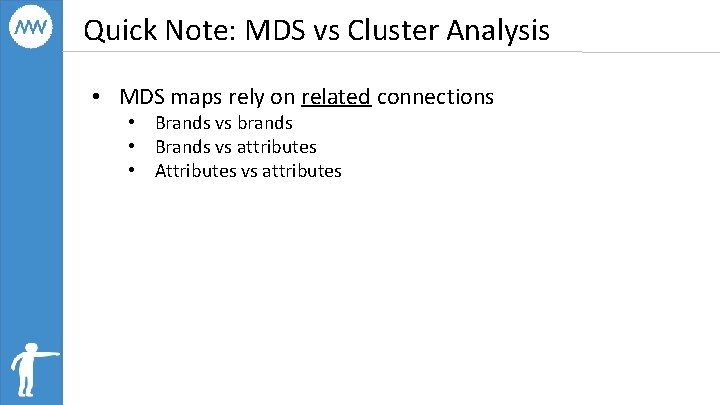
Quick Note: MDS vs Cluster Analysis • MDS maps rely on related connections • Brands vs brands • Brands vs attributes • Attributes vs attributes
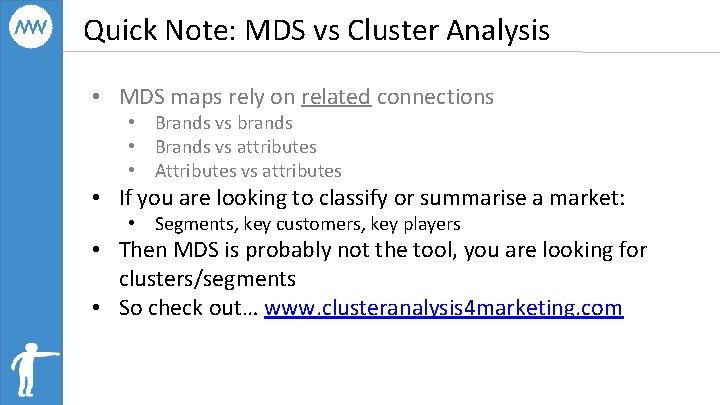
Quick Note: MDS vs Cluster Analysis • MDS maps rely on related connections • Brands vs brands • Brands vs attributes • Attributes vs attributes • If you are looking to classify or summarise a market: • Segments, key customers, key players • Then MDS is probably not the tool, you are looking for clusters/segments • So check out… www. clusteranalysis 4 marketing. com
Understanding MDS Perceptual Maps Presented by Geoff Fripp